
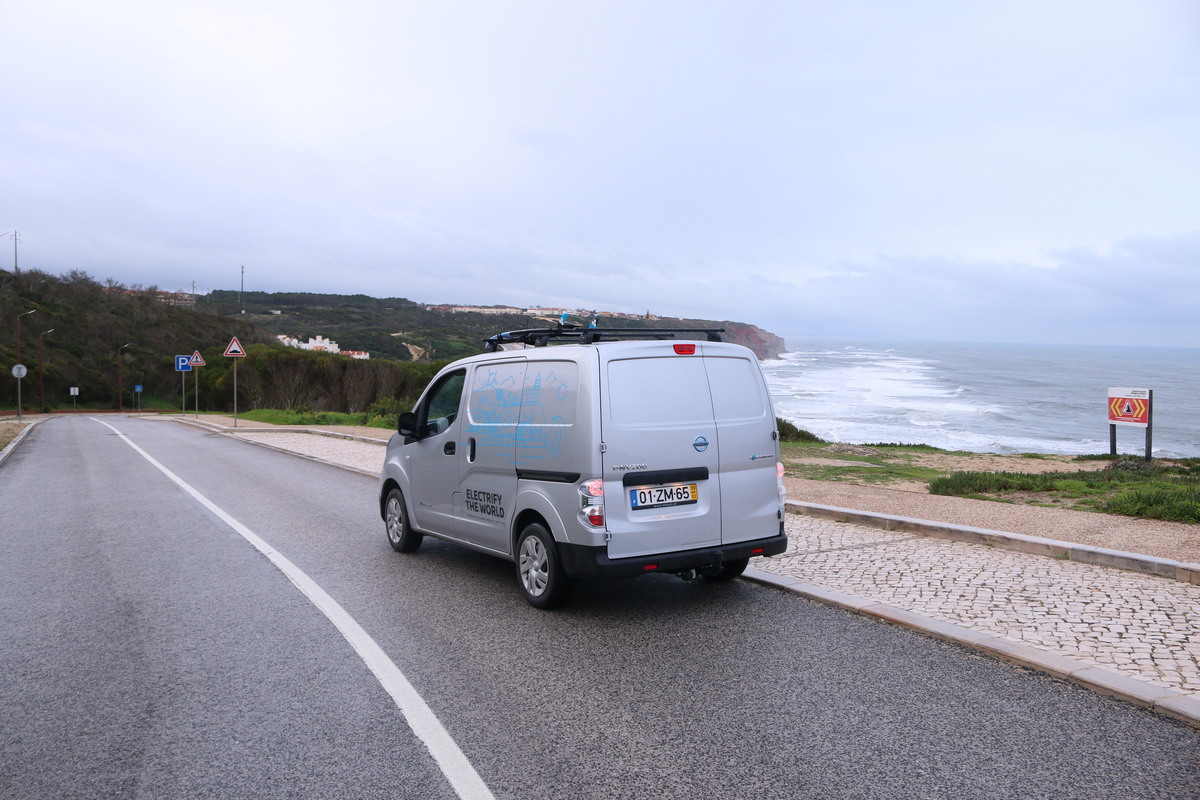
Minor electrical faults, rapid tyre wear and sticking sliding doors: the Nissan NV200 needs known maintenance to remain reliable. With some practical knowledge you can fix these issues yourself and save hundreds of euros in workshop costs. Read on to discover how you can keep your van in top condition with basic tools and a bit of time.
Repairing sticking sliding doors yourself
Sliding doors that do not unlock or jam halfway are a common problem on the NV200. The cause is often dirt, dust and hair build-up in the tracks, or wear on the actuator (the electric control unit of the door) and handle. This is not only annoying, it can also pose a safety risk.
Clean the slots and tracks thoroughly. Use compressed air to blow away loose debris and a soft brush for stubborn dirt. Then spray WD-40 or silicone spray onto the mechanical parts and open and close the door several times to loosen any remaining dirt.
For lubrication use graphite powder or a special door track lubricant on the rails and rollers. Avoid using too much oil, as this will attract even more dirt. Remove the interior panels with plastic trim tools. Then check the actuator. This helps prevent you from breaking clips. Test operation by starting and stopping the car, and try the remote control.
Some owners report that when the door jams you can unlock it manually from inside the vehicle. Prevent this by carrying out brief weekly maintenance on the doors and mechanisms.
‘ In cases of severe cupping it is wise to replace tyres early to prevent damage to the suspension. ’
Tackling tyre problems with rotation and inspection
The NV200 often runs on narrow 175/70/14 tyres that can wear prematurely. Cupping, a wave-shaped wear pattern, is caused by suspension issues such as worn struts or ball joints. Incorrect wheel alignment also significantly speeds up wear.
Check your tyres regularly for tread and irregular wear patterns. Watch for wear on the inner or outer edge and measure tyre pressure weekly. The recommended pressure is between 35 and 40 PSI. Rotate your tyres every 5,000 kilometres, but check the suspension for defects first.
Use a spirit level or an app on your phone to perform a quick camber check. Adjust the rear axle alignment with shims if needed. In cases of severe cupping it is wise to replace tyres early to prevent damage to the suspension. Consider wider tyres for better grip and more even wear.
Owners report wear after just 25,000 kilometres despite regular rotation. In that case, jack up the vehicle and check lower arms and ball joints for play by rocking the wheels.

Tracing and fixing EVAP blockages
The EVAP system (the emissions system that captures fuel vapours and prevents them from escaping) monitors emissions. Blockages in the vent tubes cause a fuel smell in the cabin, problems when refuelling or loss of power. This problem occurs more often than you might think.
Diagnosis starts with recognising symptoms: do you smell fuel in the car, or are you unable to fill the tank completely? Scan with an OBD2 tool (the standard diagnostic tool for cars) for fault codes such as P0442 or P0455. Then locate the canister under the vehicle and blow the vent tubes clean with compressed air or carb cleaner.
The purge valve (the valve that allows fuel vapours to go to the engine) is a component that can stick. It is a cheap replacement part you can fit yourself. As a preventive measure, fill the tank slowly and avoid parking for long periods in dusty environments. Prolonged exposure to fuel vapours can cause headaches, so repair this quickly.
Checking and replacing transmission fluid
The NV200’s CVT transmission can change erratically or make rattling noises due to solenoid failure or wear. This can occur from 20,000 to 74,000 kilometres and may lead to expensive overhauls if you ignore it.
Check the fluid level and colour of the CVT fluid. Healthy fluid is pink, not brown or burnt. Replace the fluid every 50,000 kilometres with Nissan NS-2 fluid. Do not use other brands, as that may cause damage.
Use an OBD2 scanner to reset the adaptives after a fluid change. Then take a test drive and monitor the shift behaviour. If you regularly carry heavy loads, consider fitting an additional transmission cooler. This significantly extends service life.
Owners sometimes describe the sound as like bicycle spokes. Do not ignore this, as CVT repairs can easily cost thousands of euros. Early action saves a lot of money.
‘ Regular inspection prevents more serious damage and improves safety. ’
Maintaining suspension and brakes yourself
The NV200’s rear axle has weak spots, including rapid wear on brake pads and lower arms with ball joints. Regular inspection prevents more serious damage and improves safety.
Jack up the vehicle and rock the wheels to detect play in the ball joints. Check brake pads for a minimum thickness of 3 millimetres. Replace brake pads with standard tools and lubricate new parts with synthetic grease.
Use bush pliers and basic tools to replace the lower arms. This saves workshop costs and is perfectly doable on your own with a bit of patience. Also check the ECU wiring, as water ingress is a known problem. Wipe off corrosion and seal connections with silicone.

Practical tips for long-term maintenance
Carrying out regular maintenance yourself keeps the NV200 reliable and prevents major expenses. Prioritise oil changes, tyre checks and brakes. The NV200 does not suffer major rust problems, but do check the ECU wiring for moisture regularly.
For safety, fix door problems and airbag issues immediately. Use the VIN to check for active recalls. Owners with a full service history can sometimes claim goodwill repairs from the dealer.
A basic tool kit with an OBD2 scanner, jack, trim tools and lubricants will solve 80 per cent of common problems. Always test after a repair and take a short test drive before returning to normal use.
Discover more car-specific knowledge
On the Carnews website you will find a lot more information about maintenance, common problems and practical tips for different car makes and models. Explore more articles and expand your knowledge about your car.
Frequently asked questions
A grinding or squeaking noise when opening/closing the sliding doors often points to dirt or lack of lubrication in the rails, which you can clean and lubricate yourself. An irregular humming or “bicycle spoke”-like noise when accelerating can indicate CVT transmission wear or fluid that is too old, which you can partly check yourself by inspecting the fluid. A droning, knocking or thumping noise from the rear while driving can point to play in the suspension or cupping of the tyres, which you can check yourself by inspecting the wheels and tread. A hissing noise around the tank or smell of fuel can point to an EVAP blockage, which you can check with an OBD2 scanner and visual inspection of hoses and the canister.
Yes, there are effective DIY methods to prevent and treat rust in critical areas of an NV200. As a preventive measure you can thoroughly clean and degrease vulnerable areas (wheel arches, sills, bottom edges of the doors, chassis parts) and treat them with rustproofing wax, cavity wax spray or tectyl/underbody coating, repeating this annually. For early-stage rust you sand back to bare metal, use a rust converter, then primer, paint and optionally clear coat or stone-chip coating. Always work on a dry, clean surface and inspect especially after winter or after many motorway journeys on salted roads.
Essential tools for an NV200 owner include a solid jack and axle stands, a set of sockets and screwdrivers, plastic trim tools, lubricants (such as WD-40/silicone spray and grease) and a basic OBD2 scanner. Also useful are a tyre pressure gauge, wheel brace or torque wrench and basic cleaning materials (brushes, compressed air). Basic skills include jacking up and supporting the vehicle safely, being able to remove/replace wheels and brake pads, cleaning and lubricating sliding doors and rails, and visually checking tyres, suspension and leaks. In addition, it is useful to be able to read fault codes with an OBD2 scanner and to trace simple EVAP or electrical issues (such as loose or corroded connectors).
Keep the rails and rollers of the sliding doors clean by regularly removing sand and dirt and lightly lubricating them with silicone spray or a special door rail lubricant, but avoid thick oil that attracts dirt. Fully open and close the sliding doors every week so that rollers and locks do not seize. Check your brakes regularly for wear (pad thickness, rusty or grooved discs) and avoid driving with worn pads. Drive defensively and anticipate the traffic so you have to brake less often and less harshly, which significantly extends the lifespan of your brakes.
Warning lights that require immediate attention but are often possible to check or fix yourself include: the tyre pressure warning light (check and correct tyre pressures, visually inspect for damage), the engine warning light in the case of minor EVAP problems (check/tighten the fuel cap, read fault codes with an OBD2 scanner and tackle small EVAP leaks or blockages), the oil level light when the level is low (check immediately and top up the oil) and temperature/coolant warnings if the temperature rises slightly (check coolant level and top up if necessary, visually check for leaks around hoses and radiator). Serious flashing or red warning lights for the engine, brakes, steering or airbag system, on the other hand, require professional diagnosis and you should not continue driving.