
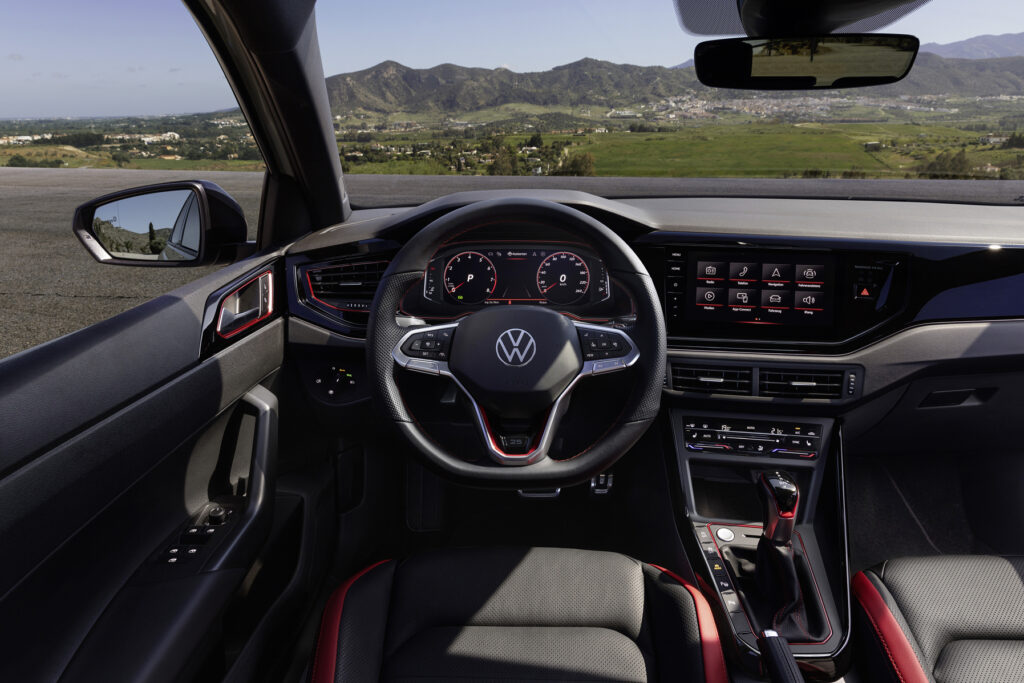
Air conditioning faults on the Volkswagen Polo are mainly caused by loss of refrigerant, a faulty compressor or a failed blower resistor. The type of fault often depends on the age of the model. Cold air then no longer comes out of the vents, or the ventilation only works on the highest setting. What can you do yourself and when should you go to the garage?
Why doesn’t your Polo’s aircon blow cold air?
An aircon that no longer cools has three main causes. By far the most common culprit is a low refrigerant level. The refrigerant leaks away through tiny cracks in pipes, joints or the condenser. The Volkswagen Polo is not immune to this, especially after a few years of use.
The compressor does not switch on. The compressor pumps the refrigerant through the system and provides the actual cooling. The air stays lukewarm if this part is defective. An electrical problem can also prevent the compressor from being activated. Sometimes it is not the compressor itself, but a relay, fuse or the control panel. These components block the signal.
Finally, a dirty or clogged cabin filter can severely restrict the airflow. You hardly feel anything coming out of the vents. This problem does not affect the cooling capacity, but it does affect how it feels. Regular filter replacement prevents this problem. It also keeps the air in the car fresh.
‘ It is regularly damaged by intensive use or simply over time. ’
How can you tell which part is causing the problem?
Start with a simple check. Set the aircon to the lowest temperature and the highest fan speed. Listen to see if you hear the compressor switch on. This sounds like a soft click followed by a slight change in engine noise. If this sound is missing, the fault is often in the electrical control or in the compressor itself. The compressor may also be defective.
Does the ventilation only work on the highest setting? This almost always points to a failed blower resistor. This small part controls the speed of the fan. It is regularly damaged by intensive use or simply over time.
Is the airflow weak on all settings? Then first check the cabin filter. This is usually located behind the glove compartment and is easy to reach. A dirty filter is full of dust, leaves or dirt. You can see it straight away. Replace the filter and test again.
Repair costs by Polo generation
The costs for aircon repairs vary by model year and type of defect. For older Polos built before 2010, parts are affordable. Replacing a blower resistor usually costs between 50 and 150 euros, including labour. Topping up the refrigerant normally comes in at around 75 to 100 euros at a garage.
On models from 2010 to 2017 the aircon systems are more complex. Replacing a compressor here can run up to 600 to 800 euros. The type and availability of parts determine the price. Tracking down and repairing leaks in the condenser or pipes also takes more time. This can cost between 200 and 400 euros.
For the latest generation Polos from 2017 onwards, the amounts are similar. The electronics are more sensitive. A faulty control panel is more common. This panel blocks the compressor. Replacement costs 300 to 500 euros. Always have a diagnosis carried out first before you have major parts replaced. That saves unnecessary costs.
Common faults and what they cost
- Replacing the blower resistor: 50 to 150 euros
- Topping up the refrigerant: 75 to 100 euros
- Replacing the compressor: 600 to 800 euros
- Repairing or replacing the condenser: 200 to 400 euros
- Replacing the control panel: 300 to 500 euros
Refilling the aircon on a Volkswagen Polo yourself
Topping up the aircon seems like a simple job. Kits are available from many car parts shops. Even so, there are risks. The system operates under high pressure and requires a specific type of refrigerant. The model year of your Polo determines which type you need. For models from 2017 onwards this is often R1234yf. For older cars it is usually R134a. The wrong refrigerant will damage the system.
Simply topping up does not fix a leak. The refrigerant will leak out again and after a few weeks or months you will once more have no cold air. With larger leaks, moisture can enter the system. This leads to corrosion and expensive consequential damage.
If you still want to top up yourself, choose a kit with a pressure gauge. Follow the instructions carefully. Never overfill. Excess pressure will damage the compressor. First test whether the compressor does switch on. Otherwise, topping up is pointless. If there is a leak, this is only a temporary solution.
Pitfalls when topping up yourself
- Using the wrong type of refrigerant can damage the system
- Too much pressure leads to compressor damage
- A leak remains, so the problem keeps coming back
- Moisture in the system causes corrosion and expensive consequential damage
- Without a diagnosis you don’t know whether the compressor is actually working
‘ The damage increases and the repair costs rise. ’
Preventive maintenance helps avoid aircon problems
Regular use of the aircon keeps the system running smoothly. This also applies in winter. Use prevents seals from drying out. Switch the aircon on at least once a month. You do not need cooling for this. The refrigerant and lubricating oil then circulate through the system. This keeps the components in good condition.
Replace the cabin filter every year or every 15,000 kilometres, whichever comes first. This prevents weak airflow. It also prevents musty smells caused by mould and moisture build-up around the evaporator. A clean filter improves air quality. It extends the life of the fan.
If the aircon gradually cools less well, take it seriously. This often points to a small leak. At an early stage this leak is still easy to fix. Do not wait too long. The damage increases and the repair costs rise.

When should you go to the garage?
Go to a garage if the aircon no longer cools at all, makes strange noises or only works on the highest fan setting. These are signs of faults. You cannot fix them yourself without tools and knowledge of aircon systems. A professional diagnosis with pressure tests and electrical checks will follow. This quickly shows where the problem lies.
Are you unsure about the cause? Then a visit to the garage is sensible. Guessing yourself and replacing parts can turn out expensive. This happens if you tackle the wrong component. A good mechanic will first test the compressor. He will check the refrigerant level, inspect the pipes and check the electrical control. This is done before anything is replaced.
Aircon repairs are sometimes not covered by the standard warranty. This especially applies to older cars. Ask for a quote in advance. Have the mechanic explain which steps are needed. That prevents unpleasant surprises.
Practical lessons from owner experiences
Many Polo owners first try topping up the refrigerant themselves. In the end, they still go to the garage. The problem comes back. Fixing a leak is cheaper than topping up refrigerant for months on end. Small leaks are often in joints or in the condenser. This is especially true for cars driven in urban areas. Stone chips and dirt cause damage there.
When the blower resistor fails, only the highest fan setting works. This part is relatively inexpensive and simple to replace. DIY enthusiasts with basic knowledge can do this themselves. Manuals and videos are available online for different generations of the Polo.
A faulty control panel occurs more often than you might expect. This is especially the case on models from 2013 and 2014. The compressor itself works perfectly well. It just does not receive a signal to switch on. You cannot determine this yourself. Diagnostic equipment is needed. This explains why simply topping up has no effect.
‘ This way you stay up to date with important information for Polo owners. ’
More information about your Volkswagen Polo
Aircon problems are common on the Volkswagen Polo. On the Carnews website you will find extensive information about other technical faults. The site also offers maintenance tips and practical guides for different generations of this popular model. Are you dealing with electrical problems, engine issues or questions about maintenance? There is much more to discover. Take a look. This way you stay up to date with important information for Polo owners.
Frequently asked questions
The most common air conditioning faults on a Volkswagen Polo are refrigerant leaks or a level that is too low, causing the aircon to no longer cool properly. In addition, a defective compressor or its control, and problems with the blower resistor/fan motor (for example aircon only works on the highest setting) often occur. Contaminated or clogged cabin filters and air ducts regularly cause weak airflow or a musty smell. Fuse, relay or wiring faults are also frequently mentioned as the cause when the aircon no longer switches on at all.
You may notice a potential air conditioning fault if the Polo still blows air but it is no longer really cold, especially when the outside temperature is high. Also watch out for a fan that only works on the highest setting, a clearly weaker airflow or strange noises when switching on the aircon. A persistent musty smell from the vents can indicate contamination or moisture problems in the system. If these signs appear and do not improve after, for example, replacing the cabin filter, it is wise to have the aircon checked at an early stage.
You can check whether the aircon, set to the lowest temperature and highest fan speed, still blows noticeably cold and whether the fan works at all speeds. Listen to see if you can hear the compressor (click/hum) when you switch on the aircon and pay attention to any strange noises. Check the cabin filter for contamination if the airflow is weak or there is a musty smell. Finally, look in the fuse box to see whether the relevant fuses for aircon/ventilation are still intact.
Use the air conditioning on your Volkswagen Polo at least once a week, even in winter, so that the compressor and seals remain lubricated. Have the cabin filter replaced according to the maintenance schedule (or when airflow is reduced/there is a musty smell) to prevent blockage and mould. Regularly check whether the aircon still blows properly cold and have the system professionally inspected every few years and, if necessary, refilled with leak detection rather than just “topping up”. Keep an eye on fan speeds and fuses; for example, if only the highest speed works, quickly repairing the blower resistor is wise to prevent extra load and consequential damage.
The average cost of fixing a simple aircon problem on a Volkswagen Polo, such as topping up the refrigerant and a basic check, is roughly between €80 and €150. Repairs to electrical components such as a blower resistor, fuses or relays often come out between €150 and €300, depending on the workshop and hourly rate. For major repairs to the aircon compressor or for tracing and repairing leaks, costs can rise to around €400–€900. The exact price always depends on the Polo’s model year, the garage’s labour costs and whether original or aftermarket parts are used.