
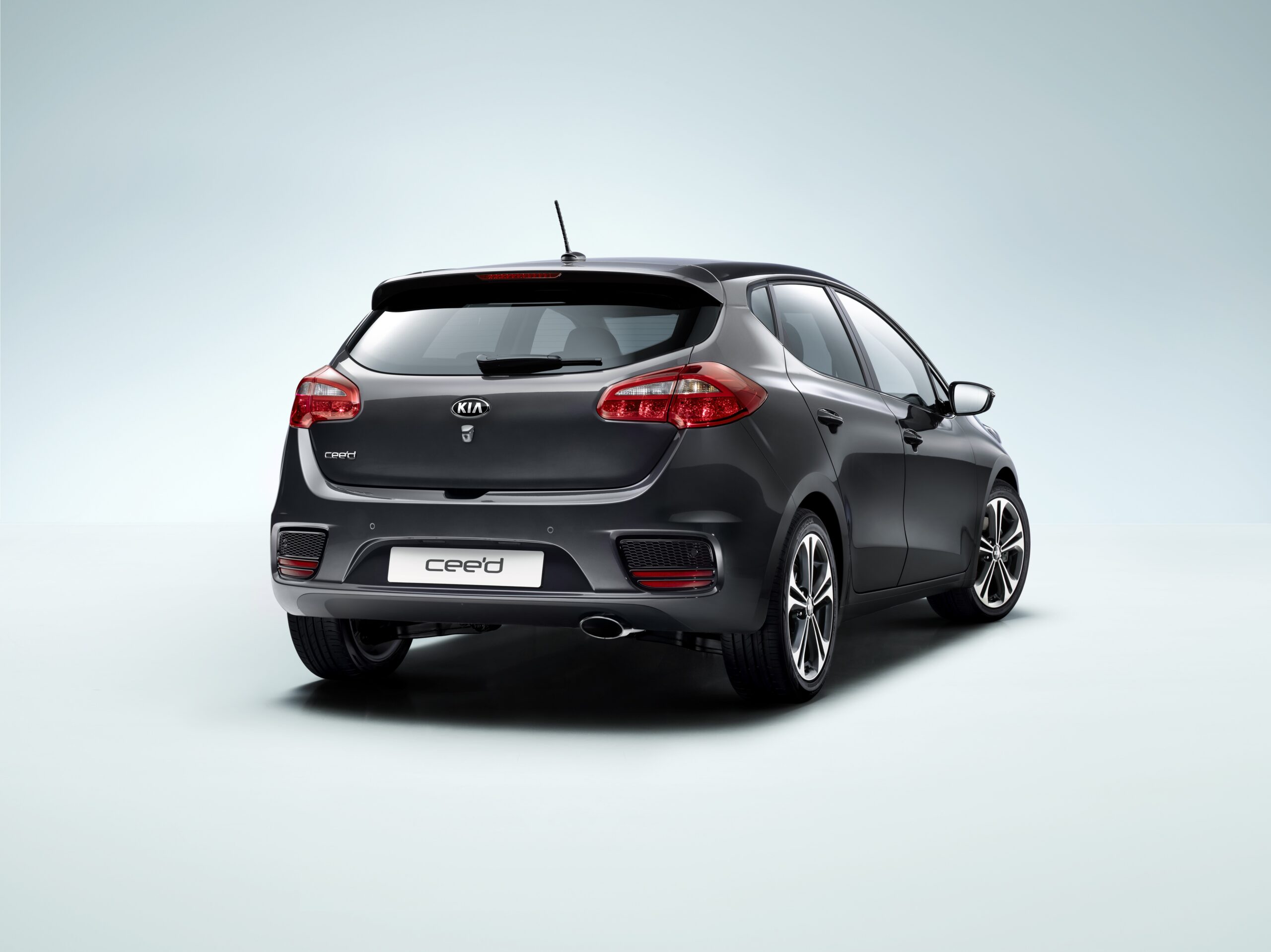
A flat battery in the Kia Ceed regularly leads to starting problems because of the ISG system, which discharges the battery faster, especially after standing still or short trips. This problem worsened during coronavirus lockdown periods when cars were left parked for longer. Why this particular model is so sensitive to battery problems and what you can do about it, you can read below.
Why does the battery in your Kia Ceed go flat so quickly
The battery in your Kia Ceed runs down more quickly than expected for several reasons. The ISG system (Idle Stop and Go) often plays a major role in this. This start‑stop system switches the engine off automatically when the car is stationary. The aim is to save fuel. However, the system makes heavy demands on the battery, because the engine has to be restarted at every red light.
On short trips the alternator does not get enough time, so the battery is not fully recharged. During coronavirus standstill or other periods when the car was not used, this was a very common problem. Kia Ceed owners report that their battery can go flat within a few days, even after a 25‑kilometre drive.
Besides the ISG system, extreme temperatures also affect the battery. When temperatures drop below -18°C, the capacity of the battery noticeably decreases. Heat, on the other hand, shortens its lifespan. This is caused by chemical processes in the battery cells that speed up. A faulty alternator can also be the cause. The charging voltage should be between 13.6 and 14.8 volts. Measure this with a multimeter, with the engine running.
Rust on the battery terminals blocks the charging process. User errors also contribute to rapid discharge. Think of leaving lights or the radio on. In hybrid Ceed models it can happen that the 12V battery has a voltage that is too low, causing the system not to function properly.
‘ This points to internal damage, such as broken cells. ’
Recognising the symptoms of a weak battery
You can recognise a weak battery by several symptoms. The engine cranks slowly. In some cases the engine will not start at all. Even jump leads do not help then. The electronics behave strangely: lights dim, the dashboard flickers or the audio system cuts out.
The battery does not hold its charge. You have done a longer drive and the battery has been charged, yet the car will not start the next morning. In older Ceed models this occurs mainly after standing idle over winter. Some owners report discharge in a short time: their battery goes from full to completely flat while the car is parked overnight.
A battery charges slowly. Sometimes it takes several attempts to start. This points to internal damage, such as broken cells. Measure the voltage at rest. Use a multimeter for this. A healthy battery has more than 12.6 volts. If the voltage is below 12 volts, there is a problem.
How to solve ISG start‑stop problems
If the battery charge becomes too low, the ISG system of the Kia Ceed stops working. This is a safety measure: the car must at least be able to start. You notice this from the behaviour of the system – it no longer switches the engine off when you are stationary.
First fully charge the battery. Use a trickle charger. This charges the battery slowly and safely. Choose a charger that is suitable for the type of battery in your Ceed. After 24 hours the voltage should be restored. If not, replace the battery.
First charge the battery. Then drive for at least 30 minutes on the motorway. The alternator works better at higher revs, so the battery charges more effectively. Short urban trips are not enough to support the ISG system properly.
If problems keep returning, switch the ISG system off. You do this with a button in the car, usually near the steering wheel. Keep an eye on your fuel consumption – it will increase slightly. For some owners this is a practical solution when they frequently do short trips.
Which battery is best for your Kia Ceed
Choosing the right battery prevents future problems. Consult the handbook for your Ceed and check which capacity and type of battery are required. Pay attention to the year of manufacture, as this affects the specifications.
Your model has an ISG system. This is a start‑stop system. You therefore need an AGM battery (Absorbent Glass Mat) or an EFB battery (Enhanced Flooded Battery). These are reinforced batteries designed specifically for start‑stop systems. They cope better with frequent start‑stop cycles. The system starts and stops the engine repeatedly. A normal lead‑acid battery is unsuitable for this system and will fail quickly.
When buying, look at these features:
- Capacity in Ah (ampere‑hours) must match the original battery
- CCA rating (Cold Cranking Amps) indicates how much starting power the battery delivers in cold conditions
- Dimensions must fit exactly in the battery tray
- Warranty period and quality brand provide reassurance
Are you unsure about fitting it yourself? Then contact a dealer. A dealer can read out the battery management system and then check whether everything is functioning correctly. In hybrid models this is especially important because of the complex electronics.
Practical tips to prevent battery problems
Carry out preventive maintenance. This saves breakdowns and unexpected costs. Check the battery voltage regularly using a multimeter. Do this at least once a month; in extreme weather conditions, check more often. A voltage above 12.6 volts at rest is healthy.
Clean the battery terminals at least twice a year. Use a brush. Mix baking soda with water and use this to remove rust and corrosion. Dry everything thoroughly and lightly coat the terminals with petroleum jelly for protection.
If your car will be standing still for longer, connect a trickle charger. If the car is unused for more than a week, a trickle charger keeps the battery charged without overcharging. This is useful in the winter months and also helps during holiday periods.
Avoid these battery killers:
- Leaving accessories switched on while the engine is off
- Driving only short trips without longer journeys in between
- Parking the car in extreme cold without protection
- Waiting too long to replace an old battery
Plan a longer trip of 30 kilometres at least once a month. This gives the alternator time to work and allows the battery to charge fully. This helps prevent crystal formation in the battery cells.
Immediate help with a flat battery
If your battery is flat and the car will not start, use jump leads. Take the red lead and connect it first to the positive terminal of both batteries. Then take the black lead and connect it to the negative terminal of the donor battery. Find an unpainted metal part of your own car and connect the black lead to this. Do not connect the lead directly to the negative terminal of the flat battery. This prevents sparking and the risk of damage.
Let the donor car run for five minutes. Then start your engine. This gives the flat battery a bit of pre‑charge – a small initial charge that makes starting easier. Once your car has started, let both engines run for a few minutes. Then remove the leads in the reverse order.
Drive off immediately for at least 30 minutes. Do not switch the engine off en route. The battery needs time to charge; a short trip is not enough and increases the risk of breaking down again.
If this keeps happening, replace the battery. First fully charge the battery and then measure the voltage. If the voltage drops back below 12 volts within a few days while the car is standing still and not being used, the battery is worn out. If there is frost damage or visible leakage, replace the battery immediately.
Experiences of Ceed owners with battery problems
On forums, many Ceed owners share their experiences. These are similar: they are about flat batteries and starting problems. After the coronavirus period, the number of reports increased. Owners reported flat batteries after only a few days of standing still. Petrol models suffered from this, but hybrid models also showed this problem, and across several years of manufacture.
Some owners mention a temporary solution: their dealer replaced the battery, but the problem came back. There is then often a deeper underlying issue, such as the alternator or electronics. Replacing the battery does not help. Have the car thoroughly checked in that case.
In hybrid models users report a recurring problem: the 12V voltage is too low. This battery powers the electronics, while the hybrid battery provides the drive. Both systems work together. Faults in the charging management occur, leading to rapid discharge.
Breakdown reports from the ANWB (Royal Dutch Touring Club) show the pattern: battery problems are very common with the Kia Ceed. Test the battery regularly and replace it in time. This prevents you from being stranded unexpectedly. Do not accept that this is normal – look for the cause.
When to take your Kia Ceed to the garage
In some cases professional help is needed. Think of a battery that runs down quickly or persistent faults in the system. If you fully charge the battery and it is empty again within 24 hours, go to a garage. This indicates internal damage. Another possibility is parasitic drain – electronics continue to run and keep discharging the battery.
If the alternator delivers the wrong voltage, have this checked by a specialist. Diagnosis of the charging system is needed, for which specific measuring equipment is required. Too low a voltage does not charge the battery; too high a voltage damages the cells.
In hybrid models dealer diagnostics is often necessary. The system logs fault codes that ordinary garages cannot always read. A Kia dealer has access to specific software and also has knowledge of the different battery systems, which must work together properly.
Have the following checked if you suspect battery problems:
- Charging voltage of the alternator at different engine speeds
- Parasitic current draw with the engine off
- Condition of the battery using a load test
- Fault codes in the ISG system and battery management
Do not wait too long before visiting a garage. The longer you wait, the greater the risk. A small fault becomes bigger and can cause damage to the electronics. Early diagnosis saves money and also prevents breakdowns and being stranded.
Discover more about your Kia on Carnews
Battery problems are just one aspect of maintaining your Kia Ceed. On the Carnews website you will find extensive information about common issues and maintenance tips. You will find practical solutions for various car problems. Are you dealing with engine problems or do you have maintenance questions? Other technical challenges are also covered. You can read what you need to know to keep your car in top condition. Explore the website and stay informed. You will find tips for better driving comfort and you can also read about the reliability and maintenance of your model.
Frequently asked questions
What are the most common ’causes’ of a ‘flat battery’ and ‘starting problems’ specifically in the Kia Ceed?
The most common causes of a flat battery and starting problems in the Kia Ceed are wear or ageing of the battery, short trips or long periods of standing still, which mean the alternator cannot fully recharge the battery. Extreme temperatures (especially winter cold) and a poorly charging or faulty alternator also often play a role. In addition, user errors such as leaving lights or accessories on and oxidised battery terminals regularly cause problems. In some Ceed models (including hybrids) there is the additional issue that the 12V battery discharges quickly and has a consistently low voltage, meaning replacement by the dealer is required.
How can I ‘diagnose’ myself whether the ‘battery’ is to blame or whether there is another ‘electrical problem’ with my Kia Ceed?
First measure the battery voltage with a multimeter: when the car is stationary it should be around 12.6V; anything below about 12V strongly indicates a weak or defective battery. Start the engine and measure again: if the voltage is not between roughly 13.6 and 14.8V, the alternator/electronics are not charging properly. If you can start the car with jump leads or a charger but the voltage then quickly drops again, the battery itself is probably to blame. If the voltage remains good but you still have flat‑battery problems, there is likely another electrical issue (parasitic drain, alternator, wiring).
Which ‘preventive steps’ can I take to avoid a ‘flat battery’ in my Kia Ceed?
You can prevent starting problems by checking the battery voltage regularly (resting voltage around 12.6V) and keeping the terminals clean and free from rust. Preferably make longer trips (for example 30 minutes on the motorway) instead of only short runs, so that the alternator can fully recharge the battery. When the car is unused for a long time or in winter, use a suitable trickle charger to keep the battery topped up. Finally, make sure you do not leave any electrical consumers (lights, accessories) on unnecessarily when the engine is off.
Which ‘procedure’ should I follow to provide safe ‘jump‑starting’ or to ‘recharge’ the battery of a Kia Ceed?
For safe jump‑starting of a Kia Ceed, first connect the red jump lead to the positive terminal of the flat battery and then to the positive terminal of the donor car, then connect the black lead to the negative terminal of the donor and the other end to an unpainted metal part (earth) of the Kia, not directly to the negative terminal. Let the donor car run for a few minutes and then start the Kia; remove the leads in the reverse order. For safe charging, preferably use a suitable (intelligent) trickle charger, connect positive to positive and negative to an earth point or the negative terminal and fully charge the battery according to the charger’s instructions. Then check the battery voltage (around 12.6V at rest) and, if problems persist, have the battery and alternator tested.
Are there any ‘specific battery types’ or ‘upgrades’ recommended for a Kia Ceed to improve ‘reliability’?
For a Kia Ceed the main recommendation is a high‑quality battery of the correct type and capacity according to the handbook, rather than an exotic “upgrade”. Choose a premium‑brand starter battery (or, for start‑stop, a suitable EFB/AGM variant) with sufficient cold‑cranking current, as these cope better with repeated starting and cold conditions. Also have the alternator charging voltage checked; an excellent battery will fail quickly if the charging voltage is wrong. If you mainly do lots of short trips, you can further improve reliability by using a good trickle charger.