
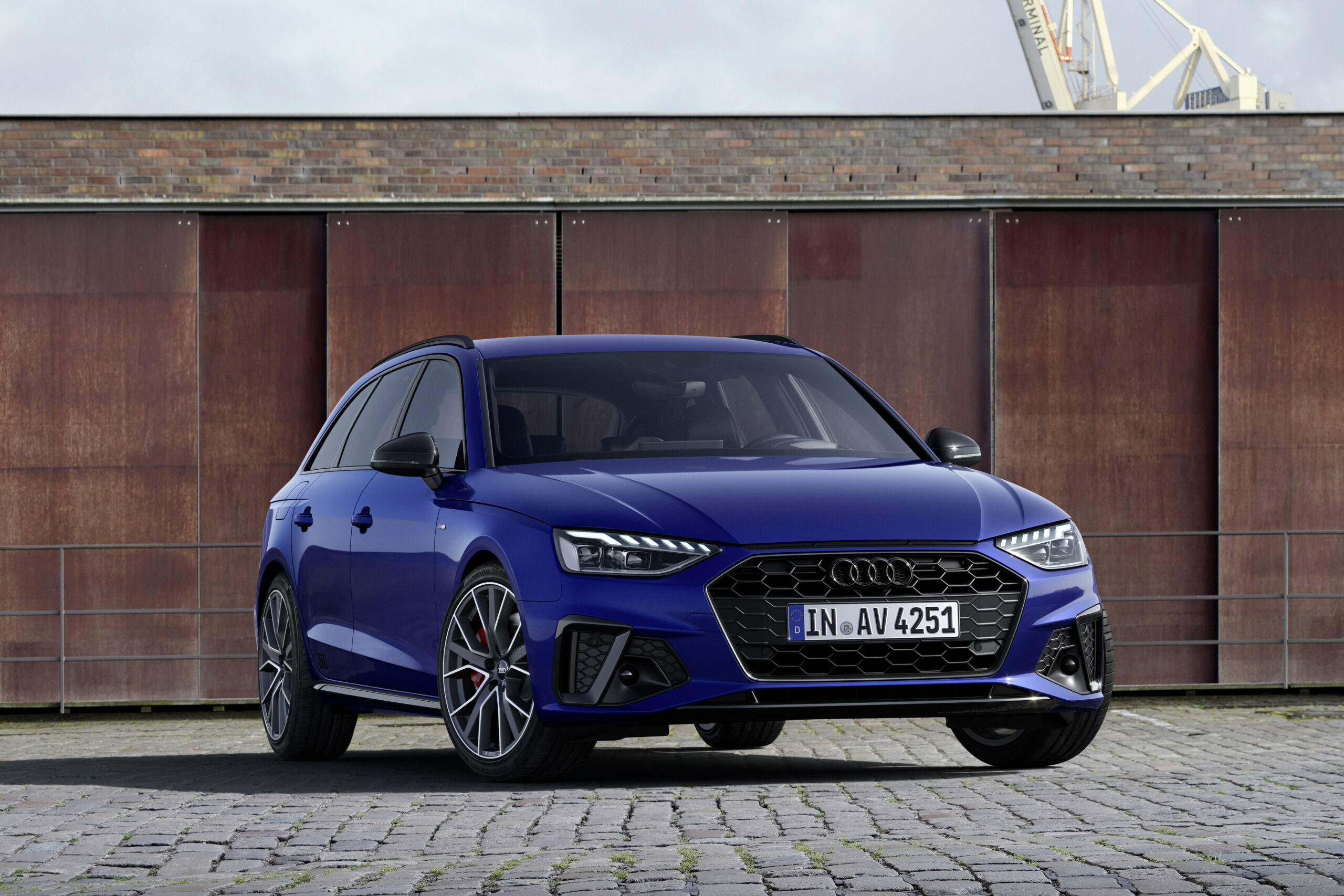
A worn dual-mass flywheel (a flywheel with two sections that damps vibrations) causes annoying thuds and vibrations when pulling away and, at high mileage, is best replaced at the same time as the clutch. This is a known issue with the Audi A4 with manual gearbox that affects many owners sooner or later. Want to know how to spot these symptoms in time and avoid expensive consequential damage?
Recognising a faulty flywheel
The Audi A4 with manual gearbox uses a dual-mass flywheel (a flywheel with two sections that damps engine vibrations), often abbreviated to DMF (dual-mass flywheel; it damps vibrations from the engine before they reach the gearbox). This component works together with the clutch and pressure plate to transfer engine power smoothly. As these parts wear, they do their job less effectively.
Typical complaints that point to problems with the flywheel are clearly noticeable while driving. You hear rattling or feel vibrations when the clutch bites, especially when pulling away from a standstill. Sometimes a hissing or grinding noise remains audible while driving, even after other parts have been replaced. This may indicate further damage to the flywheel itself.
A slipping clutch is also a common symptom. When accelerating in a higher gear, the engine power is not properly transferred to the wheels. This causes additional wear to the flywheel due to overheating. A strong burning smell can be the result, especially with inexperienced shifting or a defective pressure plate.
Increased fuel consumption combined with vibrations points to a broken flywheel. The flywheel can then literally start to slip through. Gear selection issues also belong on the list of symptoms. Difficulty engaging gears indicates that the clutch is not disengaging properly. This is usually due to a faulty pressure plate rather than worn clutch plates.
‘ It is important to know that the clutch and flywheel are considered wear parts. ’
Why the flywheel wears out
Several factors accelerate wear of the dual-mass flywheel in the Audi A4. Driving with heavier loads plays a major role. If you regularly tow a caravan or heavily load the car, the flywheel wears significantly faster. The flywheel then overheats and can even warp due to the constant load.
Intensive use reinforces this process. Aggressive driving with lots of stop-start city traffic puts additional stress on the system. Pulling away uphill and frequent clutch use under load also accelerates wear. The flywheel damps vibrations effectively, but pays the price in terms of lifespan.
A failed pressure plate can also indirectly lead to flywheel problems. When the pressure plate fails, the clutch cannot disengage properly. This causes shifting complaints. It also creates extra friction and heat. When carrying out repairs, always check the pressure plate as well, otherwise you risk the symptoms returning.
It is important to know that the clutch and flywheel are considered wear parts. They are not covered by the manufacturer’s warranty. Regular maintenance does, however, prevent small issues from developing into major damage.
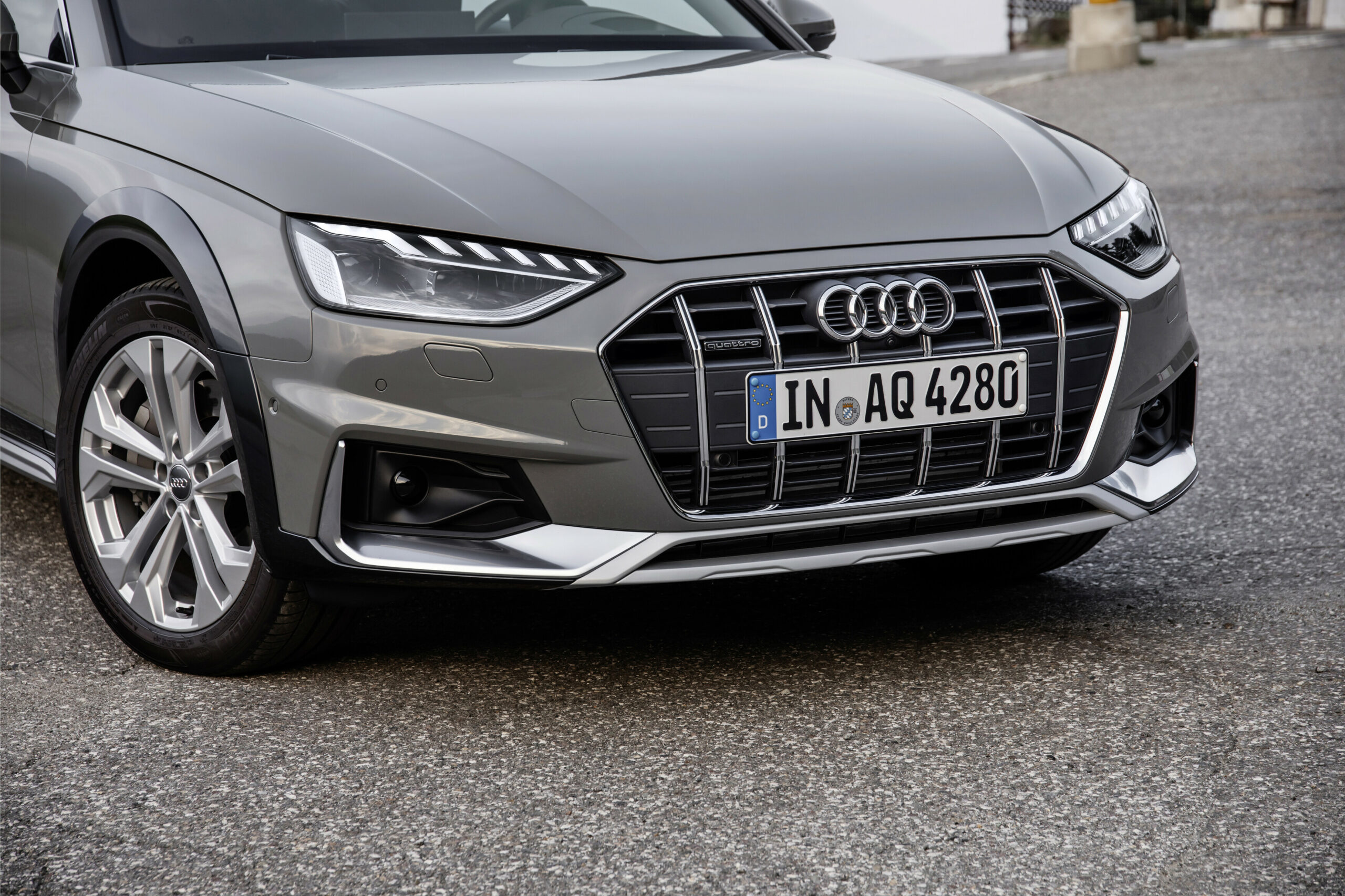
What does it cost to replace the clutch and flywheel?
The cost of replacement varies considerably. In practice it quickly runs into the thousands of euros. The flywheel itself for a manual gearbox costs several hundred euros, depending on the type and quality of the part. Labour costs are added on top, as the gearbox has to be removed to gain access to the flywheel and clutch.
Mechanics almost always advise replacing the clutch and flywheel at the same time. Labour is the largest part of the bill. If you only replace the clutch and the flywheel also turns out to need replacing a few months later, you pay twice for essentially the same work. That is a waste of money.
Choose quality parts when replacing. Cheap alternatives may look attractive, but can wear more quickly or cause vibration issues. Many owners of Audi A4s from the B8 and B9 generations report complaints at high mileage. This often happens above 150,000 kilometres. With timely replacement using good parts, you prevent unpleasant chain reactions such as a cracked flywheel.
Always check the pressure plate when replacing parts. This prevents new components from being damaged prematurely by a failing pressure-plate system. Some garages offer a package price for clutch, flywheel and pressure plate, which usually works out cheaper.
Prevent wear of the dual-mass flywheel
You can significantly extend the service life of the flywheel. Shift smoothly and avoid slipping the clutch when pulling away. This may sound obvious, but a lot of damage results from unconscious driving habits. Do not rest your foot on the clutch pedal unnecessarily while driving, as this causes continuous friction.
Pay attention to vibrations and smells while driving. Early signs such as light rattling when pulling away are warnings you should take seriously. If you have the car checked straight away, you can prevent small problems from escalating into the need for a complete replacement.
Avoid driving heavily loaded or towing a caravan frequently with a manual gearbox where possible. If you regularly tow heavy loads, consider an automatic gearbox for your next car. It is better able to withstand constant loading. For everyday driving, take it easy and wait before applying heavy loads until the drivetrain is up to temperature.
Regular checks by a specialist also help. A VAG specialist has specific knowledge of Audi models and will spot typical wear issues more quickly. During an inspection, the mechanic can check whether the flywheel is starting to develop play. He can feel or hear this. Some garages use diagnostic equipment to measure vibrations before the driver notices any symptoms.
‘ A thorough diagnosis beforehand prevents disappointment afterwards. ’
Diagnosis and repair in practice
When you experience symptoms, diagnosis often starts with a test drive and listening test. The mechanic depresses the clutch while the car is stationary. He listens for noises. If the noise remains when the clutch is depressed, the problem is probably not in the gearbox itself but in the flywheel or pressure plate.
The mechanic has to remove the gearbox for a definitive diagnosis. He can then visually inspect the flywheel and clutch. You will often immediately see signs of overheating, cracks in the flywheel or worn clutch plates. If in doubt, measure the play in the flywheel, as excessive movement indicates internal damage.
Owners sometimes report that noises persist after replacement of the clutch and flywheel. This may point to other causes such as rotating shafts in the gearbox or bearings that are due for replacement. A thorough diagnosis beforehand prevents disappointment afterwards. In more serious cases, a complete gearbox overhaul may be necessary. Sometimes this is even covered by warranty if the car is still relatively new.
After replacement, test thoroughly before leaving the workshop. Drive at different speeds, shift through all gears and listen for unusual noises or vibrations. Remaining noises can indicate related issues that were overlooked during the repair.

Summary
Flywheel and clutch problems on the Audi A4 with manual gearbox mainly occur at high mileage. Typical signs are vibrations, rattling noises and shifting problems. When replacing, always have the clutch, flywheel and pressure plate checked together and replace them together if necessary. Smooth driving and timely inspections significantly extend the service life of these components.
Frequently asked questions
Symptoms include a slipping clutch (revs rise without matching acceleration, especially in higher gears), rattling or knocking noises and vibrations when letting the clutch up, a burning or scorched smell after pulling away or driving in traffic jams, and sometimes difficult or notchy gear changes. You can roughly check this yourself by driving on a straight road in a high gear (e.g. 4th or 5th), at around 1,500–2,000 rpm, pressing the accelerator firmly and seeing whether the revs rise quickly without the car accelerating proportionally (slip). Also listen, when stationary and idling, for rattling noises that change or disappear when you depress the clutch. If a loud rattling noise remains, the dual-mass flywheel or pressure plate may be worn, but a definitive diagnosis requires removal of the gearbox.
The most common causes are heavy or prolonged clutch slip (for example lots of traffic-jam or city driving, pulling away uphill, towing a caravan) and aggressive shifting, which cause the dual-mass flywheel to overheat and the clutch plates to wear more quickly. A worn or defective pressure plate can also lead to poor disengagement, extra slip and therefore faster wear of both clutch and flywheel. You mainly prevent this by disengaging and shifting calmly and fully, not driving with the clutch “hanging” (take your foot off the pedal when you are not changing gear) and limiting slipping when pulling away as much as possible. If you notice vibrations, clutch slip or a burning smell, have a VAG/Audi specialist check the clutch, pressure plate and dual-mass flywheel in good time.
With a defective flywheel or clutch in an Audi A4, the complete clutch kit (clutch plate, pressure plate, release bearing) is usually replaced together with the dual-mass flywheel, which including labour often comes to roughly €1,200 to €2,000, depending on model and engine. A single-mass conversion kit (solid flywheel with modified clutch) is sometimes cheaper in terms of parts and more durable, but can introduce more vibrations and noise into the drivetrain. When replacing, always have the pressure plate and hydraulic system (master and slave cylinders) checked and consider having the gearbox oil changed at the same time. Request quotes from a VAG specialist, as prices and suitable options vary by engine type and model year.
A worn flywheel and clutch cause slipping, vibrations, rattling noises and irregular power delivery, which makes the driving experience less smooth and less predictable. With a broken dual-mass flywheel, comfort can also decrease significantly due to extra vibrations and sometimes higher fuel consumption. For performance-oriented upgrades, there are reinforced sport clutches and (single-mass or otherwise) performance flywheels available that can handle more torque and give a more direct feel, but often with a bit more vibration and less comfort. It is advisable to choose quality parts and have them fitted by a VAG/Audi specialist.