
Poor ventilation causes the windows in the Volkswagen Up to fog up, especially during the winter months. This is due to moisture build-up in the interior. You can improve this with maintenance to the heater and filters. Many owners of the Volkswagen Up experience this as a persistent problem, but with the right approach you can significantly reduce the nuisance.
Moisture build-up is the main cause
The inside of your windows fogs up because moisture accumulates in the car. This happens especially during cold and wet weather conditions. The more humid it is in the car, the faster the windows mist up. The difference between the temperature inside and outside causes water molecules to condense on the cold glass.
Wet items in your vehicle make the problem much worse. Think of wet coats, umbrellas or damp floor mats. These constantly release moisture into the cabin. It helps not to leave wet items in the interior, but to store them in the boot.
In the Volkswagen Up there is an additional specific factor. The ventilation in this compact model is less powerful than in larger cars. This means that moisture is removed more slowly. Some owners report that it can take up to ten minutes before the windows are completely demisted, even with the heater on full blast.
‘ Please note: below 4 degrees Celsius the air conditioning in a passenger car does not operate, because the evaporator would otherwise freeze. ’
How to prevent fogged-up windows in winter
You can largely prevent fogged-up windows with a few simple measures. Start by regularly cleaning the inside of the windows. Dirt on the glass gives water molecules more chance to condense. Clean the glass thoroughly with a glass cleaner that leaves no residue, so the windows can “breathe” better.
Use the air conditioning and heater strategically. When you get into the car, first set the fan to blow towards the footwell instead of directly at the windscreen. This helps you drive off more quickly. Once the car has warmed up a bit, direct the ventilation towards the windscreen. Please note: below 4 degrees Celsius the air conditioning in a passenger car does not operate, because the evaporator would otherwise freeze.
Air your car regularly in dry weather. Open the windows for a short period to remove moisture and improve air circulation. This is especially important after longer periods of damp weather. Also check whether there is water in the car, for example under the floor mats or in the door panels.
Maintenance of ventilation and filters
Maintenance of your ventilation system plays a major role in preventing fogged-up windows. The pollen filter must be replaced regularly. This is also called the cabin filter. A clogged filter reduces the airflow and can trap moisture. Replace this filter at least once a year, or more often if you frequently drive through dusty or polluted areas.
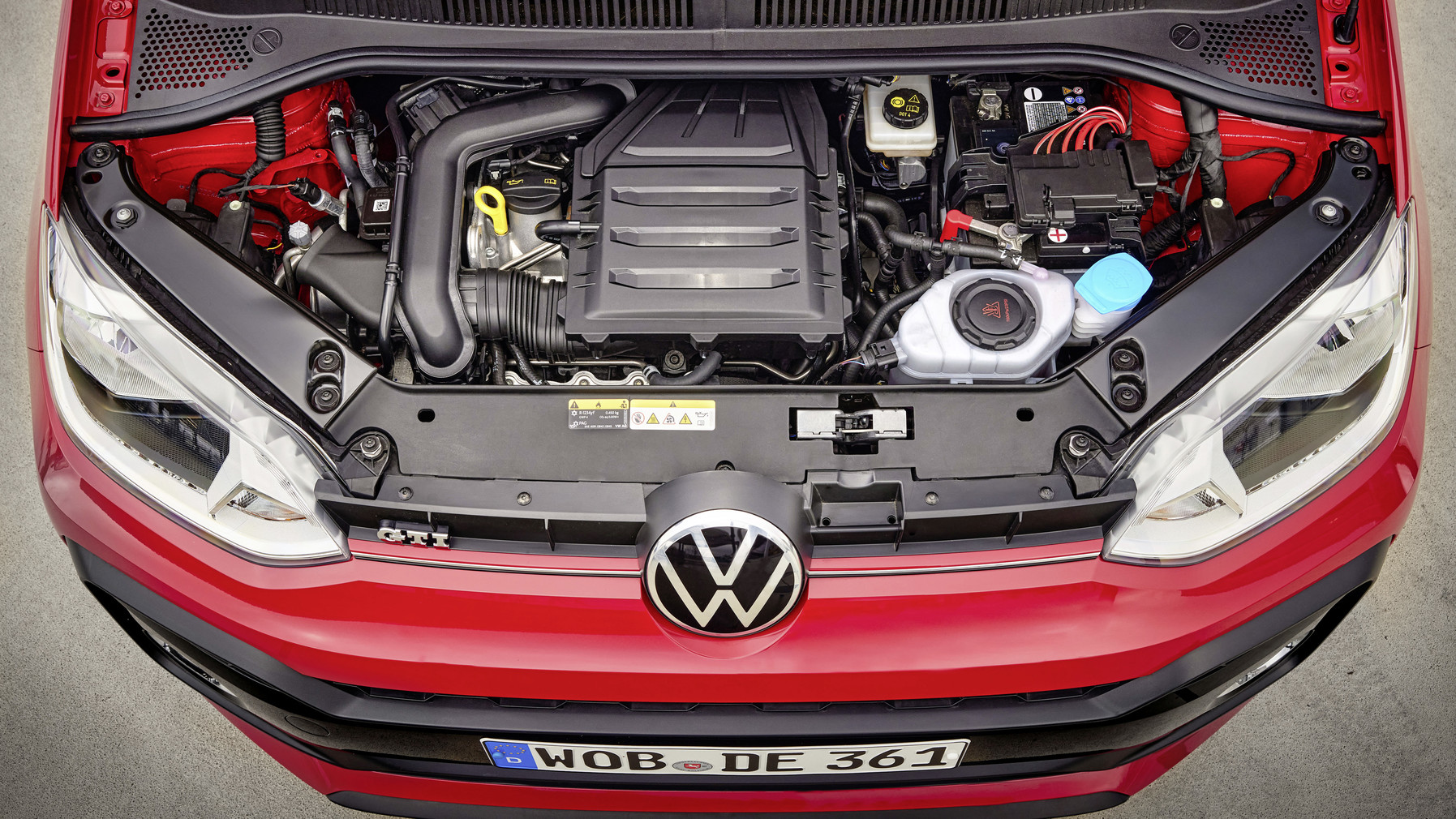
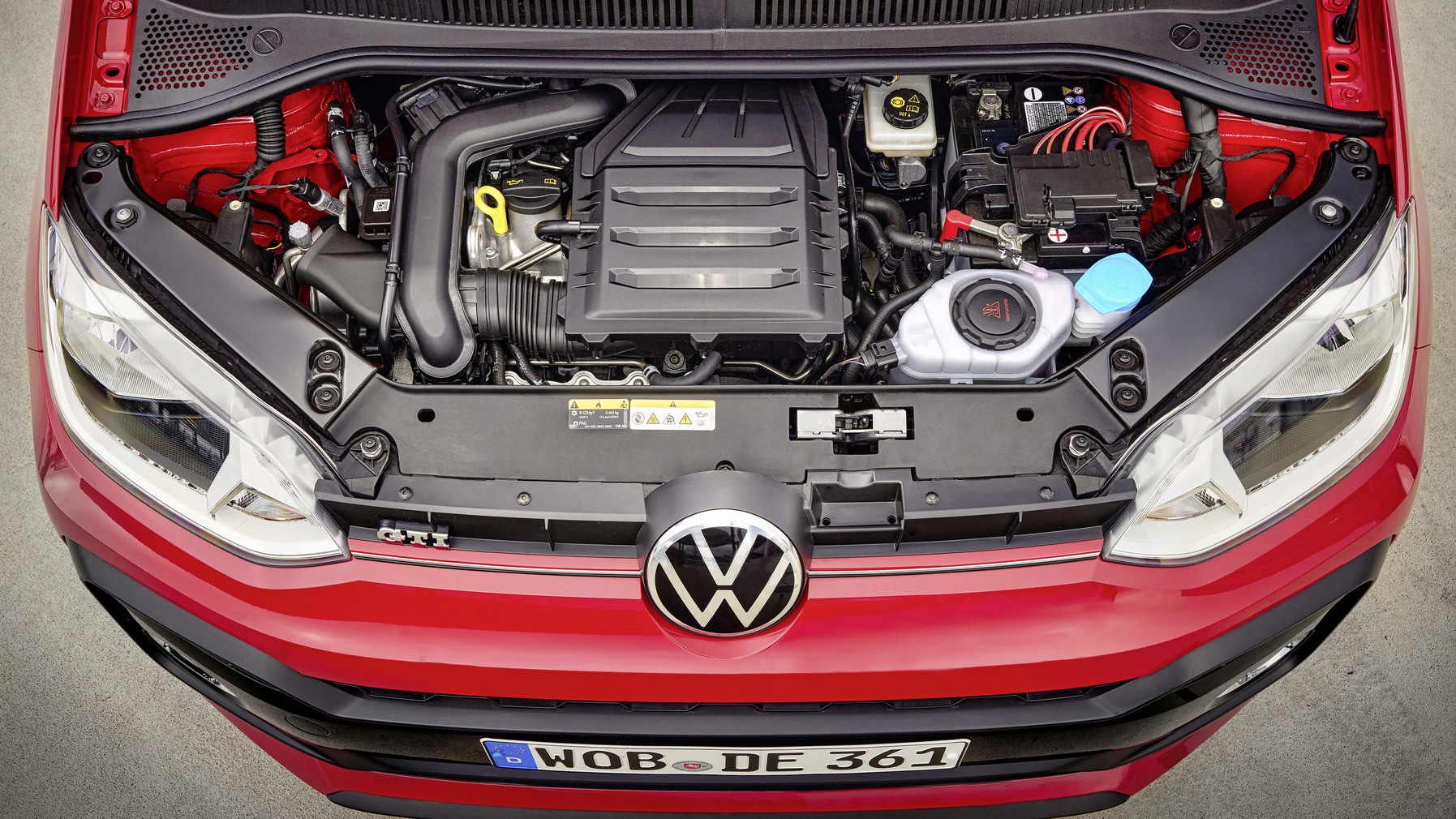
Check the engine bay for leaves and other debris. In the Volkswagen Up, the opening where fresh air is drawn in can become blocked by leaves. This restricts the air supply and can lead to moisture problems. Regularly remove leaves from the area below the windscreen and check the opening towards the ventilation ducts.
The heater radiator can also be a source of problems. A leaking heater radiator allows coolant to enter the ventilation system. This results in stubborn fogging and often a sweet smell in the car. If you notice a greasy film on the inside of the windscreen, this may indicate a leak in the heater radiator. Have this checked at a specialist workshop.
When it is more than just a natural phenomenon
Many Volkswagen dealers classify fogged-up windows in the Up as a natural phenomenon. However, there may be underlying technical causes. Stubborn fogging calls for further investigation. This is especially true if you have already taken all the preventive measures mentioned.
Possible technical causes are:
- A blocked or defective moisture drain from the ventilation system
- A leak in the heater radiator allowing coolant to enter the interior
- Damaged door or window seals that let in water
- Defective air conditioning that no longer removes moisture
Many Volkswagen Up owners report challenges with fogged-up windows, especially in the winter months. Preventive measures and correct use of the ventilation systems are therefore essential. Do not ignore the problem if it is structural, as it may indicate an underlying technical fault.
‘ This does not solve the underlying moisture problem. ’
Practical tips for quick demisting
Fogged-up windows when you get in? You then want to be on your way again as quickly as possible. Turn the heater to the highest setting and direct the ventilation straight at the windscreen. Switch on the air conditioning if the outside temperature is above 4 degrees. The air conditioning extracts moisture from the air, which speeds up the demisting process.
Briefly open a window while the heater is on. This provides air circulation and helps to remove moist air more quickly. Only keep this window open for a few minutes, otherwise the car will cool down too much. Switch off recirculation mode so that fresh outside air is drawn in instead of humid interior air.
Use a microfibre cloth to wipe condensation from the inside of the glass. This is an emergency solution. It helps you get on your way quickly. This does not solve the underlying moisture problem. Also check whether your floor mats are dry and replace them with dry ones if necessary.
Prevention is better than cure
You can greatly reduce the risk of fogged-up windows by eliminating sources of moisture. Do not leave wet towels, coats or sportswear in the car. Do you have to transport wet items anyway? Put them in a plastic bag or store them in the boot. After a car wash or rain shower, check whether there is water in the door panels or under the seats.
Consider using moisture-absorbing sachets or a dehumidifier specifically for cars. These products draw moisture from the air and help with structural moisture problems. Replace these sachets regularly according to the manufacturer’s instructions. Regenerate them where possible. Do bear in mind that this is symptom management and not a solution for an underlying technical problem.
Where possible, park your car in a garage or under a carport. This protects against rain and dew, which reduces moisture uptake in the interior. If you have to park outside, avoid places under trees where leaves and branches retain a lot of moisture and drop onto the car.
When to go to the garage
Do fogged-up windows remain a structural problem despite all preventive measures? Then visit a workshop. A specialist can trace and remedy the cause of the moisture problem. This can range from replacing the pollen filter to repairing a leak in the heater radiator.
Tell the workshop about all the symptoms you have noticed. Think of a sweet smell in the car, greasy deposits on the windows or water under the floor mats. This helps the mechanic to search for the cause in a targeted way. Also ask for the moisture drain of the ventilation system to be checked, as this sometimes becomes blocked.
Do you have a Volkswagen Up with persistent problems? Fogged-up windows are a very common topic among users of this model. Do not let yourself be fobbed off with the argument that it is a natural phenomenon. Problems that affect safety must be taken seriously and investigated.
On the Carnews website you can find more information about car problems and maintenance. Discover tips on servicing, safety and solutions for technical issues. Stay informed and learn how to take the best possible care of your car.
Frequently asked questions
The windows of a Volkswagen Up! fog up quickly because of high moisture levels in the interior (wet clothing, umbrellas, poor ventilation) and possibly dirty windows on the inside. Clean the interior windows thoroughly with a residue-free glass cleaner and remove as many sources of moisture from the car as possible (no wet coats or mats in the cabin). When pulling away, immediately use ventilation and air conditioning on the windows (or first on the footwell and then on the windows) and air the car regularly on dry days. If the problem remains extreme, have the garage check for blocked air intakes, leakage from the heater radiator or other moisture leaks.
Yes, the Volkswagen Up! is known for its windows fogging up relatively quickly, partly due to limited air circulation and a tendency for moisture to build up in the compact interior. Wet coats, umbrellas or damp floor mats reinforce this effect and make the windows fog up faster and stay misted for longer. Approach: keep the interior as dry as possible, clean the inside of the windows regularly and use the ventilation/air conditioning in a targeted way (preferably first towards the footwell, then onto the glass). If the problem remains extreme, have the garage check for blocked air intakes, leaks or an issue with the heater radiator.
Keep the interior as dry as possible by not leaving wet coats, umbrellas and other damp items in the passenger compartment, but putting them in the boot, and by airing the car regularly. Clean the inside of the windows frequently with a good glass cleaner so that dirt and grease, to which moisture adheres more easily, are removed. Use the ventilation, heater and (at temperatures above roughly 4°C) the air conditioning effectively: ensure sufficient air circulation, do not leave the windows on recirculation unnecessarily and do not direct the airflow only at the windscreen. In the event of persistent fogging, have the car checked for technical causes such as blocked drains, leaves in the air intakes or a leaking heater radiator.
While driving, set the fan to a high speed, direct the airflow onto the windscreen and, if possible, switch on the air conditioning to dehumidify the air. Use the rear window heater and, if necessary, open a side window slightly for a short time to remove moist air quickly. Keep the inside of the windows very clean with a streak-free glass cleaner so that condensation adheres less readily. Put wet coats, umbrellas and floor mats in the boot as much as possible or let them dry outside the car to reduce new moisture.
The way you deal with fogged-up windows in the Volkswagen Up! is largely the same as in comparable city cars: using the air conditioning, targeted ventilation settings and keeping the interior dry. In practice, however, Up! drivers report relatively often that demisting takes longer than in some competing models. As a result, Up! owners often have to rely more on additional measures such as very regular cleaning of the interior glass and consistent ventilation. In similar city cars, the problem generally seems to be slightly less pronounced.