

Ford B-Max: practical family car with punchy teething troubles
The Ford B-Max was between 2012 and 2017 a refreshing choice in the compact MPV segment, with unique sliding doors and the absence of the B-pillar that made getting in and out easy. However, this pioneering family car turns out to come with persistent technical problems, especially around the 1.0 EcoBoost engine and the Powershift automatic gearbox. Anyone considering buying a used B-Max is well advised to have these known weaknesses thoroughly checked.
Why the Ford B-Max was a popular choice
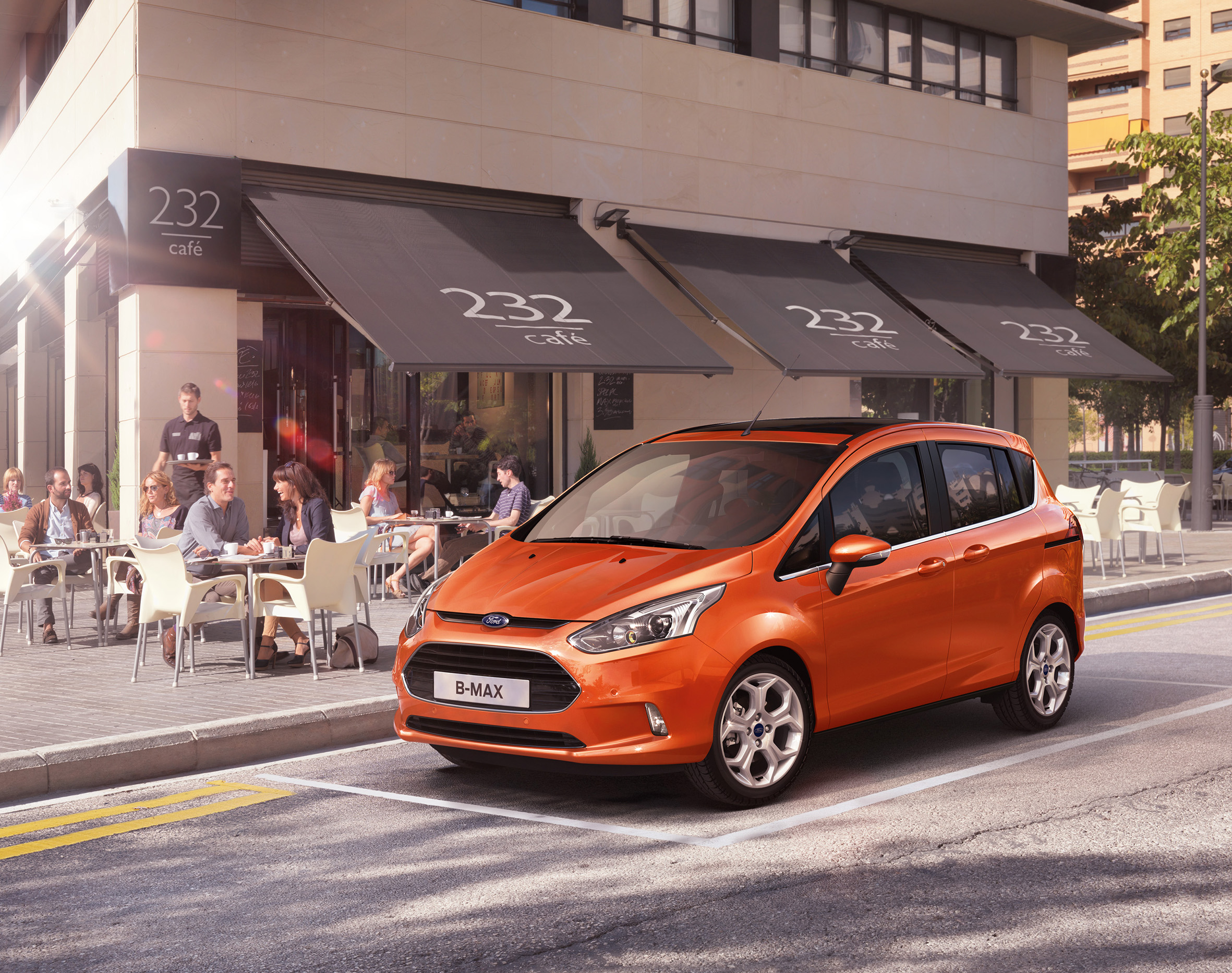
The B-Max stands out with its cleverly thought-out, practical design. The sliding doors on both sides open parallel to the bodywork, allowing you to fit child seats or load shopping even in tight parking spaces without banging into the car next to you. The opening of almost one and a half metres is created because Ford has completely omitted the centre pillar. Ford has completely omitted the centre pillar. As a result, there is an opening of almost one and a half metres.
With a length of 4,077 mm and a height of 1,604 mm, the B-Max offers a surprising amount of interior space. The boot swallows 350 litres of luggage, increasing to 1,208 litres when you fold down the rear bench. For a compact family car with a stable wheelbase, that is an impressive achievement. The rear seat comfortably accommodates three adults.
Ford equipped the B-Max with economical engines, ranging from the 1.0-litre three-cylinder EcoBoost with 100 or 125 hp to diesel versions of 1.4 and 1.5 litres. Fuel consumption is between 4.0 and 5.0 litres per 100 kilometres. This consumption is an average over urban, motorway and rural use. The 1.0 EcoBoost with 140 hp stood out with a 0–100 time of around 9 seconds, allowing smooth overtaking on the motorway without using much fuel.
‘ Regularly changing the oil with the correct specification helps, but does not solve the underlying design flaw. ’
The notorious 1.0 EcoBoost engine problems
The three-cylinder 1.0 EcoBoost engine suffers from structural weaknesses. These lead to costly repairs. The most feared issue concerns the timing belt. This belt runs in an oil bath. Because it is in contact with engine oil, the belt can wear out more quickly than expected. If the belt snaps, immediate damage occurs to valves and pistons, which can result in engine damage totalling several thousand euros.
Owners of B-Max models with the 1.0 EcoBoost regularly report problems with Ford engines, including overheating. The coolant line can leak or become clogged. The engine then runs too hot. Symptoms are a rising temperature gauge, clouds of steam from under the bonnet and, in the worst case, a blown cylinder head gasket. Always check the cooling system for leaks and ensure the coolant level is maintained.
Another point of attention is the piston. This can seize due to carbon deposits. This shows itself as loss of power, rough idling and increased oil consumption. The engine then starts knocking or makes strange clicking noises. Regular oil changes with the correct specification help, but do not solve the underlying design flaw.
Symptoms of a failing EcoBoost engine
- Metallic ticking noises when starting or accelerating
- Sudden loss of power while driving
- Increased oil consumption, more than one litre per 1,000 kilometres
- Engine warning light that comes on regularly
- Coolant leakage under the car after parking
Problems with the Powershift automatic transmission
The six-speed Powershift automatic that Ford fitted in the B-Max is known for being prone to faults. This transmission uses a dual dry clutch. In stop-go city traffic this clutch is under extra stress. Owners complain about juddering during gear changes, especially when the gearbox is cold or at low speeds.
The clutch wears out faster than in conventional automatics. This happens especially if you are often stuck in traffic jams. Lots of short journeys also cause faster wear. Symptoms are a shuddering car when pulling away, delayed response to throttle input and sometimes even a complete refusal to engage a gear. Repairing the Powershift quickly costs between 2,000 and 4,000 euros.
Ford released software updates. In some cars these helped to make the shifting smoother. The updates adjust the clutch pressure and also change the shift strategy. Nevertheless, the Powershift remains a weak link in the B-Max. Preferably choose a manual version with the five-speed Durashift gearbox, which performs far more reliably.
Electronic faults and the SYNC system
The SYNC infotainment system in the B-Max can freeze or restart randomly. The touchscreen then responds slowly or not at all to touches. Voice control does not always work as intended and Bluetooth connections regularly drop out. These software problems are annoying but rarely serious.
Sensors are a bigger issue. The parking sensors can become dirty due to mud or salt. They then beep constantly or give no signal at all. Clean the sensors regularly with a damp cloth. The rain sensor and light sensor can also behave erratically. The wipers then operate at full speed in dry weather. Sometimes the headlights stay on during the day.
The ABS sensor at the wheels is sensitive to corrosion, especially on cars that are driven in areas where road salt is used. A faulty ABS sensor causes a warning light to come on on the dashboard. This light indicates that the ABS system is temporarily not working. Replacement costs between 100 and 200 euros per sensor.
‘ Moisture inside the headlamp can damage electronic components. ’
Points of attention for bodywork and exterior
The B-Max shows a tendency to rust in specific places. Check the wheel arches on the inside and the bottoms of the doors. Also look at the sills under the sliding doors. Moisture and dirt accumulate there, which after a few years leads to rust formation. The rear of the wheel tubs and the exhaust mountings are also vulnerable areas.
The innovative sliding door system requires extra attention. The rails in which the doors slide can become contaminated with sand and leaf debris. This causes scraping noises and can also cause the doors to jam. Clean the rails regularly and lubricate them with silicone oil. The rubber seals around the sliding doors can come loose or tear over time, resulting in wind noise and water leaks.
The headlamps of early B-Max models sometimes mist up internally. This is caused by poor sealing between the lamp unit and the bodywork. Moisture inside the headlamp can damage electronic components and also reduces light output on the road. Replace the sealing rubber or the entire headlamp unit if necessary.
Wear to suspension and running gear
The front shock absorbers of the B-Max show wear after around 80,000 kilometres. You notice this from a soft, spongy ride and increased body movement over bumps. Leaking shock absorbers leave oil stains on the inside of the wheel. Always replace shock absorbers per axle to maintain balance.
The front axle wishbones develop play in the bushes. This manifests itself as a rattling noise when driving over uneven surfaces and less precise steering response. Have a mechanic check for play during the MOT (annual inspection).
Anti-roll bar links and their bushes wear out more quickly. This happens especially if you often drive on poor roads. A broken anti-roll bar link makes a knocking noise when cornering or when driving over speed bumps. The repair is relatively inexpensive, between 50 and 150 euros per side.
Components with increased wear
- Front shock absorbers: on average after 80,000 km
- Wishbone bushes: between 100,000 and 120,000 km
- Anti-roll bar links: after 60,000 km with intensive use
- Front brake discs: faster wear due to compact dimensions
Other common complaints and minor defects
The B-Max’s battery often has a limited lifespan. The stop-start system places a heavy load on the battery. After three to four years the battery can give up, especially on cars that mainly do short trips. Replace the battery in good time to prevent starting problems.
Power steering pumps sometimes leak, especially on older models. You then hear a squealing noise when turning the steering wheel to full lock and feel heavier steering effort. Check the power steering fluid level and top up if necessary.
The air conditioning loses refrigerant after a few years. This is due to small leaks in the pipes or the condenser. Have the system checked annually and refilled if necessary. Poorly functioning air conditioning also puts extra load on the engine, increasing fuel consumption.
Windscreen wiper motors can seize or become slow. This occurs mainly after a spell of frost. The wipers are then frozen to the ice. Never switch on the wipers when they are stuck, as this will damage the motor.
‘ This reveals problems that have not yet triggered a warning light but are stored in the memory. ’
What to check when buying a used B-Max
Start with the EcoBoost engine. Ask for the service book. Check whether the timing belt has been replaced in line with the prescribed interval of 150,000 kilometres or ten years. Some specialists recommend replacement as early as 100,000 kilometres because of the known issues. Start the engine from cold and listen for unusual ticking noises.
Test the Powershift automatic gearbox thoroughly during a test drive. Pay attention to juddering during gear changes, especially at low speeds and when pulling away from a standstill. A properly functioning Powershift changes gear smoothly and responds immediately to the throttle. Do not hesitate to repeat the test in different traffic conditions.
Inspect the sliding doors carefully. Open and close them several times and check whether they move smoothly without sticking. Check the rubber seals for tears and the rails for rust or damage. Look for signs of water ingress in the interior after rainfall.
Scan the car with an OBD reader. This is a diagnostic device you connect to the car. With it, you can read any fault codes. This reveals problems that have not yet triggered a warning light but are stored in the memory. Pay particular attention to codes related to the engine, transmission and exhaust system.
Checklist for buying used
- Complete service history with proof of timing belt replacement
- No oil stains under the engine or around the cooling system
- Test drive with both cold and warm engine
- Function test of all sliding doors and rubber seals
- OBD scan for hidden fault codes
- Check for rust on sills and wheel arches
- Test of all electronic systems including SYNC


Maintenance tips to prevent problems
Change the EcoBoost engine oil more often than Ford specifies. Instead of annually or every 20,000 kilometres, it is better to opt for intervals of 10,000 kilometres. Always use oil with the correct specification. For the 1.0 EcoBoost that is Ford WSS-M2C948-B. Cheaper alternatives can place extra stress on the timing system and pistons.
Have the Powershift automatic serviced every 60,000 kilometres. Ford states that this is not necessary, but it is wise to do so anyway. A specialist workshop can inspect the clutch and, if necessary, adjust it. This prevents premature wear and significantly extends the life of the transmission.
Clean the sliding door rails at least twice a year. Do this thoroughly. Rinse them with water, remove all dirt and then lubricate them with silicone oil or a Teflon spray. Do this especially before winter and after winter, when road salt has taken its toll.
Replace the brake fluid every two years in line with the prescribed interval. The compact brake discs of the B-Max are heavily stressed in stop-go traffic. As a result, the brake fluid absorbs moisture more quickly. This lowers the boiling point and reduces braking performance.
Regularly check the cooling system for leaks and top up the coolant with the correct mix ratio. Ford specifies a 50/50 mixture of coolant and demineralised water. Too little coolant leads to overheating. The sensitive EcoBoost engine is particularly vulnerable to this.
The Ford B-Max – still a sensible choice?
The B-Max remains a practical option for anyone looking for a compact family car with clever space solutions. The unique sliding doors and flexible interior offer benefits rarely found in this segment. However, the well-known technical issues force a careful weighing-up.
The 1.0 EcoBoost engine represents the greatest risk. Ideally choose a car whose timing belt has already been replaced and which comes with a complete service history. Models with the manual gearbox are preferable to those with the problematic Powershift automatic.
When buying, set aside additional money for possible maintenance and repairs. A well-maintained B-Max with a reliable service history can still last for years. Cars without clear documentation are a gamble. Always have an independent pre-purchase inspection carried out by a specialist familiar with this model’s specific weaknesses before you buy.
For anyone who accepts the risks and is prepared to carry out preventive maintenance, the B-Max offers an affordable mix of practical usability and relatively economical running. Those who put certainty and low maintenance costs first would be wise to consider alternatives in the compact MPV segment.