
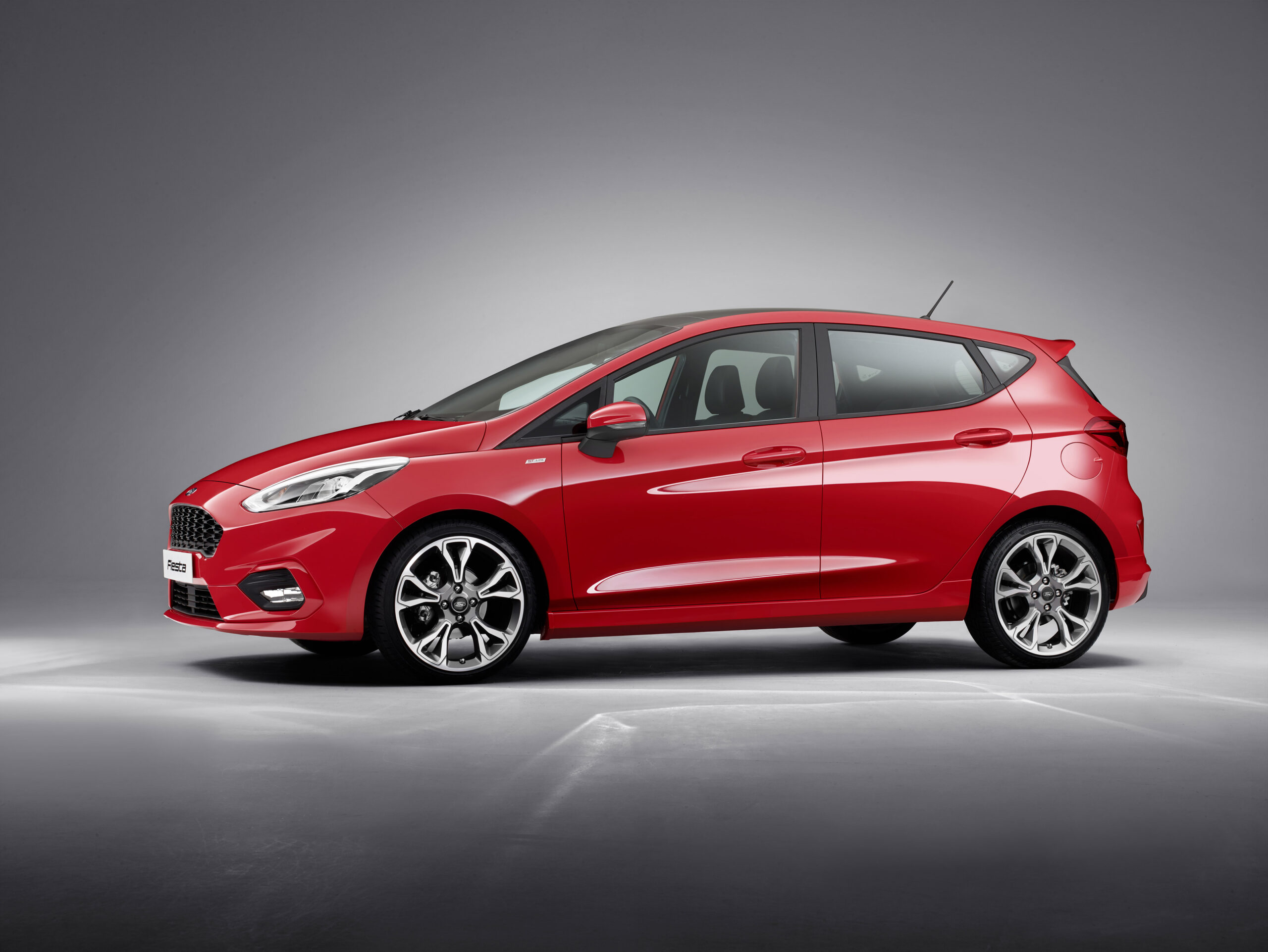
Ford Fiesta: points to watch and common problems
The Ford Fiesta has been one of the most popular compact hatchbacks in Europe for decades, loved for its agile handling, practical layout and affordable purchase price. Even so, this icon also has specific technical points of attention that owners and prospective buyers may encounter. From transmission issues to electrical faults: certain generations and engine versions have their own weak spots. It is better to know those weak spots in advance.
Why this article about problems?
Although the Ford Fiesta is generally regarded as reliable, specific complaints have emerged over the years. Those complaints regularly crop up among owners. This article maps out the most common problems, sorted by component and generation. That way you know what to look out for during maintenance or when buying a used example. For a broader overview of known car problems with Ford you can also look at the experiences with other models from the brand.
‘ The model year often determines which problems you can expect. ’
General points of attention by generation
Since its introduction in 1976, the Ford Fiesta has gone through seven generations. Each generation has its own technical characteristics. The fifth generation (2002–2008) is known for wheel arches and rear doors that are prone to rust. The sixth generation (2008–2017) introduced the EcoBoost engines and the PowerShift automatic gearbox. Both have their own teething troubles. The seventh generation (2017–2023) showed improvements in electrical systems. However, the car remained vulnerable to transmission complaints in automatic versions.
Older models from before 2010 suffer more often from corrosion. Newer examples are more prone to electronic faults and software-related problems. The model year often determines which problems you can expect.
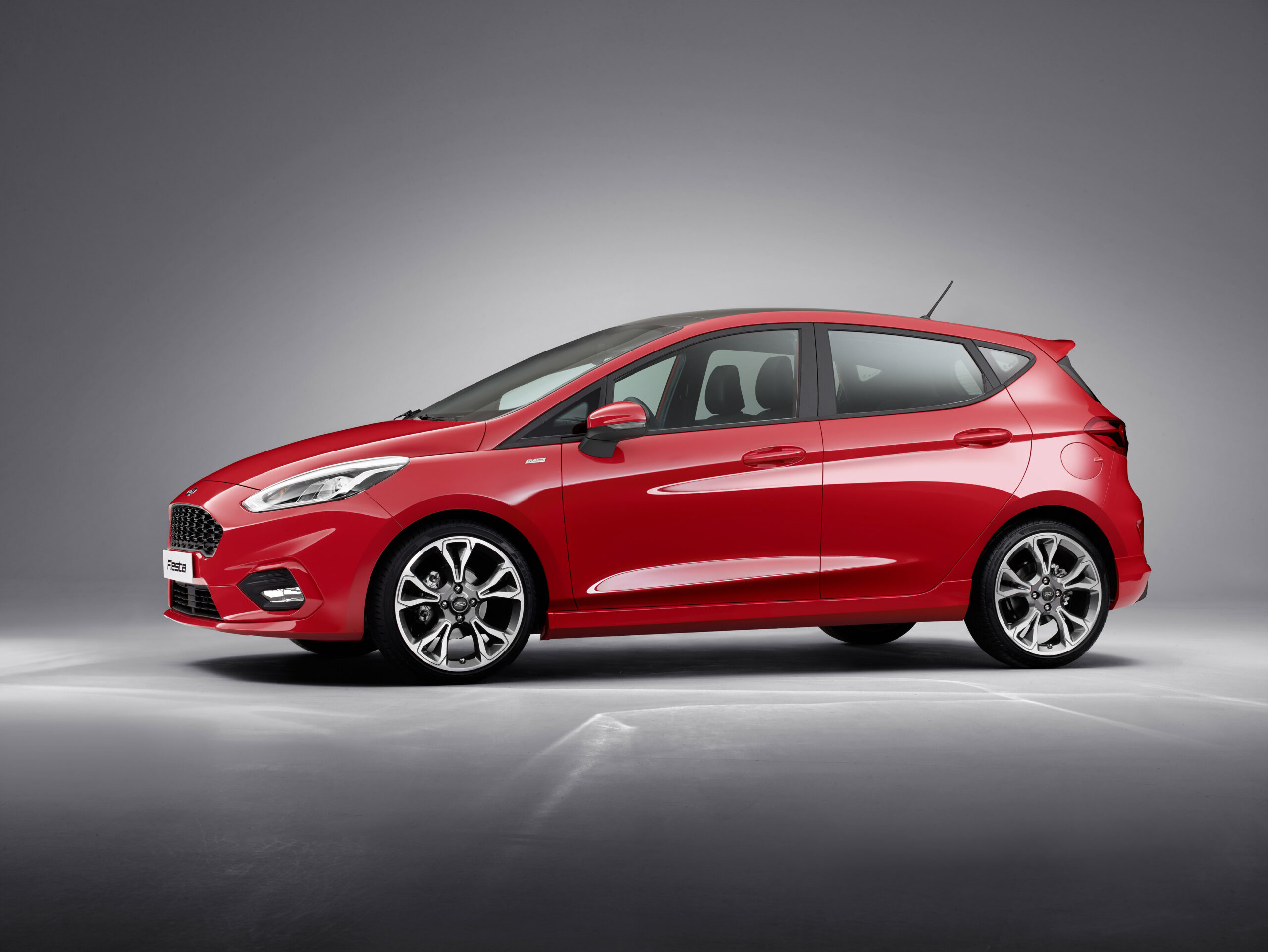
Engine problems with the Ford Fiesta
The 1.0 EcoBoost three-cylinder turbo engine is popular because of its strong performance and efficiency, but it regularly shows problems with the timing belt. In examples from before 2014 the belt breaks prematurely or wears through. This has major consequences for the engine. Ford has acknowledged this problem and carried out various recalls. Always check whether the belt has been replaced in line with the replacement interval, or whether the car was part of a recall.
In addition to the timing belt, there are reports of coolant leaks with EcoBoost engines. These are often caused by a faulty thermostat or a loose hose clamp. Symptoms include overheating, steam under the bonnet and a low coolant level. Have this checked immediately to prevent serious engine damage.
The older 1.25 and 1.4 Duratec engines are generally more reliable. After many miles these engines can suffer from worn ignition coils. Blocked EGR valves (Exhaust Gas Recirculation, which returns exhaust gases to the intake) are also seen. This shows up as rough idling and loss of power.
Transmission problems
The PowerShift dual-clutch automatic gearbox is by far the most notorious point of attention on the Ford Fiesta. This transmission has been used since 2008. It regularly develops faults such as jerky gear changes, a shuddering clutch and even complete failure. Many owners report that the gearbox engages harshly mainly in the lower gears or unexpectedly slips into neutral.
The causes often lie in worn clutch plates or faulty actuators. On top of that, software problems in the control unit play a role. Ford has released multiple software updates and offered extended warranties, but structurally the PowerShift remains a weak point. When buying a used Fiesta with this automatic, check the condition of the transmission thoroughly.
Manual versions are considerably more reliable. Even there, however, problems can develop with the clutch or worn synchro rings after high mileage. Symptoms include heavy gear changes, difficulty engaging a gear or grinding noises when shifting.
‘ Common complaints involve faulty sensors. ’
Electronic faults and electrical problems
The later generations of the Ford Fiesta are packed with electronics, and that brings risks. Common complaints involve faulty sensors. Examples include the lambda sensor (oxygen sensor in the exhaust), the ABS sensor (Anti-lock Braking System, prevents the brakes from locking) and the parking and park-assist sensors. Faulty lambda sensors often lead to increased fuel consumption and the engine warning light coming on.
Problems with the central locking system are common. There are also frequent complaints about the electric windows. This may be caused by worn switches, broken motors or a faulty wiring loom. The wiring loom in the door in particular can be damaged by constant movement.
Another issue is failure of the instrument cluster. The infotainment system can also cut out at times. This is caused by software faults or a flat or faulty battery. Test the battery regularly, especially on cars that are mainly used for short trips.
Problems with suspension and running gear
The chassis of the Ford Fiesta is generally solid and set up with a sporty feel, but certain parts are prone to wear. The ball joints on the front axle can develop play over time. This is noticeable as knocking noises when steering or driving over uneven surfaces. Worn ball joints affect steering precision and must be replaced in good time.
The wishbones and anti-roll bar links are also prone to wear. This is especially true for older examples and cars that frequently drive on poor road surfaces. Rubber bushes can dry out and crack, leading to rattling noises and poorer road holding.
The shock absorbers are usually due for replacement after around 80,000 kilometres. Symptoms include a wobbly rear end, excessive bouncing after bumps and reduced stability in corners. When buying a used car, always check the shock absorbers visually for leaks and with a practical road test.
Brake and steering problems
Squeaking brakes are a very common complaint with the Ford Fiesta. Grinding brakes also occur. This is usually caused by worn brake pads, rusty brake discs or brake dust that has built up. After standing still for a long time the brakes can seize or work unevenly, and this also happens with cars that are used very little. Regular brake maintenance and checking the thickness of the pads helps to prevent more serious problems.
Problems with the power steering are less common, but not unknown. On models with electric power steering the steering wheel can sometimes feel heavy. In some cases the power steering even fails completely. This is caused by a faulty power steering motor or an electrical fault. Sometimes a software update helps; in other cases replacement is necessary.
Vibrations in the steering wheel at higher speeds can point to wheel imbalance. They can also indicate worn ball joints or incorrect wheel alignment. Have this checked to prevent unnecessary tyre wear.
‘ The finish of buttons and switches can also feel cheap and over time may lose its shine or even come loose. ’
Interior and exterior points of attention
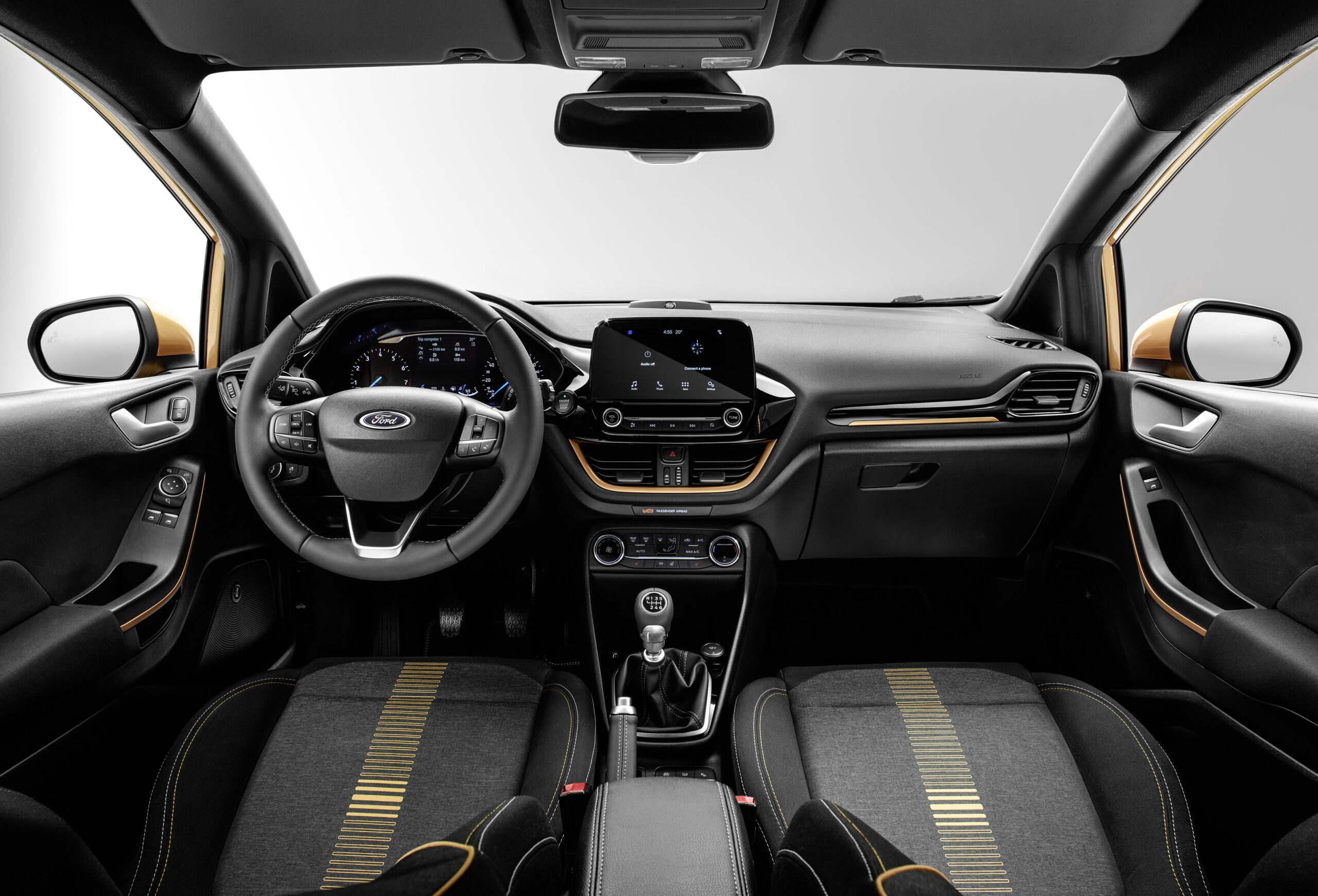
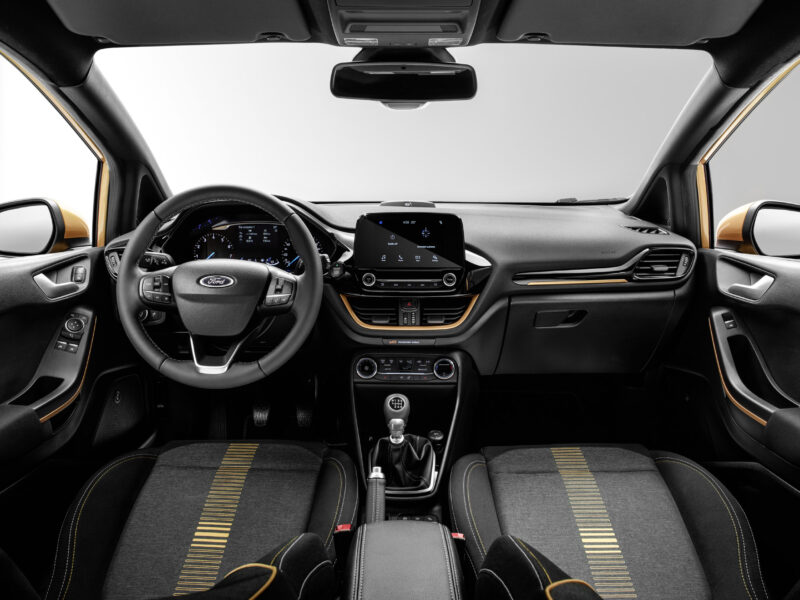
The interior of the Ford Fiesta is functional and solid, but not without its downsides. Many owners report creaks and rattling noises in the dashboard. This occurs mainly in older examples or after long-term use. It is often caused by loose clips or vibrations that make materials rub against each other.
The seat upholstery and steering wheel covering can show wear relatively quickly, especially on models without leather upholstery. The finish of buttons and switches can also feel cheap and over time may lose its shine or even come loose.
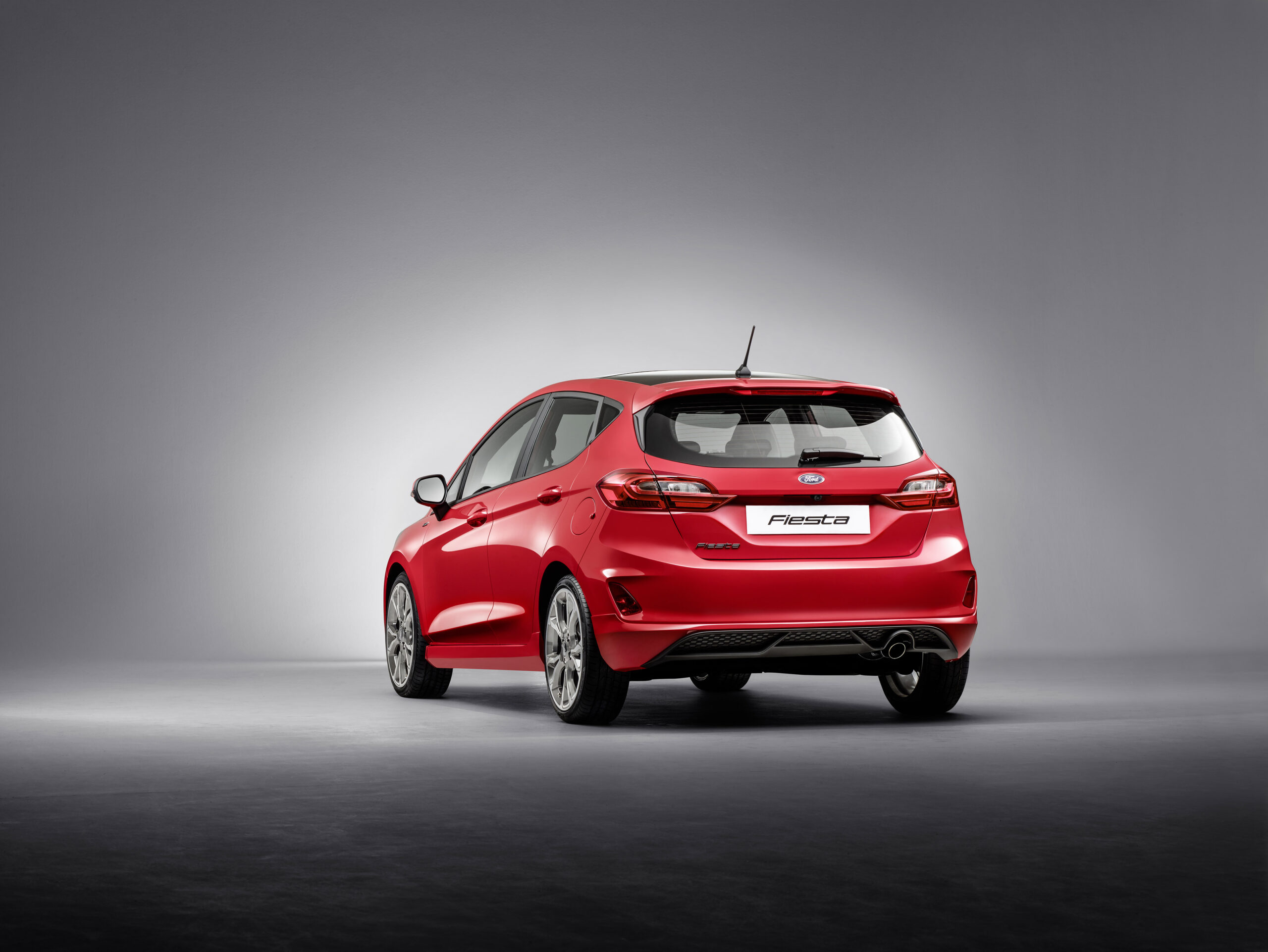
Rust is a point of attention on the outside, particularly on models from before 2010. Common areas are the wheel arches and the bottom edges of the doors. The tailgate and the bodywork around the rear wheel arches are also vulnerable spots. Check these areas carefully, including from the inside, to detect hidden rust.
The paintwork can be prone to flaking in certain places, especially around the bonnet and bumpers. This may be due to a thin paint layer or factory defects in certain model years.
Preventive maintenance and solutions
Many problems with the Ford Fiesta can be prevented. Regular and correct maintenance reduces the issues. Replace the timing belt on EcoBoost engines in good time, around 150,000 kilometres, and follow Ford’s recommendations. Have the coolant checked regularly and replace it in line with the service interval.
On cars with the PowerShift automatic, have the transmission oil changed. This is not always included in the service schedule, but it can extend the life of the transmission. Keep an eye on software updates and have them carried out by the dealer.
Repair costs vary greatly by component. A new timing belt costs between 600 and 1,000 euros, plus labour. Replacing the PowerShift clutch can run to 1,500 to 2,000 euros. Replacing shock absorbers costs between 300 and 600 euros per axle, depending on brand and garage.
Carry out preventive maintenance on the brakes. Replace wear parts such as ball joints in good time. Have the wheels aligned regularly. In the long term this saves you a lot of hassle and money.
Checklist for buying a used Ford Fiesta
Thinking about buying a used Ford Fiesta? Then pay attention to the following points during your inspection:
- Check whether all services have been carried out and whether the timing belt on EcoBoost engines has been replaced.
- Test the automatic gearbox thoroughly for jerky shifts, vibrations when pulling away and unusual noises.
- Look for visible rust in the wheel arches, under the doors and around the tailgate.
- Check that all electrical functions work: windows, mirrors, central locking and infotainment.
- Listen for rattling noises from the suspension and assess the steering feel at higher speeds.
- Ask whether software updates have been performed and whether the car has ever been part of a recall.
- Check the condition of the brake discs and pads and ask when they were last replaced.
- Check the tyre tread for even wear; this tells you something about the condition of the suspension and alignment.
In doubt? Then always have an independent inspection carried out. The cost of this does not compare with the potential repair costs of hidden defects.
‘ You will still get a lot of value for money with this compact icon. ’
Is the Ford Fiesta still a car you should consider?
There are various points of attention with the Ford Fiesta. Even so, it remains a popular and generally reliable choice in the compact segment. Its driving characteristics, efficient engines and practical layout make it a pleasant car for everyday use. Choose consciously for a manual version with an EcoBoost engine and make sure the timing belt has been replaced. Then you will be buying a nimble and economical car with relatively few worries.
Ideally avoid models with the PowerShift automatic. Has the transmission been overhauled or replaced recently, and can this be proven? If so, it may still be an option. For older examples, choose model years from 2010 onwards to limit rust problems. Make sure you get a complete service history.
Take the right precautions and carry out regular maintenance. Then the Ford Fiesta will offer many years of driving pleasure at a reasonable price. Be aware of the weak points, check them carefully when buying and keep on top of maintenance. You will still get a lot of value for money with this compact icon.