
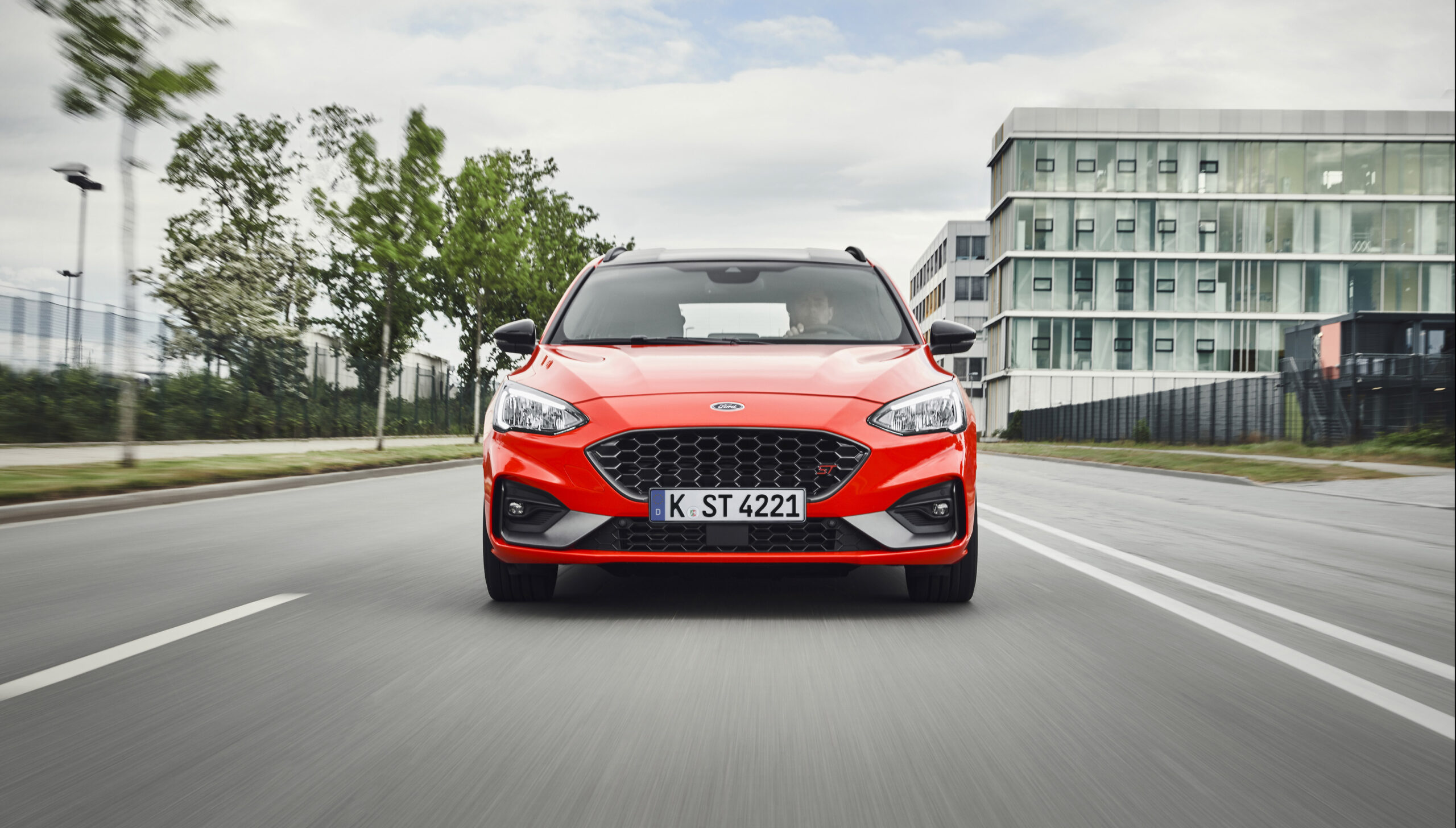
Ford Focus: all common problems at a glance
The Ford Focus is one of the world’s best-selling compact hatchbacks and is known for its excellent road handling and practical character. Over the years, however, the model has suffered from a number of persistent technical issues that every owner and potential buyer should be aware of. From notorious transmission problems to engine faults and electronic failures, the Focus has built up a mixed reputation. Anyone who knows exactly where the weak spots lie can better assess whether this popular family car suits them and which costs may be lurking.
Why the Ford Focus is so popular
The Ford Focus offers a combination of qualities that few rivals can match. Owners and testers praise its handling: the car steers precisely, feels planted on the road and provides more driving enjoyment than comparable models such as the Volkswagen Golf or Honda Civic. With a 391-litre boot and room for five people, the Focus is practical enough for families. The newer generations feature mild-hybrid technology that optimises fuel consumption to around 5 to 8 kilometres per litre, depending on the engine and how the car is used.
The model range runs from the basic Trend to the sporty ST-Line and the luxurious Vignale. Those who choose the EcoBoost engines benefit from outputs between 125 and 155 hp, with higher versions delivering up to 280 hp. This versatility makes the Focus attractive to a wide audience, from commuters to car enthusiasts looking for driving dynamics. In practice, however, these strengths come with a downside. Many owners encounter problems with Ford models that can significantly affect their ownership experience and maintenance costs.
‘ Anyone considering a used Focus should therefore know exactly which model years and versions have generated the most complaints. ’
Overview of Focus generations
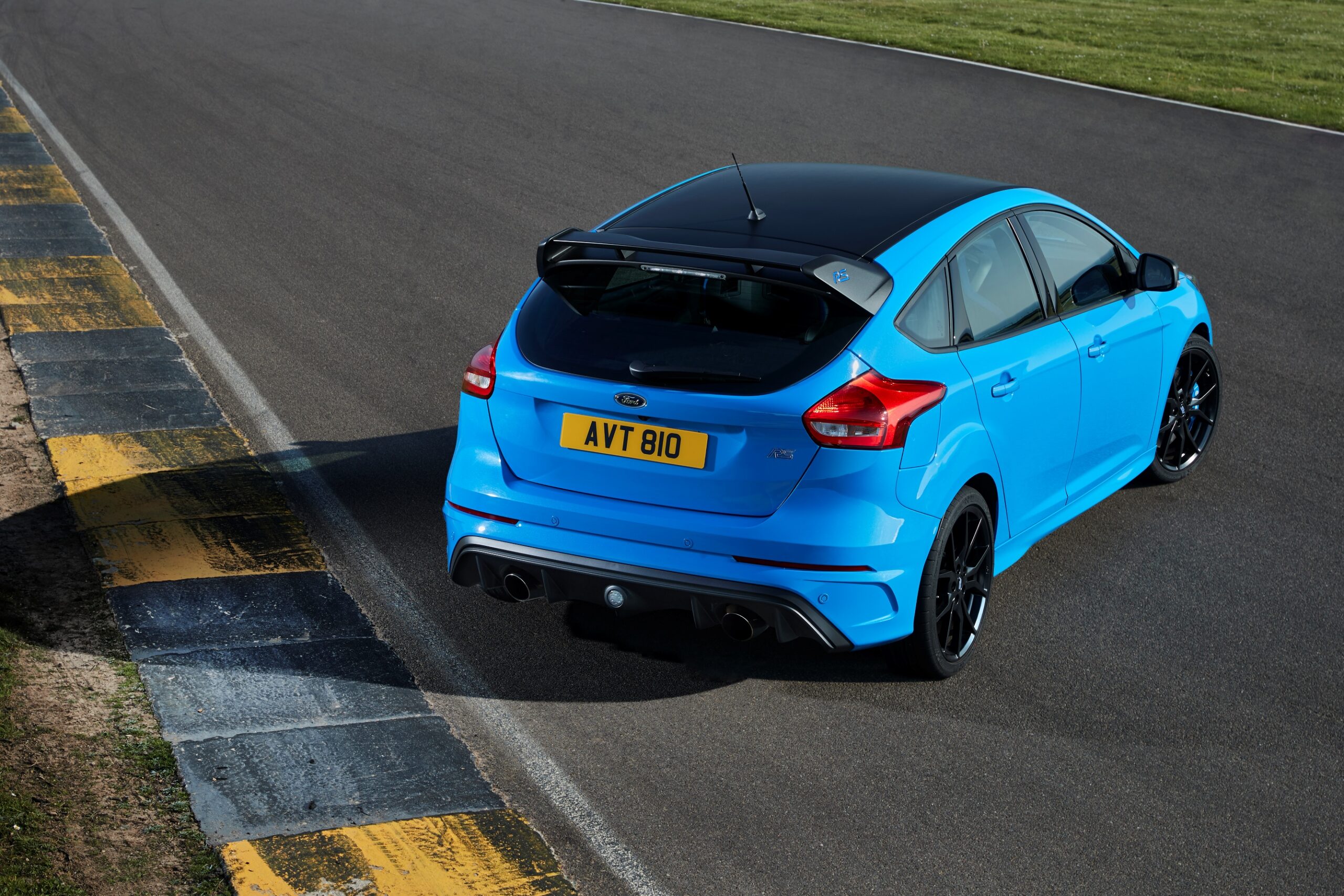
Ford introduced the first Focus in 1998 as the successor to the Escort. This generation (1998–2004) won awards thanks to its innovative design and strong driving characteristics. The second generation (2004–2011) built on this success with more refined technology and a wider choice of engines. The third generation (2011–2018) marked a turning point with the introduction of the Powershift transmission and the EcoBoost engine range. Both systems have well-known problems.
From 2018 onwards, the fourth generation rolled off the production line. This version has more modern technology and a greater focus on connectivity and mild-hybrid powertrains. These latest versions feature a 13.2-inch touchscreen, keyless entry and advanced driver assistance systems. Each generation has its own strengths and weaknesses. The transmission issues and specific engine problems run across several model series. Anyone considering a used Focus should therefore know exactly which model years and versions have generated the most complaints.
The notorious Powershift transmission problems
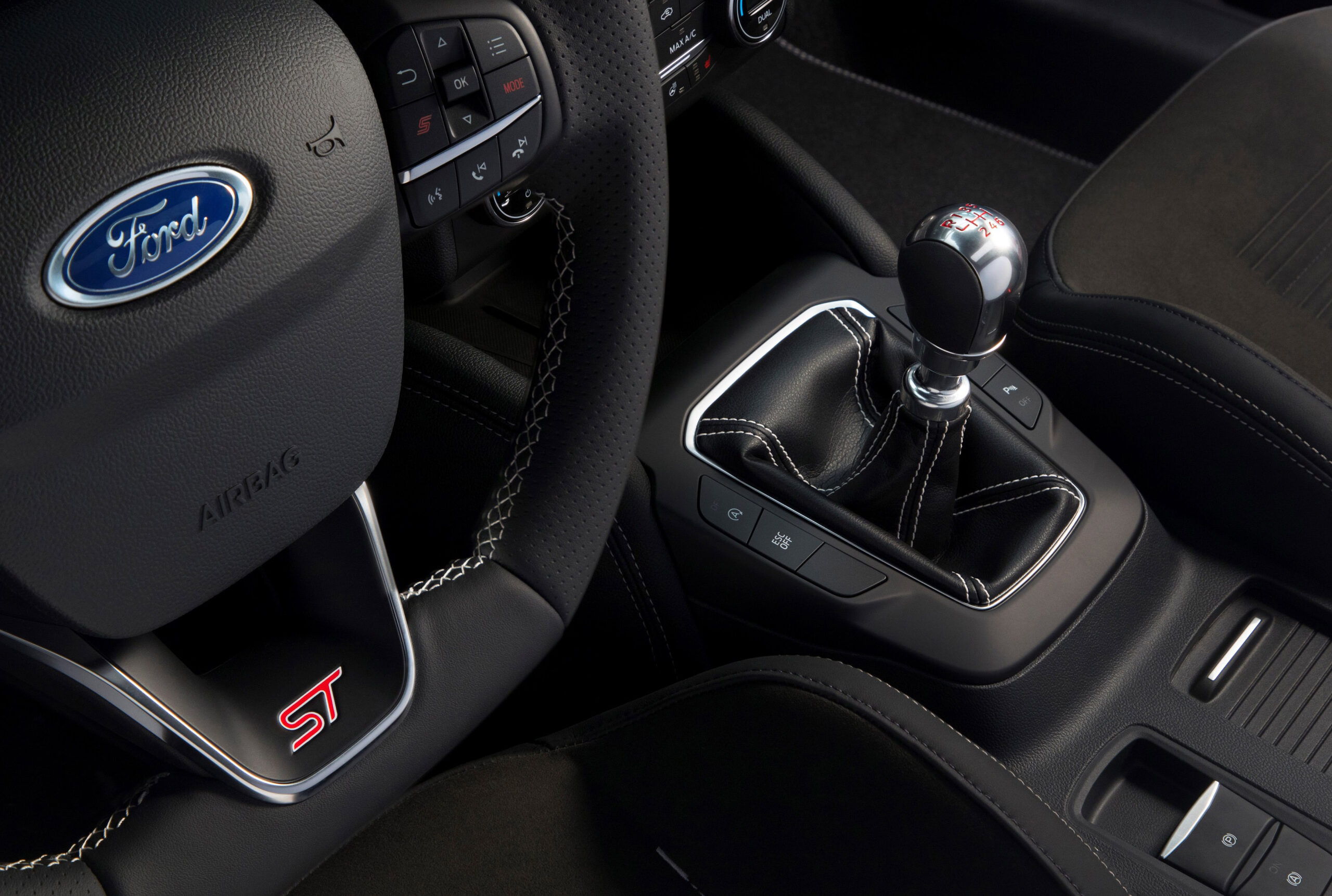
The automatic Powershift transmission is without doubt the most talked‑about problem with the Ford Focus. This dual-clutch gearbox (DCT) was introduced in 2011, and complaints followed almost immediately. Owners report jerky gearchanges, vibrations at low speeds and even complete failure of the transmission. The issues are mainly caused by defective clutches and control modules, which do not function properly during repeated stop-start driving in city traffic.
Ford has carried out several recalls and rolled out software updates, but many owners continued to experience problems. In some cases the entire transmission has to be replaced. Repair costs can then run to several thousand euros. Complaints are concentrated mainly in models built between 2011 and 2016. Are you considering a Focus automatic from this period? Then check the service history carefully. During a test drive, pay particular attention to any jolts when pulling away and changing gear.
Symptoms of Powershift failures
- Jerky gearchanges, especially at low speeds
- Vibrations when pulling away from a standstill
- Delayed response from the gearbox or gears refusing to engage
- Burning smell under heavy use
- Warning lights on the dashboard
Always have these signs checked immediately by a specialist. Early repairs can limit further damage and keep costs down.
Engine-related issues
The EcoBoost engines gave Ford modern, efficient powertrains, but also caused technical headaches for owners. The 1.0-litre three-cylinder EcoBoost suffers from coolant leaks. The cause is often a defective coolant hose or a cracked cylinder head. This can lead to overheating and, in severe cases, engine damage. Ford has also launched recalls for models from 2012 to 2018 because of this problem.
In addition, some EcoBoost engines suffer from vibrations at low revs and rough running. This is often attributed to software problems or faulty ignition components. Older diesel engines, such as the 1.6 TDCi, are prone to DPF blockages (particulate filter). The EGR valve (exhaust gas recirculation) also regularly causes problems. These components require regular maintenance and, if neglected, can lead to costly repairs.
Common engine complaints
- Coolant leaks in EcoBoost engines
- Vibrations and irregular idling
- Particulate filter and EGR (exhaust gas recirculation) problems in diesel engines
- Oil consumption in older petrol engines
- Failed turbochargers under heavy use
Check the coolant level regularly and, if in doubt, have a diagnosis carried out immediately. Servicing according to the manufacturer’s schedule significantly reduces the risk of engine problems.
‘ These software issues often require an update at the dealer, although there is no guarantee that this will resolve all complaints. ’
Electronic and electrical failures
Modern Focus generations are packed with electronics, and that regularly causes problems. The infotainment system can freeze or refuse to respond to commands, and may also restart at random. Bluetooth connectivity sometimes does not work properly either. These software issues often require an update at the dealer, although there is no guarantee that this will resolve all complaints.
Sensors are another source of complaints. Parking sensors sometimes produce error messages or do not respond. Driver fatigue detection and lane assist systems can be unreliable. Electric windscreen wipers can fail due to faulty modules, and some owners report problems with the central locking, which locks or unlocks the doors for no apparent reason. These types of failures are annoying and can affect safety.
Typical electronic complaints
- Glitchy infotainment and navigation systems
- Error messages from parking sensors and cameras
- Faulty central locking
- Problems with driver assistance systems
- Dashboard lighting cutting out
Software updates can solve many of these problems. Ask your dealer whether updates are available for your model.
Chassis, suspension and steering
The Focus chassis is known for its excellent handling. Precisely because of this sporty character, certain components wear out more quickly. The anti-roll bar links and suspension bushes start to creak after a few years, especially on bumpy roads. The strut top mounts are also prone to wear, leading to knocking noises when steering.
The power steering is electric on newer models and can sometimes feel unusually heavy or light because of software faults or a defective steering module. Control arms and wishbone bushes wear under intensive use and generally need replacing after around 100,000 kilometres. These parts are relatively affordable, but labour costs for replacement can be substantial.
Suspension and steering complaints
- Creaking noises when steering or driving over bumps
- Uneven or heavy steering assistance
- Wear on bushes and bearings
- Uneven tyre wear caused by incorrect alignment
- Steering wheel vibrations at higher speeds
Have the suspension inspected annually and replace worn components in good time. This prevents further damage and keeps the driving behaviour up to standard.
Bodywork and interior: less critical, still relevant
Rust is not a major issue on the Focus. Older models from damp regions can sometimes develop rust around the wheel arches, door bottoms and tailgate. The paintwork of the first and second generations can be prone to stone chips and flaking paint around the bumpers, which calls for regular inspection and preventative treatment.
In the interior, owners mainly report rattles and squeaks. The dashboard can creak with temperature changes, and seat upholstery shows signs of wear after heavy use. The materials in the basic trims can feel a little cheap, although this is largely a matter of personal perception. Higher trims such as Titanium and Vignale offer better fit and finish and more durable materials.
Practical tips for interior and bodywork
- Check the wheel arches and doors for rust
- Look for stone chips and paint damage at the front
- Listen for rattles in the interior during test drives
- Inspect seat upholstery for tears and heavy wear
‘ Early intervention can prevent costly repairs. ’
Prevention and early detection
Regular servicing is the best way to prevent problems with the Ford Focus. Follow the service schedule strictly and have the transmission, engine and electronics checked regularly. For models with a Powershift transmission, it is wise to have the transmission fluid and clutches replaced according to the recommendations, even if Ford sometimes states that this is not necessary.
Also keep an eye out for warning signs yourself. Unusual noises, vibrations, warning lights or abnormal fuel consumption can be early indicators of problems. Never ignore these signs and have them checked by a specialist as soon as possible. Early intervention can prevent costly repairs. Keep the service history complete and retain all invoices, as this increases the car’s resale value and provides insight into its condition.
Buying tips for a used Ford Focus
Anyone buying a used Focus should be especially cautious with models from 2011 to 2016 because of the Powershift problems. Always request the full service history and check whether recalls have been carried out. Take an extensive test drive and pay particular attention to the gearbox behaviour, engine running and electronic systems. Listen for unusual noises and test all functions, from the central locking to the infotainment system.
If in doubt, have an independent specialist carry out an inspection. This costs between several tens and around a hundred euros but can reveal much more expensive underlying issues. Check the mileage and compare it with the condition of the interior and parts such as tyres and brakes. A Focus with low mileage but heavy wear may point to intensive city use, which puts extra strain on the transmission.
Checklist for buying a used Focus
- Check whether all recalls have been carried out
- Request the full service history and invoices
- Test the gearbox behaviour thoroughly, especially with automatics
- Listen for engine noises and vibrations
- Check all electronics and the infotainment system
- Inspect the chassis and suspension for wear
- If in doubt, arrange an independent pre-purchase inspection
Costs and repairs: what to expect
Repair costs for the Ford Focus vary widely, depending on the problem and the generation. A new Powershift transmission can cost between 2,000 and 4,000 euros, depending on the garage and any warranty coverage. Engine issues such as coolant leaks in EcoBoost engines generally cost between 500 and 1,500 euros, depending on severity and the parts required.
Electronic faults often require software updates costing between 100 and 300 euros, although some updates are free if they are part of a recall. Chassis components such as anti-roll bar links and strut top mounts cost a few hundred euros including labour. Routine servicing, including oil and filter changes, costs between 300 and 600 euros per year, depending on engine type and usage.
For major repairs, especially to the transmission and engine, it is preferable to use a Ford specialist or authorised dealer. These workshops have the right diagnostic equipment and detailed knowledge of model-specific problems. For smaller repairs and routine servicing, a reliable independent garage can be cheaper, provided they have experience with Ford models.
‘ At the same time, the model has clear weak points that you simply cannot ignore. ’
Is the Ford Focus the right choice for you?
The Ford Focus combines excellent handling, everyday practicality and modern technology. At the same time, the model has clear weak points that you simply cannot ignore. The Powershift transmission and EcoBoost engine problems are real and can sometimes lead to considerable costs. Electronic faults and chassis issues also demand regular attention.
Check the service history thoroughly before buying. Avoid models with a Powershift transmission from 2011–2016, or make sure that all recalls have been carried out and the transmission has been overhauled recently. Ask the seller about known issues and have a specialist present during the inspection. Allow for annual servicing costs of 300 to 600 euros and set aside a budget for potential repairs. Plan your first major service within three months of purchase so that you know exactly where you stand. With this concrete preparation, you can make a well‑informed decision and avoid unpleasant surprises.