
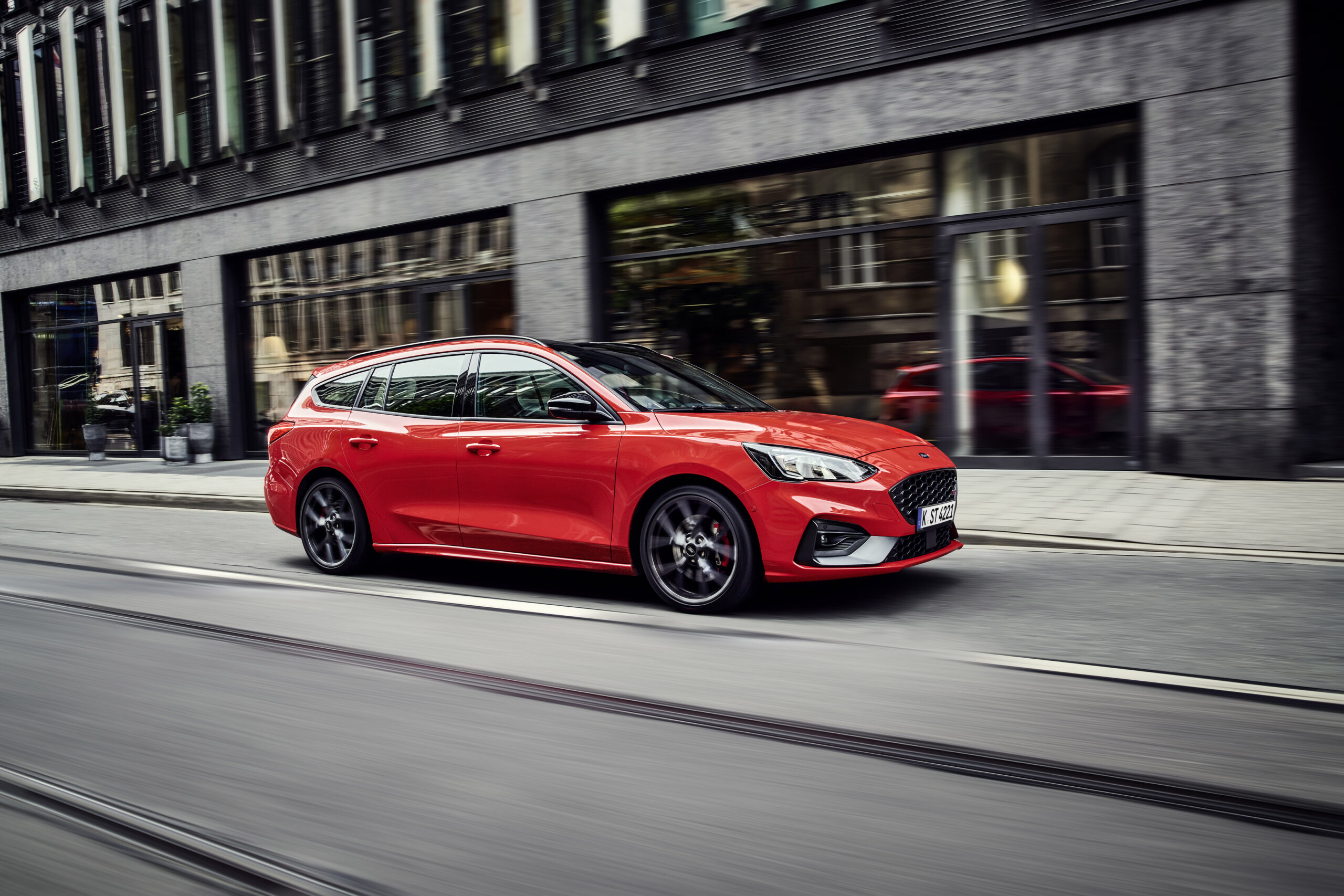
The Ford Focus ST and RS suffer from the same basic issues as regular Focus models, but the sporty engine and transmission add extra stress. The RS also has specific moisture issues in the reversing camera and rust-prone grilles. Planning to buy one of these hot hatches? Then first read which problems you can expect and how to prevent them.
Engine problems under increased load
Ford’s turbocharged petrol engine (EcoBoost) in the ST and RS delivers impressive performance, but not without risk. Both models share a number of recurring engine issues that become particularly visible under intensive use.
Pre-facelift ST models from 2012-2018 suffer from fluctuating revs or stalling. This is due to defective wiring retainers. Ford has issued recalls for free repair. Check whether this recall has been carried out on the car you are considering.
The fuel vapour ventilation system (the so-called purge valve and EVAP canister) regularly fails. This leads to an illuminated check engine light, starting problems and fuel leakage while refuelling. There is also a recall for this, in which Ford replaces the parts free of charge.
RS-specific engine risks
The RS has additional engine issues directly linked to the higher power output. Head gaskets can blow, cylinder heads can crack and overheating can be fatal for the engine. These are expensive repairs that often cost several thousand euros.
With turbo engines such as the RS, early ignition at low revs (Low Speed Pre-Ignition) is a common occurrence. This happens when you accelerate hard at low revs. The premature ignition causes carbon build-up and can seriously damage the engine. Avoid this by accelerating gently at low revs.
- Change the engine oil every 10,000 kilometres using high-quality oil
- Use only premium fuel to limit carbon build-up
- Watch out for exhaust smoke, coolant loss and low turbo pressure
- Check whether recalls for wiring retainers and the fuel vapour ventilation system have been carried out
‘ Increased torque and power significantly accelerate wear on the transmission and clutch. ’
Transmission and clutch under pressure
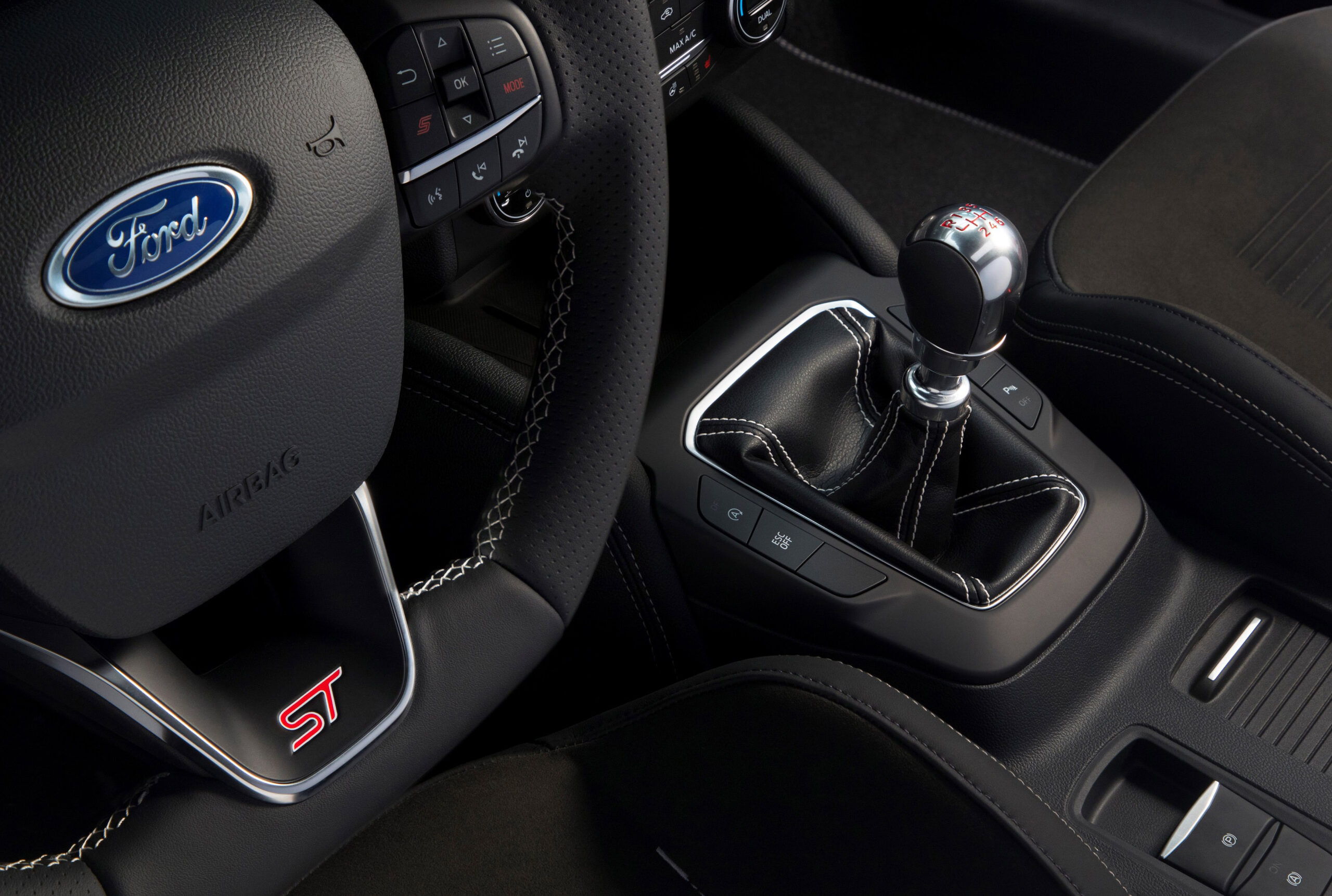
The six-speed manual gearbox is not designed for prolonged high loads. Synchros can snap tabs, leading to harsh gear changes and grinding noises. In severe cases the gearbox can seize.
The clutch slips under high loads, especially in the higher gears. Test this during a test drive by accelerating hard from low revs. If you notice the revs rising without a proportional increase in speed, the clutch is due for replacement.
Avoid heavily tuned cars. Increased torque and power significantly accelerate wear on the transmission and clutch. Always choose examples with a full service history.
Suspension and brakes wear faster
The sportier suspension of the ST and RS is set up firmer for better handling. However, this increases wear on shock absorbers, arms and springs. Spirited driving accelerates this process even further.
Irregular tyre wear indicates geometry issues or worn components. During a test drive, compare the way the car drives with several examples. Listen for knocking noises over bumps or a floaty steering feel.
Brake discs can warp due to the higher braking forces. Brake lines can rust badly, especially on cars used regularly in winter. Inspect the brakes thoroughly and replace rusty lines as a preventative measure.
- Check tyre tread patterns for uneven wear
- Do a test drive on bumpy roads
- Inspect wheels for kerb damage or flaking paint
- Check brake discs and lines for rust
Electrical problems and interior wear
Daytime running lights flicker on some models. A software update can fix this, but not always. Headlights regularly fail and sometimes point in the wrong direction. Test all lighting during both a day and night drive.
The 12V battery wears out faster than on regular Focus models. This is due to the higher power consumption of the additional electronics. Check the charging voltage and ask when the battery was last replaced.
The interior scratches easily and trim pieces can be loose if the car has often been dismantled for modifications. Electronics such as cruise control and warning lights can misbehave. Test all functions thoroughly during the test drive.
‘ The grille of the RS rusts faster than on other Focus models. ’
RS-specific moisture problems
The reversing camera of the RS is prone to moisture ingress. This leads to a blurry image or complete failure of the camera. Check that it works properly in damp weather.
The grille of the RS rusts faster than on other Focus models. This is especially visible on the underside and around mounting points. Inspect the grille carefully for rust and flaking paint.
Are the ST and RS more reliable than normal models?
The ST and RS are not more reliable than regular Focus models. They have the same basic issues with transmission, engine and cooling, but suffer additional stress due to higher loads. The likelihood of faults increases the harder the car is used.
Owners report that the cars can be reliable with proper maintenance. Frequent oil changes, quality fuel and timely replacement of wear parts are essential. Cars without a full service history are a greater risk.
Higher maintenance costs
Maintenance on an ST or RS costs more than on a regular Focus. Brakes, tyres and suspension components wear faster and are more expensive. A clutch replacement quickly costs between 800 and 1200 euros. Engine problems such as head gasket or cylinder head repairs can rise to 3000 euros or more.
Also budget for preventative maintenance. More frequent oil changes and checks of the cooling system, turbo and transmission help prevent costly problems. Expect on average 30 to 50 per cent higher maintenance costs than for a normal Focus.
‘ With targeted checks and preventative maintenance you can enjoy these powerful hot hatches safely. ’
What should you look out for when buying?
Look for examples with a full service history and ask about any recalls carried out. Avoid cars with crash repairs or that are recorded as stolen. Watch out for signs of amateur tuning or modifications without professional installation.
Test the car thoroughly on different types of roads. Pay attention to gearshift problems, clutch slip and engine performance. Check that the engine starts smoothly and does not make any unusual noises under acceleration.
- Ask for a complete service history
- Check whether recalls have been carried out
- Avoid heavily tuned examples
- Test clutch and transmission during the test drive
- Thoroughly inspect suspension, brakes and tyres
- Check all electronics and lighting
The Ford Focus ST and RS offer fantastic driving performance, but that demands vigilance. With targeted checks and preventative maintenance you can enjoy these powerful hot hatches safely. On the Carnews website you will find more information about other Ford models and their known problems. Discover which car best suits your needs.
Frequently asked questions
The most common technical problems with the Ford Focus ST and RS are engine issues such as exhaust smoke, coolant loss, loss of turbo pressure and, specifically on the RS, leaking head gaskets and cracking cylinder heads. In addition, faulty purge valves and EVAP canisters are common, causing warning lights and refuelling problems. The six-speed gearbox can suffer from worn synchros and a slipping clutch under high load. Furthermore, suspension parts, brakes and lighting wear relatively quickly, partly due to sporty use.
On the Focus RS mk3 there are specific problems known with blown head gaskets, cracking cylinder heads and overheating, often related to LSPI (Low Speed Pre-Ignition) when accelerating hard at low revs. On both the Focus ST and RS EcoBoost engines, complaints such as smoke from the exhaust, coolant loss and low turbo pressure occur. For the ST models, the failing purge valve/EVAP canister is also a well-known problem, causing starting problems and fault codes. Fluctuating idle speed and occasionally stalling engines on pre-facelift STs are also typical, recurring issues.
These problems significantly increase maintenance costs, because components such as head gasket, transmission synchros, suspension and brakes need to be replaced or overhauled more often. Recurring issues such as EVAP and cooling problems can lead to expensive consequential damage (overheating, engine damage). In the long term, overall reliability decreases, especially with hard use or poor maintenance. Only strict, preventative maintenance and timely rectification of known weak points keep reliability at an acceptable level.
With a used Focus ST or RS, pay particular attention to engine problems: check for coolant loss, smoke from the exhaust, low turbo pressure and (on the RS) signs of a blown head gasket or overheating. Test the manual gearbox and clutch for heavy or notchy shifting and clutch slip when accelerating hard. Check the suspension and brakes for rattling or knocking noises, irregular tyre wear, warped brake discs and rusty brake lines. Insist on a full service history and be extra critical with tuned or heavily used (track day) examples.
Yes, owners can take various preventative measures to limit problems. Regular oil changes with high-quality oil and using only premium fuel reduce wear and carbon build-up. Preventative replacement of known weak components such as the purge valve, brake lines and worn suspension parts helps to avoid faults. Furthermore, avoiding full throttle at low revs and choosing a car with a complete service history is crucial.