
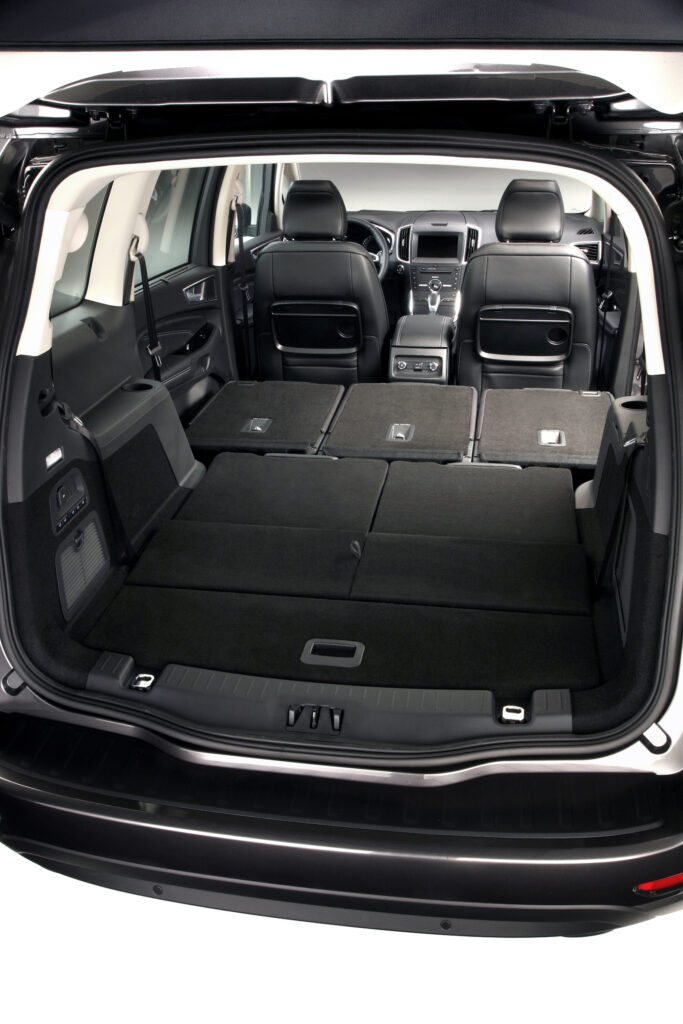
The Ford Galaxy Hybrid is a comfortable and relatively economical seven-seater, but battery and hybrid system malfunctions regularly reduce the car’s efficiency and reliability. Electronics related to the heating, engine control, and cooling system require extra attention from users of this model. Discover which problems occur most often and what you can do about them.
What makes the Ford Galaxy Hybrid vulnerable?
The Galaxy Hybrid combines a 2.5-litre petrol engine with electrical assistance via a small battery of approximately 1.1 kWh. The system operates as a self-charging hybrid and recharges itself while driving, without the need for a plug. This offers advantages for relaxed driving, with real-world consumption figures around 5.8 to 6.5 litres per 100 kilometres if you drive anticipatorily. However, it remains a heavy seven-seater, meaning the hybrid powertrain doesn’t always feel smooth. With the Ford Galaxy, the electronics, engine control, and cooling circuit are particularly susceptible to malfunctions.
User reports indicate recurring complaints about heating functions, engine power, and fuel control. These issues often arise from malfunctions in sensors, software, or modules that control the hybrid technology. Because modern hybrids rely heavily on electronics, relatively small faults can have significant consequences for performance and ease of use.
Ford Galaxy Hybrid Battery Problems?
The hybrid battery in the Galaxy is relatively small and intended for short-term electrical assistance. As a result, the battery itself does not quickly become completely depleted. However, malfunctions in the charging system or battery condition can lead to reduced efficiency. During longer periods of inactivity or many short journeys, the battery may not charge sufficiently, limiting hybrid operation.
Some specific points of attention:
- Software updates for battery management may be necessary to ensure optimal charging cycles
- Sensor or control faults can lead to reduced battery performance, even if the battery itself is still in good condition
- If warning lights appear or fuel consumption is unexpectedly high, it is advisable to have the battery condition and fault codes checked
- After a longer period of inactivity, the battery may require a longer warm-up period to function optimally again
Electrical Comfort Functions and Heating
A notable recurring issue concerns the heating functions. For a 2021 Ford Galaxy Hybrid, complaints were reported about defective rear window heating and reduced performance of the front windscreen heating. This type of malfunction often indicates problems in the electrical control rather than a defective heating element itself.
Possible causes include:
- Defective fuses or relays that control the heating circuits
- Wiring problems in the electrical modules
- Software bugs in the control unit affecting multiple heating functions simultaneously
- Malfunctions in the climate control system related to the hybrid system
For such complaints, have the electronics checked first before replacing expensive parts. Often, a software update or replacing a relay will resolve the issue.
Troubleshooting Galaxy Hybrid Drivetrain Malfunctions?
Engine power and fuel control sometimes present complaints with the Galaxy Hybrid. Users report reduced engine power and an intermittent check engine light. In some cases, the engine runs too rich, meaning there is too much fuel in the mixture. This can lead to increased consumption, reduced performance, and vibrations while driving.
This type of malfunction is often associated with:
- Defective lambda sensors that transmit incorrect readings to the engine control
- Malfunctions in the mass airflow sensor causing the engine to use an incorrect air-to-fuel ratio
- Problems with the injectors that spray fuel irregularly
- Software errors in the engine control unit that disrupt hybrid operation
Cooling System and Engine Temperature
Ford models with EcoBoost technology regularly experience coolant loss and engine overheating. While this is not exclusively a Galaxy Hybrid problem, the cooling system plays a crucial role in the reliability of the powertrain. In hybrid systems, both the petrol engine and the electric drive must maintain the correct temperature.
Regularly check:
- The coolant level, especially before and after longer journeys
- Abnormal temperature readings on the dashboard
- Unexplained coolant consumption, which may indicate a leak or a defective thermostat
- The operation of the electric cooling fan, which is additionally stressed by the hybrid system
Engine overheating can lead to serious damage to the powertrain. Therefore, react immediately to warning lights or abnormal temperatures.
Ford Galaxy Hybrid Reliability?
The hybrid powertrain itself is fundamentally robust, but its reliability heavily depends on peripheral components. Software, sensors, and electrical modules determine whether the car continues to function flawlessly. Online user forums mainly report electrical comfort functions and engine malfunctions, not necessarily structural failures of the hybrid technology.
Users who rate the Galaxy Hybrid positively mainly drive calmly and predictably. The car then performs well in terms of comfort and fuel consumption. With hard acceleration or erratic driving behaviour, the powertrain performs less well and consumption noticeably increases.
Preventative Measures for Owners
Many problems can be prevented or resolved in good time with a targeted maintenance approach. In the event of malfunctions, do not immediately incur high repair costs, but first have a diagnosis performed.
- Have fault codes read immediately if warning lights appear or abnormal behaviour is observed
- Check if software updates are available for the engine management or hybrid system
- Monitor the coolant level and have the cooling system checked regularly
- Periodically test heating functions, even in warm months, to detect electrical malfunctions early
- Regularly warm up the car and avoid many short journeys to keep the hybrid battery in optimal condition
- If engine power is reduced or consumption is increased, have the lambda sensors and fuel control checked
When to Go to the Garage?
Some signs require immediate action. Do not continue driving for too long if you notice any of the following complaints. Early diagnosis prevents greater damage and higher costs.
Go to the garage if:
- A persistent check engine light or flashing warning lights
- Noticeably reduced engine power or erratic idle speed
- Significantly increased fuel consumption without a clear explanation
- Abnormal engine temperature or warnings about overheating
- Failure of multiple heating functions simultaneously
- Unusual noises or vibrations while driving
A specialised Ford garage or hybrid specialist has the correct diagnostic equipment to fully read out the system. Ensure the mechanic is familiar with hybrid technology, as the electronics could otherwise be misinterpreted.
Optimal Use of the Galaxy Hybrid
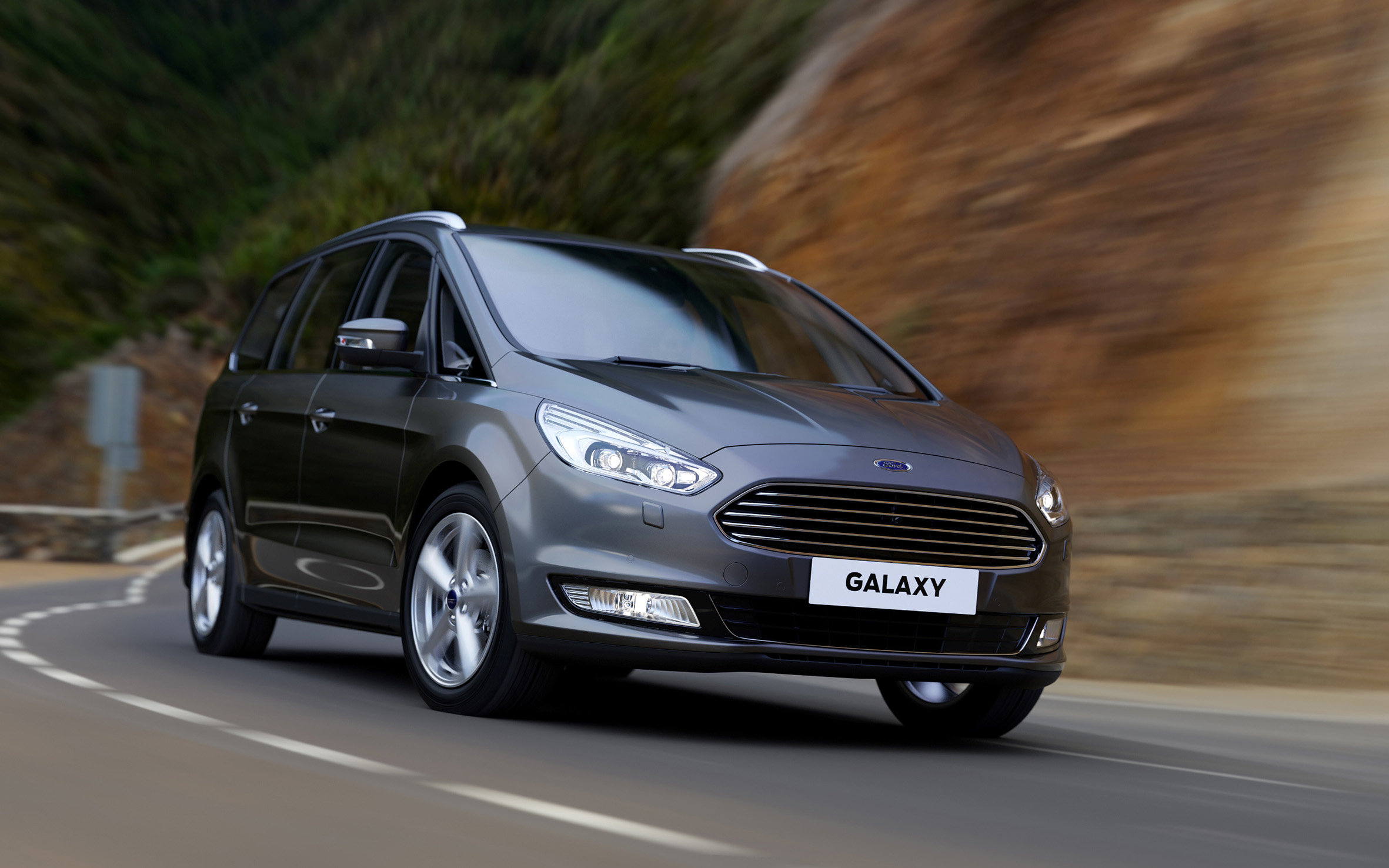
The Galaxy Hybrid is not intended as a sporty seven-seater, but as a comfortable and efficient family car. Optimal use requires calm and anticipatory driving behaviour. With steady driving, the electric drive effectively supports the petrol engine, limiting consumption. With hard acceleration, the petrol engine has to work hard, largely diminishing the hybrid advantage.
Bear in mind that the car needs time to perform optimally. After a cold start, the hybrid system does not yet operate at full power. Give the powertrain a few kilometres to warm up before fully accelerating.
On the Carnews website, you’ll find much more information about common problems with Ford models, maintenance tips, and technical background information on hybrid technology. Discover what other owners experience and how best to maintain your car for long-lasting driving pleasure.
Frequently Asked Questions
The most frequently reported problems with the Ford Galaxy’s hybrid drivetrain are malfunctions in electrical comfort features such as the rear and front windscreen heating. Additionally, complaints are mentioned regarding reduced engine power and an intermittent check engine light, often related to an engine running too rich (fuel/engine management). In engines related to Ford’s EcoBoost technology, coolant loss and the risk of overheating sometimes occur, requiring extra attention to the cooling system. In general, software, sensors, and peripheral components appear to be the cause more often than the hybrid powertrain itself.
There is insufficient public data to provide a specific average cost for repairs to the hybrid battery or electrical components of a Ford Galaxy. In practice, diagnostic and minor electrical repair costs often range from a few hundred euros, while the replacement or overhaul of a hybrid battery generally (across brands and models) can quickly run into thousands of euros.
The lifespan of the hybrid system in a Ford Galaxy can be extended by performing regular maintenance, including software updates, fault code checks, cooling system, and battery condition. Ensure that coolant levels and warning lights are closely monitored, and have immediate diagnostics performed in the event of malfunctions. In terms of driving behaviour, it helps to accelerate calmly and smoothly, drive anticipatorily, and avoid unnecessary harsh acceleration or high speeds. This reduces thermal and mechanical stress on both the internal combustion engine and hybrid components.
There are no major, widely publicised recalls known to specifically and exclusively affect the Ford Galaxy’s hybrid powertrain. However, there are reports from individual owners about power loss, a rich-running engine, and warning lights related to engine/fuel management and software. There are also complaints about electrical comfort functions such as (rear) window heating, which point to peripheral electronics rather than the core hybrid technology. In general, for Ford hybrids, software updates, the cooling system, and battery status deserve extra attention, but this is not considered a unique structural weakness of the Galaxy hybrid alone.
Symptoms that may indicate a defect in the Ford Galaxy’s hybrid drivetrain include power loss, an (intermittent) fuel/engine management light (check engine), an engine running too rich, and abnormal fuel consumption. Additionally, persistent problems with heating functions (such as rear and front windscreen heating) may indicate electronic or software-related malfunctions around the drivetrain. The severity varies: fault codes or temporary power dips can be relatively harmless if promptly resolved with software updates or sensor replacement, but persistent power loss, overheating, or a rich-running engine can eventually cause serious engine damage. For such complaints, rapid diagnosis and checking of software, the cooling system, and electrical components are important.