
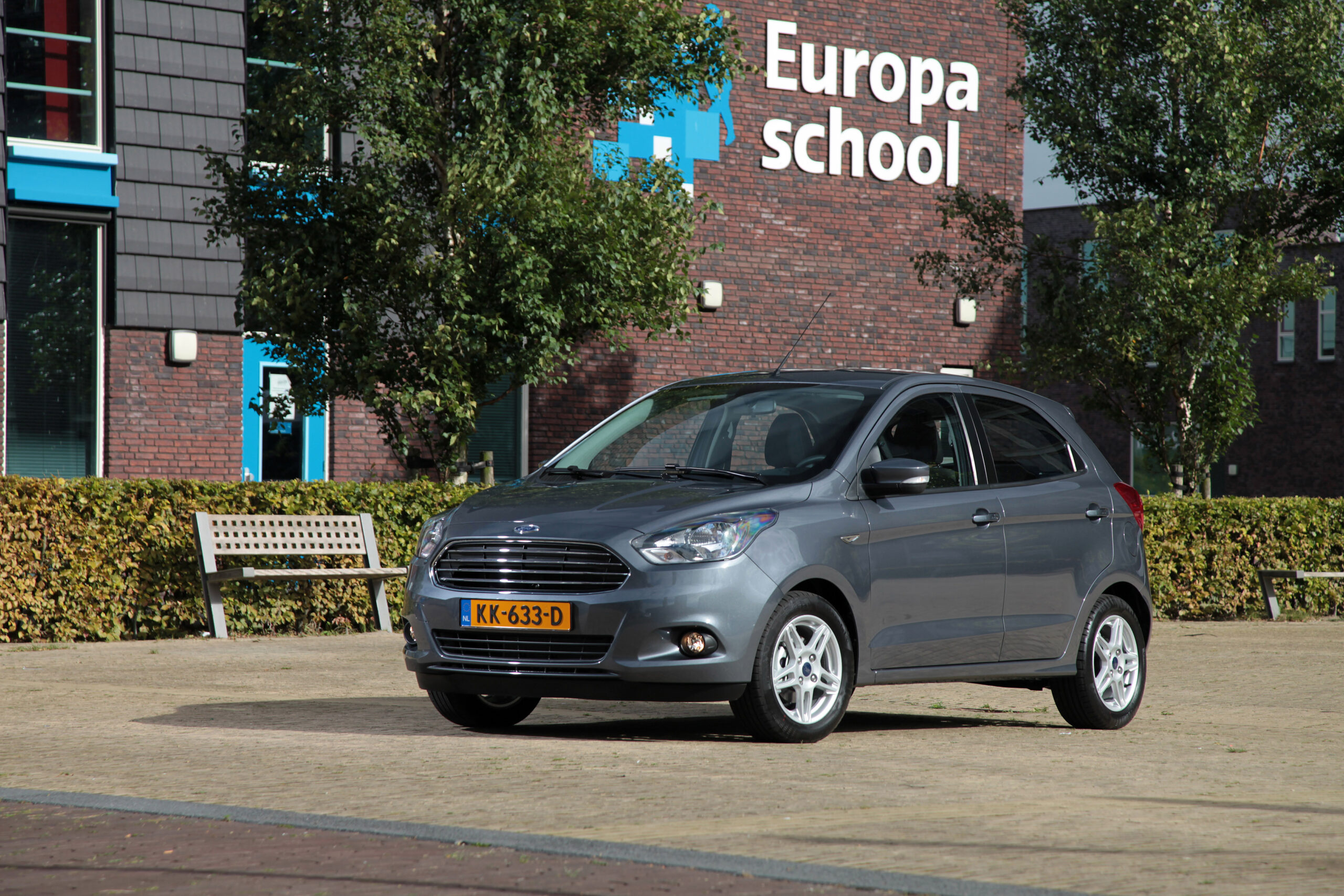
Ford Ka: small model with big challenges
Since 1996, the Ford Ka has proved itself as an agile city car that particularly appeals to young motorists and urban drivers. This compact model combines low purchase costs with a handy size, but at the same time has a range of technical issues that potential buyers and current owners need to be well aware of. From rust formation to electronic faults: the Ford Ka demands attentiveness and preventive maintenance if it is to last for many years.
The history of this popular model and its technical vulnerabilities raise the question: what can you expect when you choose a Ford Ka?
The history of the Ford Ka: three generations with their own character
The first-generation Ford Ka rolled off the production line between 1996 and 2008 and made use of Fiat technology, including the Endura-E engine block. This compact three-door city car offered engines between 50 and 70 hp and was appreciated for its agility. The second generation (2009–2016) brought improvements in the drivetrain and comfort, with refined shock absorbers and springs that were 30 per cent softer. Between 2014 and the present day the third generation appeared, including the KA+ from 2016 with modern technology such as the SYNC infotainment system.
The sportier SportKa (2003–2008) and the raised KA+ Active (2018–2021) showed that Ford tried to cater for different target groups. The current KA+ has three engine options: a 70 hp and an 85 hp petrol engine (both 1.2-litre) and a 95 hp turbo diesel which, with 215 Nm of torque, is suitable for city traffic with brisk acceleration.
‘ Early detection and preventive maintenance limit the damage and keep maintenance costs low. ’
Common problems with the Ford Ka
Various technical issues occur regularly with the Ford Ka, regardless of generation. Many owners report problems with Ford models such as the Ka, ranging from rust formation to engine faults. The compact construction and the use of shared components with Fiat make repairs affordable, but also require targeted checks when buying and maintaining the car.
Electronic faults, wear in the suspension and transmission problems occur in various model years. Early detection and preventive maintenance limit the damage and keep maintenance costs low. Owners’ experiences point to specific weak spots that deserve extra attention.
Rust formation: the notorious Achilles heel of early models
The first-generation Ford Ka is known for being highly susceptible to rust. In particular, models built before 2005 show rust formation in critical areas such as the wheel arches, sills, tailgate sections and window edges. The cause lies in thin paint layers and limited rust protection during production. Once rust develops, it can spread quickly and even attack structural components.
When viewing used cars from this period, pay extra attention to brown discolouration, bubbles in the paint or soft spots in the bodywork. Also inspect the underside of the car and the wheel housings thoroughly. Early treatment with anti-rust coating or repair of affected areas prevents expensive damage later on. In models produced after 2005, susceptibility to rust decreased thanks to improved production techniques.
Engine problems: rough running and sudden stalling
Engine problems in the Ford Ka often manifest themselves as an irregular idle, juddering during acceleration or even complete stalling. These complaints occur with both the older Endura-E engines and later petrol units. Possible causes include:
- Dirty or defective spark plugs that disrupt ignition
- Clogged fuel injectors that cause uneven fuel supply
- Wear to the timing belt, which can break if not maintained properly
- Defective ignition coils that lead to misfires
- Air sensors sending incorrect signals to the engine management system
Check the condition of the spark plugs regularly and replace them according to the service schedule. The timing belt needs to be replaced at around 100,000 kilometres or every six to eight years. Do not ignore engine warning lights; have the fault codes read to prevent more serious damage.
Electronic faults behind the dashboard
The electronics of the Ford Ka have vulnerabilities, especially in models of the second and third generation with more digital systems. Sensors that register temperature, air mass or position can fail, leading to warning messages on the dashboard and a poorly running engine. Wiring ages over time and can cause short circuits or interruptions.
Typical symptoms include warning lights coming on without an obvious reason, instruments cutting out or faults in the central locking system. Moisture ingress in electronic modules makes these problems worse. Regular checking of the battery and anodes prevents voltage spikes that can damage sensitive electronics. In the case of persistent faults, diagnosis with professional equipment is needed to determine the exact fault code.
Suspension and steering under pressure
The MacPherson front suspension and semi-independent rear axle of the Ford Ka often show wear after 80,000 to 120,000 kilometres. Shock absorbers lose damping, causing the car to become less stable on uneven road surfaces. Suspension bushes wear out and cause rattling noises over bumps. The anti-roll bar and its rubbers can develop play.
Symptoms of suspension problems include:
- Thudding or rattling noises over uneven surfaces
- Uneven tyre wear
- Weaving or an unstable feeling in bends
- Vibrating or heavy power steering
The electrically assisted power steering (EPAS, Electronic Power Assisted Steering) regularly causes complaints over time, such as heavy steering or loss of assistance. This often points to a faulty sensor or motor in the steering column. Have the wheel alignment checked annually to prevent uneven wear and replace shock absorbers when their performance clearly deteriorates.
Transmission and clutch: shifting problems with the manual gearbox
The Ford Ka’s five-speed gearbox is known for being robust, but complaints do occur here as well. Owners report stiff gear changes, grinding noises under acceleration or difficulty engaging certain gears. The cause is often worn clutch plates or a weakened release bearing.
The clutch itself can show wear after 100,000 to 150,000 kilometres, depending on driving style and terrain. City driving with a lot of stop-start traffic accelerates wear. You will notice a slipping clutch by rising revs without an increase in speed, or a burning smell when pulling away. The clutch and release bearing are usually replaced together, which helps prevent breakdowns.
Some models have an optional PowerShift automatic transmission (an automatic gearbox developed by Ford). Over time this can start to shift jerkily or seize up due to software issues or mechanical wear. Regular transmission oil changes significantly extend its lifespan.


Spot problems on your Ford Ka in good time
Being alert prevents costly repairs. Listen out for unusual noises such as ticking, thumping or rattling that indicate loose components or wear. Check the engine oil regularly for level and colour; black or metallic oil calls for immediate action. Strange smells such as burning, sweet coolant or exhaust fumes in the cabin signal technical issues.
Changes in driving behaviour such as heavy steering, pulling to one side or longer braking distances require inspection. Do not ignore dashboard warning lights; even briefly flashing lights can indicate developing faults. Note when symptoms occur and under what conditions; this helps the mechanic with diagnosis.
When viewing used cars, test all functions thoroughly: lights, wipers, heating, central locking and electric windows. Start the engine from cold and listen for rough running or ticking noises. Take a test drive on different types of road and pay attention to gearchanges, braking and road holding.
Keep your Ford Ka in good condition with preventive maintenance
Regular maintenance significantly extends the lifespan of the Ford Ka. Follow the servicing schedule prescribed by Ford, with oil changes every 15,000 kilometres or once a year. Replace air filters, fuel filters and spark plugs at the recommended intervals. The timing belt needs to be replaced at around 100,000 kilometres; do not ignore this, as a broken belt leads to engine damage.
Check regularly:
- Tyre pressure and tread depth (a minimum of 3 mm is recommended)
- Brake system including brake fluid
- Coolant level and condition
- Battery connections and charging voltage
- Wiper blades and washer operation
Rinse the underside of the car clean on a regular basis, especially after winter months with road salt. This greatly reduces rust formation. Treat small paint damage immediately with a touch-up pen to prevent rust under the paint. Lubricate hinges, locks and cables once a year with suitable lubricants.
Allow the engine to warm up before accelerating hard and avoid short journeys where the engine does not reach operating temperature. This prevents condensation forming in the engine block and exhaust system. If the car is unused for a longer period, start the engine briefly every two weeks to keep the battery charged.
‘ This costs a few tens of euros but prevents expensive surprises. ’
What to look out for when buying a used Ford Ka
Buying a used Ford Ka calls for thorough inspection work. Check the service book for a complete history with stamps and invoices. Pay particular attention to timing belt replacements carried out and recent MOT tests. Ask about known defects and previous repairs.
Inspect the bodywork meticulously for rust spots, especially on first-generation models. Check the wheel arches, sills, lower edges of the doors and tailgate. Open the bonnet and look for oil leaks, loose hoses or corrosion on the battery terminals. Test all electrical functions and watch for error messages on the dashboard.
Take an extensive test drive:
- Start from cold and listen to the engine noises
- Test the clutch for slipping when pulling away
- Shift through all gears and pay attention to smoothness
- Brake hard and check whether the car keeps straight
- Drive over bumps and listen for suspension noises
- Test the power steering when manoeuvring slowly
If in doubt, have an independent garage carry out a pre-purchase inspection. This costs a few tens of euros but prevents expensive surprises. Check the current market value using trade magazines or online valuation tools to avoid overpaying. Models with the 85 hp petrol engine offer better acceleration than the 70 hp version, but use slightly more fuel.
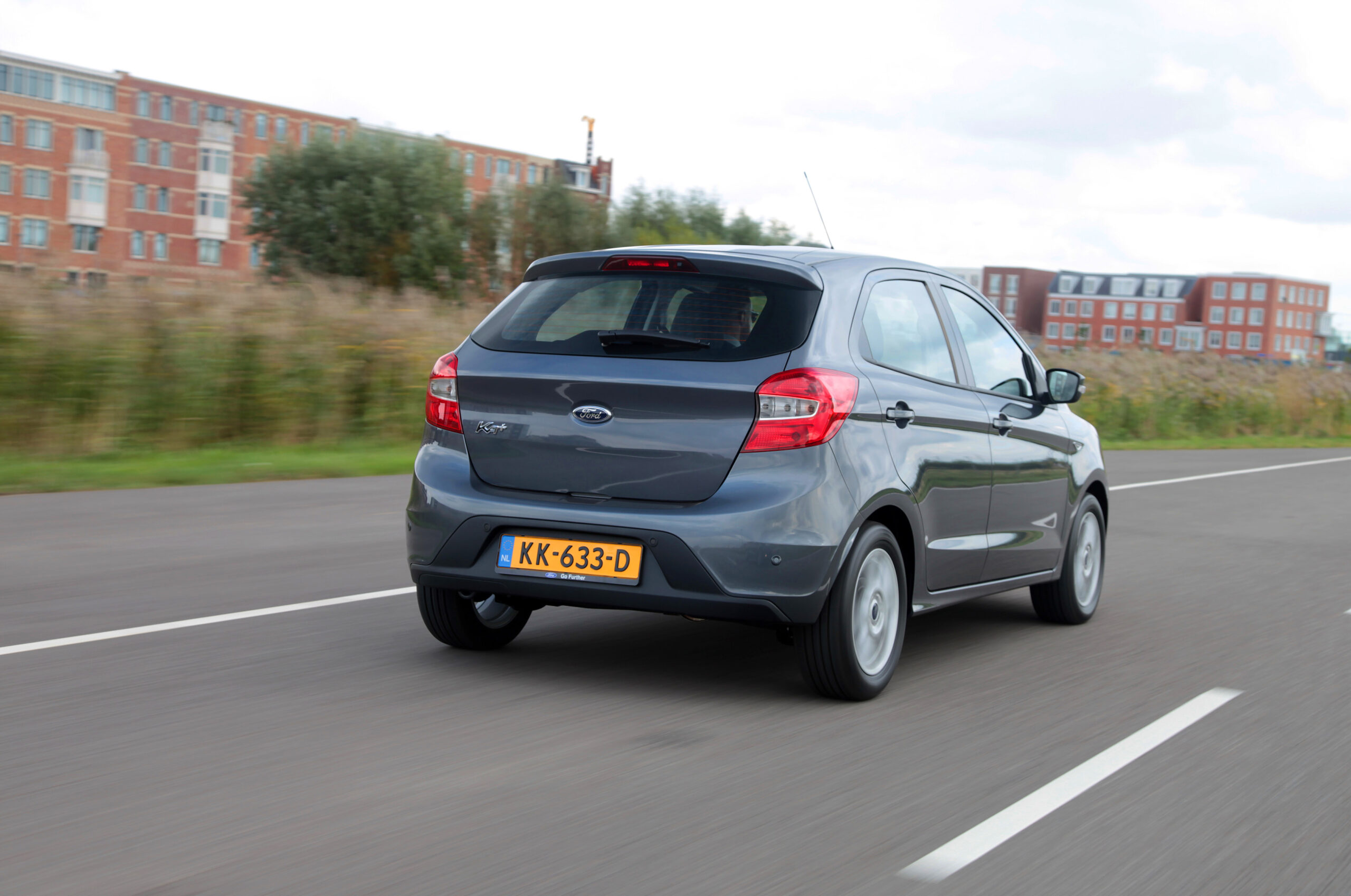
Small car with familiar weaknesses
The Ford Ka remains an attractive choice for anyone looking for a compact, affordable city car with low fuel consumption and agile handling. However, the model has clear weak points that require extra attention. Susceptibility to rust in early examples, engine issues due to worn components and electronic problems are all common.
Preventive maintenance and timely replacement of wear parts keep costs manageable. When buying a used car, you can avoid unpleasant surprises by carrying out a thorough inspection and checking its maintenance history. With attentiveness and careful maintenance, a Ford Ka can provide many years of reliable mobility in town and beyond.