
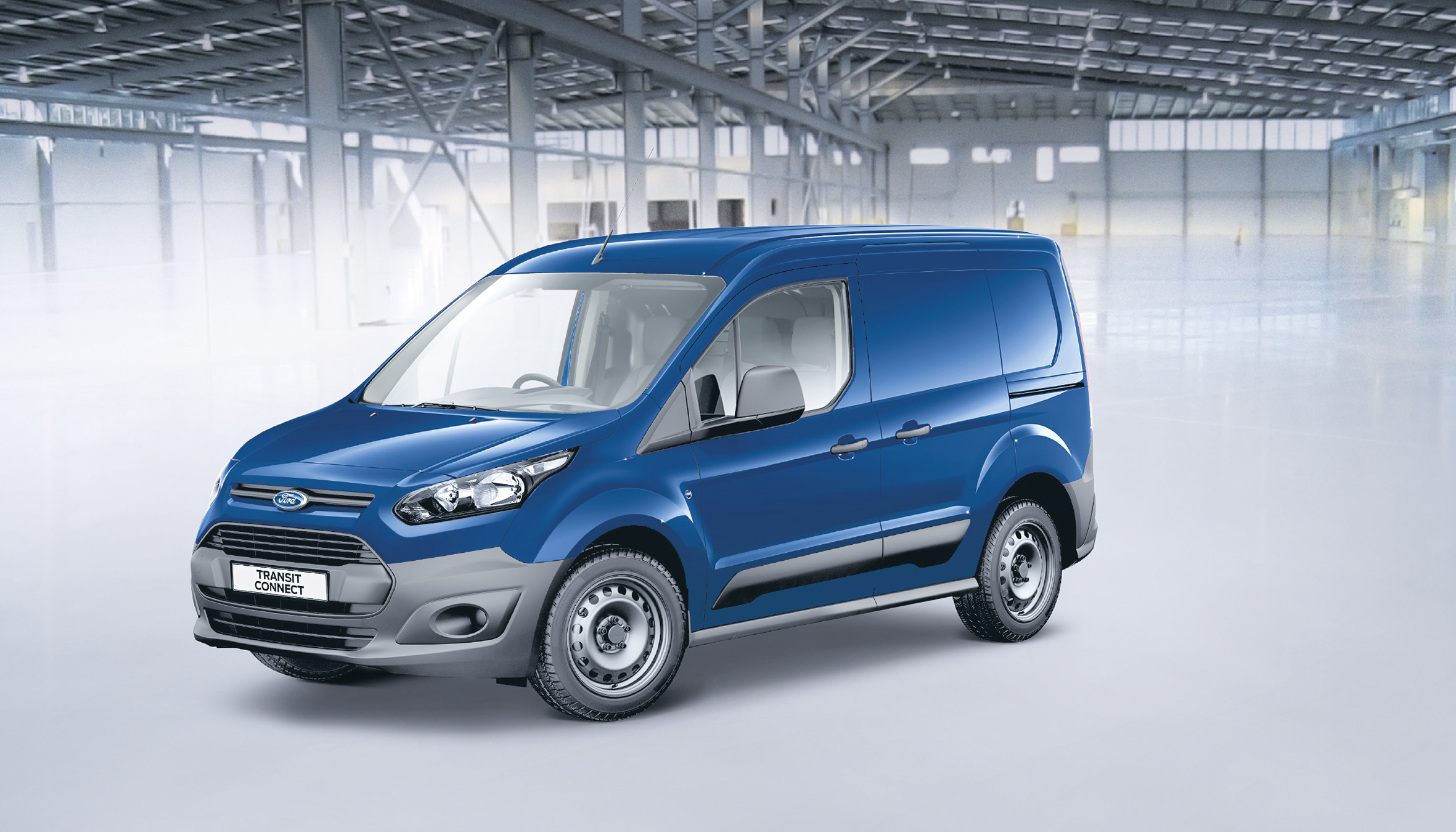
Ford Transit Connect: reliable workhorse with common early issues
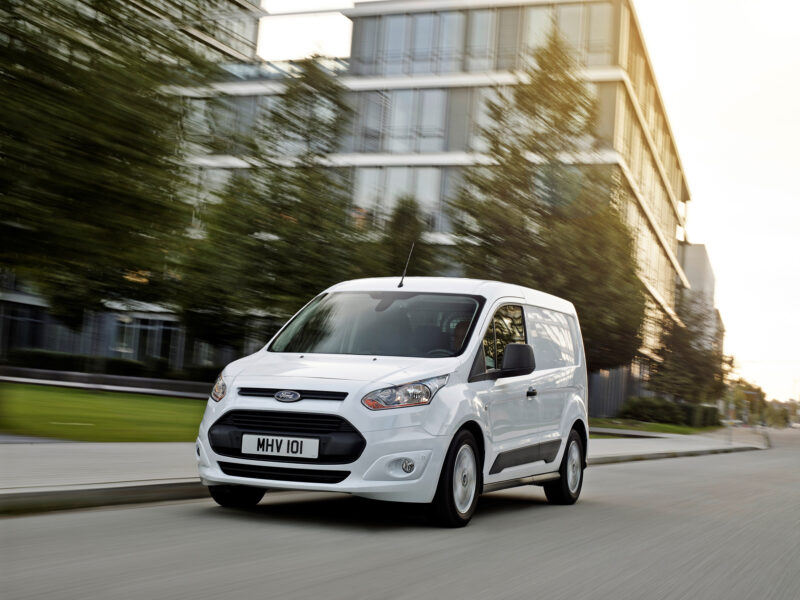
The Ford Transit Connect is a compact van that has proved itself to be a versatile workhorse for business owners and private drivers alike. The model combines agile dimensions with an economical 2.0-litre engine and generous load capacity, making it popular for both city use and long journeys. However, it also makes frequent appearances in workshops because of known issues with the transmission, electronics and rust-prone bodywork components. Want to know what to watch out for before buying a Transit Connect, or how to prevent the most common faults?
Why the Ford Transit Connect is a popular choice
The Transit Connect has secured a firm place in the compact van segment. The model scores well on economy with combined fuel consumption of 5.4 litres per 100 kilometres. Its compact exterior dimensions make it nimble in narrow city streets and multi-storey car parks, while the load bay offers enough capacity for tools, materials or hobby equipment.
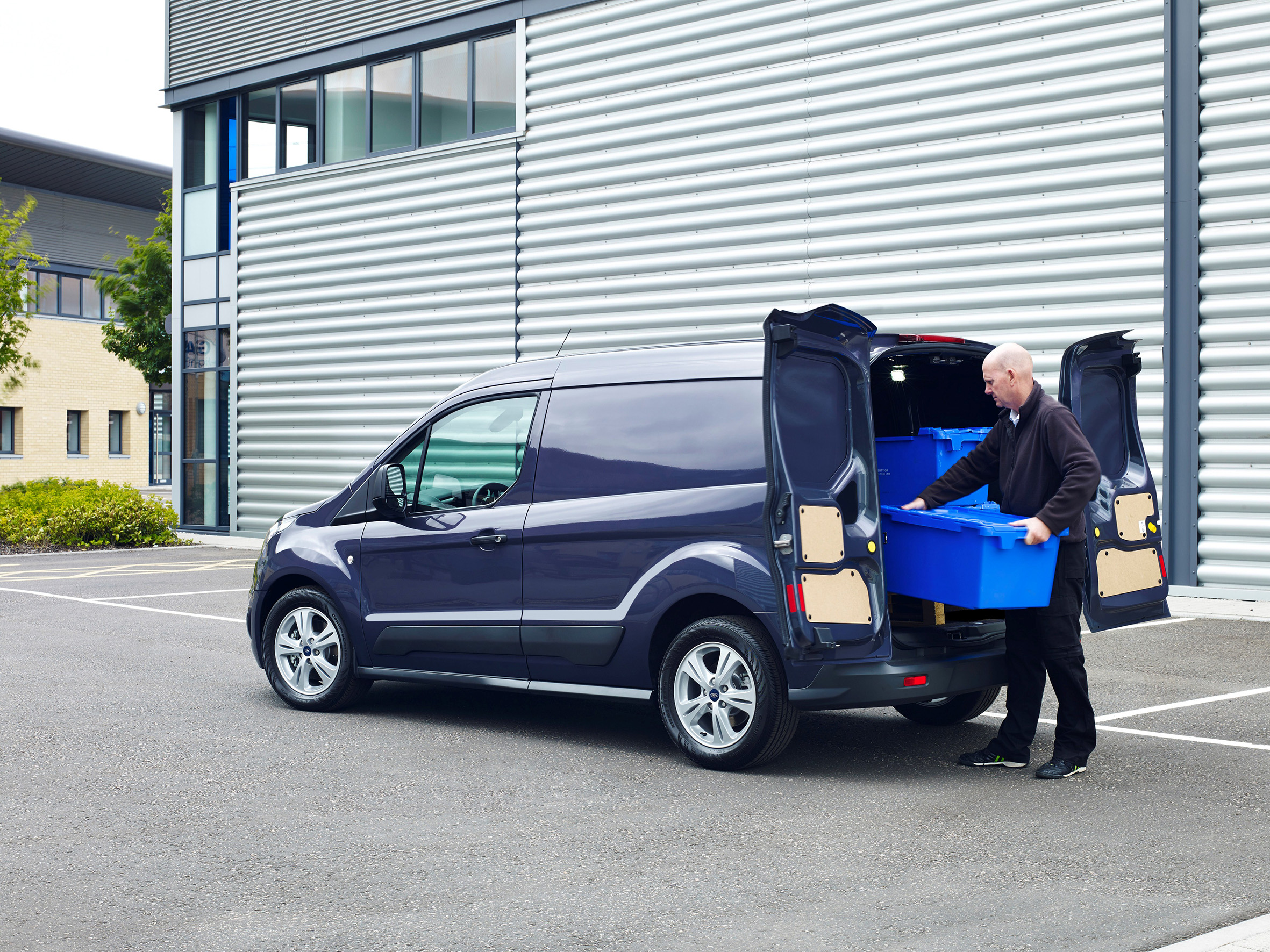
Practical details such as sliding doors on both sides and a flat load floor make everyday loading and unloading easy. The 102 bhp engine provides enough power for most uses without letting fuel consumption get out of hand. As a result, the model is widely used by couriers, tradespeople and private owners looking for an affordable and practical van.
‘ The model has a reputation as a workhorse that can take a beating, but owners regularly report faults linked to specific components and model years. ’
Overall reliability and known weak spots
The Ford Transit Connect has a mixed reputation when it comes to reliability. The model has a reputation as a workhorse that can take a beating, but owners regularly report faults linked to specific components and model years. In particular, pre-2014 models suffer from gearbox and electronic issues. When it comes to common car problems with Ford, the Transit Connect scores similarly to other models in the range.
The attractive pricing of used examples makes the model appealing, but can also mean maintenance has been postponed or known weaknesses have not been addressed. Vehicles with high mileage or irregular servicing are especially prone to problems. Most faults can be prevented or limited by timely inspections and preventive maintenance.
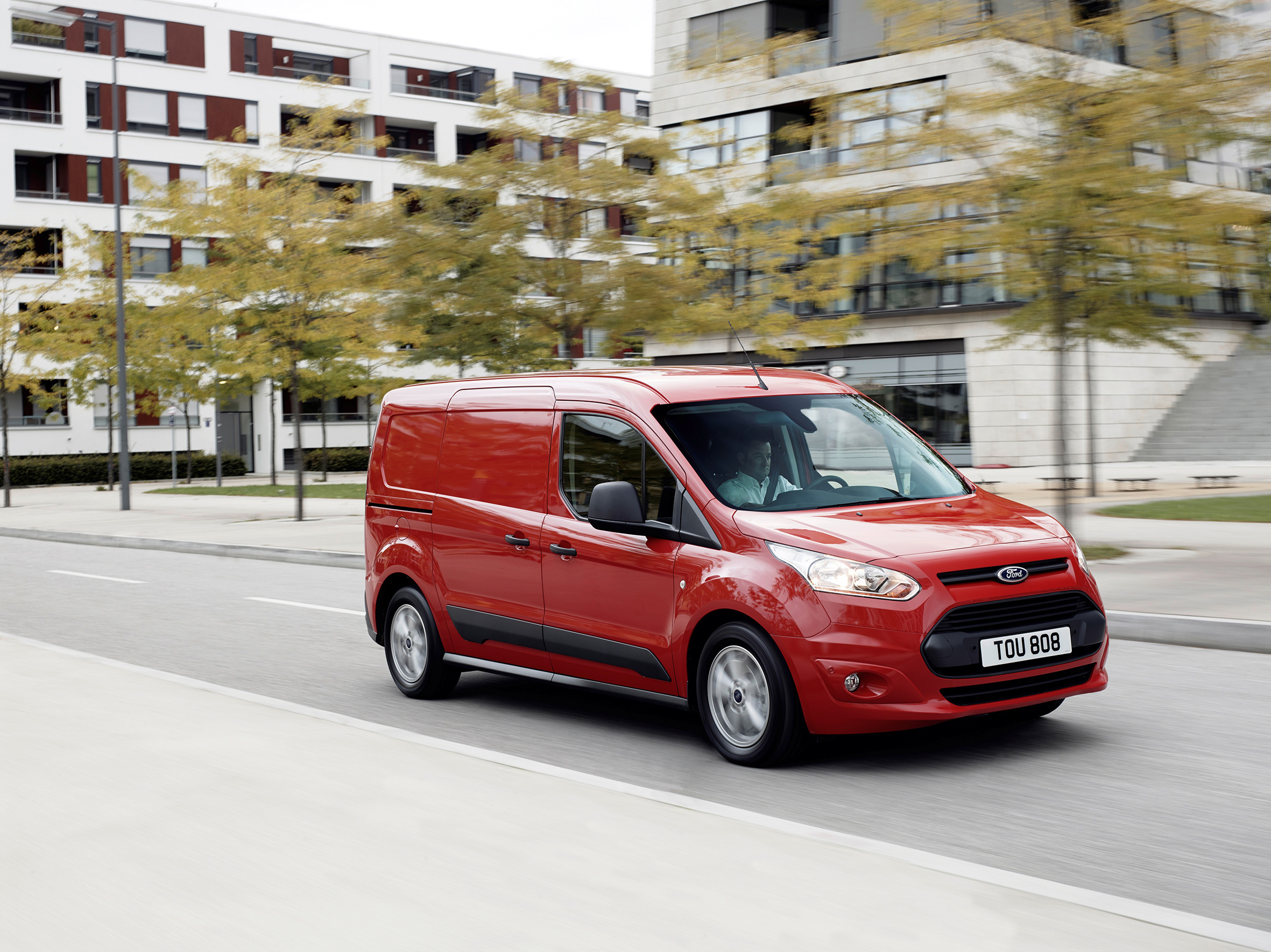
Common engine problems on the Transit Connect
The 2.0-litre diesel engine (an economical four-cylinder diesel engine) used in many Transit Connect models has a few characteristic weaknesses. A frequently reported complaint concerns the DPF (diesel particulate filter that filters soot particles from the exhaust), which can clog more quickly if the van mainly does short trips or city driving. When the DPF becomes blocked, the engine goes into limp mode (a protection mode in which the engine delivers less power) and power drops significantly.
Owners also report problems with the turbo (turbocharger that forces extra air into the engine for more power), especially on high-mileage examples. Wear to the bearings or oil leaks can cause whistling noises and loss of power. On some models, coolant leaks occur because of a defective EGR cooler (part of the exhaust gas recirculation system that cools exhaust gases), which can lead to overheating.
Solution: have the DPF regenerate regularly by taking a longer run on the motorway from time to time. Have the turbo checked during services and replace oil and filters according to the prescribed schedule. Keep an eye on the coolant level and have any leaks fixed immediately.
Transmission and driveline complaints
The automatic gearbox in some Transit Connect models is known for being sensitive. The Powershift gearbox in particular (a dual-clutch automatic transmission) from the years 2010–2016 suffers from faults that show up as jerks when shifting, delayed response or complete failure. The problem is often in the clutch module, which wears more quickly under heavy use.
Manual versions are generally more reliable, but they can also suffer from clutch problems. On high-mileage models, the clutch may start to slip or become heavy, especially when the van regularly carries heavy loads.
Possible causes of gearbox problems:
- Wear of the clutch module in the Powershift automatic
- Insufficient or contaminated transmission fluid
- Heavy use with frequent heavy loading
- Delayed software updates at the dealer
Have the transmission fluid replaced according to the schedule and ask the dealer about available software updates for the Powershift gearbox. Avoid aggressive shifting and always allow the van to warm up properly before driving off with a heavy load.
‘ Many owners report faults in the starter system, where the van will no longer start or only fires up after several attempts. ’
Electrical faults and electronics
Electrical problems (faults in wiring, battery or electronics) are common on the Transit Connect. Many owners report faults in the starter system, where the van will no longer start or only fires up after several attempts. This can be caused by a weakened battery, corrosion on the battery terminals or a defective starter motor.
There are also complaints about sensors (measuring points that control systems such as parking sensors and lane assist) giving false alarms or failing altogether. Parking sensors and lane assist (system that helps keep you within your lane) may malfunction because of dirt or damage. In some cases, the infotainment system (the central screen for radio, navigation and settings) fails or freezes, which may indicate software issues or a wiring fault.
The warning light on the dashboard may light up regularly without an obvious cause, often because of an electronic fault or a temporary sensor issue. Always have this checked with a diagnostic device (tool that reads fault codes from the car’s ECU) to determine the actual cause.
Common electrical complaints:
- Non-starting engine due to battery problems or starter failure
- Faults in parking sensors and safety systems
- Infotainment system freezing or switching off
- Unexplained warning lights on the dashboard
Check the battery regularly and replace it after four to five years. Clean the sensors with a soft cloth and have any faults checked immediately at a workshop. Make sure software updates for the infotainment system are installed during services.
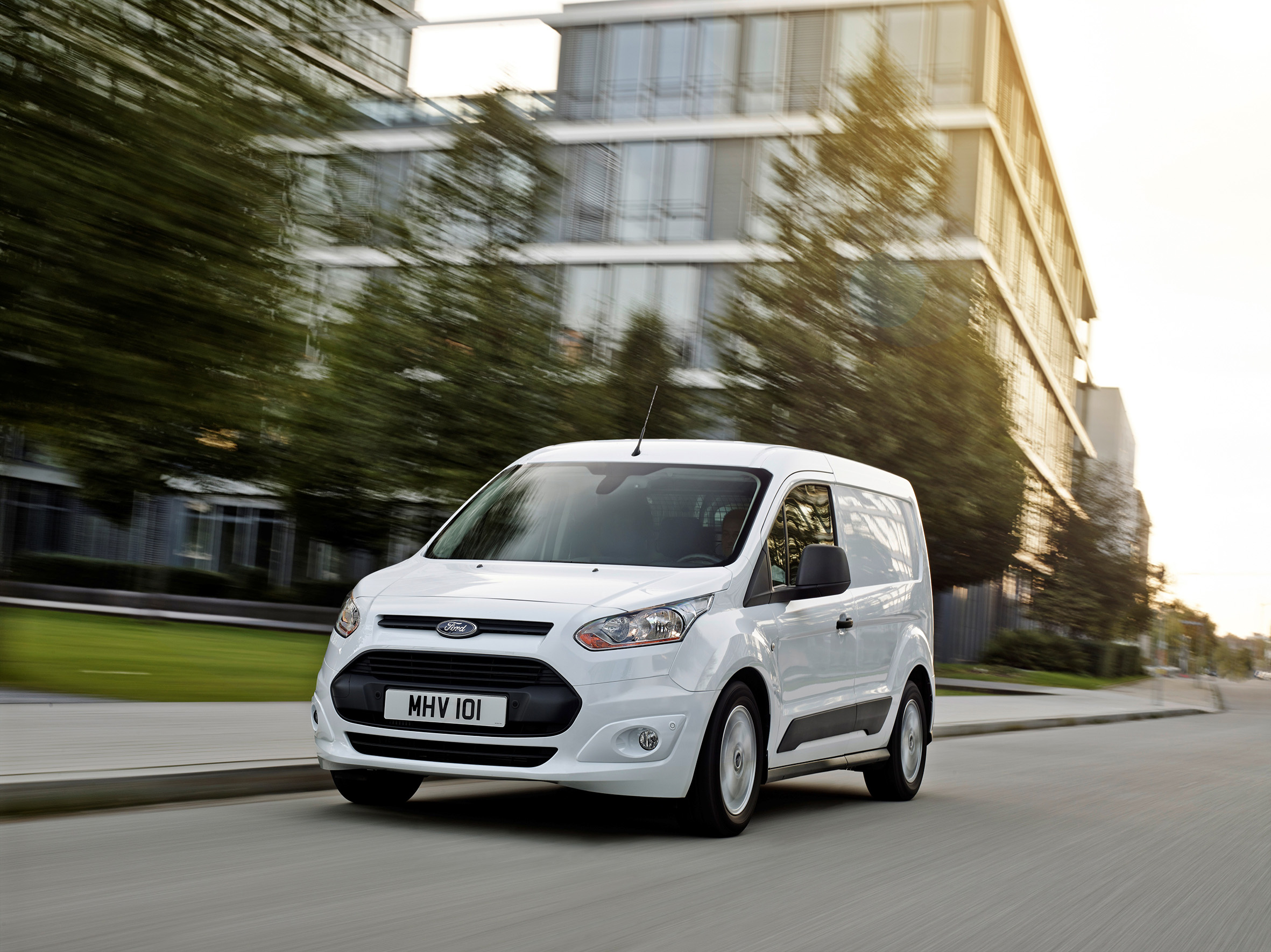
Problems with suspension and steering
The Transit Connect’s suspension is robustly designed, but wear occurs more quickly on vehicles that are regularly heavily loaded or often driven on bumpy roads. Common complaints concern the bushes in the control arms and anti-roll bars, which can crack or come loose over time.
When these parts are worn, you will notice knocking noises over bumps or a wandering steering feel. The shock absorbers can also wear more quickly, especially on vans that are frequently fully loaded. This results in less stable handling and longer braking distances.
The power steering (system that makes turning the wheel easier) generally works well, but on older examples leaks can occur in the power steering pump or hoses. This leads to heavy steering (more effort needed to turn the wheel) and noises when turning the steering wheel.
Watch out for these symptoms of suspension and steering problems:
- Knocking or rattling noises over bumps
- Uneven tyre wear
- Heavy or imprecise steering
- Wallowing at higher speeds
Have the suspension checked annually, especially the bushes and shock absorbers. Replace worn parts in good time to prevent further damage and unsafe situations. Check the steering system for leaks and have them repaired immediately.
Rust and bodywork weaknesses
The bodywork of the Transit Connect is prone to rust, especially in specific areas. Many owners report rust forming at the bottom of the sliding doors, around the wheel arches and on the underside of the chassis. This problem is more common on models that regularly drive in salty environments, such as coastal areas or during winters with road salt.
The load floor can also rust if it is frequently exposed to moisture or chemicals. Minor paint damage or chips in the coating can quickly develop into larger rust patches if they are not dealt with in time.
The paintwork on some model years is known for being relatively thin, which increases susceptibility to stone chips and rust. When buying or servicing, always check the vulnerable areas mentioned and have minor damage treated straight away.
Rust-prone areas:
- Bottom of sliding doors and sills
- Wheel arches and wings
- Underside of the chassis and load floor
- Paint around gaps and seams
Rinse the underside regularly, especially after winter journeys. Treat minor paint damage immediately with touch-up paint and have larger rust patches professionally repaired. Consider applying an underbody coating to slow down future rust.
‘ In rarer cases, leaks occur in the brake line or master cylinder, which require immediate attention. ’
Faults in brakes and safety systems
The Transit Connect’s braking system generally performs well but does have a few common issues. The rear brake discs and pads in particular wear out faster than expected on models that are often heavily loaded. When the brakes are worn, you may hear squealing noises or feel the brake pedal vibrate while braking.
The handbrake on older models can seize or become less effective because of rust or wear in the cables. This is especially the case for vehicles that stand unused for longer periods or are parked in damp conditions.
Some owners report faults in the ABS (anti-lock braking system that prevents the wheels from locking under heavy braking), where the warning light comes on. This may point to a defective wheel speed sensor or contamination around the sensors. In rarer cases, leaks occur in the brake line or master cylinder, which require immediate attention.
Common brake system problems:
- Accelerated wear of rear brake discs and pads
- Seizing or poorly functioning handbrake
- ABS warning light due to sensor faults
- Leaks in the brake system
Check the thickness of the brake pads and discs at every service. Have the handbrake tested annually and clean the cables. Replace brake fluid every two years and have ABS faults checked immediately with a diagnostic tester and repaired.
Buying tips for a used Ford Transit Connect
If you are considering buying a used Transit Connect, there are a few points that deserve extra attention. First check the service book and ask for proof of work carried out. A van with a full service history is less likely to have hidden defects (problems you will not immediately notice on a test drive).
Test the gearbox thoroughly by trying all gears and paying attention to jerks or delayed response. This is especially important with a Powershift automatic because of the known issues. Ask whether software updates have been carried out and whether the clutch module has already been replaced.
Inspect the bodywork carefully for rust patches, especially at the vulnerable areas already mentioned. Look underneath the van and inside the wheel arches. Check the condition of the load floor and see whether there are any leaks or signs of damp.
Ask about the usage history: has the van mainly been used for short trips or also for longer journeys? Lots of short runs increase the risk of DPF issues and battery problems. Test all electrical functions, including sensors, infotainment system and lights.
Points to check when buying:
- Complete service book with supporting invoices
- Operation of the gearbox and any updates
- Bodywork for rust and paint damage
- DPF and turbo on diesel models
- Condition of the suspension and steering
- Operation of all electrical systems
Consider an independent inspection by an automotive technician (independent mechanic) before you finalise the purchase. This can reveal hidden defects and gives you a realistic picture of any future costs.
Maintenance tips for Transit Connect owners
Preventive maintenance extends the life of your Transit Connect and avoids many of the problems described. Follow the prescribed service schedule and replace oil and filters on time. On diesel models, it is wise to take longer journeys regularly so the DPF can regenerate properly.
Check fluid levels monthly, including coolant, screenwash and brake fluid. Inspect the tyres for wear and pressure, and rotate them if necessary to prevent uneven wear.
Clean the underside of the van regularly, especially in winter when there is road salt. This significantly slows down rust formation. Treat small paint chips immediately to prevent further damage.
Pay attention to warning lights and have faults checked straight away. Fixing small problems early is usually cheaper than waiting until they get worse. Make sure software updates for electronics and the transmission are installed during services at a specialist workshop.
Maintenance points for a longer service life:
- Follow the service schedule for oil, filters and fluids
- Regularly take longer journeys for DPF regeneration
- Check fluid levels and tyre pressures monthly
- Clean the underside regularly to prevent rust
- Have warning lights checked immediately
- Install software updates at the dealer
If you regularly use the van with heavy loads, consider having the shock absorbers and suspension bushes inspected earlier than the standard schedule suggests. This prevents major damage and keeps the steering safe.
‘ With the right precautions and regular checks, the Transit Connect remains a reliable workhorse for both business and private use. ’
Weighing it up: is the Ford Transit Connect the right choice?
The Ford Transit Connect remains a popular choice for anyone who needs a compact, economical van with sufficient load space. Its practical layout, agile dimensions and relatively low purchase price make it attractive for many uses. The model scores well on ease of use and everyday practicality.
However, you do need to take into account the known issues with the Powershift automatic, its susceptibility to rust and electrical faults. Older models in particular require extra attention during maintenance and when buying. If you are aware of these weaknesses and maintain it in time, the Transit Connect can serve reliably for many years.
If you mainly drive short distances or often carry heavy loads, it is wise to consider models with a manual gearbox and to pay extra attention to maintenance of the DPF and suspension. With the right precautions and regular checks, the Transit Connect remains a reliable workhorse for both business and private use.