
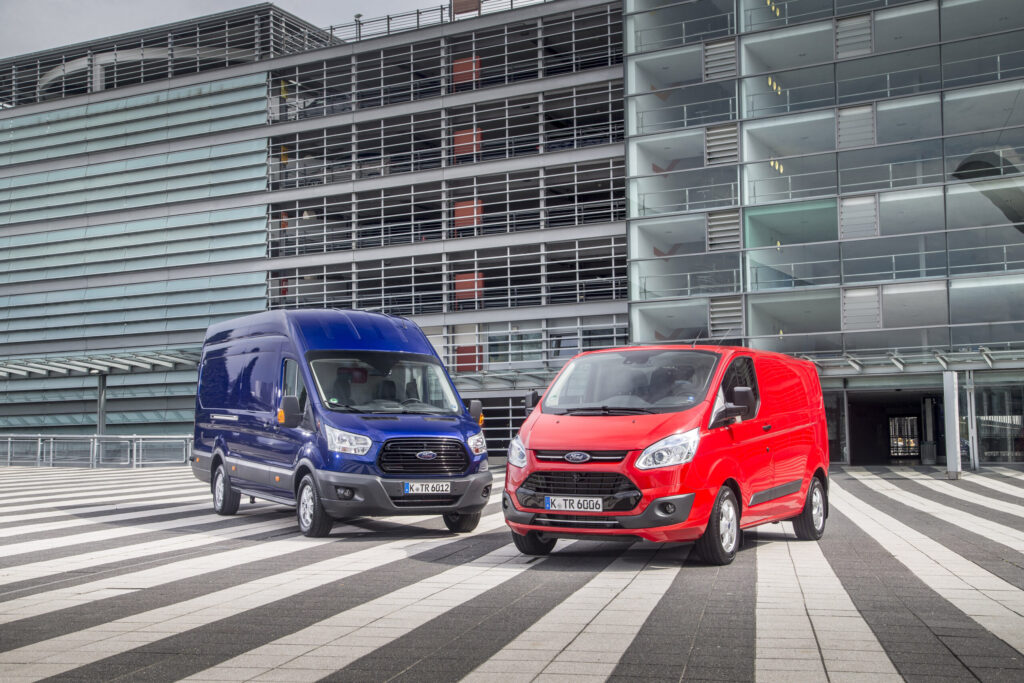
The Ford Transit has clearly different points of attention with each generation. While older models mainly struggle with rust and bodywork wear, newer model years more often suffer from injector faults, transmission issues and AdBlue defects. Injectors regularly cause problems between 2017 and 2019, transmission faults are particularly common on examples from 2013 to 2017, and AdBlue systems have been causing extra costs since 2014. Do you want to know which model year best suits your situation and what you need to look out for?
The Ford Transit has been a steady choice for entrepreneurs, tradespeople and camper converters for decades. Its production run is long and many technical changes have been implemented. As a result, the known problems differ greatly per period. A Transit from 2010 requires a completely different approach from a 2018 model.
This article gives you an overview of the most frequently reported issues per generation and model year. You will read what to expect when buying, which costs are common and how to avoid expensive surprises.
Which Ford Transit model year has the fewest problems?
The question of the most reliable model year depends heavily on use and maintenance. In general, Transits from the period 2006 to 2012 score reasonably well among owners who have had regular servicing carried out. This generation combines relatively simple diesel technology with sufficiently modern features.
Models from 2019 and 2020 offer more comfort and better emission systems, but are more susceptible to electronic faults and AdBlue issues. On Transits that mainly do short trips or stand still for longer periods, diesel particulate filter and injector faults occur more quickly on these newer model years.
For older model years from before 2006, rust is often the deciding factor. Technically, these Transits can still run well, but the bodywork requires extra attention and investment.
‘ This way you avoid being caught out later by hidden faults. ’
Ford Transit 2019 versus 2020: reliability compared
The switch from 2019 to 2020 mainly brought software updates and minor tweaks to emission systems. Technically, the two years are comparable. However, owners of 2019 models report complaints about injector faults and AdBlue error messages slightly more often.
On examples from 2020, many of these teething troubles were resolved through factory modifications. Even so, regular use remains important. Transits that mainly do short journeys or stand still for a long time will also suffer from clogged diesel particulate filters (a component that captures soot particles from exhaust gases) and fuel problems in 2020.
For buyers, both years are suitable as a work van, but choose an example with a complete service history and always have the fault codes read out if in doubt. This way you avoid being caught out later by hidden faults.
Injectors between 2017 and 2019: common complaints
Transits from 2017, 2018 and 2019 strikingly often show injector faults. Many owners report hard starting, loss of power and an engine that runs unevenly. This mainly occurs on vans that do a lot of city driving or stand still for long periods.
Possible causes include fuel quality, blockages and wear due to irregular use. On shorter trips, injectors do not reach operating temperature as well, which leads to contamination more quickly.
Recognise these symptoms?
- Hard starting, especially with a cold engine
- Black smoke when accelerating
- Reduced pulling power
- Engine warning light
- Higher fuel consumption
If you notice these signs, have the injectors checked. It is better to replace them preventively than to end up stranded at the roadside with a broken-down van. Also use quality diesel and avoid filling up at low-turnover fuel stations.
Transmission problems on Ford Transit 2013 to 2017
Owners of Transits from this period regularly report complaints about the gearbox. Slipping clutches, difficulty engaging gears and juddering when pulling away are recurring issues. This is particularly true for vans that are heavily loaded or frequently tow trailers.
The dual-mass flywheel is a well-known weak point on this generation. With intensive use or city driving, this component wears more quickly. A defective flywheel causes vibrations, noises and, in the end, complete transmission failure.
Watch out for these signs
- Slipping clutch when loaded
- Strange noises when changing gear
- Vibrations while pulling away
- Heavy pedal pressure
When buying, always check the condition of the clutch and gearbox. A test drive with a load can reveal hidden defects. Repairing a dual-mass flywheel is expensive, so ask about the service history in advance.
AdBlue problems from 2014 onwards: what are you up against?
Since 2014, many diesel Transits have been fitted with an AdBlue system to meet emission standards. Although this system is more environmentally friendly, it also adds extra susceptibility to faults. Owners regularly report error messages, pump failures and blocked lines.
During long periods of inactivity, AdBlue can crystallise and block lines. Low temperatures also cause problems. A defective AdBlue system can lead to power limitation or even a no-start condition.
Prevent AdBlue problems
- Always use brand-approved or high-quality AdBlue
- Avoid leaving the van standing for long periods in cold spells
- Check the AdBlue level regularly
- Have the system flushed if error messages appear
If in doubt, you can have a diagnostic check carried out to see whether any fault codes are present. This prevents you being faced with high repair bills later on.
Wear and rust problems on older Ford Transit models
Transits from before 2013 mainly struggle with bodywork issues. Rust on sills, wheel arches, load floor and chassis rails is very common. With intensive use and little prevention, the damage can become structural.
When buying, always inspect the underside with a torch. A Transit can still run mechanically fine while the bodywork is already severely affected. A new coat of paint says little about the true condition.
Main rust spots
- Sills and underside
- Wheel arches and shock absorber mounts
- Load floor on work vans
- Rear doors and hinges
- Chassis rails and subframes
In addition, mechanical components wear more quickly on older models. Suspension, steering parts and brakes need extra attention. At high mileages these components are often due for replacement.
EGR valve and diesel particulate filter faults on modern generations
Transits from 2013 onwards have more extensive emission systems with an EGR valve (exhaust gas recirculation valve) and a diesel particulate filter. These components ensure cleaner emissions, but are prone to clogging if the van mainly does short trips.
A clogged EGR valve causes reduced performance, black smoke and limp-home mode. The diesel particulate filter fills up if there are not enough long journeys, which leads to warning lights and regeneration problems.
This is how you prevent blockages
- Regularly drive a longer distance on the motorway
- Have the EGR valve cleaned regularly
- Use quality diesel
- Have faults read and rectified immediately
Do not ignore these signs. A diesel particulate filter that has filled up can lead to costly repairs to the turbo or engine. Preventive maintenance avoids a lot of trouble.
‘ A thorough inspection prevents unpleasant surprises later on. ’
Electronics and sensor faults: newer models need more attention
As Transits become more modern, the number of electronic systems increases. This improves comfort and safety, but also increases the risk of faults. Defective sensors, dashboard error messages and problems with central locking are reported regularly.
On model years from 2016 onwards, infotainment systems, driver assistance systems and climate control are increasingly electronically controlled. A fault in a single sensor can lead to multiple error codes.
Always have a diagnostic check carried out when buying. Many faults remain hidden until you have used the vehicle under different conditions. A thorough inspection prevents unpleasant surprises later on.
Maintenance tips to reduce problems
You can prevent many issues with proper maintenance and regular use. A Transit that is serviced consistently will often cover many miles without major expenses.
Practical maintenance advice
- Replace oil and filters on time, not only when the warning light comes on
- Have the timing belt checked preventively if the history is unclear
- Use the van regularly and avoid leaving it standing for long periods
- Inspect brakes, tyres and suspension extra carefully with heavy loads
- Have the diesel particulate filter and EGR system cleaned if you do a lot of city driving
- Deal with rust immediately, especially on load-bearing parts
- Use original or high-quality parts for repairs
A well-maintained Transit with high mileage is often more reliable than a cheap van with an unknown history. When buying, always ask for the full service record.
What should you look out for when buying a used Ford Transit?
When buying a second-hand Transit, the details make the difference. A thorough inspection prevents you ending up with hidden defects afterwards.
Checklist for purchase
- Is a complete service history available?
- Has the timing belt or chain been replaced on time?
- No rust on load-bearing parts?
- Do clutch and gearbox feel smooth?
- Does the engine start without issues when cold and warm?
- No smoke, vibrations or limp-home mode during the test drive?
- Do ABS, air conditioning, lights and central locking work properly?
- Have fault codes been read during a diagnostic check?
- Has the van been overloaded or heavily used?
A slightly more expensive Transit with proven maintenance is often cheaper in the long run than a cheap van in an unclear condition. Invest in a thorough inspection; it pays for itself quickly.
On the Carnews website you will find more detailed information about specific Ford models, common faults and maintenance advice. Discover which vehicle best suits your situation and avoid costly surprises.
Frequently asked questions
In particular, the Ford Transit model years 2000–2013 (MK6 and MK7) are known for common engine problems such as injector and turbo failures and wear of the clutch and dual‑mass flywheel. The 2013–2019 generation (MK8) also regularly has engine-related issues, especially around EGR valves, diesel particulate filters and turbo boost problems. On the newest model years (from around 2019) problems are more likely to lie in the emission systems (AdBlue, injectors) and software that controls the engine. On older model years before 2000, problems are more general mechanical and age-related than specifically engine-related.
Yes, especially older Ford Transits (roughly up to and including around model year 2000) are known for severe rust problems on sills, wheel arches, floor and chassis rails. The 2000–2013 generations (MK6 and MK7) also still regularly suffer from rust on the underside, doors and load floor, particularly with intensive use. Load‑bearing parts such as chassis rails and suspension mounting points can therefore become structurally weakened. Rust is less pronounced on the newest generations, but checking the chassis and underside remains important.
On the oldest Transits (up to around 1986), typical issues are mainly aged wiring, poor contact in connectors and simple electrical failures (lighting, charging system). On the 1986–2000 generations, more general electrical defects occur, such as flickering or failing lights and faults in basic comfort systems. For the MK6/MK7 (2000–2013), recurring faults in ABS, sensors and lighting are characteristic. The more modern MK8 and later generations (from 2013 onwards) are particularly known for problems with sensors, emissions-related electronics (EGR/DPF, AdBlue), dashboard warning messages and faults in comfort and infotainment systems.
Common Ford Transit problems per model year mainly depress the residual value when they involve expensive defects, such as severe rust (older generations) or engine, turbo and injector problems (2000–2013). For newer model years (from around 2013), faults in electronics, EGR/DPF and AdBlue result in lower valuations because buyers expect higher repair risks. A Transit with demonstrably good maintenance and resolved rust or emission issues retains significantly more residual value than a comparable model without a service history. The market therefore mainly corrects for the known weak points of each specific generation.
Yes, there are preventive measures you can take per model year, such as strictly changing oil and filters on time and replacing the timing belt (and water pump) preventively if the service history is not 100% clear. On older Transits (up to around 2013), active rust prevention (regularly inspecting, treating and protecting sills, chassis and wheel arches) is very important. On newer generations (from around 2013), it helps to keep the diesel particulate filter, EGR and AdBlue systems clean and working by regularly doing longer trips and not only short city journeys. For all model years the following applies: regular use, quality parts and timely checks of suspension, brakes and injection system reduce the likelihood of known Transit problems.
You should be particularly cautious with Transits from roughly 1986–2000 because of serious rust problems and wear, and with models from 2000–2013 because of known diesel, injector and turbo issues. The 2013–2019 generation also requires attention due to fault‑sensitive EGR, diesel particulate filter and electronic systems. For all model years, rust on load‑bearing parts is a crucial concern. A demonstrably complete service history is more important than just the model year.