

A defective fuel flap locking mechanism prevents your fuel flap from opening, making it temporarily impossible to refuel. This problem regularly occurs due to wear, contamination or a faulty actuator. In this article you will discover how the mechanism works, how to repair a stuck fuel flap and what replacement costs.
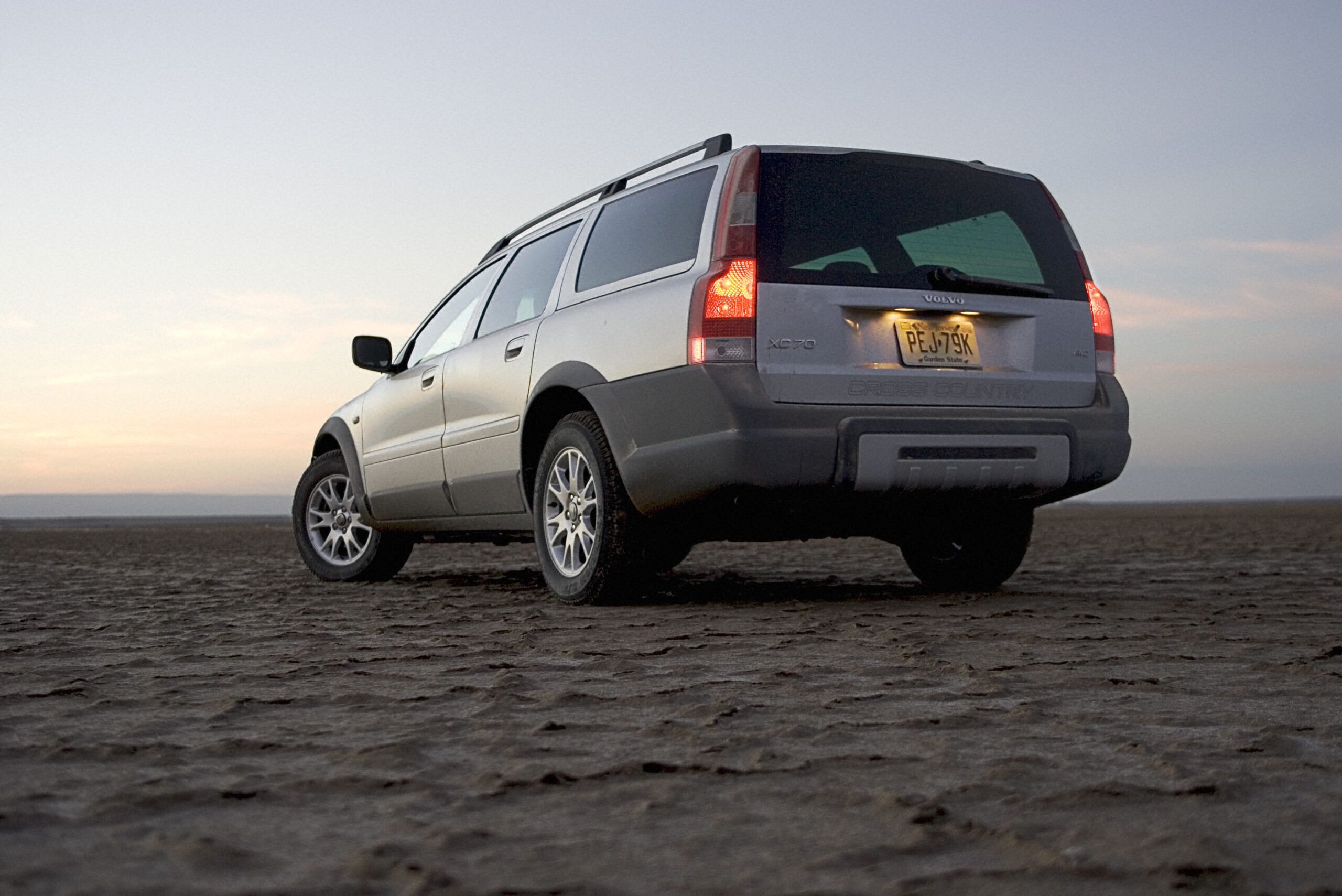
The fuel flap lock is a small component, but it can cause a lot of irritation. With many makes and models, problems with the locking mechanism arise over time. The Volvo XC70 is known for this type of fault, but other cars also suffer from it. The cause is often found in mechanical parts that wear out or become contaminated.
Owners often report that the fuel flap occasionally gets stuck at first, and later no longer opens at all. This intermittent behaviour points to an incipient fault that will only get worse without repair. Fortunately, there are practical solutions available, ranging from simple cleaning to replacement of the entire mechanism.
How the fuel flap locking mechanism works
The locking mechanism of a fuel flap consists of several components that work together to open and close the flap. The system is often linked to your car’s central locking. When you unlock the car, an electric actuator activates a small catch that releases the fuel flap.
The most important components are:
- The actuator: a small electric motor that moves the locking catch
- The locking catch: a mechanical part that holds the flap in place or releases it
- The hinge and the spring: ensure that the flap pops open automatically after unlocking
- The cable or electrical connection: carries the signal from the central locking to the actuator
In manual systems without an electric actuator, the fuel flap is unlocked via a lever or pull handle inside the car. This mechanical system is simpler but can still jam due to contamination or wear. The design differs per make and year of manufacture, but the basic principle remains the same.
Common causes of a defective fuel flap lock
A fuel flap that does not open usually has a mechanical cause. Dirt, moisture and normal wear and tear mean the locking mechanism no longer operates smoothly. The actuator can seize up or lose power, causing the catch to stop moving.
The most common causes are:
- Contamination by dust, sand or mud in the mechanism
- Moisture entering and causing corrosion
- Wear of the actuator after years of use
- Misalignment of the fuel flap due to a parking bump or damage
- A worn spring that no longer has enough force to open the flap
- A defective cable or electrical connection in electrically operated systems
In some cars the problem occurs more often due to a design flaw or the use of vulnerable materials. Owners of older models report that the problem often appears after five to ten years of use. This fits with normal wear to moving parts that are used regularly.
How to repair a stuck fuel flap
A stuck fuel flap can in many cases be repaired yourself with a few simple steps. Always start with the least invasive solution before replacing parts. Cleaning and lubrication often solve the problem, especially if the fault has only recently appeared.
Step 1: clean the fuel flap and the mechanism
Remove visible dirt around the edge of the fuel flap, the hinge and the opening. Use a cloth with some all-purpose cleaner to remove deposits and mud. Pay particular attention to the edges where the flap fits into the bodywork. Dirt in these areas can cause mechanical blockages.
Step 2: check the mechanical movement
Try to move the fuel flap gently without forcing the locking mechanism. The flap should move smoothly on the hinge. If movement is stiff, the hinge may be contaminated or damaged. Spray a suitable lubricant on the hinge and work it in by moving the flap several times.
Step 3: test the actuator and lock
Have someone operate the central locking while you stand at the fuel flap. Listen for a clicking sound from the actuator. If you hear nothing, the actuator may be defective or not receiving power. Feel whether the locking catch moves when the car is unlocked.
Step 4: use the emergency release
Some cars have an emergency release for the fuel flap. This is often located in the boot behind a panel or under the boot lining. Check your car’s manual to see whether this feature is present. The emergency release is a mechanical cable or lever that manually releases the locking catch.
Step 5: lubricate the mechanism
Use a suitable lubricant for small mechanical parts. Spray the product into the lock opening and around the locking catch. Do not use too much, as excess lubricant will attract dirt. Work the lubricant in by opening and closing the flap several times.
If these steps do not help, the problem is probably deeper in the actuator or the locking mechanism. In that case, replacement is necessary. Never force the fuel flap, as this can cause additional damage to the bodywork or the mechanism.
How much does replacement of the fuel flap mechanism cost
The cost of replacing a fuel flap locking mechanism varies by make and model. The part itself costs between 30 and 150 euros, depending on the type of car and whether you choose an original or aftermarket part. For premium brands, prices are usually at the upper end of this range.
Labour costs for replacement average one to two hours, which comes to 80 to 200 euros. Total repair costs therefore usually lie between 110 and 350 euros. At a garage with lower hourly rates, or if you order the part yourself, you can save money.
Bear the following cost factors in mind:
- Original parts are more expensive but guaranteed to fit
- Aftermarket parts are cheaper but quality may vary
- Labour costs differ per garage and region
- Extra costs may arise if the bodywork is damaged
- Some cars require removal of interior trim to access the mechanism
With some models it is possible to replace only the actuator, which is cheaper than replacing the entire mechanism. Ask a garage to diagnose exactly which part is defective first. This prevents unnecessary costs for parts that are still working properly.
Prevention and maintenance of the fuel flap lock
Preventive maintenance can prevent problems with the fuel flap locking mechanism. Regular cleaning and lubrication extend the service life of the components. Pay particular attention to early signs such as stiff opening or a flap that does not spring fully open.
Useful maintenance tips include:
- Clean the fuel flap and surrounding area every few months
- Check the mechanism for water ingress after a car wash
- Lubricate the hinge and mechanism once a year
- Always operate the fuel flap gently without forcing it
- Act immediately at the first signs of stiff operation
If you notice that the fuel flap no longer opens smoothly, do not wait too long to carry out maintenance. Small problems do not resolve themselves and only get worse. Acting early prevents the mechanism from seizing completely and you being forced to visit a garage.
On the Carnews website you will find much more information about common car problems and practical maintenance advice. Discover tips for solving technical faults, maintenance schedules and experiences from other car enthusiasts. Visit the website and stay up to date with everything to do with cars and maintenance.
Frequently asked questions
You usually recognise a defective fuel flap lock mechanism by a fuel flap that does not (always) open or close when you lock or unlock the car centrally. You often still hear the central locking sound, but the flap stays closed or only comes half loose. The mechanism may feel stiff, hesitate or only work now and then, for example when the flap unlocks one moment but not the next. If you see that the fuel flap is mechanically jamming, sitting crooked or not springing back freely, this usually points to a problem in the locking catch or the actuator.
The most common causes are a stuck or worn locking catch/actuator, often due to dirt, moisture or general wear. In addition, mechanical problems with the fuel flap itself can occur, such as a damaged hinge, misalignment or a worn spring causing the flap to jam. Contamination around the edge and hinge of the fuel flap can also make opening and closing more difficult. In some cases, the cause lies in a local defect of the electromechanical lock mechanism, while the rest of the central locking still works normally.
Yes, you can often try to fix it yourself as long as nothing has broken off. Start by carefully opening the fuel flap (possibly via an emergency release), cleaning the edges, the hinge and the locking catch, and checking that everything can move freely. Lightly lubricate the mechanical part with a suitable lubricant for lock or flap mechanisms and test whether the flap now locks and unlocks smoothly. If the actuator (the little motor) continues to hesitate or the catch does not move, replacement of that part is usually necessary and it is sensible to visit a garage.
Keep the area around the fuel flap, the hinge and the locking catch clean by regularly removing dirt, salt and deposits. Sparingly lubricate the hinge and the lock mechanism with a suitable lubricant for small mechanical/locking parts so that it does not start to run stiff. Always operate the fuel flap and cap without force or twisting to prevent mechanical wear and misalignment. At the first signs of hesitation or heavy operation, have the locking mechanism checked in good time so that initial wear does not lead to a seized flap.
A non-working fuel flap lock locking mechanism can mean that the fuel flap no longer opens properly, so you may sometimes be unable to refuel. The flap may also not close or lock properly, making it easier for unauthorised people to access your fuel or for the cap to come loose while driving. In some cases, a poorly closing flap can allow extra dirt and moisture to reach the filler opening, which can have adverse effects on the fuel system in the long term. Although it is usually not an immediate, acute safety risk while driving, it is an annoying and potentially costly problem if it is ignored.