
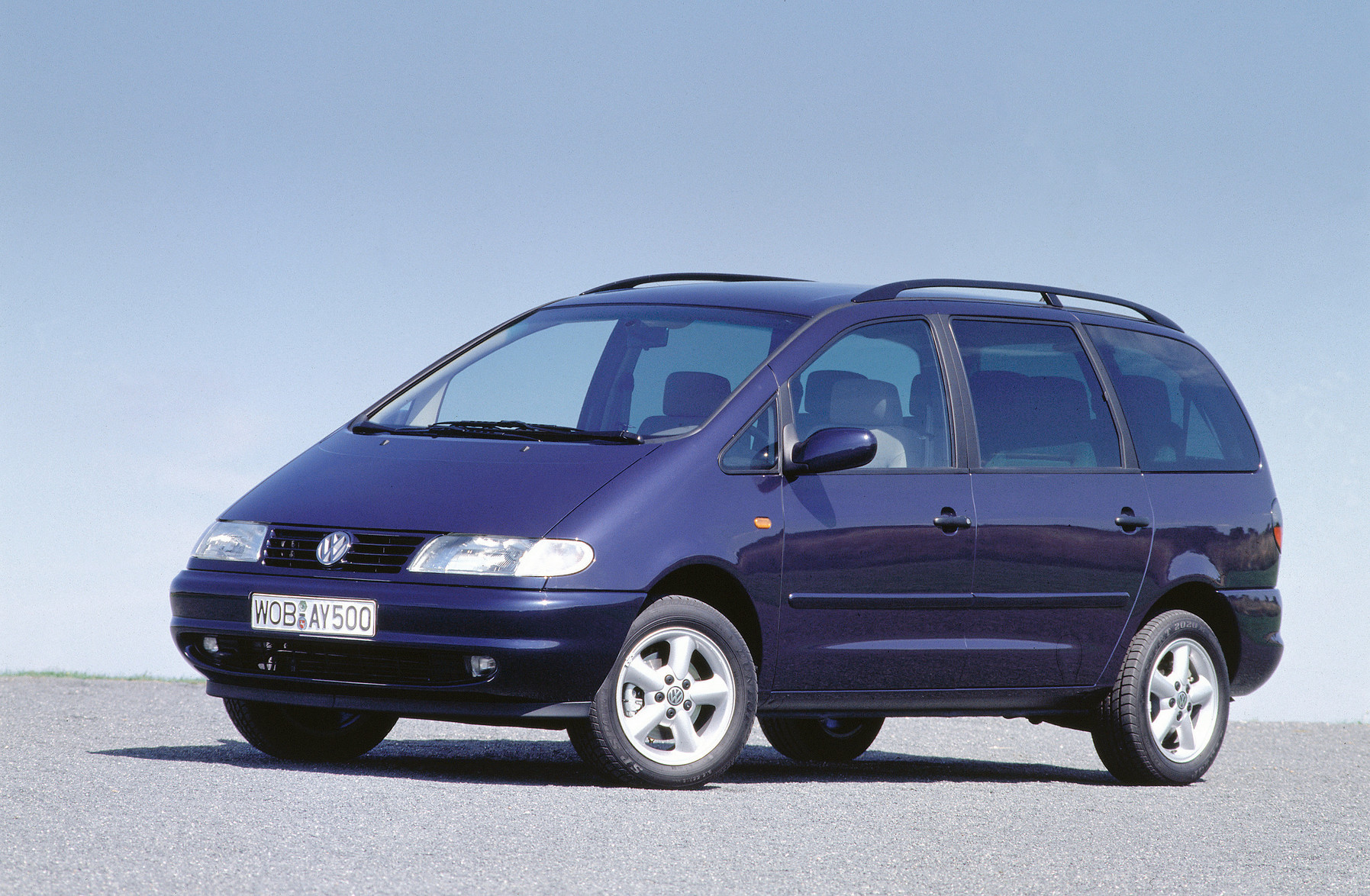
The Volkswagen Sharan frequently suffers from fuel pump and EGR valve failures that lead to loss of power and increased fuel consumption. On newer diesel models, AdBlue system faults are often added to this, caused by problems with NOx sensors and pumps. These defects show clear signs and in many cases can be managed with timely diagnostics and the right approach.
Recognising a faulty fuel pump in your Sharan
A failing fuel pump gives off several signals. The engine starts slowly or no longer starts at all. You notice a loss of power during acceleration, especially at higher speeds. The engine runs unevenly and may hesitate when idling. In severe cases the engine cuts out while driving.
These symptoms can also point to other problems in the fuel system. Therefore first check the fuel filter and the fuel pump regulator before replacing the pump itself. Older Volkswagen Sharan models regularly suffer from a clogged fuel filter (a filter that removes dirt from the fuel), which causes similar complaints.
Modern diagnostic equipment (measuring equipment for detecting faults) can measure the fuel pressure and thus determine whether the pump really is failing. Labour costs for replacement are substantial, because gaining access to the pump often requires dismantling other components.
EGR valve contamination and loss of power
The EGR valve (Exhaust Gas Recirculation, valve that routes exhaust gases back into the engine) feeds part of the exhaust gases back into the combustion chamber. This lowers the combustion temperature and reduces NOx emissions. With prolonged use, soot and carbon particles (very small soot particles from combustion) build up, preventing the valve from opening and closing properly.
Contamination due to carbon deposits (build-up of burnt fuel residues) is by far the main cause of EGR valve failures. With diesel engines in the Sharan this is a well-known problem. The valve can seize up completely, leading to noticeably reduced performance.
Symptoms of a contaminated or defective EGR valve include:
- Engine warning light illuminated
- Noticeable loss of power
- Black smoke from the exhaust
- Increased fuel consumption
- Engine hesitation when accelerating
- Irregular power delivery

Cleaning or replacing the EGR valve
If the valve is thoroughly cleaned, it will usually function properly again. This is a more cost-effective solution than full replacement. The cleaning process can be carried out both by a professional workshop and by technically skilled owners.
During professional cleaning, a fuel injector cleaner (additive that cleans injectors) is often added to the tank while an intake and EGR system cleaning is performed at the same time. At the next refuelling, a multifunctional fuel additive (additive that keeps various parts of the fuel system clean) is then added. This entire process helps remove carbon deposits from the complete system.
Cleaning it yourself is technically possible, but requires removal of the valve. This is time-consuming work. Depending on the Sharan model you sometimes need to remove the turbocharger (turbo that compresses the intake air) and other components to reach the EGR valve. After cleaning or replacement the fault memory must be cleared.
The valve itself is relatively inexpensive, but labour costs are substantial due to the complex dismantling. Some owners choose to disable the EGR valve in software (have it coded out in the engine electronics). This can affect emission control and may lead to failure of the MOT (APK) inspection.
AdBlue system issues on TDI models
Newer Sharan models with diesel engines often have an AdBlue system (system that injects urea fluid into the exhaust to reduce harmful substances) for further NOx reduction. This system injects a urea solution (corrosive fluid based on urea, known as AdBlue) into the exhaust to convert harmful nitrogen oxides into harmless substances. Unfortunately these systems regularly suffer from faults.
The NOx sensor (sensor that measures the amount of nitrogen oxides in the exhaust) and AdBlue pump are well-known weak points. The sensor can fail due to contamination or extreme temperatures. This leads to error messages and power limitation. The pump can seize up or leak, preventing the system from injecting AdBlue.
Symptoms of AdBlue faults include warning messages on the dashboard, reduced engine performance and, in some cases, an engine start lockout. The system then forces you to repair it before the car will start again. Replacing NOx sensors and pumps is expensive due to both the parts price and the labour time.
‘ After software updates some owners reported increased fuel consumption and reduced performance. ’
Impact of cheating software on Euro 5 engines
Volkswagen Sharan models with Euro 5 diesel engines (diesel engines that comply with the European Euro 5 emission standard) were involved in the dieselgate scandal. The cheating software ensured that engines appeared cleaner during emission testing than they actually were. After software updates some owners reported increased fuel consumption and reduced performance.
The software update can affect the operation of the EGR valve and the AdBlue system. After the update some engines produce more soot, which causes the EGR valve to clog more quickly. This speeds up the need for cleaning or replacement.
Check whether your Sharan falls under the recall and whether the software update has been carried out. Record any changes in performance or fuel consumption after the update. In the case of persistent complaints, contacting the dealer can help determine whether further measures are needed.

Prevent problems with preventive maintenance
Regular maintenance can prevent or postpone many problems. Periodically use cleaning additives in the fuel to minimise carbon build-up. This helps keep the EGR valve and fuel injectors clean for longer.
Replace the fuel filter according to Volkswagen’s maintenance schedule. A dirty filter places unnecessary strain on the fuel pump and can lead to premature failures. Regularly check the AdBlue level and top up with the correct quality of fluid.
Let the engine run at full revs regularly, for example during motorway journeys. This helps burn off carbon particles before they can settle. Short city trips at low speeds actually accelerate contamination of the EGR system.
When professional diagnostics are needed
Driving on with a broken EGR valve or failing fuel pump is unwise. This increases the risk of further engine damage and defects in the particulate filter. Repair costs rise significantly if you allow problems to escalate.
Professional diagnostics are necessary because different faults can produce similar symptoms. Spark plugs, leads, coils (ignition coils that generate the ignition voltage) and injectors (fuel injectors) can cause the same performance issues as EGR faults. A thorough inspection with modern equipment determines where the problem actually lies.
In the case of fuel pump problems, pressure measurements can provide a clear answer. For EGR valve faults, the fault memory is often a good starting point, but a physical inspection of the valve remains important to determine the degree of contamination.
On the Carnews website you will find much more information about common car problems, maintenance schedules and practical tips for various makes and models. Discover more useful articles that help you keep your car in top condition.
Frequently asked questions
A defective fuel pump usually causes problems mainly under load: poor or no starting, hesitation or stalling when pulling away or at higher speed, and sometimes audible whistling/buzzing noises from the tank area, often without black smoke.
A defective EGR valve is more likely to cause rough running, hesitation, clearly reduced power, increased consumption and often black smoke from the exhaust, and will usually trigger the engine warning light.
With the fuel pump you mainly notice a shortage of fuel (starting issues and loss of power when demand is high), whereas with the EGR valve it is disturbed combustion and soot (black smoke, rough running) that are most obvious.
Ideally, you make a definitive distinction using diagnostic tools: read fault codes and check live data (fuel pressure versus EGR position/control behaviour).
Common causes of faults in the fuel pump and EGR valve in the Sharan are mainly contamination and carbon deposits (coking) in the fuel and intake system, which cause components to seize or stop regulating properly. This is made worse by poor or delayed maintenance (clogged fuel filter, poor fuel quality, many short trips and few high engine speeds). As a preventive measure you can regularly use fuel and intake/EGR cleaning additives, replace filters and fluids in good time and allow the engine to get properly warm and rev higher now and then so that soot and carbon can burn off. Strictly following Volkswagen’s maintenance schedule and having the car checked/read out at the first signs of malfunctions helps prevent major failures.
Yes, you can carry out an initial diagnosis yourself, but only based on simple checks. Visually check for leaks, loose connectors and damaged hoses around the fuel pump and EGR, and pay attention to symptoms such as difficult starting, hesitation, smoke and increased fuel consumption. If possible, read the fault codes with an OBD2 scanner to see whether specific EGR or fuel pressure codes are present. If the complaints persist or the codes are unclear, a professional diagnosis is necessary to prevent unnecessary repairs.
Ignoring a defective fuel pump can lead to poor starting, hesitation or stalling of the engine and eventually serious engine damage or complete failure, which greatly reduces its service life. An EGR valve fault often causes loss of power, higher fuel consumption and possibly extra soot build-up that can in turn damage other components (such as the intake or particulate filter). By continuing to drive with these faults, driving performance gradually deteriorates and the risk of expensive consequential damage increases significantly. Timely diagnosis and repair are therefore important to keep the service life and performance of your Sharan at a good level.
The average costs for repair or replacement of a defective fuel pump or EGR valve on a Sharan are usually in the range of several hundred euros, with labour often making up the largest part. The EGR valve itself is relatively inexpensive; the price mainly rises due to the time-consuming removal and refitting. Cleaning the EGR valve is usually cheaper than full replacement and often already solves the problem. For both fuel pumps and EGR valves there are reliable aftermarket parts available, provided you choose reputable brands.