
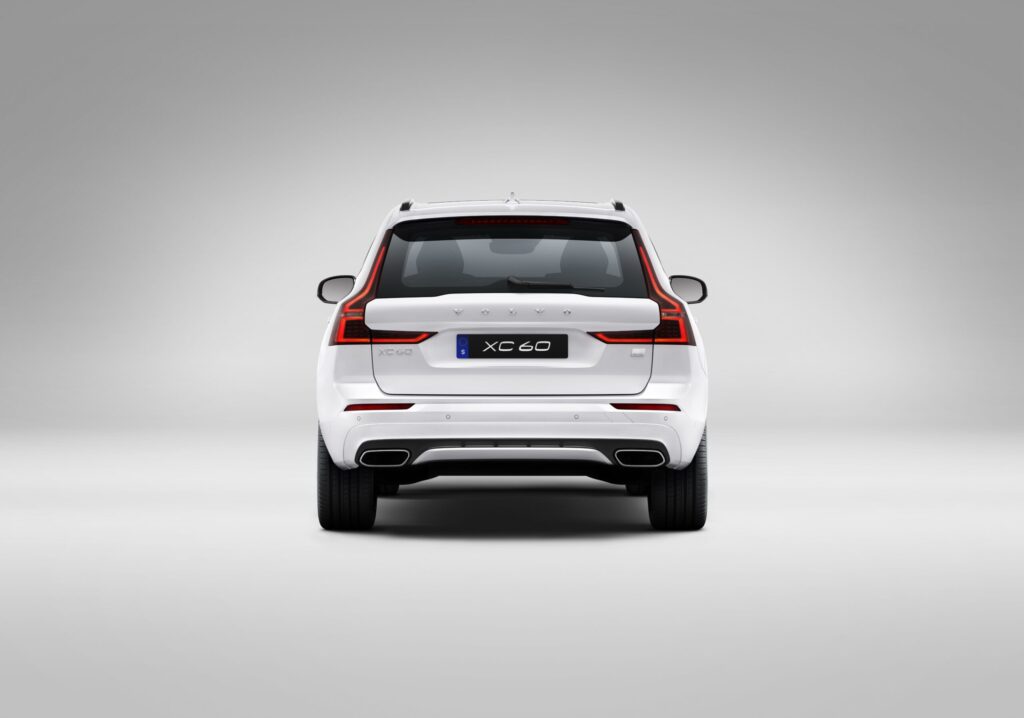
The first generation Volvo XC60 regularly suffers from fuel pump and fuse problems, especially with diesel models such as the D5. The 15A fuse blows when there are current spikes. As a result, the engine will not start or cuts out unexpectedly while driving. Volvo carried out a recall and replaced the fuse with a 20A version. This problem mainly affects models from around 2010–2011. It often becomes apparent after 100,000 to 150,000 kilometres. Do you recognise these symptoms with your car?
How to recognise a fuel pump fault on the XC60
The symptoms of fuel pump and fuse problems on the Volvo XC60 are often immediately noticeable. They can lead to awkward situations on the road. Owners report various complaints. These complaints point to issues with the fuel supply.
The most common symptom is a car that will not start. The engine will not crank up because no fuel is supplied due to a faulty pump or a blown fuse. With hybrid Twin Engine models the car will sometimes still drive on battery power. This temporarily masks the problem. However, it does not solve it.
The engine can also suddenly cut out while driving. The fuel pump fails en route due to an interruption in the power supply. The fuel supply stops. This often happens without warning and can cause dangerous situations in traffic.
The clearest indication comes from fuses that keep blowing. The fuse for the fuel pump melts or blows. In particular, the 15A version appears to be prone to these issues. Some owners find that they regularly have to replace fuses before the underlying problem is tackled.
‘ The original 15A fuse cannot withstand current spikes sufficiently. ’
What causes these fuel pump problems
The causes of fuel pump and fuse problems on the XC60 are varied and often technical. The most widespread problem involves a fuse defect. The original 15A fuse cannot sufficiently cope with current spikes. The ECU (the engine control unit) switches off the fuel supply module. The fuse blows. Volvo acknowledged this problem and carried out a factory update. As part of this, Volvo installed a 20A fuse.
A second common cause lies in the Central Electronic Module, also known as the CEM. This fuse box is located under the passenger-side dashboard in the footwell. Pin 76 or similar connections can melt. Corrosion, heat or oxidation cause this. Connectors discolour and melt. This leads to an interruption of the power supply to the fuel pump.
The lift pump inside the fuel tank itself can also fail. This component is only accessible after the entire fuel tank has been removed. The job is labour-intensive. It requires 4 to 8 hours of work. As a result, this repair is considerably more expensive than a simple fuse replacement.
Filling up with the wrong fuel is less common. The problem is serious, though. Petrol in a diesel tank damages the pump immediately. This leads to melting fuses. Software and ECU (engine control unit) issues can also cause insufficient fuel pressure. In that case the cause lies in the pump module being switched off.
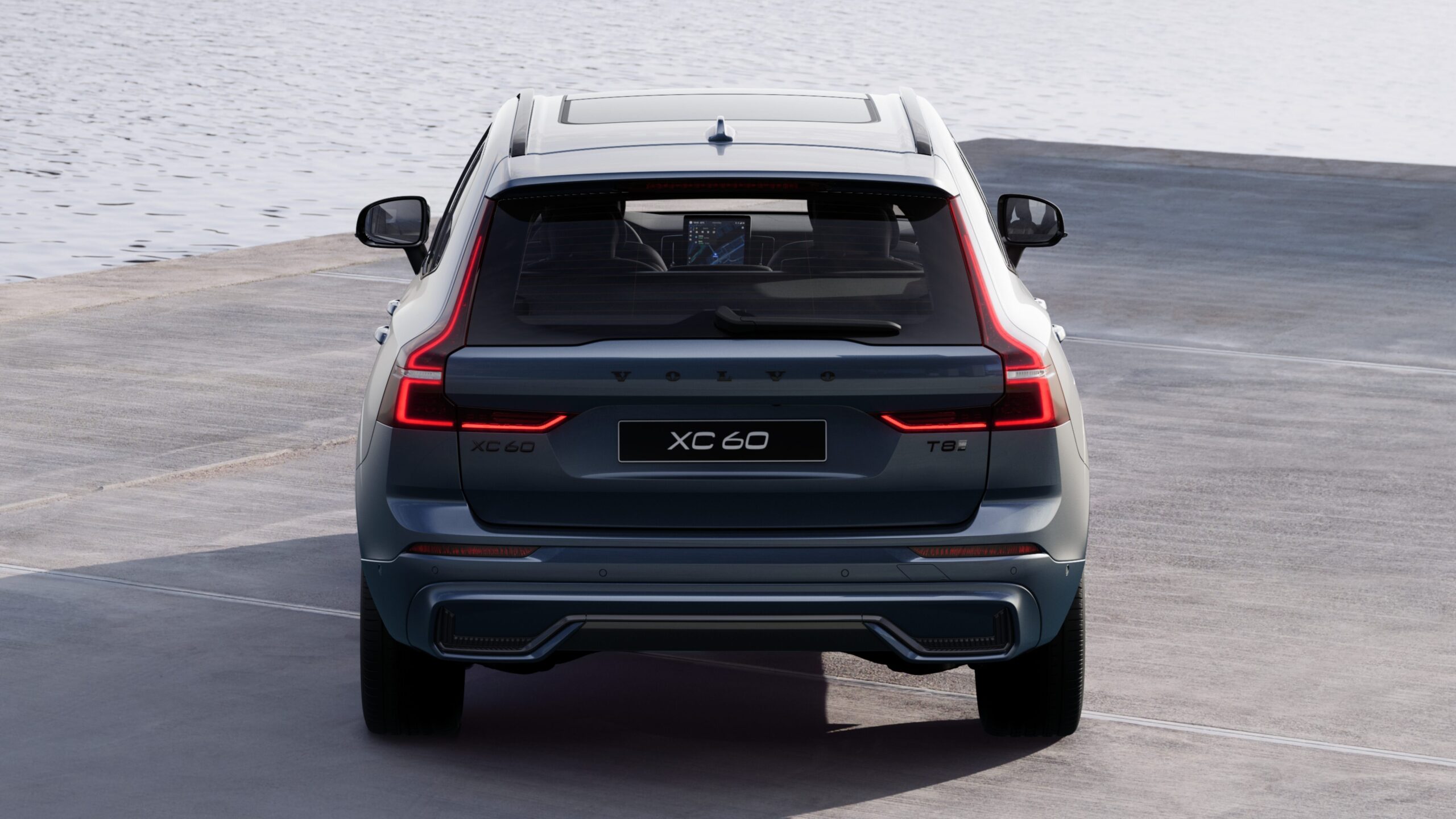
Where to find the fuses and how to inspect them
The main fuse box is located under the dashboard on the passenger side in the footwell. The cover has a pull tab so you can easily remove it. Check the positions for the fuel pump. These are often numbered as 76. In the diagram they are marked as “fuel pump”.
In addition to the main fuse box there are extra boxes in various locations. You will find them in the engine bay, the boot and near start-stop systems. Refer to the model-specific diagram. The diagrams for models from 2008 to 2016 are similar to one another.
For a thorough inspection it is advisable to fully remove the CEM. Look for melted pins. Look for black deposits on the contact points. Use a multimeter. Measure continuity. Trace any power interruptions. This inspection requires some technical knowledge. It prevents you from having the fuel tank dropped unnecessarily.
Practical solutions and repair steps
Replacing the fuse is often the first step in the repair process. Pull out the old fuse. Measure the resistance. Check whether it is faulty. Then fit a 20A fuse. This is a factory upgrade, an official Volvo improvement. Start the car. Drive it for a while. Read out any fault codes.
If there are issues with the CEM, cleaning is necessary. Sometimes it needs to be repaired. Clean the contacts thoroughly. The connector may have melted. In that case, replace it. Use a wiring diagram. Trace the pump power supply. Locate problematic connections. A specialist garage can carry out this work.
Do you want to check the fuel pump yourself? Then measure the pressure. The pump pressure must be at least 3 to 4 bar. If the pump is defective, the tank has to be dropped to access the lift pump. This repair is labour-intensive. The repair takes 4 to 8 hours. As a result, costs are between 800 and 1500 euros including labour.
A software update resolves regeneration and locking issues. These problems are often linked to fuel pump faults. In addition, check with a Volvo dealer whether your car is eligible for the recall. During the recall Volvo installs a 20A fuse free of charge. You can check this using the VIN number of your XC60. VIN is the unique chassis number of the car.
‘ The majority of these costs is due to labour hours. ’
Costs of repair and replacement
The costs of repair vary greatly depending on the nature of the problem. A simple fuse replacement costs between 100 and 300 euros. A CEM repair costs between 100 and 300 euros. This is a relatively affordable solution. This solution often resolves the problem temporarily or permanently.
When the complete fuel pump is replaced, costs are between 800 and 1500 euros including labour. The majority of these costs is due to labour. The fuel tank is fully dropped. This is how you gain access to the pump.

Tips for prevention and maintenance
Prevention starts with using the correct fuel. Never fill up with the wrong fuel and have fuses checked annually during the MOT. Use high-quality diesel with additives. These additives protect the pump against wear and contamination.
Experienced owners and mechanics offer the following advice. If there are problems, first inspect the CEM. Only drop the tank afterwards if necessary. This saves considerable labour hours and costs. Dropping the tank is only necessary if the pump is defective and the pressure is too low.
Owners sometimes want to get to work themselves. Be aware: these repairs are only suitable for experienced mechanics. Incorrect work can cause damage to the ECU (the engine control unit). Use VIDA software for reliable diagnosis of fault codes. VIDA is Volvo’s official diagnostic system.
Extra care is needed with Twin Engine hybrid models. Twin Engine is the name for Volvo’s plug-in hybrid versions. These models automatically switch to EV mode if the pump fails. EV mode means driving on electric power. This is handy for short distances. It does not solve the underlying problem. Make sure the battery remains sufficiently charged.
Replace the battery proactively after 2 to 3 years of use. This is wise in the long term. It prevents cascade faults. Cascade faults mean that multiple systems fail at the same time due to voltage issues.
When to go to the dealer or specialist
If problems persist, a visit to a Volvo dealer is necessary. A visit to a specialised Volvo garage is also an option. They have the right diagnostic equipment. They are familiar with model-specific problems. The recall is only carried out by official Volvo dealers.
A specialist with Volvo diagnostic experience installs software updates. These updates resolve related issues. Examples include problems with DPF regeneration (burning soot out of the filter) and other systems. These updates are often not available to private mechanics. They have no access to Volvo systems.
Would you like to know more about common car problems and practical solutions? Then regularly consult the maintenance guides on Carnews for your car make and model.
Frequently asked questions
First check whether you can hear the fuel pump humming: switch the ignition to position “II” (without starting) and listen near the tank; no sound can point to a pump or fuse problem. Consult the fuse diagram for your model year, locate the fuel pump fuse in the CEM/fuse box (often in the passenger footwell) and check whether it has blown; if necessary, replace it with the specified (usually 20A) version. If possible, use a multimeter to check whether voltage is reaching the pump when you switch on the ignition; voltage present but no pump noise points to a defective pump, while no voltage at all points to a problem in the fuse/wiring/CEM. If the car still will not start or fuses keep blowing repeatedly, have a specialist read out the fault codes using Volvo diagnostic software (VIDA).
With a defective fuel pump you usually cannot hear a humming noise from the tank when you turn the ignition, the engine cranks for a long time without even trying to fire, and you may experience hesitation or sudden stalling while driving, while all other electrical functions continue to work normally. With a blown fuse for the pump the car will often suddenly come to a complete stop or refuse to start at all, the power supply to the pump is completely absent (no voltage at the pump when measured), and in the fuse box you will see a broken or discoloured fuse, while after replacement (possibly with the specified 20A version) the pump immediately starts working normally again.
Yes, known problems have been reported with the fuel pump and associated fuses on the Volvo XC60, particularly on the first generation (around 2008–2017). Common issues include failure of the fuel pump, blowing 15A fuses and melted contacts in the CEM fuse box. In some cases Volvo has provided a factory solution/action for this, in which the 15A fuse was replaced by a 20A version. It is advisable to have the chassis number (VIN) checked by a Volvo dealer for any outstanding service actions or recalls.
The costs of tackling fuse problems (including inspection and possibly cleaning/repairing the CEM) are generally around €100–€300. For a defective fuel pump, where the tank often has to be removed, you should reckon on roughly €800–€1500 including labour. Repair options range from simply replacing the fuse (often with a 20A version), cleaning or repairing the CEM connectors, through to complete replacement of the fuel pump. In some cases a software update or, where applicable, a recall at the dealer can (partly) limit the costs.
Use clean, good-quality diesel (preferably with cleaning additives) and avoid driving with an almost empty tank, so that the pump has sufficient cooling and lubrication. At every service, have the fuses and the CEM/fuse box visually checked for discolouration, oxidation and heat marks so that poor contact is detected early. Replace an old or weak battery in good time, because voltage spikes and voltage drop place extra stress on the pump and fuses. Stick to the prescribed maintenance intervals and, if in doubt, have the fuel pressure and any fault codes read as a preventive measure.