
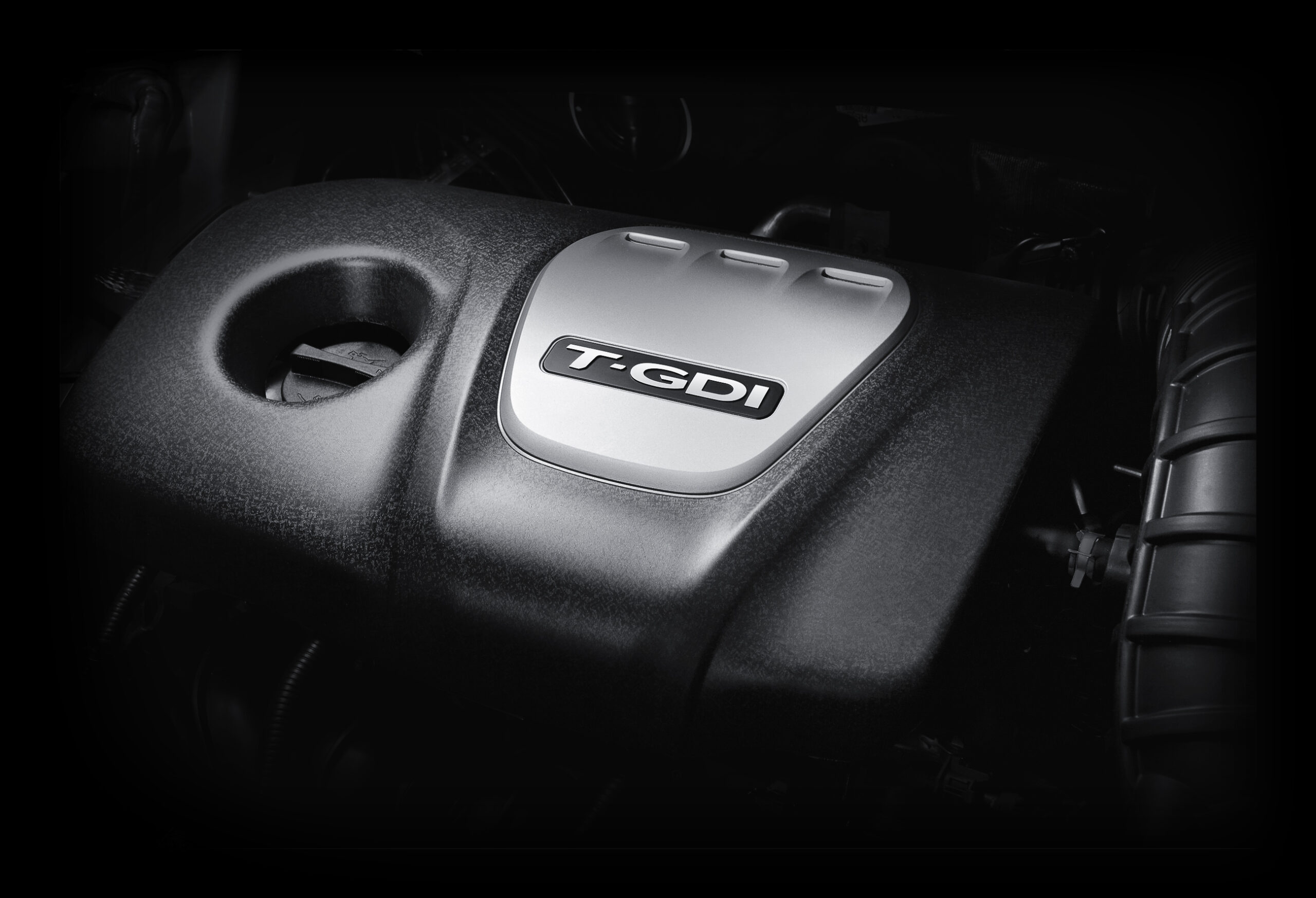
The 1.6 GDI engine in the Kia Soul regularly suffers from carbon build-up, oil sludge and defective engine components that lead to loss of power, overheating and even engine damage. These problems often occur at relatively low mileages and require targeted attention. Discover which issues you can expect and how to prevent them.
Common problems with the 1.6 GDI engine
The direct injection technology of the GDI engine offers advantages in terms of fuel consumption, but also brings specific problems. Because of the way fuel is injected, there is no cleaning effect on the intake valves. This makes the engine prone to various faults that negatively affect performance and reliability.
Owners of the Kia Soul with this engine report issues that range from reduced performance to complete engine failure. Most complaints focus on models from the 2014–2016 period, with some cars showing serious damage after only 50,000 to 100,000 kilometres.
‘ The repair costs are between 300 and 350 euros, during which the intake is cleaned using a special technique. ’
Carbon build-up in the engine
Carbon build-up is a common problem in GDI engines. Carbon accumulates in the piston rings and on the intake valves, especially when the engine is often used from cold. This happens, for example, on short trips in winter, when the engine does not fully reach operating temperature.
The symptoms of carbon build-up are easy to recognise. You will notice that the engine runs unevenly, delivers less power and is harder to start. With severe build-up, the engine can hesitate or jerk while driving. The repair costs are between 300 and 350 euros, during which the intake is cleaned using a special technique.
Oil sludge in the sump
Oil sludge forms when engine oil becomes contaminated and deposits in the sump. In the 1.6 GDI engine this can already occur at relatively low mileages. The deposits are thick and jelly-like and obstruct oil circulation through the engine.
This leads to various problems:
- Overheating of engine components due to poor lubrication
- Increased engine noise
- Significantly worse fuel economy
- Accelerated wear of moving parts
The costs for fixing oil sludge range from 450 to 900 euros. This includes flushing the sump and replacing the oil with fully synthetic engine oil. In severe cases, the sump has to be removed for a thorough cleaning.
High oil consumption in the Kia Soul GDI
Increased oil consumption is a direct consequence of the problems described above. Due to carbon build-up on the piston rings, they seal less effectively. Oil creeps up past the pistons and is burned in the combustion chamber.
When engine components wear due to oil sludge and poor lubrication, oil consumption rises further. Some owners report having to top up several litres of oil between services. This is significantly more than normal and indicates underlying issues that require attention.
Check the oil level weekly. Do this with the dipstick when the engine is cold and the car is on level ground. If the level drops by more than half a litre per 1,000 kilometres, further investigation is needed.
‘ Owners of 2015 models regularly report this problem, even at relatively low mileages. ’
Defective connecting rod and piston damage
One of the most serious faults in the 1.6 GDI engine is a broken connecting rod. This component connects the piston to the crankshaft and transmits combustion forces. When the connecting rod breaks, the engine stops immediately.
This fault often occurs together with broken pistons. The cause lies in the combination of high load, poor lubrication due to oil sludge and material fatigue. Owners of 2015 models regularly report this problem, even at relatively low mileages.
The repair costs are substantial and range between 1,800 and 2,700 euros. In many cases a complete engine replacement is necessary, pushing the costs up further to 2,250 to 3,600 euros. This makes this fault an expensive affair for owners.
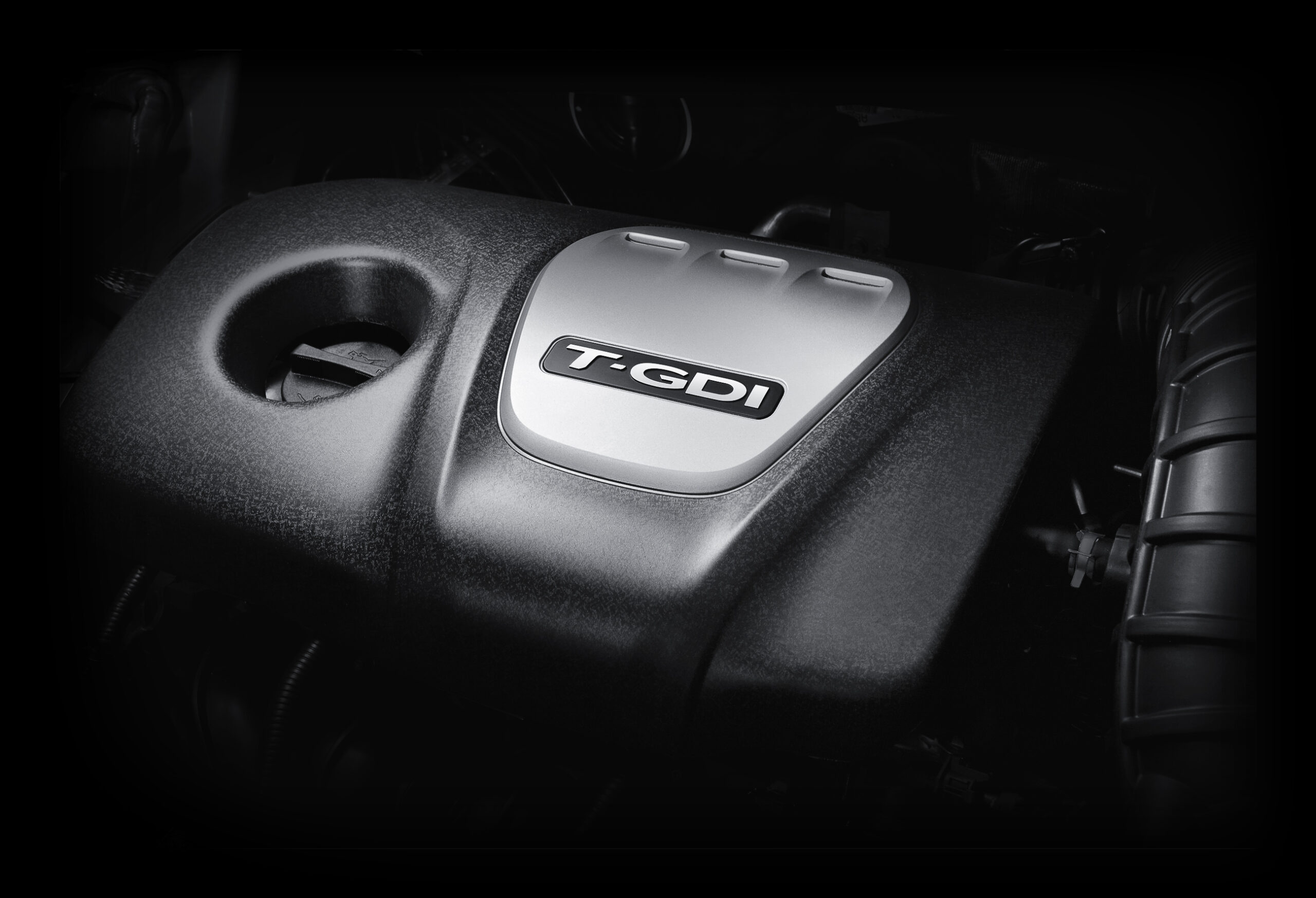
Carbon cleaning for the Kia Soul engine
Preventive cleaning of carbon build-up can prevent more serious damage. There are several methods available, with walnut blasting being the most effective technique. In this process, the intake valves are cleaned with fine walnut shell granules under high pressure.
The procedure costs between 200 and 350 euros at a professional garage. This is considerably cheaper than repairing damage caused by years of carbon build-up. Have this cleaning done at around 80,000 kilometres, or earlier if you notice symptoms.
You can carry out an initial inspection yourself by removing the spark plugs. Then look into the cylinders with a torch. Black, hard deposits on the valves and pistons indicate carbon build-up. Do make sure you work cleanly to avoid getting dirt into the engine.
Catalytic converter problems and fire risk
In addition to engine problems, certain model years of the Kia Soul 1.6 GDI suffer from catalytic converter fires. This is caused by electrical faults, often in the alternator. The overheated catalytic converter can cause a fire.
Kia has issued recalls for this problem. Check with the dealer whether there are any outstanding actions for your vehicle. The catalytic converter and alternator will then be replaced as a precaution. Older models with high mileage are at the greatest risk.
Preventive measures and maintenance tips
Regular, high-quality maintenance significantly extends the service life of the 1.6 GDI engine. Always use fully synthetic engine oil that meets the manufacturer’s specifications. Replace the oil every 5,000 to 8,000 kilometres, even if the on-board computer indicates this is not yet necessary.
Adapt your driving style to limit carbon build-up:
- Avoid short trips in winter where the engine does not reach operating temperature
- Regularly drive longer distances at higher revs
- Let the engine warm up fully before accelerating hard
- Use quality fuel from well-known brands
Add oil additives that combat sludge formation. These products keep the engine oil clean for longer and reduce deposits. Scan the engine regularly with an OBD tool to detect fault codes at an early stage. Listen for unusual noises such as ticking, rattling or increased engine noise.

Buying advice for a used Kia Soul 1.6 GDI
If you are considering buying a used Kia Soul with the 1.6 GDI engine, be extra cautious with models from 2014–2016. Always request the full service history and check whether maintenance has been carried out consistently at the prescribed intervals.
Before purchase, have an inspection carried out that specifically checks for carbon build-up, oil sludge and oil consumption. A test drive should rule out symptoms such as rough running, loss of power and starting problems. Also check whether recalls for the catalytic converter and alternator have been carried out.
Later model years from 2017 onwards often have improved components and are more reliable. If in doubt, it is sensible to choose a different model or year, or to invest in an extensive warranty that covers engine damage.
More information about the Kia Soul and car problems
The 1.6 GDI engine in the Kia Soul demands informed ownership and preventive maintenance. With the right approach, you reduce the risk of expensive repairs and keep the car in good condition for longer. On the Carnews website you will find much more information about common car problems, maintenance tips and experiences with different models. Discover what other owners encounter and how you can keep your car in top condition.
Frequently asked questions
The most common symptoms are irregular and rough running of the engine, poorer performance and noticeable loss of power. In addition, starting problems, increased oil consumption and overheating often occur. You may also hear abnormal engine noises (ticking/knocking) and notice clearly higher fuel consumption. In severe cases this leads to total engine failure due to damage to connecting rods and pistons.
The underlying causes are often carbon build-up on intake valves and piston rings, early oil sludge formation due to dirty oil or oil that has not been changed for too long, and therefore accelerated wear of connecting rods and other engine components. This can be prevented by using high-quality fully synthetic oil more frequently than the factory interval (every 5,000–8,000 km) and monitoring the oil level closely. In addition, regular longer journeys at operating temperature and avoiding only short cold trips help to counter carbon build-up. Periodic checks for sludge and carbon (for example via spark plugs/intake inspection) and following up on any recalls further reduce the risk of GDI problems.
An enthusiast can first use a simple OBD2 scanner to check for fault codes relating to ignition, mixture (fuel trim) and misfires to get a sense of the direction. They can then check the oil level and colour and look through the oil filler opening with a torch for sludge deposits. It is also useful to listen to how the engine runs cold and warm (ticking, rattling, rough idle) and to watch for smoke from the exhaust and loss of power during a test drive. Finally, they can remove the spark plugs to visually check for excessive carbon deposits or uneven combustion, which often points to GDI-related issues.
Untreated GDI engine faults in a Kia Soul 1.6, such as carbon build-up and oil sludge, accelerate wear of pistons, piston rings and connecting rods, which greatly reduces the overall engine life. Over time, these problems lead to loss of power, rough running, higher fuel consumption and overheating. Ultimately this can result in serious mechanical damage, such as broken pistons or connecting rods, often requiring a complete engine overhaul or replacement. As a result, both the reliability and performance of the engine decline noticeably and permanently.
It is crucial always to use high-quality, fully synthetic engine oil and to change it preventively every 5,000–8,000 km, regardless of what the service system indicates. Avoid lots of short trips (especially in winter) and plan regular longer journeys at operating temperature and slightly higher revs to limit carbon build-up. Check the oil level weekly, listen for unusual noises and use an OBD scanner if in doubt; if visible sludge is present, have the sump flushed. In addition, have the intake and valves cleaned periodically (for example, walnut blasting) and check with the dealer for any outstanding recalls for the catalytic converter, alternator and similar components.