
Practical tips for reliable operation
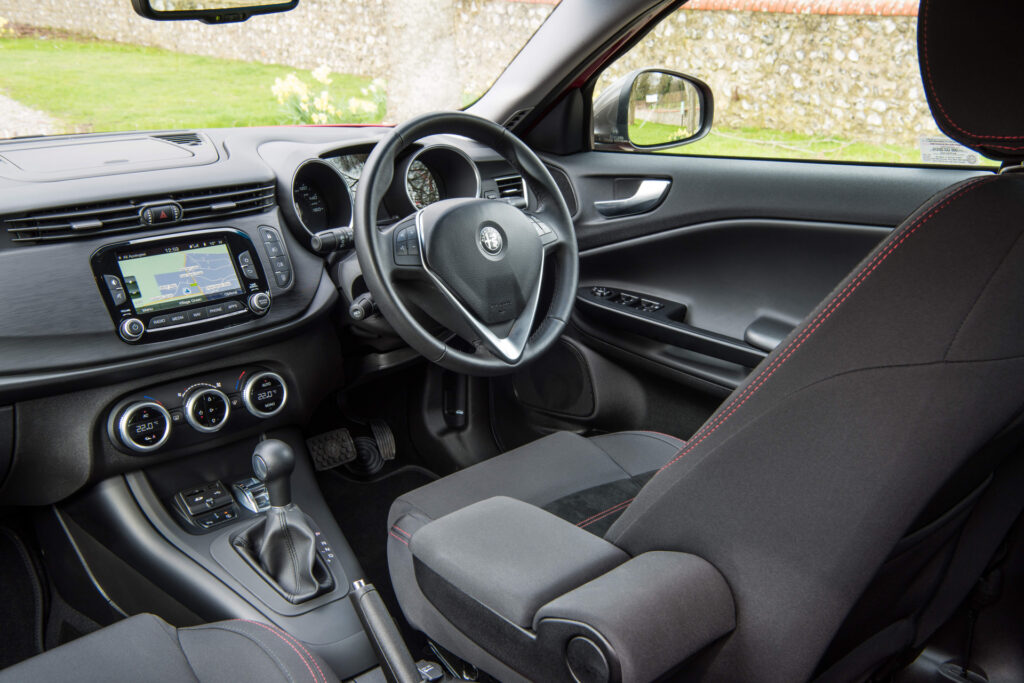
The TCT transmission can be reliable with the right treatment and maintenance. Owners who treat the gearbox gently and have it maintained regularly report significantly fewer problems than those who strain the system intensively.
Ensure that if you have shifting problems, you have the software updated first before opting for expensive mechanical repairs. Many complaints disappear after a software change because the manufacturer has implemented improvements in the shifting logic.
Pay attention to these points for optimal performance:
- Always warm up the engine and transmission before accelerating intensively
- Preferably use the automatic mode instead of manual shifting
- Avoid driving at low speeds in high gears for long periods
- Proactively schedule maintenance rather than waiting for problems
- Carefully keep maintenance history for warranty claims
When purchasing a used Giulietta, the gearbox maintenance history is an important indicator of future reliability. Always ask for proof of regular oil changes and any software updates.
When to seek professional help
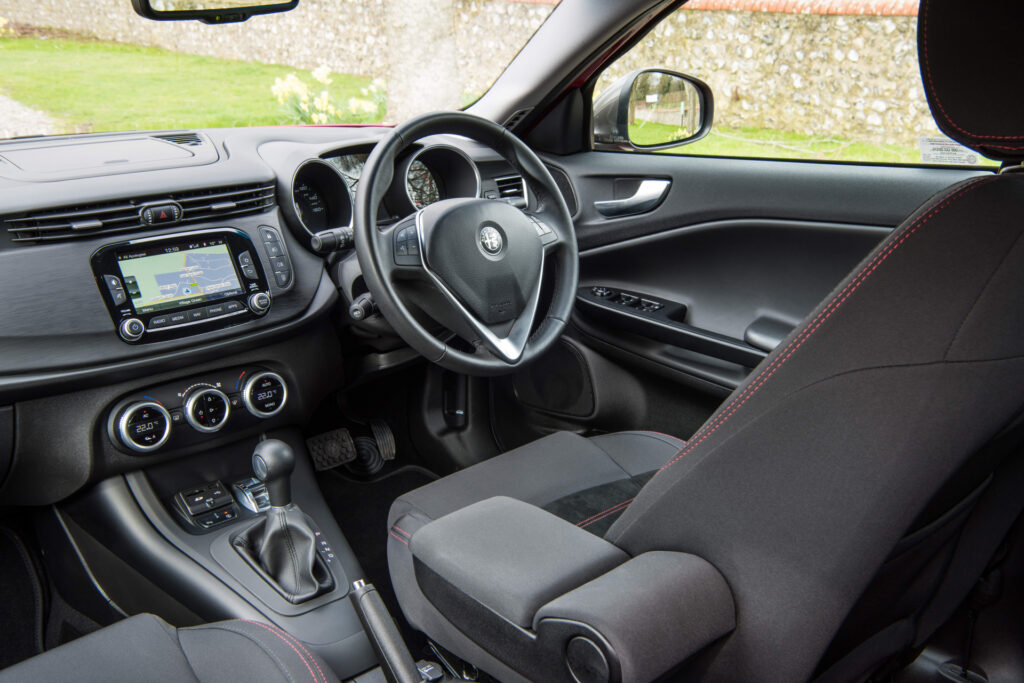
Do not wait too long to have transmission problems investigated. Early detection prevents damage to adjacent parts and keeps repair costs limited. A clutch that starts to slip worsens quickly and, if ignored, can lead to total transmission failure.
Choose a garage with specific Alfa Romeo knowledge, as the TCT system requires specialised diagnostic equipment. Not every workshop has the right software to read transmission codes and perform updates. A specialist recognises typical Giulietta problems faster and can offer more effective solutions.
On the Carnews website, you will find more information about common car problems, maintenance tips, and experiences from other owners. Discover what else you can expect from your Alfa Romeo and how to make the most of this Italian driving experience.
Frequently Asked Questions
The most common symptoms are jerky shifting, hesitation when engaging a gear, or failing to select certain gears. The gearbox may also get stuck in one gear or shift noticeably slower and illogically, especially with the TCT automatic. Additionally, rattling or grinding noises during shifting are often reported when mechanical wear is present.
The TCT gearbox (the automatic/dual-clutch) of the Giulietta is known to be the most prone to problems, especially with intensive city use and without timely oil and software maintenance. The manual gearboxes mainly show wear on synchromesh rings at higher mileages, but in practice, they encounter problems less often and later than the TCT.
For repairing a gearbox in an Alfa Romeo Giulietta (e.g., internal overhaul of clutches or synchromesh rings), the average costs are roughly between €1,000 and €2,000, depending on the damage and labour hours. For a complete overhaul or replacement of the gearbox (especially the TCT automatic), you should count on approximately €2,000 to €3,500 at specialist companies. At dealership workshops or with severely damaged boxes, this can be even higher. The exact price depends strongly on the type of gearbox (manual or TCT), mileage, parts used (new or refurbished), and the garage’s hourly rate.
For some Alfa Romeo Giulietta models, there are known problems with the TCT automatic and manual gearboxes (e.g., jerky shifting and getting stuck in a gear), but this mainly involves wear, software, and mechanical components. In a few cases, there have been recall campaigns where the gearbox was modified. These recalls were model- and year-dependent and did not apply to all Giuliettas. Regular maintenance and software updates help to prevent or fix common gearbox complaints.
Have the gearbox oil (and filter, if applicable) changed preventively and on time, especially if you do a lot of city or traffic jam driving. Ensure the TCT software or manual gearbox software stays up-to-date and have it checked at a dealer or specialist garage at the slightest sign of jerky shifting. Avoid prolonged clutch slippage and aggressive starts, as this puts extra strain on the clutch and internal parts. At higher mileages, have the transmission checked preventively for wear so that early problems are detected in good time.
Practical tips for reliable operation
The TCT transmission can be reliable with the right treatment and maintenance. Owners who treat the gearbox gently and have it maintained regularly report significantly fewer problems than those who strain the system intensively.
Ensure that if you have shifting problems, you have the software updated first before opting for expensive mechanical repairs. Many complaints disappear after a software change because the manufacturer has implemented improvements in the shifting logic.
Pay attention to these points for optimal performance:
- Always warm up the engine and transmission before accelerating intensively
- Preferably use the automatic mode instead of manual shifting
- Avoid driving at low speeds in high gears for long periods
- Proactively schedule maintenance rather than waiting for problems
- Carefully keep maintenance history for warranty claims
When purchasing a used Giulietta, the gearbox maintenance history is an important indicator of future reliability. Always ask for proof of regular oil changes and any software updates.
When to seek professional help
Do not wait too long to have transmission problems investigated. Early detection prevents damage to adjacent parts and keeps repair costs limited. A clutch that starts to slip worsens quickly and, if ignored, can lead to total transmission failure.
Choose a garage with specific Alfa Romeo knowledge, as the TCT system requires specialised diagnostic equipment. Not every workshop has the right software to read transmission codes and perform updates. A specialist recognises typical Giulietta problems faster and can offer more effective solutions.
On the Carnews website, you will find more information about common car problems, maintenance tips, and experiences from other owners. Discover what else you can expect from your Alfa Romeo and how to make the most of this Italian driving experience.
Frequently Asked Questions
The most common symptoms are jerky shifting, hesitation when engaging a gear, or failing to select certain gears. The gearbox may also get stuck in one gear or shift noticeably slower and illogically, especially with the TCT automatic. Additionally, rattling or grinding noises during shifting are often reported when mechanical wear is present.
The TCT gearbox (the automatic/dual-clutch) of the Giulietta is known to be the most prone to problems, especially with intensive city use and without timely oil and software maintenance. The manual gearboxes mainly show wear on synchromesh rings at higher mileages, but in practice, they encounter problems less often and later than the TCT.
For repairing a gearbox in an Alfa Romeo Giulietta (e.g., internal overhaul of clutches or synchromesh rings), the average costs are roughly between €1,000 and €2,000, depending on the damage and labour hours. For a complete overhaul or replacement of the gearbox (especially the TCT automatic), you should count on approximately €2,000 to €3,500 at specialist companies. At dealership workshops or with severely damaged boxes, this can be even higher. The exact price depends strongly on the type of gearbox (manual or TCT), mileage, parts used (new or refurbished), and the garage’s hourly rate.
For some Alfa Romeo Giulietta models, there are known problems with the TCT automatic and manual gearboxes (e.g., jerky shifting and getting stuck in a gear), but this mainly involves wear, software, and mechanical components. In a few cases, there have been recall campaigns where the gearbox was modified. These recalls were model- and year-dependent and did not apply to all Giuliettas. Regular maintenance and software updates help to prevent or fix common gearbox complaints.
Have the gearbox oil (and filter, if applicable) changed preventively and on time, especially if you do a lot of city or traffic jam driving. Ensure the TCT software or manual gearbox software stays up-to-date and have it checked at a dealer or specialist garage at the slightest sign of jerky shifting. Avoid prolonged clutch slippage and aggressive starts, as this puts extra strain on the clutch and internal parts. At higher mileages, have the transmission checked preventively for wear so that early problems are detected in good time.
Oil leaks and other common faults
Oil leaks in the TCT transmission often occur around the seals and gasket. These leaks start small but, if neglected, can lead to oil loss and eventually damage to the gearbox. Regularly check your parking spot for oil stains under the car.
Besides transmission problems, the 1.4 Turbo engine often shows faults with the timing chain and camshaft between 60,000 and 100,000 kilometres. The timing chain stretches prematurely, which causes rattling noises during cold starts. The camshaft phasers also wear out, resulting in metallic knocking noises and loss of power.
Other known faults are:
- Defective ignition coils causing misfires and engine stuttering
- Leaking fuel injectors leading to higher fuel consumption
- Software problems in the engine management unit causing performance issues
- Issues with fifth and sixth gear in manual TCT operation due to awkward positioning
These problems usually occur between 60,000 and 100,000 kilometres, but can arise earlier under unfavourable driving conditions. Regular inspection by a specialist with experience in Alfa Romeo prevents surprises.
Practical tips for reliable operation
The TCT transmission can be reliable with the right treatment and maintenance. Owners who treat the gearbox gently and have it maintained regularly report significantly fewer problems than those who strain the system intensively.
Ensure that if you have shifting problems, you have the software updated first before opting for expensive mechanical repairs. Many complaints disappear after a software change because the manufacturer has implemented improvements in the shifting logic.
Pay attention to these points for optimal performance:
- Always warm up the engine and transmission before accelerating intensively
- Preferably use the automatic mode instead of manual shifting
- Avoid driving at low speeds in high gears for long periods
- Proactively schedule maintenance rather than waiting for problems
- Carefully keep maintenance history for warranty claims
When purchasing a used Giulietta, the gearbox maintenance history is an important indicator of future reliability. Always ask for proof of regular oil changes and any software updates.
When to seek professional help
Do not wait too long to have transmission problems investigated. Early detection prevents damage to adjacent parts and keeps repair costs limited. A clutch that starts to slip worsens quickly and, if ignored, can lead to total transmission failure.
Choose a garage with specific Alfa Romeo knowledge, as the TCT system requires specialised diagnostic equipment. Not every workshop has the right software to read transmission codes and perform updates. A specialist recognises typical Giulietta problems faster and can offer more effective solutions.
On the Carnews website, you will find more information about common car problems, maintenance tips, and experiences from other owners. Discover what else you can expect from your Alfa Romeo and how to make the most of this Italian driving experience.
Frequently Asked Questions
What are the most common symptoms of gearbox problems in an Alfa Romeo Giulietta?
The most common symptoms are jerky shifting, hesitation when engaging a gear, or failing to select certain gears. The gearbox may also get stuck in one gear or shift noticeably slower and illogically, especially with the TCT automatic. Additionally, rattling or grinding noises during shifting are often reported when mechanical wear is present.
Which types of gearboxes (manual, TCT) in the Alfa Romeo Giulietta are the most prone to problems?
The TCT gearbox (the automatic/dual-clutch) of the Giulietta is known to be the most prone to problems, especially with intensive city use and without timely oil and software maintenance. The manual gearboxes mainly show wear on synchromesh rings at higher mileages, but in practice, they encounter problems less often and later than the TCT.
What are the average costs for repairing or replacing a gearbox in an Alfa Romeo Giulietta?
For repairing a gearbox in an Alfa Romeo Giulietta (e.g., internal overhaul of clutches or synchromesh rings), the average costs are roughly between €1,000 and €2,000, depending on the damage and labour hours. For a complete overhaul or replacement of the gearbox (especially the TCT automatic), you should count on approximately €2,000 to €3,500 at specialist companies. At dealership workshops or with severely damaged boxes, this can be even higher. The exact price depends strongly on the type of gearbox (manual or TCT), mileage, parts used (new or refurbished), and the garage’s hourly rate.
Are there any known recall campaigns or manufacturing defects regarding the gearbox of the Alfa Romeo Giulietta?
For some Alfa Romeo Giulietta models, there are known problems with the TCT automatic and manual gearboxes (e.g., jerky shifting and getting stuck in a gear), but this mainly involves wear, software, and mechanical components. In a few cases, there have been recall campaigns where the gearbox was modified. These recalls were model- and year-dependent and did not apply to all Giuliettas. Regular maintenance and software updates help to prevent or fix common gearbox complaints.
What preventive measures can I take to avoid gearbox problems in my Alfa Romeo Giulietta?
Have the gearbox oil (and filter, if applicable) changed preventively and on time, especially if you do a lot of city or traffic jam driving. Ensure the TCT software or manual gearbox software stays up-to-date and have it checked at a dealer or specialist garage at the slightest sign of jerky shifting. Avoid prolonged clutch slippage and aggressive starts, as this puts extra strain on the clutch and internal parts. At higher mileages, have the transmission checked preventively for wear so that early problems are detected in good time.
What are signs of worn clutches in a Giulietta?
Worn clutches give clear signals before they fail completely. Recognising these symptoms early prevents breakdown situations and further damage to the transmission. Most problems start subtly and worsen gradually.
The 1.4 Turbo version is extra sensitive to clutch slip due to the combination of relatively high torque and the compact TCT construction. With this engine variant, problems often occur earlier than with the diesel versions.
Recognisable symptoms of worn clutches include:
- Slipping clutch where the revs rise without the speed increasing
- Burning smell during acceleration, caused by friction of the clutch discs
- Delayed response when pressing the accelerator pedal
- Jerky transitions between gears, especially at low speeds
- Metallic or rattling noises during shifting
With these complaints, a professional diagnosis is necessary. The gearbox often needs to be completely removed and opened to repair the synchromesh rings. A certified garage can carry out this repair, with costs depending on the degree of wear.
Oil leaks and other common faults
Oil leaks in the TCT transmission often occur around the seals and gasket. These leaks start small but, if neglected, can lead to oil loss and eventually damage to the gearbox. Regularly check your parking spot for oil stains under the car.
Besides transmission problems, the 1.4 Turbo engine often shows faults with the timing chain and camshaft between 60,000 and 100,000 kilometres. The timing chain stretches prematurely, which causes rattling noises during cold starts. The camshaft phasers also wear out, resulting in metallic knocking noises and loss of power.
Other known faults are:
- Defective ignition coils causing misfires and engine stuttering
- Leaking fuel injectors leading to higher fuel consumption
- Software problems in the engine management unit causing performance issues
- Issues with fifth and sixth gear in manual TCT operation due to awkward positioning
These problems usually occur between 60,000 and 100,000 kilometres, but can arise earlier under unfavourable driving conditions. Regular inspection by a specialist with experience in Alfa Romeo prevents surprises.
Practical tips for reliable operation
The TCT transmission can be reliable with the right treatment and maintenance. Owners who treat the gearbox gently and have it maintained regularly report significantly fewer problems than those who strain the system intensively.
Ensure that if you have shifting problems, you have the software updated first before opting for expensive mechanical repairs. Many complaints disappear after a software change because the manufacturer has implemented improvements in the shifting logic.
Pay attention to these points for optimal performance:
- Always warm up the engine and transmission before accelerating intensively
- Preferably use the automatic mode instead of manual shifting
- Avoid driving at low speeds in high gears for long periods
- Proactively schedule maintenance rather than waiting for problems
- Carefully keep maintenance history for warranty claims
When purchasing a used Giulietta, the gearbox maintenance history is an important indicator of future reliability. Always ask for proof of regular oil changes and any software updates.
When to seek professional help
Do not wait too long to have transmission problems investigated. Early detection prevents damage to adjacent parts and keeps repair costs limited. A clutch that starts to slip worsens quickly and, if ignored, can lead to total transmission failure.
Choose a garage with specific Alfa Romeo knowledge, as the TCT system requires specialised diagnostic equipment. Not every workshop has the right software to read transmission codes and perform updates. A specialist recognises typical Giulietta problems faster and can offer more effective solutions.
On the Carnews website, you will find more information about common car problems, maintenance tips, and experiences from other owners. Discover what else you can expect from your Alfa Romeo and how to make the most of this Italian driving experience.
Frequently Asked Questions
What are the most common symptoms of gearbox problems in an Alfa Romeo Giulietta?
The most common symptoms are jerky shifting, hesitation when engaging a gear, or failing to select certain gears. The gearbox may also get stuck in one gear or shift noticeably slower and illogically, especially with the TCT automatic. Additionally, rattling or grinding noises during shifting are often reported when mechanical wear is present.
Which types of gearboxes (manual, TCT) in the Alfa Romeo Giulietta are the most prone to problems?
The TCT gearbox (the automatic/dual-clutch) of the Giulietta is known to be the most prone to problems, especially with intensive city use and without timely oil and software maintenance. The manual gearboxes mainly show wear on synchromesh rings at higher mileages, but in practice, they encounter problems less often and later than the TCT.
What are the average costs for repairing or replacing a gearbox in an Alfa Romeo Giulietta?
For repairing a gearbox in an Alfa Romeo Giulietta (e.g., internal overhaul of clutches or synchromesh rings), the average costs are roughly between €1,000 and €2,000, depending on the damage and labour hours. For a complete overhaul or replacement of the gearbox (especially the TCT automatic), you should count on approximately €2,000 to €3,500 at specialist companies. At dealership workshops or with severely damaged boxes, this can be even higher. The exact price depends strongly on the type of gearbox (manual or TCT), mileage, parts used (new or refurbished), and the garage’s hourly rate.
Are there any known recall campaigns or manufacturing defects regarding the gearbox of the Alfa Romeo Giulietta?
For some Alfa Romeo Giulietta models, there are known problems with the TCT automatic and manual gearboxes (e.g., jerky shifting and getting stuck in a gear), but this mainly involves wear, software, and mechanical components. In a few cases, there have been recall campaigns where the gearbox was modified. These recalls were model- and year-dependent and did not apply to all Giuliettas. Regular maintenance and software updates help to prevent or fix common gearbox complaints.
What preventive measures can I take to avoid gearbox problems in my Alfa Romeo Giulietta?
Have the gearbox oil (and filter, if applicable) changed preventively and on time, especially if you do a lot of city or traffic jam driving. Ensure the TCT software or manual gearbox software stays up-to-date and have it checked at a dealer or specialist garage at the slightest sign of jerky shifting. Avoid prolonged clutch slippage and aggressive starts, as this puts extra strain on the clutch and internal parts. At higher mileages, have the transmission checked preventively for wear so that early problems are detected in good time.
How do I maintain the TCT gearbox in an Alfa Romeo?
Regular maintenance significantly extends the lifespan of the TCT transmission. Owners who consistently change the gearbox oil report significantly fewer problems. One diesel Giulietta with 170 hp has even reached 200,000 kilometres without faults thanks to frequent maintenance.
The average lifespan of the TCT transmission is between 120,000 and 150,000 kilometres. With intensive city use, this lifespan can be significantly shorter due to constant load on the clutch. Therefore, preventive maintenance is the key to reliability.
Follow these maintenance steps for optimal operation:
- Replace the gearbox oil every 60,000 kilometres or every four years
- If shifting is jerky, immediately have the transmission software checked and updated
- Check for oil leaks around the gearbox at every service interval
- Avoid aggressive acceleration from a standstill to prevent unnecessary wear
- Always shift to neutral when waiting for long periods while stationary
Some Giuliettas have participated in a recall campaign where the gearbox was modified. This modification improved reliability for owners who previously had no complaints. Check with your dealer to see if your car is covered by this action.
What are signs of worn clutches in a Giulietta?
Worn clutches give clear signals before they fail completely. Recognising these symptoms early prevents breakdown situations and further damage to the transmission. Most problems start subtly and worsen gradually.
The 1.4 Turbo version is extra sensitive to clutch slip due to the combination of relatively high torque and the compact TCT construction. With this engine variant, problems often occur earlier than with the diesel versions.
Recognisable symptoms of worn clutches include:
- Slipping clutch where the revs rise without the speed increasing
- Burning smell during acceleration, caused by friction of the clutch discs
- Delayed response when pressing the accelerator pedal
- Jerky transitions between gears, especially at low speeds
- Metallic or rattling noises during shifting
With these complaints, a professional diagnosis is necessary. The gearbox often needs to be completely removed and opened to repair the synchromesh rings. A certified garage can carry out this repair, with costs depending on the degree of wear.
Oil leaks and other common faults
Oil leaks in the TCT transmission often occur around the seals and gasket. These leaks start small but, if neglected, can lead to oil loss and eventually damage to the gearbox. Regularly check your parking spot for oil stains under the car.
Besides transmission problems, the 1.4 Turbo engine often shows faults with the timing chain and camshaft between 60,000 and 100,000 kilometres. The timing chain stretches prematurely, which causes rattling noises during cold starts. The camshaft phasers also wear out, resulting in metallic knocking noises and loss of power.
Other known faults are:
- Defective ignition coils causing misfires and engine stuttering
- Leaking fuel injectors leading to higher fuel consumption
- Software problems in the engine management unit causing performance issues
- Issues with fifth and sixth gear in manual TCT operation due to awkward positioning
These problems usually occur between 60,000 and 100,000 kilometres, but can arise earlier under unfavourable driving conditions. Regular inspection by a specialist with experience in Alfa Romeo prevents surprises.
Practical tips for reliable operation
The TCT transmission can be reliable with the right treatment and maintenance. Owners who treat the gearbox gently and have it maintained regularly report significantly fewer problems than those who strain the system intensively.
Ensure that if you have shifting problems, you have the software updated first before opting for expensive mechanical repairs. Many complaints disappear after a software change because the manufacturer has implemented improvements in the shifting logic.
Pay attention to these points for optimal performance:
- Always warm up the engine and transmission before accelerating intensively
- Preferably use the automatic mode instead of manual shifting
- Avoid driving at low speeds in high gears for long periods
- Proactively schedule maintenance rather than waiting for problems
- Carefully keep maintenance history for warranty claims
When purchasing a used Giulietta, the gearbox maintenance history is an important indicator of future reliability. Always ask for proof of regular oil changes and any software updates.
When to seek professional help
Do not wait too long to have transmission problems investigated. Early detection prevents damage to adjacent parts and keeps repair costs limited. A clutch that starts to slip worsens quickly and, if ignored, can lead to total transmission failure.
Choose a garage with specific Alfa Romeo knowledge, as the TCT system requires specialised diagnostic equipment. Not every workshop has the right software to read transmission codes and perform updates. A specialist recognises typical Giulietta problems faster and can offer more effective solutions.
On the Carnews website, you will find more information about common car problems, maintenance tips, and experiences from other owners. Discover what else you can expect from your Alfa Romeo and how to make the most of this Italian driving experience.
Frequently Asked Questions
What are the most common symptoms of gearbox problems in an Alfa Romeo Giulietta?
The most common symptoms are jerky shifting, hesitation when engaging a gear, or failing to select certain gears. The gearbox may also get stuck in one gear or shift noticeably slower and illogically, especially with the TCT automatic. Additionally, rattling or grinding noises during shifting are often reported when mechanical wear is present.
Which types of gearboxes (manual, TCT) in the Alfa Romeo Giulietta are the most prone to problems?
The TCT gearbox (the automatic/dual-clutch) of the Giulietta is known to be the most prone to problems, especially with intensive city use and without timely oil and software maintenance. The manual gearboxes mainly show wear on synchromesh rings at higher mileages, but in practice, they encounter problems less often and later than the TCT.
What are the average costs for repairing or replacing a gearbox in an Alfa Romeo Giulietta?
For repairing a gearbox in an Alfa Romeo Giulietta (e.g., internal overhaul of clutches or synchromesh rings), the average costs are roughly between €1,000 and €2,000, depending on the damage and labour hours. For a complete overhaul or replacement of the gearbox (especially the TCT automatic), you should count on approximately €2,000 to €3,500 at specialist companies. At dealership workshops or with severely damaged boxes, this can be even higher. The exact price depends strongly on the type of gearbox (manual or TCT), mileage, parts used (new or refurbished), and the garage’s hourly rate.
Are there any known recall campaigns or manufacturing defects regarding the gearbox of the Alfa Romeo Giulietta?
For some Alfa Romeo Giulietta models, there are known problems with the TCT automatic and manual gearboxes (e.g., jerky shifting and getting stuck in a gear), but this mainly involves wear, software, and mechanical components. In a few cases, there have been recall campaigns where the gearbox was modified. These recalls were model- and year-dependent and did not apply to all Giuliettas. Regular maintenance and software updates help to prevent or fix common gearbox complaints.
What preventive measures can I take to avoid gearbox problems in my Alfa Romeo Giulietta?
Have the gearbox oil (and filter, if applicable) changed preventively and on time, especially if you do a lot of city or traffic jam driving. Ensure the TCT software or manual gearbox software stays up-to-date and have it checked at a dealer or specialist garage at the slightest sign of jerky shifting. Avoid prolonged clutch slippage and aggressive starts, as this puts extra strain on the clutch and internal parts. At higher mileages, have the transmission checked preventively for wear so that early problems are detected in good time.
Is my Giulietta gearbox shifting stiffly?
Jerky shifting is a common complaint for the Giulietta with the TCT transmission (Twin Clutch Transmission). This automatic dual-clutch system exhibits faults that manifest as hesitation when shifting up, getting stuck in one gear, or completely refusing the desired gear. Owners report that these problems often start after reaching 40,000 to 60,000 kilometres.
In many cases, the Alfa Romeo Giulietta has issues related to software. A transmission software update can resolve a large portion of these complaints without mechanical intervention. In addition, mechanical wear plays a role. The clutch or synchromesh rings (components that ensure smooth shifting) wear out over time.
Stiff shifting is caused by several factors:
- Software errors in the TCT system causing incorrect shift commands
- Wear of the clutch discs due to intensive use in city traffic
- Worn synchromesh rings that produce rattling noises during shifting
- Deformation of clutches due to high temperatures during frequent acceleration
Visit a specialist garage to determine the exact cause. Have the software checked before considering mechanical repairs, as this may provide a cheaper solution.
How do I maintain the TCT gearbox in an Alfa Romeo?
Regular maintenance significantly extends the lifespan of the TCT transmission. Owners who consistently change the gearbox oil report significantly fewer problems. One diesel Giulietta with 170 hp has even reached 200,000 kilometres without faults thanks to frequent maintenance.
The average lifespan of the TCT transmission is between 120,000 and 150,000 kilometres. With intensive city use, this lifespan can be significantly shorter due to constant load on the clutch. Therefore, preventive maintenance is the key to reliability.
Follow these maintenance steps for optimal operation:
- Replace the gearbox oil every 60,000 kilometres or every four years
- If shifting is jerky, immediately have the transmission software checked and updated
- Check for oil leaks around the gearbox at every service interval
- Avoid aggressive acceleration from a standstill to prevent unnecessary wear
- Always shift to neutral when waiting for long periods while stationary
Some Giuliettas have participated in a recall campaign where the gearbox was modified. This modification improved reliability for owners who previously had no complaints. Check with your dealer to see if your car is covered by this action.
What are signs of worn clutches in a Giulietta?
Worn clutches give clear signals before they fail completely. Recognising these symptoms early prevents breakdown situations and further damage to the transmission. Most problems start subtly and worsen gradually.
The 1.4 Turbo version is extra sensitive to clutch slip due to the combination of relatively high torque and the compact TCT construction. With this engine variant, problems often occur earlier than with the diesel versions.
Recognisable symptoms of worn clutches include:
- Slipping clutch where the revs rise without the speed increasing
- Burning smell during acceleration, caused by friction of the clutch discs
- Delayed response when pressing the accelerator pedal
- Jerky transitions between gears, especially at low speeds
- Metallic or rattling noises during shifting
With these complaints, a professional diagnosis is necessary. The gearbox often needs to be completely removed and opened to repair the synchromesh rings. A certified garage can carry out this repair, with costs depending on the degree of wear.
Oil leaks and other common faults
Oil leaks in the TCT transmission often occur around the seals and gasket. These leaks start small but, if neglected, can lead to oil loss and eventually damage to the gearbox. Regularly check your parking spot for oil stains under the car.
Besides transmission problems, the 1.4 Turbo engine often shows faults with the timing chain and camshaft between 60,000 and 100,000 kilometres. The timing chain stretches prematurely, which causes rattling noises during cold starts. The camshaft phasers also wear out, resulting in metallic knocking noises and loss of power.
Other known faults are:
- Defective ignition coils causing misfires and engine stuttering
- Leaking fuel injectors leading to higher fuel consumption
- Software problems in the engine management unit causing performance issues
- Issues with fifth and sixth gear in manual TCT operation due to awkward positioning
These problems usually occur between 60,000 and 100,000 kilometres, but can arise earlier under unfavourable driving conditions. Regular inspection by a specialist with experience in Alfa Romeo prevents surprises.
Practical tips for reliable operation
The TCT transmission can be reliable with the right treatment and maintenance. Owners who treat the gearbox gently and have it maintained regularly report significantly fewer problems than those who strain the system intensively.
Ensure that if you have shifting problems, you have the software updated first before opting for expensive mechanical repairs. Many complaints disappear after a software change because the manufacturer has implemented improvements in the shifting logic.
Pay attention to these points for optimal performance:
- Always warm up the engine and transmission before accelerating intensively
- Preferably use the automatic mode instead of manual shifting
- Avoid driving at low speeds in high gears for long periods
- Proactively schedule maintenance rather than waiting for problems
- Carefully keep maintenance history for warranty claims
When purchasing a used Giulietta, the gearbox maintenance history is an important indicator of future reliability. Always ask for proof of regular oil changes and any software updates.
When to seek professional help
Do not wait too long to have transmission problems investigated. Early detection prevents damage to adjacent parts and keeps repair costs limited. A clutch that starts to slip worsens quickly and, if ignored, can lead to total transmission failure.
Choose a garage with specific Alfa Romeo knowledge, as the TCT system requires specialised diagnostic equipment. Not every workshop has the right software to read transmission codes and perform updates. A specialist recognises typical Giulietta problems faster and can offer more effective solutions.
On the Carnews website, you will find more information about common car problems, maintenance tips, and experiences from other owners. Discover what else you can expect from your Alfa Romeo and how to make the most of this Italian driving experience.
Frequently Asked Questions
What are the most common symptoms of gearbox problems in an Alfa Romeo Giulietta?
The most common symptoms are jerky shifting, hesitation when engaging a gear, or failing to select certain gears. The gearbox may also get stuck in one gear or shift noticeably slower and illogically, especially with the TCT automatic. Additionally, rattling or grinding noises during shifting are often reported when mechanical wear is present.
Which types of gearboxes (manual, TCT) in the Alfa Romeo Giulietta are the most prone to problems?
The TCT gearbox (the automatic/dual-clutch) of the Giulietta is known to be the most prone to problems, especially with intensive city use and without timely oil and software maintenance. The manual gearboxes mainly show wear on synchromesh rings at higher mileages, but in practice, they encounter problems less often and later than the TCT.
What are the average costs for repairing or replacing a gearbox in an Alfa Romeo Giulietta?
For repairing a gearbox in an Alfa Romeo Giulietta (e.g., internal overhaul of clutches or synchromesh rings), the average costs are roughly between €1,000 and €2,000, depending on the damage and labour hours. For a complete overhaul or replacement of the gearbox (especially the TCT automatic), you should count on approximately €2,000 to €3,500 at specialist companies. At dealership workshops or with severely damaged boxes, this can be even higher. The exact price depends strongly on the type of gearbox (manual or TCT), mileage, parts used (new or refurbished), and the garage’s hourly rate.
Are there any known recall campaigns or manufacturing defects regarding the gearbox of the Alfa Romeo Giulietta?
For some Alfa Romeo Giulietta models, there are known problems with the TCT automatic and manual gearboxes (e.g., jerky shifting and getting stuck in a gear), but this mainly involves wear, software, and mechanical components. In a few cases, there have been recall campaigns where the gearbox was modified. These recalls were model- and year-dependent and did not apply to all Giuliettas. Regular maintenance and software updates help to prevent or fix common gearbox complaints.
What preventive measures can I take to avoid gearbox problems in my Alfa Romeo Giulietta?
Have the gearbox oil (and filter, if applicable) changed preventively and on time, especially if you do a lot of city or traffic jam driving. Ensure the TCT software or manual gearbox software stays up-to-date and have it checked at a dealer or specialist garage at the slightest sign of jerky shifting. Avoid prolonged clutch slippage and aggressive starts, as this puts extra strain on the clutch and internal parts. At higher mileages, have the transmission checked preventively for wear so that early problems are detected in good time.
The TCT gearbox (a type of automatic transmission) in the Alfa Romeo Giulietta frequently develops shifting issues, clutch slippage, and oil leaks, especially in the 1.4 TB version. These complaints often occur between 40,000 and 60,000 kilometres, particularly with intensive city driving. What are the causes and how can you avoid expensive repairs?
Is my Giulietta gearbox shifting stiffly?
Jerky shifting is a common complaint for the Giulietta with the TCT transmission (Twin Clutch Transmission). This automatic dual-clutch system exhibits faults that manifest as hesitation when shifting up, getting stuck in one gear, or completely refusing the desired gear. Owners report that these problems often start after reaching 40,000 to 60,000 kilometres.
In many cases, the Alfa Romeo Giulietta has issues related to software. A transmission software update can resolve a large portion of these complaints without mechanical intervention. In addition, mechanical wear plays a role. The clutch or synchromesh rings (components that ensure smooth shifting) wear out over time.
Stiff shifting is caused by several factors:
- Software errors in the TCT system causing incorrect shift commands
- Wear of the clutch discs due to intensive use in city traffic
- Worn synchromesh rings that produce rattling noises during shifting
- Deformation of clutches due to high temperatures during frequent acceleration
Visit a specialist garage to determine the exact cause. Have the software checked before considering mechanical repairs, as this may provide a cheaper solution.
How do I maintain the TCT gearbox in an Alfa Romeo?
Regular maintenance significantly extends the lifespan of the TCT transmission. Owners who consistently change the gearbox oil report significantly fewer problems. One diesel Giulietta with 170 hp has even reached 200,000 kilometres without faults thanks to frequent maintenance.
The average lifespan of the TCT transmission is between 120,000 and 150,000 kilometres. With intensive city use, this lifespan can be significantly shorter due to constant load on the clutch. Therefore, preventive maintenance is the key to reliability.
Follow these maintenance steps for optimal operation:
- Replace the gearbox oil every 60,000 kilometres or every four years
- If shifting is jerky, immediately have the transmission software checked and updated
- Check for oil leaks around the gearbox at every service interval
- Avoid aggressive acceleration from a standstill to prevent unnecessary wear
- Always shift to neutral when waiting for long periods while stationary
Some Giuliettas have participated in a recall campaign where the gearbox was modified. This modification improved reliability for owners who previously had no complaints. Check with your dealer to see if your car is covered by this action.
What are signs of worn clutches in a Giulietta?
Worn clutches give clear signals before they fail completely. Recognising these symptoms early prevents breakdown situations and further damage to the transmission. Most problems start subtly and worsen gradually.
The 1.4 Turbo version is extra sensitive to clutch slip due to the combination of relatively high torque and the compact TCT construction. With this engine variant, problems often occur earlier than with the diesel versions.
Recognisable symptoms of worn clutches include:
- Slipping clutch where the revs rise without the speed increasing
- Burning smell during acceleration, caused by friction of the clutch discs
- Delayed response when pressing the accelerator pedal
- Jerky transitions between gears, especially at low speeds
- Metallic or rattling noises during shifting
With these complaints, a professional diagnosis is necessary. The gearbox often needs to be completely removed and opened to repair the synchromesh rings. A certified garage can carry out this repair, with costs depending on the degree of wear.
Oil leaks and other common faults
Oil leaks in the TCT transmission often occur around the seals and gasket. These leaks start small but, if neglected, can lead to oil loss and eventually damage to the gearbox. Regularly check your parking spot for oil stains under the car.
Besides transmission problems, the 1.4 Turbo engine often shows faults with the timing chain and camshaft between 60,000 and 100,000 kilometres. The timing chain stretches prematurely, which causes rattling noises during cold starts. The camshaft phasers also wear out, resulting in metallic knocking noises and loss of power.
Other known faults are:
- Defective ignition coils causing misfires and engine stuttering
- Leaking fuel injectors leading to higher fuel consumption
- Software problems in the engine management unit causing performance issues
- Issues with fifth and sixth gear in manual TCT operation due to awkward positioning
These problems usually occur between 60,000 and 100,000 kilometres, but can arise earlier under unfavourable driving conditions. Regular inspection by a specialist with experience in Alfa Romeo prevents surprises.
Practical tips for reliable operation
The TCT transmission can be reliable with the right treatment and maintenance. Owners who treat the gearbox gently and have it maintained regularly report significantly fewer problems than those who strain the system intensively.
Ensure that if you have shifting problems, you have the software updated first before opting for expensive mechanical repairs. Many complaints disappear after a software change because the manufacturer has implemented improvements in the shifting logic.
Pay attention to these points for optimal performance:
- Always warm up the engine and transmission before accelerating intensively
- Preferably use the automatic mode instead of manual shifting
- Avoid driving at low speeds in high gears for long periods
- Proactively schedule maintenance rather than waiting for problems
- Carefully keep maintenance history for warranty claims
When purchasing a used Giulietta, the gearbox maintenance history is an important indicator of future reliability. Always ask for proof of regular oil changes and any software updates.
When to seek professional help
Do not wait too long to have transmission problems investigated. Early detection prevents damage to adjacent parts and keeps repair costs limited. A clutch that starts to slip worsens quickly and, if ignored, can lead to total transmission failure.
Choose a garage with specific Alfa Romeo knowledge, as the TCT system requires specialised diagnostic equipment. Not every workshop has the right software to read transmission codes and perform updates. A specialist recognises typical Giulietta problems faster and can offer more effective solutions.
On the Carnews website, you will find more information about common car problems, maintenance tips, and experiences from other owners. Discover what else you can expect from your Alfa Romeo and how to make the most of this Italian driving experience.
Frequently Asked Questions
What are the most common symptoms of gearbox problems in an Alfa Romeo Giulietta?
The most common symptoms are jerky shifting, hesitation when engaging a gear, or failing to select certain gears. The gearbox may also get stuck in one gear or shift noticeably slower and illogically, especially with the TCT automatic. Additionally, rattling or grinding noises during shifting are often reported when mechanical wear is present.
Which types of gearboxes (manual, TCT) in the Alfa Romeo Giulietta are the most prone to problems?
The TCT gearbox (the automatic/dual-clutch) of the Giulietta is known to be the most prone to problems, especially with intensive city use and without timely oil and software maintenance. The manual gearboxes mainly show wear on synchromesh rings at higher mileages, but in practice, they encounter problems less often and later than the TCT.
What are the average costs for repairing or replacing a gearbox in an Alfa Romeo Giulietta?
For repairing a gearbox in an Alfa Romeo Giulietta (e.g., internal overhaul of clutches or synchromesh rings), the average costs are roughly between €1,000 and €2,000, depending on the damage and labour hours. For a complete overhaul or replacement of the gearbox (especially the TCT automatic), you should count on approximately €2,000 to €3,500 at specialist companies. At dealership workshops or with severely damaged boxes, this can be even higher. The exact price depends strongly on the type of gearbox (manual or TCT), mileage, parts used (new or refurbished), and the garage’s hourly rate.
Are there any known recall campaigns or manufacturing defects regarding the gearbox of the Alfa Romeo Giulietta?
For some Alfa Romeo Giulietta models, there are known problems with the TCT automatic and manual gearboxes (e.g., jerky shifting and getting stuck in a gear), but this mainly involves wear, software, and mechanical components. In a few cases, there have been recall campaigns where the gearbox was modified. These recalls were model- and year-dependent and did not apply to all Giuliettas. Regular maintenance and software updates help to prevent or fix common gearbox complaints.
What preventive measures can I take to avoid gearbox problems in my Alfa Romeo Giulietta?
Have the gearbox oil (and filter, if applicable) changed preventively and on time, especially if you do a lot of city or traffic jam driving. Ensure the TCT software or manual gearbox software stays up-to-date and have it checked at a dealer or specialist garage at the slightest sign of jerky shifting. Avoid prolonged clutch slippage and aggressive starts, as this puts extra strain on the clutch and internal parts. At higher mileages, have the transmission checked preventively for wear so that early problems are detected in good time.
Practical tips for reliable operation
The TCT transmission can be reliable with the right treatment and maintenance. Owners who treat the gearbox gently and have it maintained regularly report significantly fewer problems than those who strain the system intensively.
Ensure that if you have shifting problems, you have the software updated first before opting for expensive mechanical repairs. Many complaints disappear after a software change because the manufacturer has implemented improvements in the shifting logic.
Pay attention to these points for optimal performance:
- Always warm up the engine and transmission before accelerating intensively
- Preferably use the automatic mode instead of manual shifting
- Avoid driving at low speeds in high gears for long periods
- Proactively schedule maintenance rather than waiting for problems
- Carefully keep maintenance history for warranty claims
When purchasing a used Giulietta, the gearbox maintenance history is an important indicator of future reliability. Always ask for proof of regular oil changes and any software updates.
When to seek professional help
Do not wait too long to have transmission problems investigated. Early detection prevents damage to adjacent parts and keeps repair costs limited. A clutch that starts to slip worsens quickly and, if ignored, can lead to total transmission failure.
Choose a garage with specific Alfa Romeo knowledge, as the TCT system requires specialised diagnostic equipment. Not every workshop has the right software to read transmission codes and perform updates. A specialist recognises typical Giulietta problems faster and can offer more effective solutions.
On the Carnews website, you will find more information about common car problems, maintenance tips, and experiences from other owners. Discover what else you can expect from your Alfa Romeo and how to make the most of this Italian driving experience.
Frequently Asked Questions
The most common symptoms are jerky shifting, hesitation when engaging a gear, or failing to select certain gears. The gearbox may also get stuck in one gear or shift noticeably slower and illogically, especially with the TCT automatic. Additionally, rattling or grinding noises during shifting are often reported when mechanical wear is present.
The TCT gearbox (the automatic/dual-clutch) of the Giulietta is known to be the most prone to problems, especially with intensive city use and without timely oil and software maintenance. The manual gearboxes mainly show wear on synchromesh rings at higher mileages, but in practice, they encounter problems less often and later than the TCT.
For repairing a gearbox in an Alfa Romeo Giulietta (e.g., internal overhaul of clutches or synchromesh rings), the average costs are roughly between €1,000 and €2,000, depending on the damage and labour hours. For a complete overhaul or replacement of the gearbox (especially the TCT automatic), you should count on approximately €2,000 to €3,500 at specialist companies. At dealership workshops or with severely damaged boxes, this can be even higher. The exact price depends strongly on the type of gearbox (manual or TCT), mileage, parts used (new or refurbished), and the garage’s hourly rate.
For some Alfa Romeo Giulietta models, there are known problems with the TCT automatic and manual gearboxes (e.g., jerky shifting and getting stuck in a gear), but this mainly involves wear, software, and mechanical components. In a few cases, there have been recall campaigns where the gearbox was modified. These recalls were model- and year-dependent and did not apply to all Giuliettas. Regular maintenance and software updates help to prevent or fix common gearbox complaints.
Have the gearbox oil (and filter, if applicable) changed preventively and on time, especially if you do a lot of city or traffic jam driving. Ensure the TCT software or manual gearbox software stays up-to-date and have it checked at a dealer or specialist garage at the slightest sign of jerky shifting. Avoid prolonged clutch slippage and aggressive starts, as this puts extra strain on the clutch and internal parts. At higher mileages, have the transmission checked preventively for wear so that early problems are detected in good time.
Practical tips for reliable operation
The TCT transmission can be reliable with the right treatment and maintenance. Owners who treat the gearbox gently and have it maintained regularly report significantly fewer problems than those who strain the system intensively.
Ensure that if you have shifting problems, you have the software updated first before opting for expensive mechanical repairs. Many complaints disappear after a software change because the manufacturer has implemented improvements in the shifting logic.
Pay attention to these points for optimal performance:
- Always warm up the engine and transmission before accelerating intensively
- Preferably use the automatic mode instead of manual shifting
- Avoid driving at low speeds in high gears for long periods
- Proactively schedule maintenance rather than waiting for problems
- Carefully keep maintenance history for warranty claims
When purchasing a used Giulietta, the gearbox maintenance history is an important indicator of future reliability. Always ask for proof of regular oil changes and any software updates.
When to seek professional help
Do not wait too long to have transmission problems investigated. Early detection prevents damage to adjacent parts and keeps repair costs limited. A clutch that starts to slip worsens quickly and, if ignored, can lead to total transmission failure.
Choose a garage with specific Alfa Romeo knowledge, as the TCT system requires specialised diagnostic equipment. Not every workshop has the right software to read transmission codes and perform updates. A specialist recognises typical Giulietta problems faster and can offer more effective solutions.
On the Carnews website, you will find more information about common car problems, maintenance tips, and experiences from other owners. Discover what else you can expect from your Alfa Romeo and how to make the most of this Italian driving experience.
Frequently Asked Questions
The most common symptoms are jerky shifting, hesitation when engaging a gear, or failing to select certain gears. The gearbox may also get stuck in one gear or shift noticeably slower and illogically, especially with the TCT automatic. Additionally, rattling or grinding noises during shifting are often reported when mechanical wear is present.
The TCT gearbox (the automatic/dual-clutch) of the Giulietta is known to be the most prone to problems, especially with intensive city use and without timely oil and software maintenance. The manual gearboxes mainly show wear on synchromesh rings at higher mileages, but in practice, they encounter problems less often and later than the TCT.
For repairing a gearbox in an Alfa Romeo Giulietta (e.g., internal overhaul of clutches or synchromesh rings), the average costs are roughly between €1,000 and €2,000, depending on the damage and labour hours. For a complete overhaul or replacement of the gearbox (especially the TCT automatic), you should count on approximately €2,000 to €3,500 at specialist companies. At dealership workshops or with severely damaged boxes, this can be even higher. The exact price depends strongly on the type of gearbox (manual or TCT), mileage, parts used (new or refurbished), and the garage’s hourly rate.
For some Alfa Romeo Giulietta models, there are known problems with the TCT automatic and manual gearboxes (e.g., jerky shifting and getting stuck in a gear), but this mainly involves wear, software, and mechanical components. In a few cases, there have been recall campaigns where the gearbox was modified. These recalls were model- and year-dependent and did not apply to all Giuliettas. Regular maintenance and software updates help to prevent or fix common gearbox complaints.
Have the gearbox oil (and filter, if applicable) changed preventively and on time, especially if you do a lot of city or traffic jam driving. Ensure the TCT software or manual gearbox software stays up-to-date and have it checked at a dealer or specialist garage at the slightest sign of jerky shifting. Avoid prolonged clutch slippage and aggressive starts, as this puts extra strain on the clutch and internal parts. At higher mileages, have the transmission checked preventively for wear so that early problems are detected in good time.
Oil leaks and other common faults
Oil leaks in the TCT transmission often occur around the seals and gasket. These leaks start small but, if neglected, can lead to oil loss and eventually damage to the gearbox. Regularly check your parking spot for oil stains under the car.
Besides transmission problems, the 1.4 Turbo engine often shows faults with the timing chain and camshaft between 60,000 and 100,000 kilometres. The timing chain stretches prematurely, which causes rattling noises during cold starts. The camshaft phasers also wear out, resulting in metallic knocking noises and loss of power.
Other known faults are:
- Defective ignition coils causing misfires and engine stuttering
- Leaking fuel injectors leading to higher fuel consumption
- Software problems in the engine management unit causing performance issues
- Issues with fifth and sixth gear in manual TCT operation due to awkward positioning
These problems usually occur between 60,000 and 100,000 kilometres, but can arise earlier under unfavourable driving conditions. Regular inspection by a specialist with experience in Alfa Romeo prevents surprises.
Practical tips for reliable operation
The TCT transmission can be reliable with the right treatment and maintenance. Owners who treat the gearbox gently and have it maintained regularly report significantly fewer problems than those who strain the system intensively.
Ensure that if you have shifting problems, you have the software updated first before opting for expensive mechanical repairs. Many complaints disappear after a software change because the manufacturer has implemented improvements in the shifting logic.
Pay attention to these points for optimal performance:
- Always warm up the engine and transmission before accelerating intensively
- Preferably use the automatic mode instead of manual shifting
- Avoid driving at low speeds in high gears for long periods
- Proactively schedule maintenance rather than waiting for problems
- Carefully keep maintenance history for warranty claims
When purchasing a used Giulietta, the gearbox maintenance history is an important indicator of future reliability. Always ask for proof of regular oil changes and any software updates.
When to seek professional help
Do not wait too long to have transmission problems investigated. Early detection prevents damage to adjacent parts and keeps repair costs limited. A clutch that starts to slip worsens quickly and, if ignored, can lead to total transmission failure.
Choose a garage with specific Alfa Romeo knowledge, as the TCT system requires specialised diagnostic equipment. Not every workshop has the right software to read transmission codes and perform updates. A specialist recognises typical Giulietta problems faster and can offer more effective solutions.
On the Carnews website, you will find more information about common car problems, maintenance tips, and experiences from other owners. Discover what else you can expect from your Alfa Romeo and how to make the most of this Italian driving experience.
Frequently Asked Questions
What are the most common symptoms of gearbox problems in an Alfa Romeo Giulietta?
The most common symptoms are jerky shifting, hesitation when engaging a gear, or failing to select certain gears. The gearbox may also get stuck in one gear or shift noticeably slower and illogically, especially with the TCT automatic. Additionally, rattling or grinding noises during shifting are often reported when mechanical wear is present.
Which types of gearboxes (manual, TCT) in the Alfa Romeo Giulietta are the most prone to problems?
The TCT gearbox (the automatic/dual-clutch) of the Giulietta is known to be the most prone to problems, especially with intensive city use and without timely oil and software maintenance. The manual gearboxes mainly show wear on synchromesh rings at higher mileages, but in practice, they encounter problems less often and later than the TCT.
What are the average costs for repairing or replacing a gearbox in an Alfa Romeo Giulietta?
For repairing a gearbox in an Alfa Romeo Giulietta (e.g., internal overhaul of clutches or synchromesh rings), the average costs are roughly between €1,000 and €2,000, depending on the damage and labour hours. For a complete overhaul or replacement of the gearbox (especially the TCT automatic), you should count on approximately €2,000 to €3,500 at specialist companies. At dealership workshops or with severely damaged boxes, this can be even higher. The exact price depends strongly on the type of gearbox (manual or TCT), mileage, parts used (new or refurbished), and the garage’s hourly rate.
Are there any known recall campaigns or manufacturing defects regarding the gearbox of the Alfa Romeo Giulietta?
For some Alfa Romeo Giulietta models, there are known problems with the TCT automatic and manual gearboxes (e.g., jerky shifting and getting stuck in a gear), but this mainly involves wear, software, and mechanical components. In a few cases, there have been recall campaigns where the gearbox was modified. These recalls were model- and year-dependent and did not apply to all Giuliettas. Regular maintenance and software updates help to prevent or fix common gearbox complaints.
What preventive measures can I take to avoid gearbox problems in my Alfa Romeo Giulietta?
Have the gearbox oil (and filter, if applicable) changed preventively and on time, especially if you do a lot of city or traffic jam driving. Ensure the TCT software or manual gearbox software stays up-to-date and have it checked at a dealer or specialist garage at the slightest sign of jerky shifting. Avoid prolonged clutch slippage and aggressive starts, as this puts extra strain on the clutch and internal parts. At higher mileages, have the transmission checked preventively for wear so that early problems are detected in good time.
What are signs of worn clutches in a Giulietta?
Worn clutches give clear signals before they fail completely. Recognising these symptoms early prevents breakdown situations and further damage to the transmission. Most problems start subtly and worsen gradually.
The 1.4 Turbo version is extra sensitive to clutch slip due to the combination of relatively high torque and the compact TCT construction. With this engine variant, problems often occur earlier than with the diesel versions.
Recognisable symptoms of worn clutches include:
- Slipping clutch where the revs rise without the speed increasing
- Burning smell during acceleration, caused by friction of the clutch discs
- Delayed response when pressing the accelerator pedal
- Jerky transitions between gears, especially at low speeds
- Metallic or rattling noises during shifting
With these complaints, a professional diagnosis is necessary. The gearbox often needs to be completely removed and opened to repair the synchromesh rings. A certified garage can carry out this repair, with costs depending on the degree of wear.
Oil leaks and other common faults
Oil leaks in the TCT transmission often occur around the seals and gasket. These leaks start small but, if neglected, can lead to oil loss and eventually damage to the gearbox. Regularly check your parking spot for oil stains under the car.
Besides transmission problems, the 1.4 Turbo engine often shows faults with the timing chain and camshaft between 60,000 and 100,000 kilometres. The timing chain stretches prematurely, which causes rattling noises during cold starts. The camshaft phasers also wear out, resulting in metallic knocking noises and loss of power.
Other known faults are:
- Defective ignition coils causing misfires and engine stuttering
- Leaking fuel injectors leading to higher fuel consumption
- Software problems in the engine management unit causing performance issues
- Issues with fifth and sixth gear in manual TCT operation due to awkward positioning
These problems usually occur between 60,000 and 100,000 kilometres, but can arise earlier under unfavourable driving conditions. Regular inspection by a specialist with experience in Alfa Romeo prevents surprises.
Practical tips for reliable operation
The TCT transmission can be reliable with the right treatment and maintenance. Owners who treat the gearbox gently and have it maintained regularly report significantly fewer problems than those who strain the system intensively.
Ensure that if you have shifting problems, you have the software updated first before opting for expensive mechanical repairs. Many complaints disappear after a software change because the manufacturer has implemented improvements in the shifting logic.
Pay attention to these points for optimal performance:
- Always warm up the engine and transmission before accelerating intensively
- Preferably use the automatic mode instead of manual shifting
- Avoid driving at low speeds in high gears for long periods
- Proactively schedule maintenance rather than waiting for problems
- Carefully keep maintenance history for warranty claims
When purchasing a used Giulietta, the gearbox maintenance history is an important indicator of future reliability. Always ask for proof of regular oil changes and any software updates.
When to seek professional help
Do not wait too long to have transmission problems investigated. Early detection prevents damage to adjacent parts and keeps repair costs limited. A clutch that starts to slip worsens quickly and, if ignored, can lead to total transmission failure.
Choose a garage with specific Alfa Romeo knowledge, as the TCT system requires specialised diagnostic equipment. Not every workshop has the right software to read transmission codes and perform updates. A specialist recognises typical Giulietta problems faster and can offer more effective solutions.
On the Carnews website, you will find more information about common car problems, maintenance tips, and experiences from other owners. Discover what else you can expect from your Alfa Romeo and how to make the most of this Italian driving experience.
Frequently Asked Questions
What are the most common symptoms of gearbox problems in an Alfa Romeo Giulietta?
The most common symptoms are jerky shifting, hesitation when engaging a gear, or failing to select certain gears. The gearbox may also get stuck in one gear or shift noticeably slower and illogically, especially with the TCT automatic. Additionally, rattling or grinding noises during shifting are often reported when mechanical wear is present.
Which types of gearboxes (manual, TCT) in the Alfa Romeo Giulietta are the most prone to problems?
The TCT gearbox (the automatic/dual-clutch) of the Giulietta is known to be the most prone to problems, especially with intensive city use and without timely oil and software maintenance. The manual gearboxes mainly show wear on synchromesh rings at higher mileages, but in practice, they encounter problems less often and later than the TCT.
What are the average costs for repairing or replacing a gearbox in an Alfa Romeo Giulietta?
For repairing a gearbox in an Alfa Romeo Giulietta (e.g., internal overhaul of clutches or synchromesh rings), the average costs are roughly between €1,000 and €2,000, depending on the damage and labour hours. For a complete overhaul or replacement of the gearbox (especially the TCT automatic), you should count on approximately €2,000 to €3,500 at specialist companies. At dealership workshops or with severely damaged boxes, this can be even higher. The exact price depends strongly on the type of gearbox (manual or TCT), mileage, parts used (new or refurbished), and the garage’s hourly rate.
Are there any known recall campaigns or manufacturing defects regarding the gearbox of the Alfa Romeo Giulietta?
For some Alfa Romeo Giulietta models, there are known problems with the TCT automatic and manual gearboxes (e.g., jerky shifting and getting stuck in a gear), but this mainly involves wear, software, and mechanical components. In a few cases, there have been recall campaigns where the gearbox was modified. These recalls were model- and year-dependent and did not apply to all Giuliettas. Regular maintenance and software updates help to prevent or fix common gearbox complaints.
What preventive measures can I take to avoid gearbox problems in my Alfa Romeo Giulietta?
Have the gearbox oil (and filter, if applicable) changed preventively and on time, especially if you do a lot of city or traffic jam driving. Ensure the TCT software or manual gearbox software stays up-to-date and have it checked at a dealer or specialist garage at the slightest sign of jerky shifting. Avoid prolonged clutch slippage and aggressive starts, as this puts extra strain on the clutch and internal parts. At higher mileages, have the transmission checked preventively for wear so that early problems are detected in good time.
How do I maintain the TCT gearbox in an Alfa Romeo?
Regular maintenance significantly extends the lifespan of the TCT transmission. Owners who consistently change the gearbox oil report significantly fewer problems. One diesel Giulietta with 170 hp has even reached 200,000 kilometres without faults thanks to frequent maintenance.
The average lifespan of the TCT transmission is between 120,000 and 150,000 kilometres. With intensive city use, this lifespan can be significantly shorter due to constant load on the clutch. Therefore, preventive maintenance is the key to reliability.
Follow these maintenance steps for optimal operation:
- Replace the gearbox oil every 60,000 kilometres or every four years
- If shifting is jerky, immediately have the transmission software checked and updated
- Check for oil leaks around the gearbox at every service interval
- Avoid aggressive acceleration from a standstill to prevent unnecessary wear
- Always shift to neutral when waiting for long periods while stationary
Some Giuliettas have participated in a recall campaign where the gearbox was modified. This modification improved reliability for owners who previously had no complaints. Check with your dealer to see if your car is covered by this action.
What are signs of worn clutches in a Giulietta?
Worn clutches give clear signals before they fail completely. Recognising these symptoms early prevents breakdown situations and further damage to the transmission. Most problems start subtly and worsen gradually.
The 1.4 Turbo version is extra sensitive to clutch slip due to the combination of relatively high torque and the compact TCT construction. With this engine variant, problems often occur earlier than with the diesel versions.
Recognisable symptoms of worn clutches include:
- Slipping clutch where the revs rise without the speed increasing
- Burning smell during acceleration, caused by friction of the clutch discs
- Delayed response when pressing the accelerator pedal
- Jerky transitions between gears, especially at low speeds
- Metallic or rattling noises during shifting
With these complaints, a professional diagnosis is necessary. The gearbox often needs to be completely removed and opened to repair the synchromesh rings. A certified garage can carry out this repair, with costs depending on the degree of wear.
Oil leaks and other common faults
Oil leaks in the TCT transmission often occur around the seals and gasket. These leaks start small but, if neglected, can lead to oil loss and eventually damage to the gearbox. Regularly check your parking spot for oil stains under the car.
Besides transmission problems, the 1.4 Turbo engine often shows faults with the timing chain and camshaft between 60,000 and 100,000 kilometres. The timing chain stretches prematurely, which causes rattling noises during cold starts. The camshaft phasers also wear out, resulting in metallic knocking noises and loss of power.
Other known faults are:
- Defective ignition coils causing misfires and engine stuttering
- Leaking fuel injectors leading to higher fuel consumption
- Software problems in the engine management unit causing performance issues
- Issues with fifth and sixth gear in manual TCT operation due to awkward positioning
These problems usually occur between 60,000 and 100,000 kilometres, but can arise earlier under unfavourable driving conditions. Regular inspection by a specialist with experience in Alfa Romeo prevents surprises.
Practical tips for reliable operation
The TCT transmission can be reliable with the right treatment and maintenance. Owners who treat the gearbox gently and have it maintained regularly report significantly fewer problems than those who strain the system intensively.
Ensure that if you have shifting problems, you have the software updated first before opting for expensive mechanical repairs. Many complaints disappear after a software change because the manufacturer has implemented improvements in the shifting logic.
Pay attention to these points for optimal performance:
- Always warm up the engine and transmission before accelerating intensively
- Preferably use the automatic mode instead of manual shifting
- Avoid driving at low speeds in high gears for long periods
- Proactively schedule maintenance rather than waiting for problems
- Carefully keep maintenance history for warranty claims
When purchasing a used Giulietta, the gearbox maintenance history is an important indicator of future reliability. Always ask for proof of regular oil changes and any software updates.
When to seek professional help
Do not wait too long to have transmission problems investigated. Early detection prevents damage to adjacent parts and keeps repair costs limited. A clutch that starts to slip worsens quickly and, if ignored, can lead to total transmission failure.
Choose a garage with specific Alfa Romeo knowledge, as the TCT system requires specialised diagnostic equipment. Not every workshop has the right software to read transmission codes and perform updates. A specialist recognises typical Giulietta problems faster and can offer more effective solutions.
On the Carnews website, you will find more information about common car problems, maintenance tips, and experiences from other owners. Discover what else you can expect from your Alfa Romeo and how to make the most of this Italian driving experience.
Frequently Asked Questions
What are the most common symptoms of gearbox problems in an Alfa Romeo Giulietta?
The most common symptoms are jerky shifting, hesitation when engaging a gear, or failing to select certain gears. The gearbox may also get stuck in one gear or shift noticeably slower and illogically, especially with the TCT automatic. Additionally, rattling or grinding noises during shifting are often reported when mechanical wear is present.
Which types of gearboxes (manual, TCT) in the Alfa Romeo Giulietta are the most prone to problems?
The TCT gearbox (the automatic/dual-clutch) of the Giulietta is known to be the most prone to problems, especially with intensive city use and without timely oil and software maintenance. The manual gearboxes mainly show wear on synchromesh rings at higher mileages, but in practice, they encounter problems less often and later than the TCT.
What are the average costs for repairing or replacing a gearbox in an Alfa Romeo Giulietta?
For repairing a gearbox in an Alfa Romeo Giulietta (e.g., internal overhaul of clutches or synchromesh rings), the average costs are roughly between €1,000 and €2,000, depending on the damage and labour hours. For a complete overhaul or replacement of the gearbox (especially the TCT automatic), you should count on approximately €2,000 to €3,500 at specialist companies. At dealership workshops or with severely damaged boxes, this can be even higher. The exact price depends strongly on the type of gearbox (manual or TCT), mileage, parts used (new or refurbished), and the garage’s hourly rate.
Are there any known recall campaigns or manufacturing defects regarding the gearbox of the Alfa Romeo Giulietta?
For some Alfa Romeo Giulietta models, there are known problems with the TCT automatic and manual gearboxes (e.g., jerky shifting and getting stuck in a gear), but this mainly involves wear, software, and mechanical components. In a few cases, there have been recall campaigns where the gearbox was modified. These recalls were model- and year-dependent and did not apply to all Giuliettas. Regular maintenance and software updates help to prevent or fix common gearbox complaints.
What preventive measures can I take to avoid gearbox problems in my Alfa Romeo Giulietta?
Have the gearbox oil (and filter, if applicable) changed preventively and on time, especially if you do a lot of city or traffic jam driving. Ensure the TCT software or manual gearbox software stays up-to-date and have it checked at a dealer or specialist garage at the slightest sign of jerky shifting. Avoid prolonged clutch slippage and aggressive starts, as this puts extra strain on the clutch and internal parts. At higher mileages, have the transmission checked preventively for wear so that early problems are detected in good time.
Is my Giulietta gearbox shifting stiffly?
Jerky shifting is a common complaint for the Giulietta with the TCT transmission (Twin Clutch Transmission). This automatic dual-clutch system exhibits faults that manifest as hesitation when shifting up, getting stuck in one gear, or completely refusing the desired gear. Owners report that these problems often start after reaching 40,000 to 60,000 kilometres.
In many cases, the Alfa Romeo Giulietta has issues related to software. A transmission software update can resolve a large portion of these complaints without mechanical intervention. In addition, mechanical wear plays a role. The clutch or synchromesh rings (components that ensure smooth shifting) wear out over time.
Stiff shifting is caused by several factors:
- Software errors in the TCT system causing incorrect shift commands
- Wear of the clutch discs due to intensive use in city traffic
- Worn synchromesh rings that produce rattling noises during shifting
- Deformation of clutches due to high temperatures during frequent acceleration
Visit a specialist garage to determine the exact cause. Have the software checked before considering mechanical repairs, as this may provide a cheaper solution.
How do I maintain the TCT gearbox in an Alfa Romeo?
Regular maintenance significantly extends the lifespan of the TCT transmission. Owners who consistently change the gearbox oil report significantly fewer problems. One diesel Giulietta with 170 hp has even reached 200,000 kilometres without faults thanks to frequent maintenance.
The average lifespan of the TCT transmission is between 120,000 and 150,000 kilometres. With intensive city use, this lifespan can be significantly shorter due to constant load on the clutch. Therefore, preventive maintenance is the key to reliability.
Follow these maintenance steps for optimal operation:
- Replace the gearbox oil every 60,000 kilometres or every four years
- If shifting is jerky, immediately have the transmission software checked and updated
- Check for oil leaks around the gearbox at every service interval
- Avoid aggressive acceleration from a standstill to prevent unnecessary wear
- Always shift to neutral when waiting for long periods while stationary
Some Giuliettas have participated in a recall campaign where the gearbox was modified. This modification improved reliability for owners who previously had no complaints. Check with your dealer to see if your car is covered by this action.
What are signs of worn clutches in a Giulietta?
Worn clutches give clear signals before they fail completely. Recognising these symptoms early prevents breakdown situations and further damage to the transmission. Most problems start subtly and worsen gradually.
The 1.4 Turbo version is extra sensitive to clutch slip due to the combination of relatively high torque and the compact TCT construction. With this engine variant, problems often occur earlier than with the diesel versions.
Recognisable symptoms of worn clutches include:
- Slipping clutch where the revs rise without the speed increasing
- Burning smell during acceleration, caused by friction of the clutch discs
- Delayed response when pressing the accelerator pedal
- Jerky transitions between gears, especially at low speeds
- Metallic or rattling noises during shifting
With these complaints, a professional diagnosis is necessary. The gearbox often needs to be completely removed and opened to repair the synchromesh rings. A certified garage can carry out this repair, with costs depending on the degree of wear.
Oil leaks and other common faults
Oil leaks in the TCT transmission often occur around the seals and gasket. These leaks start small but, if neglected, can lead to oil loss and eventually damage to the gearbox. Regularly check your parking spot for oil stains under the car.
Besides transmission problems, the 1.4 Turbo engine often shows faults with the timing chain and camshaft between 60,000 and 100,000 kilometres. The timing chain stretches prematurely, which causes rattling noises during cold starts. The camshaft phasers also wear out, resulting in metallic knocking noises and loss of power.
Other known faults are:
- Defective ignition coils causing misfires and engine stuttering
- Leaking fuel injectors leading to higher fuel consumption
- Software problems in the engine management unit causing performance issues
- Issues with fifth and sixth gear in manual TCT operation due to awkward positioning
These problems usually occur between 60,000 and 100,000 kilometres, but can arise earlier under unfavourable driving conditions. Regular inspection by a specialist with experience in Alfa Romeo prevents surprises.
Practical tips for reliable operation
The TCT transmission can be reliable with the right treatment and maintenance. Owners who treat the gearbox gently and have it maintained regularly report significantly fewer problems than those who strain the system intensively.
Ensure that if you have shifting problems, you have the software updated first before opting for expensive mechanical repairs. Many complaints disappear after a software change because the manufacturer has implemented improvements in the shifting logic.
Pay attention to these points for optimal performance:
- Always warm up the engine and transmission before accelerating intensively
- Preferably use the automatic mode instead of manual shifting
- Avoid driving at low speeds in high gears for long periods
- Proactively schedule maintenance rather than waiting for problems
- Carefully keep maintenance history for warranty claims
When purchasing a used Giulietta, the gearbox maintenance history is an important indicator of future reliability. Always ask for proof of regular oil changes and any software updates.
When to seek professional help
Do not wait too long to have transmission problems investigated. Early detection prevents damage to adjacent parts and keeps repair costs limited. A clutch that starts to slip worsens quickly and, if ignored, can lead to total transmission failure.
Choose a garage with specific Alfa Romeo knowledge, as the TCT system requires specialised diagnostic equipment. Not every workshop has the right software to read transmission codes and perform updates. A specialist recognises typical Giulietta problems faster and can offer more effective solutions.
On the Carnews website, you will find more information about common car problems, maintenance tips, and experiences from other owners. Discover what else you can expect from your Alfa Romeo and how to make the most of this Italian driving experience.
Frequently Asked Questions
What are the most common symptoms of gearbox problems in an Alfa Romeo Giulietta?
The most common symptoms are jerky shifting, hesitation when engaging a gear, or failing to select certain gears. The gearbox may also get stuck in one gear or shift noticeably slower and illogically, especially with the TCT automatic. Additionally, rattling or grinding noises during shifting are often reported when mechanical wear is present.
Which types of gearboxes (manual, TCT) in the Alfa Romeo Giulietta are the most prone to problems?
The TCT gearbox (the automatic/dual-clutch) of the Giulietta is known to be the most prone to problems, especially with intensive city use and without timely oil and software maintenance. The manual gearboxes mainly show wear on synchromesh rings at higher mileages, but in practice, they encounter problems less often and later than the TCT.
What are the average costs for repairing or replacing a gearbox in an Alfa Romeo Giulietta?
For repairing a gearbox in an Alfa Romeo Giulietta (e.g., internal overhaul of clutches or synchromesh rings), the average costs are roughly between €1,000 and €2,000, depending on the damage and labour hours. For a complete overhaul or replacement of the gearbox (especially the TCT automatic), you should count on approximately €2,000 to €3,500 at specialist companies. At dealership workshops or with severely damaged boxes, this can be even higher. The exact price depends strongly on the type of gearbox (manual or TCT), mileage, parts used (new or refurbished), and the garage’s hourly rate.
Are there any known recall campaigns or manufacturing defects regarding the gearbox of the Alfa Romeo Giulietta?
For some Alfa Romeo Giulietta models, there are known problems with the TCT automatic and manual gearboxes (e.g., jerky shifting and getting stuck in a gear), but this mainly involves wear, software, and mechanical components. In a few cases, there have been recall campaigns where the gearbox was modified. These recalls were model- and year-dependent and did not apply to all Giuliettas. Regular maintenance and software updates help to prevent or fix common gearbox complaints.
What preventive measures can I take to avoid gearbox problems in my Alfa Romeo Giulietta?
Have the gearbox oil (and filter, if applicable) changed preventively and on time, especially if you do a lot of city or traffic jam driving. Ensure the TCT software or manual gearbox software stays up-to-date and have it checked at a dealer or specialist garage at the slightest sign of jerky shifting. Avoid prolonged clutch slippage and aggressive starts, as this puts extra strain on the clutch and internal parts. At higher mileages, have the transmission checked preventively for wear so that early problems are detected in good time.
The TCT gearbox (a type of automatic transmission) in the Alfa Romeo Giulietta frequently develops shifting issues, clutch slippage, and oil leaks, especially in the 1.4 TB version. These complaints often occur between 40,000 and 60,000 kilometres, particularly with intensive city driving. What are the causes and how can you avoid expensive repairs?
Is my Giulietta gearbox shifting stiffly?
Jerky shifting is a common complaint for the Giulietta with the TCT transmission (Twin Clutch Transmission). This automatic dual-clutch system exhibits faults that manifest as hesitation when shifting up, getting stuck in one gear, or completely refusing the desired gear. Owners report that these problems often start after reaching 40,000 to 60,000 kilometres.
In many cases, the Alfa Romeo Giulietta has issues related to software. A transmission software update can resolve a large portion of these complaints without mechanical intervention. In addition, mechanical wear plays a role. The clutch or synchromesh rings (components that ensure smooth shifting) wear out over time.
Stiff shifting is caused by several factors:
- Software errors in the TCT system causing incorrect shift commands
- Wear of the clutch discs due to intensive use in city traffic
- Worn synchromesh rings that produce rattling noises during shifting
- Deformation of clutches due to high temperatures during frequent acceleration
Visit a specialist garage to determine the exact cause. Have the software checked before considering mechanical repairs, as this may provide a cheaper solution.
How do I maintain the TCT gearbox in an Alfa Romeo?
Regular maintenance significantly extends the lifespan of the TCT transmission. Owners who consistently change the gearbox oil report significantly fewer problems. One diesel Giulietta with 170 hp has even reached 200,000 kilometres without faults thanks to frequent maintenance.
The average lifespan of the TCT transmission is between 120,000 and 150,000 kilometres. With intensive city use, this lifespan can be significantly shorter due to constant load on the clutch. Therefore, preventive maintenance is the key to reliability.
Follow these maintenance steps for optimal operation:
- Replace the gearbox oil every 60,000 kilometres or every four years
- If shifting is jerky, immediately have the transmission software checked and updated
- Check for oil leaks around the gearbox at every service interval
- Avoid aggressive acceleration from a standstill to prevent unnecessary wear
- Always shift to neutral when waiting for long periods while stationary
Some Giuliettas have participated in a recall campaign where the gearbox was modified. This modification improved reliability for owners who previously had no complaints. Check with your dealer to see if your car is covered by this action.
What are signs of worn clutches in a Giulietta?
Worn clutches give clear signals before they fail completely. Recognising these symptoms early prevents breakdown situations and further damage to the transmission. Most problems start subtly and worsen gradually.
The 1.4 Turbo version is extra sensitive to clutch slip due to the combination of relatively high torque and the compact TCT construction. With this engine variant, problems often occur earlier than with the diesel versions.
Recognisable symptoms of worn clutches include:
- Slipping clutch where the revs rise without the speed increasing
- Burning smell during acceleration, caused by friction of the clutch discs
- Delayed response when pressing the accelerator pedal
- Jerky transitions between gears, especially at low speeds
- Metallic or rattling noises during shifting
With these complaints, a professional diagnosis is necessary. The gearbox often needs to be completely removed and opened to repair the synchromesh rings. A certified garage can carry out this repair, with costs depending on the degree of wear.
Oil leaks and other common faults
Oil leaks in the TCT transmission often occur around the seals and gasket. These leaks start small but, if neglected, can lead to oil loss and eventually damage to the gearbox. Regularly check your parking spot for oil stains under the car.
Besides transmission problems, the 1.4 Turbo engine often shows faults with the timing chain and camshaft between 60,000 and 100,000 kilometres. The timing chain stretches prematurely, which causes rattling noises during cold starts. The camshaft phasers also wear out, resulting in metallic knocking noises and loss of power.
Other known faults are:
- Defective ignition coils causing misfires and engine stuttering
- Leaking fuel injectors leading to higher fuel consumption
- Software problems in the engine management unit causing performance issues
- Issues with fifth and sixth gear in manual TCT operation due to awkward positioning
These problems usually occur between 60,000 and 100,000 kilometres, but can arise earlier under unfavourable driving conditions. Regular inspection by a specialist with experience in Alfa Romeo prevents surprises.
Practical tips for reliable operation
The TCT transmission can be reliable with the right treatment and maintenance. Owners who treat the gearbox gently and have it maintained regularly report significantly fewer problems than those who strain the system intensively.
Ensure that if you have shifting problems, you have the software updated first before opting for expensive mechanical repairs. Many complaints disappear after a software change because the manufacturer has implemented improvements in the shifting logic.
Pay attention to these points for optimal performance:
- Always warm up the engine and transmission before accelerating intensively
- Preferably use the automatic mode instead of manual shifting
- Avoid driving at low speeds in high gears for long periods
- Proactively schedule maintenance rather than waiting for problems
- Carefully keep maintenance history for warranty claims
When purchasing a used Giulietta, the gearbox maintenance history is an important indicator of future reliability. Always ask for proof of regular oil changes and any software updates.
When to seek professional help
Do not wait too long to have transmission problems investigated. Early detection prevents damage to adjacent parts and keeps repair costs limited. A clutch that starts to slip worsens quickly and, if ignored, can lead to total transmission failure.
Choose a garage with specific Alfa Romeo knowledge, as the TCT system requires specialised diagnostic equipment. Not every workshop has the right software to read transmission codes and perform updates. A specialist recognises typical Giulietta problems faster and can offer more effective solutions.
On the Carnews website, you will find more information about common car problems, maintenance tips, and experiences from other owners. Discover what else you can expect from your Alfa Romeo and how to make the most of this Italian driving experience.
Frequently Asked Questions
What are the most common symptoms of gearbox problems in an Alfa Romeo Giulietta?
The most common symptoms are jerky shifting, hesitation when engaging a gear, or failing to select certain gears. The gearbox may also get stuck in one gear or shift noticeably slower and illogically, especially with the TCT automatic. Additionally, rattling or grinding noises during shifting are often reported when mechanical wear is present.
Which types of gearboxes (manual, TCT) in the Alfa Romeo Giulietta are the most prone to problems?
The TCT gearbox (the automatic/dual-clutch) of the Giulietta is known to be the most prone to problems, especially with intensive city use and without timely oil and software maintenance. The manual gearboxes mainly show wear on synchromesh rings at higher mileages, but in practice, they encounter problems less often and later than the TCT.
What are the average costs for repairing or replacing a gearbox in an Alfa Romeo Giulietta?
For repairing a gearbox in an Alfa Romeo Giulietta (e.g., internal overhaul of clutches or synchromesh rings), the average costs are roughly between €1,000 and €2,000, depending on the damage and labour hours. For a complete overhaul or replacement of the gearbox (especially the TCT automatic), you should count on approximately €2,000 to €3,500 at specialist companies. At dealership workshops or with severely damaged boxes, this can be even higher. The exact price depends strongly on the type of gearbox (manual or TCT), mileage, parts used (new or refurbished), and the garage’s hourly rate.
Are there any known recall campaigns or manufacturing defects regarding the gearbox of the Alfa Romeo Giulietta?
For some Alfa Romeo Giulietta models, there are known problems with the TCT automatic and manual gearboxes (e.g., jerky shifting and getting stuck in a gear), but this mainly involves wear, software, and mechanical components. In a few cases, there have been recall campaigns where the gearbox was modified. These recalls were model- and year-dependent and did not apply to all Giuliettas. Regular maintenance and software updates help to prevent or fix common gearbox complaints.
What preventive measures can I take to avoid gearbox problems in my Alfa Romeo Giulietta?
Have the gearbox oil (and filter, if applicable) changed preventively and on time, especially if you do a lot of city or traffic jam driving. Ensure the TCT software or manual gearbox software stays up-to-date and have it checked at a dealer or specialist garage at the slightest sign of jerky shifting. Avoid prolonged clutch slippage and aggressive starts, as this puts extra strain on the clutch and internal parts. At higher mileages, have the transmission checked preventively for wear so that early problems are detected in good time.
Oil leaks and other common faults
Oil leaks in the TCT transmission often occur around the seals and gasket. These leaks start small but, if neglected, can lead to oil loss and eventually damage to the gearbox. Regularly check your parking spot for oil stains under the car.
Besides transmission problems, the 1.4 Turbo engine often shows faults with the timing chain and camshaft between 60,000 and 100,000 kilometres. The timing chain stretches prematurely, which causes rattling noises during cold starts. The camshaft phasers also wear out, resulting in metallic knocking noises and loss of power.
Other known faults are:
- Defective ignition coils causing misfires and engine stuttering
- Leaking fuel injectors leading to higher fuel consumption
- Software problems in the engine management unit causing performance issues
- Issues with fifth and sixth gear in manual TCT operation due to awkward positioning
These problems usually occur between 60,000 and 100,000 kilometres, but can arise earlier under unfavourable driving conditions. Regular inspection by a specialist with experience in Alfa Romeo prevents surprises.
Practical tips for reliable operation
The TCT transmission can be reliable with the right treatment and maintenance. Owners who treat the gearbox gently and have it maintained regularly report significantly fewer problems than those who strain the system intensively.
Ensure that if you have shifting problems, you have the software updated first before opting for expensive mechanical repairs. Many complaints disappear after a software change because the manufacturer has implemented improvements in the shifting logic.
Pay attention to these points for optimal performance:
- Always warm up the engine and transmission before accelerating intensively
- Preferably use the automatic mode instead of manual shifting
- Avoid driving at low speeds in high gears for long periods
- Proactively schedule maintenance rather than waiting for problems
- Carefully keep maintenance history for warranty claims
When purchasing a used Giulietta, the gearbox maintenance history is an important indicator of future reliability. Always ask for proof of regular oil changes and any software updates.
When to seek professional help
Do not wait too long to have transmission problems investigated. Early detection prevents damage to adjacent parts and keeps repair costs limited. A clutch that starts to slip worsens quickly and, if ignored, can lead to total transmission failure.
Choose a garage with specific Alfa Romeo knowledge, as the TCT system requires specialised diagnostic equipment. Not every workshop has the right software to read transmission codes and perform updates. A specialist recognises typical Giulietta problems faster and can offer more effective solutions.
On the Carnews website, you will find more information about common car problems, maintenance tips, and experiences from other owners. Discover what else you can expect from your Alfa Romeo and how to make the most of this Italian driving experience.
Frequently Asked Questions
The most common symptoms are jerky shifting, hesitation when engaging a gear, or failing to select certain gears. The gearbox may also get stuck in one gear or shift noticeably slower and illogically, especially with the TCT automatic. Additionally, rattling or grinding noises during shifting are often reported when mechanical wear is present.
The TCT gearbox (the automatic/dual-clutch) of the Giulietta is known to be the most prone to problems, especially with intensive city use and without timely oil and software maintenance. The manual gearboxes mainly show wear on synchromesh rings at higher mileages, but in practice, they encounter problems less often and later than the TCT.
For repairing a gearbox in an Alfa Romeo Giulietta (e.g., internal overhaul of clutches or synchromesh rings), the average costs are roughly between €1,000 and €2,000, depending on the damage and labour hours. For a complete overhaul or replacement of the gearbox (especially the TCT automatic), you should count on approximately €2,000 to €3,500 at specialist companies. At dealership workshops or with severely damaged boxes, this can be even higher. The exact price depends strongly on the type of gearbox (manual or TCT), mileage, parts used (new or refurbished), and the garage’s hourly rate.
For some Alfa Romeo Giulietta models, there are known problems with the TCT automatic and manual gearboxes (e.g., jerky shifting and getting stuck in a gear), but this mainly involves wear, software, and mechanical components. In a few cases, there have been recall campaigns where the gearbox was modified. These recalls were model- and year-dependent and did not apply to all Giuliettas. Regular maintenance and software updates help to prevent or fix common gearbox complaints.
Have the gearbox oil (and filter, if applicable) changed preventively and on time, especially if you do a lot of city or traffic jam driving. Ensure the TCT software or manual gearbox software stays up-to-date and have it checked at a dealer or specialist garage at the slightest sign of jerky shifting. Avoid prolonged clutch slippage and aggressive starts, as this puts extra strain on the clutch and internal parts. At higher mileages, have the transmission checked preventively for wear so that early problems are detected in good time.
The TCT gearbox (a type of automatic transmission) in the Alfa Romeo Giulietta frequently develops shifting issues, clutch slippage, and oil leaks, especially in the 1.4 TB version. These complaints often occur between 40,000 and 60,000 kilometres, particularly with intensive city driving. What are the causes and how can you avoid expensive repairs?
Is my Giulietta gearbox shifting stiffly?
Jerky shifting is a common complaint for the Giulietta with the TCT transmission (Twin Clutch Transmission). This automatic dual-clutch system exhibits faults that manifest as hesitation when shifting up, getting stuck in one gear, or completely refusing the desired gear. Owners report that these problems often start after reaching 40,000 to 60,000 kilometres.
In many cases, the Alfa Romeo Giulietta has issues related to software. A transmission software update can resolve a large portion of these complaints without mechanical intervention. In addition, mechanical wear plays a role. The clutch or synchromesh rings (components that ensure smooth shifting) wear out over time.
Stiff shifting is caused by several factors:
- Software errors in the TCT system causing incorrect shift commands
- Wear of the clutch discs due to intensive use in city traffic
- Worn synchromesh rings that produce rattling noises during shifting
- Deformation of clutches due to high temperatures during frequent acceleration
Visit a specialist garage to determine the exact cause. Have the software checked before considering mechanical repairs, as this may provide a cheaper solution.
How do I maintain the TCT gearbox in an Alfa Romeo?
Regular maintenance significantly extends the lifespan of the TCT transmission. Owners who consistently change the gearbox oil report significantly fewer problems. One diesel Giulietta with 170 hp has even reached 200,000 kilometres without faults thanks to frequent maintenance.
The average lifespan of the TCT transmission is between 120,000 and 150,000 kilometres. With intensive city use, this lifespan can be significantly shorter due to constant load on the clutch. Therefore, preventive maintenance is the key to reliability.
Follow these maintenance steps for optimal operation:
- Replace the gearbox oil every 60,000 kilometres or every four years
- If shifting is jerky, immediately have the transmission software checked and updated
- Check for oil leaks around the gearbox at every service interval
- Avoid aggressive acceleration from a standstill to prevent unnecessary wear
- Always shift to neutral when waiting for long periods while stationary
Some Giuliettas have participated in a recall campaign where the gearbox was modified. This modification improved reliability for owners who previously had no complaints. Check with your dealer to see if your car is covered by this action.
What are signs of worn clutches in a Giulietta?
Worn clutches give clear signals before they fail completely. Recognising these symptoms early prevents breakdown situations and further damage to the transmission. Most problems start subtly and worsen gradually.
The 1.4 Turbo version is extra sensitive to clutch slip due to the combination of relatively high torque and the compact TCT construction. With this engine variant, problems often occur earlier than with the diesel versions.
Recognisable symptoms of worn clutches include:
- Slipping clutch where the revs rise without the speed increasing
- Burning smell during acceleration, caused by friction of the clutch discs
- Delayed response when pressing the accelerator pedal
- Jerky transitions between gears, especially at low speeds
- Metallic or rattling noises during shifting
With these complaints, a professional diagnosis is necessary. The gearbox often needs to be completely removed and opened to repair the synchromesh rings. A certified garage can carry out this repair, with costs depending on the degree of wear.
Oil leaks and other common faults
Oil leaks in the TCT transmission often occur around the seals and gasket. These leaks start small but, if neglected, can lead to oil loss and eventually damage to the gearbox. Regularly check your parking spot for oil stains under the car.
Besides transmission problems, the 1.4 Turbo engine often shows faults with the timing chain and camshaft between 60,000 and 100,000 kilometres. The timing chain stretches prematurely, which causes rattling noises during cold starts. The camshaft phasers also wear out, resulting in metallic knocking noises and loss of power.
Other known faults are:
- Defective ignition coils causing misfires and engine stuttering
- Leaking fuel injectors leading to higher fuel consumption
- Software problems in the engine management unit causing performance issues
- Issues with fifth and sixth gear in manual TCT operation due to awkward positioning
These problems usually occur between 60,000 and 100,000 kilometres, but can arise earlier under unfavourable driving conditions. Regular inspection by a specialist with experience in Alfa Romeo prevents surprises.
Practical tips for reliable operation
The TCT transmission can be reliable with the right treatment and maintenance. Owners who treat the gearbox gently and have it maintained regularly report significantly fewer problems than those who strain the system intensively.
Ensure that if you have shifting problems, you have the software updated first before opting for expensive mechanical repairs. Many complaints disappear after a software change because the manufacturer has implemented improvements in the shifting logic.
Pay attention to these points for optimal performance:
- Always warm up the engine and transmission before accelerating intensively
- Preferably use the automatic mode instead of manual shifting
- Avoid driving at low speeds in high gears for long periods
- Proactively schedule maintenance rather than waiting for problems
- Carefully keep maintenance history for warranty claims
When purchasing a used Giulietta, the gearbox maintenance history is an important indicator of future reliability. Always ask for proof of regular oil changes and any software updates.
When to seek professional help
Do not wait too long to have transmission problems investigated. Early detection prevents damage to adjacent parts and keeps repair costs limited. A clutch that starts to slip worsens quickly and, if ignored, can lead to total transmission failure.
Choose a garage with specific Alfa Romeo knowledge, as the TCT system requires specialised diagnostic equipment. Not every workshop has the right software to read transmission codes and perform updates. A specialist recognises typical Giulietta problems faster and can offer more effective solutions.
On the Carnews website, you will find more information about common car problems, maintenance tips, and experiences from other owners. Discover what else you can expect from your Alfa Romeo and how to make the most of this Italian driving experience.
Frequently Asked Questions
What are the most common symptoms of gearbox problems in an Alfa Romeo Giulietta?
The most common symptoms are jerky shifting, hesitation when engaging a gear, or failing to select certain gears. The gearbox may also get stuck in one gear or shift noticeably slower and illogically, especially with the TCT automatic. Additionally, rattling or grinding noises during shifting are often reported when mechanical wear is present.
Which types of gearboxes (manual, TCT) in the Alfa Romeo Giulietta are the most prone to problems?
The TCT gearbox (the automatic/dual-clutch) of the Giulietta is known to be the most prone to problems, especially with intensive city use and without timely oil and software maintenance. The manual gearboxes mainly show wear on synchromesh rings at higher mileages, but in practice, they encounter problems less often and later than the TCT.
What are the average costs for repairing or replacing a gearbox in an Alfa Romeo Giulietta?
For repairing a gearbox in an Alfa Romeo Giulietta (e.g., internal overhaul of clutches or synchromesh rings), the average costs are roughly between €1,000 and €2,000, depending on the damage and labour hours. For a complete overhaul or replacement of the gearbox (especially the TCT automatic), you should count on approximately €2,000 to €3,500 at specialist companies. At dealership workshops or with severely damaged boxes, this can be even higher. The exact price depends strongly on the type of gearbox (manual or TCT), mileage, parts used (new or refurbished), and the garage’s hourly rate.
Are there any known recall campaigns or manufacturing defects regarding the gearbox of the Alfa Romeo Giulietta?
For some Alfa Romeo Giulietta models, there are known problems with the TCT automatic and manual gearboxes (e.g., jerky shifting and getting stuck in a gear), but this mainly involves wear, software, and mechanical components. In a few cases, there have been recall campaigns where the gearbox was modified. These recalls were model- and year-dependent and did not apply to all Giuliettas. Regular maintenance and software updates help to prevent or fix common gearbox complaints.
What preventive measures can I take to avoid gearbox problems in my Alfa Romeo Giulietta?
Have the gearbox oil (and filter, if applicable) changed preventively and on time, especially if you do a lot of city or traffic jam driving. Ensure the TCT software or manual gearbox software stays up-to-date and have it checked at a dealer or specialist garage at the slightest sign of jerky shifting. Avoid prolonged clutch slippage and aggressive starts, as this puts extra strain on the clutch and internal parts. At higher mileages, have the transmission checked preventively for wear so that early problems are detected in good time.
What are signs of worn clutches in a Giulietta?
Worn clutches give clear signals before they fail completely. Recognising these symptoms early prevents breakdown situations and further damage to the transmission. Most problems start subtly and worsen gradually.
The 1.4 Turbo version is extra sensitive to clutch slip due to the combination of relatively high torque and the compact TCT construction. With this engine variant, problems often occur earlier than with the diesel versions.
Recognisable symptoms of worn clutches include:
- Slipping clutch where the revs rise without the speed increasing
- Burning smell during acceleration, caused by friction of the clutch discs
- Delayed response when pressing the accelerator pedal
- Jerky transitions between gears, especially at low speeds
- Metallic or rattling noises during shifting
With these complaints, a professional diagnosis is necessary. The gearbox often needs to be completely removed and opened to repair the synchromesh rings. A certified garage can carry out this repair, with costs depending on the degree of wear.
Oil leaks and other common faults
Oil leaks in the TCT transmission often occur around the seals and gasket. These leaks start small but, if neglected, can lead to oil loss and eventually damage to the gearbox. Regularly check your parking spot for oil stains under the car.
Besides transmission problems, the 1.4 Turbo engine often shows faults with the timing chain and camshaft between 60,000 and 100,000 kilometres. The timing chain stretches prematurely, which causes rattling noises during cold starts. The camshaft phasers also wear out, resulting in metallic knocking noises and loss of power.
Other known faults are:
- Defective ignition coils causing misfires and engine stuttering
- Leaking fuel injectors leading to higher fuel consumption
- Software problems in the engine management unit causing performance issues
- Issues with fifth and sixth gear in manual TCT operation due to awkward positioning
These problems usually occur between 60,000 and 100,000 kilometres, but can arise earlier under unfavourable driving conditions. Regular inspection by a specialist with experience in Alfa Romeo prevents surprises.
Practical tips for reliable operation
The TCT transmission can be reliable with the right treatment and maintenance. Owners who treat the gearbox gently and have it maintained regularly report significantly fewer problems than those who strain the system intensively.
Ensure that if you have shifting problems, you have the software updated first before opting for expensive mechanical repairs. Many complaints disappear after a software change because the manufacturer has implemented improvements in the shifting logic.
Pay attention to these points for optimal performance:
- Always warm up the engine and transmission before accelerating intensively
- Preferably use the automatic mode instead of manual shifting
- Avoid driving at low speeds in high gears for long periods
- Proactively schedule maintenance rather than waiting for problems
- Carefully keep maintenance history for warranty claims
When purchasing a used Giulietta, the gearbox maintenance history is an important indicator of future reliability. Always ask for proof of regular oil changes and any software updates.
When to seek professional help
Do not wait too long to have transmission problems investigated. Early detection prevents damage to adjacent parts and keeps repair costs limited. A clutch that starts to slip worsens quickly and, if ignored, can lead to total transmission failure.
Choose a garage with specific Alfa Romeo knowledge, as the TCT system requires specialised diagnostic equipment. Not every workshop has the right software to read transmission codes and perform updates. A specialist recognises typical Giulietta problems faster and can offer more effective solutions.
On the Carnews website, you will find more information about common car problems, maintenance tips, and experiences from other owners. Discover what else you can expect from your Alfa Romeo and how to make the most of this Italian driving experience.
Frequently Asked Questions
What are the most common symptoms of gearbox problems in an Alfa Romeo Giulietta?
The most common symptoms are jerky shifting, hesitation when engaging a gear, or failing to select certain gears. The gearbox may also get stuck in one gear or shift noticeably slower and illogically, especially with the TCT automatic. Additionally, rattling or grinding noises during shifting are often reported when mechanical wear is present.
Which types of gearboxes (manual, TCT) in the Alfa Romeo Giulietta are the most prone to problems?
The TCT gearbox (the automatic/dual-clutch) of the Giulietta is known to be the most prone to problems, especially with intensive city use and without timely oil and software maintenance. The manual gearboxes mainly show wear on synchromesh rings at higher mileages, but in practice, they encounter problems less often and later than the TCT.
What are the average costs for repairing or replacing a gearbox in an Alfa Romeo Giulietta?
For repairing a gearbox in an Alfa Romeo Giulietta (e.g., internal overhaul of clutches or synchromesh rings), the average costs are roughly between €1,000 and €2,000, depending on the damage and labour hours. For a complete overhaul or replacement of the gearbox (especially the TCT automatic), you should count on approximately €2,000 to €3,500 at specialist companies. At dealership workshops or with severely damaged boxes, this can be even higher. The exact price depends strongly on the type of gearbox (manual or TCT), mileage, parts used (new or refurbished), and the garage’s hourly rate.
Are there any known recall campaigns or manufacturing defects regarding the gearbox of the Alfa Romeo Giulietta?
For some Alfa Romeo Giulietta models, there are known problems with the TCT automatic and manual gearboxes (e.g., jerky shifting and getting stuck in a gear), but this mainly involves wear, software, and mechanical components. In a few cases, there have been recall campaigns where the gearbox was modified. These recalls were model- and year-dependent and did not apply to all Giuliettas. Regular maintenance and software updates help to prevent or fix common gearbox complaints.
What preventive measures can I take to avoid gearbox problems in my Alfa Romeo Giulietta?
Have the gearbox oil (and filter, if applicable) changed preventively and on time, especially if you do a lot of city or traffic jam driving. Ensure the TCT software or manual gearbox software stays up-to-date and have it checked at a dealer or specialist garage at the slightest sign of jerky shifting. Avoid prolonged clutch slippage and aggressive starts, as this puts extra strain on the clutch and internal parts. At higher mileages, have the transmission checked preventively for wear so that early problems are detected in good time.
The TCT gearbox (a type of automatic transmission) in the Alfa Romeo Giulietta frequently develops shifting issues, clutch slippage, and oil leaks, especially in the 1.4 TB version. These complaints often occur between 40,000 and 60,000 kilometres, particularly with intensive city driving. What are the causes and how can you avoid expensive repairs?
Is my Giulietta gearbox shifting stiffly?
Jerky shifting is a common complaint for the Giulietta with the TCT transmission (Twin Clutch Transmission). This automatic dual-clutch system exhibits faults that manifest as hesitation when shifting up, getting stuck in one gear, or completely refusing the desired gear. Owners report that these problems often start after reaching 40,000 to 60,000 kilometres.
In many cases, the Alfa Romeo Giulietta has issues related to software. A transmission software update can resolve a large portion of these complaints without mechanical intervention. In addition, mechanical wear plays a role. The clutch or synchromesh rings (components that ensure smooth shifting) wear out over time.
Stiff shifting is caused by several factors:
- Software errors in the TCT system causing incorrect shift commands
- Wear of the clutch discs due to intensive use in city traffic
- Worn synchromesh rings that produce rattling noises during shifting
- Deformation of clutches due to high temperatures during frequent acceleration
Visit a specialist garage to determine the exact cause. Have the software checked before considering mechanical repairs, as this may provide a cheaper solution.
How do I maintain the TCT gearbox in an Alfa Romeo?
Regular maintenance significantly extends the lifespan of the TCT transmission. Owners who consistently change the gearbox oil report significantly fewer problems. One diesel Giulietta with 170 hp has even reached 200,000 kilometres without faults thanks to frequent maintenance.
The average lifespan of the TCT transmission is between 120,000 and 150,000 kilometres. With intensive city use, this lifespan can be significantly shorter due to constant load on the clutch. Therefore, preventive maintenance is the key to reliability.
Follow these maintenance steps for optimal operation:
- Replace the gearbox oil every 60,000 kilometres or every four years
- If shifting is jerky, immediately have the transmission software checked and updated
- Check for oil leaks around the gearbox at every service interval
- Avoid aggressive acceleration from a standstill to prevent unnecessary wear
- Always shift to neutral when waiting for long periods while stationary
Some Giuliettas have participated in a recall campaign where the gearbox was modified. This modification improved reliability for owners who previously had no complaints. Check with your dealer to see if your car is covered by this action.
What are signs of worn clutches in a Giulietta?
Worn clutches give clear signals before they fail completely. Recognising these symptoms early prevents breakdown situations and further damage to the transmission. Most problems start subtly and worsen gradually.
The 1.4 Turbo version is extra sensitive to clutch slip due to the combination of relatively high torque and the compact TCT construction. With this engine variant, problems often occur earlier than with the diesel versions.
Recognisable symptoms of worn clutches include:
- Slipping clutch where the revs rise without the speed increasing
- Burning smell during acceleration, caused by friction of the clutch discs
- Delayed response when pressing the accelerator pedal
- Jerky transitions between gears, especially at low speeds
- Metallic or rattling noises during shifting
With these complaints, a professional diagnosis is necessary. The gearbox often needs to be completely removed and opened to repair the synchromesh rings. A certified garage can carry out this repair, with costs depending on the degree of wear.
Oil leaks and other common faults
Oil leaks in the TCT transmission often occur around the seals and gasket. These leaks start small but, if neglected, can lead to oil loss and eventually damage to the gearbox. Regularly check your parking spot for oil stains under the car.
Besides transmission problems, the 1.4 Turbo engine often shows faults with the timing chain and camshaft between 60,000 and 100,000 kilometres. The timing chain stretches prematurely, which causes rattling noises during cold starts. The camshaft phasers also wear out, resulting in metallic knocking noises and loss of power.
Other known faults are:
- Defective ignition coils causing misfires and engine stuttering
- Leaking fuel injectors leading to higher fuel consumption
- Software problems in the engine management unit causing performance issues
- Issues with fifth and sixth gear in manual TCT operation due to awkward positioning
These problems usually occur between 60,000 and 100,000 kilometres, but can arise earlier under unfavourable driving conditions. Regular inspection by a specialist with experience in Alfa Romeo prevents surprises.
Practical tips for reliable operation
The TCT transmission can be reliable with the right treatment and maintenance. Owners who treat the gearbox gently and have it maintained regularly report significantly fewer problems than those who strain the system intensively.
Ensure that if you have shifting problems, you have the software updated first before opting for expensive mechanical repairs. Many complaints disappear after a software change because the manufacturer has implemented improvements in the shifting logic.
Pay attention to these points for optimal performance:
- Always warm up the engine and transmission before accelerating intensively
- Preferably use the automatic mode instead of manual shifting
- Avoid driving at low speeds in high gears for long periods
- Proactively schedule maintenance rather than waiting for problems
- Carefully keep maintenance history for warranty claims
When purchasing a used Giulietta, the gearbox maintenance history is an important indicator of future reliability. Always ask for proof of regular oil changes and any software updates.
When to seek professional help
Do not wait too long to have transmission problems investigated. Early detection prevents damage to adjacent parts and keeps repair costs limited. A clutch that starts to slip worsens quickly and, if ignored, can lead to total transmission failure.
Choose a garage with specific Alfa Romeo knowledge, as the TCT system requires specialised diagnostic equipment. Not every workshop has the right software to read transmission codes and perform updates. A specialist recognises typical Giulietta problems faster and can offer more effective solutions.
On the Carnews website, you will find more information about common car problems, maintenance tips, and experiences from other owners. Discover what else you can expect from your Alfa Romeo and how to make the most of this Italian driving experience.
Frequently Asked Questions
What are the most common symptoms of gearbox problems in an Alfa Romeo Giulietta?
The most common symptoms are jerky shifting, hesitation when engaging a gear, or failing to select certain gears. The gearbox may also get stuck in one gear or shift noticeably slower and illogically, especially with the TCT automatic. Additionally, rattling or grinding noises during shifting are often reported when mechanical wear is present.
Which types of gearboxes (manual, TCT) in the Alfa Romeo Giulietta are the most prone to problems?
The TCT gearbox (the automatic/dual-clutch) of the Giulietta is known to be the most prone to problems, especially with intensive city use and without timely oil and software maintenance. The manual gearboxes mainly show wear on synchromesh rings at higher mileages, but in practice, they encounter problems less often and later than the TCT.
What are the average costs for repairing or replacing a gearbox in an Alfa Romeo Giulietta?
For repairing a gearbox in an Alfa Romeo Giulietta (e.g., internal overhaul of clutches or synchromesh rings), the average costs are roughly between €1,000 and €2,000, depending on the damage and labour hours. For a complete overhaul or replacement of the gearbox (especially the TCT automatic), you should count on approximately €2,000 to €3,500 at specialist companies. At dealership workshops or with severely damaged boxes, this can be even higher. The exact price depends strongly on the type of gearbox (manual or TCT), mileage, parts used (new or refurbished), and the garage’s hourly rate.
Are there any known recall campaigns or manufacturing defects regarding the gearbox of the Alfa Romeo Giulietta?
For some Alfa Romeo Giulietta models, there are known problems with the TCT automatic and manual gearboxes (e.g., jerky shifting and getting stuck in a gear), but this mainly involves wear, software, and mechanical components. In a few cases, there have been recall campaigns where the gearbox was modified. These recalls were model- and year-dependent and did not apply to all Giuliettas. Regular maintenance and software updates help to prevent or fix common gearbox complaints.
What preventive measures can I take to avoid gearbox problems in my Alfa Romeo Giulietta?
Have the gearbox oil (and filter, if applicable) changed preventively and on time, especially if you do a lot of city or traffic jam driving. Ensure the TCT software or manual gearbox software stays up-to-date and have it checked at a dealer or specialist garage at the slightest sign of jerky shifting. Avoid prolonged clutch slippage and aggressive starts, as this puts extra strain on the clutch and internal parts. At higher mileages, have the transmission checked preventively for wear so that early problems are detected in good time.
How do I maintain the TCT gearbox in an Alfa Romeo?
Regular maintenance significantly extends the lifespan of the TCT transmission. Owners who consistently change the gearbox oil report significantly fewer problems. One diesel Giulietta with 170 hp has even reached 200,000 kilometres without faults thanks to frequent maintenance.
The average lifespan of the TCT transmission is between 120,000 and 150,000 kilometres. With intensive city use, this lifespan can be significantly shorter due to constant load on the clutch. Therefore, preventive maintenance is the key to reliability.
Follow these maintenance steps for optimal operation:
- Replace the gearbox oil every 60,000 kilometres or every four years
- If shifting is jerky, immediately have the transmission software checked and updated
- Check for oil leaks around the gearbox at every service interval
- Avoid aggressive acceleration from a standstill to prevent unnecessary wear
- Always shift to neutral when waiting for long periods while stationary
Some Giuliettas have participated in a recall campaign where the gearbox was modified. This modification improved reliability for owners who previously had no complaints. Check with your dealer to see if your car is covered by this action.
What are signs of worn clutches in a Giulietta?
Worn clutches give clear signals before they fail completely. Recognising these symptoms early prevents breakdown situations and further damage to the transmission. Most problems start subtly and worsen gradually.
The 1.4 Turbo version is extra sensitive to clutch slip due to the combination of relatively high torque and the compact TCT construction. With this engine variant, problems often occur earlier than with the diesel versions.
Recognisable symptoms of worn clutches include:
- Slipping clutch where the revs rise without the speed increasing
- Burning smell during acceleration, caused by friction of the clutch discs
- Delayed response when pressing the accelerator pedal
- Jerky transitions between gears, especially at low speeds
- Metallic or rattling noises during shifting
With these complaints, a professional diagnosis is necessary. The gearbox often needs to be completely removed and opened to repair the synchromesh rings. A certified garage can carry out this repair, with costs depending on the degree of wear.
Oil leaks and other common faults
Oil leaks in the TCT transmission often occur around the seals and gasket. These leaks start small but, if neglected, can lead to oil loss and eventually damage to the gearbox. Regularly check your parking spot for oil stains under the car.
Besides transmission problems, the 1.4 Turbo engine often shows faults with the timing chain and camshaft between 60,000 and 100,000 kilometres. The timing chain stretches prematurely, which causes rattling noises during cold starts. The camshaft phasers also wear out, resulting in metallic knocking noises and loss of power.
Other known faults are:
- Defective ignition coils causing misfires and engine stuttering
- Leaking fuel injectors leading to higher fuel consumption
- Software problems in the engine management unit causing performance issues
- Issues with fifth and sixth gear in manual TCT operation due to awkward positioning
These problems usually occur between 60,000 and 100,000 kilometres, but can arise earlier under unfavourable driving conditions. Regular inspection by a specialist with experience in Alfa Romeo prevents surprises.
Practical tips for reliable operation
The TCT transmission can be reliable with the right treatment and maintenance. Owners who treat the gearbox gently and have it maintained regularly report significantly fewer problems than those who strain the system intensively.
Ensure that if you have shifting problems, you have the software updated first before opting for expensive mechanical repairs. Many complaints disappear after a software change because the manufacturer has implemented improvements in the shifting logic.
Pay attention to these points for optimal performance:
- Always warm up the engine and transmission before accelerating intensively
- Preferably use the automatic mode instead of manual shifting
- Avoid driving at low speeds in high gears for long periods
- Proactively schedule maintenance rather than waiting for problems
- Carefully keep maintenance history for warranty claims
When purchasing a used Giulietta, the gearbox maintenance history is an important indicator of future reliability. Always ask for proof of regular oil changes and any software updates.
When to seek professional help
Do not wait too long to have transmission problems investigated. Early detection prevents damage to adjacent parts and keeps repair costs limited. A clutch that starts to slip worsens quickly and, if ignored, can lead to total transmission failure.
Choose a garage with specific Alfa Romeo knowledge, as the TCT system requires specialised diagnostic equipment. Not every workshop has the right software to read transmission codes and perform updates. A specialist recognises typical Giulietta problems faster and can offer more effective solutions.
On the Carnews website, you will find more information about common car problems, maintenance tips, and experiences from other owners. Discover what else you can expect from your Alfa Romeo and how to make the most of this Italian driving experience.
Frequently Asked Questions
What are the most common symptoms of gearbox problems in an Alfa Romeo Giulietta?
The most common symptoms are jerky shifting, hesitation when engaging a gear, or failing to select certain gears. The gearbox may also get stuck in one gear or shift noticeably slower and illogically, especially with the TCT automatic. Additionally, rattling or grinding noises during shifting are often reported when mechanical wear is present.
Which types of gearboxes (manual, TCT) in the Alfa Romeo Giulietta are the most prone to problems?
The TCT gearbox (the automatic/dual-clutch) of the Giulietta is known to be the most prone to problems, especially with intensive city use and without timely oil and software maintenance. The manual gearboxes mainly show wear on synchromesh rings at higher mileages, but in practice, they encounter problems less often and later than the TCT.
What are the average costs for repairing or replacing a gearbox in an Alfa Romeo Giulietta?
For repairing a gearbox in an Alfa Romeo Giulietta (e.g., internal overhaul of clutches or synchromesh rings), the average costs are roughly between €1,000 and €2,000, depending on the damage and labour hours. For a complete overhaul or replacement of the gearbox (especially the TCT automatic), you should count on approximately €2,000 to €3,500 at specialist companies. At dealership workshops or with severely damaged boxes, this can be even higher. The exact price depends strongly on the type of gearbox (manual or TCT), mileage, parts used (new or refurbished), and the garage’s hourly rate.
Are there any known recall campaigns or manufacturing defects regarding the gearbox of the Alfa Romeo Giulietta?
For some Alfa Romeo Giulietta models, there are known problems with the TCT automatic and manual gearboxes (e.g., jerky shifting and getting stuck in a gear), but this mainly involves wear, software, and mechanical components. In a few cases, there have been recall campaigns where the gearbox was modified. These recalls were model- and year-dependent and did not apply to all Giuliettas. Regular maintenance and software updates help to prevent or fix common gearbox complaints.
What preventive measures can I take to avoid gearbox problems in my Alfa Romeo Giulietta?
Have the gearbox oil (and filter, if applicable) changed preventively and on time, especially if you do a lot of city or traffic jam driving. Ensure the TCT software or manual gearbox software stays up-to-date and have it checked at a dealer or specialist garage at the slightest sign of jerky shifting. Avoid prolonged clutch slippage and aggressive starts, as this puts extra strain on the clutch and internal parts. At higher mileages, have the transmission checked preventively for wear so that early problems are detected in good time.
The TCT gearbox (a type of automatic transmission) in the Alfa Romeo Giulietta frequently develops shifting issues, clutch slippage, and oil leaks, especially in the 1.4 TB version. These complaints often occur between 40,000 and 60,000 kilometres, particularly with intensive city driving. What are the causes and how can you avoid expensive repairs?
Is my Giulietta gearbox shifting stiffly?
Jerky shifting is a common complaint for the Giulietta with the TCT transmission (Twin Clutch Transmission). This automatic dual-clutch system exhibits faults that manifest as hesitation when shifting up, getting stuck in one gear, or completely refusing the desired gear. Owners report that these problems often start after reaching 40,000 to 60,000 kilometres.
In many cases, the Alfa Romeo Giulietta has issues related to software. A transmission software update can resolve a large portion of these complaints without mechanical intervention. In addition, mechanical wear plays a role. The clutch or synchromesh rings (components that ensure smooth shifting) wear out over time.
Stiff shifting is caused by several factors:
- Software errors in the TCT system causing incorrect shift commands
- Wear of the clutch discs due to intensive use in city traffic
- Worn synchromesh rings that produce rattling noises during shifting
- Deformation of clutches due to high temperatures during frequent acceleration
Visit a specialist garage to determine the exact cause. Have the software checked before considering mechanical repairs, as this may provide a cheaper solution.
How do I maintain the TCT gearbox in an Alfa Romeo?
Regular maintenance significantly extends the lifespan of the TCT transmission. Owners who consistently change the gearbox oil report significantly fewer problems. One diesel Giulietta with 170 hp has even reached 200,000 kilometres without faults thanks to frequent maintenance.
The average lifespan of the TCT transmission is between 120,000 and 150,000 kilometres. With intensive city use, this lifespan can be significantly shorter due to constant load on the clutch. Therefore, preventive maintenance is the key to reliability.
Follow these maintenance steps for optimal operation:
- Replace the gearbox oil every 60,000 kilometres or every four years
- If shifting is jerky, immediately have the transmission software checked and updated
- Check for oil leaks around the gearbox at every service interval
- Avoid aggressive acceleration from a standstill to prevent unnecessary wear
- Always shift to neutral when waiting for long periods while stationary
Some Giuliettas have participated in a recall campaign where the gearbox was modified. This modification improved reliability for owners who previously had no complaints. Check with your dealer to see if your car is covered by this action.
What are signs of worn clutches in a Giulietta?
Worn clutches give clear signals before they fail completely. Recognising these symptoms early prevents breakdown situations and further damage to the transmission. Most problems start subtly and worsen gradually.
The 1.4 Turbo version is extra sensitive to clutch slip due to the combination of relatively high torque and the compact TCT construction. With this engine variant, problems often occur earlier than with the diesel versions.
Recognisable symptoms of worn clutches include:
- Slipping clutch where the revs rise without the speed increasing
- Burning smell during acceleration, caused by friction of the clutch discs
- Delayed response when pressing the accelerator pedal
- Jerky transitions between gears, especially at low speeds
- Metallic or rattling noises during shifting
With these complaints, a professional diagnosis is necessary. The gearbox often needs to be completely removed and opened to repair the synchromesh rings. A certified garage can carry out this repair, with costs depending on the degree of wear.
Oil leaks and other common faults
Oil leaks in the TCT transmission often occur around the seals and gasket. These leaks start small but, if neglected, can lead to oil loss and eventually damage to the gearbox. Regularly check your parking spot for oil stains under the car.
Besides transmission problems, the 1.4 Turbo engine often shows faults with the timing chain and camshaft between 60,000 and 100,000 kilometres. The timing chain stretches prematurely, which causes rattling noises during cold starts. The camshaft phasers also wear out, resulting in metallic knocking noises and loss of power.
Other known faults are:
- Defective ignition coils causing misfires and engine stuttering
- Leaking fuel injectors leading to higher fuel consumption
- Software problems in the engine management unit causing performance issues
- Issues with fifth and sixth gear in manual TCT operation due to awkward positioning
These problems usually occur between 60,000 and 100,000 kilometres, but can arise earlier under unfavourable driving conditions. Regular inspection by a specialist with experience in Alfa Romeo prevents surprises.
Practical tips for reliable operation
The TCT transmission can be reliable with the right treatment and maintenance. Owners who treat the gearbox gently and have it maintained regularly report significantly fewer problems than those who strain the system intensively.
Ensure that if you have shifting problems, you have the software updated first before opting for expensive mechanical repairs. Many complaints disappear after a software change because the manufacturer has implemented improvements in the shifting logic.
Pay attention to these points for optimal performance:
- Always warm up the engine and transmission before accelerating intensively
- Preferably use the automatic mode instead of manual shifting
- Avoid driving at low speeds in high gears for long periods
- Proactively schedule maintenance rather than waiting for problems
- Carefully keep maintenance history for warranty claims
When purchasing a used Giulietta, the gearbox maintenance history is an important indicator of future reliability. Always ask for proof of regular oil changes and any software updates.
When to seek professional help
Do not wait too long to have transmission problems investigated. Early detection prevents damage to adjacent parts and keeps repair costs limited. A clutch that starts to slip worsens quickly and, if ignored, can lead to total transmission failure.
Choose a garage with specific Alfa Romeo knowledge, as the TCT system requires specialised diagnostic equipment. Not every workshop has the right software to read transmission codes and perform updates. A specialist recognises typical Giulietta problems faster and can offer more effective solutions.
On the Carnews website, you will find more information about common car problems, maintenance tips, and experiences from other owners. Discover what else you can expect from your Alfa Romeo and how to make the most of this Italian driving experience.
Frequently Asked Questions
What are the most common symptoms of gearbox problems in an Alfa Romeo Giulietta?
The most common symptoms are jerky shifting, hesitation when engaging a gear, or failing to select certain gears. The gearbox may also get stuck in one gear or shift noticeably slower and illogically, especially with the TCT automatic. Additionally, rattling or grinding noises during shifting are often reported when mechanical wear is present.
Which types of gearboxes (manual, TCT) in the Alfa Romeo Giulietta are the most prone to problems?
The TCT gearbox (the automatic/dual-clutch) of the Giulietta is known to be the most prone to problems, especially with intensive city use and without timely oil and software maintenance. The manual gearboxes mainly show wear on synchromesh rings at higher mileages, but in practice, they encounter problems less often and later than the TCT.
What are the average costs for repairing or replacing a gearbox in an Alfa Romeo Giulietta?
For repairing a gearbox in an Alfa Romeo Giulietta (e.g., internal overhaul of clutches or synchromesh rings), the average costs are roughly between €1,000 and €2,000, depending on the damage and labour hours. For a complete overhaul or replacement of the gearbox (especially the TCT automatic), you should count on approximately €2,000 to €3,500 at specialist companies. At dealership workshops or with severely damaged boxes, this can be even higher. The exact price depends strongly on the type of gearbox (manual or TCT), mileage, parts used (new or refurbished), and the garage’s hourly rate.
Are there any known recall campaigns or manufacturing defects regarding the gearbox of the Alfa Romeo Giulietta?
For some Alfa Romeo Giulietta models, there are known problems with the TCT automatic and manual gearboxes (e.g., jerky shifting and getting stuck in a gear), but this mainly involves wear, software, and mechanical components. In a few cases, there have been recall campaigns where the gearbox was modified. These recalls were model- and year-dependent and did not apply to all Giuliettas. Regular maintenance and software updates help to prevent or fix common gearbox complaints.
What preventive measures can I take to avoid gearbox problems in my Alfa Romeo Giulietta?
Have the gearbox oil (and filter, if applicable) changed preventively and on time, especially if you do a lot of city or traffic jam driving. Ensure the TCT software or manual gearbox software stays up-to-date and have it checked at a dealer or specialist garage at the slightest sign of jerky shifting. Avoid prolonged clutch slippage and aggressive starts, as this puts extra strain on the clutch and internal parts. At higher mileages, have the transmission checked preventively for wear so that early problems are detected in good time.
Is my Giulietta gearbox shifting stiffly?
Jerky shifting is a common complaint for the Giulietta with the TCT transmission (Twin Clutch Transmission). This automatic dual-clutch system exhibits faults that manifest as hesitation when shifting up, getting stuck in one gear, or completely refusing the desired gear. Owners report that these problems often start after reaching 40,000 to 60,000 kilometres.
In many cases, the Alfa Romeo Giulietta has issues related to software. A transmission software update can resolve a large portion of these complaints without mechanical intervention. In addition, mechanical wear plays a role. The clutch or synchromesh rings (components that ensure smooth shifting) wear out over time.
Stiff shifting is caused by several factors:
- Software errors in the TCT system causing incorrect shift commands
- Wear of the clutch discs due to intensive use in city traffic
- Worn synchromesh rings that produce rattling noises during shifting
- Deformation of clutches due to high temperatures during frequent acceleration
Visit a specialist garage to determine the exact cause. Have the software checked before considering mechanical repairs, as this may provide a cheaper solution.
How do I maintain the TCT gearbox in an Alfa Romeo?
Regular maintenance significantly extends the lifespan of the TCT transmission. Owners who consistently change the gearbox oil report significantly fewer problems. One diesel Giulietta with 170 hp has even reached 200,000 kilometres without faults thanks to frequent maintenance.
The average lifespan of the TCT transmission is between 120,000 and 150,000 kilometres. With intensive city use, this lifespan can be significantly shorter due to constant load on the clutch. Therefore, preventive maintenance is the key to reliability.
Follow these maintenance steps for optimal operation:
- Replace the gearbox oil every 60,000 kilometres or every four years
- If shifting is jerky, immediately have the transmission software checked and updated
- Check for oil leaks around the gearbox at every service interval
- Avoid aggressive acceleration from a standstill to prevent unnecessary wear
- Always shift to neutral when waiting for long periods while stationary
Some Giuliettas have participated in a recall campaign where the gearbox was modified. This modification improved reliability for owners who previously had no complaints. Check with your dealer to see if your car is covered by this action.
What are signs of worn clutches in a Giulietta?
Worn clutches give clear signals before they fail completely. Recognising these symptoms early prevents breakdown situations and further damage to the transmission. Most problems start subtly and worsen gradually.
The 1.4 Turbo version is extra sensitive to clutch slip due to the combination of relatively high torque and the compact TCT construction. With this engine variant, problems often occur earlier than with the diesel versions.
Recognisable symptoms of worn clutches include:
- Slipping clutch where the revs rise without the speed increasing
- Burning smell during acceleration, caused by friction of the clutch discs
- Delayed response when pressing the accelerator pedal
- Jerky transitions between gears, especially at low speeds
- Metallic or rattling noises during shifting
With these complaints, a professional diagnosis is necessary. The gearbox often needs to be completely removed and opened to repair the synchromesh rings. A certified garage can carry out this repair, with costs depending on the degree of wear.
Oil leaks and other common faults
Oil leaks in the TCT transmission often occur around the seals and gasket. These leaks start small but, if neglected, can lead to oil loss and eventually damage to the gearbox. Regularly check your parking spot for oil stains under the car.
Besides transmission problems, the 1.4 Turbo engine often shows faults with the timing chain and camshaft between 60,000 and 100,000 kilometres. The timing chain stretches prematurely, which causes rattling noises during cold starts. The camshaft phasers also wear out, resulting in metallic knocking noises and loss of power.
Other known faults are:
- Defective ignition coils causing misfires and engine stuttering
- Leaking fuel injectors leading to higher fuel consumption
- Software problems in the engine management unit causing performance issues
- Issues with fifth and sixth gear in manual TCT operation due to awkward positioning
These problems usually occur between 60,000 and 100,000 kilometres, but can arise earlier under unfavourable driving conditions. Regular inspection by a specialist with experience in Alfa Romeo prevents surprises.
Practical tips for reliable operation
The TCT transmission can be reliable with the right treatment and maintenance. Owners who treat the gearbox gently and have it maintained regularly report significantly fewer problems than those who strain the system intensively.
Ensure that if you have shifting problems, you have the software updated first before opting for expensive mechanical repairs. Many complaints disappear after a software change because the manufacturer has implemented improvements in the shifting logic.
Pay attention to these points for optimal performance:
- Always warm up the engine and transmission before accelerating intensively
- Preferably use the automatic mode instead of manual shifting
- Avoid driving at low speeds in high gears for long periods
- Proactively schedule maintenance rather than waiting for problems
- Carefully keep maintenance history for warranty claims
When purchasing a used Giulietta, the gearbox maintenance history is an important indicator of future reliability. Always ask for proof of regular oil changes and any software updates.
When to seek professional help
Do not wait too long to have transmission problems investigated. Early detection prevents damage to adjacent parts and keeps repair costs limited. A clutch that starts to slip worsens quickly and, if ignored, can lead to total transmission failure.
Choose a garage with specific Alfa Romeo knowledge, as the TCT system requires specialised diagnostic equipment. Not every workshop has the right software to read transmission codes and perform updates. A specialist recognises typical Giulietta problems faster and can offer more effective solutions.
On the Carnews website, you will find more information about common car problems, maintenance tips, and experiences from other owners. Discover what else you can expect from your Alfa Romeo and how to make the most of this Italian driving experience.
Frequently Asked Questions
What are the most common symptoms of gearbox problems in an Alfa Romeo Giulietta?
The most common symptoms are jerky shifting, hesitation when engaging a gear, or failing to select certain gears. The gearbox may also get stuck in one gear or shift noticeably slower and illogically, especially with the TCT automatic. Additionally, rattling or grinding noises during shifting are often reported when mechanical wear is present.
Which types of gearboxes (manual, TCT) in the Alfa Romeo Giulietta are the most prone to problems?
The TCT gearbox (the automatic/dual-clutch) of the Giulietta is known to be the most prone to problems, especially with intensive city use and without timely oil and software maintenance. The manual gearboxes mainly show wear on synchromesh rings at higher mileages, but in practice, they encounter problems less often and later than the TCT.
What are the average costs for repairing or replacing a gearbox in an Alfa Romeo Giulietta?
For repairing a gearbox in an Alfa Romeo Giulietta (e.g., internal overhaul of clutches or synchromesh rings), the average costs are roughly between €1,000 and €2,000, depending on the damage and labour hours. For a complete overhaul or replacement of the gearbox (especially the TCT automatic), you should count on approximately €2,000 to €3,500 at specialist companies. At dealership workshops or with severely damaged boxes, this can be even higher. The exact price depends strongly on the type of gearbox (manual or TCT), mileage, parts used (new or refurbished), and the garage’s hourly rate.
Are there any known recall campaigns or manufacturing defects regarding the gearbox of the Alfa Romeo Giulietta?
For some Alfa Romeo Giulietta models, there are known problems with the TCT automatic and manual gearboxes (e.g., jerky shifting and getting stuck in a gear), but this mainly involves wear, software, and mechanical components. In a few cases, there have been recall campaigns where the gearbox was modified. These recalls were model- and year-dependent and did not apply to all Giuliettas. Regular maintenance and software updates help to prevent or fix common gearbox complaints.
What preventive measures can I take to avoid gearbox problems in my Alfa Romeo Giulietta?
Have the gearbox oil (and filter, if applicable) changed preventively and on time, especially if you do a lot of city or traffic jam driving. Ensure the TCT software or manual gearbox software stays up-to-date and have it checked at a dealer or specialist garage at the slightest sign of jerky shifting. Avoid prolonged clutch slippage and aggressive starts, as this puts extra strain on the clutch and internal parts. At higher mileages, have the transmission checked preventively for wear so that early problems are detected in good time.
The TCT gearbox (a type of automatic transmission) in the Alfa Romeo Giulietta frequently develops shifting issues, clutch slippage, and oil leaks, especially in the 1.4 TB version. These complaints often occur between 40,000 and 60,000 kilometres, particularly with intensive city driving. What are the causes and how can you avoid expensive repairs?
Is my Giulietta gearbox shifting stiffly?
Jerky shifting is a common complaint for the Giulietta with the TCT transmission (Twin Clutch Transmission). This automatic dual-clutch system exhibits faults that manifest as hesitation when shifting up, getting stuck in one gear, or completely refusing the desired gear. Owners report that these problems often start after reaching 40,000 to 60,000 kilometres.
In many cases, the Alfa Romeo Giulietta has issues related to software. A transmission software update can resolve a large portion of these complaints without mechanical intervention. In addition, mechanical wear plays a role. The clutch or synchromesh rings (components that ensure smooth shifting) wear out over time.
Stiff shifting is caused by several factors:
- Software errors in the TCT system causing incorrect shift commands
- Wear of the clutch discs due to intensive use in city traffic
- Worn synchromesh rings that produce rattling noises during shifting
- Deformation of clutches due to high temperatures during frequent acceleration
Visit a specialist garage to determine the exact cause. Have the software checked before considering mechanical repairs, as this may provide a cheaper solution.
How do I maintain the TCT gearbox in an Alfa Romeo?
Regular maintenance significantly extends the lifespan of the TCT transmission. Owners who consistently change the gearbox oil report significantly fewer problems. One diesel Giulietta with 170 hp has even reached 200,000 kilometres without faults thanks to frequent maintenance.
The average lifespan of the TCT transmission is between 120,000 and 150,000 kilometres. With intensive city use, this lifespan can be significantly shorter due to constant load on the clutch. Therefore, preventive maintenance is the key to reliability.
Follow these maintenance steps for optimal operation:
- Replace the gearbox oil every 60,000 kilometres or every four years
- If shifting is jerky, immediately have the transmission software checked and updated
- Check for oil leaks around the gearbox at every service interval
- Avoid aggressive acceleration from a standstill to prevent unnecessary wear
- Always shift to neutral when waiting for long periods while stationary
Some Giuliettas have participated in a recall campaign where the gearbox was modified. This modification improved reliability for owners who previously had no complaints. Check with your dealer to see if your car is covered by this action.
What are signs of worn clutches in a Giulietta?
Worn clutches give clear signals before they fail completely. Recognising these symptoms early prevents breakdown situations and further damage to the transmission. Most problems start subtly and worsen gradually.
The 1.4 Turbo version is extra sensitive to clutch slip due to the combination of relatively high torque and the compact TCT construction. With this engine variant, problems often occur earlier than with the diesel versions.
Recognisable symptoms of worn clutches include:
- Slipping clutch where the revs rise without the speed increasing
- Burning smell during acceleration, caused by friction of the clutch discs
- Delayed response when pressing the accelerator pedal
- Jerky transitions between gears, especially at low speeds
- Metallic or rattling noises during shifting
With these complaints, a professional diagnosis is necessary. The gearbox often needs to be completely removed and opened to repair the synchromesh rings. A certified garage can carry out this repair, with costs depending on the degree of wear.
Oil leaks and other common faults
Oil leaks in the TCT transmission often occur around the seals and gasket. These leaks start small but, if neglected, can lead to oil loss and eventually damage to the gearbox. Regularly check your parking spot for oil stains under the car.
Besides transmission problems, the 1.4 Turbo engine often shows faults with the timing chain and camshaft between 60,000 and 100,000 kilometres. The timing chain stretches prematurely, which causes rattling noises during cold starts. The camshaft phasers also wear out, resulting in metallic knocking noises and loss of power.
Other known faults are:
- Defective ignition coils causing misfires and engine stuttering
- Leaking fuel injectors leading to higher fuel consumption
- Software problems in the engine management unit causing performance issues
- Issues with fifth and sixth gear in manual TCT operation due to awkward positioning
These problems usually occur between 60,000 and 100,000 kilometres, but can arise earlier under unfavourable driving conditions. Regular inspection by a specialist with experience in Alfa Romeo prevents surprises.
Practical tips for reliable operation
The TCT transmission can be reliable with the right treatment and maintenance. Owners who treat the gearbox gently and have it maintained regularly report significantly fewer problems than those who strain the system intensively.
Ensure that if you have shifting problems, you have the software updated first before opting for expensive mechanical repairs. Many complaints disappear after a software change because the manufacturer has implemented improvements in the shifting logic.
Pay attention to these points for optimal performance:
- Always warm up the engine and transmission before accelerating intensively
- Preferably use the automatic mode instead of manual shifting
- Avoid driving at low speeds in high gears for long periods
- Proactively schedule maintenance rather than waiting for problems
- Carefully keep maintenance history for warranty claims
When purchasing a used Giulietta, the gearbox maintenance history is an important indicator of future reliability. Always ask for proof of regular oil changes and any software updates.
When to seek professional help
Do not wait too long to have transmission problems investigated. Early detection prevents damage to adjacent parts and keeps repair costs limited. A clutch that starts to slip worsens quickly and, if ignored, can lead to total transmission failure.
Choose a garage with specific Alfa Romeo knowledge, as the TCT system requires specialised diagnostic equipment. Not every workshop has the right software to read transmission codes and perform updates. A specialist recognises typical Giulietta problems faster and can offer more effective solutions.
On the Carnews website, you will find more information about common car problems, maintenance tips, and experiences from other owners. Discover what else you can expect from your Alfa Romeo and how to make the most of this Italian driving experience.
Frequently Asked Questions
What are the most common symptoms of gearbox problems in an Alfa Romeo Giulietta?
The most common symptoms are jerky shifting, hesitation when engaging a gear, or failing to select certain gears. The gearbox may also get stuck in one gear or shift noticeably slower and illogically, especially with the TCT automatic. Additionally, rattling or grinding noises during shifting are often reported when mechanical wear is present.
Which types of gearboxes (manual, TCT) in the Alfa Romeo Giulietta are the most prone to problems?
The TCT gearbox (the automatic/dual-clutch) of the Giulietta is known to be the most prone to problems, especially with intensive city use and without timely oil and software maintenance. The manual gearboxes mainly show wear on synchromesh rings at higher mileages, but in practice, they encounter problems less often and later than the TCT.
What are the average costs for repairing or replacing a gearbox in an Alfa Romeo Giulietta?
For repairing a gearbox in an Alfa Romeo Giulietta (e.g., internal overhaul of clutches or synchromesh rings), the average costs are roughly between €1,000 and €2,000, depending on the damage and labour hours. For a complete overhaul or replacement of the gearbox (especially the TCT automatic), you should count on approximately €2,000 to €3,500 at specialist companies. At dealership workshops or with severely damaged boxes, this can be even higher. The exact price depends strongly on the type of gearbox (manual or TCT), mileage, parts used (new or refurbished), and the garage’s hourly rate.
Are there any known recall campaigns or manufacturing defects regarding the gearbox of the Alfa Romeo Giulietta?
For some Alfa Romeo Giulietta models, there are known problems with the TCT automatic and manual gearboxes (e.g., jerky shifting and getting stuck in a gear), but this mainly involves wear, software, and mechanical components. In a few cases, there have been recall campaigns where the gearbox was modified. These recalls were model- and year-dependent and did not apply to all Giuliettas. Regular maintenance and software updates help to prevent or fix common gearbox complaints.
What preventive measures can I take to avoid gearbox problems in my Alfa Romeo Giulietta?
Have the gearbox oil (and filter, if applicable) changed preventively and on time, especially if you do a lot of city or traffic jam driving. Ensure the TCT software or manual gearbox software stays up-to-date and have it checked at a dealer or specialist garage at the slightest sign of jerky shifting. Avoid prolonged clutch slippage and aggressive starts, as this puts extra strain on the clutch and internal parts. At higher mileages, have the transmission checked preventively for wear so that early problems are detected in good time.
The TCT gearbox (a type of automatic transmission) in the Alfa Romeo Giulietta frequently develops shifting issues, clutch slippage, and oil leaks, especially in the 1.4 TB version. These complaints often occur between 40,000 and 60,000 kilometres, particularly with intensive city driving. What are the causes and how can you avoid expensive repairs?
Is my Giulietta gearbox shifting stiffly?
Jerky shifting is a common complaint for the Giulietta with the TCT transmission (Twin Clutch Transmission). This automatic dual-clutch system exhibits faults that manifest as hesitation when shifting up, getting stuck in one gear, or completely refusing the desired gear. Owners report that these problems often start after reaching 40,000 to 60,000 kilometres.
In many cases, the Alfa Romeo Giulietta has issues related to software. A transmission software update can resolve a large portion of these complaints without mechanical intervention. In addition, mechanical wear plays a role. The clutch or synchromesh rings (components that ensure smooth shifting) wear out over time.
Stiff shifting is caused by several factors:
- Software errors in the TCT system causing incorrect shift commands
- Wear of the clutch discs due to intensive use in city traffic
- Worn synchromesh rings that produce rattling noises during shifting
- Deformation of clutches due to high temperatures during frequent acceleration
Visit a specialist garage to determine the exact cause. Have the software checked before considering mechanical repairs, as this may provide a cheaper solution.
How do I maintain the TCT gearbox in an Alfa Romeo?
Regular maintenance significantly extends the lifespan of the TCT transmission. Owners who consistently change the gearbox oil report significantly fewer problems. One diesel Giulietta with 170 hp has even reached 200,000 kilometres without faults thanks to frequent maintenance.
The average lifespan of the TCT transmission is between 120,000 and 150,000 kilometres. With intensive city use, this lifespan can be significantly shorter due to constant load on the clutch. Therefore, preventive maintenance is the key to reliability.
Follow these maintenance steps for optimal operation:
- Replace the gearbox oil every 60,000 kilometres or every four years
- If shifting is jerky, immediately have the transmission software checked and updated
- Check for oil leaks around the gearbox at every service interval
- Avoid aggressive acceleration from a standstill to prevent unnecessary wear
- Always shift to neutral when waiting for long periods while stationary
Some Giuliettas have participated in a recall campaign where the gearbox was modified. This modification improved reliability for owners who previously had no complaints. Check with your dealer to see if your car is covered by this action.
What are signs of worn clutches in a Giulietta?
Worn clutches give clear signals before they fail completely. Recognising these symptoms early prevents breakdown situations and further damage to the transmission. Most problems start subtly and worsen gradually.
The 1.4 Turbo version is extra sensitive to clutch slip due to the combination of relatively high torque and the compact TCT construction. With this engine variant, problems often occur earlier than with the diesel versions.
Recognisable symptoms of worn clutches include:
- Slipping clutch where the revs rise without the speed increasing
- Burning smell during acceleration, caused by friction of the clutch discs
- Delayed response when pressing the accelerator pedal
- Jerky transitions between gears, especially at low speeds
- Metallic or rattling noises during shifting
With these complaints, a professional diagnosis is necessary. The gearbox often needs to be completely removed and opened to repair the synchromesh rings. A certified garage can carry out this repair, with costs depending on the degree of wear.
Oil leaks and other common faults
Oil leaks in the TCT transmission often occur around the seals and gasket. These leaks start small but, if neglected, can lead to oil loss and eventually damage to the gearbox. Regularly check your parking spot for oil stains under the car.
Besides transmission problems, the 1.4 Turbo engine often shows faults with the timing chain and camshaft between 60,000 and 100,000 kilometres. The timing chain stretches prematurely, which causes rattling noises during cold starts. The camshaft phasers also wear out, resulting in metallic knocking noises and loss of power.
Other known faults are:
- Defective ignition coils causing misfires and engine stuttering
- Leaking fuel injectors leading to higher fuel consumption
- Software problems in the engine management unit causing performance issues
- Issues with fifth and sixth gear in manual TCT operation due to awkward positioning
These problems usually occur between 60,000 and 100,000 kilometres, but can arise earlier under unfavourable driving conditions. Regular inspection by a specialist with experience in Alfa Romeo prevents surprises.
Practical tips for reliable operation
The TCT transmission can be reliable with the right treatment and maintenance. Owners who treat the gearbox gently and have it maintained regularly report significantly fewer problems than those who strain the system intensively.
Ensure that if you have shifting problems, you have the software updated first before opting for expensive mechanical repairs. Many complaints disappear after a software change because the manufacturer has implemented improvements in the shifting logic.
Pay attention to these points for optimal performance:
- Always warm up the engine and transmission before accelerating intensively
- Preferably use the automatic mode instead of manual shifting
- Avoid driving at low speeds in high gears for long periods
- Proactively schedule maintenance rather than waiting for problems
- Carefully keep maintenance history for warranty claims
When purchasing a used Giulietta, the gearbox maintenance history is an important indicator of future reliability. Always ask for proof of regular oil changes and any software updates.
When to seek professional help
Do not wait too long to have transmission problems investigated. Early detection prevents damage to adjacent parts and keeps repair costs limited. A clutch that starts to slip worsens quickly and, if ignored, can lead to total transmission failure.
Choose a garage with specific Alfa Romeo knowledge, as the TCT system requires specialised diagnostic equipment. Not every workshop has the right software to read transmission codes and perform updates. A specialist recognises typical Giulietta problems faster and can offer more effective solutions.
On the Carnews website, you will find more information about common car problems, maintenance tips, and experiences from other owners. Discover what else you can expect from your Alfa Romeo and how to make the most of this Italian driving experience.
Frequently Asked Questions
What are the most common symptoms of gearbox problems in an Alfa Romeo Giulietta?
The most common symptoms are jerky shifting, hesitation when engaging a gear, or failing to select certain gears. The gearbox may also get stuck in one gear or shift noticeably slower and illogically, especially with the TCT automatic. Additionally, rattling or grinding noises during shifting are often reported when mechanical wear is present.
Which types of gearboxes (manual, TCT) in the Alfa Romeo Giulietta are the most prone to problems?
The TCT gearbox (the automatic/dual-clutch) of the Giulietta is known to be the most prone to problems, especially with intensive city use and without timely oil and software maintenance. The manual gearboxes mainly show wear on synchromesh rings at higher mileages, but in practice, they encounter problems less often and later than the TCT.
What are the average costs for repairing or replacing a gearbox in an Alfa Romeo Giulietta?
For repairing a gearbox in an Alfa Romeo Giulietta (e.g., internal overhaul of clutches or synchromesh rings), the average costs are roughly between €1,000 and €2,000, depending on the damage and labour hours. For a complete overhaul or replacement of the gearbox (especially the TCT automatic), you should count on approximately €2,000 to €3,500 at specialist companies. At dealership workshops or with severely damaged boxes, this can be even higher. The exact price depends strongly on the type of gearbox (manual or TCT), mileage, parts used (new or refurbished), and the garage’s hourly rate.
Are there any known recall campaigns or manufacturing defects regarding the gearbox of the Alfa Romeo Giulietta?
For some Alfa Romeo Giulietta models, there are known problems with the TCT automatic and manual gearboxes (e.g., jerky shifting and getting stuck in a gear), but this mainly involves wear, software, and mechanical components. In a few cases, there have been recall campaigns where the gearbox was modified. These recalls were model- and year-dependent and did not apply to all Giuliettas. Regular maintenance and software updates help to prevent or fix common gearbox complaints.
What preventive measures can I take to avoid gearbox problems in my Alfa Romeo Giulietta?
Have the gearbox oil (and filter, if applicable) changed preventively and on time, especially if you do a lot of city or traffic jam driving. Ensure the TCT software or manual gearbox software stays up-to-date and have it checked at a dealer or specialist garage at the slightest sign of jerky shifting. Avoid prolonged clutch slippage and aggressive starts, as this puts extra strain on the clutch and internal parts. At higher mileages, have the transmission checked preventively for wear so that early problems are detected in good time.
The TCT gearbox (a type of automatic transmission) in the Alfa Romeo Giulietta frequently develops shifting issues, clutch slippage, and oil leaks, especially in the 1.4 TB version. These complaints often occur between 40,000 and 60,000 kilometres, particularly with intensive city driving. What are the causes and how can you avoid expensive repairs?
Is my Giulietta gearbox shifting stiffly?
Jerky shifting is a common complaint for the Giulietta with the TCT transmission (Twin Clutch Transmission). This automatic dual-clutch system exhibits faults that manifest as hesitation when shifting up, getting stuck in one gear, or completely refusing the desired gear. Owners report that these problems often start after reaching 40,000 to 60,000 kilometres.
In many cases, the Alfa Romeo Giulietta has issues related to software. A transmission software update can resolve a large portion of these complaints without mechanical intervention. In addition, mechanical wear plays a role. The clutch or synchromesh rings (components that ensure smooth shifting) wear out over time.
Stiff shifting is caused by several factors:
- Software errors in the TCT system causing incorrect shift commands
- Wear of the clutch discs due to intensive use in city traffic
- Worn synchromesh rings that produce rattling noises during shifting
- Deformation of clutches due to high temperatures during frequent acceleration
Visit a specialist garage to determine the exact cause. Have the software checked before considering mechanical repairs, as this may provide a cheaper solution.
How do I maintain the TCT gearbox in an Alfa Romeo?
Regular maintenance significantly extends the lifespan of the TCT transmission. Owners who consistently change the gearbox oil report significantly fewer problems. One diesel Giulietta with 170 hp has even reached 200,000 kilometres without faults thanks to frequent maintenance.
The average lifespan of the TCT transmission is between 120,000 and 150,000 kilometres. With intensive city use, this lifespan can be significantly shorter due to constant load on the clutch. Therefore, preventive maintenance is the key to reliability.
Follow these maintenance steps for optimal operation:
- Replace the gearbox oil every 60,000 kilometres or every four years
- If shifting is jerky, immediately have the transmission software checked and updated
- Check for oil leaks around the gearbox at every service interval
- Avoid aggressive acceleration from a standstill to prevent unnecessary wear
- Always shift to neutral when waiting for long periods while stationary
Some Giuliettas have participated in a recall campaign where the gearbox was modified. This modification improved reliability for owners who previously had no complaints. Check with your dealer to see if your car is covered by this action.
What are signs of worn clutches in a Giulietta?
Worn clutches give clear signals before they fail completely. Recognising these symptoms early prevents breakdown situations and further damage to the transmission. Most problems start subtly and worsen gradually.
The 1.4 Turbo version is extra sensitive to clutch slip due to the combination of relatively high torque and the compact TCT construction. With this engine variant, problems often occur earlier than with the diesel versions.
Recognisable symptoms of worn clutches include:
- Slipping clutch where the revs rise without the speed increasing
- Burning smell during acceleration, caused by friction of the clutch discs
- Delayed response when pressing the accelerator pedal
- Jerky transitions between gears, especially at low speeds
- Metallic or rattling noises during shifting
With these complaints, a professional diagnosis is necessary. The gearbox often needs to be completely removed and opened to repair the synchromesh rings. A certified garage can carry out this repair, with costs depending on the degree of wear.
Oil leaks and other common faults
Oil leaks in the TCT transmission often occur around the seals and gasket. These leaks start small but, if neglected, can lead to oil loss and eventually damage to the gearbox. Regularly check your parking spot for oil stains under the car.
Besides transmission problems, the 1.4 Turbo engine often shows faults with the timing chain and camshaft between 60,000 and 100,000 kilometres. The timing chain stretches prematurely, which causes rattling noises during cold starts. The camshaft phasers also wear out, resulting in metallic knocking noises and loss of power.
Other known faults are:
- Defective ignition coils causing misfires and engine stuttering
- Leaking fuel injectors leading to higher fuel consumption
- Software problems in the engine management unit causing performance issues
- Issues with fifth and sixth gear in manual TCT operation due to awkward positioning
These problems usually occur between 60,000 and 100,000 kilometres, but can arise earlier under unfavourable driving conditions. Regular inspection by a specialist with experience in Alfa Romeo prevents surprises.
Practical tips for reliable operation
The TCT transmission can be reliable with the right treatment and maintenance. Owners who treat the gearbox gently and have it maintained regularly report significantly fewer problems than those who strain the system intensively.
Ensure that if you have shifting problems, you have the software updated first before opting for expensive mechanical repairs. Many complaints disappear after a software change because the manufacturer has implemented improvements in the shifting logic.
Pay attention to these points for optimal performance:
- Always warm up the engine and transmission before accelerating intensively
- Preferably use the automatic mode instead of manual shifting
- Avoid driving at low speeds in high gears for long periods
- Proactively schedule maintenance rather than waiting for problems
- Carefully keep maintenance history for warranty claims
When purchasing a used Giulietta, the gearbox maintenance history is an important indicator of future reliability. Always ask for proof of regular oil changes and any software updates.
When to seek professional help
Do not wait too long to have transmission problems investigated. Early detection prevents damage to adjacent parts and keeps repair costs limited. A clutch that starts to slip worsens quickly and, if ignored, can lead to total transmission failure.
Choose a garage with specific Alfa Romeo knowledge, as the TCT system requires specialised diagnostic equipment. Not every workshop has the right software to read transmission codes and perform updates. A specialist recognises typical Giulietta problems faster and can offer more effective solutions.
On the Carnews website, you will find more information about common car problems, maintenance tips, and experiences from other owners. Discover what else you can expect from your Alfa Romeo and how to make the most of this Italian driving experience.
Frequently Asked Questions
What are the most common symptoms of gearbox problems in an Alfa Romeo Giulietta?
The most common symptoms are jerky shifting, hesitation when engaging a gear, or failing to select certain gears. The gearbox may also get stuck in one gear or shift noticeably slower and illogically, especially with the TCT automatic. Additionally, rattling or grinding noises during shifting are often reported when mechanical wear is present.
Which types of gearboxes (manual, TCT) in the Alfa Romeo Giulietta are the most prone to problems?
The TCT gearbox (the automatic/dual-clutch) of the Giulietta is known to be the most prone to problems, especially with intensive city use and without timely oil and software maintenance. The manual gearboxes mainly show wear on synchromesh rings at higher mileages, but in practice, they encounter problems less often and later than the TCT.
What are the average costs for repairing or replacing a gearbox in an Alfa Romeo Giulietta?
For repairing a gearbox in an Alfa Romeo Giulietta (e.g., internal overhaul of clutches or synchromesh rings), the average costs are roughly between €1,000 and €2,000, depending on the damage and labour hours. For a complete overhaul or replacement of the gearbox (especially the TCT automatic), you should count on approximately €2,000 to €3,500 at specialist companies. At dealership workshops or with severely damaged boxes, this can be even higher. The exact price depends strongly on the type of gearbox (manual or TCT), mileage, parts used (new or refurbished), and the garage’s hourly rate.
Are there any known recall campaigns or manufacturing defects regarding the gearbox of the Alfa Romeo Giulietta?
For some Alfa Romeo Giulietta models, there are known problems with the TCT automatic and manual gearboxes (e.g., jerky shifting and getting stuck in a gear), but this mainly involves wear, software, and mechanical components. In a few cases, there have been recall campaigns where the gearbox was modified. These recalls were model- and year-dependent and did not apply to all Giuliettas. Regular maintenance and software updates help to prevent or fix common gearbox complaints.
What preventive measures can I take to avoid gearbox problems in my Alfa Romeo Giulietta?
Have the gearbox oil (and filter, if applicable) changed preventively and on time, especially if you do a lot of city or traffic jam driving. Ensure the TCT software or manual gearbox software stays up-to-date and have it checked at a dealer or specialist garage at the slightest sign of jerky shifting. Avoid prolonged clutch slippage and aggressive starts, as this puts extra strain on the clutch and internal parts. At higher mileages, have the transmission checked preventively for wear so that early problems are detected in good time.
Oil leaks and other common faults
Oil leaks in the TCT transmission often occur around the seals and gasket. These leaks start small but, if neglected, can lead to oil loss and eventually damage to the gearbox. Regularly check your parking spot for oil stains under the car.
Besides transmission problems, the 1.4 Turbo engine often shows faults with the timing chain and camshaft between 60,000 and 100,000 kilometres. The timing chain stretches prematurely, which causes rattling noises during cold starts. The camshaft phasers also wear out, resulting in metallic knocking noises and loss of power.
Other known faults are:
- Defective ignition coils causing misfires and engine stuttering
- Leaking fuel injectors leading to higher fuel consumption
- Software problems in the engine management unit causing performance issues
- Issues with fifth and sixth gear in manual TCT operation due to awkward positioning
These problems usually occur between 60,000 and 100,000 kilometres, but can arise earlier under unfavourable driving conditions. Regular inspection by a specialist with experience in Alfa Romeo prevents surprises.
Practical tips for reliable operation
The TCT transmission can be reliable with the right treatment and maintenance. Owners who treat the gearbox gently and have it maintained regularly report significantly fewer problems than those who strain the system intensively.
Ensure that if you have shifting problems, you have the software updated first before opting for expensive mechanical repairs. Many complaints disappear after a software change because the manufacturer has implemented improvements in the shifting logic.
Pay attention to these points for optimal performance:
- Always warm up the engine and transmission before accelerating intensively
- Preferably use the automatic mode instead of manual shifting
- Avoid driving at low speeds in high gears for long periods
- Proactively schedule maintenance rather than waiting for problems
- Carefully keep maintenance history for warranty claims
When purchasing a used Giulietta, the gearbox maintenance history is an important indicator of future reliability. Always ask for proof of regular oil changes and any software updates.
When to seek professional help
Do not wait too long to have transmission problems investigated. Early detection prevents damage to adjacent parts and keeps repair costs limited. A clutch that starts to slip worsens quickly and, if ignored, can lead to total transmission failure.
Choose a garage with specific Alfa Romeo knowledge, as the TCT system requires specialised diagnostic equipment. Not every workshop has the right software to read transmission codes and perform updates. A specialist recognises typical Giulietta problems faster and can offer more effective solutions.
On the Carnews website, you will find more information about common car problems, maintenance tips, and experiences from other owners. Discover what else you can expect from your Alfa Romeo and how to make the most of this Italian driving experience.
Frequently Asked Questions
The most common symptoms are jerky shifting, hesitation when engaging a gear, or failing to select certain gears. The gearbox may also get stuck in one gear or shift noticeably slower and illogically, especially with the TCT automatic. Additionally, rattling or grinding noises during shifting are often reported when mechanical wear is present.
The TCT gearbox (the automatic/dual-clutch) of the Giulietta is known to be the most prone to problems, especially with intensive city use and without timely oil and software maintenance. The manual gearboxes mainly show wear on synchromesh rings at higher mileages, but in practice, they encounter problems less often and later than the TCT.
For repairing a gearbox in an Alfa Romeo Giulietta (e.g., internal overhaul of clutches or synchromesh rings), the average costs are roughly between €1,000 and €2,000, depending on the damage and labour hours. For a complete overhaul or replacement of the gearbox (especially the TCT automatic), you should count on approximately €2,000 to €3,500 at specialist companies. At dealership workshops or with severely damaged boxes, this can be even higher. The exact price depends strongly on the type of gearbox (manual or TCT), mileage, parts used (new or refurbished), and the garage’s hourly rate.
For some Alfa Romeo Giulietta models, there are known problems with the TCT automatic and manual gearboxes (e.g., jerky shifting and getting stuck in a gear), but this mainly involves wear, software, and mechanical components. In a few cases, there have been recall campaigns where the gearbox was modified. These recalls were model- and year-dependent and did not apply to all Giuliettas. Regular maintenance and software updates help to prevent or fix common gearbox complaints.
Have the gearbox oil (and filter, if applicable) changed preventively and on time, especially if you do a lot of city or traffic jam driving. Ensure the TCT software or manual gearbox software stays up-to-date and have it checked at a dealer or specialist garage at the slightest sign of jerky shifting. Avoid prolonged clutch slippage and aggressive starts, as this puts extra strain on the clutch and internal parts. At higher mileages, have the transmission checked preventively for wear so that early problems are detected in good time.
The TCT gearbox (a type of automatic transmission) in the Alfa Romeo Giulietta frequently develops shifting issues, clutch slippage, and oil leaks, especially in the 1.4 TB version. These complaints often occur between 40,000 and 60,000 kilometres, particularly with intensive city driving. What are the causes and how can you avoid expensive repairs?
Is my Giulietta gearbox shifting stiffly?
Jerky shifting is a common complaint for the Giulietta with the TCT transmission (Twin Clutch Transmission). This automatic dual-clutch system exhibits faults that manifest as hesitation when shifting up, getting stuck in one gear, or completely refusing the desired gear. Owners report that these problems often start after reaching 40,000 to 60,000 kilometres.
In many cases, the Alfa Romeo Giulietta has issues related to software. A transmission software update can resolve a large portion of these complaints without mechanical intervention. In addition, mechanical wear plays a role. The clutch or synchromesh rings (components that ensure smooth shifting) wear out over time.
Stiff shifting is caused by several factors:
- Software errors in the TCT system causing incorrect shift commands
- Wear of the clutch discs due to intensive use in city traffic
- Worn synchromesh rings that produce rattling noises during shifting
- Deformation of clutches due to high temperatures during frequent acceleration
Visit a specialist garage to determine the exact cause. Have the software checked before considering mechanical repairs, as this may provide a cheaper solution.
How do I maintain the TCT gearbox in an Alfa Romeo?
Regular maintenance significantly extends the lifespan of the TCT transmission. Owners who consistently change the gearbox oil report significantly fewer problems. One diesel Giulietta with 170 hp has even reached 200,000 kilometres without faults thanks to frequent maintenance.
The average lifespan of the TCT transmission is between 120,000 and 150,000 kilometres. With intensive city use, this lifespan can be significantly shorter due to constant load on the clutch. Therefore, preventive maintenance is the key to reliability.
Follow these maintenance steps for optimal operation:
- Replace the gearbox oil every 60,000 kilometres or every four years
- If shifting is jerky, immediately have the transmission software checked and updated
- Check for oil leaks around the gearbox at every service interval
- Avoid aggressive acceleration from a standstill to prevent unnecessary wear
- Always shift to neutral when waiting for long periods while stationary
Some Giuliettas have participated in a recall campaign where the gearbox was modified. This modification improved reliability for owners who previously had no complaints. Check with your dealer to see if your car is covered by this action.
What are signs of worn clutches in a Giulietta?
Worn clutches give clear signals before they fail completely. Recognising these symptoms early prevents breakdown situations and further damage to the transmission. Most problems start subtly and worsen gradually.
The 1.4 Turbo version is extra sensitive to clutch slip due to the combination of relatively high torque and the compact TCT construction. With this engine variant, problems often occur earlier than with the diesel versions.
Recognisable symptoms of worn clutches include:
- Slipping clutch where the revs rise without the speed increasing
- Burning smell during acceleration, caused by friction of the clutch discs
- Delayed response when pressing the accelerator pedal
- Jerky transitions between gears, especially at low speeds
- Metallic or rattling noises during shifting
With these complaints, a professional diagnosis is necessary. The gearbox often needs to be completely removed and opened to repair the synchromesh rings. A certified garage can carry out this repair, with costs depending on the degree of wear.
Oil leaks and other common faults
Oil leaks in the TCT transmission often occur around the seals and gasket. These leaks start small but, if neglected, can lead to oil loss and eventually damage to the gearbox. Regularly check your parking spot for oil stains under the car.
Besides transmission problems, the 1.4 Turbo engine often shows faults with the timing chain and camshaft between 60,000 and 100,000 kilometres. The timing chain stretches prematurely, which causes rattling noises during cold starts. The camshaft phasers also wear out, resulting in metallic knocking noises and loss of power.
Other known faults are:
- Defective ignition coils causing misfires and engine stuttering
- Leaking fuel injectors leading to higher fuel consumption
- Software problems in the engine management unit causing performance issues
- Issues with fifth and sixth gear in manual TCT operation due to awkward positioning
These problems usually occur between 60,000 and 100,000 kilometres, but can arise earlier under unfavourable driving conditions. Regular inspection by a specialist with experience in Alfa Romeo prevents surprises.
Practical tips for reliable operation
The TCT transmission can be reliable with the right treatment and maintenance. Owners who treat the gearbox gently and have it maintained regularly report significantly fewer problems than those who strain the system intensively.
Ensure that if you have shifting problems, you have the software updated first before opting for expensive mechanical repairs. Many complaints disappear after a software change because the manufacturer has implemented improvements in the shifting logic.
Pay attention to these points for optimal performance:
- Always warm up the engine and transmission before accelerating intensively
- Preferably use the automatic mode instead of manual shifting
- Avoid driving at low speeds in high gears for long periods
- Proactively schedule maintenance rather than waiting for problems
- Carefully keep maintenance history for warranty claims
When purchasing a used Giulietta, the gearbox maintenance history is an important indicator of future reliability. Always ask for proof of regular oil changes and any software updates.
When to seek professional help
Do not wait too long to have transmission problems investigated. Early detection prevents damage to adjacent parts and keeps repair costs limited. A clutch that starts to slip worsens quickly and, if ignored, can lead to total transmission failure.
Choose a garage with specific Alfa Romeo knowledge, as the TCT system requires specialised diagnostic equipment. Not every workshop has the right software to read transmission codes and perform updates. A specialist recognises typical Giulietta problems faster and can offer more effective solutions.
On the Carnews website, you will find more information about common car problems, maintenance tips, and experiences from other owners. Discover what else you can expect from your Alfa Romeo and how to make the most of this Italian driving experience.
Frequently Asked Questions
What are the most common symptoms of gearbox problems in an Alfa Romeo Giulietta?
The most common symptoms are jerky shifting, hesitation when engaging a gear, or failing to select certain gears. The gearbox may also get stuck in one gear or shift noticeably slower and illogically, especially with the TCT automatic. Additionally, rattling or grinding noises during shifting are often reported when mechanical wear is present.
Which types of gearboxes (manual, TCT) in the Alfa Romeo Giulietta are the most prone to problems?
The TCT gearbox (the automatic/dual-clutch) of the Giulietta is known to be the most prone to problems, especially with intensive city use and without timely oil and software maintenance. The manual gearboxes mainly show wear on synchromesh rings at higher mileages, but in practice, they encounter problems less often and later than the TCT.
What are the average costs for repairing or replacing a gearbox in an Alfa Romeo Giulietta?
For repairing a gearbox in an Alfa Romeo Giulietta (e.g., internal overhaul of clutches or synchromesh rings), the average costs are roughly between €1,000 and €2,000, depending on the damage and labour hours. For a complete overhaul or replacement of the gearbox (especially the TCT automatic), you should count on approximately €2,000 to €3,500 at specialist companies. At dealership workshops or with severely damaged boxes, this can be even higher. The exact price depends strongly on the type of gearbox (manual or TCT), mileage, parts used (new or refurbished), and the garage’s hourly rate.
Are there any known recall campaigns or manufacturing defects regarding the gearbox of the Alfa Romeo Giulietta?
For some Alfa Romeo Giulietta models, there are known problems with the TCT automatic and manual gearboxes (e.g., jerky shifting and getting stuck in a gear), but this mainly involves wear, software, and mechanical components. In a few cases, there have been recall campaigns where the gearbox was modified. These recalls were model- and year-dependent and did not apply to all Giuliettas. Regular maintenance and software updates help to prevent or fix common gearbox complaints.
What preventive measures can I take to avoid gearbox problems in my Alfa Romeo Giulietta?
Have the gearbox oil (and filter, if applicable) changed preventively and on time, especially if you do a lot of city or traffic jam driving. Ensure the TCT software or manual gearbox software stays up-to-date and have it checked at a dealer or specialist garage at the slightest sign of jerky shifting. Avoid prolonged clutch slippage and aggressive starts, as this puts extra strain on the clutch and internal parts. At higher mileages, have the transmission checked preventively for wear so that early problems are detected in good time.
The TCT gearbox (a type of automatic transmission) in the Alfa Romeo Giulietta frequently develops shifting issues, clutch slippage, and oil leaks, especially in the 1.4 TB version. These complaints often occur between 40,000 and 60,000 kilometres, particularly with intensive city driving. What are the causes and how can you avoid expensive repairs?
Is my Giulietta gearbox shifting stiffly?
Jerky shifting is a common complaint for the Giulietta with the TCT transmission (Twin Clutch Transmission). This automatic dual-clutch system exhibits faults that manifest as hesitation when shifting up, getting stuck in one gear, or completely refusing the desired gear. Owners report that these problems often start after reaching 40,000 to 60,000 kilometres.
In many cases, the Alfa Romeo Giulietta has issues related to software. A transmission software update can resolve a large portion of these complaints without mechanical intervention. In addition, mechanical wear plays a role. The clutch or synchromesh rings (components that ensure smooth shifting) wear out over time.
Stiff shifting is caused by several factors:
- Software errors in the TCT system causing incorrect shift commands
- Wear of the clutch discs due to intensive use in city traffic
- Worn synchromesh rings that produce rattling noises during shifting
- Deformation of clutches due to high temperatures during frequent acceleration
Visit a specialist garage to determine the exact cause. Have the software checked before considering mechanical repairs, as this may provide a cheaper solution.
How do I maintain the TCT gearbox in an Alfa Romeo?
Regular maintenance significantly extends the lifespan of the TCT transmission. Owners who consistently change the gearbox oil report significantly fewer problems. One diesel Giulietta with 170 hp has even reached 200,000 kilometres without faults thanks to frequent maintenance.
The average lifespan of the TCT transmission is between 120,000 and 150,000 kilometres. With intensive city use, this lifespan can be significantly shorter due to constant load on the clutch. Therefore, preventive maintenance is the key to reliability.
Follow these maintenance steps for optimal operation:
- Replace the gearbox oil every 60,000 kilometres or every four years
- If shifting is jerky, immediately have the transmission software checked and updated
- Check for oil leaks around the gearbox at every service interval
- Avoid aggressive acceleration from a standstill to prevent unnecessary wear
- Always shift to neutral when waiting for long periods while stationary
Some Giuliettas have participated in a recall campaign where the gearbox was modified. This modification improved reliability for owners who previously had no complaints. Check with your dealer to see if your car is covered by this action.
What are signs of worn clutches in a Giulietta?
Worn clutches give clear signals before they fail completely. Recognising these symptoms early prevents breakdown situations and further damage to the transmission. Most problems start subtly and worsen gradually.
The 1.4 Turbo version is extra sensitive to clutch slip due to the combination of relatively high torque and the compact TCT construction. With this engine variant, problems often occur earlier than with the diesel versions.
Recognisable symptoms of worn clutches include:
- Slipping clutch where the revs rise without the speed increasing
- Burning smell during acceleration, caused by friction of the clutch discs
- Delayed response when pressing the accelerator pedal
- Jerky transitions between gears, especially at low speeds
- Metallic or rattling noises during shifting
With these complaints, a professional diagnosis is necessary. The gearbox often needs to be completely removed and opened to repair the synchromesh rings. A certified garage can carry out this repair, with costs depending on the degree of wear.
Oil leaks and other common faults
Oil leaks in the TCT transmission often occur around the seals and gasket. These leaks start small but, if neglected, can lead to oil loss and eventually damage to the gearbox. Regularly check your parking spot for oil stains under the car.
Besides transmission problems, the 1.4 Turbo engine often shows faults with the timing chain and camshaft between 60,000 and 100,000 kilometres. The timing chain stretches prematurely, which causes rattling noises during cold starts. The camshaft phasers also wear out, resulting in metallic knocking noises and loss of power.
Other known faults are:
- Defective ignition coils causing misfires and engine stuttering
- Leaking fuel injectors leading to higher fuel consumption
- Software problems in the engine management unit causing performance issues
- Issues with fifth and sixth gear in manual TCT operation due to awkward positioning
These problems usually occur between 60,000 and 100,000 kilometres, but can arise earlier under unfavourable driving conditions. Regular inspection by a specialist with experience in Alfa Romeo prevents surprises.
Practical tips for reliable operation
The TCT transmission can be reliable with the right treatment and maintenance. Owners who treat the gearbox gently and have it maintained regularly report significantly fewer problems than those who strain the system intensively.
Ensure that if you have shifting problems, you have the software updated first before opting for expensive mechanical repairs. Many complaints disappear after a software change because the manufacturer has implemented improvements in the shifting logic.
Pay attention to these points for optimal performance:
- Always warm up the engine and transmission before accelerating intensively
- Preferably use the automatic mode instead of manual shifting
- Avoid driving at low speeds in high gears for long periods
- Proactively schedule maintenance rather than waiting for problems
- Carefully keep maintenance history for warranty claims
When purchasing a used Giulietta, the gearbox maintenance history is an important indicator of future reliability. Always ask for proof of regular oil changes and any software updates.
When to seek professional help
Do not wait too long to have transmission problems investigated. Early detection prevents damage to adjacent parts and keeps repair costs limited. A clutch that starts to slip worsens quickly and, if ignored, can lead to total transmission failure.
Choose a garage with specific Alfa Romeo knowledge, as the TCT system requires specialised diagnostic equipment. Not every workshop has the right software to read transmission codes and perform updates. A specialist recognises typical Giulietta problems faster and can offer more effective solutions.
On the Carnews website, you will find more information about common car problems, maintenance tips, and experiences from other owners. Discover what else you can expect from your Alfa Romeo and how to make the most of this Italian driving experience.
Frequently Asked Questions
What are the most common symptoms of gearbox problems in an Alfa Romeo Giulietta?
The most common symptoms are jerky shifting, hesitation when engaging a gear, or failing to select certain gears. The gearbox may also get stuck in one gear or shift noticeably slower and illogically, especially with the TCT automatic. Additionally, rattling or grinding noises during shifting are often reported when mechanical wear is present.
Which types of gearboxes (manual, TCT) in the Alfa Romeo Giulietta are the most prone to problems?
The TCT gearbox (the automatic/dual-clutch) of the Giulietta is known to be the most prone to problems, especially with intensive city use and without timely oil and software maintenance. The manual gearboxes mainly show wear on synchromesh rings at higher mileages, but in practice, they encounter problems less often and later than the TCT.
What are the average costs for repairing or replacing a gearbox in an Alfa Romeo Giulietta?
For repairing a gearbox in an Alfa Romeo Giulietta (e.g., internal overhaul of clutches or synchromesh rings), the average costs are roughly between €1,000 and €2,000, depending on the damage and labour hours. For a complete overhaul or replacement of the gearbox (especially the TCT automatic), you should count on approximately €2,000 to €3,500 at specialist companies. At dealership workshops or with severely damaged boxes, this can be even higher. The exact price depends strongly on the type of gearbox (manual or TCT), mileage, parts used (new or refurbished), and the garage’s hourly rate.
Are there any known recall campaigns or manufacturing defects regarding the gearbox of the Alfa Romeo Giulietta?
For some Alfa Romeo Giulietta models, there are known problems with the TCT automatic and manual gearboxes (e.g., jerky shifting and getting stuck in a gear), but this mainly involves wear, software, and mechanical components. In a few cases, there have been recall campaigns where the gearbox was modified. These recalls were model- and year-dependent and did not apply to all Giuliettas. Regular maintenance and software updates help to prevent or fix common gearbox complaints.
What preventive measures can I take to avoid gearbox problems in my Alfa Romeo Giulietta?
Have the gearbox oil (and filter, if applicable) changed preventively and on time, especially if you do a lot of city or traffic jam driving. Ensure the TCT software or manual gearbox software stays up-to-date and have it checked at a dealer or specialist garage at the slightest sign of jerky shifting. Avoid prolonged clutch slippage and aggressive starts, as this puts extra strain on the clutch and internal parts. At higher mileages, have the transmission checked preventively for wear so that early problems are detected in good time.
What are signs of worn clutches in a Giulietta?
Worn clutches give clear signals before they fail completely. Recognising these symptoms early prevents breakdown situations and further damage to the transmission. Most problems start subtly and worsen gradually.
The 1.4 Turbo version is extra sensitive to clutch slip due to the combination of relatively high torque and the compact TCT construction. With this engine variant, problems often occur earlier than with the diesel versions.
Recognisable symptoms of worn clutches include:
- Slipping clutch where the revs rise without the speed increasing
- Burning smell during acceleration, caused by friction of the clutch discs
- Delayed response when pressing the accelerator pedal
- Jerky transitions between gears, especially at low speeds
- Metallic or rattling noises during shifting
With these complaints, a professional diagnosis is necessary. The gearbox often needs to be completely removed and opened to repair the synchromesh rings. A certified garage can carry out this repair, with costs depending on the degree of wear.
Oil leaks and other common faults
Oil leaks in the TCT transmission often occur around the seals and gasket. These leaks start small but, if neglected, can lead to oil loss and eventually damage to the gearbox. Regularly check your parking spot for oil stains under the car.
Besides transmission problems, the 1.4 Turbo engine often shows faults with the timing chain and camshaft between 60,000 and 100,000 kilometres. The timing chain stretches prematurely, which causes rattling noises during cold starts. The camshaft phasers also wear out, resulting in metallic knocking noises and loss of power.
Other known faults are:
- Defective ignition coils causing misfires and engine stuttering
- Leaking fuel injectors leading to higher fuel consumption
- Software problems in the engine management unit causing performance issues
- Issues with fifth and sixth gear in manual TCT operation due to awkward positioning
These problems usually occur between 60,000 and 100,000 kilometres, but can arise earlier under unfavourable driving conditions. Regular inspection by a specialist with experience in Alfa Romeo prevents surprises.
Practical tips for reliable operation
The TCT transmission can be reliable with the right treatment and maintenance. Owners who treat the gearbox gently and have it maintained regularly report significantly fewer problems than those who strain the system intensively.
Ensure that if you have shifting problems, you have the software updated first before opting for expensive mechanical repairs. Many complaints disappear after a software change because the manufacturer has implemented improvements in the shifting logic.
Pay attention to these points for optimal performance:
- Always warm up the engine and transmission before accelerating intensively
- Preferably use the automatic mode instead of manual shifting
- Avoid driving at low speeds in high gears for long periods
- Proactively schedule maintenance rather than waiting for problems
- Carefully keep maintenance history for warranty claims
When purchasing a used Giulietta, the gearbox maintenance history is an important indicator of future reliability. Always ask for proof of regular oil changes and any software updates.
When to seek professional help
Do not wait too long to have transmission problems investigated. Early detection prevents damage to adjacent parts and keeps repair costs limited. A clutch that starts to slip worsens quickly and, if ignored, can lead to total transmission failure.
Choose a garage with specific Alfa Romeo knowledge, as the TCT system requires specialised diagnostic equipment. Not every workshop has the right software to read transmission codes and perform updates. A specialist recognises typical Giulietta problems faster and can offer more effective solutions.
On the Carnews website, you will find more information about common car problems, maintenance tips, and experiences from other owners. Discover what else you can expect from your Alfa Romeo and how to make the most of this Italian driving experience.
Frequently Asked Questions
What are the most common symptoms of gearbox problems in an Alfa Romeo Giulietta?
The most common symptoms are jerky shifting, hesitation when engaging a gear, or failing to select certain gears. The gearbox may also get stuck in one gear or shift noticeably slower and illogically, especially with the TCT automatic. Additionally, rattling or grinding noises during shifting are often reported when mechanical wear is present.
Which types of gearboxes (manual, TCT) in the Alfa Romeo Giulietta are the most prone to problems?
The TCT gearbox (the automatic/dual-clutch) of the Giulietta is known to be the most prone to problems, especially with intensive city use and without timely oil and software maintenance. The manual gearboxes mainly show wear on synchromesh rings at higher mileages, but in practice, they encounter problems less often and later than the TCT.
What are the average costs for repairing or replacing a gearbox in an Alfa Romeo Giulietta?
For repairing a gearbox in an Alfa Romeo Giulietta (e.g., internal overhaul of clutches or synchromesh rings), the average costs are roughly between €1,000 and €2,000, depending on the damage and labour hours. For a complete overhaul or replacement of the gearbox (especially the TCT automatic), you should count on approximately €2,000 to €3,500 at specialist companies. At dealership workshops or with severely damaged boxes, this can be even higher. The exact price depends strongly on the type of gearbox (manual or TCT), mileage, parts used (new or refurbished), and the garage’s hourly rate.
Are there any known recall campaigns or manufacturing defects regarding the gearbox of the Alfa Romeo Giulietta?
For some Alfa Romeo Giulietta models, there are known problems with the TCT automatic and manual gearboxes (e.g., jerky shifting and getting stuck in a gear), but this mainly involves wear, software, and mechanical components. In a few cases, there have been recall campaigns where the gearbox was modified. These recalls were model- and year-dependent and did not apply to all Giuliettas. Regular maintenance and software updates help to prevent or fix common gearbox complaints.
What preventive measures can I take to avoid gearbox problems in my Alfa Romeo Giulietta?
Have the gearbox oil (and filter, if applicable) changed preventively and on time, especially if you do a lot of city or traffic jam driving. Ensure the TCT software or manual gearbox software stays up-to-date and have it checked at a dealer or specialist garage at the slightest sign of jerky shifting. Avoid prolonged clutch slippage and aggressive starts, as this puts extra strain on the clutch and internal parts. At higher mileages, have the transmission checked preventively for wear so that early problems are detected in good time.
The TCT gearbox (a type of automatic transmission) in the Alfa Romeo Giulietta frequently develops shifting issues, clutch slippage, and oil leaks, especially in the 1.4 TB version. These complaints often occur between 40,000 and 60,000 kilometres, particularly with intensive city driving. What are the causes and how can you avoid expensive repairs?
Is my Giulietta gearbox shifting stiffly?
Jerky shifting is a common complaint for the Giulietta with the TCT transmission (Twin Clutch Transmission). This automatic dual-clutch system exhibits faults that manifest as hesitation when shifting up, getting stuck in one gear, or completely refusing the desired gear. Owners report that these problems often start after reaching 40,000 to 60,000 kilometres.
In many cases, the Alfa Romeo Giulietta has issues related to software. A transmission software update can resolve a large portion of these complaints without mechanical intervention. In addition, mechanical wear plays a role. The clutch or synchromesh rings (components that ensure smooth shifting) wear out over time.
Stiff shifting is caused by several factors:
- Software errors in the TCT system causing incorrect shift commands
- Wear of the clutch discs due to intensive use in city traffic
- Worn synchromesh rings that produce rattling noises during shifting
- Deformation of clutches due to high temperatures during frequent acceleration
Visit a specialist garage to determine the exact cause. Have the software checked before considering mechanical repairs, as this may provide a cheaper solution.
How do I maintain the TCT gearbox in an Alfa Romeo?
Regular maintenance significantly extends the lifespan of the TCT transmission. Owners who consistently change the gearbox oil report significantly fewer problems. One diesel Giulietta with 170 hp has even reached 200,000 kilometres without faults thanks to frequent maintenance.
The average lifespan of the TCT transmission is between 120,000 and 150,000 kilometres. With intensive city use, this lifespan can be significantly shorter due to constant load on the clutch. Therefore, preventive maintenance is the key to reliability.
Follow these maintenance steps for optimal operation:
- Replace the gearbox oil every 60,000 kilometres or every four years
- If shifting is jerky, immediately have the transmission software checked and updated
- Check for oil leaks around the gearbox at every service interval
- Avoid aggressive acceleration from a standstill to prevent unnecessary wear
- Always shift to neutral when waiting for long periods while stationary
Some Giuliettas have participated in a recall campaign where the gearbox was modified. This modification improved reliability for owners who previously had no complaints. Check with your dealer to see if your car is covered by this action.
What are signs of worn clutches in a Giulietta?
Worn clutches give clear signals before they fail completely. Recognising these symptoms early prevents breakdown situations and further damage to the transmission. Most problems start subtly and worsen gradually.
The 1.4 Turbo version is extra sensitive to clutch slip due to the combination of relatively high torque and the compact TCT construction. With this engine variant, problems often occur earlier than with the diesel versions.
Recognisable symptoms of worn clutches include:
- Slipping clutch where the revs rise without the speed increasing
- Burning smell during acceleration, caused by friction of the clutch discs
- Delayed response when pressing the accelerator pedal
- Jerky transitions between gears, especially at low speeds
- Metallic or rattling noises during shifting
With these complaints, a professional diagnosis is necessary. The gearbox often needs to be completely removed and opened to repair the synchromesh rings. A certified garage can carry out this repair, with costs depending on the degree of wear.
Oil leaks and other common faults
Oil leaks in the TCT transmission often occur around the seals and gasket. These leaks start small but, if neglected, can lead to oil loss and eventually damage to the gearbox. Regularly check your parking spot for oil stains under the car.
Besides transmission problems, the 1.4 Turbo engine often shows faults with the timing chain and camshaft between 60,000 and 100,000 kilometres. The timing chain stretches prematurely, which causes rattling noises during cold starts. The camshaft phasers also wear out, resulting in metallic knocking noises and loss of power.
Other known faults are:
- Defective ignition coils causing misfires and engine stuttering
- Leaking fuel injectors leading to higher fuel consumption
- Software problems in the engine management unit causing performance issues
- Issues with fifth and sixth gear in manual TCT operation due to awkward positioning
These problems usually occur between 60,000 and 100,000 kilometres, but can arise earlier under unfavourable driving conditions. Regular inspection by a specialist with experience in Alfa Romeo prevents surprises.
Practical tips for reliable operation
The TCT transmission can be reliable with the right treatment and maintenance. Owners who treat the gearbox gently and have it maintained regularly report significantly fewer problems than those who strain the system intensively.
Ensure that if you have shifting problems, you have the software updated first before opting for expensive mechanical repairs. Many complaints disappear after a software change because the manufacturer has implemented improvements in the shifting logic.
Pay attention to these points for optimal performance:
- Always warm up the engine and transmission before accelerating intensively
- Preferably use the automatic mode instead of manual shifting
- Avoid driving at low speeds in high gears for long periods
- Proactively schedule maintenance rather than waiting for problems
- Carefully keep maintenance history for warranty claims
When purchasing a used Giulietta, the gearbox maintenance history is an important indicator of future reliability. Always ask for proof of regular oil changes and any software updates.
When to seek professional help
Do not wait too long to have transmission problems investigated. Early detection prevents damage to adjacent parts and keeps repair costs limited. A clutch that starts to slip worsens quickly and, if ignored, can lead to total transmission failure.
Choose a garage with specific Alfa Romeo knowledge, as the TCT system requires specialised diagnostic equipment. Not every workshop has the right software to read transmission codes and perform updates. A specialist recognises typical Giulietta problems faster and can offer more effective solutions.
On the Carnews website, you will find more information about common car problems, maintenance tips, and experiences from other owners. Discover what else you can expect from your Alfa Romeo and how to make the most of this Italian driving experience.
Frequently Asked Questions
What are the most common symptoms of gearbox problems in an Alfa Romeo Giulietta?
The most common symptoms are jerky shifting, hesitation when engaging a gear, or failing to select certain gears. The gearbox may also get stuck in one gear or shift noticeably slower and illogically, especially with the TCT automatic. Additionally, rattling or grinding noises during shifting are often reported when mechanical wear is present.
Which types of gearboxes (manual, TCT) in the Alfa Romeo Giulietta are the most prone to problems?
The TCT gearbox (the automatic/dual-clutch) of the Giulietta is known to be the most prone to problems, especially with intensive city use and without timely oil and software maintenance. The manual gearboxes mainly show wear on synchromesh rings at higher mileages, but in practice, they encounter problems less often and later than the TCT.
What are the average costs for repairing or replacing a gearbox in an Alfa Romeo Giulietta?
For repairing a gearbox in an Alfa Romeo Giulietta (e.g., internal overhaul of clutches or synchromesh rings), the average costs are roughly between €1,000 and €2,000, depending on the damage and labour hours. For a complete overhaul or replacement of the gearbox (especially the TCT automatic), you should count on approximately €2,000 to €3,500 at specialist companies. At dealership workshops or with severely damaged boxes, this can be even higher. The exact price depends strongly on the type of gearbox (manual or TCT), mileage, parts used (new or refurbished), and the garage’s hourly rate.
Are there any known recall campaigns or manufacturing defects regarding the gearbox of the Alfa Romeo Giulietta?
For some Alfa Romeo Giulietta models, there are known problems with the TCT automatic and manual gearboxes (e.g., jerky shifting and getting stuck in a gear), but this mainly involves wear, software, and mechanical components. In a few cases, there have been recall campaigns where the gearbox was modified. These recalls were model- and year-dependent and did not apply to all Giuliettas. Regular maintenance and software updates help to prevent or fix common gearbox complaints.
What preventive measures can I take to avoid gearbox problems in my Alfa Romeo Giulietta?
Have the gearbox oil (and filter, if applicable) changed preventively and on time, especially if you do a lot of city or traffic jam driving. Ensure the TCT software or manual gearbox software stays up-to-date and have it checked at a dealer or specialist garage at the slightest sign of jerky shifting. Avoid prolonged clutch slippage and aggressive starts, as this puts extra strain on the clutch and internal parts. At higher mileages, have the transmission checked preventively for wear so that early problems are detected in good time.
The TCT gearbox (a type of automatic transmission) in the Alfa Romeo Giulietta frequently develops shifting issues, clutch slippage, and oil leaks, especially in the 1.4 TB version. These complaints often occur between 40,000 and 60,000 kilometres, particularly with intensive city driving. What are the causes and how can you avoid expensive repairs?
Is my Giulietta gearbox shifting stiffly?
Jerky shifting is a common complaint for the Giulietta with the TCT transmission (Twin Clutch Transmission). This automatic dual-clutch system exhibits faults that manifest as hesitation when shifting up, getting stuck in one gear, or completely refusing the desired gear. Owners report that these problems often start after reaching 40,000 to 60,000 kilometres.
In many cases, the Alfa Romeo Giulietta has issues related to software. A transmission software update can resolve a large portion of these complaints without mechanical intervention. In addition, mechanical wear plays a role. The clutch or synchromesh rings (components that ensure smooth shifting) wear out over time.
Stiff shifting is caused by several factors:
- Software errors in the TCT system causing incorrect shift commands
- Wear of the clutch discs due to intensive use in city traffic
- Worn synchromesh rings that produce rattling noises during shifting
- Deformation of clutches due to high temperatures during frequent acceleration
Visit a specialist garage to determine the exact cause. Have the software checked before considering mechanical repairs, as this may provide a cheaper solution.
How do I maintain the TCT gearbox in an Alfa Romeo?
Regular maintenance significantly extends the lifespan of the TCT transmission. Owners who consistently change the gearbox oil report significantly fewer problems. One diesel Giulietta with 170 hp has even reached 200,000 kilometres without faults thanks to frequent maintenance.
The average lifespan of the TCT transmission is between 120,000 and 150,000 kilometres. With intensive city use, this lifespan can be significantly shorter due to constant load on the clutch. Therefore, preventive maintenance is the key to reliability.
Follow these maintenance steps for optimal operation:
- Replace the gearbox oil every 60,000 kilometres or every four years
- If shifting is jerky, immediately have the transmission software checked and updated
- Check for oil leaks around the gearbox at every service interval
- Avoid aggressive acceleration from a standstill to prevent unnecessary wear
- Always shift to neutral when waiting for long periods while stationary
Some Giuliettas have participated in a recall campaign where the gearbox was modified. This modification improved reliability for owners who previously had no complaints. Check with your dealer to see if your car is covered by this action.
What are signs of worn clutches in a Giulietta?
Worn clutches give clear signals before they fail completely. Recognising these symptoms early prevents breakdown situations and further damage to the transmission. Most problems start subtly and worsen gradually.
The 1.4 Turbo version is extra sensitive to clutch slip due to the combination of relatively high torque and the compact TCT construction. With this engine variant, problems often occur earlier than with the diesel versions.
Recognisable symptoms of worn clutches include:
- Slipping clutch where the revs rise without the speed increasing
- Burning smell during acceleration, caused by friction of the clutch discs
- Delayed response when pressing the accelerator pedal
- Jerky transitions between gears, especially at low speeds
- Metallic or rattling noises during shifting
With these complaints, a professional diagnosis is necessary. The gearbox often needs to be completely removed and opened to repair the synchromesh rings. A certified garage can carry out this repair, with costs depending on the degree of wear.
Oil leaks and other common faults
Oil leaks in the TCT transmission often occur around the seals and gasket. These leaks start small but, if neglected, can lead to oil loss and eventually damage to the gearbox. Regularly check your parking spot for oil stains under the car.
Besides transmission problems, the 1.4 Turbo engine often shows faults with the timing chain and camshaft between 60,000 and 100,000 kilometres. The timing chain stretches prematurely, which causes rattling noises during cold starts. The camshaft phasers also wear out, resulting in metallic knocking noises and loss of power.
Other known faults are:
- Defective ignition coils causing misfires and engine stuttering
- Leaking fuel injectors leading to higher fuel consumption
- Software problems in the engine management unit causing performance issues
- Issues with fifth and sixth gear in manual TCT operation due to awkward positioning
These problems usually occur between 60,000 and 100,000 kilometres, but can arise earlier under unfavourable driving conditions. Regular inspection by a specialist with experience in Alfa Romeo prevents surprises.
Practical tips for reliable operation
The TCT transmission can be reliable with the right treatment and maintenance. Owners who treat the gearbox gently and have it maintained regularly report significantly fewer problems than those who strain the system intensively.
Ensure that if you have shifting problems, you have the software updated first before opting for expensive mechanical repairs. Many complaints disappear after a software change because the manufacturer has implemented improvements in the shifting logic.
Pay attention to these points for optimal performance:
- Always warm up the engine and transmission before accelerating intensively
- Preferably use the automatic mode instead of manual shifting
- Avoid driving at low speeds in high gears for long periods
- Proactively schedule maintenance rather than waiting for problems
- Carefully keep maintenance history for warranty claims
When purchasing a used Giulietta, the gearbox maintenance history is an important indicator of future reliability. Always ask for proof of regular oil changes and any software updates.
When to seek professional help
Do not wait too long to have transmission problems investigated. Early detection prevents damage to adjacent parts and keeps repair costs limited. A clutch that starts to slip worsens quickly and, if ignored, can lead to total transmission failure.
Choose a garage with specific Alfa Romeo knowledge, as the TCT system requires specialised diagnostic equipment. Not every workshop has the right software to read transmission codes and perform updates. A specialist recognises typical Giulietta problems faster and can offer more effective solutions.
On the Carnews website, you will find more information about common car problems, maintenance tips, and experiences from other owners. Discover what else you can expect from your Alfa Romeo and how to make the most of this Italian driving experience.
Frequently Asked Questions
What are the most common symptoms of gearbox problems in an Alfa Romeo Giulietta?
The most common symptoms are jerky shifting, hesitation when engaging a gear, or failing to select certain gears. The gearbox may also get stuck in one gear or shift noticeably slower and illogically, especially with the TCT automatic. Additionally, rattling or grinding noises during shifting are often reported when mechanical wear is present.
Which types of gearboxes (manual, TCT) in the Alfa Romeo Giulietta are the most prone to problems?
The TCT gearbox (the automatic/dual-clutch) of the Giulietta is known to be the most prone to problems, especially with intensive city use and without timely oil and software maintenance. The manual gearboxes mainly show wear on synchromesh rings at higher mileages, but in practice, they encounter problems less often and later than the TCT.
What are the average costs for repairing or replacing a gearbox in an Alfa Romeo Giulietta?
For repairing a gearbox in an Alfa Romeo Giulietta (e.g., internal overhaul of clutches or synchromesh rings), the average costs are roughly between €1,000 and €2,000, depending on the damage and labour hours. For a complete overhaul or replacement of the gearbox (especially the TCT automatic), you should count on approximately €2,000 to €3,500 at specialist companies. At dealership workshops or with severely damaged boxes, this can be even higher. The exact price depends strongly on the type of gearbox (manual or TCT), mileage, parts used (new or refurbished), and the garage’s hourly rate.
Are there any known recall campaigns or manufacturing defects regarding the gearbox of the Alfa Romeo Giulietta?
For some Alfa Romeo Giulietta models, there are known problems with the TCT automatic and manual gearboxes (e.g., jerky shifting and getting stuck in a gear), but this mainly involves wear, software, and mechanical components. In a few cases, there have been recall campaigns where the gearbox was modified. These recalls were model- and year-dependent and did not apply to all Giuliettas. Regular maintenance and software updates help to prevent or fix common gearbox complaints.
What preventive measures can I take to avoid gearbox problems in my Alfa Romeo Giulietta?
Have the gearbox oil (and filter, if applicable) changed preventively and on time, especially if you do a lot of city or traffic jam driving. Ensure the TCT software or manual gearbox software stays up-to-date and have it checked at a dealer or specialist garage at the slightest sign of jerky shifting. Avoid prolonged clutch slippage and aggressive starts, as this puts extra strain on the clutch and internal parts. At higher mileages, have the transmission checked preventively for wear so that early problems are detected in good time.
How do I maintain the TCT gearbox in an Alfa Romeo?
Regular maintenance significantly extends the lifespan of the TCT transmission. Owners who consistently change the gearbox oil report significantly fewer problems. One diesel Giulietta with 170 hp has even reached 200,000 kilometres without faults thanks to frequent maintenance.
The average lifespan of the TCT transmission is between 120,000 and 150,000 kilometres. With intensive city use, this lifespan can be significantly shorter due to constant load on the clutch. Therefore, preventive maintenance is the key to reliability.
Follow these maintenance steps for optimal operation:
- Replace the gearbox oil every 60,000 kilometres or every four years
- If shifting is jerky, immediately have the transmission software checked and updated
- Check for oil leaks around the gearbox at every service interval
- Avoid aggressive acceleration from a standstill to prevent unnecessary wear
- Always shift to neutral when waiting for long periods while stationary
Some Giuliettas have participated in a recall campaign where the gearbox was modified. This modification improved reliability for owners who previously had no complaints. Check with your dealer to see if your car is covered by this action.
What are signs of worn clutches in a Giulietta?
Worn clutches give clear signals before they fail completely. Recognising these symptoms early prevents breakdown situations and further damage to the transmission. Most problems start subtly and worsen gradually.
The 1.4 Turbo version is extra sensitive to clutch slip due to the combination of relatively high torque and the compact TCT construction. With this engine variant, problems often occur earlier than with the diesel versions.
Recognisable symptoms of worn clutches include:
- Slipping clutch where the revs rise without the speed increasing
- Burning smell during acceleration, caused by friction of the clutch discs
- Delayed response when pressing the accelerator pedal
- Jerky transitions between gears, especially at low speeds
- Metallic or rattling noises during shifting
With these complaints, a professional diagnosis is necessary. The gearbox often needs to be completely removed and opened to repair the synchromesh rings. A certified garage can carry out this repair, with costs depending on the degree of wear.
Oil leaks and other common faults
Oil leaks in the TCT transmission often occur around the seals and gasket. These leaks start small but, if neglected, can lead to oil loss and eventually damage to the gearbox. Regularly check your parking spot for oil stains under the car.
Besides transmission problems, the 1.4 Turbo engine often shows faults with the timing chain and camshaft between 60,000 and 100,000 kilometres. The timing chain stretches prematurely, which causes rattling noises during cold starts. The camshaft phasers also wear out, resulting in metallic knocking noises and loss of power.
Other known faults are:
- Defective ignition coils causing misfires and engine stuttering
- Leaking fuel injectors leading to higher fuel consumption
- Software problems in the engine management unit causing performance issues
- Issues with fifth and sixth gear in manual TCT operation due to awkward positioning
These problems usually occur between 60,000 and 100,000 kilometres, but can arise earlier under unfavourable driving conditions. Regular inspection by a specialist with experience in Alfa Romeo prevents surprises.
Practical tips for reliable operation
The TCT transmission can be reliable with the right treatment and maintenance. Owners who treat the gearbox gently and have it maintained regularly report significantly fewer problems than those who strain the system intensively.
Ensure that if you have shifting problems, you have the software updated first before opting for expensive mechanical repairs. Many complaints disappear after a software change because the manufacturer has implemented improvements in the shifting logic.
Pay attention to these points for optimal performance:
- Always warm up the engine and transmission before accelerating intensively
- Preferably use the automatic mode instead of manual shifting
- Avoid driving at low speeds in high gears for long periods
- Proactively schedule maintenance rather than waiting for problems
- Carefully keep maintenance history for warranty claims
When purchasing a used Giulietta, the gearbox maintenance history is an important indicator of future reliability. Always ask for proof of regular oil changes and any software updates.
When to seek professional help
Do not wait too long to have transmission problems investigated. Early detection prevents damage to adjacent parts and keeps repair costs limited. A clutch that starts to slip worsens quickly and, if ignored, can lead to total transmission failure.
Choose a garage with specific Alfa Romeo knowledge, as the TCT system requires specialised diagnostic equipment. Not every workshop has the right software to read transmission codes and perform updates. A specialist recognises typical Giulietta problems faster and can offer more effective solutions.
On the Carnews website, you will find more information about common car problems, maintenance tips, and experiences from other owners. Discover what else you can expect from your Alfa Romeo and how to make the most of this Italian driving experience.
Frequently Asked Questions
What are the most common symptoms of gearbox problems in an Alfa Romeo Giulietta?
The most common symptoms are jerky shifting, hesitation when engaging a gear, or failing to select certain gears. The gearbox may also get stuck in one gear or shift noticeably slower and illogically, especially with the TCT automatic. Additionally, rattling or grinding noises during shifting are often reported when mechanical wear is present.
Which types of gearboxes (manual, TCT) in the Alfa Romeo Giulietta are the most prone to problems?
The TCT gearbox (the automatic/dual-clutch) of the Giulietta is known to be the most prone to problems, especially with intensive city use and without timely oil and software maintenance. The manual gearboxes mainly show wear on synchromesh rings at higher mileages, but in practice, they encounter problems less often and later than the TCT.
What are the average costs for repairing or replacing a gearbox in an Alfa Romeo Giulietta?
For repairing a gearbox in an Alfa Romeo Giulietta (e.g., internal overhaul of clutches or synchromesh rings), the average costs are roughly between €1,000 and €2,000, depending on the damage and labour hours. For a complete overhaul or replacement of the gearbox (especially the TCT automatic), you should count on approximately €2,000 to €3,500 at specialist companies. At dealership workshops or with severely damaged boxes, this can be even higher. The exact price depends strongly on the type of gearbox (manual or TCT), mileage, parts used (new or refurbished), and the garage’s hourly rate.
Are there any known recall campaigns or manufacturing defects regarding the gearbox of the Alfa Romeo Giulietta?
For some Alfa Romeo Giulietta models, there are known problems with the TCT automatic and manual gearboxes (e.g., jerky shifting and getting stuck in a gear), but this mainly involves wear, software, and mechanical components. In a few cases, there have been recall campaigns where the gearbox was modified. These recalls were model- and year-dependent and did not apply to all Giuliettas. Regular maintenance and software updates help to prevent or fix common gearbox complaints.
What preventive measures can I take to avoid gearbox problems in my Alfa Romeo Giulietta?
Have the gearbox oil (and filter, if applicable) changed preventively and on time, especially if you do a lot of city or traffic jam driving. Ensure the TCT software or manual gearbox software stays up-to-date and have it checked at a dealer or specialist garage at the slightest sign of jerky shifting. Avoid prolonged clutch slippage and aggressive starts, as this puts extra strain on the clutch and internal parts. At higher mileages, have the transmission checked preventively for wear so that early problems are detected in good time.
The TCT gearbox (a type of automatic transmission) in the Alfa Romeo Giulietta frequently develops shifting issues, clutch slippage, and oil leaks, especially in the 1.4 TB version. These complaints often occur between 40,000 and 60,000 kilometres, particularly with intensive city driving. What are the causes and how can you avoid expensive repairs?
Is my Giulietta gearbox shifting stiffly?
Jerky shifting is a common complaint for the Giulietta with the TCT transmission (Twin Clutch Transmission). This automatic dual-clutch system exhibits faults that manifest as hesitation when shifting up, getting stuck in one gear, or completely refusing the desired gear. Owners report that these problems often start after reaching 40,000 to 60,000 kilometres.
In many cases, the Alfa Romeo Giulietta has issues related to software. A transmission software update can resolve a large portion of these complaints without mechanical intervention. In addition, mechanical wear plays a role. The clutch or synchromesh rings (components that ensure smooth shifting) wear out over time.
Stiff shifting is caused by several factors:
- Software errors in the TCT system causing incorrect shift commands
- Wear of the clutch discs due to intensive use in city traffic
- Worn synchromesh rings that produce rattling noises during shifting
- Deformation of clutches due to high temperatures during frequent acceleration
Visit a specialist garage to determine the exact cause. Have the software checked before considering mechanical repairs, as this may provide a cheaper solution.
How do I maintain the TCT gearbox in an Alfa Romeo?
Regular maintenance significantly extends the lifespan of the TCT transmission. Owners who consistently change the gearbox oil report significantly fewer problems. One diesel Giulietta with 170 hp has even reached 200,000 kilometres without faults thanks to frequent maintenance.
The average lifespan of the TCT transmission is between 120,000 and 150,000 kilometres. With intensive city use, this lifespan can be significantly shorter due to constant load on the clutch. Therefore, preventive maintenance is the key to reliability.
Follow these maintenance steps for optimal operation:
- Replace the gearbox oil every 60,000 kilometres or every four years
- If shifting is jerky, immediately have the transmission software checked and updated
- Check for oil leaks around the gearbox at every service interval
- Avoid aggressive acceleration from a standstill to prevent unnecessary wear
- Always shift to neutral when waiting for long periods while stationary
Some Giuliettas have participated in a recall campaign where the gearbox was modified. This modification improved reliability for owners who previously had no complaints. Check with your dealer to see if your car is covered by this action.
What are signs of worn clutches in a Giulietta?
Worn clutches give clear signals before they fail completely. Recognising these symptoms early prevents breakdown situations and further damage to the transmission. Most problems start subtly and worsen gradually.
The 1.4 Turbo version is extra sensitive to clutch slip due to the combination of relatively high torque and the compact TCT construction. With this engine variant, problems often occur earlier than with the diesel versions.
Recognisable symptoms of worn clutches include:
- Slipping clutch where the revs rise without the speed increasing
- Burning smell during acceleration, caused by friction of the clutch discs
- Delayed response when pressing the accelerator pedal
- Jerky transitions between gears, especially at low speeds
- Metallic or rattling noises during shifting
With these complaints, a professional diagnosis is necessary. The gearbox often needs to be completely removed and opened to repair the synchromesh rings. A certified garage can carry out this repair, with costs depending on the degree of wear.
Oil leaks and other common faults
Oil leaks in the TCT transmission often occur around the seals and gasket. These leaks start small but, if neglected, can lead to oil loss and eventually damage to the gearbox. Regularly check your parking spot for oil stains under the car.
Besides transmission problems, the 1.4 Turbo engine often shows faults with the timing chain and camshaft between 60,000 and 100,000 kilometres. The timing chain stretches prematurely, which causes rattling noises during cold starts. The camshaft phasers also wear out, resulting in metallic knocking noises and loss of power.
Other known faults are:
- Defective ignition coils causing misfires and engine stuttering
- Leaking fuel injectors leading to higher fuel consumption
- Software problems in the engine management unit causing performance issues
- Issues with fifth and sixth gear in manual TCT operation due to awkward positioning
These problems usually occur between 60,000 and 100,000 kilometres, but can arise earlier under unfavourable driving conditions. Regular inspection by a specialist with experience in Alfa Romeo prevents surprises.
Practical tips for reliable operation
The TCT transmission can be reliable with the right treatment and maintenance. Owners who treat the gearbox gently and have it maintained regularly report significantly fewer problems than those who strain the system intensively.
Ensure that if you have shifting problems, you have the software updated first before opting for expensive mechanical repairs. Many complaints disappear after a software change because the manufacturer has implemented improvements in the shifting logic.
Pay attention to these points for optimal performance:
- Always warm up the engine and transmission before accelerating intensively
- Preferably use the automatic mode instead of manual shifting
- Avoid driving at low speeds in high gears for long periods
- Proactively schedule maintenance rather than waiting for problems
- Carefully keep maintenance history for warranty claims
When purchasing a used Giulietta, the gearbox maintenance history is an important indicator of future reliability. Always ask for proof of regular oil changes and any software updates.
When to seek professional help
Do not wait too long to have transmission problems investigated. Early detection prevents damage to adjacent parts and keeps repair costs limited. A clutch that starts to slip worsens quickly and, if ignored, can lead to total transmission failure.
Choose a garage with specific Alfa Romeo knowledge, as the TCT system requires specialised diagnostic equipment. Not every workshop has the right software to read transmission codes and perform updates. A specialist recognises typical Giulietta problems faster and can offer more effective solutions.
On the Carnews website, you will find more information about common car problems, maintenance tips, and experiences from other owners. Discover what else you can expect from your Alfa Romeo and how to make the most of this Italian driving experience.
Frequently Asked Questions
What are the most common symptoms of gearbox problems in an Alfa Romeo Giulietta?
The most common symptoms are jerky shifting, hesitation when engaging a gear, or failing to select certain gears. The gearbox may also get stuck in one gear or shift noticeably slower and illogically, especially with the TCT automatic. Additionally, rattling or grinding noises during shifting are often reported when mechanical wear is present.
Which types of gearboxes (manual, TCT) in the Alfa Romeo Giulietta are the most prone to problems?
The TCT gearbox (the automatic/dual-clutch) of the Giulietta is known to be the most prone to problems, especially with intensive city use and without timely oil and software maintenance. The manual gearboxes mainly show wear on synchromesh rings at higher mileages, but in practice, they encounter problems less often and later than the TCT.
What are the average costs for repairing or replacing a gearbox in an Alfa Romeo Giulietta?
For repairing a gearbox in an Alfa Romeo Giulietta (e.g., internal overhaul of clutches or synchromesh rings), the average costs are roughly between €1,000 and €2,000, depending on the damage and labour hours. For a complete overhaul or replacement of the gearbox (especially the TCT automatic), you should count on approximately €2,000 to €3,500 at specialist companies. At dealership workshops or with severely damaged boxes, this can be even higher. The exact price depends strongly on the type of gearbox (manual or TCT), mileage, parts used (new or refurbished), and the garage’s hourly rate.
Are there any known recall campaigns or manufacturing defects regarding the gearbox of the Alfa Romeo Giulietta?
For some Alfa Romeo Giulietta models, there are known problems with the TCT automatic and manual gearboxes (e.g., jerky shifting and getting stuck in a gear), but this mainly involves wear, software, and mechanical components. In a few cases, there have been recall campaigns where the gearbox was modified. These recalls were model- and year-dependent and did not apply to all Giuliettas. Regular maintenance and software updates help to prevent or fix common gearbox complaints.
What preventive measures can I take to avoid gearbox problems in my Alfa Romeo Giulietta?
Have the gearbox oil (and filter, if applicable) changed preventively and on time, especially if you do a lot of city or traffic jam driving. Ensure the TCT software or manual gearbox software stays up-to-date and have it checked at a dealer or specialist garage at the slightest sign of jerky shifting. Avoid prolonged clutch slippage and aggressive starts, as this puts extra strain on the clutch and internal parts. At higher mileages, have the transmission checked preventively for wear so that early problems are detected in good time.
The TCT gearbox (a type of automatic transmission) in the Alfa Romeo Giulietta frequently develops shifting issues, clutch slippage, and oil leaks, especially in the 1.4 TB version. These complaints often occur between 40,000 and 60,000 kilometres, particularly with intensive city driving. What are the causes and how can you avoid expensive repairs?
Is my Giulietta gearbox shifting stiffly?
Jerky shifting is a common complaint for the Giulietta with the TCT transmission (Twin Clutch Transmission). This automatic dual-clutch system exhibits faults that manifest as hesitation when shifting up, getting stuck in one gear, or completely refusing the desired gear. Owners report that these problems often start after reaching 40,000 to 60,000 kilometres.
In many cases, the Alfa Romeo Giulietta has issues related to software. A transmission software update can resolve a large portion of these complaints without mechanical intervention. In addition, mechanical wear plays a role. The clutch or synchromesh rings (components that ensure smooth shifting) wear out over time.
Stiff shifting is caused by several factors:
- Software errors in the TCT system causing incorrect shift commands
- Wear of the clutch discs due to intensive use in city traffic
- Worn synchromesh rings that produce rattling noises during shifting
- Deformation of clutches due to high temperatures during frequent acceleration
Visit a specialist garage to determine the exact cause. Have the software checked before considering mechanical repairs, as this may provide a cheaper solution.
How do I maintain the TCT gearbox in an Alfa Romeo?
Regular maintenance significantly extends the lifespan of the TCT transmission. Owners who consistently change the gearbox oil report significantly fewer problems. One diesel Giulietta with 170 hp has even reached 200,000 kilometres without faults thanks to frequent maintenance.
The average lifespan of the TCT transmission is between 120,000 and 150,000 kilometres. With intensive city use, this lifespan can be significantly shorter due to constant load on the clutch. Therefore, preventive maintenance is the key to reliability.
Follow these maintenance steps for optimal operation:
- Replace the gearbox oil every 60,000 kilometres or every four years
- If shifting is jerky, immediately have the transmission software checked and updated
- Check for oil leaks around the gearbox at every service interval
- Avoid aggressive acceleration from a standstill to prevent unnecessary wear
- Always shift to neutral when waiting for long periods while stationary
Some Giuliettas have participated in a recall campaign where the gearbox was modified. This modification improved reliability for owners who previously had no complaints. Check with your dealer to see if your car is covered by this action.
What are signs of worn clutches in a Giulietta?
Worn clutches give clear signals before they fail completely. Recognising these symptoms early prevents breakdown situations and further damage to the transmission. Most problems start subtly and worsen gradually.
The 1.4 Turbo version is extra sensitive to clutch slip due to the combination of relatively high torque and the compact TCT construction. With this engine variant, problems often occur earlier than with the diesel versions.
Recognisable symptoms of worn clutches include:
- Slipping clutch where the revs rise without the speed increasing
- Burning smell during acceleration, caused by friction of the clutch discs
- Delayed response when pressing the accelerator pedal
- Jerky transitions between gears, especially at low speeds
- Metallic or rattling noises during shifting
With these complaints, a professional diagnosis is necessary. The gearbox often needs to be completely removed and opened to repair the synchromesh rings. A certified garage can carry out this repair, with costs depending on the degree of wear.
Oil leaks and other common faults
Oil leaks in the TCT transmission often occur around the seals and gasket. These leaks start small but, if neglected, can lead to oil loss and eventually damage to the gearbox. Regularly check your parking spot for oil stains under the car.
Besides transmission problems, the 1.4 Turbo engine often shows faults with the timing chain and camshaft between 60,000 and 100,000 kilometres. The timing chain stretches prematurely, which causes rattling noises during cold starts. The camshaft phasers also wear out, resulting in metallic knocking noises and loss of power.
Other known faults are:
- Defective ignition coils causing misfires and engine stuttering
- Leaking fuel injectors leading to higher fuel consumption
- Software problems in the engine management unit causing performance issues
- Issues with fifth and sixth gear in manual TCT operation due to awkward positioning
These problems usually occur between 60,000 and 100,000 kilometres, but can arise earlier under unfavourable driving conditions. Regular inspection by a specialist with experience in Alfa Romeo prevents surprises.
Practical tips for reliable operation
The TCT transmission can be reliable with the right treatment and maintenance. Owners who treat the gearbox gently and have it maintained regularly report significantly fewer problems than those who strain the system intensively.
Ensure that if you have shifting problems, you have the software updated first before opting for expensive mechanical repairs. Many complaints disappear after a software change because the manufacturer has implemented improvements in the shifting logic.
Pay attention to these points for optimal performance:
- Always warm up the engine and transmission before accelerating intensively
- Preferably use the automatic mode instead of manual shifting
- Avoid driving at low speeds in high gears for long periods
- Proactively schedule maintenance rather than waiting for problems
- Carefully keep maintenance history for warranty claims
When purchasing a used Giulietta, the gearbox maintenance history is an important indicator of future reliability. Always ask for proof of regular oil changes and any software updates.
When to seek professional help
Do not wait too long to have transmission problems investigated. Early detection prevents damage to adjacent parts and keeps repair costs limited. A clutch that starts to slip worsens quickly and, if ignored, can lead to total transmission failure.
Choose a garage with specific Alfa Romeo knowledge, as the TCT system requires specialised diagnostic equipment. Not every workshop has the right software to read transmission codes and perform updates. A specialist recognises typical Giulietta problems faster and can offer more effective solutions.
On the Carnews website, you will find more information about common car problems, maintenance tips, and experiences from other owners. Discover what else you can expect from your Alfa Romeo and how to make the most of this Italian driving experience.
Frequently Asked Questions
What are the most common symptoms of gearbox problems in an Alfa Romeo Giulietta?
The most common symptoms are jerky shifting, hesitation when engaging a gear, or failing to select certain gears. The gearbox may also get stuck in one gear or shift noticeably slower and illogically, especially with the TCT automatic. Additionally, rattling or grinding noises during shifting are often reported when mechanical wear is present.
Which types of gearboxes (manual, TCT) in the Alfa Romeo Giulietta are the most prone to problems?
The TCT gearbox (the automatic/dual-clutch) of the Giulietta is known to be the most prone to problems, especially with intensive city use and without timely oil and software maintenance. The manual gearboxes mainly show wear on synchromesh rings at higher mileages, but in practice, they encounter problems less often and later than the TCT.
What are the average costs for repairing or replacing a gearbox in an Alfa Romeo Giulietta?
For repairing a gearbox in an Alfa Romeo Giulietta (e.g., internal overhaul of clutches or synchromesh rings), the average costs are roughly between €1,000 and €2,000, depending on the damage and labour hours. For a complete overhaul or replacement of the gearbox (especially the TCT automatic), you should count on approximately €2,000 to €3,500 at specialist companies. At dealership workshops or with severely damaged boxes, this can be even higher. The exact price depends strongly on the type of gearbox (manual or TCT), mileage, parts used (new or refurbished), and the garage’s hourly rate.
Are there any known recall campaigns or manufacturing defects regarding the gearbox of the Alfa Romeo Giulietta?
For some Alfa Romeo Giulietta models, there are known problems with the TCT automatic and manual gearboxes (e.g., jerky shifting and getting stuck in a gear), but this mainly involves wear, software, and mechanical components. In a few cases, there have been recall campaigns where the gearbox was modified. These recalls were model- and year-dependent and did not apply to all Giuliettas. Regular maintenance and software updates help to prevent or fix common gearbox complaints.
What preventive measures can I take to avoid gearbox problems in my Alfa Romeo Giulietta?
Have the gearbox oil (and filter, if applicable) changed preventively and on time, especially if you do a lot of city or traffic jam driving. Ensure the TCT software or manual gearbox software stays up-to-date and have it checked at a dealer or specialist garage at the slightest sign of jerky shifting. Avoid prolonged clutch slippage and aggressive starts, as this puts extra strain on the clutch and internal parts. At higher mileages, have the transmission checked preventively for wear so that early problems are detected in good time.
Is my Giulietta gearbox shifting stiffly?
Jerky shifting is a common complaint for the Giulietta with the TCT transmission (Twin Clutch Transmission). This automatic dual-clutch system exhibits faults that manifest as hesitation when shifting up, getting stuck in one gear, or completely refusing the desired gear. Owners report that these problems often start after reaching 40,000 to 60,000 kilometres.
In many cases, the Alfa Romeo Giulietta has issues related to software. A transmission software update can resolve a large portion of these complaints without mechanical intervention. In addition, mechanical wear plays a role. The clutch or synchromesh rings (components that ensure smooth shifting) wear out over time.
Stiff shifting is caused by several factors:
- Software errors in the TCT system causing incorrect shift commands
- Wear of the clutch discs due to intensive use in city traffic
- Worn synchromesh rings that produce rattling noises during shifting
- Deformation of clutches due to high temperatures during frequent acceleration
Visit a specialist garage to determine the exact cause. Have the software checked before considering mechanical repairs, as this may provide a cheaper solution.
How do I maintain the TCT gearbox in an Alfa Romeo?
Regular maintenance significantly extends the lifespan of the TCT transmission. Owners who consistently change the gearbox oil report significantly fewer problems. One diesel Giulietta with 170 hp has even reached 200,000 kilometres without faults thanks to frequent maintenance.
The average lifespan of the TCT transmission is between 120,000 and 150,000 kilometres. With intensive city use, this lifespan can be significantly shorter due to constant load on the clutch. Therefore, preventive maintenance is the key to reliability.
Follow these maintenance steps for optimal operation:
- Replace the gearbox oil every 60,000 kilometres or every four years
- If shifting is jerky, immediately have the transmission software checked and updated
- Check for oil leaks around the gearbox at every service interval
- Avoid aggressive acceleration from a standstill to prevent unnecessary wear
- Always shift to neutral when waiting for long periods while stationary
Some Giuliettas have participated in a recall campaign where the gearbox was modified. This modification improved reliability for owners who previously had no complaints. Check with your dealer to see if your car is covered by this action.
What are signs of worn clutches in a Giulietta?
Worn clutches give clear signals before they fail completely. Recognising these symptoms early prevents breakdown situations and further damage to the transmission. Most problems start subtly and worsen gradually.
The 1.4 Turbo version is extra sensitive to clutch slip due to the combination of relatively high torque and the compact TCT construction. With this engine variant, problems often occur earlier than with the diesel versions.
Recognisable symptoms of worn clutches include:
- Slipping clutch where the revs rise without the speed increasing
- Burning smell during acceleration, caused by friction of the clutch discs
- Delayed response when pressing the accelerator pedal
- Jerky transitions between gears, especially at low speeds
- Metallic or rattling noises during shifting
With these complaints, a professional diagnosis is necessary. The gearbox often needs to be completely removed and opened to repair the synchromesh rings. A certified garage can carry out this repair, with costs depending on the degree of wear.
Oil leaks and other common faults
Oil leaks in the TCT transmission often occur around the seals and gasket. These leaks start small but, if neglected, can lead to oil loss and eventually damage to the gearbox. Regularly check your parking spot for oil stains under the car.
Besides transmission problems, the 1.4 Turbo engine often shows faults with the timing chain and camshaft between 60,000 and 100,000 kilometres. The timing chain stretches prematurely, which causes rattling noises during cold starts. The camshaft phasers also wear out, resulting in metallic knocking noises and loss of power.
Other known faults are:
- Defective ignition coils causing misfires and engine stuttering
- Leaking fuel injectors leading to higher fuel consumption
- Software problems in the engine management unit causing performance issues
- Issues with fifth and sixth gear in manual TCT operation due to awkward positioning
These problems usually occur between 60,000 and 100,000 kilometres, but can arise earlier under unfavourable driving conditions. Regular inspection by a specialist with experience in Alfa Romeo prevents surprises.
Practical tips for reliable operation
The TCT transmission can be reliable with the right treatment and maintenance. Owners who treat the gearbox gently and have it maintained regularly report significantly fewer problems than those who strain the system intensively.
Ensure that if you have shifting problems, you have the software updated first before opting for expensive mechanical repairs. Many complaints disappear after a software change because the manufacturer has implemented improvements in the shifting logic.
Pay attention to these points for optimal performance:
- Always warm up the engine and transmission before accelerating intensively
- Preferably use the automatic mode instead of manual shifting
- Avoid driving at low speeds in high gears for long periods
- Proactively schedule maintenance rather than waiting for problems
- Carefully keep maintenance history for warranty claims
When purchasing a used Giulietta, the gearbox maintenance history is an important indicator of future reliability. Always ask for proof of regular oil changes and any software updates.
When to seek professional help
Do not wait too long to have transmission problems investigated. Early detection prevents damage to adjacent parts and keeps repair costs limited. A clutch that starts to slip worsens quickly and, if ignored, can lead to total transmission failure.
Choose a garage with specific Alfa Romeo knowledge, as the TCT system requires specialised diagnostic equipment. Not every workshop has the right software to read transmission codes and perform updates. A specialist recognises typical Giulietta problems faster and can offer more effective solutions.
On the Carnews website, you will find more information about common car problems, maintenance tips, and experiences from other owners. Discover what else you can expect from your Alfa Romeo and how to make the most of this Italian driving experience.
Frequently Asked Questions
What are the most common symptoms of gearbox problems in an Alfa Romeo Giulietta?
The most common symptoms are jerky shifting, hesitation when engaging a gear, or failing to select certain gears. The gearbox may also get stuck in one gear or shift noticeably slower and illogically, especially with the TCT automatic. Additionally, rattling or grinding noises during shifting are often reported when mechanical wear is present.
Which types of gearboxes (manual, TCT) in the Alfa Romeo Giulietta are the most prone to problems?
The TCT gearbox (the automatic/dual-clutch) of the Giulietta is known to be the most prone to problems, especially with intensive city use and without timely oil and software maintenance. The manual gearboxes mainly show wear on synchromesh rings at higher mileages, but in practice, they encounter problems less often and later than the TCT.
What are the average costs for repairing or replacing a gearbox in an Alfa Romeo Giulietta?
For repairing a gearbox in an Alfa Romeo Giulietta (e.g., internal overhaul of clutches or synchromesh rings), the average costs are roughly between €1,000 and €2,000, depending on the damage and labour hours. For a complete overhaul or replacement of the gearbox (especially the TCT automatic), you should count on approximately €2,000 to €3,500 at specialist companies. At dealership workshops or with severely damaged boxes, this can be even higher. The exact price depends strongly on the type of gearbox (manual or TCT), mileage, parts used (new or refurbished), and the garage’s hourly rate.
Are there any known recall campaigns or manufacturing defects regarding the gearbox of the Alfa Romeo Giulietta?
For some Alfa Romeo Giulietta models, there are known problems with the TCT automatic and manual gearboxes (e.g., jerky shifting and getting stuck in a gear), but this mainly involves wear, software, and mechanical components. In a few cases, there have been recall campaigns where the gearbox was modified. These recalls were model- and year-dependent and did not apply to all Giuliettas. Regular maintenance and software updates help to prevent or fix common gearbox complaints.
What preventive measures can I take to avoid gearbox problems in my Alfa Romeo Giulietta?
Have the gearbox oil (and filter, if applicable) changed preventively and on time, especially if you do a lot of city or traffic jam driving. Ensure the TCT software or manual gearbox software stays up-to-date and have it checked at a dealer or specialist garage at the slightest sign of jerky shifting. Avoid prolonged clutch slippage and aggressive starts, as this puts extra strain on the clutch and internal parts. At higher mileages, have the transmission checked preventively for wear so that early problems are detected in good time.
The TCT gearbox (a type of automatic transmission) in the Alfa Romeo Giulietta frequently develops shifting issues, clutch slippage, and oil leaks, especially in the 1.4 TB version. These complaints often occur between 40,000 and 60,000 kilometres, particularly with intensive city driving. What are the causes and how can you avoid expensive repairs?
Is my Giulietta gearbox shifting stiffly?
Jerky shifting is a common complaint for the Giulietta with the TCT transmission (Twin Clutch Transmission). This automatic dual-clutch system exhibits faults that manifest as hesitation when shifting up, getting stuck in one gear, or completely refusing the desired gear. Owners report that these problems often start after reaching 40,000 to 60,000 kilometres.
In many cases, the Alfa Romeo Giulietta has issues related to software. A transmission software update can resolve a large portion of these complaints without mechanical intervention. In addition, mechanical wear plays a role. The clutch or synchromesh rings (components that ensure smooth shifting) wear out over time.
Stiff shifting is caused by several factors:
- Software errors in the TCT system causing incorrect shift commands
- Wear of the clutch discs due to intensive use in city traffic
- Worn synchromesh rings that produce rattling noises during shifting
- Deformation of clutches due to high temperatures during frequent acceleration
Visit a specialist garage to determine the exact cause. Have the software checked before considering mechanical repairs, as this may provide a cheaper solution.
How do I maintain the TCT gearbox in an Alfa Romeo?
Regular maintenance significantly extends the lifespan of the TCT transmission. Owners who consistently change the gearbox oil report significantly fewer problems. One diesel Giulietta with 170 hp has even reached 200,000 kilometres without faults thanks to frequent maintenance.
The average lifespan of the TCT transmission is between 120,000 and 150,000 kilometres. With intensive city use, this lifespan can be significantly shorter due to constant load on the clutch. Therefore, preventive maintenance is the key to reliability.
Follow these maintenance steps for optimal operation:
- Replace the gearbox oil every 60,000 kilometres or every four years
- If shifting is jerky, immediately have the transmission software checked and updated
- Check for oil leaks around the gearbox at every service interval
- Avoid aggressive acceleration from a standstill to prevent unnecessary wear
- Always shift to neutral when waiting for long periods while stationary
Some Giuliettas have participated in a recall campaign where the gearbox was modified. This modification improved reliability for owners who previously had no complaints. Check with your dealer to see if your car is covered by this action.
What are signs of worn clutches in a Giulietta?
Worn clutches give clear signals before they fail completely. Recognising these symptoms early prevents breakdown situations and further damage to the transmission. Most problems start subtly and worsen gradually.
The 1.4 Turbo version is extra sensitive to clutch slip due to the combination of relatively high torque and the compact TCT construction. With this engine variant, problems often occur earlier than with the diesel versions.
Recognisable symptoms of worn clutches include:
- Slipping clutch where the revs rise without the speed increasing
- Burning smell during acceleration, caused by friction of the clutch discs
- Delayed response when pressing the accelerator pedal
- Jerky transitions between gears, especially at low speeds
- Metallic or rattling noises during shifting
With these complaints, a professional diagnosis is necessary. The gearbox often needs to be completely removed and opened to repair the synchromesh rings. A certified garage can carry out this repair, with costs depending on the degree of wear.
Oil leaks and other common faults
Oil leaks in the TCT transmission often occur around the seals and gasket. These leaks start small but, if neglected, can lead to oil loss and eventually damage to the gearbox. Regularly check your parking spot for oil stains under the car.
Besides transmission problems, the 1.4 Turbo engine often shows faults with the timing chain and camshaft between 60,000 and 100,000 kilometres. The timing chain stretches prematurely, which causes rattling noises during cold starts. The camshaft phasers also wear out, resulting in metallic knocking noises and loss of power.
Other known faults are:
- Defective ignition coils causing misfires and engine stuttering
- Leaking fuel injectors leading to higher fuel consumption
- Software problems in the engine management unit causing performance issues
- Issues with fifth and sixth gear in manual TCT operation due to awkward positioning
These problems usually occur between 60,000 and 100,000 kilometres, but can arise earlier under unfavourable driving conditions. Regular inspection by a specialist with experience in Alfa Romeo prevents surprises.
Practical tips for reliable operation
The TCT transmission can be reliable with the right treatment and maintenance. Owners who treat the gearbox gently and have it maintained regularly report significantly fewer problems than those who strain the system intensively.
Ensure that if you have shifting problems, you have the software updated first before opting for expensive mechanical repairs. Many complaints disappear after a software change because the manufacturer has implemented improvements in the shifting logic.
Pay attention to these points for optimal performance:
- Always warm up the engine and transmission before accelerating intensively
- Preferably use the automatic mode instead of manual shifting
- Avoid driving at low speeds in high gears for long periods
- Proactively schedule maintenance rather than waiting for problems
- Carefully keep maintenance history for warranty claims
When purchasing a used Giulietta, the gearbox maintenance history is an important indicator of future reliability. Always ask for proof of regular oil changes and any software updates.
When to seek professional help
Do not wait too long to have transmission problems investigated. Early detection prevents damage to adjacent parts and keeps repair costs limited. A clutch that starts to slip worsens quickly and, if ignored, can lead to total transmission failure.
Choose a garage with specific Alfa Romeo knowledge, as the TCT system requires specialised diagnostic equipment. Not every workshop has the right software to read transmission codes and perform updates. A specialist recognises typical Giulietta problems faster and can offer more effective solutions.
On the Carnews website, you will find more information about common car problems, maintenance tips, and experiences from other owners. Discover what else you can expect from your Alfa Romeo and how to make the most of this Italian driving experience.
Frequently Asked Questions
What are the most common symptoms of gearbox problems in an Alfa Romeo Giulietta?
The most common symptoms are jerky shifting, hesitation when engaging a gear, or failing to select certain gears. The gearbox may also get stuck in one gear or shift noticeably slower and illogically, especially with the TCT automatic. Additionally, rattling or grinding noises during shifting are often reported when mechanical wear is present.
Which types of gearboxes (manual, TCT) in the Alfa Romeo Giulietta are the most prone to problems?
The TCT gearbox (the automatic/dual-clutch) of the Giulietta is known to be the most prone to problems, especially with intensive city use and without timely oil and software maintenance. The manual gearboxes mainly show wear on synchromesh rings at higher mileages, but in practice, they encounter problems less often and later than the TCT.
What are the average costs for repairing or replacing a gearbox in an Alfa Romeo Giulietta?
For repairing a gearbox in an Alfa Romeo Giulietta (e.g., internal overhaul of clutches or synchromesh rings), the average costs are roughly between €1,000 and €2,000, depending on the damage and labour hours. For a complete overhaul or replacement of the gearbox (especially the TCT automatic), you should count on approximately €2,000 to €3,500 at specialist companies. At dealership workshops or with severely damaged boxes, this can be even higher. The exact price depends strongly on the type of gearbox (manual or TCT), mileage, parts used (new or refurbished), and the garage’s hourly rate.
Are there any known recall campaigns or manufacturing defects regarding the gearbox of the Alfa Romeo Giulietta?
For some Alfa Romeo Giulietta models, there are known problems with the TCT automatic and manual gearboxes (e.g., jerky shifting and getting stuck in a gear), but this mainly involves wear, software, and mechanical components. In a few cases, there have been recall campaigns where the gearbox was modified. These recalls were model- and year-dependent and did not apply to all Giuliettas. Regular maintenance and software updates help to prevent or fix common gearbox complaints.
What preventive measures can I take to avoid gearbox problems in my Alfa Romeo Giulietta?
Have the gearbox oil (and filter, if applicable) changed preventively and on time, especially if you do a lot of city or traffic jam driving. Ensure the TCT software or manual gearbox software stays up-to-date and have it checked at a dealer or specialist garage at the slightest sign of jerky shifting. Avoid prolonged clutch slippage and aggressive starts, as this puts extra strain on the clutch and internal parts. At higher mileages, have the transmission checked preventively for wear so that early problems are detected in good time.
The TCT gearbox (a type of automatic transmission) in the Alfa Romeo Giulietta frequently develops shifting issues, clutch slippage, and oil leaks, especially in the 1.4 TB version. These complaints often occur between 40,000 and 60,000 kilometres, particularly with intensive city driving. What are the causes and how can you avoid expensive repairs?
Is my Giulietta gearbox shifting stiffly?
Jerky shifting is a common complaint for the Giulietta with the TCT transmission (Twin Clutch Transmission). This automatic dual-clutch system exhibits faults that manifest as hesitation when shifting up, getting stuck in one gear, or completely refusing the desired gear. Owners report that these problems often start after reaching 40,000 to 60,000 kilometres.
In many cases, the Alfa Romeo Giulietta has issues related to software. A transmission software update can resolve a large portion of these complaints without mechanical intervention. In addition, mechanical wear plays a role. The clutch or synchromesh rings (components that ensure smooth shifting) wear out over time.
Stiff shifting is caused by several factors:
- Software errors in the TCT system causing incorrect shift commands
- Wear of the clutch discs due to intensive use in city traffic
- Worn synchromesh rings that produce rattling noises during shifting
- Deformation of clutches due to high temperatures during frequent acceleration
Visit a specialist garage to determine the exact cause. Have the software checked before considering mechanical repairs, as this may provide a cheaper solution.
How do I maintain the TCT gearbox in an Alfa Romeo?
Regular maintenance significantly extends the lifespan of the TCT transmission. Owners who consistently change the gearbox oil report significantly fewer problems. One diesel Giulietta with 170 hp has even reached 200,000 kilometres without faults thanks to frequent maintenance.
The average lifespan of the TCT transmission is between 120,000 and 150,000 kilometres. With intensive city use, this lifespan can be significantly shorter due to constant load on the clutch. Therefore, preventive maintenance is the key to reliability.
Follow these maintenance steps for optimal operation:
- Replace the gearbox oil every 60,000 kilometres or every four years
- If shifting is jerky, immediately have the transmission software checked and updated
- Check for oil leaks around the gearbox at every service interval
- Avoid aggressive acceleration from a standstill to prevent unnecessary wear
- Always shift to neutral when waiting for long periods while stationary
Some Giuliettas have participated in a recall campaign where the gearbox was modified. This modification improved reliability for owners who previously had no complaints. Check with your dealer to see if your car is covered by this action.
What are signs of worn clutches in a Giulietta?
Worn clutches give clear signals before they fail completely. Recognising these symptoms early prevents breakdown situations and further damage to the transmission. Most problems start subtly and worsen gradually.
The 1.4 Turbo version is extra sensitive to clutch slip due to the combination of relatively high torque and the compact TCT construction. With this engine variant, problems often occur earlier than with the diesel versions.
Recognisable symptoms of worn clutches include:
- Slipping clutch where the revs rise without the speed increasing
- Burning smell during acceleration, caused by friction of the clutch discs
- Delayed response when pressing the accelerator pedal
- Jerky transitions between gears, especially at low speeds
- Metallic or rattling noises during shifting
With these complaints, a professional diagnosis is necessary. The gearbox often needs to be completely removed and opened to repair the synchromesh rings. A certified garage can carry out this repair, with costs depending on the degree of wear.
Oil leaks and other common faults
Oil leaks in the TCT transmission often occur around the seals and gasket. These leaks start small but, if neglected, can lead to oil loss and eventually damage to the gearbox. Regularly check your parking spot for oil stains under the car.
Besides transmission problems, the 1.4 Turbo engine often shows faults with the timing chain and camshaft between 60,000 and 100,000 kilometres. The timing chain stretches prematurely, which causes rattling noises during cold starts. The camshaft phasers also wear out, resulting in metallic knocking noises and loss of power.
Other known faults are:
- Defective ignition coils causing misfires and engine stuttering
- Leaking fuel injectors leading to higher fuel consumption
- Software problems in the engine management unit causing performance issues
- Issues with fifth and sixth gear in manual TCT operation due to awkward positioning
These problems usually occur between 60,000 and 100,000 kilometres, but can arise earlier under unfavourable driving conditions. Regular inspection by a specialist with experience in Alfa Romeo prevents surprises.
Practical tips for reliable operation
The TCT transmission can be reliable with the right treatment and maintenance. Owners who treat the gearbox gently and have it maintained regularly report significantly fewer problems than those who strain the system intensively.
Ensure that if you have shifting problems, you have the software updated first before opting for expensive mechanical repairs. Many complaints disappear after a software change because the manufacturer has implemented improvements in the shifting logic.
Pay attention to these points for optimal performance:
- Always warm up the engine and transmission before accelerating intensively
- Preferably use the automatic mode instead of manual shifting
- Avoid driving at low speeds in high gears for long periods
- Proactively schedule maintenance rather than waiting for problems
- Carefully keep maintenance history for warranty claims
When purchasing a used Giulietta, the gearbox maintenance history is an important indicator of future reliability. Always ask for proof of regular oil changes and any software updates.
When to seek professional help
Do not wait too long to have transmission problems investigated. Early detection prevents damage to adjacent parts and keeps repair costs limited. A clutch that starts to slip worsens quickly and, if ignored, can lead to total transmission failure.
Choose a garage with specific Alfa Romeo knowledge, as the TCT system requires specialised diagnostic equipment. Not every workshop has the right software to read transmission codes and perform updates. A specialist recognises typical Giulietta problems faster and can offer more effective solutions.
On the Carnews website, you will find more information about common car problems, maintenance tips, and experiences from other owners. Discover what else you can expect from your Alfa Romeo and how to make the most of this Italian driving experience.
Frequently Asked Questions
What are the most common symptoms of gearbox problems in an Alfa Romeo Giulietta?
The most common symptoms are jerky shifting, hesitation when engaging a gear, or failing to select certain gears. The gearbox may also get stuck in one gear or shift noticeably slower and illogically, especially with the TCT automatic. Additionally, rattling or grinding noises during shifting are often reported when mechanical wear is present.
Which types of gearboxes (manual, TCT) in the Alfa Romeo Giulietta are the most prone to problems?
The TCT gearbox (the automatic/dual-clutch) of the Giulietta is known to be the most prone to problems, especially with intensive city use and without timely oil and software maintenance. The manual gearboxes mainly show wear on synchromesh rings at higher mileages, but in practice, they encounter problems less often and later than the TCT.
What are the average costs for repairing or replacing a gearbox in an Alfa Romeo Giulietta?
For repairing a gearbox in an Alfa Romeo Giulietta (e.g., internal overhaul of clutches or synchromesh rings), the average costs are roughly between €1,000 and €2,000, depending on the damage and labour hours. For a complete overhaul or replacement of the gearbox (especially the TCT automatic), you should count on approximately €2,000 to €3,500 at specialist companies. At dealership workshops or with severely damaged boxes, this can be even higher. The exact price depends strongly on the type of gearbox (manual or TCT), mileage, parts used (new or refurbished), and the garage’s hourly rate.
Are there any known recall campaigns or manufacturing defects regarding the gearbox of the Alfa Romeo Giulietta?
For some Alfa Romeo Giulietta models, there are known problems with the TCT automatic and manual gearboxes (e.g., jerky shifting and getting stuck in a gear), but this mainly involves wear, software, and mechanical components. In a few cases, there have been recall campaigns where the gearbox was modified. These recalls were model- and year-dependent and did not apply to all Giuliettas. Regular maintenance and software updates help to prevent or fix common gearbox complaints.
What preventive measures can I take to avoid gearbox problems in my Alfa Romeo Giulietta?
Have the gearbox oil (and filter, if applicable) changed preventively and on time, especially if you do a lot of city or traffic jam driving. Ensure the TCT software or manual gearbox software stays up-to-date and have it checked at a dealer or specialist garage at the slightest sign of jerky shifting. Avoid prolonged clutch slippage and aggressive starts, as this puts extra strain on the clutch and internal parts. At higher mileages, have the transmission checked preventively for wear so that early problems are detected in good time.
Oil leaks and other common faults
Oil leaks in the TCT transmission often occur around the seals and gasket. These leaks start small but, if neglected, can lead to oil loss and eventually damage to the gearbox. Regularly check your parking spot for oil stains under the car.
Besides transmission problems, the 1.4 Turbo engine often shows faults with the timing chain and camshaft between 60,000 and 100,000 kilometres. The timing chain stretches prematurely, which causes rattling noises during cold starts. The camshaft phasers also wear out, resulting in metallic knocking noises and loss of power.
Other known faults are:
- Defective ignition coils causing misfires and engine stuttering
- Leaking fuel injectors leading to higher fuel consumption
- Software problems in the engine management unit causing performance issues
- Issues with fifth and sixth gear in manual TCT operation due to awkward positioning
These problems usually occur between 60,000 and 100,000 kilometres, but can arise earlier under unfavourable driving conditions. Regular inspection by a specialist with experience in Alfa Romeo prevents surprises.
Practical tips for reliable operation
The TCT transmission can be reliable with the right treatment and maintenance. Owners who treat the gearbox gently and have it maintained regularly report significantly fewer problems than those who strain the system intensively.
Ensure that if you have shifting problems, you have the software updated first before opting for expensive mechanical repairs. Many complaints disappear after a software change because the manufacturer has implemented improvements in the shifting logic.
Pay attention to these points for optimal performance:
- Always warm up the engine and transmission before accelerating intensively
- Preferably use the automatic mode instead of manual shifting
- Avoid driving at low speeds in high gears for long periods
- Proactively schedule maintenance rather than waiting for problems
- Carefully keep maintenance history for warranty claims
When purchasing a used Giulietta, the gearbox maintenance history is an important indicator of future reliability. Always ask for proof of regular oil changes and any software updates.
When to seek professional help
Do not wait too long to have transmission problems investigated. Early detection prevents damage to adjacent parts and keeps repair costs limited. A clutch that starts to slip worsens quickly and, if ignored, can lead to total transmission failure.
Choose a garage with specific Alfa Romeo knowledge, as the TCT system requires specialised diagnostic equipment. Not every workshop has the right software to read transmission codes and perform updates. A specialist recognises typical Giulietta problems faster and can offer more effective solutions.
On the Carnews website, you will find more information about common car problems, maintenance tips, and experiences from other owners. Discover what else you can expect from your Alfa Romeo and how to make the most of this Italian driving experience.
Frequently Asked Questions
The most common symptoms are jerky shifting, hesitation when engaging a gear, or failing to select certain gears. The gearbox may also get stuck in one gear or shift noticeably slower and illogically, especially with the TCT automatic. Additionally, rattling or grinding noises during shifting are often reported when mechanical wear is present.
The TCT gearbox (the automatic/dual-clutch) of the Giulietta is known to be the most prone to problems, especially with intensive city use and without timely oil and software maintenance. The manual gearboxes mainly show wear on synchromesh rings at higher mileages, but in practice, they encounter problems less often and later than the TCT.
For repairing a gearbox in an Alfa Romeo Giulietta (e.g., internal overhaul of clutches or synchromesh rings), the average costs are roughly between €1,000 and €2,000, depending on the damage and labour hours. For a complete overhaul or replacement of the gearbox (especially the TCT automatic), you should count on approximately €2,000 to €3,500 at specialist companies. At dealership workshops or with severely damaged boxes, this can be even higher. The exact price depends strongly on the type of gearbox (manual or TCT), mileage, parts used (new or refurbished), and the garage’s hourly rate.
For some Alfa Romeo Giulietta models, there are known problems with the TCT automatic and manual gearboxes (e.g., jerky shifting and getting stuck in a gear), but this mainly involves wear, software, and mechanical components. In a few cases, there have been recall campaigns where the gearbox was modified. These recalls were model- and year-dependent and did not apply to all Giuliettas. Regular maintenance and software updates help to prevent or fix common gearbox complaints.
Have the gearbox oil (and filter, if applicable) changed preventively and on time, especially if you do a lot of city or traffic jam driving. Ensure the TCT software or manual gearbox software stays up-to-date and have it checked at a dealer or specialist garage at the slightest sign of jerky shifting. Avoid prolonged clutch slippage and aggressive starts, as this puts extra strain on the clutch and internal parts. At higher mileages, have the transmission checked preventively for wear so that early problems are detected in good time.
Is my Giulietta gearbox shifting stiffly?
Jerky shifting is a common complaint for the Giulietta with the TCT transmission (Twin Clutch Transmission). This automatic dual-clutch system exhibits faults that manifest as hesitation when shifting up, getting stuck in one gear, or completely refusing the desired gear. Owners report that these problems often start after reaching 40,000 to 60,000 kilometres.
In many cases, the Alfa Romeo Giulietta has issues related to software. A transmission software update can resolve a large portion of these complaints without mechanical intervention. In addition, mechanical wear plays a role. The clutch or synchromesh rings (components that ensure smooth shifting) wear out over time.
Stiff shifting is caused by several factors:
- Software errors in the TCT system causing incorrect shift commands
- Wear of the clutch discs due to intensive use in city traffic
- Worn synchromesh rings that produce rattling noises during shifting
- Deformation of clutches due to high temperatures during frequent acceleration
Visit a specialist garage to determine the exact cause. Have the software checked before considering mechanical repairs, as this may provide a cheaper solution.
How do I maintain the TCT gearbox in an Alfa Romeo?
Regular maintenance significantly extends the lifespan of the TCT transmission. Owners who consistently change the gearbox oil report significantly fewer problems. One diesel Giulietta with 170 hp has even reached 200,000 kilometres without faults thanks to frequent maintenance.
The average lifespan of the TCT transmission is between 120,000 and 150,000 kilometres. With intensive city use, this lifespan can be significantly shorter due to constant load on the clutch. Therefore, preventive maintenance is the key to reliability.
Follow these maintenance steps for optimal operation:
- Replace the gearbox oil every 60,000 kilometres or every four years
- If shifting is jerky, immediately have the transmission software checked and updated
- Check for oil leaks around the gearbox at every service interval
- Avoid aggressive acceleration from a standstill to prevent unnecessary wear
- Always shift to neutral when waiting for long periods while stationary
Some Giuliettas have participated in a recall campaign where the gearbox was modified. This modification improved reliability for owners who previously had no complaints. Check with your dealer to see if your car is covered by this action.
What are signs of worn clutches in a Giulietta?
Worn clutches give clear signals before they fail completely. Recognising these symptoms early prevents breakdown situations and further damage to the transmission. Most problems start subtly and worsen gradually.
The 1.4 Turbo version is extra sensitive to clutch slip due to the combination of relatively high torque and the compact TCT construction. With this engine variant, problems often occur earlier than with the diesel versions.
Recognisable symptoms of worn clutches include:
- Slipping clutch where the revs rise without the speed increasing
- Burning smell during acceleration, caused by friction of the clutch discs
- Delayed response when pressing the accelerator pedal
- Jerky transitions between gears, especially at low speeds
- Metallic or rattling noises during shifting
With these complaints, a professional diagnosis is necessary. The gearbox often needs to be completely removed and opened to repair the synchromesh rings. A certified garage can carry out this repair, with costs depending on the degree of wear.
Oil leaks and other common faults
Oil leaks in the TCT transmission often occur around the seals and gasket. These leaks start small but, if neglected, can lead to oil loss and eventually damage to the gearbox. Regularly check your parking spot for oil stains under the car.
Besides transmission problems, the 1.4 Turbo engine often shows faults with the timing chain and camshaft between 60,000 and 100,000 kilometres. The timing chain stretches prematurely, which causes rattling noises during cold starts. The camshaft phasers also wear out, resulting in metallic knocking noises and loss of power.
Other known faults are:
- Defective ignition coils causing misfires and engine stuttering
- Leaking fuel injectors leading to higher fuel consumption
- Software problems in the engine management unit causing performance issues
- Issues with fifth and sixth gear in manual TCT operation due to awkward positioning
These problems usually occur between 60,000 and 100,000 kilometres, but can arise earlier under unfavourable driving conditions. Regular inspection by a specialist with experience in Alfa Romeo prevents surprises.
Practical tips for reliable operation
The TCT transmission can be reliable with the right treatment and maintenance. Owners who treat the gearbox gently and have it maintained regularly report significantly fewer problems than those who strain the system intensively.
Ensure that if you have shifting problems, you have the software updated first before opting for expensive mechanical repairs. Many complaints disappear after a software change because the manufacturer has implemented improvements in the shifting logic.
Pay attention to these points for optimal performance:
- Always warm up the engine and transmission before accelerating intensively
- Preferably use the automatic mode instead of manual shifting
- Avoid driving at low speeds in high gears for long periods
- Proactively schedule maintenance rather than waiting for problems
- Carefully keep maintenance history for warranty claims
When purchasing a used Giulietta, the gearbox maintenance history is an important indicator of future reliability. Always ask for proof of regular oil changes and any software updates.
When to seek professional help
Do not wait too long to have transmission problems investigated. Early detection prevents damage to adjacent parts and keeps repair costs limited. A clutch that starts to slip worsens quickly and, if ignored, can lead to total transmission failure.
Choose a garage with specific Alfa Romeo knowledge, as the TCT system requires specialised diagnostic equipment. Not every workshop has the right software to read transmission codes and perform updates. A specialist recognises typical Giulietta problems faster and can offer more effective solutions.
On the Carnews website, you will find more information about common car problems, maintenance tips, and experiences from other owners. Discover what else you can expect from your Alfa Romeo and how to make the most of this Italian driving experience.
Frequently Asked Questions
What are the most common symptoms of gearbox problems in an Alfa Romeo Giulietta?
The most common symptoms are jerky shifting, hesitation when engaging a gear, or failing to select certain gears. The gearbox may also get stuck in one gear or shift noticeably slower and illogically, especially with the TCT automatic. Additionally, rattling or grinding noises during shifting are often reported when mechanical wear is present.
Which types of gearboxes (manual, TCT) in the Alfa Romeo Giulietta are the most prone to problems?
The TCT gearbox (the automatic/dual-clutch) of the Giulietta is known to be the most prone to problems, especially with intensive city use and without timely oil and software maintenance. The manual gearboxes mainly show wear on synchromesh rings at higher mileages, but in practice, they encounter problems less often and later than the TCT.
What are the average costs for repairing or replacing a gearbox in an Alfa Romeo Giulietta?
For repairing a gearbox in an Alfa Romeo Giulietta (e.g., internal overhaul of clutches or synchromesh rings), the average costs are roughly between €1,000 and €2,000, depending on the damage and labour hours. For a complete overhaul or replacement of the gearbox (especially the TCT automatic), you should count on approximately €2,000 to €3,500 at specialist companies. At dealership workshops or with severely damaged boxes, this can be even higher. The exact price depends strongly on the type of gearbox (manual or TCT), mileage, parts used (new or refurbished), and the garage’s hourly rate.
Are there any known recall campaigns or manufacturing defects regarding the gearbox of the Alfa Romeo Giulietta?
For some Alfa Romeo Giulietta models, there are known problems with the TCT automatic and manual gearboxes (e.g., jerky shifting and getting stuck in a gear), but this mainly involves wear, software, and mechanical components. In a few cases, there have been recall campaigns where the gearbox was modified. These recalls were model- and year-dependent and did not apply to all Giuliettas. Regular maintenance and software updates help to prevent or fix common gearbox complaints.
What preventive measures can I take to avoid gearbox problems in my Alfa Romeo Giulietta?
Have the gearbox oil (and filter, if applicable) changed preventively and on time, especially if you do a lot of city or traffic jam driving. Ensure the TCT software or manual gearbox software stays up-to-date and have it checked at a dealer or specialist garage at the slightest sign of jerky shifting. Avoid prolonged clutch slippage and aggressive starts, as this puts extra strain on the clutch and internal parts. At higher mileages, have the transmission checked preventively for wear so that early problems are detected in good time.
The TCT gearbox (a type of automatic transmission) in the Alfa Romeo Giulietta frequently develops shifting issues, clutch slippage, and oil leaks, especially in the 1.4 TB version. These complaints often occur between 40,000 and 60,000 kilometres, particularly with intensive city driving. What are the causes and how can you avoid expensive repairs?
Is my Giulietta gearbox shifting stiffly?
Jerky shifting is a common complaint for the Giulietta with the TCT transmission (Twin Clutch Transmission). This automatic dual-clutch system exhibits faults that manifest as hesitation when shifting up, getting stuck in one gear, or completely refusing the desired gear. Owners report that these problems often start after reaching 40,000 to 60,000 kilometres.
In many cases, the Alfa Romeo Giulietta has issues related to software. A transmission software update can resolve a large portion of these complaints without mechanical intervention. In addition, mechanical wear plays a role. The clutch or synchromesh rings (components that ensure smooth shifting) wear out over time.
Stiff shifting is caused by several factors:
- Software errors in the TCT system causing incorrect shift commands
- Wear of the clutch discs due to intensive use in city traffic
- Worn synchromesh rings that produce rattling noises during shifting
- Deformation of clutches due to high temperatures during frequent acceleration
Visit a specialist garage to determine the exact cause. Have the software checked before considering mechanical repairs, as this may provide a cheaper solution.
How do I maintain the TCT gearbox in an Alfa Romeo?
Regular maintenance significantly extends the lifespan of the TCT transmission. Owners who consistently change the gearbox oil report significantly fewer problems. One diesel Giulietta with 170 hp has even reached 200,000 kilometres without faults thanks to frequent maintenance.
The average lifespan of the TCT transmission is between 120,000 and 150,000 kilometres. With intensive city use, this lifespan can be significantly shorter due to constant load on the clutch. Therefore, preventive maintenance is the key to reliability.
Follow these maintenance steps for optimal operation:
- Replace the gearbox oil every 60,000 kilometres or every four years
- If shifting is jerky, immediately have the transmission software checked and updated
- Check for oil leaks around the gearbox at every service interval
- Avoid aggressive acceleration from a standstill to prevent unnecessary wear
- Always shift to neutral when waiting for long periods while stationary
Some Giuliettas have participated in a recall campaign where the gearbox was modified. This modification improved reliability for owners who previously had no complaints. Check with your dealer to see if your car is covered by this action.
What are signs of worn clutches in a Giulietta?
Worn clutches give clear signals before they fail completely. Recognising these symptoms early prevents breakdown situations and further damage to the transmission. Most problems start subtly and worsen gradually.
The 1.4 Turbo version is extra sensitive to clutch slip due to the combination of relatively high torque and the compact TCT construction. With this engine variant, problems often occur earlier than with the diesel versions.
Recognisable symptoms of worn clutches include:
- Slipping clutch where the revs rise without the speed increasing
- Burning smell during acceleration, caused by friction of the clutch discs
- Delayed response when pressing the accelerator pedal
- Jerky transitions between gears, especially at low speeds
- Metallic or rattling noises during shifting
With these complaints, a professional diagnosis is necessary. The gearbox often needs to be completely removed and opened to repair the synchromesh rings. A certified garage can carry out this repair, with costs depending on the degree of wear.
Oil leaks and other common faults
Oil leaks in the TCT transmission often occur around the seals and gasket. These leaks start small but, if neglected, can lead to oil loss and eventually damage to the gearbox. Regularly check your parking spot for oil stains under the car.
Besides transmission problems, the 1.4 Turbo engine often shows faults with the timing chain and camshaft between 60,000 and 100,000 kilometres. The timing chain stretches prematurely, which causes rattling noises during cold starts. The camshaft phasers also wear out, resulting in metallic knocking noises and loss of power.
Other known faults are:
- Defective ignition coils causing misfires and engine stuttering
- Leaking fuel injectors leading to higher fuel consumption
- Software problems in the engine management unit causing performance issues
- Issues with fifth and sixth gear in manual TCT operation due to awkward positioning
These problems usually occur between 60,000 and 100,000 kilometres, but can arise earlier under unfavourable driving conditions. Regular inspection by a specialist with experience in Alfa Romeo prevents surprises.
Practical tips for reliable operation
The TCT transmission can be reliable with the right treatment and maintenance. Owners who treat the gearbox gently and have it maintained regularly report significantly fewer problems than those who strain the system intensively.
Ensure that if you have shifting problems, you have the software updated first before opting for expensive mechanical repairs. Many complaints disappear after a software change because the manufacturer has implemented improvements in the shifting logic.
Pay attention to these points for optimal performance:
- Always warm up the engine and transmission before accelerating intensively
- Preferably use the automatic mode instead of manual shifting
- Avoid driving at low speeds in high gears for long periods
- Proactively schedule maintenance rather than waiting for problems
- Carefully keep maintenance history for warranty claims
When purchasing a used Giulietta, the gearbox maintenance history is an important indicator of future reliability. Always ask for proof of regular oil changes and any software updates.
When to seek professional help
Do not wait too long to have transmission problems investigated. Early detection prevents damage to adjacent parts and keeps repair costs limited. A clutch that starts to slip worsens quickly and, if ignored, can lead to total transmission failure.
Choose a garage with specific Alfa Romeo knowledge, as the TCT system requires specialised diagnostic equipment. Not every workshop has the right software to read transmission codes and perform updates. A specialist recognises typical Giulietta problems faster and can offer more effective solutions.
On the Carnews website, you will find more information about common car problems, maintenance tips, and experiences from other owners. Discover what else you can expect from your Alfa Romeo and how to make the most of this Italian driving experience.
Frequently Asked Questions
What are the most common symptoms of gearbox problems in an Alfa Romeo Giulietta?
The most common symptoms are jerky shifting, hesitation when engaging a gear, or failing to select certain gears. The gearbox may also get stuck in one gear or shift noticeably slower and illogically, especially with the TCT automatic. Additionally, rattling or grinding noises during shifting are often reported when mechanical wear is present.
Which types of gearboxes (manual, TCT) in the Alfa Romeo Giulietta are the most prone to problems?
The TCT gearbox (the automatic/dual-clutch) of the Giulietta is known to be the most prone to problems, especially with intensive city use and without timely oil and software maintenance. The manual gearboxes mainly show wear on synchromesh rings at higher mileages, but in practice, they encounter problems less often and later than the TCT.
What are the average costs for repairing or replacing a gearbox in an Alfa Romeo Giulietta?
For repairing a gearbox in an Alfa Romeo Giulietta (e.g., internal overhaul of clutches or synchromesh rings), the average costs are roughly between €1,000 and €2,000, depending on the damage and labour hours. For a complete overhaul or replacement of the gearbox (especially the TCT automatic), you should count on approximately €2,000 to €3,500 at specialist companies. At dealership workshops or with severely damaged boxes, this can be even higher. The exact price depends strongly on the type of gearbox (manual or TCT), mileage, parts used (new or refurbished), and the garage’s hourly rate.
Are there any known recall campaigns or manufacturing defects regarding the gearbox of the Alfa Romeo Giulietta?
For some Alfa Romeo Giulietta models, there are known problems with the TCT automatic and manual gearboxes (e.g., jerky shifting and getting stuck in a gear), but this mainly involves wear, software, and mechanical components. In a few cases, there have been recall campaigns where the gearbox was modified. These recalls were model- and year-dependent and did not apply to all Giuliettas. Regular maintenance and software updates help to prevent or fix common gearbox complaints.
What preventive measures can I take to avoid gearbox problems in my Alfa Romeo Giulietta?
Have the gearbox oil (and filter, if applicable) changed preventively and on time, especially if you do a lot of city or traffic jam driving. Ensure the TCT software or manual gearbox software stays up-to-date and have it checked at a dealer or specialist garage at the slightest sign of jerky shifting. Avoid prolonged clutch slippage and aggressive starts, as this puts extra strain on the clutch and internal parts. At higher mileages, have the transmission checked preventively for wear so that early problems are detected in good time.
The TCT gearbox (a type of automatic transmission) in the Alfa Romeo Giulietta frequently develops shifting issues, clutch slippage, and oil leaks, especially in the 1.4 TB version. These complaints often occur between 40,000 and 60,000 kilometres, particularly with intensive city driving. What are the causes and how can you avoid expensive repairs?
Is my Giulietta gearbox shifting stiffly?
Jerky shifting is a common complaint for the Giulietta with the TCT transmission (Twin Clutch Transmission). This automatic dual-clutch system exhibits faults that manifest as hesitation when shifting up, getting stuck in one gear, or completely refusing the desired gear. Owners report that these problems often start after reaching 40,000 to 60,000 kilometres.
In many cases, the Alfa Romeo Giulietta has issues related to software. A transmission software update can resolve a large portion of these complaints without mechanical intervention. In addition, mechanical wear plays a role. The clutch or synchromesh rings (components that ensure smooth shifting) wear out over time.
Stiff shifting is caused by several factors:
- Software errors in the TCT system causing incorrect shift commands
- Wear of the clutch discs due to intensive use in city traffic
- Worn synchromesh rings that produce rattling noises during shifting
- Deformation of clutches due to high temperatures during frequent acceleration
Visit a specialist garage to determine the exact cause. Have the software checked before considering mechanical repairs, as this may provide a cheaper solution.
How do I maintain the TCT gearbox in an Alfa Romeo?
Regular maintenance significantly extends the lifespan of the TCT transmission. Owners who consistently change the gearbox oil report significantly fewer problems. One diesel Giulietta with 170 hp has even reached 200,000 kilometres without faults thanks to frequent maintenance.
The average lifespan of the TCT transmission is between 120,000 and 150,000 kilometres. With intensive city use, this lifespan can be significantly shorter due to constant load on the clutch. Therefore, preventive maintenance is the key to reliability.
Follow these maintenance steps for optimal operation:
- Replace the gearbox oil every 60,000 kilometres or every four years
- If shifting is jerky, immediately have the transmission software checked and updated
- Check for oil leaks around the gearbox at every service interval
- Avoid aggressive acceleration from a standstill to prevent unnecessary wear
- Always shift to neutral when waiting for long periods while stationary
Some Giuliettas have participated in a recall campaign where the gearbox was modified. This modification improved reliability for owners who previously had no complaints. Check with your dealer to see if your car is covered by this action.
What are signs of worn clutches in a Giulietta?
Worn clutches give clear signals before they fail completely. Recognising these symptoms early prevents breakdown situations and further damage to the transmission. Most problems start subtly and worsen gradually.
The 1.4 Turbo version is extra sensitive to clutch slip due to the combination of relatively high torque and the compact TCT construction. With this engine variant, problems often occur earlier than with the diesel versions.
Recognisable symptoms of worn clutches include:
- Slipping clutch where the revs rise without the speed increasing
- Burning smell during acceleration, caused by friction of the clutch discs
- Delayed response when pressing the accelerator pedal
- Jerky transitions between gears, especially at low speeds
- Metallic or rattling noises during shifting
With these complaints, a professional diagnosis is necessary. The gearbox often needs to be completely removed and opened to repair the synchromesh rings. A certified garage can carry out this repair, with costs depending on the degree of wear.
Oil leaks and other common faults
Oil leaks in the TCT transmission often occur around the seals and gasket. These leaks start small but, if neglected, can lead to oil loss and eventually damage to the gearbox. Regularly check your parking spot for oil stains under the car.
Besides transmission problems, the 1.4 Turbo engine often shows faults with the timing chain and camshaft between 60,000 and 100,000 kilometres. The timing chain stretches prematurely, which causes rattling noises during cold starts. The camshaft phasers also wear out, resulting in metallic knocking noises and loss of power.
Other known faults are:
- Defective ignition coils causing misfires and engine stuttering
- Leaking fuel injectors leading to higher fuel consumption
- Software problems in the engine management unit causing performance issues
- Issues with fifth and sixth gear in manual TCT operation due to awkward positioning
These problems usually occur between 60,000 and 100,000 kilometres, but can arise earlier under unfavourable driving conditions. Regular inspection by a specialist with experience in Alfa Romeo prevents surprises.
Practical tips for reliable operation
The TCT transmission can be reliable with the right treatment and maintenance. Owners who treat the gearbox gently and have it maintained regularly report significantly fewer problems than those who strain the system intensively.
Ensure that if you have shifting problems, you have the software updated first before opting for expensive mechanical repairs. Many complaints disappear after a software change because the manufacturer has implemented improvements in the shifting logic.
Pay attention to these points for optimal performance:
- Always warm up the engine and transmission before accelerating intensively
- Preferably use the automatic mode instead of manual shifting
- Avoid driving at low speeds in high gears for long periods
- Proactively schedule maintenance rather than waiting for problems
- Carefully keep maintenance history for warranty claims
When purchasing a used Giulietta, the gearbox maintenance history is an important indicator of future reliability. Always ask for proof of regular oil changes and any software updates.
When to seek professional help
Do not wait too long to have transmission problems investigated. Early detection prevents damage to adjacent parts and keeps repair costs limited. A clutch that starts to slip worsens quickly and, if ignored, can lead to total transmission failure.
Choose a garage with specific Alfa Romeo knowledge, as the TCT system requires specialised diagnostic equipment. Not every workshop has the right software to read transmission codes and perform updates. A specialist recognises typical Giulietta problems faster and can offer more effective solutions.
On the Carnews website, you will find more information about common car problems, maintenance tips, and experiences from other owners. Discover what else you can expect from your Alfa Romeo and how to make the most of this Italian driving experience.
Frequently Asked Questions
What are the most common symptoms of gearbox problems in an Alfa Romeo Giulietta?
The most common symptoms are jerky shifting, hesitation when engaging a gear, or failing to select certain gears. The gearbox may also get stuck in one gear or shift noticeably slower and illogically, especially with the TCT automatic. Additionally, rattling or grinding noises during shifting are often reported when mechanical wear is present.
Which types of gearboxes (manual, TCT) in the Alfa Romeo Giulietta are the most prone to problems?
The TCT gearbox (the automatic/dual-clutch) of the Giulietta is known to be the most prone to problems, especially with intensive city use and without timely oil and software maintenance. The manual gearboxes mainly show wear on synchromesh rings at higher mileages, but in practice, they encounter problems less often and later than the TCT.
What are the average costs for repairing or replacing a gearbox in an Alfa Romeo Giulietta?
For repairing a gearbox in an Alfa Romeo Giulietta (e.g., internal overhaul of clutches or synchromesh rings), the average costs are roughly between €1,000 and €2,000, depending on the damage and labour hours. For a complete overhaul or replacement of the gearbox (especially the TCT automatic), you should count on approximately €2,000 to €3,500 at specialist companies. At dealership workshops or with severely damaged boxes, this can be even higher. The exact price depends strongly on the type of gearbox (manual or TCT), mileage, parts used (new or refurbished), and the garage’s hourly rate.
Are there any known recall campaigns or manufacturing defects regarding the gearbox of the Alfa Romeo Giulietta?
For some Alfa Romeo Giulietta models, there are known problems with the TCT automatic and manual gearboxes (e.g., jerky shifting and getting stuck in a gear), but this mainly involves wear, software, and mechanical components. In a few cases, there have been recall campaigns where the gearbox was modified. These recalls were model- and year-dependent and did not apply to all Giuliettas. Regular maintenance and software updates help to prevent or fix common gearbox complaints.
What preventive measures can I take to avoid gearbox problems in my Alfa Romeo Giulietta?
Have the gearbox oil (and filter, if applicable) changed preventively and on time, especially if you do a lot of city or traffic jam driving. Ensure the TCT software or manual gearbox software stays up-to-date and have it checked at a dealer or specialist garage at the slightest sign of jerky shifting. Avoid prolonged clutch slippage and aggressive starts, as this puts extra strain on the clutch and internal parts. At higher mileages, have the transmission checked preventively for wear so that early problems are detected in good time.
What are signs of worn clutches in a Giulietta?
Worn clutches give clear signals before they fail completely. Recognising these symptoms early prevents breakdown situations and further damage to the transmission. Most problems start subtly and worsen gradually.
The 1.4 Turbo version is extra sensitive to clutch slip due to the combination of relatively high torque and the compact TCT construction. With this engine variant, problems often occur earlier than with the diesel versions.
Recognisable symptoms of worn clutches include:
- Slipping clutch where the revs rise without the speed increasing
- Burning smell during acceleration, caused by friction of the clutch discs
- Delayed response when pressing the accelerator pedal
- Jerky transitions between gears, especially at low speeds
- Metallic or rattling noises during shifting
With these complaints, a professional diagnosis is necessary. The gearbox often needs to be completely removed and opened to repair the synchromesh rings. A certified garage can carry out this repair, with costs depending on the degree of wear.
Oil leaks and other common faults
Oil leaks in the TCT transmission often occur around the seals and gasket. These leaks start small but, if neglected, can lead to oil loss and eventually damage to the gearbox. Regularly check your parking spot for oil stains under the car.
Besides transmission problems, the 1.4 Turbo engine often shows faults with the timing chain and camshaft between 60,000 and 100,000 kilometres. The timing chain stretches prematurely, which causes rattling noises during cold starts. The camshaft phasers also wear out, resulting in metallic knocking noises and loss of power.
Other known faults are:
- Defective ignition coils causing misfires and engine stuttering
- Leaking fuel injectors leading to higher fuel consumption
- Software problems in the engine management unit causing performance issues
- Issues with fifth and sixth gear in manual TCT operation due to awkward positioning
These problems usually occur between 60,000 and 100,000 kilometres, but can arise earlier under unfavourable driving conditions. Regular inspection by a specialist with experience in Alfa Romeo prevents surprises.
Practical tips for reliable operation
The TCT transmission can be reliable with the right treatment and maintenance. Owners who treat the gearbox gently and have it maintained regularly report significantly fewer problems than those who strain the system intensively.
Ensure that if you have shifting problems, you have the software updated first before opting for expensive mechanical repairs. Many complaints disappear after a software change because the manufacturer has implemented improvements in the shifting logic.
Pay attention to these points for optimal performance:
- Always warm up the engine and transmission before accelerating intensively
- Preferably use the automatic mode instead of manual shifting
- Avoid driving at low speeds in high gears for long periods
- Proactively schedule maintenance rather than waiting for problems
- Carefully keep maintenance history for warranty claims
When purchasing a used Giulietta, the gearbox maintenance history is an important indicator of future reliability. Always ask for proof of regular oil changes and any software updates.
When to seek professional help
Do not wait too long to have transmission problems investigated. Early detection prevents damage to adjacent parts and keeps repair costs limited. A clutch that starts to slip worsens quickly and, if ignored, can lead to total transmission failure.
Choose a garage with specific Alfa Romeo knowledge, as the TCT system requires specialised diagnostic equipment. Not every workshop has the right software to read transmission codes and perform updates. A specialist recognises typical Giulietta problems faster and can offer more effective solutions.
On the Carnews website, you will find more information about common car problems, maintenance tips, and experiences from other owners. Discover what else you can expect from your Alfa Romeo and how to make the most of this Italian driving experience.
Frequently Asked Questions
What are the most common symptoms of gearbox problems in an Alfa Romeo Giulietta?
The most common symptoms are jerky shifting, hesitation when engaging a gear, or failing to select certain gears. The gearbox may also get stuck in one gear or shift noticeably slower and illogically, especially with the TCT automatic. Additionally, rattling or grinding noises during shifting are often reported when mechanical wear is present.
Which types of gearboxes (manual, TCT) in the Alfa Romeo Giulietta are the most prone to problems?
The TCT gearbox (the automatic/dual-clutch) of the Giulietta is known to be the most prone to problems, especially with intensive city use and without timely oil and software maintenance. The manual gearboxes mainly show wear on synchromesh rings at higher mileages, but in practice, they encounter problems less often and later than the TCT.
What are the average costs for repairing or replacing a gearbox in an Alfa Romeo Giulietta?
For repairing a gearbox in an Alfa Romeo Giulietta (e.g., internal overhaul of clutches or synchromesh rings), the average costs are roughly between €1,000 and €2,000, depending on the damage and labour hours. For a complete overhaul or replacement of the gearbox (especially the TCT automatic), you should count on approximately €2,000 to €3,500 at specialist companies. At dealership workshops or with severely damaged boxes, this can be even higher. The exact price depends strongly on the type of gearbox (manual or TCT), mileage, parts used (new or refurbished), and the garage’s hourly rate.
Are there any known recall campaigns or manufacturing defects regarding the gearbox of the Alfa Romeo Giulietta?
For some Alfa Romeo Giulietta models, there are known problems with the TCT automatic and manual gearboxes (e.g., jerky shifting and getting stuck in a gear), but this mainly involves wear, software, and mechanical components. In a few cases, there have been recall campaigns where the gearbox was modified. These recalls were model- and year-dependent and did not apply to all Giuliettas. Regular maintenance and software updates help to prevent or fix common gearbox complaints.
What preventive measures can I take to avoid gearbox problems in my Alfa Romeo Giulietta?
Have the gearbox oil (and filter, if applicable) changed preventively and on time, especially if you do a lot of city or traffic jam driving. Ensure the TCT software or manual gearbox software stays up-to-date and have it checked at a dealer or specialist garage at the slightest sign of jerky shifting. Avoid prolonged clutch slippage and aggressive starts, as this puts extra strain on the clutch and internal parts. At higher mileages, have the transmission checked preventively for wear so that early problems are detected in good time.
Is my Giulietta gearbox shifting stiffly?
Jerky shifting is a common complaint for the Giulietta with the TCT transmission (Twin Clutch Transmission). This automatic dual-clutch system exhibits faults that manifest as hesitation when shifting up, getting stuck in one gear, or completely refusing the desired gear. Owners report that these problems often start after reaching 40,000 to 60,000 kilometres.
In many cases, the Alfa Romeo Giulietta has issues related to software. A transmission software update can resolve a large portion of these complaints without mechanical intervention. In addition, mechanical wear plays a role. The clutch or synchromesh rings (components that ensure smooth shifting) wear out over time.
Stiff shifting is caused by several factors:
- Software errors in the TCT system causing incorrect shift commands
- Wear of the clutch discs due to intensive use in city traffic
- Worn synchromesh rings that produce rattling noises during shifting
- Deformation of clutches due to high temperatures during frequent acceleration
Visit a specialist garage to determine the exact cause. Have the software checked before considering mechanical repairs, as this may provide a cheaper solution.
How do I maintain the TCT gearbox in an Alfa Romeo?
Regular maintenance significantly extends the lifespan of the TCT transmission. Owners who consistently change the gearbox oil report significantly fewer problems. One diesel Giulietta with 170 hp has even reached 200,000 kilometres without faults thanks to frequent maintenance.
The average lifespan of the TCT transmission is between 120,000 and 150,000 kilometres. With intensive city use, this lifespan can be significantly shorter due to constant load on the clutch. Therefore, preventive maintenance is the key to reliability.
Follow these maintenance steps for optimal operation:
- Replace the gearbox oil every 60,000 kilometres or every four years
- If shifting is jerky, immediately have the transmission software checked and updated
- Check for oil leaks around the gearbox at every service interval
- Avoid aggressive acceleration from a standstill to prevent unnecessary wear
- Always shift to neutral when waiting for long periods while stationary
Some Giuliettas have participated in a recall campaign where the gearbox was modified. This modification improved reliability for owners who previously had no complaints. Check with your dealer to see if your car is covered by this action.
What are signs of worn clutches in a Giulietta?
Worn clutches give clear signals before they fail completely. Recognising these symptoms early prevents breakdown situations and further damage to the transmission. Most problems start subtly and worsen gradually.
The 1.4 Turbo version is extra sensitive to clutch slip due to the combination of relatively high torque and the compact TCT construction. With this engine variant, problems often occur earlier than with the diesel versions.
Recognisable symptoms of worn clutches include:
- Slipping clutch where the revs rise without the speed increasing
- Burning smell during acceleration, caused by friction of the clutch discs
- Delayed response when pressing the accelerator pedal
- Jerky transitions between gears, especially at low speeds
- Metallic or rattling noises during shifting
With these complaints, a professional diagnosis is necessary. The gearbox often needs to be completely removed and opened to repair the synchromesh rings. A certified garage can carry out this repair, with costs depending on the degree of wear.
Oil leaks and other common faults
Oil leaks in the TCT transmission often occur around the seals and gasket. These leaks start small but, if neglected, can lead to oil loss and eventually damage to the gearbox. Regularly check your parking spot for oil stains under the car.
Besides transmission problems, the 1.4 Turbo engine often shows faults with the timing chain and camshaft between 60,000 and 100,000 kilometres. The timing chain stretches prematurely, which causes rattling noises during cold starts. The camshaft phasers also wear out, resulting in metallic knocking noises and loss of power.
Other known faults are:
- Defective ignition coils causing misfires and engine stuttering
- Leaking fuel injectors leading to higher fuel consumption
- Software problems in the engine management unit causing performance issues
- Issues with fifth and sixth gear in manual TCT operation due to awkward positioning
These problems usually occur between 60,000 and 100,000 kilometres, but can arise earlier under unfavourable driving conditions. Regular inspection by a specialist with experience in Alfa Romeo prevents surprises.
Practical tips for reliable operation
The TCT transmission can be reliable with the right treatment and maintenance. Owners who treat the gearbox gently and have it maintained regularly report significantly fewer problems than those who strain the system intensively.
Ensure that if you have shifting problems, you have the software updated first before opting for expensive mechanical repairs. Many complaints disappear after a software change because the manufacturer has implemented improvements in the shifting logic.
Pay attention to these points for optimal performance:
- Always warm up the engine and transmission before accelerating intensively
- Preferably use the automatic mode instead of manual shifting
- Avoid driving at low speeds in high gears for long periods
- Proactively schedule maintenance rather than waiting for problems
- Carefully keep maintenance history for warranty claims
When purchasing a used Giulietta, the gearbox maintenance history is an important indicator of future reliability. Always ask for proof of regular oil changes and any software updates.
When to seek professional help
Do not wait too long to have transmission problems investigated. Early detection prevents damage to adjacent parts and keeps repair costs limited. A clutch that starts to slip worsens quickly and, if ignored, can lead to total transmission failure.
Choose a garage with specific Alfa Romeo knowledge, as the TCT system requires specialised diagnostic equipment. Not every workshop has the right software to read transmission codes and perform updates. A specialist recognises typical Giulietta problems faster and can offer more effective solutions.
On the Carnews website, you will find more information about common car problems, maintenance tips, and experiences from other owners. Discover what else you can expect from your Alfa Romeo and how to make the most of this Italian driving experience.
Frequently Asked Questions
What are the most common symptoms of gearbox problems in an Alfa Romeo Giulietta?
The most common symptoms are jerky shifting, hesitation when engaging a gear, or failing to select certain gears. The gearbox may also get stuck in one gear or shift noticeably slower and illogically, especially with the TCT automatic. Additionally, rattling or grinding noises during shifting are often reported when mechanical wear is present.
Which types of gearboxes (manual, TCT) in the Alfa Romeo Giulietta are the most prone to problems?
The TCT gearbox (the automatic/dual-clutch) of the Giulietta is known to be the most prone to problems, especially with intensive city use and without timely oil and software maintenance. The manual gearboxes mainly show wear on synchromesh rings at higher mileages, but in practice, they encounter problems less often and later than the TCT.
What are the average costs for repairing or replacing a gearbox in an Alfa Romeo Giulietta?
For repairing a gearbox in an Alfa Romeo Giulietta (e.g., internal overhaul of clutches or synchromesh rings), the average costs are roughly between €1,000 and €2,000, depending on the damage and labour hours. For a complete overhaul or replacement of the gearbox (especially the TCT automatic), you should count on approximately €2,000 to €3,500 at specialist companies. At dealership workshops or with severely damaged boxes, this can be even higher. The exact price depends strongly on the type of gearbox (manual or TCT), mileage, parts used (new or refurbished), and the garage’s hourly rate.
Are there any known recall campaigns or manufacturing defects regarding the gearbox of the Alfa Romeo Giulietta?
For some Alfa Romeo Giulietta models, there are known problems with the TCT automatic and manual gearboxes (e.g., jerky shifting and getting stuck in a gear), but this mainly involves wear, software, and mechanical components. In a few cases, there have been recall campaigns where the gearbox was modified. These recalls were model- and year-dependent and did not apply to all Giuliettas. Regular maintenance and software updates help to prevent or fix common gearbox complaints.
What preventive measures can I take to avoid gearbox problems in my Alfa Romeo Giulietta?
Have the gearbox oil (and filter, if applicable) changed preventively and on time, especially if you do a lot of city or traffic jam driving. Ensure the TCT software or manual gearbox software stays up-to-date and have it checked at a dealer or specialist garage at the slightest sign of jerky shifting. Avoid prolonged clutch slippage and aggressive starts, as this puts extra strain on the clutch and internal parts. At higher mileages, have the transmission checked preventively for wear so that early problems are detected in good time.
The TCT gearbox (a type of automatic transmission) in the Alfa Romeo Giulietta frequently develops shifting issues, clutch slippage, and oil leaks, especially in the 1.4 TB version. These complaints often occur between 40,000 and 60,000 kilometres, particularly with intensive city driving. What are the causes and how can you avoid expensive repairs?
Is my Giulietta gearbox shifting stiffly?
Jerky shifting is a common complaint for the Giulietta with the TCT transmission (Twin Clutch Transmission). This automatic dual-clutch system exhibits faults that manifest as hesitation when shifting up, getting stuck in one gear, or completely refusing the desired gear. Owners report that these problems often start after reaching 40,000 to 60,000 kilometres.
In many cases, the Alfa Romeo Giulietta has issues related to software. A transmission software update can resolve a large portion of these complaints without mechanical intervention. In addition, mechanical wear plays a role. The clutch or synchromesh rings (components that ensure smooth shifting) wear out over time.
Stiff shifting is caused by several factors:
- Software errors in the TCT system causing incorrect shift commands
- Wear of the clutch discs due to intensive use in city traffic
- Worn synchromesh rings that produce rattling noises during shifting
- Deformation of clutches due to high temperatures during frequent acceleration
Visit a specialist garage to determine the exact cause. Have the software checked before considering mechanical repairs, as this may provide a cheaper solution.
How do I maintain the TCT gearbox in an Alfa Romeo?
Regular maintenance significantly extends the lifespan of the TCT transmission. Owners who consistently change the gearbox oil report significantly fewer problems. One diesel Giulietta with 170 hp has even reached 200,000 kilometres without faults thanks to frequent maintenance.
The average lifespan of the TCT transmission is between 120,000 and 150,000 kilometres. With intensive city use, this lifespan can be significantly shorter due to constant load on the clutch. Therefore, preventive maintenance is the key to reliability.
Follow these maintenance steps for optimal operation:
- Replace the gearbox oil every 60,000 kilometres or every four years
- If shifting is jerky, immediately have the transmission software checked and updated
- Check for oil leaks around the gearbox at every service interval
- Avoid aggressive acceleration from a standstill to prevent unnecessary wear
- Always shift to neutral when waiting for long periods while stationary
Some Giuliettas have participated in a recall campaign where the gearbox was modified. This modification improved reliability for owners who previously had no complaints. Check with your dealer to see if your car is covered by this action.
What are signs of worn clutches in a Giulietta?
Worn clutches give clear signals before they fail completely. Recognising these symptoms early prevents breakdown situations and further damage to the transmission. Most problems start subtly and worsen gradually.
The 1.4 Turbo version is extra sensitive to clutch slip due to the combination of relatively high torque and the compact TCT construction. With this engine variant, problems often occur earlier than with the diesel versions.
Recognisable symptoms of worn clutches include:
- Slipping clutch where the revs rise without the speed increasing
- Burning smell during acceleration, caused by friction of the clutch discs
- Delayed response when pressing the accelerator pedal
- Jerky transitions between gears, especially at low speeds
- Metallic or rattling noises during shifting
With these complaints, a professional diagnosis is necessary. The gearbox often needs to be completely removed and opened to repair the synchromesh rings. A certified garage can carry out this repair, with costs depending on the degree of wear.
Oil leaks and other common faults
Oil leaks in the TCT transmission often occur around the seals and gasket. These leaks start small but, if neglected, can lead to oil loss and eventually damage to the gearbox. Regularly check your parking spot for oil stains under the car.
Besides transmission problems, the 1.4 Turbo engine often shows faults with the timing chain and camshaft between 60,000 and 100,000 kilometres. The timing chain stretches prematurely, which causes rattling noises during cold starts. The camshaft phasers also wear out, resulting in metallic knocking noises and loss of power.
Other known faults are:
- Defective ignition coils causing misfires and engine stuttering
- Leaking fuel injectors leading to higher fuel consumption
- Software problems in the engine management unit causing performance issues
- Issues with fifth and sixth gear in manual TCT operation due to awkward positioning
These problems usually occur between 60,000 and 100,000 kilometres, but can arise earlier under unfavourable driving conditions. Regular inspection by a specialist with experience in Alfa Romeo prevents surprises.
Practical tips for reliable operation
The TCT transmission can be reliable with the right treatment and maintenance. Owners who treat the gearbox gently and have it maintained regularly report significantly fewer problems than those who strain the system intensively.
Ensure that if you have shifting problems, you have the software updated first before opting for expensive mechanical repairs. Many complaints disappear after a software change because the manufacturer has implemented improvements in the shifting logic.
Pay attention to these points for optimal performance:
- Always warm up the engine and transmission before accelerating intensively
- Preferably use the automatic mode instead of manual shifting
- Avoid driving at low speeds in high gears for long periods
- Proactively schedule maintenance rather than waiting for problems
- Carefully keep maintenance history for warranty claims
When purchasing a used Giulietta, the gearbox maintenance history is an important indicator of future reliability. Always ask for proof of regular oil changes and any software updates.
When to seek professional help
Do not wait too long to have transmission problems investigated. Early detection prevents damage to adjacent parts and keeps repair costs limited. A clutch that starts to slip worsens quickly and, if ignored, can lead to total transmission failure.
Choose a garage with specific Alfa Romeo knowledge, as the TCT system requires specialised diagnostic equipment. Not every workshop has the right software to read transmission codes and perform updates. A specialist recognises typical Giulietta problems faster and can offer more effective solutions.
On the Carnews website, you will find more information about common car problems, maintenance tips, and experiences from other owners. Discover what else you can expect from your Alfa Romeo and how to make the most of this Italian driving experience.
Frequently Asked Questions
What are the most common symptoms of gearbox problems in an Alfa Romeo Giulietta?
The most common symptoms are jerky shifting, hesitation when engaging a gear, or failing to select certain gears. The gearbox may also get stuck in one gear or shift noticeably slower and illogically, especially with the TCT automatic. Additionally, rattling or grinding noises during shifting are often reported when mechanical wear is present.
Which types of gearboxes (manual, TCT) in the Alfa Romeo Giulietta are the most prone to problems?
The TCT gearbox (the automatic/dual-clutch) of the Giulietta is known to be the most prone to problems, especially with intensive city use and without timely oil and software maintenance. The manual gearboxes mainly show wear on synchromesh rings at higher mileages, but in practice, they encounter problems less often and later than the TCT.
What are the average costs for repairing or replacing a gearbox in an Alfa Romeo Giulietta?
For repairing a gearbox in an Alfa Romeo Giulietta (e.g., internal overhaul of clutches or synchromesh rings), the average costs are roughly between €1,000 and €2,000, depending on the damage and labour hours. For a complete overhaul or replacement of the gearbox (especially the TCT automatic), you should count on approximately €2,000 to €3,500 at specialist companies. At dealership workshops or with severely damaged boxes, this can be even higher. The exact price depends strongly on the type of gearbox (manual or TCT), mileage, parts used (new or refurbished), and the garage’s hourly rate.
Are there any known recall campaigns or manufacturing defects regarding the gearbox of the Alfa Romeo Giulietta?
For some Alfa Romeo Giulietta models, there are known problems with the TCT automatic and manual gearboxes (e.g., jerky shifting and getting stuck in a gear), but this mainly involves wear, software, and mechanical components. In a few cases, there have been recall campaigns where the gearbox was modified. These recalls were model- and year-dependent and did not apply to all Giuliettas. Regular maintenance and software updates help to prevent or fix common gearbox complaints.
What preventive measures can I take to avoid gearbox problems in my Alfa Romeo Giulietta?
Have the gearbox oil (and filter, if applicable) changed preventively and on time, especially if you do a lot of city or traffic jam driving. Ensure the TCT software or manual gearbox software stays up-to-date and have it checked at a dealer or specialist garage at the slightest sign of jerky shifting. Avoid prolonged clutch slippage and aggressive starts, as this puts extra strain on the clutch and internal parts. At higher mileages, have the transmission checked preventively for wear so that early problems are detected in good time.
The TCT gearbox (a type of automatic transmission) in the Alfa Romeo Giulietta frequently develops shifting issues, clutch slippage, and oil leaks, especially in the 1.4 TB version. These complaints often occur between 40,000 and 60,000 kilometres, particularly with intensive city driving. What are the causes and how can you avoid expensive repairs?
Is my Giulietta gearbox shifting stiffly?
Jerky shifting is a common complaint for the Giulietta with the TCT transmission (Twin Clutch Transmission). This automatic dual-clutch system exhibits faults that manifest as hesitation when shifting up, getting stuck in one gear, or completely refusing the desired gear. Owners report that these problems often start after reaching 40,000 to 60,000 kilometres.
In many cases, the Alfa Romeo Giulietta has issues related to software. A transmission software update can resolve a large portion of these complaints without mechanical intervention. In addition, mechanical wear plays a role. The clutch or synchromesh rings (components that ensure smooth shifting) wear out over time.
Stiff shifting is caused by several factors:
- Software errors in the TCT system causing incorrect shift commands
- Wear of the clutch discs due to intensive use in city traffic
- Worn synchromesh rings that produce rattling noises during shifting
- Deformation of clutches due to high temperatures during frequent acceleration
Visit a specialist garage to determine the exact cause. Have the software checked before considering mechanical repairs, as this may provide a cheaper solution.
How do I maintain the TCT gearbox in an Alfa Romeo?
Regular maintenance significantly extends the lifespan of the TCT transmission. Owners who consistently change the gearbox oil report significantly fewer problems. One diesel Giulietta with 170 hp has even reached 200,000 kilometres without faults thanks to frequent maintenance.
The average lifespan of the TCT transmission is between 120,000 and 150,000 kilometres. With intensive city use, this lifespan can be significantly shorter due to constant load on the clutch. Therefore, preventive maintenance is the key to reliability.
Follow these maintenance steps for optimal operation:
- Replace the gearbox oil every 60,000 kilometres or every four years
- If shifting is jerky, immediately have the transmission software checked and updated
- Check for oil leaks around the gearbox at every service interval
- Avoid aggressive acceleration from a standstill to prevent unnecessary wear
- Always shift to neutral when waiting for long periods while stationary
Some Giuliettas have participated in a recall campaign where the gearbox was modified. This modification improved reliability for owners who previously had no complaints. Check with your dealer to see if your car is covered by this action.
What are signs of worn clutches in a Giulietta?
Worn clutches give clear signals before they fail completely. Recognising these symptoms early prevents breakdown situations and further damage to the transmission. Most problems start subtly and worsen gradually.
The 1.4 Turbo version is extra sensitive to clutch slip due to the combination of relatively high torque and the compact TCT construction. With this engine variant, problems often occur earlier than with the diesel versions.
Recognisable symptoms of worn clutches include:
- Slipping clutch where the revs rise without the speed increasing
- Burning smell during acceleration, caused by friction of the clutch discs
- Delayed response when pressing the accelerator pedal
- Jerky transitions between gears, especially at low speeds
- Metallic or rattling noises during shifting
With these complaints, a professional diagnosis is necessary. The gearbox often needs to be completely removed and opened to repair the synchromesh rings. A certified garage can carry out this repair, with costs depending on the degree of wear.
Oil leaks and other common faults
Oil leaks in the TCT transmission often occur around the seals and gasket. These leaks start small but, if neglected, can lead to oil loss and eventually damage to the gearbox. Regularly check your parking spot for oil stains under the car.
Besides transmission problems, the 1.4 Turbo engine often shows faults with the timing chain and camshaft between 60,000 and 100,000 kilometres. The timing chain stretches prematurely, which causes rattling noises during cold starts. The camshaft phasers also wear out, resulting in metallic knocking noises and loss of power.
Other known faults are:
- Defective ignition coils causing misfires and engine stuttering
- Leaking fuel injectors leading to higher fuel consumption
- Software problems in the engine management unit causing performance issues
- Issues with fifth and sixth gear in manual TCT operation due to awkward positioning
These problems usually occur between 60,000 and 100,000 kilometres, but can arise earlier under unfavourable driving conditions. Regular inspection by a specialist with experience in Alfa Romeo prevents surprises.
Practical tips for reliable operation
The TCT transmission can be reliable with the right treatment and maintenance. Owners who treat the gearbox gently and have it maintained regularly report significantly fewer problems than those who strain the system intensively.
Ensure that if you have shifting problems, you have the software updated first before opting for expensive mechanical repairs. Many complaints disappear after a software change because the manufacturer has implemented improvements in the shifting logic.
Pay attention to these points for optimal performance:
- Always warm up the engine and transmission before accelerating intensively
- Preferably use the automatic mode instead of manual shifting
- Avoid driving at low speeds in high gears for long periods
- Proactively schedule maintenance rather than waiting for problems
- Carefully keep maintenance history for warranty claims
When purchasing a used Giulietta, the gearbox maintenance history is an important indicator of future reliability. Always ask for proof of regular oil changes and any software updates.
When to seek professional help
Do not wait too long to have transmission problems investigated. Early detection prevents damage to adjacent parts and keeps repair costs limited. A clutch that starts to slip worsens quickly and, if ignored, can lead to total transmission failure.
Choose a garage with specific Alfa Romeo knowledge, as the TCT system requires specialised diagnostic equipment. Not every workshop has the right software to read transmission codes and perform updates. A specialist recognises typical Giulietta problems faster and can offer more effective solutions.
On the Carnews website, you will find more information about common car problems, maintenance tips, and experiences from other owners. Discover what else you can expect from your Alfa Romeo and how to make the most of this Italian driving experience.
Frequently Asked Questions
What are the most common symptoms of gearbox problems in an Alfa Romeo Giulietta?
The most common symptoms are jerky shifting, hesitation when engaging a gear, or failing to select certain gears. The gearbox may also get stuck in one gear or shift noticeably slower and illogically, especially with the TCT automatic. Additionally, rattling or grinding noises during shifting are often reported when mechanical wear is present.
Which types of gearboxes (manual, TCT) in the Alfa Romeo Giulietta are the most prone to problems?
The TCT gearbox (the automatic/dual-clutch) of the Giulietta is known to be the most prone to problems, especially with intensive city use and without timely oil and software maintenance. The manual gearboxes mainly show wear on synchromesh rings at higher mileages, but in practice, they encounter problems less often and later than the TCT.
What are the average costs for repairing or replacing a gearbox in an Alfa Romeo Giulietta?
For repairing a gearbox in an Alfa Romeo Giulietta (e.g., internal overhaul of clutches or synchromesh rings), the average costs are roughly between €1,000 and €2,000, depending on the damage and labour hours. For a complete overhaul or replacement of the gearbox (especially the TCT automatic), you should count on approximately €2,000 to €3,500 at specialist companies. At dealership workshops or with severely damaged boxes, this can be even higher. The exact price depends strongly on the type of gearbox (manual or TCT), mileage, parts used (new or refurbished), and the garage’s hourly rate.
Are there any known recall campaigns or manufacturing defects regarding the gearbox of the Alfa Romeo Giulietta?
For some Alfa Romeo Giulietta models, there are known problems with the TCT automatic and manual gearboxes (e.g., jerky shifting and getting stuck in a gear), but this mainly involves wear, software, and mechanical components. In a few cases, there have been recall campaigns where the gearbox was modified. These recalls were model- and year-dependent and did not apply to all Giuliettas. Regular maintenance and software updates help to prevent or fix common gearbox complaints.
What preventive measures can I take to avoid gearbox problems in my Alfa Romeo Giulietta?
Have the gearbox oil (and filter, if applicable) changed preventively and on time, especially if you do a lot of city or traffic jam driving. Ensure the TCT software or manual gearbox software stays up-to-date and have it checked at a dealer or specialist garage at the slightest sign of jerky shifting. Avoid prolonged clutch slippage and aggressive starts, as this puts extra strain on the clutch and internal parts. At higher mileages, have the transmission checked preventively for wear so that early problems are detected in good time.
How do I maintain the TCT gearbox in an Alfa Romeo?
Regular maintenance significantly extends the lifespan of the TCT transmission. Owners who consistently change the gearbox oil report significantly fewer problems. One diesel Giulietta with 170 hp has even reached 200,000 kilometres without faults thanks to frequent maintenance.
The average lifespan of the TCT transmission is between 120,000 and 150,000 kilometres. With intensive city use, this lifespan can be significantly shorter due to constant load on the clutch. Therefore, preventive maintenance is the key to reliability.
Follow these maintenance steps for optimal operation:
- Replace the gearbox oil every 60,000 kilometres or every four years
- If shifting is jerky, immediately have the transmission software checked and updated
- Check for oil leaks around the gearbox at every service interval
- Avoid aggressive acceleration from a standstill to prevent unnecessary wear
- Always shift to neutral when waiting for long periods while stationary
Some Giuliettas have participated in a recall campaign where the gearbox was modified. This modification improved reliability for owners who previously had no complaints. Check with your dealer to see if your car is covered by this action.
What are signs of worn clutches in a Giulietta?
Worn clutches give clear signals before they fail completely. Recognising these symptoms early prevents breakdown situations and further damage to the transmission. Most problems start subtly and worsen gradually.
The 1.4 Turbo version is extra sensitive to clutch slip due to the combination of relatively high torque and the compact TCT construction. With this engine variant, problems often occur earlier than with the diesel versions.
Recognisable symptoms of worn clutches include:
- Slipping clutch where the revs rise without the speed increasing
- Burning smell during acceleration, caused by friction of the clutch discs
- Delayed response when pressing the accelerator pedal
- Jerky transitions between gears, especially at low speeds
- Metallic or rattling noises during shifting
With these complaints, a professional diagnosis is necessary. The gearbox often needs to be completely removed and opened to repair the synchromesh rings. A certified garage can carry out this repair, with costs depending on the degree of wear.
Oil leaks and other common faults
Oil leaks in the TCT transmission often occur around the seals and gasket. These leaks start small but, if neglected, can lead to oil loss and eventually damage to the gearbox. Regularly check your parking spot for oil stains under the car.
Besides transmission problems, the 1.4 Turbo engine often shows faults with the timing chain and camshaft between 60,000 and 100,000 kilometres. The timing chain stretches prematurely, which causes rattling noises during cold starts. The camshaft phasers also wear out, resulting in metallic knocking noises and loss of power.
Other known faults are:
- Defective ignition coils causing misfires and engine stuttering
- Leaking fuel injectors leading to higher fuel consumption
- Software problems in the engine management unit causing performance issues
- Issues with fifth and sixth gear in manual TCT operation due to awkward positioning
These problems usually occur between 60,000 and 100,000 kilometres, but can arise earlier under unfavourable driving conditions. Regular inspection by a specialist with experience in Alfa Romeo prevents surprises.
Practical tips for reliable operation
The TCT transmission can be reliable with the right treatment and maintenance. Owners who treat the gearbox gently and have it maintained regularly report significantly fewer problems than those who strain the system intensively.
Ensure that if you have shifting problems, you have the software updated first before opting for expensive mechanical repairs. Many complaints disappear after a software change because the manufacturer has implemented improvements in the shifting logic.
Pay attention to these points for optimal performance:
- Always warm up the engine and transmission before accelerating intensively
- Preferably use the automatic mode instead of manual shifting
- Avoid driving at low speeds in high gears for long periods
- Proactively schedule maintenance rather than waiting for problems
- Carefully keep maintenance history for warranty claims
When purchasing a used Giulietta, the gearbox maintenance history is an important indicator of future reliability. Always ask for proof of regular oil changes and any software updates.
When to seek professional help
Do not wait too long to have transmission problems investigated. Early detection prevents damage to adjacent parts and keeps repair costs limited. A clutch that starts to slip worsens quickly and, if ignored, can lead to total transmission failure.
Choose a garage with specific Alfa Romeo knowledge, as the TCT system requires specialised diagnostic equipment. Not every workshop has the right software to read transmission codes and perform updates. A specialist recognises typical Giulietta problems faster and can offer more effective solutions.
On the Carnews website, you will find more information about common car problems, maintenance tips, and experiences from other owners. Discover what else you can expect from your Alfa Romeo and how to make the most of this Italian driving experience.
Frequently Asked Questions
What are the most common symptoms of gearbox problems in an Alfa Romeo Giulietta?
The most common symptoms are jerky shifting, hesitation when engaging a gear, or failing to select certain gears. The gearbox may also get stuck in one gear or shift noticeably slower and illogically, especially with the TCT automatic. Additionally, rattling or grinding noises during shifting are often reported when mechanical wear is present.
Which types of gearboxes (manual, TCT) in the Alfa Romeo Giulietta are the most prone to problems?
The TCT gearbox (the automatic/dual-clutch) of the Giulietta is known to be the most prone to problems, especially with intensive city use and without timely oil and software maintenance. The manual gearboxes mainly show wear on synchromesh rings at higher mileages, but in practice, they encounter problems less often and later than the TCT.
What are the average costs for repairing or replacing a gearbox in an Alfa Romeo Giulietta?
For repairing a gearbox in an Alfa Romeo Giulietta (e.g., internal overhaul of clutches or synchromesh rings), the average costs are roughly between €1,000 and €2,000, depending on the damage and labour hours. For a complete overhaul or replacement of the gearbox (especially the TCT automatic), you should count on approximately €2,000 to €3,500 at specialist companies. At dealership workshops or with severely damaged boxes, this can be even higher. The exact price depends strongly on the type of gearbox (manual or TCT), mileage, parts used (new or refurbished), and the garage’s hourly rate.
Are there any known recall campaigns or manufacturing defects regarding the gearbox of the Alfa Romeo Giulietta?
For some Alfa Romeo Giulietta models, there are known problems with the TCT automatic and manual gearboxes (e.g., jerky shifting and getting stuck in a gear), but this mainly involves wear, software, and mechanical components. In a few cases, there have been recall campaigns where the gearbox was modified. These recalls were model- and year-dependent and did not apply to all Giuliettas. Regular maintenance and software updates help to prevent or fix common gearbox complaints.
What preventive measures can I take to avoid gearbox problems in my Alfa Romeo Giulietta?
Have the gearbox oil (and filter, if applicable) changed preventively and on time, especially if you do a lot of city or traffic jam driving. Ensure the TCT software or manual gearbox software stays up-to-date and have it checked at a dealer or specialist garage at the slightest sign of jerky shifting. Avoid prolonged clutch slippage and aggressive starts, as this puts extra strain on the clutch and internal parts. At higher mileages, have the transmission checked preventively for wear so that early problems are detected in good time.
Is my Giulietta gearbox shifting stiffly?
Jerky shifting is a common complaint for the Giulietta with the TCT transmission (Twin Clutch Transmission). This automatic dual-clutch system exhibits faults that manifest as hesitation when shifting up, getting stuck in one gear, or completely refusing the desired gear. Owners report that these problems often start after reaching 40,000 to 60,000 kilometres.
In many cases, the Alfa Romeo Giulietta has issues related to software. A transmission software update can resolve a large portion of these complaints without mechanical intervention. In addition, mechanical wear plays a role. The clutch or synchromesh rings (components that ensure smooth shifting) wear out over time.
Stiff shifting is caused by several factors:
- Software errors in the TCT system causing incorrect shift commands
- Wear of the clutch discs due to intensive use in city traffic
- Worn synchromesh rings that produce rattling noises during shifting
- Deformation of clutches due to high temperatures during frequent acceleration
Visit a specialist garage to determine the exact cause. Have the software checked before considering mechanical repairs, as this may provide a cheaper solution.
How do I maintain the TCT gearbox in an Alfa Romeo?
Regular maintenance significantly extends the lifespan of the TCT transmission. Owners who consistently change the gearbox oil report significantly fewer problems. One diesel Giulietta with 170 hp has even reached 200,000 kilometres without faults thanks to frequent maintenance.
The average lifespan of the TCT transmission is between 120,000 and 150,000 kilometres. With intensive city use, this lifespan can be significantly shorter due to constant load on the clutch. Therefore, preventive maintenance is the key to reliability.
Follow these maintenance steps for optimal operation:
- Replace the gearbox oil every 60,000 kilometres or every four years
- If shifting is jerky, immediately have the transmission software checked and updated
- Check for oil leaks around the gearbox at every service interval
- Avoid aggressive acceleration from a standstill to prevent unnecessary wear
- Always shift to neutral when waiting for long periods while stationary
Some Giuliettas have participated in a recall campaign where the gearbox was modified. This modification improved reliability for owners who previously had no complaints. Check with your dealer to see if your car is covered by this action.
What are signs of worn clutches in a Giulietta?
Worn clutches give clear signals before they fail completely. Recognising these symptoms early prevents breakdown situations and further damage to the transmission. Most problems start subtly and worsen gradually.
The 1.4 Turbo version is extra sensitive to clutch slip due to the combination of relatively high torque and the compact TCT construction. With this engine variant, problems often occur earlier than with the diesel versions.
Recognisable symptoms of worn clutches include:
- Slipping clutch where the revs rise without the speed increasing
- Burning smell during acceleration, caused by friction of the clutch discs
- Delayed response when pressing the accelerator pedal
- Jerky transitions between gears, especially at low speeds
- Metallic or rattling noises during shifting
With these complaints, a professional diagnosis is necessary. The gearbox often needs to be completely removed and opened to repair the synchromesh rings. A certified garage can carry out this repair, with costs depending on the degree of wear.
Oil leaks and other common faults
Oil leaks in the TCT transmission often occur around the seals and gasket. These leaks start small but, if neglected, can lead to oil loss and eventually damage to the gearbox. Regularly check your parking spot for oil stains under the car.
Besides transmission problems, the 1.4 Turbo engine often shows faults with the timing chain and camshaft between 60,000 and 100,000 kilometres. The timing chain stretches prematurely, which causes rattling noises during cold starts. The camshaft phasers also wear out, resulting in metallic knocking noises and loss of power.
Other known faults are:
- Defective ignition coils causing misfires and engine stuttering
- Leaking fuel injectors leading to higher fuel consumption
- Software problems in the engine management unit causing performance issues
- Issues with fifth and sixth gear in manual TCT operation due to awkward positioning
These problems usually occur between 60,000 and 100,000 kilometres, but can arise earlier under unfavourable driving conditions. Regular inspection by a specialist with experience in Alfa Romeo prevents surprises.
Practical tips for reliable operation
The TCT transmission can be reliable with the right treatment and maintenance. Owners who treat the gearbox gently and have it maintained regularly report significantly fewer problems than those who strain the system intensively.
Ensure that if you have shifting problems, you have the software updated first before opting for expensive mechanical repairs. Many complaints disappear after a software change because the manufacturer has implemented improvements in the shifting logic.
Pay attention to these points for optimal performance:
- Always warm up the engine and transmission before accelerating intensively
- Preferably use the automatic mode instead of manual shifting
- Avoid driving at low speeds in high gears for long periods
- Proactively schedule maintenance rather than waiting for problems
- Carefully keep maintenance history for warranty claims
When purchasing a used Giulietta, the gearbox maintenance history is an important indicator of future reliability. Always ask for proof of regular oil changes and any software updates.
When to seek professional help
Do not wait too long to have transmission problems investigated. Early detection prevents damage to adjacent parts and keeps repair costs limited. A clutch that starts to slip worsens quickly and, if ignored, can lead to total transmission failure.
Choose a garage with specific Alfa Romeo knowledge, as the TCT system requires specialised diagnostic equipment. Not every workshop has the right software to read transmission codes and perform updates. A specialist recognises typical Giulietta problems faster and can offer more effective solutions.
On the Carnews website, you will find more information about common car problems, maintenance tips, and experiences from other owners. Discover what else you can expect from your Alfa Romeo and how to make the most of this Italian driving experience.
Frequently Asked Questions
What are the most common symptoms of gearbox problems in an Alfa Romeo Giulietta?
The most common symptoms are jerky shifting, hesitation when engaging a gear, or failing to select certain gears. The gearbox may also get stuck in one gear or shift noticeably slower and illogically, especially with the TCT automatic. Additionally, rattling or grinding noises during shifting are often reported when mechanical wear is present.
Which types of gearboxes (manual, TCT) in the Alfa Romeo Giulietta are the most prone to problems?
The TCT gearbox (the automatic/dual-clutch) of the Giulietta is known to be the most prone to problems, especially with intensive city use and without timely oil and software maintenance. The manual gearboxes mainly show wear on synchromesh rings at higher mileages, but in practice, they encounter problems less often and later than the TCT.
What are the average costs for repairing or replacing a gearbox in an Alfa Romeo Giulietta?
For repairing a gearbox in an Alfa Romeo Giulietta (e.g., internal overhaul of clutches or synchromesh rings), the average costs are roughly between €1,000 and €2,000, depending on the damage and labour hours. For a complete overhaul or replacement of the gearbox (especially the TCT automatic), you should count on approximately €2,000 to €3,500 at specialist companies. At dealership workshops or with severely damaged boxes, this can be even higher. The exact price depends strongly on the type of gearbox (manual or TCT), mileage, parts used (new or refurbished), and the garage’s hourly rate.
Are there any known recall campaigns or manufacturing defects regarding the gearbox of the Alfa Romeo Giulietta?
For some Alfa Romeo Giulietta models, there are known problems with the TCT automatic and manual gearboxes (e.g., jerky shifting and getting stuck in a gear), but this mainly involves wear, software, and mechanical components. In a few cases, there have been recall campaigns where the gearbox was modified. These recalls were model- and year-dependent and did not apply to all Giuliettas. Regular maintenance and software updates help to prevent or fix common gearbox complaints.
What preventive measures can I take to avoid gearbox problems in my Alfa Romeo Giulietta?
Have the gearbox oil (and filter, if applicable) changed preventively and on time, especially if you do a lot of city or traffic jam driving. Ensure the TCT software or manual gearbox software stays up-to-date and have it checked at a dealer or specialist garage at the slightest sign of jerky shifting. Avoid prolonged clutch slippage and aggressive starts, as this puts extra strain on the clutch and internal parts. At higher mileages, have the transmission checked preventively for wear so that early problems are detected in good time.
The TCT gearbox (a type of automatic transmission) in the Alfa Romeo Giulietta frequently develops shifting issues, clutch slippage, and oil leaks, especially in the 1.4 TB version. These complaints often occur between 40,000 and 60,000 kilometres, particularly with intensive city driving. What are the causes and how can you avoid expensive repairs?
Is my Giulietta gearbox shifting stiffly?
Jerky shifting is a common complaint for the Giulietta with the TCT transmission (Twin Clutch Transmission). This automatic dual-clutch system exhibits faults that manifest as hesitation when shifting up, getting stuck in one gear, or completely refusing the desired gear. Owners report that these problems often start after reaching 40,000 to 60,000 kilometres.
In many cases, the Alfa Romeo Giulietta has issues related to software. A transmission software update can resolve a large portion of these complaints without mechanical intervention. In addition, mechanical wear plays a role. The clutch or synchromesh rings (components that ensure smooth shifting) wear out over time.
Stiff shifting is caused by several factors:
- Software errors in the TCT system causing incorrect shift commands
- Wear of the clutch discs due to intensive use in city traffic
- Worn synchromesh rings that produce rattling noises during shifting
- Deformation of clutches due to high temperatures during frequent acceleration
Visit a specialist garage to determine the exact cause. Have the software checked before considering mechanical repairs, as this may provide a cheaper solution.
How do I maintain the TCT gearbox in an Alfa Romeo?
Regular maintenance significantly extends the lifespan of the TCT transmission. Owners who consistently change the gearbox oil report significantly fewer problems. One diesel Giulietta with 170 hp has even reached 200,000 kilometres without faults thanks to frequent maintenance.
The average lifespan of the TCT transmission is between 120,000 and 150,000 kilometres. With intensive city use, this lifespan can be significantly shorter due to constant load on the clutch. Therefore, preventive maintenance is the key to reliability.
Follow these maintenance steps for optimal operation:
- Replace the gearbox oil every 60,000 kilometres or every four years
- If shifting is jerky, immediately have the transmission software checked and updated
- Check for oil leaks around the gearbox at every service interval
- Avoid aggressive acceleration from a standstill to prevent unnecessary wear
- Always shift to neutral when waiting for long periods while stationary
Some Giuliettas have participated in a recall campaign where the gearbox was modified. This modification improved reliability for owners who previously had no complaints. Check with your dealer to see if your car is covered by this action.
What are signs of worn clutches in a Giulietta?
Worn clutches give clear signals before they fail completely. Recognising these symptoms early prevents breakdown situations and further damage to the transmission. Most problems start subtly and worsen gradually.
The 1.4 Turbo version is extra sensitive to clutch slip due to the combination of relatively high torque and the compact TCT construction. With this engine variant, problems often occur earlier than with the diesel versions.
Recognisable symptoms of worn clutches include:
- Slipping clutch where the revs rise without the speed increasing
- Burning smell during acceleration, caused by friction of the clutch discs
- Delayed response when pressing the accelerator pedal
- Jerky transitions between gears, especially at low speeds
- Metallic or rattling noises during shifting
With these complaints, a professional diagnosis is necessary. The gearbox often needs to be completely removed and opened to repair the synchromesh rings. A certified garage can carry out this repair, with costs depending on the degree of wear.
Oil leaks and other common faults
Oil leaks in the TCT transmission often occur around the seals and gasket. These leaks start small but, if neglected, can lead to oil loss and eventually damage to the gearbox. Regularly check your parking spot for oil stains under the car.
Besides transmission problems, the 1.4 Turbo engine often shows faults with the timing chain and camshaft between 60,000 and 100,000 kilometres. The timing chain stretches prematurely, which causes rattling noises during cold starts. The camshaft phasers also wear out, resulting in metallic knocking noises and loss of power.
Other known faults are:
- Defective ignition coils causing misfires and engine stuttering
- Leaking fuel injectors leading to higher fuel consumption
- Software problems in the engine management unit causing performance issues
- Issues with fifth and sixth gear in manual TCT operation due to awkward positioning
These problems usually occur between 60,000 and 100,000 kilometres, but can arise earlier under unfavourable driving conditions. Regular inspection by a specialist with experience in Alfa Romeo prevents surprises.
Practical tips for reliable operation
The TCT transmission can be reliable with the right treatment and maintenance. Owners who treat the gearbox gently and have it maintained regularly report significantly fewer problems than those who strain the system intensively.
Ensure that if you have shifting problems, you have the software updated first before opting for expensive mechanical repairs. Many complaints disappear after a software change because the manufacturer has implemented improvements in the shifting logic.
Pay attention to these points for optimal performance:
- Always warm up the engine and transmission before accelerating intensively
- Preferably use the automatic mode instead of manual shifting
- Avoid driving at low speeds in high gears for long periods
- Proactively schedule maintenance rather than waiting for problems
- Carefully keep maintenance history for warranty claims
When purchasing a used Giulietta, the gearbox maintenance history is an important indicator of future reliability. Always ask for proof of regular oil changes and any software updates.
When to seek professional help
Do not wait too long to have transmission problems investigated. Early detection prevents damage to adjacent parts and keeps repair costs limited. A clutch that starts to slip worsens quickly and, if ignored, can lead to total transmission failure.
Choose a garage with specific Alfa Romeo knowledge, as the TCT system requires specialised diagnostic equipment. Not every workshop has the right software to read transmission codes and perform updates. A specialist recognises typical Giulietta problems faster and can offer more effective solutions.
On the Carnews website, you will find more information about common car problems, maintenance tips, and experiences from other owners. Discover what else you can expect from your Alfa Romeo and how to make the most of this Italian driving experience.
Frequently Asked Questions
What are the most common symptoms of gearbox problems in an Alfa Romeo Giulietta?
The most common symptoms are jerky shifting, hesitation when engaging a gear, or failing to select certain gears. The gearbox may also get stuck in one gear or shift noticeably slower and illogically, especially with the TCT automatic. Additionally, rattling or grinding noises during shifting are often reported when mechanical wear is present.
Which types of gearboxes (manual, TCT) in the Alfa Romeo Giulietta are the most prone to problems?
The TCT gearbox (the automatic/dual-clutch) of the Giulietta is known to be the most prone to problems, especially with intensive city use and without timely oil and software maintenance. The manual gearboxes mainly show wear on synchromesh rings at higher mileages, but in practice, they encounter problems less often and later than the TCT.
What are the average costs for repairing or replacing a gearbox in an Alfa Romeo Giulietta?
For repairing a gearbox in an Alfa Romeo Giulietta (e.g., internal overhaul of clutches or synchromesh rings), the average costs are roughly between €1,000 and €2,000, depending on the damage and labour hours. For a complete overhaul or replacement of the gearbox (especially the TCT automatic), you should count on approximately €2,000 to €3,500 at specialist companies. At dealership workshops or with severely damaged boxes, this can be even higher. The exact price depends strongly on the type of gearbox (manual or TCT), mileage, parts used (new or refurbished), and the garage’s hourly rate.
Are there any known recall campaigns or manufacturing defects regarding the gearbox of the Alfa Romeo Giulietta?
For some Alfa Romeo Giulietta models, there are known problems with the TCT automatic and manual gearboxes (e.g., jerky shifting and getting stuck in a gear), but this mainly involves wear, software, and mechanical components. In a few cases, there have been recall campaigns where the gearbox was modified. These recalls were model- and year-dependent and did not apply to all Giuliettas. Regular maintenance and software updates help to prevent or fix common gearbox complaints.
What preventive measures can I take to avoid gearbox problems in my Alfa Romeo Giulietta?
Have the gearbox oil (and filter, if applicable) changed preventively and on time, especially if you do a lot of city or traffic jam driving. Ensure the TCT software or manual gearbox software stays up-to-date and have it checked at a dealer or specialist garage at the slightest sign of jerky shifting. Avoid prolonged clutch slippage and aggressive starts, as this puts extra strain on the clutch and internal parts. At higher mileages, have the transmission checked preventively for wear so that early problems are detected in good time.
The TCT gearbox (a type of automatic transmission) in the Alfa Romeo Giulietta frequently develops shifting issues, clutch slippage, and oil leaks, especially in the 1.4 TB version. These complaints often occur between 40,000 and 60,000 kilometres, particularly with intensive city driving. What are the causes and how can you avoid expensive repairs?
Is my Giulietta gearbox shifting stiffly?
Jerky shifting is a common complaint for the Giulietta with the TCT transmission (Twin Clutch Transmission). This automatic dual-clutch system exhibits faults that manifest as hesitation when shifting up, getting stuck in one gear, or completely refusing the desired gear. Owners report that these problems often start after reaching 40,000 to 60,000 kilometres.
In many cases, the Alfa Romeo Giulietta has issues related to software. A transmission software update can resolve a large portion of these complaints without mechanical intervention. In addition, mechanical wear plays a role. The clutch or synchromesh rings (components that ensure smooth shifting) wear out over time.
Stiff shifting is caused by several factors:
- Software errors in the TCT system causing incorrect shift commands
- Wear of the clutch discs due to intensive use in city traffic
- Worn synchromesh rings that produce rattling noises during shifting
- Deformation of clutches due to high temperatures during frequent acceleration
Visit a specialist garage to determine the exact cause. Have the software checked before considering mechanical repairs, as this may provide a cheaper solution.
How do I maintain the TCT gearbox in an Alfa Romeo?
Regular maintenance significantly extends the lifespan of the TCT transmission. Owners who consistently change the gearbox oil report significantly fewer problems. One diesel Giulietta with 170 hp has even reached 200,000 kilometres without faults thanks to frequent maintenance.
The average lifespan of the TCT transmission is between 120,000 and 150,000 kilometres. With intensive city use, this lifespan can be significantly shorter due to constant load on the clutch. Therefore, preventive maintenance is the key to reliability.
Follow these maintenance steps for optimal operation:
- Replace the gearbox oil every 60,000 kilometres or every four years
- If shifting is jerky, immediately have the transmission software checked and updated
- Check for oil leaks around the gearbox at every service interval
- Avoid aggressive acceleration from a standstill to prevent unnecessary wear
- Always shift to neutral when waiting for long periods while stationary
Some Giuliettas have participated in a recall campaign where the gearbox was modified. This modification improved reliability for owners who previously had no complaints. Check with your dealer to see if your car is covered by this action.
What are signs of worn clutches in a Giulietta?
Worn clutches give clear signals before they fail completely. Recognising these symptoms early prevents breakdown situations and further damage to the transmission. Most problems start subtly and worsen gradually.
The 1.4 Turbo version is extra sensitive to clutch slip due to the combination of relatively high torque and the compact TCT construction. With this engine variant, problems often occur earlier than with the diesel versions.
Recognisable symptoms of worn clutches include:
- Slipping clutch where the revs rise without the speed increasing
- Burning smell during acceleration, caused by friction of the clutch discs
- Delayed response when pressing the accelerator pedal
- Jerky transitions between gears, especially at low speeds
- Metallic or rattling noises during shifting
With these complaints, a professional diagnosis is necessary. The gearbox often needs to be completely removed and opened to repair the synchromesh rings. A certified garage can carry out this repair, with costs depending on the degree of wear.
Oil leaks and other common faults
Oil leaks in the TCT transmission often occur around the seals and gasket. These leaks start small but, if neglected, can lead to oil loss and eventually damage to the gearbox. Regularly check your parking spot for oil stains under the car.
Besides transmission problems, the 1.4 Turbo engine often shows faults with the timing chain and camshaft between 60,000 and 100,000 kilometres. The timing chain stretches prematurely, which causes rattling noises during cold starts. The camshaft phasers also wear out, resulting in metallic knocking noises and loss of power.
Other known faults are:
- Defective ignition coils causing misfires and engine stuttering
- Leaking fuel injectors leading to higher fuel consumption
- Software problems in the engine management unit causing performance issues
- Issues with fifth and sixth gear in manual TCT operation due to awkward positioning
These problems usually occur between 60,000 and 100,000 kilometres, but can arise earlier under unfavourable driving conditions. Regular inspection by a specialist with experience in Alfa Romeo prevents surprises.
Practical tips for reliable operation
The TCT transmission can be reliable with the right treatment and maintenance. Owners who treat the gearbox gently and have it maintained regularly report significantly fewer problems than those who strain the system intensively.
Ensure that if you have shifting problems, you have the software updated first before opting for expensive mechanical repairs. Many complaints disappear after a software change because the manufacturer has implemented improvements in the shifting logic.
Pay attention to these points for optimal performance:
- Always warm up the engine and transmission before accelerating intensively
- Preferably use the automatic mode instead of manual shifting
- Avoid driving at low speeds in high gears for long periods
- Proactively schedule maintenance rather than waiting for problems
- Carefully keep maintenance history for warranty claims
When purchasing a used Giulietta, the gearbox maintenance history is an important indicator of future reliability. Always ask for proof of regular oil changes and any software updates.
When to seek professional help
Do not wait too long to have transmission problems investigated. Early detection prevents damage to adjacent parts and keeps repair costs limited. A clutch that starts to slip worsens quickly and, if ignored, can lead to total transmission failure.
Choose a garage with specific Alfa Romeo knowledge, as the TCT system requires specialised diagnostic equipment. Not every workshop has the right software to read transmission codes and perform updates. A specialist recognises typical Giulietta problems faster and can offer more effective solutions.
On the Carnews website, you will find more information about common car problems, maintenance tips, and experiences from other owners. Discover what else you can expect from your Alfa Romeo and how to make the most of this Italian driving experience.
Frequently Asked Questions
What are the most common symptoms of gearbox problems in an Alfa Romeo Giulietta?
The most common symptoms are jerky shifting, hesitation when engaging a gear, or failing to select certain gears. The gearbox may also get stuck in one gear or shift noticeably slower and illogically, especially with the TCT automatic. Additionally, rattling or grinding noises during shifting are often reported when mechanical wear is present.
Which types of gearboxes (manual, TCT) in the Alfa Romeo Giulietta are the most prone to problems?
The TCT gearbox (the automatic/dual-clutch) of the Giulietta is known to be the most prone to problems, especially with intensive city use and without timely oil and software maintenance. The manual gearboxes mainly show wear on synchromesh rings at higher mileages, but in practice, they encounter problems less often and later than the TCT.
What are the average costs for repairing or replacing a gearbox in an Alfa Romeo Giulietta?
For repairing a gearbox in an Alfa Romeo Giulietta (e.g., internal overhaul of clutches or synchromesh rings), the average costs are roughly between €1,000 and €2,000, depending on the damage and labour hours. For a complete overhaul or replacement of the gearbox (especially the TCT automatic), you should count on approximately €2,000 to €3,500 at specialist companies. At dealership workshops or with severely damaged boxes, this can be even higher. The exact price depends strongly on the type of gearbox (manual or TCT), mileage, parts used (new or refurbished), and the garage’s hourly rate.
Are there any known recall campaigns or manufacturing defects regarding the gearbox of the Alfa Romeo Giulietta?
For some Alfa Romeo Giulietta models, there are known problems with the TCT automatic and manual gearboxes (e.g., jerky shifting and getting stuck in a gear), but this mainly involves wear, software, and mechanical components. In a few cases, there have been recall campaigns where the gearbox was modified. These recalls were model- and year-dependent and did not apply to all Giuliettas. Regular maintenance and software updates help to prevent or fix common gearbox complaints.
What preventive measures can I take to avoid gearbox problems in my Alfa Romeo Giulietta?
Have the gearbox oil (and filter, if applicable) changed preventively and on time, especially if you do a lot of city or traffic jam driving. Ensure the TCT software or manual gearbox software stays up-to-date and have it checked at a dealer or specialist garage at the slightest sign of jerky shifting. Avoid prolonged clutch slippage and aggressive starts, as this puts extra strain on the clutch and internal parts. At higher mileages, have the transmission checked preventively for wear so that early problems are detected in good time.
Oil leaks and other common faults
Oil leaks in the TCT transmission often occur around the seals and gasket. These leaks start small but, if neglected, can lead to oil loss and eventually damage to the gearbox. Regularly check your parking spot for oil stains under the car.
Besides transmission problems, the 1.4 Turbo engine often shows faults with the timing chain and camshaft between 60,000 and 100,000 kilometres. The timing chain stretches prematurely, which causes rattling noises during cold starts. The camshaft phasers also wear out, resulting in metallic knocking noises and loss of power.
Other known faults are:
- Defective ignition coils causing misfires and engine stuttering
- Leaking fuel injectors leading to higher fuel consumption
- Software problems in the engine management unit causing performance issues
- Issues with fifth and sixth gear in manual TCT operation due to awkward positioning
These problems usually occur between 60,000 and 100,000 kilometres, but can arise earlier under unfavourable driving conditions. Regular inspection by a specialist with experience in Alfa Romeo prevents surprises.
Practical tips for reliable operation
The TCT transmission can be reliable with the right treatment and maintenance. Owners who treat the gearbox gently and have it maintained regularly report significantly fewer problems than those who strain the system intensively.
Ensure that if you have shifting problems, you have the software updated first before opting for expensive mechanical repairs. Many complaints disappear after a software change because the manufacturer has implemented improvements in the shifting logic.
Pay attention to these points for optimal performance:
- Always warm up the engine and transmission before accelerating intensively
- Preferably use the automatic mode instead of manual shifting
- Avoid driving at low speeds in high gears for long periods
- Proactively schedule maintenance rather than waiting for problems
- Carefully keep maintenance history for warranty claims
When purchasing a used Giulietta, the gearbox maintenance history is an important indicator of future reliability. Always ask for proof of regular oil changes and any software updates.
When to seek professional help
Do not wait too long to have transmission problems investigated. Early detection prevents damage to adjacent parts and keeps repair costs limited. A clutch that starts to slip worsens quickly and, if ignored, can lead to total transmission failure.
Choose a garage with specific Alfa Romeo knowledge, as the TCT system requires specialised diagnostic equipment. Not every workshop has the right software to read transmission codes and perform updates. A specialist recognises typical Giulietta problems faster and can offer more effective solutions.
On the Carnews website, you will find more information about common car problems, maintenance tips, and experiences from other owners. Discover what else you can expect from your Alfa Romeo and how to make the most of this Italian driving experience.
Frequently Asked Questions
The most common symptoms are jerky shifting, hesitation when engaging a gear, or failing to select certain gears. The gearbox may also get stuck in one gear or shift noticeably slower and illogically, especially with the TCT automatic. Additionally, rattling or grinding noises during shifting are often reported when mechanical wear is present.
The TCT gearbox (the automatic/dual-clutch) of the Giulietta is known to be the most prone to problems, especially with intensive city use and without timely oil and software maintenance. The manual gearboxes mainly show wear on synchromesh rings at higher mileages, but in practice, they encounter problems less often and later than the TCT.
For repairing a gearbox in an Alfa Romeo Giulietta (e.g., internal overhaul of clutches or synchromesh rings), the average costs are roughly between €1,000 and €2,000, depending on the damage and labour hours. For a complete overhaul or replacement of the gearbox (especially the TCT automatic), you should count on approximately €2,000 to €3,500 at specialist companies. At dealership workshops or with severely damaged boxes, this can be even higher. The exact price depends strongly on the type of gearbox (manual or TCT), mileage, parts used (new or refurbished), and the garage’s hourly rate.
For some Alfa Romeo Giulietta models, there are known problems with the TCT automatic and manual gearboxes (e.g., jerky shifting and getting stuck in a gear), but this mainly involves wear, software, and mechanical components. In a few cases, there have been recall campaigns where the gearbox was modified. These recalls were model- and year-dependent and did not apply to all Giuliettas. Regular maintenance and software updates help to prevent or fix common gearbox complaints.
Have the gearbox oil (and filter, if applicable) changed preventively and on time, especially if you do a lot of city or traffic jam driving. Ensure the TCT software or manual gearbox software stays up-to-date and have it checked at a dealer or specialist garage at the slightest sign of jerky shifting. Avoid prolonged clutch slippage and aggressive starts, as this puts extra strain on the clutch and internal parts. At higher mileages, have the transmission checked preventively for wear so that early problems are detected in good time.
How do I maintain the TCT gearbox in an Alfa Romeo?
Regular maintenance significantly extends the lifespan of the TCT transmission. Owners who consistently change the gearbox oil report significantly fewer problems. One diesel Giulietta with 170 hp has even reached 200,000 kilometres without faults thanks to frequent maintenance.
The average lifespan of the TCT transmission is between 120,000 and 150,000 kilometres. With intensive city use, this lifespan can be significantly shorter due to constant load on the clutch. Therefore, preventive maintenance is the key to reliability.
Follow these maintenance steps for optimal operation:
- Replace the gearbox oil every 60,000 kilometres or every four years
- If shifting is jerky, immediately have the transmission software checked and updated
- Check for oil leaks around the gearbox at every service interval
- Avoid aggressive acceleration from a standstill to prevent unnecessary wear
- Always shift to neutral when waiting for long periods while stationary
Some Giuliettas have participated in a recall campaign where the gearbox was modified. This modification improved reliability for owners who previously had no complaints. Check with your dealer to see if your car is covered by this action.
What are signs of worn clutches in a Giulietta?
Worn clutches give clear signals before they fail completely. Recognising these symptoms early prevents breakdown situations and further damage to the transmission. Most problems start subtly and worsen gradually.
The 1.4 Turbo version is extra sensitive to clutch slip due to the combination of relatively high torque and the compact TCT construction. With this engine variant, problems often occur earlier than with the diesel versions.
Recognisable symptoms of worn clutches include:
- Slipping clutch where the revs rise without the speed increasing
- Burning smell during acceleration, caused by friction of the clutch discs
- Delayed response when pressing the accelerator pedal
- Jerky transitions between gears, especially at low speeds
- Metallic or rattling noises during shifting
With these complaints, a professional diagnosis is necessary. The gearbox often needs to be completely removed and opened to repair the synchromesh rings. A certified garage can carry out this repair, with costs depending on the degree of wear.
Oil leaks and other common faults
Oil leaks in the TCT transmission often occur around the seals and gasket. These leaks start small but, if neglected, can lead to oil loss and eventually damage to the gearbox. Regularly check your parking spot for oil stains under the car.
Besides transmission problems, the 1.4 Turbo engine often shows faults with the timing chain and camshaft between 60,000 and 100,000 kilometres. The timing chain stretches prematurely, which causes rattling noises during cold starts. The camshaft phasers also wear out, resulting in metallic knocking noises and loss of power.
Other known faults are:
- Defective ignition coils causing misfires and engine stuttering
- Leaking fuel injectors leading to higher fuel consumption
- Software problems in the engine management unit causing performance issues
- Issues with fifth and sixth gear in manual TCT operation due to awkward positioning
These problems usually occur between 60,000 and 100,000 kilometres, but can arise earlier under unfavourable driving conditions. Regular inspection by a specialist with experience in Alfa Romeo prevents surprises.
Practical tips for reliable operation
The TCT transmission can be reliable with the right treatment and maintenance. Owners who treat the gearbox gently and have it maintained regularly report significantly fewer problems than those who strain the system intensively.
Ensure that if you have shifting problems, you have the software updated first before opting for expensive mechanical repairs. Many complaints disappear after a software change because the manufacturer has implemented improvements in the shifting logic.
Pay attention to these points for optimal performance:
- Always warm up the engine and transmission before accelerating intensively
- Preferably use the automatic mode instead of manual shifting
- Avoid driving at low speeds in high gears for long periods
- Proactively schedule maintenance rather than waiting for problems
- Carefully keep maintenance history for warranty claims
When purchasing a used Giulietta, the gearbox maintenance history is an important indicator of future reliability. Always ask for proof of regular oil changes and any software updates.
When to seek professional help
Do not wait too long to have transmission problems investigated. Early detection prevents damage to adjacent parts and keeps repair costs limited. A clutch that starts to slip worsens quickly and, if ignored, can lead to total transmission failure.
Choose a garage with specific Alfa Romeo knowledge, as the TCT system requires specialised diagnostic equipment. Not every workshop has the right software to read transmission codes and perform updates. A specialist recognises typical Giulietta problems faster and can offer more effective solutions.
On the Carnews website, you will find more information about common car problems, maintenance tips, and experiences from other owners. Discover what else you can expect from your Alfa Romeo and how to make the most of this Italian driving experience.
Frequently Asked Questions
What are the most common symptoms of gearbox problems in an Alfa Romeo Giulietta?
The most common symptoms are jerky shifting, hesitation when engaging a gear, or failing to select certain gears. The gearbox may also get stuck in one gear or shift noticeably slower and illogically, especially with the TCT automatic. Additionally, rattling or grinding noises during shifting are often reported when mechanical wear is present.
Which types of gearboxes (manual, TCT) in the Alfa Romeo Giulietta are the most prone to problems?
The TCT gearbox (the automatic/dual-clutch) of the Giulietta is known to be the most prone to problems, especially with intensive city use and without timely oil and software maintenance. The manual gearboxes mainly show wear on synchromesh rings at higher mileages, but in practice, they encounter problems less often and later than the TCT.
What are the average costs for repairing or replacing a gearbox in an Alfa Romeo Giulietta?
For repairing a gearbox in an Alfa Romeo Giulietta (e.g., internal overhaul of clutches or synchromesh rings), the average costs are roughly between €1,000 and €2,000, depending on the damage and labour hours. For a complete overhaul or replacement of the gearbox (especially the TCT automatic), you should count on approximately €2,000 to €3,500 at specialist companies. At dealership workshops or with severely damaged boxes, this can be even higher. The exact price depends strongly on the type of gearbox (manual or TCT), mileage, parts used (new or refurbished), and the garage’s hourly rate.
Are there any known recall campaigns or manufacturing defects regarding the gearbox of the Alfa Romeo Giulietta?
For some Alfa Romeo Giulietta models, there are known problems with the TCT automatic and manual gearboxes (e.g., jerky shifting and getting stuck in a gear), but this mainly involves wear, software, and mechanical components. In a few cases, there have been recall campaigns where the gearbox was modified. These recalls were model- and year-dependent and did not apply to all Giuliettas. Regular maintenance and software updates help to prevent or fix common gearbox complaints.
What preventive measures can I take to avoid gearbox problems in my Alfa Romeo Giulietta?
Have the gearbox oil (and filter, if applicable) changed preventively and on time, especially if you do a lot of city or traffic jam driving. Ensure the TCT software or manual gearbox software stays up-to-date and have it checked at a dealer or specialist garage at the slightest sign of jerky shifting. Avoid prolonged clutch slippage and aggressive starts, as this puts extra strain on the clutch and internal parts. At higher mileages, have the transmission checked preventively for wear so that early problems are detected in good time.
Is my Giulietta gearbox shifting stiffly?
Jerky shifting is a common complaint for the Giulietta with the TCT transmission (Twin Clutch Transmission). This automatic dual-clutch system exhibits faults that manifest as hesitation when shifting up, getting stuck in one gear, or completely refusing the desired gear. Owners report that these problems often start after reaching 40,000 to 60,000 kilometres.
In many cases, the Alfa Romeo Giulietta has issues related to software. A transmission software update can resolve a large portion of these complaints without mechanical intervention. In addition, mechanical wear plays a role. The clutch or synchromesh rings (components that ensure smooth shifting) wear out over time.
Stiff shifting is caused by several factors:
- Software errors in the TCT system causing incorrect shift commands
- Wear of the clutch discs due to intensive use in city traffic
- Worn synchromesh rings that produce rattling noises during shifting
- Deformation of clutches due to high temperatures during frequent acceleration
Visit a specialist garage to determine the exact cause. Have the software checked before considering mechanical repairs, as this may provide a cheaper solution.
How do I maintain the TCT gearbox in an Alfa Romeo?
Regular maintenance significantly extends the lifespan of the TCT transmission. Owners who consistently change the gearbox oil report significantly fewer problems. One diesel Giulietta with 170 hp has even reached 200,000 kilometres without faults thanks to frequent maintenance.
The average lifespan of the TCT transmission is between 120,000 and 150,000 kilometres. With intensive city use, this lifespan can be significantly shorter due to constant load on the clutch. Therefore, preventive maintenance is the key to reliability.
Follow these maintenance steps for optimal operation:
- Replace the gearbox oil every 60,000 kilometres or every four years
- If shifting is jerky, immediately have the transmission software checked and updated
- Check for oil leaks around the gearbox at every service interval
- Avoid aggressive acceleration from a standstill to prevent unnecessary wear
- Always shift to neutral when waiting for long periods while stationary
Some Giuliettas have participated in a recall campaign where the gearbox was modified. This modification improved reliability for owners who previously had no complaints. Check with your dealer to see if your car is covered by this action.
What are signs of worn clutches in a Giulietta?
Worn clutches give clear signals before they fail completely. Recognising these symptoms early prevents breakdown situations and further damage to the transmission. Most problems start subtly and worsen gradually.
The 1.4 Turbo version is extra sensitive to clutch slip due to the combination of relatively high torque and the compact TCT construction. With this engine variant, problems often occur earlier than with the diesel versions.
Recognisable symptoms of worn clutches include:
- Slipping clutch where the revs rise without the speed increasing
- Burning smell during acceleration, caused by friction of the clutch discs
- Delayed response when pressing the accelerator pedal
- Jerky transitions between gears, especially at low speeds
- Metallic or rattling noises during shifting
With these complaints, a professional diagnosis is necessary. The gearbox often needs to be completely removed and opened to repair the synchromesh rings. A certified garage can carry out this repair, with costs depending on the degree of wear.
Oil leaks and other common faults
Oil leaks in the TCT transmission often occur around the seals and gasket. These leaks start small but, if neglected, can lead to oil loss and eventually damage to the gearbox. Regularly check your parking spot for oil stains under the car.
Besides transmission problems, the 1.4 Turbo engine often shows faults with the timing chain and camshaft between 60,000 and 100,000 kilometres. The timing chain stretches prematurely, which causes rattling noises during cold starts. The camshaft phasers also wear out, resulting in metallic knocking noises and loss of power.
Other known faults are:
- Defective ignition coils causing misfires and engine stuttering
- Leaking fuel injectors leading to higher fuel consumption
- Software problems in the engine management unit causing performance issues
- Issues with fifth and sixth gear in manual TCT operation due to awkward positioning
These problems usually occur between 60,000 and 100,000 kilometres, but can arise earlier under unfavourable driving conditions. Regular inspection by a specialist with experience in Alfa Romeo prevents surprises.
Practical tips for reliable operation
The TCT transmission can be reliable with the right treatment and maintenance. Owners who treat the gearbox gently and have it maintained regularly report significantly fewer problems than those who strain the system intensively.
Ensure that if you have shifting problems, you have the software updated first before opting for expensive mechanical repairs. Many complaints disappear after a software change because the manufacturer has implemented improvements in the shifting logic.
Pay attention to these points for optimal performance:
- Always warm up the engine and transmission before accelerating intensively
- Preferably use the automatic mode instead of manual shifting
- Avoid driving at low speeds in high gears for long periods
- Proactively schedule maintenance rather than waiting for problems
- Carefully keep maintenance history for warranty claims
When purchasing a used Giulietta, the gearbox maintenance history is an important indicator of future reliability. Always ask for proof of regular oil changes and any software updates.
When to seek professional help
Do not wait too long to have transmission problems investigated. Early detection prevents damage to adjacent parts and keeps repair costs limited. A clutch that starts to slip worsens quickly and, if ignored, can lead to total transmission failure.
Choose a garage with specific Alfa Romeo knowledge, as the TCT system requires specialised diagnostic equipment. Not every workshop has the right software to read transmission codes and perform updates. A specialist recognises typical Giulietta problems faster and can offer more effective solutions.
On the Carnews website, you will find more information about common car problems, maintenance tips, and experiences from other owners. Discover what else you can expect from your Alfa Romeo and how to make the most of this Italian driving experience.
Frequently Asked Questions
What are the most common symptoms of gearbox problems in an Alfa Romeo Giulietta?
The most common symptoms are jerky shifting, hesitation when engaging a gear, or failing to select certain gears. The gearbox may also get stuck in one gear or shift noticeably slower and illogically, especially with the TCT automatic. Additionally, rattling or grinding noises during shifting are often reported when mechanical wear is present.
Which types of gearboxes (manual, TCT) in the Alfa Romeo Giulietta are the most prone to problems?
The TCT gearbox (the automatic/dual-clutch) of the Giulietta is known to be the most prone to problems, especially with intensive city use and without timely oil and software maintenance. The manual gearboxes mainly show wear on synchromesh rings at higher mileages, but in practice, they encounter problems less often and later than the TCT.
What are the average costs for repairing or replacing a gearbox in an Alfa Romeo Giulietta?
For repairing a gearbox in an Alfa Romeo Giulietta (e.g., internal overhaul of clutches or synchromesh rings), the average costs are roughly between €1,000 and €2,000, depending on the damage and labour hours. For a complete overhaul or replacement of the gearbox (especially the TCT automatic), you should count on approximately €2,000 to €3,500 at specialist companies. At dealership workshops or with severely damaged boxes, this can be even higher. The exact price depends strongly on the type of gearbox (manual or TCT), mileage, parts used (new or refurbished), and the garage’s hourly rate.
Are there any known recall campaigns or manufacturing defects regarding the gearbox of the Alfa Romeo Giulietta?
For some Alfa Romeo Giulietta models, there are known problems with the TCT automatic and manual gearboxes (e.g., jerky shifting and getting stuck in a gear), but this mainly involves wear, software, and mechanical components. In a few cases, there have been recall campaigns where the gearbox was modified. These recalls were model- and year-dependent and did not apply to all Giuliettas. Regular maintenance and software updates help to prevent or fix common gearbox complaints.
What preventive measures can I take to avoid gearbox problems in my Alfa Romeo Giulietta?
Have the gearbox oil (and filter, if applicable) changed preventively and on time, especially if you do a lot of city or traffic jam driving. Ensure the TCT software or manual gearbox software stays up-to-date and have it checked at a dealer or specialist garage at the slightest sign of jerky shifting. Avoid prolonged clutch slippage and aggressive starts, as this puts extra strain on the clutch and internal parts. At higher mileages, have the transmission checked preventively for wear so that early problems are detected in good time.
The TCT gearbox (a type of automatic transmission) in the Alfa Romeo Giulietta frequently develops shifting issues, clutch slippage, and oil leaks, especially in the 1.4 TB version. These complaints often occur between 40,000 and 60,000 kilometres, particularly with intensive city driving. What are the causes and how can you avoid expensive repairs?
Is my Giulietta gearbox shifting stiffly?
Jerky shifting is a common complaint for the Giulietta with the TCT transmission (Twin Clutch Transmission). This automatic dual-clutch system exhibits faults that manifest as hesitation when shifting up, getting stuck in one gear, or completely refusing the desired gear. Owners report that these problems often start after reaching 40,000 to 60,000 kilometres.
In many cases, the Alfa Romeo Giulietta has issues related to software. A transmission software update can resolve a large portion of these complaints without mechanical intervention. In addition, mechanical wear plays a role. The clutch or synchromesh rings (components that ensure smooth shifting) wear out over time.
Stiff shifting is caused by several factors:
- Software errors in the TCT system causing incorrect shift commands
- Wear of the clutch discs due to intensive use in city traffic
- Worn synchromesh rings that produce rattling noises during shifting
- Deformation of clutches due to high temperatures during frequent acceleration
Visit a specialist garage to determine the exact cause. Have the software checked before considering mechanical repairs, as this may provide a cheaper solution.
How do I maintain the TCT gearbox in an Alfa Romeo?
Regular maintenance significantly extends the lifespan of the TCT transmission. Owners who consistently change the gearbox oil report significantly fewer problems. One diesel Giulietta with 170 hp has even reached 200,000 kilometres without faults thanks to frequent maintenance.
The average lifespan of the TCT transmission is between 120,000 and 150,000 kilometres. With intensive city use, this lifespan can be significantly shorter due to constant load on the clutch. Therefore, preventive maintenance is the key to reliability.
Follow these maintenance steps for optimal operation:
- Replace the gearbox oil every 60,000 kilometres or every four years
- If shifting is jerky, immediately have the transmission software checked and updated
- Check for oil leaks around the gearbox at every service interval
- Avoid aggressive acceleration from a standstill to prevent unnecessary wear
- Always shift to neutral when waiting for long periods while stationary
Some Giuliettas have participated in a recall campaign where the gearbox was modified. This modification improved reliability for owners who previously had no complaints. Check with your dealer to see if your car is covered by this action.
What are signs of worn clutches in a Giulietta?
Worn clutches give clear signals before they fail completely. Recognising these symptoms early prevents breakdown situations and further damage to the transmission. Most problems start subtly and worsen gradually.
The 1.4 Turbo version is extra sensitive to clutch slip due to the combination of relatively high torque and the compact TCT construction. With this engine variant, problems often occur earlier than with the diesel versions.
Recognisable symptoms of worn clutches include:
- Slipping clutch where the revs rise without the speed increasing
- Burning smell during acceleration, caused by friction of the clutch discs
- Delayed response when pressing the accelerator pedal
- Jerky transitions between gears, especially at low speeds
- Metallic or rattling noises during shifting
With these complaints, a professional diagnosis is necessary. The gearbox often needs to be completely removed and opened to repair the synchromesh rings. A certified garage can carry out this repair, with costs depending on the degree of wear.
Oil leaks and other common faults
Oil leaks in the TCT transmission often occur around the seals and gasket. These leaks start small but, if neglected, can lead to oil loss and eventually damage to the gearbox. Regularly check your parking spot for oil stains under the car.
Besides transmission problems, the 1.4 Turbo engine often shows faults with the timing chain and camshaft between 60,000 and 100,000 kilometres. The timing chain stretches prematurely, which causes rattling noises during cold starts. The camshaft phasers also wear out, resulting in metallic knocking noises and loss of power.
Other known faults are:
- Defective ignition coils causing misfires and engine stuttering
- Leaking fuel injectors leading to higher fuel consumption
- Software problems in the engine management unit causing performance issues
- Issues with fifth and sixth gear in manual TCT operation due to awkward positioning
These problems usually occur between 60,000 and 100,000 kilometres, but can arise earlier under unfavourable driving conditions. Regular inspection by a specialist with experience in Alfa Romeo prevents surprises.
Practical tips for reliable operation
The TCT transmission can be reliable with the right treatment and maintenance. Owners who treat the gearbox gently and have it maintained regularly report significantly fewer problems than those who strain the system intensively.
Ensure that if you have shifting problems, you have the software updated first before opting for expensive mechanical repairs. Many complaints disappear after a software change because the manufacturer has implemented improvements in the shifting logic.
Pay attention to these points for optimal performance:
- Always warm up the engine and transmission before accelerating intensively
- Preferably use the automatic mode instead of manual shifting
- Avoid driving at low speeds in high gears for long periods
- Proactively schedule maintenance rather than waiting for problems
- Carefully keep maintenance history for warranty claims
When purchasing a used Giulietta, the gearbox maintenance history is an important indicator of future reliability. Always ask for proof of regular oil changes and any software updates.
When to seek professional help
Do not wait too long to have transmission problems investigated. Early detection prevents damage to adjacent parts and keeps repair costs limited. A clutch that starts to slip worsens quickly and, if ignored, can lead to total transmission failure.
Choose a garage with specific Alfa Romeo knowledge, as the TCT system requires specialised diagnostic equipment. Not every workshop has the right software to read transmission codes and perform updates. A specialist recognises typical Giulietta problems faster and can offer more effective solutions.
On the Carnews website, you will find more information about common car problems, maintenance tips, and experiences from other owners. Discover what else you can expect from your Alfa Romeo and how to make the most of this Italian driving experience.
Frequently Asked Questions
What are the most common symptoms of gearbox problems in an Alfa Romeo Giulietta?
The most common symptoms are jerky shifting, hesitation when engaging a gear, or failing to select certain gears. The gearbox may also get stuck in one gear or shift noticeably slower and illogically, especially with the TCT automatic. Additionally, rattling or grinding noises during shifting are often reported when mechanical wear is present.
Which types of gearboxes (manual, TCT) in the Alfa Romeo Giulietta are the most prone to problems?
The TCT gearbox (the automatic/dual-clutch) of the Giulietta is known to be the most prone to problems, especially with intensive city use and without timely oil and software maintenance. The manual gearboxes mainly show wear on synchromesh rings at higher mileages, but in practice, they encounter problems less often and later than the TCT.
What are the average costs for repairing or replacing a gearbox in an Alfa Romeo Giulietta?
For repairing a gearbox in an Alfa Romeo Giulietta (e.g., internal overhaul of clutches or synchromesh rings), the average costs are roughly between €1,000 and €2,000, depending on the damage and labour hours. For a complete overhaul or replacement of the gearbox (especially the TCT automatic), you should count on approximately €2,000 to €3,500 at specialist companies. At dealership workshops or with severely damaged boxes, this can be even higher. The exact price depends strongly on the type of gearbox (manual or TCT), mileage, parts used (new or refurbished), and the garage’s hourly rate.
Are there any known recall campaigns or manufacturing defects regarding the gearbox of the Alfa Romeo Giulietta?
For some Alfa Romeo Giulietta models, there are known problems with the TCT automatic and manual gearboxes (e.g., jerky shifting and getting stuck in a gear), but this mainly involves wear, software, and mechanical components. In a few cases, there have been recall campaigns where the gearbox was modified. These recalls were model- and year-dependent and did not apply to all Giuliettas. Regular maintenance and software updates help to prevent or fix common gearbox complaints.
What preventive measures can I take to avoid gearbox problems in my Alfa Romeo Giulietta?
Have the gearbox oil (and filter, if applicable) changed preventively and on time, especially if you do a lot of city or traffic jam driving. Ensure the TCT software or manual gearbox software stays up-to-date and have it checked at a dealer or specialist garage at the slightest sign of jerky shifting. Avoid prolonged clutch slippage and aggressive starts, as this puts extra strain on the clutch and internal parts. At higher mileages, have the transmission checked preventively for wear so that early problems are detected in good time.
The TCT gearbox (a type of automatic transmission) in the Alfa Romeo Giulietta frequently develops shifting issues, clutch slippage, and oil leaks, especially in the 1.4 TB version. These complaints often occur between 40,000 and 60,000 kilometres, particularly with intensive city driving. What are the causes and how can you avoid expensive repairs?
Is my Giulietta gearbox shifting stiffly?
Jerky shifting is a common complaint for the Giulietta with the TCT transmission (Twin Clutch Transmission). This automatic dual-clutch system exhibits faults that manifest as hesitation when shifting up, getting stuck in one gear, or completely refusing the desired gear. Owners report that these problems often start after reaching 40,000 to 60,000 kilometres.
In many cases, the Alfa Romeo Giulietta has issues related to software. A transmission software update can resolve a large portion of these complaints without mechanical intervention. In addition, mechanical wear plays a role. The clutch or synchromesh rings (components that ensure smooth shifting) wear out over time.
Stiff shifting is caused by several factors:
- Software errors in the TCT system causing incorrect shift commands
- Wear of the clutch discs due to intensive use in city traffic
- Worn synchromesh rings that produce rattling noises during shifting
- Deformation of clutches due to high temperatures during frequent acceleration
Visit a specialist garage to determine the exact cause. Have the software checked before considering mechanical repairs, as this may provide a cheaper solution.
How do I maintain the TCT gearbox in an Alfa Romeo?
Regular maintenance significantly extends the lifespan of the TCT transmission. Owners who consistently change the gearbox oil report significantly fewer problems. One diesel Giulietta with 170 hp has even reached 200,000 kilometres without faults thanks to frequent maintenance.
The average lifespan of the TCT transmission is between 120,000 and 150,000 kilometres. With intensive city use, this lifespan can be significantly shorter due to constant load on the clutch. Therefore, preventive maintenance is the key to reliability.
Follow these maintenance steps for optimal operation:
- Replace the gearbox oil every 60,000 kilometres or every four years
- If shifting is jerky, immediately have the transmission software checked and updated
- Check for oil leaks around the gearbox at every service interval
- Avoid aggressive acceleration from a standstill to prevent unnecessary wear
- Always shift to neutral when waiting for long periods while stationary
Some Giuliettas have participated in a recall campaign where the gearbox was modified. This modification improved reliability for owners who previously had no complaints. Check with your dealer to see if your car is covered by this action.
What are signs of worn clutches in a Giulietta?
Worn clutches give clear signals before they fail completely. Recognising these symptoms early prevents breakdown situations and further damage to the transmission. Most problems start subtly and worsen gradually.
The 1.4 Turbo version is extra sensitive to clutch slip due to the combination of relatively high torque and the compact TCT construction. With this engine variant, problems often occur earlier than with the diesel versions.
Recognisable symptoms of worn clutches include:
- Slipping clutch where the revs rise without the speed increasing
- Burning smell during acceleration, caused by friction of the clutch discs
- Delayed response when pressing the accelerator pedal
- Jerky transitions between gears, especially at low speeds
- Metallic or rattling noises during shifting
With these complaints, a professional diagnosis is necessary. The gearbox often needs to be completely removed and opened to repair the synchromesh rings. A certified garage can carry out this repair, with costs depending on the degree of wear.
Oil leaks and other common faults
Oil leaks in the TCT transmission often occur around the seals and gasket. These leaks start small but, if neglected, can lead to oil loss and eventually damage to the gearbox. Regularly check your parking spot for oil stains under the car.
Besides transmission problems, the 1.4 Turbo engine often shows faults with the timing chain and camshaft between 60,000 and 100,000 kilometres. The timing chain stretches prematurely, which causes rattling noises during cold starts. The camshaft phasers also wear out, resulting in metallic knocking noises and loss of power.
Other known faults are:
- Defective ignition coils causing misfires and engine stuttering
- Leaking fuel injectors leading to higher fuel consumption
- Software problems in the engine management unit causing performance issues
- Issues with fifth and sixth gear in manual TCT operation due to awkward positioning
These problems usually occur between 60,000 and 100,000 kilometres, but can arise earlier under unfavourable driving conditions. Regular inspection by a specialist with experience in Alfa Romeo prevents surprises.
Practical tips for reliable operation
The TCT transmission can be reliable with the right treatment and maintenance. Owners who treat the gearbox gently and have it maintained regularly report significantly fewer problems than those who strain the system intensively.
Ensure that if you have shifting problems, you have the software updated first before opting for expensive mechanical repairs. Many complaints disappear after a software change because the manufacturer has implemented improvements in the shifting logic.
Pay attention to these points for optimal performance:
- Always warm up the engine and transmission before accelerating intensively
- Preferably use the automatic mode instead of manual shifting
- Avoid driving at low speeds in high gears for long periods
- Proactively schedule maintenance rather than waiting for problems
- Carefully keep maintenance history for warranty claims
When purchasing a used Giulietta, the gearbox maintenance history is an important indicator of future reliability. Always ask for proof of regular oil changes and any software updates.
When to seek professional help
Do not wait too long to have transmission problems investigated. Early detection prevents damage to adjacent parts and keeps repair costs limited. A clutch that starts to slip worsens quickly and, if ignored, can lead to total transmission failure.
Choose a garage with specific Alfa Romeo knowledge, as the TCT system requires specialised diagnostic equipment. Not every workshop has the right software to read transmission codes and perform updates. A specialist recognises typical Giulietta problems faster and can offer more effective solutions.
On the Carnews website, you will find more information about common car problems, maintenance tips, and experiences from other owners. Discover what else you can expect from your Alfa Romeo and how to make the most of this Italian driving experience.
Frequently Asked Questions
What are the most common symptoms of gearbox problems in an Alfa Romeo Giulietta?
The most common symptoms are jerky shifting, hesitation when engaging a gear, or failing to select certain gears. The gearbox may also get stuck in one gear or shift noticeably slower and illogically, especially with the TCT automatic. Additionally, rattling or grinding noises during shifting are often reported when mechanical wear is present.
Which types of gearboxes (manual, TCT) in the Alfa Romeo Giulietta are the most prone to problems?
The TCT gearbox (the automatic/dual-clutch) of the Giulietta is known to be the most prone to problems, especially with intensive city use and without timely oil and software maintenance. The manual gearboxes mainly show wear on synchromesh rings at higher mileages, but in practice, they encounter problems less often and later than the TCT.
What are the average costs for repairing or replacing a gearbox in an Alfa Romeo Giulietta?
For repairing a gearbox in an Alfa Romeo Giulietta (e.g., internal overhaul of clutches or synchromesh rings), the average costs are roughly between €1,000 and €2,000, depending on the damage and labour hours. For a complete overhaul or replacement of the gearbox (especially the TCT automatic), you should count on approximately €2,000 to €3,500 at specialist companies. At dealership workshops or with severely damaged boxes, this can be even higher. The exact price depends strongly on the type of gearbox (manual or TCT), mileage, parts used (new or refurbished), and the garage’s hourly rate.
Are there any known recall campaigns or manufacturing defects regarding the gearbox of the Alfa Romeo Giulietta?
For some Alfa Romeo Giulietta models, there are known problems with the TCT automatic and manual gearboxes (e.g., jerky shifting and getting stuck in a gear), but this mainly involves wear, software, and mechanical components. In a few cases, there have been recall campaigns where the gearbox was modified. These recalls were model- and year-dependent and did not apply to all Giuliettas. Regular maintenance and software updates help to prevent or fix common gearbox complaints.
What preventive measures can I take to avoid gearbox problems in my Alfa Romeo Giulietta?
Have the gearbox oil (and filter, if applicable) changed preventively and on time, especially if you do a lot of city or traffic jam driving. Ensure the TCT software or manual gearbox software stays up-to-date and have it checked at a dealer or specialist garage at the slightest sign of jerky shifting. Avoid prolonged clutch slippage and aggressive starts, as this puts extra strain on the clutch and internal parts. At higher mileages, have the transmission checked preventively for wear so that early problems are detected in good time.
What are signs of worn clutches in a Giulietta?
Worn clutches give clear signals before they fail completely. Recognising these symptoms early prevents breakdown situations and further damage to the transmission. Most problems start subtly and worsen gradually.
The 1.4 Turbo version is extra sensitive to clutch slip due to the combination of relatively high torque and the compact TCT construction. With this engine variant, problems often occur earlier than with the diesel versions.
Recognisable symptoms of worn clutches include:
- Slipping clutch where the revs rise without the speed increasing
- Burning smell during acceleration, caused by friction of the clutch discs
- Delayed response when pressing the accelerator pedal
- Jerky transitions between gears, especially at low speeds
- Metallic or rattling noises during shifting
With these complaints, a professional diagnosis is necessary. The gearbox often needs to be completely removed and opened to repair the synchromesh rings. A certified garage can carry out this repair, with costs depending on the degree of wear.
Oil leaks and other common faults
Oil leaks in the TCT transmission often occur around the seals and gasket. These leaks start small but, if neglected, can lead to oil loss and eventually damage to the gearbox. Regularly check your parking spot for oil stains under the car.
Besides transmission problems, the 1.4 Turbo engine often shows faults with the timing chain and camshaft between 60,000 and 100,000 kilometres. The timing chain stretches prematurely, which causes rattling noises during cold starts. The camshaft phasers also wear out, resulting in metallic knocking noises and loss of power.
Other known faults are:
- Defective ignition coils causing misfires and engine stuttering
- Leaking fuel injectors leading to higher fuel consumption
- Software problems in the engine management unit causing performance issues
- Issues with fifth and sixth gear in manual TCT operation due to awkward positioning
These problems usually occur between 60,000 and 100,000 kilometres, but can arise earlier under unfavourable driving conditions. Regular inspection by a specialist with experience in Alfa Romeo prevents surprises.
Practical tips for reliable operation
The TCT transmission can be reliable with the right treatment and maintenance. Owners who treat the gearbox gently and have it maintained regularly report significantly fewer problems than those who strain the system intensively.
Ensure that if you have shifting problems, you have the software updated first before opting for expensive mechanical repairs. Many complaints disappear after a software change because the manufacturer has implemented improvements in the shifting logic.
Pay attention to these points for optimal performance:
- Always warm up the engine and transmission before accelerating intensively
- Preferably use the automatic mode instead of manual shifting
- Avoid driving at low speeds in high gears for long periods
- Proactively schedule maintenance rather than waiting for problems
- Carefully keep maintenance history for warranty claims
When purchasing a used Giulietta, the gearbox maintenance history is an important indicator of future reliability. Always ask for proof of regular oil changes and any software updates.
When to seek professional help
Do not wait too long to have transmission problems investigated. Early detection prevents damage to adjacent parts and keeps repair costs limited. A clutch that starts to slip worsens quickly and, if ignored, can lead to total transmission failure.
Choose a garage with specific Alfa Romeo knowledge, as the TCT system requires specialised diagnostic equipment. Not every workshop has the right software to read transmission codes and perform updates. A specialist recognises typical Giulietta problems faster and can offer more effective solutions.
On the Carnews website, you will find more information about common car problems, maintenance tips, and experiences from other owners. Discover what else you can expect from your Alfa Romeo and how to make the most of this Italian driving experience.
Frequently Asked Questions
What are the most common symptoms of gearbox problems in an Alfa Romeo Giulietta?
The most common symptoms are jerky shifting, hesitation when engaging a gear, or failing to select certain gears. The gearbox may also get stuck in one gear or shift noticeably slower and illogically, especially with the TCT automatic. Additionally, rattling or grinding noises during shifting are often reported when mechanical wear is present.
Which types of gearboxes (manual, TCT) in the Alfa Romeo Giulietta are the most prone to problems?
The TCT gearbox (the automatic/dual-clutch) of the Giulietta is known to be the most prone to problems, especially with intensive city use and without timely oil and software maintenance. The manual gearboxes mainly show wear on synchromesh rings at higher mileages, but in practice, they encounter problems less often and later than the TCT.
What are the average costs for repairing or replacing a gearbox in an Alfa Romeo Giulietta?
For repairing a gearbox in an Alfa Romeo Giulietta (e.g., internal overhaul of clutches or synchromesh rings), the average costs are roughly between €1,000 and €2,000, depending on the damage and labour hours. For a complete overhaul or replacement of the gearbox (especially the TCT automatic), you should count on approximately €2,000 to €3,500 at specialist companies. At dealership workshops or with severely damaged boxes, this can be even higher. The exact price depends strongly on the type of gearbox (manual or TCT), mileage, parts used (new or refurbished), and the garage’s hourly rate.
Are there any known recall campaigns or manufacturing defects regarding the gearbox of the Alfa Romeo Giulietta?
For some Alfa Romeo Giulietta models, there are known problems with the TCT automatic and manual gearboxes (e.g., jerky shifting and getting stuck in a gear), but this mainly involves wear, software, and mechanical components. In a few cases, there have been recall campaigns where the gearbox was modified. These recalls were model- and year-dependent and did not apply to all Giuliettas. Regular maintenance and software updates help to prevent or fix common gearbox complaints.
What preventive measures can I take to avoid gearbox problems in my Alfa Romeo Giulietta?
Have the gearbox oil (and filter, if applicable) changed preventively and on time, especially if you do a lot of city or traffic jam driving. Ensure the TCT software or manual gearbox software stays up-to-date and have it checked at a dealer or specialist garage at the slightest sign of jerky shifting. Avoid prolonged clutch slippage and aggressive starts, as this puts extra strain on the clutch and internal parts. At higher mileages, have the transmission checked preventively for wear so that early problems are detected in good time.
How do I maintain the TCT gearbox in an Alfa Romeo?
Regular maintenance significantly extends the lifespan of the TCT transmission. Owners who consistently change the gearbox oil report significantly fewer problems. One diesel Giulietta with 170 hp has even reached 200,000 kilometres without faults thanks to frequent maintenance.
The average lifespan of the TCT transmission is between 120,000 and 150,000 kilometres. With intensive city use, this lifespan can be significantly shorter due to constant load on the clutch. Therefore, preventive maintenance is the key to reliability.
Follow these maintenance steps for optimal operation:
- Replace the gearbox oil every 60,000 kilometres or every four years
- If shifting is jerky, immediately have the transmission software checked and updated
- Check for oil leaks around the gearbox at every service interval
- Avoid aggressive acceleration from a standstill to prevent unnecessary wear
- Always shift to neutral when waiting for long periods while stationary
Some Giuliettas have participated in a recall campaign where the gearbox was modified. This modification improved reliability for owners who previously had no complaints. Check with your dealer to see if your car is covered by this action.
What are signs of worn clutches in a Giulietta?
Worn clutches give clear signals before they fail completely. Recognising these symptoms early prevents breakdown situations and further damage to the transmission. Most problems start subtly and worsen gradually.
The 1.4 Turbo version is extra sensitive to clutch slip due to the combination of relatively high torque and the compact TCT construction. With this engine variant, problems often occur earlier than with the diesel versions.
Recognisable symptoms of worn clutches include:
- Slipping clutch where the revs rise without the speed increasing
- Burning smell during acceleration, caused by friction of the clutch discs
- Delayed response when pressing the accelerator pedal
- Jerky transitions between gears, especially at low speeds
- Metallic or rattling noises during shifting
With these complaints, a professional diagnosis is necessary. The gearbox often needs to be completely removed and opened to repair the synchromesh rings. A certified garage can carry out this repair, with costs depending on the degree of wear.
Oil leaks and other common faults
Oil leaks in the TCT transmission often occur around the seals and gasket. These leaks start small but, if neglected, can lead to oil loss and eventually damage to the gearbox. Regularly check your parking spot for oil stains under the car.
Besides transmission problems, the 1.4 Turbo engine often shows faults with the timing chain and camshaft between 60,000 and 100,000 kilometres. The timing chain stretches prematurely, which causes rattling noises during cold starts. The camshaft phasers also wear out, resulting in metallic knocking noises and loss of power.
Other known faults are:
- Defective ignition coils causing misfires and engine stuttering
- Leaking fuel injectors leading to higher fuel consumption
- Software problems in the engine management unit causing performance issues
- Issues with fifth and sixth gear in manual TCT operation due to awkward positioning
These problems usually occur between 60,000 and 100,000 kilometres, but can arise earlier under unfavourable driving conditions. Regular inspection by a specialist with experience in Alfa Romeo prevents surprises.
Practical tips for reliable operation
The TCT transmission can be reliable with the right treatment and maintenance. Owners who treat the gearbox gently and have it maintained regularly report significantly fewer problems than those who strain the system intensively.
Ensure that if you have shifting problems, you have the software updated first before opting for expensive mechanical repairs. Many complaints disappear after a software change because the manufacturer has implemented improvements in the shifting logic.
Pay attention to these points for optimal performance:
- Always warm up the engine and transmission before accelerating intensively
- Preferably use the automatic mode instead of manual shifting
- Avoid driving at low speeds in high gears for long periods
- Proactively schedule maintenance rather than waiting for problems
- Carefully keep maintenance history for warranty claims
When purchasing a used Giulietta, the gearbox maintenance history is an important indicator of future reliability. Always ask for proof of regular oil changes and any software updates.
When to seek professional help
Do not wait too long to have transmission problems investigated. Early detection prevents damage to adjacent parts and keeps repair costs limited. A clutch that starts to slip worsens quickly and, if ignored, can lead to total transmission failure.
Choose a garage with specific Alfa Romeo knowledge, as the TCT system requires specialised diagnostic equipment. Not every workshop has the right software to read transmission codes and perform updates. A specialist recognises typical Giulietta problems faster and can offer more effective solutions.
On the Carnews website, you will find more information about common car problems, maintenance tips, and experiences from other owners. Discover what else you can expect from your Alfa Romeo and how to make the most of this Italian driving experience.
Frequently Asked Questions
What are the most common symptoms of gearbox problems in an Alfa Romeo Giulietta?
The most common symptoms are jerky shifting, hesitation when engaging a gear, or failing to select certain gears. The gearbox may also get stuck in one gear or shift noticeably slower and illogically, especially with the TCT automatic. Additionally, rattling or grinding noises during shifting are often reported when mechanical wear is present.
Which types of gearboxes (manual, TCT) in the Alfa Romeo Giulietta are the most prone to problems?
The TCT gearbox (the automatic/dual-clutch) of the Giulietta is known to be the most prone to problems, especially with intensive city use and without timely oil and software maintenance. The manual gearboxes mainly show wear on synchromesh rings at higher mileages, but in practice, they encounter problems less often and later than the TCT.
What are the average costs for repairing or replacing a gearbox in an Alfa Romeo Giulietta?
For repairing a gearbox in an Alfa Romeo Giulietta (e.g., internal overhaul of clutches or synchromesh rings), the average costs are roughly between €1,000 and €2,000, depending on the damage and labour hours. For a complete overhaul or replacement of the gearbox (especially the TCT automatic), you should count on approximately €2,000 to €3,500 at specialist companies. At dealership workshops or with severely damaged boxes, this can be even higher. The exact price depends strongly on the type of gearbox (manual or TCT), mileage, parts used (new or refurbished), and the garage’s hourly rate.
Are there any known recall campaigns or manufacturing defects regarding the gearbox of the Alfa Romeo Giulietta?
For some Alfa Romeo Giulietta models, there are known problems with the TCT automatic and manual gearboxes (e.g., jerky shifting and getting stuck in a gear), but this mainly involves wear, software, and mechanical components. In a few cases, there have been recall campaigns where the gearbox was modified. These recalls were model- and year-dependent and did not apply to all Giuliettas. Regular maintenance and software updates help to prevent or fix common gearbox complaints.
What preventive measures can I take to avoid gearbox problems in my Alfa Romeo Giulietta?
Have the gearbox oil (and filter, if applicable) changed preventively and on time, especially if you do a lot of city or traffic jam driving. Ensure the TCT software or manual gearbox software stays up-to-date and have it checked at a dealer or specialist garage at the slightest sign of jerky shifting. Avoid prolonged clutch slippage and aggressive starts, as this puts extra strain on the clutch and internal parts. At higher mileages, have the transmission checked preventively for wear so that early problems are detected in good time.
Is my Giulietta gearbox shifting stiffly?
Jerky shifting is a common complaint for the Giulietta with the TCT transmission (Twin Clutch Transmission). This automatic dual-clutch system exhibits faults that manifest as hesitation when shifting up, getting stuck in one gear, or completely refusing the desired gear. Owners report that these problems often start after reaching 40,000 to 60,000 kilometres.
In many cases, the Alfa Romeo Giulietta has issues related to software. A transmission software update can resolve a large portion of these complaints without mechanical intervention. In addition, mechanical wear plays a role. The clutch or synchromesh rings (components that ensure smooth shifting) wear out over time.
Stiff shifting is caused by several factors:
- Software errors in the TCT system causing incorrect shift commands
- Wear of the clutch discs due to intensive use in city traffic
- Worn synchromesh rings that produce rattling noises during shifting
- Deformation of clutches due to high temperatures during frequent acceleration
Visit a specialist garage to determine the exact cause. Have the software checked before considering mechanical repairs, as this may provide a cheaper solution.
How do I maintain the TCT gearbox in an Alfa Romeo?
Regular maintenance significantly extends the lifespan of the TCT transmission. Owners who consistently change the gearbox oil report significantly fewer problems. One diesel Giulietta with 170 hp has even reached 200,000 kilometres without faults thanks to frequent maintenance.
The average lifespan of the TCT transmission is between 120,000 and 150,000 kilometres. With intensive city use, this lifespan can be significantly shorter due to constant load on the clutch. Therefore, preventive maintenance is the key to reliability.
Follow these maintenance steps for optimal operation:
- Replace the gearbox oil every 60,000 kilometres or every four years
- If shifting is jerky, immediately have the transmission software checked and updated
- Check for oil leaks around the gearbox at every service interval
- Avoid aggressive acceleration from a standstill to prevent unnecessary wear
- Always shift to neutral when waiting for long periods while stationary
Some Giuliettas have participated in a recall campaign where the gearbox was modified. This modification improved reliability for owners who previously had no complaints. Check with your dealer to see if your car is covered by this action.
What are signs of worn clutches in a Giulietta?
Worn clutches give clear signals before they fail completely. Recognising these symptoms early prevents breakdown situations and further damage to the transmission. Most problems start subtly and worsen gradually.
The 1.4 Turbo version is extra sensitive to clutch slip due to the combination of relatively high torque and the compact TCT construction. With this engine variant, problems often occur earlier than with the diesel versions.
Recognisable symptoms of worn clutches include:
- Slipping clutch where the revs rise without the speed increasing
- Burning smell during acceleration, caused by friction of the clutch discs
- Delayed response when pressing the accelerator pedal
- Jerky transitions between gears, especially at low speeds
- Metallic or rattling noises during shifting
With these complaints, a professional diagnosis is necessary. The gearbox often needs to be completely removed and opened to repair the synchromesh rings. A certified garage can carry out this repair, with costs depending on the degree of wear.
Oil leaks and other common faults
Oil leaks in the TCT transmission often occur around the seals and gasket. These leaks start small but, if neglected, can lead to oil loss and eventually damage to the gearbox. Regularly check your parking spot for oil stains under the car.
Besides transmission problems, the 1.4 Turbo engine often shows faults with the timing chain and camshaft between 60,000 and 100,000 kilometres. The timing chain stretches prematurely, which causes rattling noises during cold starts. The camshaft phasers also wear out, resulting in metallic knocking noises and loss of power.
Other known faults are:
- Defective ignition coils causing misfires and engine stuttering
- Leaking fuel injectors leading to higher fuel consumption
- Software problems in the engine management unit causing performance issues
- Issues with fifth and sixth gear in manual TCT operation due to awkward positioning
These problems usually occur between 60,000 and 100,000 kilometres, but can arise earlier under unfavourable driving conditions. Regular inspection by a specialist with experience in Alfa Romeo prevents surprises.
Practical tips for reliable operation
The TCT transmission can be reliable with the right treatment and maintenance. Owners who treat the gearbox gently and have it maintained regularly report significantly fewer problems than those who strain the system intensively.
Ensure that if you have shifting problems, you have the software updated first before opting for expensive mechanical repairs. Many complaints disappear after a software change because the manufacturer has implemented improvements in the shifting logic.
Pay attention to these points for optimal performance:
- Always warm up the engine and transmission before accelerating intensively
- Preferably use the automatic mode instead of manual shifting
- Avoid driving at low speeds in high gears for long periods
- Proactively schedule maintenance rather than waiting for problems
- Carefully keep maintenance history for warranty claims
When purchasing a used Giulietta, the gearbox maintenance history is an important indicator of future reliability. Always ask for proof of regular oil changes and any software updates.
When to seek professional help
Do not wait too long to have transmission problems investigated. Early detection prevents damage to adjacent parts and keeps repair costs limited. A clutch that starts to slip worsens quickly and, if ignored, can lead to total transmission failure.
Choose a garage with specific Alfa Romeo knowledge, as the TCT system requires specialised diagnostic equipment. Not every workshop has the right software to read transmission codes and perform updates. A specialist recognises typical Giulietta problems faster and can offer more effective solutions.
On the Carnews website, you will find more information about common car problems, maintenance tips, and experiences from other owners. Discover what else you can expect from your Alfa Romeo and how to make the most of this Italian driving experience.
Frequently Asked Questions
What are the most common symptoms of gearbox problems in an Alfa Romeo Giulietta?
The most common symptoms are jerky shifting, hesitation when engaging a gear, or failing to select certain gears. The gearbox may also get stuck in one gear or shift noticeably slower and illogically, especially with the TCT automatic. Additionally, rattling or grinding noises during shifting are often reported when mechanical wear is present.
Which types of gearboxes (manual, TCT) in the Alfa Romeo Giulietta are the most prone to problems?
The TCT gearbox (the automatic/dual-clutch) of the Giulietta is known to be the most prone to problems, especially with intensive city use and without timely oil and software maintenance. The manual gearboxes mainly show wear on synchromesh rings at higher mileages, but in practice, they encounter problems less often and later than the TCT.
What are the average costs for repairing or replacing a gearbox in an Alfa Romeo Giulietta?
For repairing a gearbox in an Alfa Romeo Giulietta (e.g., internal overhaul of clutches or synchromesh rings), the average costs are roughly between €1,000 and €2,000, depending on the damage and labour hours. For a complete overhaul or replacement of the gearbox (especially the TCT automatic), you should count on approximately €2,000 to €3,500 at specialist companies. At dealership workshops or with severely damaged boxes, this can be even higher. The exact price depends strongly on the type of gearbox (manual or TCT), mileage, parts used (new or refurbished), and the garage’s hourly rate.
Are there any known recall campaigns or manufacturing defects regarding the gearbox of the Alfa Romeo Giulietta?
For some Alfa Romeo Giulietta models, there are known problems with the TCT automatic and manual gearboxes (e.g., jerky shifting and getting stuck in a gear), but this mainly involves wear, software, and mechanical components. In a few cases, there have been recall campaigns where the gearbox was modified. These recalls were model- and year-dependent and did not apply to all Giuliettas. Regular maintenance and software updates help to prevent or fix common gearbox complaints.
What preventive measures can I take to avoid gearbox problems in my Alfa Romeo Giulietta?
Have the gearbox oil (and filter, if applicable) changed preventively and on time, especially if you do a lot of city or traffic jam driving. Ensure the TCT software or manual gearbox software stays up-to-date and have it checked at a dealer or specialist garage at the slightest sign of jerky shifting. Avoid prolonged clutch slippage and aggressive starts, as this puts extra strain on the clutch and internal parts. At higher mileages, have the transmission checked preventively for wear so that early problems are detected in good time.
The TCT gearbox (a type of automatic transmission) in the Alfa Romeo Giulietta frequently develops shifting issues, clutch slippage, and oil leaks, especially in the 1.4 TB version. These complaints often occur between 40,000 and 60,000 kilometres, particularly with intensive city driving. What are the causes and how can you avoid expensive repairs?
Is my Giulietta gearbox shifting stiffly?
Jerky shifting is a common complaint for the Giulietta with the TCT transmission (Twin Clutch Transmission). This automatic dual-clutch system exhibits faults that manifest as hesitation when shifting up, getting stuck in one gear, or completely refusing the desired gear. Owners report that these problems often start after reaching 40,000 to 60,000 kilometres.
In many cases, the Alfa Romeo Giulietta has issues related to software. A transmission software update can resolve a large portion of these complaints without mechanical intervention. In addition, mechanical wear plays a role. The clutch or synchromesh rings (components that ensure smooth shifting) wear out over time.
Stiff shifting is caused by several factors:
- Software errors in the TCT system causing incorrect shift commands
- Wear of the clutch discs due to intensive use in city traffic
- Worn synchromesh rings that produce rattling noises during shifting
- Deformation of clutches due to high temperatures during frequent acceleration
Visit a specialist garage to determine the exact cause. Have the software checked before considering mechanical repairs, as this may provide a cheaper solution.
How do I maintain the TCT gearbox in an Alfa Romeo?
Regular maintenance significantly extends the lifespan of the TCT transmission. Owners who consistently change the gearbox oil report significantly fewer problems. One diesel Giulietta with 170 hp has even reached 200,000 kilometres without faults thanks to frequent maintenance.
The average lifespan of the TCT transmission is between 120,000 and 150,000 kilometres. With intensive city use, this lifespan can be significantly shorter due to constant load on the clutch. Therefore, preventive maintenance is the key to reliability.
Follow these maintenance steps for optimal operation:
- Replace the gearbox oil every 60,000 kilometres or every four years
- If shifting is jerky, immediately have the transmission software checked and updated
- Check for oil leaks around the gearbox at every service interval
- Avoid aggressive acceleration from a standstill to prevent unnecessary wear
- Always shift to neutral when waiting for long periods while stationary
Some Giuliettas have participated in a recall campaign where the gearbox was modified. This modification improved reliability for owners who previously had no complaints. Check with your dealer to see if your car is covered by this action.
What are signs of worn clutches in a Giulietta?
Worn clutches give clear signals before they fail completely. Recognising these symptoms early prevents breakdown situations and further damage to the transmission. Most problems start subtly and worsen gradually.
The 1.4 Turbo version is extra sensitive to clutch slip due to the combination of relatively high torque and the compact TCT construction. With this engine variant, problems often occur earlier than with the diesel versions.
Recognisable symptoms of worn clutches include:
- Slipping clutch where the revs rise without the speed increasing
- Burning smell during acceleration, caused by friction of the clutch discs
- Delayed response when pressing the accelerator pedal
- Jerky transitions between gears, especially at low speeds
- Metallic or rattling noises during shifting
With these complaints, a professional diagnosis is necessary. The gearbox often needs to be completely removed and opened to repair the synchromesh rings. A certified garage can carry out this repair, with costs depending on the degree of wear.
Oil leaks and other common faults
Oil leaks in the TCT transmission often occur around the seals and gasket. These leaks start small but, if neglected, can lead to oil loss and eventually damage to the gearbox. Regularly check your parking spot for oil stains under the car.
Besides transmission problems, the 1.4 Turbo engine often shows faults with the timing chain and camshaft between 60,000 and 100,000 kilometres. The timing chain stretches prematurely, which causes rattling noises during cold starts. The camshaft phasers also wear out, resulting in metallic knocking noises and loss of power.
Other known faults are:
- Defective ignition coils causing misfires and engine stuttering
- Leaking fuel injectors leading to higher fuel consumption
- Software problems in the engine management unit causing performance issues
- Issues with fifth and sixth gear in manual TCT operation due to awkward positioning
These problems usually occur between 60,000 and 100,000 kilometres, but can arise earlier under unfavourable driving conditions. Regular inspection by a specialist with experience in Alfa Romeo prevents surprises.
Practical tips for reliable operation
The TCT transmission can be reliable with the right treatment and maintenance. Owners who treat the gearbox gently and have it maintained regularly report significantly fewer problems than those who strain the system intensively.
Ensure that if you have shifting problems, you have the software updated first before opting for expensive mechanical repairs. Many complaints disappear after a software change because the manufacturer has implemented improvements in the shifting logic.
Pay attention to these points for optimal performance:
- Always warm up the engine and transmission before accelerating intensively
- Preferably use the automatic mode instead of manual shifting
- Avoid driving at low speeds in high gears for long periods
- Proactively schedule maintenance rather than waiting for problems
- Carefully keep maintenance history for warranty claims
When purchasing a used Giulietta, the gearbox maintenance history is an important indicator of future reliability. Always ask for proof of regular oil changes and any software updates.
When to seek professional help
Do not wait too long to have transmission problems investigated. Early detection prevents damage to adjacent parts and keeps repair costs limited. A clutch that starts to slip worsens quickly and, if ignored, can lead to total transmission failure.
Choose a garage with specific Alfa Romeo knowledge, as the TCT system requires specialised diagnostic equipment. Not every workshop has the right software to read transmission codes and perform updates. A specialist recognises typical Giulietta problems faster and can offer more effective solutions.
On the Carnews website, you will find more information about common car problems, maintenance tips, and experiences from other owners. Discover what else you can expect from your Alfa Romeo and how to make the most of this Italian driving experience.
Frequently Asked Questions
What are the most common symptoms of gearbox problems in an Alfa Romeo Giulietta?
The most common symptoms are jerky shifting, hesitation when engaging a gear, or failing to select certain gears. The gearbox may also get stuck in one gear or shift noticeably slower and illogically, especially with the TCT automatic. Additionally, rattling or grinding noises during shifting are often reported when mechanical wear is present.
Which types of gearboxes (manual, TCT) in the Alfa Romeo Giulietta are the most prone to problems?
The TCT gearbox (the automatic/dual-clutch) of the Giulietta is known to be the most prone to problems, especially with intensive city use and without timely oil and software maintenance. The manual gearboxes mainly show wear on synchromesh rings at higher mileages, but in practice, they encounter problems less often and later than the TCT.
What are the average costs for repairing or replacing a gearbox in an Alfa Romeo Giulietta?
For repairing a gearbox in an Alfa Romeo Giulietta (e.g., internal overhaul of clutches or synchromesh rings), the average costs are roughly between €1,000 and €2,000, depending on the damage and labour hours. For a complete overhaul or replacement of the gearbox (especially the TCT automatic), you should count on approximately €2,000 to €3,500 at specialist companies. At dealership workshops or with severely damaged boxes, this can be even higher. The exact price depends strongly on the type of gearbox (manual or TCT), mileage, parts used (new or refurbished), and the garage’s hourly rate.
Are there any known recall campaigns or manufacturing defects regarding the gearbox of the Alfa Romeo Giulietta?
For some Alfa Romeo Giulietta models, there are known problems with the TCT automatic and manual gearboxes (e.g., jerky shifting and getting stuck in a gear), but this mainly involves wear, software, and mechanical components. In a few cases, there have been recall campaigns where the gearbox was modified. These recalls were model- and year-dependent and did not apply to all Giuliettas. Regular maintenance and software updates help to prevent or fix common gearbox complaints.
What preventive measures can I take to avoid gearbox problems in my Alfa Romeo Giulietta?
Have the gearbox oil (and filter, if applicable) changed preventively and on time, especially if you do a lot of city or traffic jam driving. Ensure the TCT software or manual gearbox software stays up-to-date and have it checked at a dealer or specialist garage at the slightest sign of jerky shifting. Avoid prolonged clutch slippage and aggressive starts, as this puts extra strain on the clutch and internal parts. At higher mileages, have the transmission checked preventively for wear so that early problems are detected in good time.
The TCT gearbox (a type of automatic transmission) in the Alfa Romeo Giulietta frequently develops shifting issues, clutch slippage, and oil leaks, especially in the 1.4 TB version. These complaints often occur between 40,000 and 60,000 kilometres, particularly with intensive city driving. What are the causes and how can you avoid expensive repairs?
Is my Giulietta gearbox shifting stiffly?
Jerky shifting is a common complaint for the Giulietta with the TCT transmission (Twin Clutch Transmission). This automatic dual-clutch system exhibits faults that manifest as hesitation when shifting up, getting stuck in one gear, or completely refusing the desired gear. Owners report that these problems often start after reaching 40,000 to 60,000 kilometres.
In many cases, the Alfa Romeo Giulietta has issues related to software. A transmission software update can resolve a large portion of these complaints without mechanical intervention. In addition, mechanical wear plays a role. The clutch or synchromesh rings (components that ensure smooth shifting) wear out over time.
Stiff shifting is caused by several factors:
- Software errors in the TCT system causing incorrect shift commands
- Wear of the clutch discs due to intensive use in city traffic
- Worn synchromesh rings that produce rattling noises during shifting
- Deformation of clutches due to high temperatures during frequent acceleration
Visit a specialist garage to determine the exact cause. Have the software checked before considering mechanical repairs, as this may provide a cheaper solution.
How do I maintain the TCT gearbox in an Alfa Romeo?
Regular maintenance significantly extends the lifespan of the TCT transmission. Owners who consistently change the gearbox oil report significantly fewer problems. One diesel Giulietta with 170 hp has even reached 200,000 kilometres without faults thanks to frequent maintenance.
The average lifespan of the TCT transmission is between 120,000 and 150,000 kilometres. With intensive city use, this lifespan can be significantly shorter due to constant load on the clutch. Therefore, preventive maintenance is the key to reliability.
Follow these maintenance steps for optimal operation:
- Replace the gearbox oil every 60,000 kilometres or every four years
- If shifting is jerky, immediately have the transmission software checked and updated
- Check for oil leaks around the gearbox at every service interval
- Avoid aggressive acceleration from a standstill to prevent unnecessary wear
- Always shift to neutral when waiting for long periods while stationary
Some Giuliettas have participated in a recall campaign where the gearbox was modified. This modification improved reliability for owners who previously had no complaints. Check with your dealer to see if your car is covered by this action.
What are signs of worn clutches in a Giulietta?
Worn clutches give clear signals before they fail completely. Recognising these symptoms early prevents breakdown situations and further damage to the transmission. Most problems start subtly and worsen gradually.
The 1.4 Turbo version is extra sensitive to clutch slip due to the combination of relatively high torque and the compact TCT construction. With this engine variant, problems often occur earlier than with the diesel versions.
Recognisable symptoms of worn clutches include:
- Slipping clutch where the revs rise without the speed increasing
- Burning smell during acceleration, caused by friction of the clutch discs
- Delayed response when pressing the accelerator pedal
- Jerky transitions between gears, especially at low speeds
- Metallic or rattling noises during shifting
With these complaints, a professional diagnosis is necessary. The gearbox often needs to be completely removed and opened to repair the synchromesh rings. A certified garage can carry out this repair, with costs depending on the degree of wear.
Oil leaks and other common faults
Oil leaks in the TCT transmission often occur around the seals and gasket. These leaks start small but, if neglected, can lead to oil loss and eventually damage to the gearbox. Regularly check your parking spot for oil stains under the car.
Besides transmission problems, the 1.4 Turbo engine often shows faults with the timing chain and camshaft between 60,000 and 100,000 kilometres. The timing chain stretches prematurely, which causes rattling noises during cold starts. The camshaft phasers also wear out, resulting in metallic knocking noises and loss of power.
Other known faults are:
- Defective ignition coils causing misfires and engine stuttering
- Leaking fuel injectors leading to higher fuel consumption
- Software problems in the engine management unit causing performance issues
- Issues with fifth and sixth gear in manual TCT operation due to awkward positioning
These problems usually occur between 60,000 and 100,000 kilometres, but can arise earlier under unfavourable driving conditions. Regular inspection by a specialist with experience in Alfa Romeo prevents surprises.
Practical tips for reliable operation
The TCT transmission can be reliable with the right treatment and maintenance. Owners who treat the gearbox gently and have it maintained regularly report significantly fewer problems than those who strain the system intensively.
Ensure that if you have shifting problems, you have the software updated first before opting for expensive mechanical repairs. Many complaints disappear after a software change because the manufacturer has implemented improvements in the shifting logic.
Pay attention to these points for optimal performance:
- Always warm up the engine and transmission before accelerating intensively
- Preferably use the automatic mode instead of manual shifting
- Avoid driving at low speeds in high gears for long periods
- Proactively schedule maintenance rather than waiting for problems
- Carefully keep maintenance history for warranty claims
When purchasing a used Giulietta, the gearbox maintenance history is an important indicator of future reliability. Always ask for proof of regular oil changes and any software updates.
When to seek professional help
Do not wait too long to have transmission problems investigated. Early detection prevents damage to adjacent parts and keeps repair costs limited. A clutch that starts to slip worsens quickly and, if ignored, can lead to total transmission failure.
Choose a garage with specific Alfa Romeo knowledge, as the TCT system requires specialised diagnostic equipment. Not every workshop has the right software to read transmission codes and perform updates. A specialist recognises typical Giulietta problems faster and can offer more effective solutions.
On the Carnews website, you will find more information about common car problems, maintenance tips, and experiences from other owners. Discover what else you can expect from your Alfa Romeo and how to make the most of this Italian driving experience.
Frequently Asked Questions
What are the most common symptoms of gearbox problems in an Alfa Romeo Giulietta?
The most common symptoms are jerky shifting, hesitation when engaging a gear, or failing to select certain gears. The gearbox may also get stuck in one gear or shift noticeably slower and illogically, especially with the TCT automatic. Additionally, rattling or grinding noises during shifting are often reported when mechanical wear is present.
Which types of gearboxes (manual, TCT) in the Alfa Romeo Giulietta are the most prone to problems?
The TCT gearbox (the automatic/dual-clutch) of the Giulietta is known to be the most prone to problems, especially with intensive city use and without timely oil and software maintenance. The manual gearboxes mainly show wear on synchromesh rings at higher mileages, but in practice, they encounter problems less often and later than the TCT.
What are the average costs for repairing or replacing a gearbox in an Alfa Romeo Giulietta?
For repairing a gearbox in an Alfa Romeo Giulietta (e.g., internal overhaul of clutches or synchromesh rings), the average costs are roughly between €1,000 and €2,000, depending on the damage and labour hours. For a complete overhaul or replacement of the gearbox (especially the TCT automatic), you should count on approximately €2,000 to €3,500 at specialist companies. At dealership workshops or with severely damaged boxes, this can be even higher. The exact price depends strongly on the type of gearbox (manual or TCT), mileage, parts used (new or refurbished), and the garage’s hourly rate.
Are there any known recall campaigns or manufacturing defects regarding the gearbox of the Alfa Romeo Giulietta?
For some Alfa Romeo Giulietta models, there are known problems with the TCT automatic and manual gearboxes (e.g., jerky shifting and getting stuck in a gear), but this mainly involves wear, software, and mechanical components. In a few cases, there have been recall campaigns where the gearbox was modified. These recalls were model- and year-dependent and did not apply to all Giuliettas. Regular maintenance and software updates help to prevent or fix common gearbox complaints.
What preventive measures can I take to avoid gearbox problems in my Alfa Romeo Giulietta?
Have the gearbox oil (and filter, if applicable) changed preventively and on time, especially if you do a lot of city or traffic jam driving. Ensure the TCT software or manual gearbox software stays up-to-date and have it checked at a dealer or specialist garage at the slightest sign of jerky shifting. Avoid prolonged clutch slippage and aggressive starts, as this puts extra strain on the clutch and internal parts. At higher mileages, have the transmission checked preventively for wear so that early problems are detected in good time.
Oil leaks and other common faults
Oil leaks in the TCT transmission often occur around the seals and gasket. These leaks start small but, if neglected, can lead to oil loss and eventually damage to the gearbox. Regularly check your parking spot for oil stains under the car.
Besides transmission problems, the 1.4 Turbo engine often shows faults with the timing chain and camshaft between 60,000 and 100,000 kilometres. The timing chain stretches prematurely, which causes rattling noises during cold starts. The camshaft phasers also wear out, resulting in metallic knocking noises and loss of power.
Other known faults are:
- Defective ignition coils causing misfires and engine stuttering
- Leaking fuel injectors leading to higher fuel consumption
- Software problems in the engine management unit causing performance issues
- Issues with fifth and sixth gear in manual TCT operation due to awkward positioning
These problems usually occur between 60,000 and 100,000 kilometres, but can arise earlier under unfavourable driving conditions. Regular inspection by a specialist with experience in Alfa Romeo prevents surprises.
Practical tips for reliable operation
The TCT transmission can be reliable with the right treatment and maintenance. Owners who treat the gearbox gently and have it maintained regularly report significantly fewer problems than those who strain the system intensively.
Ensure that if you have shifting problems, you have the software updated first before opting for expensive mechanical repairs. Many complaints disappear after a software change because the manufacturer has implemented improvements in the shifting logic.
Pay attention to these points for optimal performance:
- Always warm up the engine and transmission before accelerating intensively
- Preferably use the automatic mode instead of manual shifting
- Avoid driving at low speeds in high gears for long periods
- Proactively schedule maintenance rather than waiting for problems
- Carefully keep maintenance history for warranty claims
When purchasing a used Giulietta, the gearbox maintenance history is an important indicator of future reliability. Always ask for proof of regular oil changes and any software updates.
When to seek professional help
Do not wait too long to have transmission problems investigated. Early detection prevents damage to adjacent parts and keeps repair costs limited. A clutch that starts to slip worsens quickly and, if ignored, can lead to total transmission failure.
Choose a garage with specific Alfa Romeo knowledge, as the TCT system requires specialised diagnostic equipment. Not every workshop has the right software to read transmission codes and perform updates. A specialist recognises typical Giulietta problems faster and can offer more effective solutions.
On the Carnews website, you will find more information about common car problems, maintenance tips, and experiences from other owners. Discover what else you can expect from your Alfa Romeo and how to make the most of this Italian driving experience.
Frequently Asked Questions
The most common symptoms are jerky shifting, hesitation when engaging a gear, or failing to select certain gears. The gearbox may also get stuck in one gear or shift noticeably slower and illogically, especially with the TCT automatic. Additionally, rattling or grinding noises during shifting are often reported when mechanical wear is present.
The TCT gearbox (the automatic/dual-clutch) of the Giulietta is known to be the most prone to problems, especially with intensive city use and without timely oil and software maintenance. The manual gearboxes mainly show wear on synchromesh rings at higher mileages, but in practice, they encounter problems less often and later than the TCT.
For repairing a gearbox in an Alfa Romeo Giulietta (e.g., internal overhaul of clutches or synchromesh rings), the average costs are roughly between €1,000 and €2,000, depending on the damage and labour hours. For a complete overhaul or replacement of the gearbox (especially the TCT automatic), you should count on approximately €2,000 to €3,500 at specialist companies. At dealership workshops or with severely damaged boxes, this can be even higher. The exact price depends strongly on the type of gearbox (manual or TCT), mileage, parts used (new or refurbished), and the garage’s hourly rate.
For some Alfa Romeo Giulietta models, there are known problems with the TCT automatic and manual gearboxes (e.g., jerky shifting and getting stuck in a gear), but this mainly involves wear, software, and mechanical components. In a few cases, there have been recall campaigns where the gearbox was modified. These recalls were model- and year-dependent and did not apply to all Giuliettas. Regular maintenance and software updates help to prevent or fix common gearbox complaints.
Have the gearbox oil (and filter, if applicable) changed preventively and on time, especially if you do a lot of city or traffic jam driving. Ensure the TCT software or manual gearbox software stays up-to-date and have it checked at a dealer or specialist garage at the slightest sign of jerky shifting. Avoid prolonged clutch slippage and aggressive starts, as this puts extra strain on the clutch and internal parts. At higher mileages, have the transmission checked preventively for wear so that early problems are detected in good time.
What are signs of worn clutches in a Giulietta?
Worn clutches give clear signals before they fail completely. Recognising these symptoms early prevents breakdown situations and further damage to the transmission. Most problems start subtly and worsen gradually.
The 1.4 Turbo version is extra sensitive to clutch slip due to the combination of relatively high torque and the compact TCT construction. With this engine variant, problems often occur earlier than with the diesel versions.
Recognisable symptoms of worn clutches include:
- Slipping clutch where the revs rise without the speed increasing
- Burning smell during acceleration, caused by friction of the clutch discs
- Delayed response when pressing the accelerator pedal
- Jerky transitions between gears, especially at low speeds
- Metallic or rattling noises during shifting
With these complaints, a professional diagnosis is necessary. The gearbox often needs to be completely removed and opened to repair the synchromesh rings. A certified garage can carry out this repair, with costs depending on the degree of wear.
Oil leaks and other common faults
Oil leaks in the TCT transmission often occur around the seals and gasket. These leaks start small but, if neglected, can lead to oil loss and eventually damage to the gearbox. Regularly check your parking spot for oil stains under the car.
Besides transmission problems, the 1.4 Turbo engine often shows faults with the timing chain and camshaft between 60,000 and 100,000 kilometres. The timing chain stretches prematurely, which causes rattling noises during cold starts. The camshaft phasers also wear out, resulting in metallic knocking noises and loss of power.
Other known faults are:
- Defective ignition coils causing misfires and engine stuttering
- Leaking fuel injectors leading to higher fuel consumption
- Software problems in the engine management unit causing performance issues
- Issues with fifth and sixth gear in manual TCT operation due to awkward positioning
These problems usually occur between 60,000 and 100,000 kilometres, but can arise earlier under unfavourable driving conditions. Regular inspection by a specialist with experience in Alfa Romeo prevents surprises.
Practical tips for reliable operation
The TCT transmission can be reliable with the right treatment and maintenance. Owners who treat the gearbox gently and have it maintained regularly report significantly fewer problems than those who strain the system intensively.
Ensure that if you have shifting problems, you have the software updated first before opting for expensive mechanical repairs. Many complaints disappear after a software change because the manufacturer has implemented improvements in the shifting logic.
Pay attention to these points for optimal performance:
- Always warm up the engine and transmission before accelerating intensively
- Preferably use the automatic mode instead of manual shifting
- Avoid driving at low speeds in high gears for long periods
- Proactively schedule maintenance rather than waiting for problems
- Carefully keep maintenance history for warranty claims
When purchasing a used Giulietta, the gearbox maintenance history is an important indicator of future reliability. Always ask for proof of regular oil changes and any software updates.
When to seek professional help
Do not wait too long to have transmission problems investigated. Early detection prevents damage to adjacent parts and keeps repair costs limited. A clutch that starts to slip worsens quickly and, if ignored, can lead to total transmission failure.
Choose a garage with specific Alfa Romeo knowledge, as the TCT system requires specialised diagnostic equipment. Not every workshop has the right software to read transmission codes and perform updates. A specialist recognises typical Giulietta problems faster and can offer more effective solutions.
On the Carnews website, you will find more information about common car problems, maintenance tips, and experiences from other owners. Discover what else you can expect from your Alfa Romeo and how to make the most of this Italian driving experience.
Frequently Asked Questions
What are the most common symptoms of gearbox problems in an Alfa Romeo Giulietta?
The most common symptoms are jerky shifting, hesitation when engaging a gear, or failing to select certain gears. The gearbox may also get stuck in one gear or shift noticeably slower and illogically, especially with the TCT automatic. Additionally, rattling or grinding noises during shifting are often reported when mechanical wear is present.
Which types of gearboxes (manual, TCT) in the Alfa Romeo Giulietta are the most prone to problems?
The TCT gearbox (the automatic/dual-clutch) of the Giulietta is known to be the most prone to problems, especially with intensive city use and without timely oil and software maintenance. The manual gearboxes mainly show wear on synchromesh rings at higher mileages, but in practice, they encounter problems less often and later than the TCT.
What are the average costs for repairing or replacing a gearbox in an Alfa Romeo Giulietta?
For repairing a gearbox in an Alfa Romeo Giulietta (e.g., internal overhaul of clutches or synchromesh rings), the average costs are roughly between €1,000 and €2,000, depending on the damage and labour hours. For a complete overhaul or replacement of the gearbox (especially the TCT automatic), you should count on approximately €2,000 to €3,500 at specialist companies. At dealership workshops or with severely damaged boxes, this can be even higher. The exact price depends strongly on the type of gearbox (manual or TCT), mileage, parts used (new or refurbished), and the garage’s hourly rate.
Are there any known recall campaigns or manufacturing defects regarding the gearbox of the Alfa Romeo Giulietta?
For some Alfa Romeo Giulietta models, there are known problems with the TCT automatic and manual gearboxes (e.g., jerky shifting and getting stuck in a gear), but this mainly involves wear, software, and mechanical components. In a few cases, there have been recall campaigns where the gearbox was modified. These recalls were model- and year-dependent and did not apply to all Giuliettas. Regular maintenance and software updates help to prevent or fix common gearbox complaints.
What preventive measures can I take to avoid gearbox problems in my Alfa Romeo Giulietta?
Have the gearbox oil (and filter, if applicable) changed preventively and on time, especially if you do a lot of city or traffic jam driving. Ensure the TCT software or manual gearbox software stays up-to-date and have it checked at a dealer or specialist garage at the slightest sign of jerky shifting. Avoid prolonged clutch slippage and aggressive starts, as this puts extra strain on the clutch and internal parts. At higher mileages, have the transmission checked preventively for wear so that early problems are detected in good time.
How do I maintain the TCT gearbox in an Alfa Romeo?
Regular maintenance significantly extends the lifespan of the TCT transmission. Owners who consistently change the gearbox oil report significantly fewer problems. One diesel Giulietta with 170 hp has even reached 200,000 kilometres without faults thanks to frequent maintenance.
The average lifespan of the TCT transmission is between 120,000 and 150,000 kilometres. With intensive city use, this lifespan can be significantly shorter due to constant load on the clutch. Therefore, preventive maintenance is the key to reliability.
Follow these maintenance steps for optimal operation:
- Replace the gearbox oil every 60,000 kilometres or every four years
- If shifting is jerky, immediately have the transmission software checked and updated
- Check for oil leaks around the gearbox at every service interval
- Avoid aggressive acceleration from a standstill to prevent unnecessary wear
- Always shift to neutral when waiting for long periods while stationary
Some Giuliettas have participated in a recall campaign where the gearbox was modified. This modification improved reliability for owners who previously had no complaints. Check with your dealer to see if your car is covered by this action.
What are signs of worn clutches in a Giulietta?
Worn clutches give clear signals before they fail completely. Recognising these symptoms early prevents breakdown situations and further damage to the transmission. Most problems start subtly and worsen gradually.
The 1.4 Turbo version is extra sensitive to clutch slip due to the combination of relatively high torque and the compact TCT construction. With this engine variant, problems often occur earlier than with the diesel versions.
Recognisable symptoms of worn clutches include:
- Slipping clutch where the revs rise without the speed increasing
- Burning smell during acceleration, caused by friction of the clutch discs
- Delayed response when pressing the accelerator pedal
- Jerky transitions between gears, especially at low speeds
- Metallic or rattling noises during shifting
With these complaints, a professional diagnosis is necessary. The gearbox often needs to be completely removed and opened to repair the synchromesh rings. A certified garage can carry out this repair, with costs depending on the degree of wear.
Oil leaks and other common faults
Oil leaks in the TCT transmission often occur around the seals and gasket. These leaks start small but, if neglected, can lead to oil loss and eventually damage to the gearbox. Regularly check your parking spot for oil stains under the car.
Besides transmission problems, the 1.4 Turbo engine often shows faults with the timing chain and camshaft between 60,000 and 100,000 kilometres. The timing chain stretches prematurely, which causes rattling noises during cold starts. The camshaft phasers also wear out, resulting in metallic knocking noises and loss of power.
Other known faults are:
- Defective ignition coils causing misfires and engine stuttering
- Leaking fuel injectors leading to higher fuel consumption
- Software problems in the engine management unit causing performance issues
- Issues with fifth and sixth gear in manual TCT operation due to awkward positioning
These problems usually occur between 60,000 and 100,000 kilometres, but can arise earlier under unfavourable driving conditions. Regular inspection by a specialist with experience in Alfa Romeo prevents surprises.
Practical tips for reliable operation
The TCT transmission can be reliable with the right treatment and maintenance. Owners who treat the gearbox gently and have it maintained regularly report significantly fewer problems than those who strain the system intensively.
Ensure that if you have shifting problems, you have the software updated first before opting for expensive mechanical repairs. Many complaints disappear after a software change because the manufacturer has implemented improvements in the shifting logic.
Pay attention to these points for optimal performance:
- Always warm up the engine and transmission before accelerating intensively
- Preferably use the automatic mode instead of manual shifting
- Avoid driving at low speeds in high gears for long periods
- Proactively schedule maintenance rather than waiting for problems
- Carefully keep maintenance history for warranty claims
When purchasing a used Giulietta, the gearbox maintenance history is an important indicator of future reliability. Always ask for proof of regular oil changes and any software updates.
When to seek professional help
Do not wait too long to have transmission problems investigated. Early detection prevents damage to adjacent parts and keeps repair costs limited. A clutch that starts to slip worsens quickly and, if ignored, can lead to total transmission failure.
Choose a garage with specific Alfa Romeo knowledge, as the TCT system requires specialised diagnostic equipment. Not every workshop has the right software to read transmission codes and perform updates. A specialist recognises typical Giulietta problems faster and can offer more effective solutions.
On the Carnews website, you will find more information about common car problems, maintenance tips, and experiences from other owners. Discover what else you can expect from your Alfa Romeo and how to make the most of this Italian driving experience.
Frequently Asked Questions
What are the most common symptoms of gearbox problems in an Alfa Romeo Giulietta?
The most common symptoms are jerky shifting, hesitation when engaging a gear, or failing to select certain gears. The gearbox may also get stuck in one gear or shift noticeably slower and illogically, especially with the TCT automatic. Additionally, rattling or grinding noises during shifting are often reported when mechanical wear is present.
Which types of gearboxes (manual, TCT) in the Alfa Romeo Giulietta are the most prone to problems?
The TCT gearbox (the automatic/dual-clutch) of the Giulietta is known to be the most prone to problems, especially with intensive city use and without timely oil and software maintenance. The manual gearboxes mainly show wear on synchromesh rings at higher mileages, but in practice, they encounter problems less often and later than the TCT.
What are the average costs for repairing or replacing a gearbox in an Alfa Romeo Giulietta?
For repairing a gearbox in an Alfa Romeo Giulietta (e.g., internal overhaul of clutches or synchromesh rings), the average costs are roughly between €1,000 and €2,000, depending on the damage and labour hours. For a complete overhaul or replacement of the gearbox (especially the TCT automatic), you should count on approximately €2,000 to €3,500 at specialist companies. At dealership workshops or with severely damaged boxes, this can be even higher. The exact price depends strongly on the type of gearbox (manual or TCT), mileage, parts used (new or refurbished), and the garage’s hourly rate.
Are there any known recall campaigns or manufacturing defects regarding the gearbox of the Alfa Romeo Giulietta?
For some Alfa Romeo Giulietta models, there are known problems with the TCT automatic and manual gearboxes (e.g., jerky shifting and getting stuck in a gear), but this mainly involves wear, software, and mechanical components. In a few cases, there have been recall campaigns where the gearbox was modified. These recalls were model- and year-dependent and did not apply to all Giuliettas. Regular maintenance and software updates help to prevent or fix common gearbox complaints.
What preventive measures can I take to avoid gearbox problems in my Alfa Romeo Giulietta?
Have the gearbox oil (and filter, if applicable) changed preventively and on time, especially if you do a lot of city or traffic jam driving. Ensure the TCT software or manual gearbox software stays up-to-date and have it checked at a dealer or specialist garage at the slightest sign of jerky shifting. Avoid prolonged clutch slippage and aggressive starts, as this puts extra strain on the clutch and internal parts. At higher mileages, have the transmission checked preventively for wear so that early problems are detected in good time.
Is my Giulietta gearbox shifting stiffly?
Jerky shifting is a common complaint for the Giulietta with the TCT transmission (Twin Clutch Transmission). This automatic dual-clutch system exhibits faults that manifest as hesitation when shifting up, getting stuck in one gear, or completely refusing the desired gear. Owners report that these problems often start after reaching 40,000 to 60,000 kilometres.
In many cases, the Alfa Romeo Giulietta has issues related to software. A transmission software update can resolve a large portion of these complaints without mechanical intervention. In addition, mechanical wear plays a role. The clutch or synchromesh rings (components that ensure smooth shifting) wear out over time.
Stiff shifting is caused by several factors:
- Software errors in the TCT system causing incorrect shift commands
- Wear of the clutch discs due to intensive use in city traffic
- Worn synchromesh rings that produce rattling noises during shifting
- Deformation of clutches due to high temperatures during frequent acceleration
Visit a specialist garage to determine the exact cause. Have the software checked before considering mechanical repairs, as this may provide a cheaper solution.
How do I maintain the TCT gearbox in an Alfa Romeo?
Regular maintenance significantly extends the lifespan of the TCT transmission. Owners who consistently change the gearbox oil report significantly fewer problems. One diesel Giulietta with 170 hp has even reached 200,000 kilometres without faults thanks to frequent maintenance.
The average lifespan of the TCT transmission is between 120,000 and 150,000 kilometres. With intensive city use, this lifespan can be significantly shorter due to constant load on the clutch. Therefore, preventive maintenance is the key to reliability.
Follow these maintenance steps for optimal operation:
- Replace the gearbox oil every 60,000 kilometres or every four years
- If shifting is jerky, immediately have the transmission software checked and updated
- Check for oil leaks around the gearbox at every service interval
- Avoid aggressive acceleration from a standstill to prevent unnecessary wear
- Always shift to neutral when waiting for long periods while stationary
Some Giuliettas have participated in a recall campaign where the gearbox was modified. This modification improved reliability for owners who previously had no complaints. Check with your dealer to see if your car is covered by this action.
What are signs of worn clutches in a Giulietta?
Worn clutches give clear signals before they fail completely. Recognising these symptoms early prevents breakdown situations and further damage to the transmission. Most problems start subtly and worsen gradually.
The 1.4 Turbo version is extra sensitive to clutch slip due to the combination of relatively high torque and the compact TCT construction. With this engine variant, problems often occur earlier than with the diesel versions.
Recognisable symptoms of worn clutches include:
- Slipping clutch where the revs rise without the speed increasing
- Burning smell during acceleration, caused by friction of the clutch discs
- Delayed response when pressing the accelerator pedal
- Jerky transitions between gears, especially at low speeds
- Metallic or rattling noises during shifting
With these complaints, a professional diagnosis is necessary. The gearbox often needs to be completely removed and opened to repair the synchromesh rings. A certified garage can carry out this repair, with costs depending on the degree of wear.
Oil leaks and other common faults
Oil leaks in the TCT transmission often occur around the seals and gasket. These leaks start small but, if neglected, can lead to oil loss and eventually damage to the gearbox. Regularly check your parking spot for oil stains under the car.
Besides transmission problems, the 1.4 Turbo engine often shows faults with the timing chain and camshaft between 60,000 and 100,000 kilometres. The timing chain stretches prematurely, which causes rattling noises during cold starts. The camshaft phasers also wear out, resulting in metallic knocking noises and loss of power.
Other known faults are:
- Defective ignition coils causing misfires and engine stuttering
- Leaking fuel injectors leading to higher fuel consumption
- Software problems in the engine management unit causing performance issues
- Issues with fifth and sixth gear in manual TCT operation due to awkward positioning
These problems usually occur between 60,000 and 100,000 kilometres, but can arise earlier under unfavourable driving conditions. Regular inspection by a specialist with experience in Alfa Romeo prevents surprises.
Practical tips for reliable operation
The TCT transmission can be reliable with the right treatment and maintenance. Owners who treat the gearbox gently and have it maintained regularly report significantly fewer problems than those who strain the system intensively.
Ensure that if you have shifting problems, you have the software updated first before opting for expensive mechanical repairs. Many complaints disappear after a software change because the manufacturer has implemented improvements in the shifting logic.
Pay attention to these points for optimal performance:
- Always warm up the engine and transmission before accelerating intensively
- Preferably use the automatic mode instead of manual shifting
- Avoid driving at low speeds in high gears for long periods
- Proactively schedule maintenance rather than waiting for problems
- Carefully keep maintenance history for warranty claims
When purchasing a used Giulietta, the gearbox maintenance history is an important indicator of future reliability. Always ask for proof of regular oil changes and any software updates.
When to seek professional help
Do not wait too long to have transmission problems investigated. Early detection prevents damage to adjacent parts and keeps repair costs limited. A clutch that starts to slip worsens quickly and, if ignored, can lead to total transmission failure.
Choose a garage with specific Alfa Romeo knowledge, as the TCT system requires specialised diagnostic equipment. Not every workshop has the right software to read transmission codes and perform updates. A specialist recognises typical Giulietta problems faster and can offer more effective solutions.
On the Carnews website, you will find more information about common car problems, maintenance tips, and experiences from other owners. Discover what else you can expect from your Alfa Romeo and how to make the most of this Italian driving experience.
Frequently Asked Questions
What are the most common symptoms of gearbox problems in an Alfa Romeo Giulietta?
The most common symptoms are jerky shifting, hesitation when engaging a gear, or failing to select certain gears. The gearbox may also get stuck in one gear or shift noticeably slower and illogically, especially with the TCT automatic. Additionally, rattling or grinding noises during shifting are often reported when mechanical wear is present.
Which types of gearboxes (manual, TCT) in the Alfa Romeo Giulietta are the most prone to problems?
The TCT gearbox (the automatic/dual-clutch) of the Giulietta is known to be the most prone to problems, especially with intensive city use and without timely oil and software maintenance. The manual gearboxes mainly show wear on synchromesh rings at higher mileages, but in practice, they encounter problems less often and later than the TCT.
What are the average costs for repairing or replacing a gearbox in an Alfa Romeo Giulietta?
For repairing a gearbox in an Alfa Romeo Giulietta (e.g., internal overhaul of clutches or synchromesh rings), the average costs are roughly between €1,000 and €2,000, depending on the damage and labour hours. For a complete overhaul or replacement of the gearbox (especially the TCT automatic), you should count on approximately €2,000 to €3,500 at specialist companies. At dealership workshops or with severely damaged boxes, this can be even higher. The exact price depends strongly on the type of gearbox (manual or TCT), mileage, parts used (new or refurbished), and the garage’s hourly rate.
Are there any known recall campaigns or manufacturing defects regarding the gearbox of the Alfa Romeo Giulietta?
For some Alfa Romeo Giulietta models, there are known problems with the TCT automatic and manual gearboxes (e.g., jerky shifting and getting stuck in a gear), but this mainly involves wear, software, and mechanical components. In a few cases, there have been recall campaigns where the gearbox was modified. These recalls were model- and year-dependent and did not apply to all Giuliettas. Regular maintenance and software updates help to prevent or fix common gearbox complaints.
What preventive measures can I take to avoid gearbox problems in my Alfa Romeo Giulietta?
Have the gearbox oil (and filter, if applicable) changed preventively and on time, especially if you do a lot of city or traffic jam driving. Ensure the TCT software or manual gearbox software stays up-to-date and have it checked at a dealer or specialist garage at the slightest sign of jerky shifting. Avoid prolonged clutch slippage and aggressive starts, as this puts extra strain on the clutch and internal parts. At higher mileages, have the transmission checked preventively for wear so that early problems are detected in good time.
The TCT gearbox (a type of automatic transmission) in the Alfa Romeo Giulietta frequently develops shifting issues, clutch slippage, and oil leaks, especially in the 1.4 TB version. These complaints often occur between 40,000 and 60,000 kilometres, particularly with intensive city driving. What are the causes and how can you avoid expensive repairs?
Is my Giulietta gearbox shifting stiffly?
Jerky shifting is a common complaint for the Giulietta with the TCT transmission (Twin Clutch Transmission). This automatic dual-clutch system exhibits faults that manifest as hesitation when shifting up, getting stuck in one gear, or completely refusing the desired gear. Owners report that these problems often start after reaching 40,000 to 60,000 kilometres.
In many cases, the Alfa Romeo Giulietta has issues related to software. A transmission software update can resolve a large portion of these complaints without mechanical intervention. In addition, mechanical wear plays a role. The clutch or synchromesh rings (components that ensure smooth shifting) wear out over time.
Stiff shifting is caused by several factors:
- Software errors in the TCT system causing incorrect shift commands
- Wear of the clutch discs due to intensive use in city traffic
- Worn synchromesh rings that produce rattling noises during shifting
- Deformation of clutches due to high temperatures during frequent acceleration
Visit a specialist garage to determine the exact cause. Have the software checked before considering mechanical repairs, as this may provide a cheaper solution.
How do I maintain the TCT gearbox in an Alfa Romeo?
Regular maintenance significantly extends the lifespan of the TCT transmission. Owners who consistently change the gearbox oil report significantly fewer problems. One diesel Giulietta with 170 hp has even reached 200,000 kilometres without faults thanks to frequent maintenance.
The average lifespan of the TCT transmission is between 120,000 and 150,000 kilometres. With intensive city use, this lifespan can be significantly shorter due to constant load on the clutch. Therefore, preventive maintenance is the key to reliability.
Follow these maintenance steps for optimal operation:
- Replace the gearbox oil every 60,000 kilometres or every four years
- If shifting is jerky, immediately have the transmission software checked and updated
- Check for oil leaks around the gearbox at every service interval
- Avoid aggressive acceleration from a standstill to prevent unnecessary wear
- Always shift to neutral when waiting for long periods while stationary
Some Giuliettas have participated in a recall campaign where the gearbox was modified. This modification improved reliability for owners who previously had no complaints. Check with your dealer to see if your car is covered by this action.
What are signs of worn clutches in a Giulietta?
Worn clutches give clear signals before they fail completely. Recognising these symptoms early prevents breakdown situations and further damage to the transmission. Most problems start subtly and worsen gradually.
The 1.4 Turbo version is extra sensitive to clutch slip due to the combination of relatively high torque and the compact TCT construction. With this engine variant, problems often occur earlier than with the diesel versions.
Recognisable symptoms of worn clutches include:
- Slipping clutch where the revs rise without the speed increasing
- Burning smell during acceleration, caused by friction of the clutch discs
- Delayed response when pressing the accelerator pedal
- Jerky transitions between gears, especially at low speeds
- Metallic or rattling noises during shifting
With these complaints, a professional diagnosis is necessary. The gearbox often needs to be completely removed and opened to repair the synchromesh rings. A certified garage can carry out this repair, with costs depending on the degree of wear.
Oil leaks and other common faults
Oil leaks in the TCT transmission often occur around the seals and gasket. These leaks start small but, if neglected, can lead to oil loss and eventually damage to the gearbox. Regularly check your parking spot for oil stains under the car.
Besides transmission problems, the 1.4 Turbo engine often shows faults with the timing chain and camshaft between 60,000 and 100,000 kilometres. The timing chain stretches prematurely, which causes rattling noises during cold starts. The camshaft phasers also wear out, resulting in metallic knocking noises and loss of power.
Other known faults are:
- Defective ignition coils causing misfires and engine stuttering
- Leaking fuel injectors leading to higher fuel consumption
- Software problems in the engine management unit causing performance issues
- Issues with fifth and sixth gear in manual TCT operation due to awkward positioning
These problems usually occur between 60,000 and 100,000 kilometres, but can arise earlier under unfavourable driving conditions. Regular inspection by a specialist with experience in Alfa Romeo prevents surprises.
Practical tips for reliable operation
The TCT transmission can be reliable with the right treatment and maintenance. Owners who treat the gearbox gently and have it maintained regularly report significantly fewer problems than those who strain the system intensively.
Ensure that if you have shifting problems, you have the software updated first before opting for expensive mechanical repairs. Many complaints disappear after a software change because the manufacturer has implemented improvements in the shifting logic.
Pay attention to these points for optimal performance:
- Always warm up the engine and transmission before accelerating intensively
- Preferably use the automatic mode instead of manual shifting
- Avoid driving at low speeds in high gears for long periods
- Proactively schedule maintenance rather than waiting for problems
- Carefully keep maintenance history for warranty claims
When purchasing a used Giulietta, the gearbox maintenance history is an important indicator of future reliability. Always ask for proof of regular oil changes and any software updates.
When to seek professional help
Do not wait too long to have transmission problems investigated. Early detection prevents damage to adjacent parts and keeps repair costs limited. A clutch that starts to slip worsens quickly and, if ignored, can lead to total transmission failure.
Choose a garage with specific Alfa Romeo knowledge, as the TCT system requires specialised diagnostic equipment. Not every workshop has the right software to read transmission codes and perform updates. A specialist recognises typical Giulietta problems faster and can offer more effective solutions.
On the Carnews website, you will find more information about common car problems, maintenance tips, and experiences from other owners. Discover what else you can expect from your Alfa Romeo and how to make the most of this Italian driving experience.
Frequently Asked Questions
What are the most common symptoms of gearbox problems in an Alfa Romeo Giulietta?
The most common symptoms are jerky shifting, hesitation when engaging a gear, or failing to select certain gears. The gearbox may also get stuck in one gear or shift noticeably slower and illogically, especially with the TCT automatic. Additionally, rattling or grinding noises during shifting are often reported when mechanical wear is present.
Which types of gearboxes (manual, TCT) in the Alfa Romeo Giulietta are the most prone to problems?
The TCT gearbox (the automatic/dual-clutch) of the Giulietta is known to be the most prone to problems, especially with intensive city use and without timely oil and software maintenance. The manual gearboxes mainly show wear on synchromesh rings at higher mileages, but in practice, they encounter problems less often and later than the TCT.
What are the average costs for repairing or replacing a gearbox in an Alfa Romeo Giulietta?
For repairing a gearbox in an Alfa Romeo Giulietta (e.g., internal overhaul of clutches or synchromesh rings), the average costs are roughly between €1,000 and €2,000, depending on the damage and labour hours. For a complete overhaul or replacement of the gearbox (especially the TCT automatic), you should count on approximately €2,000 to €3,500 at specialist companies. At dealership workshops or with severely damaged boxes, this can be even higher. The exact price depends strongly on the type of gearbox (manual or TCT), mileage, parts used (new or refurbished), and the garage’s hourly rate.
Are there any known recall campaigns or manufacturing defects regarding the gearbox of the Alfa Romeo Giulietta?
For some Alfa Romeo Giulietta models, there are known problems with the TCT automatic and manual gearboxes (e.g., jerky shifting and getting stuck in a gear), but this mainly involves wear, software, and mechanical components. In a few cases, there have been recall campaigns where the gearbox was modified. These recalls were model- and year-dependent and did not apply to all Giuliettas. Regular maintenance and software updates help to prevent or fix common gearbox complaints.
What preventive measures can I take to avoid gearbox problems in my Alfa Romeo Giulietta?
Have the gearbox oil (and filter, if applicable) changed preventively and on time, especially if you do a lot of city or traffic jam driving. Ensure the TCT software or manual gearbox software stays up-to-date and have it checked at a dealer or specialist garage at the slightest sign of jerky shifting. Avoid prolonged clutch slippage and aggressive starts, as this puts extra strain on the clutch and internal parts. At higher mileages, have the transmission checked preventively for wear so that early problems are detected in good time.
The TCT gearbox (a type of automatic transmission) in the Alfa Romeo Giulietta frequently develops shifting issues, clutch slippage, and oil leaks, especially in the 1.4 TB version. These complaints often occur between 40,000 and 60,000 kilometres, particularly with intensive city driving. What are the causes and how can you avoid expensive repairs?
Is my Giulietta gearbox shifting stiffly?
Jerky shifting is a common complaint for the Giulietta with the TCT transmission (Twin Clutch Transmission). This automatic dual-clutch system exhibits faults that manifest as hesitation when shifting up, getting stuck in one gear, or completely refusing the desired gear. Owners report that these problems often start after reaching 40,000 to 60,000 kilometres.
In many cases, the Alfa Romeo Giulietta has issues related to software. A transmission software update can resolve a large portion of these complaints without mechanical intervention. In addition, mechanical wear plays a role. The clutch or synchromesh rings (components that ensure smooth shifting) wear out over time.
Stiff shifting is caused by several factors:
- Software errors in the TCT system causing incorrect shift commands
- Wear of the clutch discs due to intensive use in city traffic
- Worn synchromesh rings that produce rattling noises during shifting
- Deformation of clutches due to high temperatures during frequent acceleration
Visit a specialist garage to determine the exact cause. Have the software checked before considering mechanical repairs, as this may provide a cheaper solution.
How do I maintain the TCT gearbox in an Alfa Romeo?
Regular maintenance significantly extends the lifespan of the TCT transmission. Owners who consistently change the gearbox oil report significantly fewer problems. One diesel Giulietta with 170 hp has even reached 200,000 kilometres without faults thanks to frequent maintenance.
The average lifespan of the TCT transmission is between 120,000 and 150,000 kilometres. With intensive city use, this lifespan can be significantly shorter due to constant load on the clutch. Therefore, preventive maintenance is the key to reliability.
Follow these maintenance steps for optimal operation:
- Replace the gearbox oil every 60,000 kilometres or every four years
- If shifting is jerky, immediately have the transmission software checked and updated
- Check for oil leaks around the gearbox at every service interval
- Avoid aggressive acceleration from a standstill to prevent unnecessary wear
- Always shift to neutral when waiting for long periods while stationary
Some Giuliettas have participated in a recall campaign where the gearbox was modified. This modification improved reliability for owners who previously had no complaints. Check with your dealer to see if your car is covered by this action.
What are signs of worn clutches in a Giulietta?
Worn clutches give clear signals before they fail completely. Recognising these symptoms early prevents breakdown situations and further damage to the transmission. Most problems start subtly and worsen gradually.
The 1.4 Turbo version is extra sensitive to clutch slip due to the combination of relatively high torque and the compact TCT construction. With this engine variant, problems often occur earlier than with the diesel versions.
Recognisable symptoms of worn clutches include:
- Slipping clutch where the revs rise without the speed increasing
- Burning smell during acceleration, caused by friction of the clutch discs
- Delayed response when pressing the accelerator pedal
- Jerky transitions between gears, especially at low speeds
- Metallic or rattling noises during shifting
With these complaints, a professional diagnosis is necessary. The gearbox often needs to be completely removed and opened to repair the synchromesh rings. A certified garage can carry out this repair, with costs depending on the degree of wear.
Oil leaks and other common faults
Oil leaks in the TCT transmission often occur around the seals and gasket. These leaks start small but, if neglected, can lead to oil loss and eventually damage to the gearbox. Regularly check your parking spot for oil stains under the car.
Besides transmission problems, the 1.4 Turbo engine often shows faults with the timing chain and camshaft between 60,000 and 100,000 kilometres. The timing chain stretches prematurely, which causes rattling noises during cold starts. The camshaft phasers also wear out, resulting in metallic knocking noises and loss of power.
Other known faults are:
- Defective ignition coils causing misfires and engine stuttering
- Leaking fuel injectors leading to higher fuel consumption
- Software problems in the engine management unit causing performance issues
- Issues with fifth and sixth gear in manual TCT operation due to awkward positioning
These problems usually occur between 60,000 and 100,000 kilometres, but can arise earlier under unfavourable driving conditions. Regular inspection by a specialist with experience in Alfa Romeo prevents surprises.
Practical tips for reliable operation
The TCT transmission can be reliable with the right treatment and maintenance. Owners who treat the gearbox gently and have it maintained regularly report significantly fewer problems than those who strain the system intensively.
Ensure that if you have shifting problems, you have the software updated first before opting for expensive mechanical repairs. Many complaints disappear after a software change because the manufacturer has implemented improvements in the shifting logic.
Pay attention to these points for optimal performance:
- Always warm up the engine and transmission before accelerating intensively
- Preferably use the automatic mode instead of manual shifting
- Avoid driving at low speeds in high gears for long periods
- Proactively schedule maintenance rather than waiting for problems
- Carefully keep maintenance history for warranty claims
When purchasing a used Giulietta, the gearbox maintenance history is an important indicator of future reliability. Always ask for proof of regular oil changes and any software updates.
When to seek professional help
Do not wait too long to have transmission problems investigated. Early detection prevents damage to adjacent parts and keeps repair costs limited. A clutch that starts to slip worsens quickly and, if ignored, can lead to total transmission failure.
Choose a garage with specific Alfa Romeo knowledge, as the TCT system requires specialised diagnostic equipment. Not every workshop has the right software to read transmission codes and perform updates. A specialist recognises typical Giulietta problems faster and can offer more effective solutions.
On the Carnews website, you will find more information about common car problems, maintenance tips, and experiences from other owners. Discover what else you can expect from your Alfa Romeo and how to make the most of this Italian driving experience.
Frequently Asked Questions
What are the most common symptoms of gearbox problems in an Alfa Romeo Giulietta?
The most common symptoms are jerky shifting, hesitation when engaging a gear, or failing to select certain gears. The gearbox may also get stuck in one gear or shift noticeably slower and illogically, especially with the TCT automatic. Additionally, rattling or grinding noises during shifting are often reported when mechanical wear is present.
Which types of gearboxes (manual, TCT) in the Alfa Romeo Giulietta are the most prone to problems?
The TCT gearbox (the automatic/dual-clutch) of the Giulietta is known to be the most prone to problems, especially with intensive city use and without timely oil and software maintenance. The manual gearboxes mainly show wear on synchromesh rings at higher mileages, but in practice, they encounter problems less often and later than the TCT.
What are the average costs for repairing or replacing a gearbox in an Alfa Romeo Giulietta?
For repairing a gearbox in an Alfa Romeo Giulietta (e.g., internal overhaul of clutches or synchromesh rings), the average costs are roughly between €1,000 and €2,000, depending on the damage and labour hours. For a complete overhaul or replacement of the gearbox (especially the TCT automatic), you should count on approximately €2,000 to €3,500 at specialist companies. At dealership workshops or with severely damaged boxes, this can be even higher. The exact price depends strongly on the type of gearbox (manual or TCT), mileage, parts used (new or refurbished), and the garage’s hourly rate.
Are there any known recall campaigns or manufacturing defects regarding the gearbox of the Alfa Romeo Giulietta?
For some Alfa Romeo Giulietta models, there are known problems with the TCT automatic and manual gearboxes (e.g., jerky shifting and getting stuck in a gear), but this mainly involves wear, software, and mechanical components. In a few cases, there have been recall campaigns where the gearbox was modified. These recalls were model- and year-dependent and did not apply to all Giuliettas. Regular maintenance and software updates help to prevent or fix common gearbox complaints.
What preventive measures can I take to avoid gearbox problems in my Alfa Romeo Giulietta?
Have the gearbox oil (and filter, if applicable) changed preventively and on time, especially if you do a lot of city or traffic jam driving. Ensure the TCT software or manual gearbox software stays up-to-date and have it checked at a dealer or specialist garage at the slightest sign of jerky shifting. Avoid prolonged clutch slippage and aggressive starts, as this puts extra strain on the clutch and internal parts. At higher mileages, have the transmission checked preventively for wear so that early problems are detected in good time.
Oil leaks and other common faults
Oil leaks in the TCT transmission often occur around the seals and gasket. These leaks start small but, if neglected, can lead to oil loss and eventually damage to the gearbox. Regularly check your parking spot for oil stains under the car.
Besides transmission problems, the 1.4 Turbo engine often shows faults with the timing chain and camshaft between 60,000 and 100,000 kilometres. The timing chain stretches prematurely, which causes rattling noises during cold starts. The camshaft phasers also wear out, resulting in metallic knocking noises and loss of power.
Other known faults are:
- Defective ignition coils causing misfires and engine stuttering
- Leaking fuel injectors leading to higher fuel consumption
- Software problems in the engine management unit causing performance issues
- Issues with fifth and sixth gear in manual TCT operation due to awkward positioning
These problems usually occur between 60,000 and 100,000 kilometres, but can arise earlier under unfavourable driving conditions. Regular inspection by a specialist with experience in Alfa Romeo prevents surprises.
Practical tips for reliable operation
The TCT transmission can be reliable with the right treatment and maintenance. Owners who treat the gearbox gently and have it maintained regularly report significantly fewer problems than those who strain the system intensively.
Ensure that if you have shifting problems, you have the software updated first before opting for expensive mechanical repairs. Many complaints disappear after a software change because the manufacturer has implemented improvements in the shifting logic.
Pay attention to these points for optimal performance:
- Always warm up the engine and transmission before accelerating intensively
- Preferably use the automatic mode instead of manual shifting
- Avoid driving at low speeds in high gears for long periods
- Proactively schedule maintenance rather than waiting for problems
- Carefully keep maintenance history for warranty claims
When purchasing a used Giulietta, the gearbox maintenance history is an important indicator of future reliability. Always ask for proof of regular oil changes and any software updates.
When to seek professional help
Do not wait too long to have transmission problems investigated. Early detection prevents damage to adjacent parts and keeps repair costs limited. A clutch that starts to slip worsens quickly and, if ignored, can lead to total transmission failure.
Choose a garage with specific Alfa Romeo knowledge, as the TCT system requires specialised diagnostic equipment. Not every workshop has the right software to read transmission codes and perform updates. A specialist recognises typical Giulietta problems faster and can offer more effective solutions.
On the Carnews website, you will find more information about common car problems, maintenance tips, and experiences from other owners. Discover what else you can expect from your Alfa Romeo and how to make the most of this Italian driving experience.
Frequently Asked Questions
The most common symptoms are jerky shifting, hesitation when engaging a gear, or failing to select certain gears. The gearbox may also get stuck in one gear or shift noticeably slower and illogically, especially with the TCT automatic. Additionally, rattling or grinding noises during shifting are often reported when mechanical wear is present.
The TCT gearbox (the automatic/dual-clutch) of the Giulietta is known to be the most prone to problems, especially with intensive city use and without timely oil and software maintenance. The manual gearboxes mainly show wear on synchromesh rings at higher mileages, but in practice, they encounter problems less often and later than the TCT.
For repairing a gearbox in an Alfa Romeo Giulietta (e.g., internal overhaul of clutches or synchromesh rings), the average costs are roughly between €1,000 and €2,000, depending on the damage and labour hours. For a complete overhaul or replacement of the gearbox (especially the TCT automatic), you should count on approximately €2,000 to €3,500 at specialist companies. At dealership workshops or with severely damaged boxes, this can be even higher. The exact price depends strongly on the type of gearbox (manual or TCT), mileage, parts used (new or refurbished), and the garage’s hourly rate.
For some Alfa Romeo Giulietta models, there are known problems with the TCT automatic and manual gearboxes (e.g., jerky shifting and getting stuck in a gear), but this mainly involves wear, software, and mechanical components. In a few cases, there have been recall campaigns where the gearbox was modified. These recalls were model- and year-dependent and did not apply to all Giuliettas. Regular maintenance and software updates help to prevent or fix common gearbox complaints.
Have the gearbox oil (and filter, if applicable) changed preventively and on time, especially if you do a lot of city or traffic jam driving. Ensure the TCT software or manual gearbox software stays up-to-date and have it checked at a dealer or specialist garage at the slightest sign of jerky shifting. Avoid prolonged clutch slippage and aggressive starts, as this puts extra strain on the clutch and internal parts. At higher mileages, have the transmission checked preventively for wear so that early problems are detected in good time.
The TCT gearbox (a type of automatic transmission) in the Alfa Romeo Giulietta frequently develops shifting issues, clutch slippage, and oil leaks, especially in the 1.4 TB version. These complaints often occur between 40,000 and 60,000 kilometres, particularly with intensive city driving. What are the causes and how can you avoid expensive repairs?
Is my Giulietta gearbox shifting stiffly?
Jerky shifting is a common complaint for the Giulietta with the TCT transmission (Twin Clutch Transmission). This automatic dual-clutch system exhibits faults that manifest as hesitation when shifting up, getting stuck in one gear, or completely refusing the desired gear. Owners report that these problems often start after reaching 40,000 to 60,000 kilometres.
In many cases, the Alfa Romeo Giulietta has issues related to software. A transmission software update can resolve a large portion of these complaints without mechanical intervention. In addition, mechanical wear plays a role. The clutch or synchromesh rings (components that ensure smooth shifting) wear out over time.
Stiff shifting is caused by several factors:
- Software errors in the TCT system causing incorrect shift commands
- Wear of the clutch discs due to intensive use in city traffic
- Worn synchromesh rings that produce rattling noises during shifting
- Deformation of clutches due to high temperatures during frequent acceleration
Visit a specialist garage to determine the exact cause. Have the software checked before considering mechanical repairs, as this may provide a cheaper solution.
How do I maintain the TCT gearbox in an Alfa Romeo?
Regular maintenance significantly extends the lifespan of the TCT transmission. Owners who consistently change the gearbox oil report significantly fewer problems. One diesel Giulietta with 170 hp has even reached 200,000 kilometres without faults thanks to frequent maintenance.
The average lifespan of the TCT transmission is between 120,000 and 150,000 kilometres. With intensive city use, this lifespan can be significantly shorter due to constant load on the clutch. Therefore, preventive maintenance is the key to reliability.
Follow these maintenance steps for optimal operation:
- Replace the gearbox oil every 60,000 kilometres or every four years
- If shifting is jerky, immediately have the transmission software checked and updated
- Check for oil leaks around the gearbox at every service interval
- Avoid aggressive acceleration from a standstill to prevent unnecessary wear
- Always shift to neutral when waiting for long periods while stationary
Some Giuliettas have participated in a recall campaign where the gearbox was modified. This modification improved reliability for owners who previously had no complaints. Check with your dealer to see if your car is covered by this action.
What are signs of worn clutches in a Giulietta?
Worn clutches give clear signals before they fail completely. Recognising these symptoms early prevents breakdown situations and further damage to the transmission. Most problems start subtly and worsen gradually.
The 1.4 Turbo version is extra sensitive to clutch slip due to the combination of relatively high torque and the compact TCT construction. With this engine variant, problems often occur earlier than with the diesel versions.
Recognisable symptoms of worn clutches include:
- Slipping clutch where the revs rise without the speed increasing
- Burning smell during acceleration, caused by friction of the clutch discs
- Delayed response when pressing the accelerator pedal
- Jerky transitions between gears, especially at low speeds
- Metallic or rattling noises during shifting
With these complaints, a professional diagnosis is necessary. The gearbox often needs to be completely removed and opened to repair the synchromesh rings. A certified garage can carry out this repair, with costs depending on the degree of wear.
Oil leaks and other common faults
Oil leaks in the TCT transmission often occur around the seals and gasket. These leaks start small but, if neglected, can lead to oil loss and eventually damage to the gearbox. Regularly check your parking spot for oil stains under the car.
Besides transmission problems, the 1.4 Turbo engine often shows faults with the timing chain and camshaft between 60,000 and 100,000 kilometres. The timing chain stretches prematurely, which causes rattling noises during cold starts. The camshaft phasers also wear out, resulting in metallic knocking noises and loss of power.
Other known faults are:
- Defective ignition coils causing misfires and engine stuttering
- Leaking fuel injectors leading to higher fuel consumption
- Software problems in the engine management unit causing performance issues
- Issues with fifth and sixth gear in manual TCT operation due to awkward positioning
These problems usually occur between 60,000 and 100,000 kilometres, but can arise earlier under unfavourable driving conditions. Regular inspection by a specialist with experience in Alfa Romeo prevents surprises.
Practical tips for reliable operation
The TCT transmission can be reliable with the right treatment and maintenance. Owners who treat the gearbox gently and have it maintained regularly report significantly fewer problems than those who strain the system intensively.
Ensure that if you have shifting problems, you have the software updated first before opting for expensive mechanical repairs. Many complaints disappear after a software change because the manufacturer has implemented improvements in the shifting logic.
Pay attention to these points for optimal performance:
- Always warm up the engine and transmission before accelerating intensively
- Preferably use the automatic mode instead of manual shifting
- Avoid driving at low speeds in high gears for long periods
- Proactively schedule maintenance rather than waiting for problems
- Carefully keep maintenance history for warranty claims
When purchasing a used Giulietta, the gearbox maintenance history is an important indicator of future reliability. Always ask for proof of regular oil changes and any software updates.
When to seek professional help
Do not wait too long to have transmission problems investigated. Early detection prevents damage to adjacent parts and keeps repair costs limited. A clutch that starts to slip worsens quickly and, if ignored, can lead to total transmission failure.
Choose a garage with specific Alfa Romeo knowledge, as the TCT system requires specialised diagnostic equipment. Not every workshop has the right software to read transmission codes and perform updates. A specialist recognises typical Giulietta problems faster and can offer more effective solutions.
On the Carnews website, you will find more information about common car problems, maintenance tips, and experiences from other owners. Discover what else you can expect from your Alfa Romeo and how to make the most of this Italian driving experience.
Frequently Asked Questions
What are the most common symptoms of gearbox problems in an Alfa Romeo Giulietta?
The most common symptoms are jerky shifting, hesitation when engaging a gear, or failing to select certain gears. The gearbox may also get stuck in one gear or shift noticeably slower and illogically, especially with the TCT automatic. Additionally, rattling or grinding noises during shifting are often reported when mechanical wear is present.
Which types of gearboxes (manual, TCT) in the Alfa Romeo Giulietta are the most prone to problems?
The TCT gearbox (the automatic/dual-clutch) of the Giulietta is known to be the most prone to problems, especially with intensive city use and without timely oil and software maintenance. The manual gearboxes mainly show wear on synchromesh rings at higher mileages, but in practice, they encounter problems less often and later than the TCT.
What are the average costs for repairing or replacing a gearbox in an Alfa Romeo Giulietta?
For repairing a gearbox in an Alfa Romeo Giulietta (e.g., internal overhaul of clutches or synchromesh rings), the average costs are roughly between €1,000 and €2,000, depending on the damage and labour hours. For a complete overhaul or replacement of the gearbox (especially the TCT automatic), you should count on approximately €2,000 to €3,500 at specialist companies. At dealership workshops or with severely damaged boxes, this can be even higher. The exact price depends strongly on the type of gearbox (manual or TCT), mileage, parts used (new or refurbished), and the garage’s hourly rate.
Are there any known recall campaigns or manufacturing defects regarding the gearbox of the Alfa Romeo Giulietta?
For some Alfa Romeo Giulietta models, there are known problems with the TCT automatic and manual gearboxes (e.g., jerky shifting and getting stuck in a gear), but this mainly involves wear, software, and mechanical components. In a few cases, there have been recall campaigns where the gearbox was modified. These recalls were model- and year-dependent and did not apply to all Giuliettas. Regular maintenance and software updates help to prevent or fix common gearbox complaints.
What preventive measures can I take to avoid gearbox problems in my Alfa Romeo Giulietta?
Have the gearbox oil (and filter, if applicable) changed preventively and on time, especially if you do a lot of city or traffic jam driving. Ensure the TCT software or manual gearbox software stays up-to-date and have it checked at a dealer or specialist garage at the slightest sign of jerky shifting. Avoid prolonged clutch slippage and aggressive starts, as this puts extra strain on the clutch and internal parts. At higher mileages, have the transmission checked preventively for wear so that early problems are detected in good time.
What are signs of worn clutches in a Giulietta?
Worn clutches give clear signals before they fail completely. Recognising these symptoms early prevents breakdown situations and further damage to the transmission. Most problems start subtly and worsen gradually.
The 1.4 Turbo version is extra sensitive to clutch slip due to the combination of relatively high torque and the compact TCT construction. With this engine variant, problems often occur earlier than with the diesel versions.
Recognisable symptoms of worn clutches include:
- Slipping clutch where the revs rise without the speed increasing
- Burning smell during acceleration, caused by friction of the clutch discs
- Delayed response when pressing the accelerator pedal
- Jerky transitions between gears, especially at low speeds
- Metallic or rattling noises during shifting
With these complaints, a professional diagnosis is necessary. The gearbox often needs to be completely removed and opened to repair the synchromesh rings. A certified garage can carry out this repair, with costs depending on the degree of wear.
Oil leaks and other common faults
Oil leaks in the TCT transmission often occur around the seals and gasket. These leaks start small but, if neglected, can lead to oil loss and eventually damage to the gearbox. Regularly check your parking spot for oil stains under the car.
Besides transmission problems, the 1.4 Turbo engine often shows faults with the timing chain and camshaft between 60,000 and 100,000 kilometres. The timing chain stretches prematurely, which causes rattling noises during cold starts. The camshaft phasers also wear out, resulting in metallic knocking noises and loss of power.
Other known faults are:
- Defective ignition coils causing misfires and engine stuttering
- Leaking fuel injectors leading to higher fuel consumption
- Software problems in the engine management unit causing performance issues
- Issues with fifth and sixth gear in manual TCT operation due to awkward positioning
These problems usually occur between 60,000 and 100,000 kilometres, but can arise earlier under unfavourable driving conditions. Regular inspection by a specialist with experience in Alfa Romeo prevents surprises.
Practical tips for reliable operation
The TCT transmission can be reliable with the right treatment and maintenance. Owners who treat the gearbox gently and have it maintained regularly report significantly fewer problems than those who strain the system intensively.
Ensure that if you have shifting problems, you have the software updated first before opting for expensive mechanical repairs. Many complaints disappear after a software change because the manufacturer has implemented improvements in the shifting logic.
Pay attention to these points for optimal performance:
- Always warm up the engine and transmission before accelerating intensively
- Preferably use the automatic mode instead of manual shifting
- Avoid driving at low speeds in high gears for long periods
- Proactively schedule maintenance rather than waiting for problems
- Carefully keep maintenance history for warranty claims
When purchasing a used Giulietta, the gearbox maintenance history is an important indicator of future reliability. Always ask for proof of regular oil changes and any software updates.
When to seek professional help
Do not wait too long to have transmission problems investigated. Early detection prevents damage to adjacent parts and keeps repair costs limited. A clutch that starts to slip worsens quickly and, if ignored, can lead to total transmission failure.
Choose a garage with specific Alfa Romeo knowledge, as the TCT system requires specialised diagnostic equipment. Not every workshop has the right software to read transmission codes and perform updates. A specialist recognises typical Giulietta problems faster and can offer more effective solutions.
On the Carnews website, you will find more information about common car problems, maintenance tips, and experiences from other owners. Discover what else you can expect from your Alfa Romeo and how to make the most of this Italian driving experience.
Frequently Asked Questions
What are the most common symptoms of gearbox problems in an Alfa Romeo Giulietta?
The most common symptoms are jerky shifting, hesitation when engaging a gear, or failing to select certain gears. The gearbox may also get stuck in one gear or shift noticeably slower and illogically, especially with the TCT automatic. Additionally, rattling or grinding noises during shifting are often reported when mechanical wear is present.
Which types of gearboxes (manual, TCT) in the Alfa Romeo Giulietta are the most prone to problems?
The TCT gearbox (the automatic/dual-clutch) of the Giulietta is known to be the most prone to problems, especially with intensive city use and without timely oil and software maintenance. The manual gearboxes mainly show wear on synchromesh rings at higher mileages, but in practice, they encounter problems less often and later than the TCT.
What are the average costs for repairing or replacing a gearbox in an Alfa Romeo Giulietta?
For repairing a gearbox in an Alfa Romeo Giulietta (e.g., internal overhaul of clutches or synchromesh rings), the average costs are roughly between €1,000 and €2,000, depending on the damage and labour hours. For a complete overhaul or replacement of the gearbox (especially the TCT automatic), you should count on approximately €2,000 to €3,500 at specialist companies. At dealership workshops or with severely damaged boxes, this can be even higher. The exact price depends strongly on the type of gearbox (manual or TCT), mileage, parts used (new or refurbished), and the garage’s hourly rate.
Are there any known recall campaigns or manufacturing defects regarding the gearbox of the Alfa Romeo Giulietta?
For some Alfa Romeo Giulietta models, there are known problems with the TCT automatic and manual gearboxes (e.g., jerky shifting and getting stuck in a gear), but this mainly involves wear, software, and mechanical components. In a few cases, there have been recall campaigns where the gearbox was modified. These recalls were model- and year-dependent and did not apply to all Giuliettas. Regular maintenance and software updates help to prevent or fix common gearbox complaints.
What preventive measures can I take to avoid gearbox problems in my Alfa Romeo Giulietta?
Have the gearbox oil (and filter, if applicable) changed preventively and on time, especially if you do a lot of city or traffic jam driving. Ensure the TCT software or manual gearbox software stays up-to-date and have it checked at a dealer or specialist garage at the slightest sign of jerky shifting. Avoid prolonged clutch slippage and aggressive starts, as this puts extra strain on the clutch and internal parts. At higher mileages, have the transmission checked preventively for wear so that early problems are detected in good time.
The TCT gearbox (a type of automatic transmission) in the Alfa Romeo Giulietta frequently develops shifting issues, clutch slippage, and oil leaks, especially in the 1.4 TB version. These complaints often occur between 40,000 and 60,000 kilometres, particularly with intensive city driving. What are the causes and how can you avoid expensive repairs?
Is my Giulietta gearbox shifting stiffly?
Jerky shifting is a common complaint for the Giulietta with the TCT transmission (Twin Clutch Transmission). This automatic dual-clutch system exhibits faults that manifest as hesitation when shifting up, getting stuck in one gear, or completely refusing the desired gear. Owners report that these problems often start after reaching 40,000 to 60,000 kilometres.
In many cases, the Alfa Romeo Giulietta has issues related to software. A transmission software update can resolve a large portion of these complaints without mechanical intervention. In addition, mechanical wear plays a role. The clutch or synchromesh rings (components that ensure smooth shifting) wear out over time.
Stiff shifting is caused by several factors:
- Software errors in the TCT system causing incorrect shift commands
- Wear of the clutch discs due to intensive use in city traffic
- Worn synchromesh rings that produce rattling noises during shifting
- Deformation of clutches due to high temperatures during frequent acceleration
Visit a specialist garage to determine the exact cause. Have the software checked before considering mechanical repairs, as this may provide a cheaper solution.
How do I maintain the TCT gearbox in an Alfa Romeo?
Regular maintenance significantly extends the lifespan of the TCT transmission. Owners who consistently change the gearbox oil report significantly fewer problems. One diesel Giulietta with 170 hp has even reached 200,000 kilometres without faults thanks to frequent maintenance.
The average lifespan of the TCT transmission is between 120,000 and 150,000 kilometres. With intensive city use, this lifespan can be significantly shorter due to constant load on the clutch. Therefore, preventive maintenance is the key to reliability.
Follow these maintenance steps for optimal operation:
- Replace the gearbox oil every 60,000 kilometres or every four years
- If shifting is jerky, immediately have the transmission software checked and updated
- Check for oil leaks around the gearbox at every service interval
- Avoid aggressive acceleration from a standstill to prevent unnecessary wear
- Always shift to neutral when waiting for long periods while stationary
Some Giuliettas have participated in a recall campaign where the gearbox was modified. This modification improved reliability for owners who previously had no complaints. Check with your dealer to see if your car is covered by this action.
What are signs of worn clutches in a Giulietta?
Worn clutches give clear signals before they fail completely. Recognising these symptoms early prevents breakdown situations and further damage to the transmission. Most problems start subtly and worsen gradually.
The 1.4 Turbo version is extra sensitive to clutch slip due to the combination of relatively high torque and the compact TCT construction. With this engine variant, problems often occur earlier than with the diesel versions.
Recognisable symptoms of worn clutches include:
- Slipping clutch where the revs rise without the speed increasing
- Burning smell during acceleration, caused by friction of the clutch discs
- Delayed response when pressing the accelerator pedal
- Jerky transitions between gears, especially at low speeds
- Metallic or rattling noises during shifting
With these complaints, a professional diagnosis is necessary. The gearbox often needs to be completely removed and opened to repair the synchromesh rings. A certified garage can carry out this repair, with costs depending on the degree of wear.
Oil leaks and other common faults
Oil leaks in the TCT transmission often occur around the seals and gasket. These leaks start small but, if neglected, can lead to oil loss and eventually damage to the gearbox. Regularly check your parking spot for oil stains under the car.
Besides transmission problems, the 1.4 Turbo engine often shows faults with the timing chain and camshaft between 60,000 and 100,000 kilometres. The timing chain stretches prematurely, which causes rattling noises during cold starts. The camshaft phasers also wear out, resulting in metallic knocking noises and loss of power.
Other known faults are:
- Defective ignition coils causing misfires and engine stuttering
- Leaking fuel injectors leading to higher fuel consumption
- Software problems in the engine management unit causing performance issues
- Issues with fifth and sixth gear in manual TCT operation due to awkward positioning
These problems usually occur between 60,000 and 100,000 kilometres, but can arise earlier under unfavourable driving conditions. Regular inspection by a specialist with experience in Alfa Romeo prevents surprises.
Practical tips for reliable operation
The TCT transmission can be reliable with the right treatment and maintenance. Owners who treat the gearbox gently and have it maintained regularly report significantly fewer problems than those who strain the system intensively.
Ensure that if you have shifting problems, you have the software updated first before opting for expensive mechanical repairs. Many complaints disappear after a software change because the manufacturer has implemented improvements in the shifting logic.
Pay attention to these points for optimal performance:
- Always warm up the engine and transmission before accelerating intensively
- Preferably use the automatic mode instead of manual shifting
- Avoid driving at low speeds in high gears for long periods
- Proactively schedule maintenance rather than waiting for problems
- Carefully keep maintenance history for warranty claims
When purchasing a used Giulietta, the gearbox maintenance history is an important indicator of future reliability. Always ask for proof of regular oil changes and any software updates.
When to seek professional help
Do not wait too long to have transmission problems investigated. Early detection prevents damage to adjacent parts and keeps repair costs limited. A clutch that starts to slip worsens quickly and, if ignored, can lead to total transmission failure.
Choose a garage with specific Alfa Romeo knowledge, as the TCT system requires specialised diagnostic equipment. Not every workshop has the right software to read transmission codes and perform updates. A specialist recognises typical Giulietta problems faster and can offer more effective solutions.
On the Carnews website, you will find more information about common car problems, maintenance tips, and experiences from other owners. Discover what else you can expect from your Alfa Romeo and how to make the most of this Italian driving experience.
Frequently Asked Questions
What are the most common symptoms of gearbox problems in an Alfa Romeo Giulietta?
The most common symptoms are jerky shifting, hesitation when engaging a gear, or failing to select certain gears. The gearbox may also get stuck in one gear or shift noticeably slower and illogically, especially with the TCT automatic. Additionally, rattling or grinding noises during shifting are often reported when mechanical wear is present.
Which types of gearboxes (manual, TCT) in the Alfa Romeo Giulietta are the most prone to problems?
The TCT gearbox (the automatic/dual-clutch) of the Giulietta is known to be the most prone to problems, especially with intensive city use and without timely oil and software maintenance. The manual gearboxes mainly show wear on synchromesh rings at higher mileages, but in practice, they encounter problems less often and later than the TCT.
What are the average costs for repairing or replacing a gearbox in an Alfa Romeo Giulietta?
For repairing a gearbox in an Alfa Romeo Giulietta (e.g., internal overhaul of clutches or synchromesh rings), the average costs are roughly between €1,000 and €2,000, depending on the damage and labour hours. For a complete overhaul or replacement of the gearbox (especially the TCT automatic), you should count on approximately €2,000 to €3,500 at specialist companies. At dealership workshops or with severely damaged boxes, this can be even higher. The exact price depends strongly on the type of gearbox (manual or TCT), mileage, parts used (new or refurbished), and the garage’s hourly rate.
Are there any known recall campaigns or manufacturing defects regarding the gearbox of the Alfa Romeo Giulietta?
For some Alfa Romeo Giulietta models, there are known problems with the TCT automatic and manual gearboxes (e.g., jerky shifting and getting stuck in a gear), but this mainly involves wear, software, and mechanical components. In a few cases, there have been recall campaigns where the gearbox was modified. These recalls were model- and year-dependent and did not apply to all Giuliettas. Regular maintenance and software updates help to prevent or fix common gearbox complaints.
What preventive measures can I take to avoid gearbox problems in my Alfa Romeo Giulietta?
Have the gearbox oil (and filter, if applicable) changed preventively and on time, especially if you do a lot of city or traffic jam driving. Ensure the TCT software or manual gearbox software stays up-to-date and have it checked at a dealer or specialist garage at the slightest sign of jerky shifting. Avoid prolonged clutch slippage and aggressive starts, as this puts extra strain on the clutch and internal parts. At higher mileages, have the transmission checked preventively for wear so that early problems are detected in good time.
How do I maintain the TCT gearbox in an Alfa Romeo?
Regular maintenance significantly extends the lifespan of the TCT transmission. Owners who consistently change the gearbox oil report significantly fewer problems. One diesel Giulietta with 170 hp has even reached 200,000 kilometres without faults thanks to frequent maintenance.
The average lifespan of the TCT transmission is between 120,000 and 150,000 kilometres. With intensive city use, this lifespan can be significantly shorter due to constant load on the clutch. Therefore, preventive maintenance is the key to reliability.
Follow these maintenance steps for optimal operation:
- Replace the gearbox oil every 60,000 kilometres or every four years
- If shifting is jerky, immediately have the transmission software checked and updated
- Check for oil leaks around the gearbox at every service interval
- Avoid aggressive acceleration from a standstill to prevent unnecessary wear
- Always shift to neutral when waiting for long periods while stationary
Some Giuliettas have participated in a recall campaign where the gearbox was modified. This modification improved reliability for owners who previously had no complaints. Check with your dealer to see if your car is covered by this action.
What are signs of worn clutches in a Giulietta?
Worn clutches give clear signals before they fail completely. Recognising these symptoms early prevents breakdown situations and further damage to the transmission. Most problems start subtly and worsen gradually.
The 1.4 Turbo version is extra sensitive to clutch slip due to the combination of relatively high torque and the compact TCT construction. With this engine variant, problems often occur earlier than with the diesel versions.
Recognisable symptoms of worn clutches include:
- Slipping clutch where the revs rise without the speed increasing
- Burning smell during acceleration, caused by friction of the clutch discs
- Delayed response when pressing the accelerator pedal
- Jerky transitions between gears, especially at low speeds
- Metallic or rattling noises during shifting
With these complaints, a professional diagnosis is necessary. The gearbox often needs to be completely removed and opened to repair the synchromesh rings. A certified garage can carry out this repair, with costs depending on the degree of wear.
Oil leaks and other common faults
Oil leaks in the TCT transmission often occur around the seals and gasket. These leaks start small but, if neglected, can lead to oil loss and eventually damage to the gearbox. Regularly check your parking spot for oil stains under the car.
Besides transmission problems, the 1.4 Turbo engine often shows faults with the timing chain and camshaft between 60,000 and 100,000 kilometres. The timing chain stretches prematurely, which causes rattling noises during cold starts. The camshaft phasers also wear out, resulting in metallic knocking noises and loss of power.
Other known faults are:
- Defective ignition coils causing misfires and engine stuttering
- Leaking fuel injectors leading to higher fuel consumption
- Software problems in the engine management unit causing performance issues
- Issues with fifth and sixth gear in manual TCT operation due to awkward positioning
These problems usually occur between 60,000 and 100,000 kilometres, but can arise earlier under unfavourable driving conditions. Regular inspection by a specialist with experience in Alfa Romeo prevents surprises.
Practical tips for reliable operation
The TCT transmission can be reliable with the right treatment and maintenance. Owners who treat the gearbox gently and have it maintained regularly report significantly fewer problems than those who strain the system intensively.
Ensure that if you have shifting problems, you have the software updated first before opting for expensive mechanical repairs. Many complaints disappear after a software change because the manufacturer has implemented improvements in the shifting logic.
Pay attention to these points for optimal performance:
- Always warm up the engine and transmission before accelerating intensively
- Preferably use the automatic mode instead of manual shifting
- Avoid driving at low speeds in high gears for long periods
- Proactively schedule maintenance rather than waiting for problems
- Carefully keep maintenance history for warranty claims
When purchasing a used Giulietta, the gearbox maintenance history is an important indicator of future reliability. Always ask for proof of regular oil changes and any software updates.
When to seek professional help
Do not wait too long to have transmission problems investigated. Early detection prevents damage to adjacent parts and keeps repair costs limited. A clutch that starts to slip worsens quickly and, if ignored, can lead to total transmission failure.
Choose a garage with specific Alfa Romeo knowledge, as the TCT system requires specialised diagnostic equipment. Not every workshop has the right software to read transmission codes and perform updates. A specialist recognises typical Giulietta problems faster and can offer more effective solutions.
On the Carnews website, you will find more information about common car problems, maintenance tips, and experiences from other owners. Discover what else you can expect from your Alfa Romeo and how to make the most of this Italian driving experience.
Frequently Asked Questions
What are the most common symptoms of gearbox problems in an Alfa Romeo Giulietta?
The most common symptoms are jerky shifting, hesitation when engaging a gear, or failing to select certain gears. The gearbox may also get stuck in one gear or shift noticeably slower and illogically, especially with the TCT automatic. Additionally, rattling or grinding noises during shifting are often reported when mechanical wear is present.
Which types of gearboxes (manual, TCT) in the Alfa Romeo Giulietta are the most prone to problems?
The TCT gearbox (the automatic/dual-clutch) of the Giulietta is known to be the most prone to problems, especially with intensive city use and without timely oil and software maintenance. The manual gearboxes mainly show wear on synchromesh rings at higher mileages, but in practice, they encounter problems less often and later than the TCT.
What are the average costs for repairing or replacing a gearbox in an Alfa Romeo Giulietta?
For repairing a gearbox in an Alfa Romeo Giulietta (e.g., internal overhaul of clutches or synchromesh rings), the average costs are roughly between €1,000 and €2,000, depending on the damage and labour hours. For a complete overhaul or replacement of the gearbox (especially the TCT automatic), you should count on approximately €2,000 to €3,500 at specialist companies. At dealership workshops or with severely damaged boxes, this can be even higher. The exact price depends strongly on the type of gearbox (manual or TCT), mileage, parts used (new or refurbished), and the garage’s hourly rate.
Are there any known recall campaigns or manufacturing defects regarding the gearbox of the Alfa Romeo Giulietta?
For some Alfa Romeo Giulietta models, there are known problems with the TCT automatic and manual gearboxes (e.g., jerky shifting and getting stuck in a gear), but this mainly involves wear, software, and mechanical components. In a few cases, there have been recall campaigns where the gearbox was modified. These recalls were model- and year-dependent and did not apply to all Giuliettas. Regular maintenance and software updates help to prevent or fix common gearbox complaints.
What preventive measures can I take to avoid gearbox problems in my Alfa Romeo Giulietta?
Have the gearbox oil (and filter, if applicable) changed preventively and on time, especially if you do a lot of city or traffic jam driving. Ensure the TCT software or manual gearbox software stays up-to-date and have it checked at a dealer or specialist garage at the slightest sign of jerky shifting. Avoid prolonged clutch slippage and aggressive starts, as this puts extra strain on the clutch and internal parts. At higher mileages, have the transmission checked preventively for wear so that early problems are detected in good time.
The TCT gearbox (a type of automatic transmission) in the Alfa Romeo Giulietta frequently develops shifting issues, clutch slippage, and oil leaks, especially in the 1.4 TB version. These complaints often occur between 40,000 and 60,000 kilometres, particularly with intensive city driving. What are the causes and how can you avoid expensive repairs?
Is my Giulietta gearbox shifting stiffly?
Jerky shifting is a common complaint for the Giulietta with the TCT transmission (Twin Clutch Transmission). This automatic dual-clutch system exhibits faults that manifest as hesitation when shifting up, getting stuck in one gear, or completely refusing the desired gear. Owners report that these problems often start after reaching 40,000 to 60,000 kilometres.
In many cases, the Alfa Romeo Giulietta has issues related to software. A transmission software update can resolve a large portion of these complaints without mechanical intervention. In addition, mechanical wear plays a role. The clutch or synchromesh rings (components that ensure smooth shifting) wear out over time.
Stiff shifting is caused by several factors:
- Software errors in the TCT system causing incorrect shift commands
- Wear of the clutch discs due to intensive use in city traffic
- Worn synchromesh rings that produce rattling noises during shifting
- Deformation of clutches due to high temperatures during frequent acceleration
Visit a specialist garage to determine the exact cause. Have the software checked before considering mechanical repairs, as this may provide a cheaper solution.
How do I maintain the TCT gearbox in an Alfa Romeo?
Regular maintenance significantly extends the lifespan of the TCT transmission. Owners who consistently change the gearbox oil report significantly fewer problems. One diesel Giulietta with 170 hp has even reached 200,000 kilometres without faults thanks to frequent maintenance.
The average lifespan of the TCT transmission is between 120,000 and 150,000 kilometres. With intensive city use, this lifespan can be significantly shorter due to constant load on the clutch. Therefore, preventive maintenance is the key to reliability.
Follow these maintenance steps for optimal operation:
- Replace the gearbox oil every 60,000 kilometres or every four years
- If shifting is jerky, immediately have the transmission software checked and updated
- Check for oil leaks around the gearbox at every service interval
- Avoid aggressive acceleration from a standstill to prevent unnecessary wear
- Always shift to neutral when waiting for long periods while stationary
Some Giuliettas have participated in a recall campaign where the gearbox was modified. This modification improved reliability for owners who previously had no complaints. Check with your dealer to see if your car is covered by this action.
What are signs of worn clutches in a Giulietta?
Worn clutches give clear signals before they fail completely. Recognising these symptoms early prevents breakdown situations and further damage to the transmission. Most problems start subtly and worsen gradually.
The 1.4 Turbo version is extra sensitive to clutch slip due to the combination of relatively high torque and the compact TCT construction. With this engine variant, problems often occur earlier than with the diesel versions.
Recognisable symptoms of worn clutches include:
- Slipping clutch where the revs rise without the speed increasing
- Burning smell during acceleration, caused by friction of the clutch discs
- Delayed response when pressing the accelerator pedal
- Jerky transitions between gears, especially at low speeds
- Metallic or rattling noises during shifting
With these complaints, a professional diagnosis is necessary. The gearbox often needs to be completely removed and opened to repair the synchromesh rings. A certified garage can carry out this repair, with costs depending on the degree of wear.
Oil leaks and other common faults
Oil leaks in the TCT transmission often occur around the seals and gasket. These leaks start small but, if neglected, can lead to oil loss and eventually damage to the gearbox. Regularly check your parking spot for oil stains under the car.
Besides transmission problems, the 1.4 Turbo engine often shows faults with the timing chain and camshaft between 60,000 and 100,000 kilometres. The timing chain stretches prematurely, which causes rattling noises during cold starts. The camshaft phasers also wear out, resulting in metallic knocking noises and loss of power.
Other known faults are:
- Defective ignition coils causing misfires and engine stuttering
- Leaking fuel injectors leading to higher fuel consumption
- Software problems in the engine management unit causing performance issues
- Issues with fifth and sixth gear in manual TCT operation due to awkward positioning
These problems usually occur between 60,000 and 100,000 kilometres, but can arise earlier under unfavourable driving conditions. Regular inspection by a specialist with experience in Alfa Romeo prevents surprises.
Practical tips for reliable operation
The TCT transmission can be reliable with the right treatment and maintenance. Owners who treat the gearbox gently and have it maintained regularly report significantly fewer problems than those who strain the system intensively.
Ensure that if you have shifting problems, you have the software updated first before opting for expensive mechanical repairs. Many complaints disappear after a software change because the manufacturer has implemented improvements in the shifting logic.
Pay attention to these points for optimal performance:
- Always warm up the engine and transmission before accelerating intensively
- Preferably use the automatic mode instead of manual shifting
- Avoid driving at low speeds in high gears for long periods
- Proactively schedule maintenance rather than waiting for problems
- Carefully keep maintenance history for warranty claims
When purchasing a used Giulietta, the gearbox maintenance history is an important indicator of future reliability. Always ask for proof of regular oil changes and any software updates.
When to seek professional help
Do not wait too long to have transmission problems investigated. Early detection prevents damage to adjacent parts and keeps repair costs limited. A clutch that starts to slip worsens quickly and, if ignored, can lead to total transmission failure.
Choose a garage with specific Alfa Romeo knowledge, as the TCT system requires specialised diagnostic equipment. Not every workshop has the right software to read transmission codes and perform updates. A specialist recognises typical Giulietta problems faster and can offer more effective solutions.
On the Carnews website, you will find more information about common car problems, maintenance tips, and experiences from other owners. Discover what else you can expect from your Alfa Romeo and how to make the most of this Italian driving experience.
Frequently Asked Questions
What are the most common symptoms of gearbox problems in an Alfa Romeo Giulietta?
The most common symptoms are jerky shifting, hesitation when engaging a gear, or failing to select certain gears. The gearbox may also get stuck in one gear or shift noticeably slower and illogically, especially with the TCT automatic. Additionally, rattling or grinding noises during shifting are often reported when mechanical wear is present.
Which types of gearboxes (manual, TCT) in the Alfa Romeo Giulietta are the most prone to problems?
The TCT gearbox (the automatic/dual-clutch) of the Giulietta is known to be the most prone to problems, especially with intensive city use and without timely oil and software maintenance. The manual gearboxes mainly show wear on synchromesh rings at higher mileages, but in practice, they encounter problems less often and later than the TCT.
What are the average costs for repairing or replacing a gearbox in an Alfa Romeo Giulietta?
For repairing a gearbox in an Alfa Romeo Giulietta (e.g., internal overhaul of clutches or synchromesh rings), the average costs are roughly between €1,000 and €2,000, depending on the damage and labour hours. For a complete overhaul or replacement of the gearbox (especially the TCT automatic), you should count on approximately €2,000 to €3,500 at specialist companies. At dealership workshops or with severely damaged boxes, this can be even higher. The exact price depends strongly on the type of gearbox (manual or TCT), mileage, parts used (new or refurbished), and the garage’s hourly rate.
Are there any known recall campaigns or manufacturing defects regarding the gearbox of the Alfa Romeo Giulietta?
For some Alfa Romeo Giulietta models, there are known problems with the TCT automatic and manual gearboxes (e.g., jerky shifting and getting stuck in a gear), but this mainly involves wear, software, and mechanical components. In a few cases, there have been recall campaigns where the gearbox was modified. These recalls were model- and year-dependent and did not apply to all Giuliettas. Regular maintenance and software updates help to prevent or fix common gearbox complaints.
What preventive measures can I take to avoid gearbox problems in my Alfa Romeo Giulietta?
Have the gearbox oil (and filter, if applicable) changed preventively and on time, especially if you do a lot of city or traffic jam driving. Ensure the TCT software or manual gearbox software stays up-to-date and have it checked at a dealer or specialist garage at the slightest sign of jerky shifting. Avoid prolonged clutch slippage and aggressive starts, as this puts extra strain on the clutch and internal parts. At higher mileages, have the transmission checked preventively for wear so that early problems are detected in good time.
Is my Giulietta gearbox shifting stiffly?
Jerky shifting is a common complaint for the Giulietta with the TCT transmission (Twin Clutch Transmission). This automatic dual-clutch system exhibits faults that manifest as hesitation when shifting up, getting stuck in one gear, or completely refusing the desired gear. Owners report that these problems often start after reaching 40,000 to 60,000 kilometres.
In many cases, the Alfa Romeo Giulietta has issues related to software. A transmission software update can resolve a large portion of these complaints without mechanical intervention. In addition, mechanical wear plays a role. The clutch or synchromesh rings (components that ensure smooth shifting) wear out over time.
Stiff shifting is caused by several factors:
- Software errors in the TCT system causing incorrect shift commands
- Wear of the clutch discs due to intensive use in city traffic
- Worn synchromesh rings that produce rattling noises during shifting
- Deformation of clutches due to high temperatures during frequent acceleration
Visit a specialist garage to determine the exact cause. Have the software checked before considering mechanical repairs, as this may provide a cheaper solution.
How do I maintain the TCT gearbox in an Alfa Romeo?
Regular maintenance significantly extends the lifespan of the TCT transmission. Owners who consistently change the gearbox oil report significantly fewer problems. One diesel Giulietta with 170 hp has even reached 200,000 kilometres without faults thanks to frequent maintenance.
The average lifespan of the TCT transmission is between 120,000 and 150,000 kilometres. With intensive city use, this lifespan can be significantly shorter due to constant load on the clutch. Therefore, preventive maintenance is the key to reliability.
Follow these maintenance steps for optimal operation:
- Replace the gearbox oil every 60,000 kilometres or every four years
- If shifting is jerky, immediately have the transmission software checked and updated
- Check for oil leaks around the gearbox at every service interval
- Avoid aggressive acceleration from a standstill to prevent unnecessary wear
- Always shift to neutral when waiting for long periods while stationary
Some Giuliettas have participated in a recall campaign where the gearbox was modified. This modification improved reliability for owners who previously had no complaints. Check with your dealer to see if your car is covered by this action.
What are signs of worn clutches in a Giulietta?
Worn clutches give clear signals before they fail completely. Recognising these symptoms early prevents breakdown situations and further damage to the transmission. Most problems start subtly and worsen gradually.
The 1.4 Turbo version is extra sensitive to clutch slip due to the combination of relatively high torque and the compact TCT construction. With this engine variant, problems often occur earlier than with the diesel versions.
Recognisable symptoms of worn clutches include:
- Slipping clutch where the revs rise without the speed increasing
- Burning smell during acceleration, caused by friction of the clutch discs
- Delayed response when pressing the accelerator pedal
- Jerky transitions between gears, especially at low speeds
- Metallic or rattling noises during shifting
With these complaints, a professional diagnosis is necessary. The gearbox often needs to be completely removed and opened to repair the synchromesh rings. A certified garage can carry out this repair, with costs depending on the degree of wear.
Oil leaks and other common faults
Oil leaks in the TCT transmission often occur around the seals and gasket. These leaks start small but, if neglected, can lead to oil loss and eventually damage to the gearbox. Regularly check your parking spot for oil stains under the car.
Besides transmission problems, the 1.4 Turbo engine often shows faults with the timing chain and camshaft between 60,000 and 100,000 kilometres. The timing chain stretches prematurely, which causes rattling noises during cold starts. The camshaft phasers also wear out, resulting in metallic knocking noises and loss of power.
Other known faults are:
- Defective ignition coils causing misfires and engine stuttering
- Leaking fuel injectors leading to higher fuel consumption
- Software problems in the engine management unit causing performance issues
- Issues with fifth and sixth gear in manual TCT operation due to awkward positioning
These problems usually occur between 60,000 and 100,000 kilometres, but can arise earlier under unfavourable driving conditions. Regular inspection by a specialist with experience in Alfa Romeo prevents surprises.
Practical tips for reliable operation
The TCT transmission can be reliable with the right treatment and maintenance. Owners who treat the gearbox gently and have it maintained regularly report significantly fewer problems than those who strain the system intensively.
Ensure that if you have shifting problems, you have the software updated first before opting for expensive mechanical repairs. Many complaints disappear after a software change because the manufacturer has implemented improvements in the shifting logic.
Pay attention to these points for optimal performance:
- Always warm up the engine and transmission before accelerating intensively
- Preferably use the automatic mode instead of manual shifting
- Avoid driving at low speeds in high gears for long periods
- Proactively schedule maintenance rather than waiting for problems
- Carefully keep maintenance history for warranty claims
When purchasing a used Giulietta, the gearbox maintenance history is an important indicator of future reliability. Always ask for proof of regular oil changes and any software updates.
When to seek professional help
Do not wait too long to have transmission problems investigated. Early detection prevents damage to adjacent parts and keeps repair costs limited. A clutch that starts to slip worsens quickly and, if ignored, can lead to total transmission failure.
Choose a garage with specific Alfa Romeo knowledge, as the TCT system requires specialised diagnostic equipment. Not every workshop has the right software to read transmission codes and perform updates. A specialist recognises typical Giulietta problems faster and can offer more effective solutions.
On the Carnews website, you will find more information about common car problems, maintenance tips, and experiences from other owners. Discover what else you can expect from your Alfa Romeo and how to make the most of this Italian driving experience.
Frequently Asked Questions
What are the most common symptoms of gearbox problems in an Alfa Romeo Giulietta?
The most common symptoms are jerky shifting, hesitation when engaging a gear, or failing to select certain gears. The gearbox may also get stuck in one gear or shift noticeably slower and illogically, especially with the TCT automatic. Additionally, rattling or grinding noises during shifting are often reported when mechanical wear is present.
Which types of gearboxes (manual, TCT) in the Alfa Romeo Giulietta are the most prone to problems?
The TCT gearbox (the automatic/dual-clutch) of the Giulietta is known to be the most prone to problems, especially with intensive city use and without timely oil and software maintenance. The manual gearboxes mainly show wear on synchromesh rings at higher mileages, but in practice, they encounter problems less often and later than the TCT.
What are the average costs for repairing or replacing a gearbox in an Alfa Romeo Giulietta?
For repairing a gearbox in an Alfa Romeo Giulietta (e.g., internal overhaul of clutches or synchromesh rings), the average costs are roughly between €1,000 and €2,000, depending on the damage and labour hours. For a complete overhaul or replacement of the gearbox (especially the TCT automatic), you should count on approximately €2,000 to €3,500 at specialist companies. At dealership workshops or with severely damaged boxes, this can be even higher. The exact price depends strongly on the type of gearbox (manual or TCT), mileage, parts used (new or refurbished), and the garage’s hourly rate.
Are there any known recall campaigns or manufacturing defects regarding the gearbox of the Alfa Romeo Giulietta?
For some Alfa Romeo Giulietta models, there are known problems with the TCT automatic and manual gearboxes (e.g., jerky shifting and getting stuck in a gear), but this mainly involves wear, software, and mechanical components. In a few cases, there have been recall campaigns where the gearbox was modified. These recalls were model- and year-dependent and did not apply to all Giuliettas. Regular maintenance and software updates help to prevent or fix common gearbox complaints.
What preventive measures can I take to avoid gearbox problems in my Alfa Romeo Giulietta?
Have the gearbox oil (and filter, if applicable) changed preventively and on time, especially if you do a lot of city or traffic jam driving. Ensure the TCT software or manual gearbox software stays up-to-date and have it checked at a dealer or specialist garage at the slightest sign of jerky shifting. Avoid prolonged clutch slippage and aggressive starts, as this puts extra strain on the clutch and internal parts. At higher mileages, have the transmission checked preventively for wear so that early problems are detected in good time.
The TCT gearbox (a type of automatic transmission) in the Alfa Romeo Giulietta frequently develops shifting issues, clutch slippage, and oil leaks, especially in the 1.4 TB version. These complaints often occur between 40,000 and 60,000 kilometres, particularly with intensive city driving. What are the causes and how can you avoid expensive repairs?
Is my Giulietta gearbox shifting stiffly?
Jerky shifting is a common complaint for the Giulietta with the TCT transmission (Twin Clutch Transmission). This automatic dual-clutch system exhibits faults that manifest as hesitation when shifting up, getting stuck in one gear, or completely refusing the desired gear. Owners report that these problems often start after reaching 40,000 to 60,000 kilometres.
In many cases, the Alfa Romeo Giulietta has issues related to software. A transmission software update can resolve a large portion of these complaints without mechanical intervention. In addition, mechanical wear plays a role. The clutch or synchromesh rings (components that ensure smooth shifting) wear out over time.
Stiff shifting is caused by several factors:
- Software errors in the TCT system causing incorrect shift commands
- Wear of the clutch discs due to intensive use in city traffic
- Worn synchromesh rings that produce rattling noises during shifting
- Deformation of clutches due to high temperatures during frequent acceleration
Visit a specialist garage to determine the exact cause. Have the software checked before considering mechanical repairs, as this may provide a cheaper solution.
How do I maintain the TCT gearbox in an Alfa Romeo?
Regular maintenance significantly extends the lifespan of the TCT transmission. Owners who consistently change the gearbox oil report significantly fewer problems. One diesel Giulietta with 170 hp has even reached 200,000 kilometres without faults thanks to frequent maintenance.
The average lifespan of the TCT transmission is between 120,000 and 150,000 kilometres. With intensive city use, this lifespan can be significantly shorter due to constant load on the clutch. Therefore, preventive maintenance is the key to reliability.
Follow these maintenance steps for optimal operation:
- Replace the gearbox oil every 60,000 kilometres or every four years
- If shifting is jerky, immediately have the transmission software checked and updated
- Check for oil leaks around the gearbox at every service interval
- Avoid aggressive acceleration from a standstill to prevent unnecessary wear
- Always shift to neutral when waiting for long periods while stationary
Some Giuliettas have participated in a recall campaign where the gearbox was modified. This modification improved reliability for owners who previously had no complaints. Check with your dealer to see if your car is covered by this action.
What are signs of worn clutches in a Giulietta?
Worn clutches give clear signals before they fail completely. Recognising these symptoms early prevents breakdown situations and further damage to the transmission. Most problems start subtly and worsen gradually.
The 1.4 Turbo version is extra sensitive to clutch slip due to the combination of relatively high torque and the compact TCT construction. With this engine variant, problems often occur earlier than with the diesel versions.
Recognisable symptoms of worn clutches include:
- Slipping clutch where the revs rise without the speed increasing
- Burning smell during acceleration, caused by friction of the clutch discs
- Delayed response when pressing the accelerator pedal
- Jerky transitions between gears, especially at low speeds
- Metallic or rattling noises during shifting
With these complaints, a professional diagnosis is necessary. The gearbox often needs to be completely removed and opened to repair the synchromesh rings. A certified garage can carry out this repair, with costs depending on the degree of wear.
Oil leaks and other common faults
Oil leaks in the TCT transmission often occur around the seals and gasket. These leaks start small but, if neglected, can lead to oil loss and eventually damage to the gearbox. Regularly check your parking spot for oil stains under the car.
Besides transmission problems, the 1.4 Turbo engine often shows faults with the timing chain and camshaft between 60,000 and 100,000 kilometres. The timing chain stretches prematurely, which causes rattling noises during cold starts. The camshaft phasers also wear out, resulting in metallic knocking noises and loss of power.
Other known faults are:
- Defective ignition coils causing misfires and engine stuttering
- Leaking fuel injectors leading to higher fuel consumption
- Software problems in the engine management unit causing performance issues
- Issues with fifth and sixth gear in manual TCT operation due to awkward positioning
These problems usually occur between 60,000 and 100,000 kilometres, but can arise earlier under unfavourable driving conditions. Regular inspection by a specialist with experience in Alfa Romeo prevents surprises.
Practical tips for reliable operation
The TCT transmission can be reliable with the right treatment and maintenance. Owners who treat the gearbox gently and have it maintained regularly report significantly fewer problems than those who strain the system intensively.
Ensure that if you have shifting problems, you have the software updated first before opting for expensive mechanical repairs. Many complaints disappear after a software change because the manufacturer has implemented improvements in the shifting logic.
Pay attention to these points for optimal performance:
- Always warm up the engine and transmission before accelerating intensively
- Preferably use the automatic mode instead of manual shifting
- Avoid driving at low speeds in high gears for long periods
- Proactively schedule maintenance rather than waiting for problems
- Carefully keep maintenance history for warranty claims
When purchasing a used Giulietta, the gearbox maintenance history is an important indicator of future reliability. Always ask for proof of regular oil changes and any software updates.
When to seek professional help
Do not wait too long to have transmission problems investigated. Early detection prevents damage to adjacent parts and keeps repair costs limited. A clutch that starts to slip worsens quickly and, if ignored, can lead to total transmission failure.
Choose a garage with specific Alfa Romeo knowledge, as the TCT system requires specialised diagnostic equipment. Not every workshop has the right software to read transmission codes and perform updates. A specialist recognises typical Giulietta problems faster and can offer more effective solutions.
On the Carnews website, you will find more information about common car problems, maintenance tips, and experiences from other owners. Discover what else you can expect from your Alfa Romeo and how to make the most of this Italian driving experience.
Frequently Asked Questions
What are the most common symptoms of gearbox problems in an Alfa Romeo Giulietta?
The most common symptoms are jerky shifting, hesitation when engaging a gear, or failing to select certain gears. The gearbox may also get stuck in one gear or shift noticeably slower and illogically, especially with the TCT automatic. Additionally, rattling or grinding noises during shifting are often reported when mechanical wear is present.
Which types of gearboxes (manual, TCT) in the Alfa Romeo Giulietta are the most prone to problems?
The TCT gearbox (the automatic/dual-clutch) of the Giulietta is known to be the most prone to problems, especially with intensive city use and without timely oil and software maintenance. The manual gearboxes mainly show wear on synchromesh rings at higher mileages, but in practice, they encounter problems less often and later than the TCT.
What are the average costs for repairing or replacing a gearbox in an Alfa Romeo Giulietta?
For repairing a gearbox in an Alfa Romeo Giulietta (e.g., internal overhaul of clutches or synchromesh rings), the average costs are roughly between €1,000 and €2,000, depending on the damage and labour hours. For a complete overhaul or replacement of the gearbox (especially the TCT automatic), you should count on approximately €2,000 to €3,500 at specialist companies. At dealership workshops or with severely damaged boxes, this can be even higher. The exact price depends strongly on the type of gearbox (manual or TCT), mileage, parts used (new or refurbished), and the garage’s hourly rate.
Are there any known recall campaigns or manufacturing defects regarding the gearbox of the Alfa Romeo Giulietta?
For some Alfa Romeo Giulietta models, there are known problems with the TCT automatic and manual gearboxes (e.g., jerky shifting and getting stuck in a gear), but this mainly involves wear, software, and mechanical components. In a few cases, there have been recall campaigns where the gearbox was modified. These recalls were model- and year-dependent and did not apply to all Giuliettas. Regular maintenance and software updates help to prevent or fix common gearbox complaints.
What preventive measures can I take to avoid gearbox problems in my Alfa Romeo Giulietta?
Have the gearbox oil (and filter, if applicable) changed preventively and on time, especially if you do a lot of city or traffic jam driving. Ensure the TCT software or manual gearbox software stays up-to-date and have it checked at a dealer or specialist garage at the slightest sign of jerky shifting. Avoid prolonged clutch slippage and aggressive starts, as this puts extra strain on the clutch and internal parts. At higher mileages, have the transmission checked preventively for wear so that early problems are detected in good time.
The TCT gearbox (a type of automatic transmission) in the Alfa Romeo Giulietta frequently develops shifting issues, clutch slippage, and oil leaks, especially in the 1.4 TB version. These complaints often occur between 40,000 and 60,000 kilometres, particularly with intensive city driving. What are the causes and how can you avoid expensive repairs?
Is my Giulietta gearbox shifting stiffly?
Jerky shifting is a common complaint for the Giulietta with the TCT transmission (Twin Clutch Transmission). This automatic dual-clutch system exhibits faults that manifest as hesitation when shifting up, getting stuck in one gear, or completely refusing the desired gear. Owners report that these problems often start after reaching 40,000 to 60,000 kilometres.
In many cases, the Alfa Romeo Giulietta has issues related to software. A transmission software update can resolve a large portion of these complaints without mechanical intervention. In addition, mechanical wear plays a role. The clutch or synchromesh rings (components that ensure smooth shifting) wear out over time.
Stiff shifting is caused by several factors:
- Software errors in the TCT system causing incorrect shift commands
- Wear of the clutch discs due to intensive use in city traffic
- Worn synchromesh rings that produce rattling noises during shifting
- Deformation of clutches due to high temperatures during frequent acceleration
Visit a specialist garage to determine the exact cause. Have the software checked before considering mechanical repairs, as this may provide a cheaper solution.
How do I maintain the TCT gearbox in an Alfa Romeo?
Regular maintenance significantly extends the lifespan of the TCT transmission. Owners who consistently change the gearbox oil report significantly fewer problems. One diesel Giulietta with 170 hp has even reached 200,000 kilometres without faults thanks to frequent maintenance.
The average lifespan of the TCT transmission is between 120,000 and 150,000 kilometres. With intensive city use, this lifespan can be significantly shorter due to constant load on the clutch. Therefore, preventive maintenance is the key to reliability.
Follow these maintenance steps for optimal operation:
- Replace the gearbox oil every 60,000 kilometres or every four years
- If shifting is jerky, immediately have the transmission software checked and updated
- Check for oil leaks around the gearbox at every service interval
- Avoid aggressive acceleration from a standstill to prevent unnecessary wear
- Always shift to neutral when waiting for long periods while stationary
Some Giuliettas have participated in a recall campaign where the gearbox was modified. This modification improved reliability for owners who previously had no complaints. Check with your dealer to see if your car is covered by this action.
What are signs of worn clutches in a Giulietta?
Worn clutches give clear signals before they fail completely. Recognising these symptoms early prevents breakdown situations and further damage to the transmission. Most problems start subtly and worsen gradually.
The 1.4 Turbo version is extra sensitive to clutch slip due to the combination of relatively high torque and the compact TCT construction. With this engine variant, problems often occur earlier than with the diesel versions.
Recognisable symptoms of worn clutches include:
- Slipping clutch where the revs rise without the speed increasing
- Burning smell during acceleration, caused by friction of the clutch discs
- Delayed response when pressing the accelerator pedal
- Jerky transitions between gears, especially at low speeds
- Metallic or rattling noises during shifting
With these complaints, a professional diagnosis is necessary. The gearbox often needs to be completely removed and opened to repair the synchromesh rings. A certified garage can carry out this repair, with costs depending on the degree of wear.
Oil leaks and other common faults
Oil leaks in the TCT transmission often occur around the seals and gasket. These leaks start small but, if neglected, can lead to oil loss and eventually damage to the gearbox. Regularly check your parking spot for oil stains under the car.
Besides transmission problems, the 1.4 Turbo engine often shows faults with the timing chain and camshaft between 60,000 and 100,000 kilometres. The timing chain stretches prematurely, which causes rattling noises during cold starts. The camshaft phasers also wear out, resulting in metallic knocking noises and loss of power.
Other known faults are:
- Defective ignition coils causing misfires and engine stuttering
- Leaking fuel injectors leading to higher fuel consumption
- Software problems in the engine management unit causing performance issues
- Issues with fifth and sixth gear in manual TCT operation due to awkward positioning
These problems usually occur between 60,000 and 100,000 kilometres, but can arise earlier under unfavourable driving conditions. Regular inspection by a specialist with experience in Alfa Romeo prevents surprises.
Practical tips for reliable operation
The TCT transmission can be reliable with the right treatment and maintenance. Owners who treat the gearbox gently and have it maintained regularly report significantly fewer problems than those who strain the system intensively.
Ensure that if you have shifting problems, you have the software updated first before opting for expensive mechanical repairs. Many complaints disappear after a software change because the manufacturer has implemented improvements in the shifting logic.
Pay attention to these points for optimal performance:
- Always warm up the engine and transmission before accelerating intensively
- Preferably use the automatic mode instead of manual shifting
- Avoid driving at low speeds in high gears for long periods
- Proactively schedule maintenance rather than waiting for problems
- Carefully keep maintenance history for warranty claims
When purchasing a used Giulietta, the gearbox maintenance history is an important indicator of future reliability. Always ask for proof of regular oil changes and any software updates.
When to seek professional help
Do not wait too long to have transmission problems investigated. Early detection prevents damage to adjacent parts and keeps repair costs limited. A clutch that starts to slip worsens quickly and, if ignored, can lead to total transmission failure.
Choose a garage with specific Alfa Romeo knowledge, as the TCT system requires specialised diagnostic equipment. Not every workshop has the right software to read transmission codes and perform updates. A specialist recognises typical Giulietta problems faster and can offer more effective solutions.
On the Carnews website, you will find more information about common car problems, maintenance tips, and experiences from other owners. Discover what else you can expect from your Alfa Romeo and how to make the most of this Italian driving experience.
Frequently Asked Questions
What are the most common symptoms of gearbox problems in an Alfa Romeo Giulietta?
The most common symptoms are jerky shifting, hesitation when engaging a gear, or failing to select certain gears. The gearbox may also get stuck in one gear or shift noticeably slower and illogically, especially with the TCT automatic. Additionally, rattling or grinding noises during shifting are often reported when mechanical wear is present.
Which types of gearboxes (manual, TCT) in the Alfa Romeo Giulietta are the most prone to problems?
The TCT gearbox (the automatic/dual-clutch) of the Giulietta is known to be the most prone to problems, especially with intensive city use and without timely oil and software maintenance. The manual gearboxes mainly show wear on synchromesh rings at higher mileages, but in practice, they encounter problems less often and later than the TCT.
What are the average costs for repairing or replacing a gearbox in an Alfa Romeo Giulietta?
For repairing a gearbox in an Alfa Romeo Giulietta (e.g., internal overhaul of clutches or synchromesh rings), the average costs are roughly between €1,000 and €2,000, depending on the damage and labour hours. For a complete overhaul or replacement of the gearbox (especially the TCT automatic), you should count on approximately €2,000 to €3,500 at specialist companies. At dealership workshops or with severely damaged boxes, this can be even higher. The exact price depends strongly on the type of gearbox (manual or TCT), mileage, parts used (new or refurbished), and the garage’s hourly rate.
Are there any known recall campaigns or manufacturing defects regarding the gearbox of the Alfa Romeo Giulietta?
For some Alfa Romeo Giulietta models, there are known problems with the TCT automatic and manual gearboxes (e.g., jerky shifting and getting stuck in a gear), but this mainly involves wear, software, and mechanical components. In a few cases, there have been recall campaigns where the gearbox was modified. These recalls were model- and year-dependent and did not apply to all Giuliettas. Regular maintenance and software updates help to prevent or fix common gearbox complaints.
What preventive measures can I take to avoid gearbox problems in my Alfa Romeo Giulietta?
Have the gearbox oil (and filter, if applicable) changed preventively and on time, especially if you do a lot of city or traffic jam driving. Ensure the TCT software or manual gearbox software stays up-to-date and have it checked at a dealer or specialist garage at the slightest sign of jerky shifting. Avoid prolonged clutch slippage and aggressive starts, as this puts extra strain on the clutch and internal parts. At higher mileages, have the transmission checked preventively for wear so that early problems are detected in good time.
The TCT gearbox (a type of automatic transmission) in the Alfa Romeo Giulietta frequently develops shifting issues, clutch slippage, and oil leaks, especially in the 1.4 TB version. These complaints often occur between 40,000 and 60,000 kilometres, particularly with intensive city driving. What are the causes and how can you avoid expensive repairs?
Is my Giulietta gearbox shifting stiffly?
Jerky shifting is a common complaint for the Giulietta with the TCT transmission (Twin Clutch Transmission). This automatic dual-clutch system exhibits faults that manifest as hesitation when shifting up, getting stuck in one gear, or completely refusing the desired gear. Owners report that these problems often start after reaching 40,000 to 60,000 kilometres.
In many cases, the Alfa Romeo Giulietta has issues related to software. A transmission software update can resolve a large portion of these complaints without mechanical intervention. In addition, mechanical wear plays a role. The clutch or synchromesh rings (components that ensure smooth shifting) wear out over time.
Stiff shifting is caused by several factors:
- Software errors in the TCT system causing incorrect shift commands
- Wear of the clutch discs due to intensive use in city traffic
- Worn synchromesh rings that produce rattling noises during shifting
- Deformation of clutches due to high temperatures during frequent acceleration
Visit a specialist garage to determine the exact cause. Have the software checked before considering mechanical repairs, as this may provide a cheaper solution.
How do I maintain the TCT gearbox in an Alfa Romeo?
Regular maintenance significantly extends the lifespan of the TCT transmission. Owners who consistently change the gearbox oil report significantly fewer problems. One diesel Giulietta with 170 hp has even reached 200,000 kilometres without faults thanks to frequent maintenance.
The average lifespan of the TCT transmission is between 120,000 and 150,000 kilometres. With intensive city use, this lifespan can be significantly shorter due to constant load on the clutch. Therefore, preventive maintenance is the key to reliability.
Follow these maintenance steps for optimal operation:
- Replace the gearbox oil every 60,000 kilometres or every four years
- If shifting is jerky, immediately have the transmission software checked and updated
- Check for oil leaks around the gearbox at every service interval
- Avoid aggressive acceleration from a standstill to prevent unnecessary wear
- Always shift to neutral when waiting for long periods while stationary
Some Giuliettas have participated in a recall campaign where the gearbox was modified. This modification improved reliability for owners who previously had no complaints. Check with your dealer to see if your car is covered by this action.
What are signs of worn clutches in a Giulietta?
Worn clutches give clear signals before they fail completely. Recognising these symptoms early prevents breakdown situations and further damage to the transmission. Most problems start subtly and worsen gradually.
The 1.4 Turbo version is extra sensitive to clutch slip due to the combination of relatively high torque and the compact TCT construction. With this engine variant, problems often occur earlier than with the diesel versions.
Recognisable symptoms of worn clutches include:
- Slipping clutch where the revs rise without the speed increasing
- Burning smell during acceleration, caused by friction of the clutch discs
- Delayed response when pressing the accelerator pedal
- Jerky transitions between gears, especially at low speeds
- Metallic or rattling noises during shifting
With these complaints, a professional diagnosis is necessary. The gearbox often needs to be completely removed and opened to repair the synchromesh rings. A certified garage can carry out this repair, with costs depending on the degree of wear.
Oil leaks and other common faults
Oil leaks in the TCT transmission often occur around the seals and gasket. These leaks start small but, if neglected, can lead to oil loss and eventually damage to the gearbox. Regularly check your parking spot for oil stains under the car.
Besides transmission problems, the 1.4 Turbo engine often shows faults with the timing chain and camshaft between 60,000 and 100,000 kilometres. The timing chain stretches prematurely, which causes rattling noises during cold starts. The camshaft phasers also wear out, resulting in metallic knocking noises and loss of power.
Other known faults are:
- Defective ignition coils causing misfires and engine stuttering
- Leaking fuel injectors leading to higher fuel consumption
- Software problems in the engine management unit causing performance issues
- Issues with fifth and sixth gear in manual TCT operation due to awkward positioning
These problems usually occur between 60,000 and 100,000 kilometres, but can arise earlier under unfavourable driving conditions. Regular inspection by a specialist with experience in Alfa Romeo prevents surprises.
Practical tips for reliable operation
The TCT transmission can be reliable with the right treatment and maintenance. Owners who treat the gearbox gently and have it maintained regularly report significantly fewer problems than those who strain the system intensively.
Ensure that if you have shifting problems, you have the software updated first before opting for expensive mechanical repairs. Many complaints disappear after a software change because the manufacturer has implemented improvements in the shifting logic.
Pay attention to these points for optimal performance:
- Always warm up the engine and transmission before accelerating intensively
- Preferably use the automatic mode instead of manual shifting
- Avoid driving at low speeds in high gears for long periods
- Proactively schedule maintenance rather than waiting for problems
- Carefully keep maintenance history for warranty claims
When purchasing a used Giulietta, the gearbox maintenance history is an important indicator of future reliability. Always ask for proof of regular oil changes and any software updates.
When to seek professional help
Do not wait too long to have transmission problems investigated. Early detection prevents damage to adjacent parts and keeps repair costs limited. A clutch that starts to slip worsens quickly and, if ignored, can lead to total transmission failure.
Choose a garage with specific Alfa Romeo knowledge, as the TCT system requires specialised diagnostic equipment. Not every workshop has the right software to read transmission codes and perform updates. A specialist recognises typical Giulietta problems faster and can offer more effective solutions.
On the Carnews website, you will find more information about common car problems, maintenance tips, and experiences from other owners. Discover what else you can expect from your Alfa Romeo and how to make the most of this Italian driving experience.
Frequently Asked Questions
What are the most common symptoms of gearbox problems in an Alfa Romeo Giulietta?
The most common symptoms are jerky shifting, hesitation when engaging a gear, or failing to select certain gears. The gearbox may also get stuck in one gear or shift noticeably slower and illogically, especially with the TCT automatic. Additionally, rattling or grinding noises during shifting are often reported when mechanical wear is present.
Which types of gearboxes (manual, TCT) in the Alfa Romeo Giulietta are the most prone to problems?
The TCT gearbox (the automatic/dual-clutch) of the Giulietta is known to be the most prone to problems, especially with intensive city use and without timely oil and software maintenance. The manual gearboxes mainly show wear on synchromesh rings at higher mileages, but in practice, they encounter problems less often and later than the TCT.
What are the average costs for repairing or replacing a gearbox in an Alfa Romeo Giulietta?
For repairing a gearbox in an Alfa Romeo Giulietta (e.g., internal overhaul of clutches or synchromesh rings), the average costs are roughly between €1,000 and €2,000, depending on the damage and labour hours. For a complete overhaul or replacement of the gearbox (especially the TCT automatic), you should count on approximately €2,000 to €3,500 at specialist companies. At dealership workshops or with severely damaged boxes, this can be even higher. The exact price depends strongly on the type of gearbox (manual or TCT), mileage, parts used (new or refurbished), and the garage’s hourly rate.
Are there any known recall campaigns or manufacturing defects regarding the gearbox of the Alfa Romeo Giulietta?
For some Alfa Romeo Giulietta models, there are known problems with the TCT automatic and manual gearboxes (e.g., jerky shifting and getting stuck in a gear), but this mainly involves wear, software, and mechanical components. In a few cases, there have been recall campaigns where the gearbox was modified. These recalls were model- and year-dependent and did not apply to all Giuliettas. Regular maintenance and software updates help to prevent or fix common gearbox complaints.
What preventive measures can I take to avoid gearbox problems in my Alfa Romeo Giulietta?
Have the gearbox oil (and filter, if applicable) changed preventively and on time, especially if you do a lot of city or traffic jam driving. Ensure the TCT software or manual gearbox software stays up-to-date and have it checked at a dealer or specialist garage at the slightest sign of jerky shifting. Avoid prolonged clutch slippage and aggressive starts, as this puts extra strain on the clutch and internal parts. At higher mileages, have the transmission checked preventively for wear so that early problems are detected in good time.
Oil leaks and other common faults
Oil leaks in the TCT transmission often occur around the seals and gasket. These leaks start small but, if neglected, can lead to oil loss and eventually damage to the gearbox. Regularly check your parking spot for oil stains under the car.
Besides transmission problems, the 1.4 Turbo engine often shows faults with the timing chain and camshaft between 60,000 and 100,000 kilometres. The timing chain stretches prematurely, which causes rattling noises during cold starts. The camshaft phasers also wear out, resulting in metallic knocking noises and loss of power.
Other known faults are:
- Defective ignition coils causing misfires and engine stuttering
- Leaking fuel injectors leading to higher fuel consumption
- Software problems in the engine management unit causing performance issues
- Issues with fifth and sixth gear in manual TCT operation due to awkward positioning
These problems usually occur between 60,000 and 100,000 kilometres, but can arise earlier under unfavourable driving conditions. Regular inspection by a specialist with experience in Alfa Romeo prevents surprises.
Practical tips for reliable operation
The TCT transmission can be reliable with the right treatment and maintenance. Owners who treat the gearbox gently and have it maintained regularly report significantly fewer problems than those who strain the system intensively.
Ensure that if you have shifting problems, you have the software updated first before opting for expensive mechanical repairs. Many complaints disappear after a software change because the manufacturer has implemented improvements in the shifting logic.
Pay attention to these points for optimal performance:
- Always warm up the engine and transmission before accelerating intensively
- Preferably use the automatic mode instead of manual shifting
- Avoid driving at low speeds in high gears for long periods
- Proactively schedule maintenance rather than waiting for problems
- Carefully keep maintenance history for warranty claims
When purchasing a used Giulietta, the gearbox maintenance history is an important indicator of future reliability. Always ask for proof of regular oil changes and any software updates.
When to seek professional help
Do not wait too long to have transmission problems investigated. Early detection prevents damage to adjacent parts and keeps repair costs limited. A clutch that starts to slip worsens quickly and, if ignored, can lead to total transmission failure.
Choose a garage with specific Alfa Romeo knowledge, as the TCT system requires specialised diagnostic equipment. Not every workshop has the right software to read transmission codes and perform updates. A specialist recognises typical Giulietta problems faster and can offer more effective solutions.
On the Carnews website, you will find more information about common car problems, maintenance tips, and experiences from other owners. Discover what else you can expect from your Alfa Romeo and how to make the most of this Italian driving experience.
Frequently Asked Questions
The most common symptoms are jerky shifting, hesitation when engaging a gear, or failing to select certain gears. The gearbox may also get stuck in one gear or shift noticeably slower and illogically, especially with the TCT automatic. Additionally, rattling or grinding noises during shifting are often reported when mechanical wear is present.
The TCT gearbox (the automatic/dual-clutch) of the Giulietta is known to be the most prone to problems, especially with intensive city use and without timely oil and software maintenance. The manual gearboxes mainly show wear on synchromesh rings at higher mileages, but in practice, they encounter problems less often and later than the TCT.
For repairing a gearbox in an Alfa Romeo Giulietta (e.g., internal overhaul of clutches or synchromesh rings), the average costs are roughly between €1,000 and €2,000, depending on the damage and labour hours. For a complete overhaul or replacement of the gearbox (especially the TCT automatic), you should count on approximately €2,000 to €3,500 at specialist companies. At dealership workshops or with severely damaged boxes, this can be even higher. The exact price depends strongly on the type of gearbox (manual or TCT), mileage, parts used (new or refurbished), and the garage’s hourly rate.
For some Alfa Romeo Giulietta models, there are known problems with the TCT automatic and manual gearboxes (e.g., jerky shifting and getting stuck in a gear), but this mainly involves wear, software, and mechanical components. In a few cases, there have been recall campaigns where the gearbox was modified. These recalls were model- and year-dependent and did not apply to all Giuliettas. Regular maintenance and software updates help to prevent or fix common gearbox complaints.
Have the gearbox oil (and filter, if applicable) changed preventively and on time, especially if you do a lot of city or traffic jam driving. Ensure the TCT software or manual gearbox software stays up-to-date and have it checked at a dealer or specialist garage at the slightest sign of jerky shifting. Avoid prolonged clutch slippage and aggressive starts, as this puts extra strain on the clutch and internal parts. At higher mileages, have the transmission checked preventively for wear so that early problems are detected in good time.
The TCT gearbox (a type of automatic transmission) in the Alfa Romeo Giulietta frequently develops shifting issues, clutch slippage, and oil leaks, especially in the 1.4 TB version. These complaints often occur between 40,000 and 60,000 kilometres, particularly with intensive city driving. What are the causes and how can you avoid expensive repairs?
Is my Giulietta gearbox shifting stiffly?
Jerky shifting is a common complaint for the Giulietta with the TCT transmission (Twin Clutch Transmission). This automatic dual-clutch system exhibits faults that manifest as hesitation when shifting up, getting stuck in one gear, or completely refusing the desired gear. Owners report that these problems often start after reaching 40,000 to 60,000 kilometres.
In many cases, the Alfa Romeo Giulietta has issues related to software. A transmission software update can resolve a large portion of these complaints without mechanical intervention. In addition, mechanical wear plays a role. The clutch or synchromesh rings (components that ensure smooth shifting) wear out over time.
Stiff shifting is caused by several factors:
- Software errors in the TCT system causing incorrect shift commands
- Wear of the clutch discs due to intensive use in city traffic
- Worn synchromesh rings that produce rattling noises during shifting
- Deformation of clutches due to high temperatures during frequent acceleration
Visit a specialist garage to determine the exact cause. Have the software checked before considering mechanical repairs, as this may provide a cheaper solution.
How do I maintain the TCT gearbox in an Alfa Romeo?
Regular maintenance significantly extends the lifespan of the TCT transmission. Owners who consistently change the gearbox oil report significantly fewer problems. One diesel Giulietta with 170 hp has even reached 200,000 kilometres without faults thanks to frequent maintenance.
The average lifespan of the TCT transmission is between 120,000 and 150,000 kilometres. With intensive city use, this lifespan can be significantly shorter due to constant load on the clutch. Therefore, preventive maintenance is the key to reliability.
Follow these maintenance steps for optimal operation:
- Replace the gearbox oil every 60,000 kilometres or every four years
- If shifting is jerky, immediately have the transmission software checked and updated
- Check for oil leaks around the gearbox at every service interval
- Avoid aggressive acceleration from a standstill to prevent unnecessary wear
- Always shift to neutral when waiting for long periods while stationary
Some Giuliettas have participated in a recall campaign where the gearbox was modified. This modification improved reliability for owners who previously had no complaints. Check with your dealer to see if your car is covered by this action.
What are signs of worn clutches in a Giulietta?
Worn clutches give clear signals before they fail completely. Recognising these symptoms early prevents breakdown situations and further damage to the transmission. Most problems start subtly and worsen gradually.
The 1.4 Turbo version is extra sensitive to clutch slip due to the combination of relatively high torque and the compact TCT construction. With this engine variant, problems often occur earlier than with the diesel versions.
Recognisable symptoms of worn clutches include:
- Slipping clutch where the revs rise without the speed increasing
- Burning smell during acceleration, caused by friction of the clutch discs
- Delayed response when pressing the accelerator pedal
- Jerky transitions between gears, especially at low speeds
- Metallic or rattling noises during shifting
With these complaints, a professional diagnosis is necessary. The gearbox often needs to be completely removed and opened to repair the synchromesh rings. A certified garage can carry out this repair, with costs depending on the degree of wear.
Oil leaks and other common faults
Oil leaks in the TCT transmission often occur around the seals and gasket. These leaks start small but, if neglected, can lead to oil loss and eventually damage to the gearbox. Regularly check your parking spot for oil stains under the car.
Besides transmission problems, the 1.4 Turbo engine often shows faults with the timing chain and camshaft between 60,000 and 100,000 kilometres. The timing chain stretches prematurely, which causes rattling noises during cold starts. The camshaft phasers also wear out, resulting in metallic knocking noises and loss of power.
Other known faults are:
- Defective ignition coils causing misfires and engine stuttering
- Leaking fuel injectors leading to higher fuel consumption
- Software problems in the engine management unit causing performance issues
- Issues with fifth and sixth gear in manual TCT operation due to awkward positioning
These problems usually occur between 60,000 and 100,000 kilometres, but can arise earlier under unfavourable driving conditions. Regular inspection by a specialist with experience in Alfa Romeo prevents surprises.
Practical tips for reliable operation
The TCT transmission can be reliable with the right treatment and maintenance. Owners who treat the gearbox gently and have it maintained regularly report significantly fewer problems than those who strain the system intensively.
Ensure that if you have shifting problems, you have the software updated first before opting for expensive mechanical repairs. Many complaints disappear after a software change because the manufacturer has implemented improvements in the shifting logic.
Pay attention to these points for optimal performance:
- Always warm up the engine and transmission before accelerating intensively
- Preferably use the automatic mode instead of manual shifting
- Avoid driving at low speeds in high gears for long periods
- Proactively schedule maintenance rather than waiting for problems
- Carefully keep maintenance history for warranty claims
When purchasing a used Giulietta, the gearbox maintenance history is an important indicator of future reliability. Always ask for proof of regular oil changes and any software updates.
When to seek professional help
Do not wait too long to have transmission problems investigated. Early detection prevents damage to adjacent parts and keeps repair costs limited. A clutch that starts to slip worsens quickly and, if ignored, can lead to total transmission failure.
Choose a garage with specific Alfa Romeo knowledge, as the TCT system requires specialised diagnostic equipment. Not every workshop has the right software to read transmission codes and perform updates. A specialist recognises typical Giulietta problems faster and can offer more effective solutions.
On the Carnews website, you will find more information about common car problems, maintenance tips, and experiences from other owners. Discover what else you can expect from your Alfa Romeo and how to make the most of this Italian driving experience.
Frequently Asked Questions
What are the most common symptoms of gearbox problems in an Alfa Romeo Giulietta?
The most common symptoms are jerky shifting, hesitation when engaging a gear, or failing to select certain gears. The gearbox may also get stuck in one gear or shift noticeably slower and illogically, especially with the TCT automatic. Additionally, rattling or grinding noises during shifting are often reported when mechanical wear is present.
Which types of gearboxes (manual, TCT) in the Alfa Romeo Giulietta are the most prone to problems?
The TCT gearbox (the automatic/dual-clutch) of the Giulietta is known to be the most prone to problems, especially with intensive city use and without timely oil and software maintenance. The manual gearboxes mainly show wear on synchromesh rings at higher mileages, but in practice, they encounter problems less often and later than the TCT.
What are the average costs for repairing or replacing a gearbox in an Alfa Romeo Giulietta?
For repairing a gearbox in an Alfa Romeo Giulietta (e.g., internal overhaul of clutches or synchromesh rings), the average costs are roughly between €1,000 and €2,000, depending on the damage and labour hours. For a complete overhaul or replacement of the gearbox (especially the TCT automatic), you should count on approximately €2,000 to €3,500 at specialist companies. At dealership workshops or with severely damaged boxes, this can be even higher. The exact price depends strongly on the type of gearbox (manual or TCT), mileage, parts used (new or refurbished), and the garage’s hourly rate.
Are there any known recall campaigns or manufacturing defects regarding the gearbox of the Alfa Romeo Giulietta?
For some Alfa Romeo Giulietta models, there are known problems with the TCT automatic and manual gearboxes (e.g., jerky shifting and getting stuck in a gear), but this mainly involves wear, software, and mechanical components. In a few cases, there have been recall campaigns where the gearbox was modified. These recalls were model- and year-dependent and did not apply to all Giuliettas. Regular maintenance and software updates help to prevent or fix common gearbox complaints.
What preventive measures can I take to avoid gearbox problems in my Alfa Romeo Giulietta?
Have the gearbox oil (and filter, if applicable) changed preventively and on time, especially if you do a lot of city or traffic jam driving. Ensure the TCT software or manual gearbox software stays up-to-date and have it checked at a dealer or specialist garage at the slightest sign of jerky shifting. Avoid prolonged clutch slippage and aggressive starts, as this puts extra strain on the clutch and internal parts. At higher mileages, have the transmission checked preventively for wear so that early problems are detected in good time.
The TCT gearbox (a type of automatic transmission) in the Alfa Romeo Giulietta frequently develops shifting issues, clutch slippage, and oil leaks, especially in the 1.4 TB version. These complaints often occur between 40,000 and 60,000 kilometres, particularly with intensive city driving. What are the causes and how can you avoid expensive repairs?
Is my Giulietta gearbox shifting stiffly?
Jerky shifting is a common complaint for the Giulietta with the TCT transmission (Twin Clutch Transmission). This automatic dual-clutch system exhibits faults that manifest as hesitation when shifting up, getting stuck in one gear, or completely refusing the desired gear. Owners report that these problems often start after reaching 40,000 to 60,000 kilometres.
In many cases, the Alfa Romeo Giulietta has issues related to software. A transmission software update can resolve a large portion of these complaints without mechanical intervention. In addition, mechanical wear plays a role. The clutch or synchromesh rings (components that ensure smooth shifting) wear out over time.
Stiff shifting is caused by several factors:
- Software errors in the TCT system causing incorrect shift commands
- Wear of the clutch discs due to intensive use in city traffic
- Worn synchromesh rings that produce rattling noises during shifting
- Deformation of clutches due to high temperatures during frequent acceleration
Visit a specialist garage to determine the exact cause. Have the software checked before considering mechanical repairs, as this may provide a cheaper solution.
How do I maintain the TCT gearbox in an Alfa Romeo?
Regular maintenance significantly extends the lifespan of the TCT transmission. Owners who consistently change the gearbox oil report significantly fewer problems. One diesel Giulietta with 170 hp has even reached 200,000 kilometres without faults thanks to frequent maintenance.
The average lifespan of the TCT transmission is between 120,000 and 150,000 kilometres. With intensive city use, this lifespan can be significantly shorter due to constant load on the clutch. Therefore, preventive maintenance is the key to reliability.
Follow these maintenance steps for optimal operation:
- Replace the gearbox oil every 60,000 kilometres or every four years
- If shifting is jerky, immediately have the transmission software checked and updated
- Check for oil leaks around the gearbox at every service interval
- Avoid aggressive acceleration from a standstill to prevent unnecessary wear
- Always shift to neutral when waiting for long periods while stationary
Some Giuliettas have participated in a recall campaign where the gearbox was modified. This modification improved reliability for owners who previously had no complaints. Check with your dealer to see if your car is covered by this action.
What are signs of worn clutches in a Giulietta?
Worn clutches give clear signals before they fail completely. Recognising these symptoms early prevents breakdown situations and further damage to the transmission. Most problems start subtly and worsen gradually.
The 1.4 Turbo version is extra sensitive to clutch slip due to the combination of relatively high torque and the compact TCT construction. With this engine variant, problems often occur earlier than with the diesel versions.
Recognisable symptoms of worn clutches include:
- Slipping clutch where the revs rise without the speed increasing
- Burning smell during acceleration, caused by friction of the clutch discs
- Delayed response when pressing the accelerator pedal
- Jerky transitions between gears, especially at low speeds
- Metallic or rattling noises during shifting
With these complaints, a professional diagnosis is necessary. The gearbox often needs to be completely removed and opened to repair the synchromesh rings. A certified garage can carry out this repair, with costs depending on the degree of wear.
Oil leaks and other common faults
Oil leaks in the TCT transmission often occur around the seals and gasket. These leaks start small but, if neglected, can lead to oil loss and eventually damage to the gearbox. Regularly check your parking spot for oil stains under the car.
Besides transmission problems, the 1.4 Turbo engine often shows faults with the timing chain and camshaft between 60,000 and 100,000 kilometres. The timing chain stretches prematurely, which causes rattling noises during cold starts. The camshaft phasers also wear out, resulting in metallic knocking noises and loss of power.
Other known faults are:
- Defective ignition coils causing misfires and engine stuttering
- Leaking fuel injectors leading to higher fuel consumption
- Software problems in the engine management unit causing performance issues
- Issues with fifth and sixth gear in manual TCT operation due to awkward positioning
These problems usually occur between 60,000 and 100,000 kilometres, but can arise earlier under unfavourable driving conditions. Regular inspection by a specialist with experience in Alfa Romeo prevents surprises.
Practical tips for reliable operation
The TCT transmission can be reliable with the right treatment and maintenance. Owners who treat the gearbox gently and have it maintained regularly report significantly fewer problems than those who strain the system intensively.
Ensure that if you have shifting problems, you have the software updated first before opting for expensive mechanical repairs. Many complaints disappear after a software change because the manufacturer has implemented improvements in the shifting logic.
Pay attention to these points for optimal performance:
- Always warm up the engine and transmission before accelerating intensively
- Preferably use the automatic mode instead of manual shifting
- Avoid driving at low speeds in high gears for long periods
- Proactively schedule maintenance rather than waiting for problems
- Carefully keep maintenance history for warranty claims
When purchasing a used Giulietta, the gearbox maintenance history is an important indicator of future reliability. Always ask for proof of regular oil changes and any software updates.
When to seek professional help
Do not wait too long to have transmission problems investigated. Early detection prevents damage to adjacent parts and keeps repair costs limited. A clutch that starts to slip worsens quickly and, if ignored, can lead to total transmission failure.
Choose a garage with specific Alfa Romeo knowledge, as the TCT system requires specialised diagnostic equipment. Not every workshop has the right software to read transmission codes and perform updates. A specialist recognises typical Giulietta problems faster and can offer more effective solutions.
On the Carnews website, you will find more information about common car problems, maintenance tips, and experiences from other owners. Discover what else you can expect from your Alfa Romeo and how to make the most of this Italian driving experience.
Frequently Asked Questions
What are the most common symptoms of gearbox problems in an Alfa Romeo Giulietta?
The most common symptoms are jerky shifting, hesitation when engaging a gear, or failing to select certain gears. The gearbox may also get stuck in one gear or shift noticeably slower and illogically, especially with the TCT automatic. Additionally, rattling or grinding noises during shifting are often reported when mechanical wear is present.
Which types of gearboxes (manual, TCT) in the Alfa Romeo Giulietta are the most prone to problems?
The TCT gearbox (the automatic/dual-clutch) of the Giulietta is known to be the most prone to problems, especially with intensive city use and without timely oil and software maintenance. The manual gearboxes mainly show wear on synchromesh rings at higher mileages, but in practice, they encounter problems less often and later than the TCT.
What are the average costs for repairing or replacing a gearbox in an Alfa Romeo Giulietta?
For repairing a gearbox in an Alfa Romeo Giulietta (e.g., internal overhaul of clutches or synchromesh rings), the average costs are roughly between €1,000 and €2,000, depending on the damage and labour hours. For a complete overhaul or replacement of the gearbox (especially the TCT automatic), you should count on approximately €2,000 to €3,500 at specialist companies. At dealership workshops or with severely damaged boxes, this can be even higher. The exact price depends strongly on the type of gearbox (manual or TCT), mileage, parts used (new or refurbished), and the garage’s hourly rate.
Are there any known recall campaigns or manufacturing defects regarding the gearbox of the Alfa Romeo Giulietta?
For some Alfa Romeo Giulietta models, there are known problems with the TCT automatic and manual gearboxes (e.g., jerky shifting and getting stuck in a gear), but this mainly involves wear, software, and mechanical components. In a few cases, there have been recall campaigns where the gearbox was modified. These recalls were model- and year-dependent and did not apply to all Giuliettas. Regular maintenance and software updates help to prevent or fix common gearbox complaints.
What preventive measures can I take to avoid gearbox problems in my Alfa Romeo Giulietta?
Have the gearbox oil (and filter, if applicable) changed preventively and on time, especially if you do a lot of city or traffic jam driving. Ensure the TCT software or manual gearbox software stays up-to-date and have it checked at a dealer or specialist garage at the slightest sign of jerky shifting. Avoid prolonged clutch slippage and aggressive starts, as this puts extra strain on the clutch and internal parts. At higher mileages, have the transmission checked preventively for wear so that early problems are detected in good time.
What are signs of worn clutches in a Giulietta?
Worn clutches give clear signals before they fail completely. Recognising these symptoms early prevents breakdown situations and further damage to the transmission. Most problems start subtly and worsen gradually.
The 1.4 Turbo version is extra sensitive to clutch slip due to the combination of relatively high torque and the compact TCT construction. With this engine variant, problems often occur earlier than with the diesel versions.
Recognisable symptoms of worn clutches include:
- Slipping clutch where the revs rise without the speed increasing
- Burning smell during acceleration, caused by friction of the clutch discs
- Delayed response when pressing the accelerator pedal
- Jerky transitions between gears, especially at low speeds
- Metallic or rattling noises during shifting
With these complaints, a professional diagnosis is necessary. The gearbox often needs to be completely removed and opened to repair the synchromesh rings. A certified garage can carry out this repair, with costs depending on the degree of wear.
Oil leaks and other common faults
Oil leaks in the TCT transmission often occur around the seals and gasket. These leaks start small but, if neglected, can lead to oil loss and eventually damage to the gearbox. Regularly check your parking spot for oil stains under the car.
Besides transmission problems, the 1.4 Turbo engine often shows faults with the timing chain and camshaft between 60,000 and 100,000 kilometres. The timing chain stretches prematurely, which causes rattling noises during cold starts. The camshaft phasers also wear out, resulting in metallic knocking noises and loss of power.
Other known faults are:
- Defective ignition coils causing misfires and engine stuttering
- Leaking fuel injectors leading to higher fuel consumption
- Software problems in the engine management unit causing performance issues
- Issues with fifth and sixth gear in manual TCT operation due to awkward positioning
These problems usually occur between 60,000 and 100,000 kilometres, but can arise earlier under unfavourable driving conditions. Regular inspection by a specialist with experience in Alfa Romeo prevents surprises.
Practical tips for reliable operation
The TCT transmission can be reliable with the right treatment and maintenance. Owners who treat the gearbox gently and have it maintained regularly report significantly fewer problems than those who strain the system intensively.
Ensure that if you have shifting problems, you have the software updated first before opting for expensive mechanical repairs. Many complaints disappear after a software change because the manufacturer has implemented improvements in the shifting logic.
Pay attention to these points for optimal performance:
- Always warm up the engine and transmission before accelerating intensively
- Preferably use the automatic mode instead of manual shifting
- Avoid driving at low speeds in high gears for long periods
- Proactively schedule maintenance rather than waiting for problems
- Carefully keep maintenance history for warranty claims
When purchasing a used Giulietta, the gearbox maintenance history is an important indicator of future reliability. Always ask for proof of regular oil changes and any software updates.
When to seek professional help
Do not wait too long to have transmission problems investigated. Early detection prevents damage to adjacent parts and keeps repair costs limited. A clutch that starts to slip worsens quickly and, if ignored, can lead to total transmission failure.
Choose a garage with specific Alfa Romeo knowledge, as the TCT system requires specialised diagnostic equipment. Not every workshop has the right software to read transmission codes and perform updates. A specialist recognises typical Giulietta problems faster and can offer more effective solutions.
On the Carnews website, you will find more information about common car problems, maintenance tips, and experiences from other owners. Discover what else you can expect from your Alfa Romeo and how to make the most of this Italian driving experience.
Frequently Asked Questions
What are the most common symptoms of gearbox problems in an Alfa Romeo Giulietta?
The most common symptoms are jerky shifting, hesitation when engaging a gear, or failing to select certain gears. The gearbox may also get stuck in one gear or shift noticeably slower and illogically, especially with the TCT automatic. Additionally, rattling or grinding noises during shifting are often reported when mechanical wear is present.
Which types of gearboxes (manual, TCT) in the Alfa Romeo Giulietta are the most prone to problems?
The TCT gearbox (the automatic/dual-clutch) of the Giulietta is known to be the most prone to problems, especially with intensive city use and without timely oil and software maintenance. The manual gearboxes mainly show wear on synchromesh rings at higher mileages, but in practice, they encounter problems less often and later than the TCT.
What are the average costs for repairing or replacing a gearbox in an Alfa Romeo Giulietta?
For repairing a gearbox in an Alfa Romeo Giulietta (e.g., internal overhaul of clutches or synchromesh rings), the average costs are roughly between €1,000 and €2,000, depending on the damage and labour hours. For a complete overhaul or replacement of the gearbox (especially the TCT automatic), you should count on approximately €2,000 to €3,500 at specialist companies. At dealership workshops or with severely damaged boxes, this can be even higher. The exact price depends strongly on the type of gearbox (manual or TCT), mileage, parts used (new or refurbished), and the garage’s hourly rate.
Are there any known recall campaigns or manufacturing defects regarding the gearbox of the Alfa Romeo Giulietta?
For some Alfa Romeo Giulietta models, there are known problems with the TCT automatic and manual gearboxes (e.g., jerky shifting and getting stuck in a gear), but this mainly involves wear, software, and mechanical components. In a few cases, there have been recall campaigns where the gearbox was modified. These recalls were model- and year-dependent and did not apply to all Giuliettas. Regular maintenance and software updates help to prevent or fix common gearbox complaints.
What preventive measures can I take to avoid gearbox problems in my Alfa Romeo Giulietta?
Have the gearbox oil (and filter, if applicable) changed preventively and on time, especially if you do a lot of city or traffic jam driving. Ensure the TCT software or manual gearbox software stays up-to-date and have it checked at a dealer or specialist garage at the slightest sign of jerky shifting. Avoid prolonged clutch slippage and aggressive starts, as this puts extra strain on the clutch and internal parts. At higher mileages, have the transmission checked preventively for wear so that early problems are detected in good time.
The TCT gearbox (a type of automatic transmission) in the Alfa Romeo Giulietta frequently develops shifting issues, clutch slippage, and oil leaks, especially in the 1.4 TB version. These complaints often occur between 40,000 and 60,000 kilometres, particularly with intensive city driving. What are the causes and how can you avoid expensive repairs?
Is my Giulietta gearbox shifting stiffly?
Jerky shifting is a common complaint for the Giulietta with the TCT transmission (Twin Clutch Transmission). This automatic dual-clutch system exhibits faults that manifest as hesitation when shifting up, getting stuck in one gear, or completely refusing the desired gear. Owners report that these problems often start after reaching 40,000 to 60,000 kilometres.
In many cases, the Alfa Romeo Giulietta has issues related to software. A transmission software update can resolve a large portion of these complaints without mechanical intervention. In addition, mechanical wear plays a role. The clutch or synchromesh rings (components that ensure smooth shifting) wear out over time.
Stiff shifting is caused by several factors:
- Software errors in the TCT system causing incorrect shift commands
- Wear of the clutch discs due to intensive use in city traffic
- Worn synchromesh rings that produce rattling noises during shifting
- Deformation of clutches due to high temperatures during frequent acceleration
Visit a specialist garage to determine the exact cause. Have the software checked before considering mechanical repairs, as this may provide a cheaper solution.
How do I maintain the TCT gearbox in an Alfa Romeo?
Regular maintenance significantly extends the lifespan of the TCT transmission. Owners who consistently change the gearbox oil report significantly fewer problems. One diesel Giulietta with 170 hp has even reached 200,000 kilometres without faults thanks to frequent maintenance.
The average lifespan of the TCT transmission is between 120,000 and 150,000 kilometres. With intensive city use, this lifespan can be significantly shorter due to constant load on the clutch. Therefore, preventive maintenance is the key to reliability.
Follow these maintenance steps for optimal operation:
- Replace the gearbox oil every 60,000 kilometres or every four years
- If shifting is jerky, immediately have the transmission software checked and updated
- Check for oil leaks around the gearbox at every service interval
- Avoid aggressive acceleration from a standstill to prevent unnecessary wear
- Always shift to neutral when waiting for long periods while stationary
Some Giuliettas have participated in a recall campaign where the gearbox was modified. This modification improved reliability for owners who previously had no complaints. Check with your dealer to see if your car is covered by this action.
What are signs of worn clutches in a Giulietta?
Worn clutches give clear signals before they fail completely. Recognising these symptoms early prevents breakdown situations and further damage to the transmission. Most problems start subtly and worsen gradually.
The 1.4 Turbo version is extra sensitive to clutch slip due to the combination of relatively high torque and the compact TCT construction. With this engine variant, problems often occur earlier than with the diesel versions.
Recognisable symptoms of worn clutches include:
- Slipping clutch where the revs rise without the speed increasing
- Burning smell during acceleration, caused by friction of the clutch discs
- Delayed response when pressing the accelerator pedal
- Jerky transitions between gears, especially at low speeds
- Metallic or rattling noises during shifting
With these complaints, a professional diagnosis is necessary. The gearbox often needs to be completely removed and opened to repair the synchromesh rings. A certified garage can carry out this repair, with costs depending on the degree of wear.
Oil leaks and other common faults
Oil leaks in the TCT transmission often occur around the seals and gasket. These leaks start small but, if neglected, can lead to oil loss and eventually damage to the gearbox. Regularly check your parking spot for oil stains under the car.
Besides transmission problems, the 1.4 Turbo engine often shows faults with the timing chain and camshaft between 60,000 and 100,000 kilometres. The timing chain stretches prematurely, which causes rattling noises during cold starts. The camshaft phasers also wear out, resulting in metallic knocking noises and loss of power.
Other known faults are:
- Defective ignition coils causing misfires and engine stuttering
- Leaking fuel injectors leading to higher fuel consumption
- Software problems in the engine management unit causing performance issues
- Issues with fifth and sixth gear in manual TCT operation due to awkward positioning
These problems usually occur between 60,000 and 100,000 kilometres, but can arise earlier under unfavourable driving conditions. Regular inspection by a specialist with experience in Alfa Romeo prevents surprises.
Practical tips for reliable operation
The TCT transmission can be reliable with the right treatment and maintenance. Owners who treat the gearbox gently and have it maintained regularly report significantly fewer problems than those who strain the system intensively.
Ensure that if you have shifting problems, you have the software updated first before opting for expensive mechanical repairs. Many complaints disappear after a software change because the manufacturer has implemented improvements in the shifting logic.
Pay attention to these points for optimal performance:
- Always warm up the engine and transmission before accelerating intensively
- Preferably use the automatic mode instead of manual shifting
- Avoid driving at low speeds in high gears for long periods
- Proactively schedule maintenance rather than waiting for problems
- Carefully keep maintenance history for warranty claims
When purchasing a used Giulietta, the gearbox maintenance history is an important indicator of future reliability. Always ask for proof of regular oil changes and any software updates.
When to seek professional help
Do not wait too long to have transmission problems investigated. Early detection prevents damage to adjacent parts and keeps repair costs limited. A clutch that starts to slip worsens quickly and, if ignored, can lead to total transmission failure.
Choose a garage with specific Alfa Romeo knowledge, as the TCT system requires specialised diagnostic equipment. Not every workshop has the right software to read transmission codes and perform updates. A specialist recognises typical Giulietta problems faster and can offer more effective solutions.
On the Carnews website, you will find more information about common car problems, maintenance tips, and experiences from other owners. Discover what else you can expect from your Alfa Romeo and how to make the most of this Italian driving experience.
Frequently Asked Questions
What are the most common symptoms of gearbox problems in an Alfa Romeo Giulietta?
The most common symptoms are jerky shifting, hesitation when engaging a gear, or failing to select certain gears. The gearbox may also get stuck in one gear or shift noticeably slower and illogically, especially with the TCT automatic. Additionally, rattling or grinding noises during shifting are often reported when mechanical wear is present.
Which types of gearboxes (manual, TCT) in the Alfa Romeo Giulietta are the most prone to problems?
The TCT gearbox (the automatic/dual-clutch) of the Giulietta is known to be the most prone to problems, especially with intensive city use and without timely oil and software maintenance. The manual gearboxes mainly show wear on synchromesh rings at higher mileages, but in practice, they encounter problems less often and later than the TCT.
What are the average costs for repairing or replacing a gearbox in an Alfa Romeo Giulietta?
For repairing a gearbox in an Alfa Romeo Giulietta (e.g., internal overhaul of clutches or synchromesh rings), the average costs are roughly between €1,000 and €2,000, depending on the damage and labour hours. For a complete overhaul or replacement of the gearbox (especially the TCT automatic), you should count on approximately €2,000 to €3,500 at specialist companies. At dealership workshops or with severely damaged boxes, this can be even higher. The exact price depends strongly on the type of gearbox (manual or TCT), mileage, parts used (new or refurbished), and the garage’s hourly rate.
Are there any known recall campaigns or manufacturing defects regarding the gearbox of the Alfa Romeo Giulietta?
For some Alfa Romeo Giulietta models, there are known problems with the TCT automatic and manual gearboxes (e.g., jerky shifting and getting stuck in a gear), but this mainly involves wear, software, and mechanical components. In a few cases, there have been recall campaigns where the gearbox was modified. These recalls were model- and year-dependent and did not apply to all Giuliettas. Regular maintenance and software updates help to prevent or fix common gearbox complaints.
What preventive measures can I take to avoid gearbox problems in my Alfa Romeo Giulietta?
Have the gearbox oil (and filter, if applicable) changed preventively and on time, especially if you do a lot of city or traffic jam driving. Ensure the TCT software or manual gearbox software stays up-to-date and have it checked at a dealer or specialist garage at the slightest sign of jerky shifting. Avoid prolonged clutch slippage and aggressive starts, as this puts extra strain on the clutch and internal parts. At higher mileages, have the transmission checked preventively for wear so that early problems are detected in good time.
The TCT gearbox (a type of automatic transmission) in the Alfa Romeo Giulietta frequently develops shifting issues, clutch slippage, and oil leaks, especially in the 1.4 TB version. These complaints often occur between 40,000 and 60,000 kilometres, particularly with intensive city driving. What are the causes and how can you avoid expensive repairs?
Is my Giulietta gearbox shifting stiffly?
Jerky shifting is a common complaint for the Giulietta with the TCT transmission (Twin Clutch Transmission). This automatic dual-clutch system exhibits faults that manifest as hesitation when shifting up, getting stuck in one gear, or completely refusing the desired gear. Owners report that these problems often start after reaching 40,000 to 60,000 kilometres.
In many cases, the Alfa Romeo Giulietta has issues related to software. A transmission software update can resolve a large portion of these complaints without mechanical intervention. In addition, mechanical wear plays a role. The clutch or synchromesh rings (components that ensure smooth shifting) wear out over time.
Stiff shifting is caused by several factors:
- Software errors in the TCT system causing incorrect shift commands
- Wear of the clutch discs due to intensive use in city traffic
- Worn synchromesh rings that produce rattling noises during shifting
- Deformation of clutches due to high temperatures during frequent acceleration
Visit a specialist garage to determine the exact cause. Have the software checked before considering mechanical repairs, as this may provide a cheaper solution.
How do I maintain the TCT gearbox in an Alfa Romeo?
Regular maintenance significantly extends the lifespan of the TCT transmission. Owners who consistently change the gearbox oil report significantly fewer problems. One diesel Giulietta with 170 hp has even reached 200,000 kilometres without faults thanks to frequent maintenance.
The average lifespan of the TCT transmission is between 120,000 and 150,000 kilometres. With intensive city use, this lifespan can be significantly shorter due to constant load on the clutch. Therefore, preventive maintenance is the key to reliability.
Follow these maintenance steps for optimal operation:
- Replace the gearbox oil every 60,000 kilometres or every four years
- If shifting is jerky, immediately have the transmission software checked and updated
- Check for oil leaks around the gearbox at every service interval
- Avoid aggressive acceleration from a standstill to prevent unnecessary wear
- Always shift to neutral when waiting for long periods while stationary
Some Giuliettas have participated in a recall campaign where the gearbox was modified. This modification improved reliability for owners who previously had no complaints. Check with your dealer to see if your car is covered by this action.
What are signs of worn clutches in a Giulietta?
Worn clutches give clear signals before they fail completely. Recognising these symptoms early prevents breakdown situations and further damage to the transmission. Most problems start subtly and worsen gradually.
The 1.4 Turbo version is extra sensitive to clutch slip due to the combination of relatively high torque and the compact TCT construction. With this engine variant, problems often occur earlier than with the diesel versions.
Recognisable symptoms of worn clutches include:
- Slipping clutch where the revs rise without the speed increasing
- Burning smell during acceleration, caused by friction of the clutch discs
- Delayed response when pressing the accelerator pedal
- Jerky transitions between gears, especially at low speeds
- Metallic or rattling noises during shifting
With these complaints, a professional diagnosis is necessary. The gearbox often needs to be completely removed and opened to repair the synchromesh rings. A certified garage can carry out this repair, with costs depending on the degree of wear.
Oil leaks and other common faults
Oil leaks in the TCT transmission often occur around the seals and gasket. These leaks start small but, if neglected, can lead to oil loss and eventually damage to the gearbox. Regularly check your parking spot for oil stains under the car.
Besides transmission problems, the 1.4 Turbo engine often shows faults with the timing chain and camshaft between 60,000 and 100,000 kilometres. The timing chain stretches prematurely, which causes rattling noises during cold starts. The camshaft phasers also wear out, resulting in metallic knocking noises and loss of power.
Other known faults are:
- Defective ignition coils causing misfires and engine stuttering
- Leaking fuel injectors leading to higher fuel consumption
- Software problems in the engine management unit causing performance issues
- Issues with fifth and sixth gear in manual TCT operation due to awkward positioning
These problems usually occur between 60,000 and 100,000 kilometres, but can arise earlier under unfavourable driving conditions. Regular inspection by a specialist with experience in Alfa Romeo prevents surprises.
Practical tips for reliable operation
The TCT transmission can be reliable with the right treatment and maintenance. Owners who treat the gearbox gently and have it maintained regularly report significantly fewer problems than those who strain the system intensively.
Ensure that if you have shifting problems, you have the software updated first before opting for expensive mechanical repairs. Many complaints disappear after a software change because the manufacturer has implemented improvements in the shifting logic.
Pay attention to these points for optimal performance:
- Always warm up the engine and transmission before accelerating intensively
- Preferably use the automatic mode instead of manual shifting
- Avoid driving at low speeds in high gears for long periods
- Proactively schedule maintenance rather than waiting for problems
- Carefully keep maintenance history for warranty claims
When purchasing a used Giulietta, the gearbox maintenance history is an important indicator of future reliability. Always ask for proof of regular oil changes and any software updates.
When to seek professional help
Do not wait too long to have transmission problems investigated. Early detection prevents damage to adjacent parts and keeps repair costs limited. A clutch that starts to slip worsens quickly and, if ignored, can lead to total transmission failure.
Choose a garage with specific Alfa Romeo knowledge, as the TCT system requires specialised diagnostic equipment. Not every workshop has the right software to read transmission codes and perform updates. A specialist recognises typical Giulietta problems faster and can offer more effective solutions.
On the Carnews website, you will find more information about common car problems, maintenance tips, and experiences from other owners. Discover what else you can expect from your Alfa Romeo and how to make the most of this Italian driving experience.
Frequently Asked Questions
What are the most common symptoms of gearbox problems in an Alfa Romeo Giulietta?
The most common symptoms are jerky shifting, hesitation when engaging a gear, or failing to select certain gears. The gearbox may also get stuck in one gear or shift noticeably slower and illogically, especially with the TCT automatic. Additionally, rattling or grinding noises during shifting are often reported when mechanical wear is present.
Which types of gearboxes (manual, TCT) in the Alfa Romeo Giulietta are the most prone to problems?
The TCT gearbox (the automatic/dual-clutch) of the Giulietta is known to be the most prone to problems, especially with intensive city use and without timely oil and software maintenance. The manual gearboxes mainly show wear on synchromesh rings at higher mileages, but in practice, they encounter problems less often and later than the TCT.
What are the average costs for repairing or replacing a gearbox in an Alfa Romeo Giulietta?
For repairing a gearbox in an Alfa Romeo Giulietta (e.g., internal overhaul of clutches or synchromesh rings), the average costs are roughly between €1,000 and €2,000, depending on the damage and labour hours. For a complete overhaul or replacement of the gearbox (especially the TCT automatic), you should count on approximately €2,000 to €3,500 at specialist companies. At dealership workshops or with severely damaged boxes, this can be even higher. The exact price depends strongly on the type of gearbox (manual or TCT), mileage, parts used (new or refurbished), and the garage’s hourly rate.
Are there any known recall campaigns or manufacturing defects regarding the gearbox of the Alfa Romeo Giulietta?
For some Alfa Romeo Giulietta models, there are known problems with the TCT automatic and manual gearboxes (e.g., jerky shifting and getting stuck in a gear), but this mainly involves wear, software, and mechanical components. In a few cases, there have been recall campaigns where the gearbox was modified. These recalls were model- and year-dependent and did not apply to all Giuliettas. Regular maintenance and software updates help to prevent or fix common gearbox complaints.
What preventive measures can I take to avoid gearbox problems in my Alfa Romeo Giulietta?
Have the gearbox oil (and filter, if applicable) changed preventively and on time, especially if you do a lot of city or traffic jam driving. Ensure the TCT software or manual gearbox software stays up-to-date and have it checked at a dealer or specialist garage at the slightest sign of jerky shifting. Avoid prolonged clutch slippage and aggressive starts, as this puts extra strain on the clutch and internal parts. At higher mileages, have the transmission checked preventively for wear so that early problems are detected in good time.
How do I maintain the TCT gearbox in an Alfa Romeo?
Regular maintenance significantly extends the lifespan of the TCT transmission. Owners who consistently change the gearbox oil report significantly fewer problems. One diesel Giulietta with 170 hp has even reached 200,000 kilometres without faults thanks to frequent maintenance.
The average lifespan of the TCT transmission is between 120,000 and 150,000 kilometres. With intensive city use, this lifespan can be significantly shorter due to constant load on the clutch. Therefore, preventive maintenance is the key to reliability.
Follow these maintenance steps for optimal operation:
- Replace the gearbox oil every 60,000 kilometres or every four years
- If shifting is jerky, immediately have the transmission software checked and updated
- Check for oil leaks around the gearbox at every service interval
- Avoid aggressive acceleration from a standstill to prevent unnecessary wear
- Always shift to neutral when waiting for long periods while stationary
Some Giuliettas have participated in a recall campaign where the gearbox was modified. This modification improved reliability for owners who previously had no complaints. Check with your dealer to see if your car is covered by this action.
What are signs of worn clutches in a Giulietta?
Worn clutches give clear signals before they fail completely. Recognising these symptoms early prevents breakdown situations and further damage to the transmission. Most problems start subtly and worsen gradually.
The 1.4 Turbo version is extra sensitive to clutch slip due to the combination of relatively high torque and the compact TCT construction. With this engine variant, problems often occur earlier than with the diesel versions.
Recognisable symptoms of worn clutches include:
- Slipping clutch where the revs rise without the speed increasing
- Burning smell during acceleration, caused by friction of the clutch discs
- Delayed response when pressing the accelerator pedal
- Jerky transitions between gears, especially at low speeds
- Metallic or rattling noises during shifting
With these complaints, a professional diagnosis is necessary. The gearbox often needs to be completely removed and opened to repair the synchromesh rings. A certified garage can carry out this repair, with costs depending on the degree of wear.
Oil leaks and other common faults
Oil leaks in the TCT transmission often occur around the seals and gasket. These leaks start small but, if neglected, can lead to oil loss and eventually damage to the gearbox. Regularly check your parking spot for oil stains under the car.
Besides transmission problems, the 1.4 Turbo engine often shows faults with the timing chain and camshaft between 60,000 and 100,000 kilometres. The timing chain stretches prematurely, which causes rattling noises during cold starts. The camshaft phasers also wear out, resulting in metallic knocking noises and loss of power.
Other known faults are:
- Defective ignition coils causing misfires and engine stuttering
- Leaking fuel injectors leading to higher fuel consumption
- Software problems in the engine management unit causing performance issues
- Issues with fifth and sixth gear in manual TCT operation due to awkward positioning
These problems usually occur between 60,000 and 100,000 kilometres, but can arise earlier under unfavourable driving conditions. Regular inspection by a specialist with experience in Alfa Romeo prevents surprises.
Practical tips for reliable operation
The TCT transmission can be reliable with the right treatment and maintenance. Owners who treat the gearbox gently and have it maintained regularly report significantly fewer problems than those who strain the system intensively.
Ensure that if you have shifting problems, you have the software updated first before opting for expensive mechanical repairs. Many complaints disappear after a software change because the manufacturer has implemented improvements in the shifting logic.
Pay attention to these points for optimal performance:
- Always warm up the engine and transmission before accelerating intensively
- Preferably use the automatic mode instead of manual shifting
- Avoid driving at low speeds in high gears for long periods
- Proactively schedule maintenance rather than waiting for problems
- Carefully keep maintenance history for warranty claims
When purchasing a used Giulietta, the gearbox maintenance history is an important indicator of future reliability. Always ask for proof of regular oil changes and any software updates.
When to seek professional help
Do not wait too long to have transmission problems investigated. Early detection prevents damage to adjacent parts and keeps repair costs limited. A clutch that starts to slip worsens quickly and, if ignored, can lead to total transmission failure.
Choose a garage with specific Alfa Romeo knowledge, as the TCT system requires specialised diagnostic equipment. Not every workshop has the right software to read transmission codes and perform updates. A specialist recognises typical Giulietta problems faster and can offer more effective solutions.
On the Carnews website, you will find more information about common car problems, maintenance tips, and experiences from other owners. Discover what else you can expect from your Alfa Romeo and how to make the most of this Italian driving experience.
Frequently Asked Questions
What are the most common symptoms of gearbox problems in an Alfa Romeo Giulietta?
The most common symptoms are jerky shifting, hesitation when engaging a gear, or failing to select certain gears. The gearbox may also get stuck in one gear or shift noticeably slower and illogically, especially with the TCT automatic. Additionally, rattling or grinding noises during shifting are often reported when mechanical wear is present.
Which types of gearboxes (manual, TCT) in the Alfa Romeo Giulietta are the most prone to problems?
The TCT gearbox (the automatic/dual-clutch) of the Giulietta is known to be the most prone to problems, especially with intensive city use and without timely oil and software maintenance. The manual gearboxes mainly show wear on synchromesh rings at higher mileages, but in practice, they encounter problems less often and later than the TCT.
What are the average costs for repairing or replacing a gearbox in an Alfa Romeo Giulietta?
For repairing a gearbox in an Alfa Romeo Giulietta (e.g., internal overhaul of clutches or synchromesh rings), the average costs are roughly between €1,000 and €2,000, depending on the damage and labour hours. For a complete overhaul or replacement of the gearbox (especially the TCT automatic), you should count on approximately €2,000 to €3,500 at specialist companies. At dealership workshops or with severely damaged boxes, this can be even higher. The exact price depends strongly on the type of gearbox (manual or TCT), mileage, parts used (new or refurbished), and the garage’s hourly rate.
Are there any known recall campaigns or manufacturing defects regarding the gearbox of the Alfa Romeo Giulietta?
For some Alfa Romeo Giulietta models, there are known problems with the TCT automatic and manual gearboxes (e.g., jerky shifting and getting stuck in a gear), but this mainly involves wear, software, and mechanical components. In a few cases, there have been recall campaigns where the gearbox was modified. These recalls were model- and year-dependent and did not apply to all Giuliettas. Regular maintenance and software updates help to prevent or fix common gearbox complaints.
What preventive measures can I take to avoid gearbox problems in my Alfa Romeo Giulietta?
Have the gearbox oil (and filter, if applicable) changed preventively and on time, especially if you do a lot of city or traffic jam driving. Ensure the TCT software or manual gearbox software stays up-to-date and have it checked at a dealer or specialist garage at the slightest sign of jerky shifting. Avoid prolonged clutch slippage and aggressive starts, as this puts extra strain on the clutch and internal parts. At higher mileages, have the transmission checked preventively for wear so that early problems are detected in good time.
The TCT gearbox (a type of automatic transmission) in the Alfa Romeo Giulietta frequently develops shifting issues, clutch slippage, and oil leaks, especially in the 1.4 TB version. These complaints often occur between 40,000 and 60,000 kilometres, particularly with intensive city driving. What are the causes and how can you avoid expensive repairs?
Is my Giulietta gearbox shifting stiffly?
Jerky shifting is a common complaint for the Giulietta with the TCT transmission (Twin Clutch Transmission). This automatic dual-clutch system exhibits faults that manifest as hesitation when shifting up, getting stuck in one gear, or completely refusing the desired gear. Owners report that these problems often start after reaching 40,000 to 60,000 kilometres.
In many cases, the Alfa Romeo Giulietta has issues related to software. A transmission software update can resolve a large portion of these complaints without mechanical intervention. In addition, mechanical wear plays a role. The clutch or synchromesh rings (components that ensure smooth shifting) wear out over time.
Stiff shifting is caused by several factors:
- Software errors in the TCT system causing incorrect shift commands
- Wear of the clutch discs due to intensive use in city traffic
- Worn synchromesh rings that produce rattling noises during shifting
- Deformation of clutches due to high temperatures during frequent acceleration
Visit a specialist garage to determine the exact cause. Have the software checked before considering mechanical repairs, as this may provide a cheaper solution.
How do I maintain the TCT gearbox in an Alfa Romeo?
Regular maintenance significantly extends the lifespan of the TCT transmission. Owners who consistently change the gearbox oil report significantly fewer problems. One diesel Giulietta with 170 hp has even reached 200,000 kilometres without faults thanks to frequent maintenance.
The average lifespan of the TCT transmission is between 120,000 and 150,000 kilometres. With intensive city use, this lifespan can be significantly shorter due to constant load on the clutch. Therefore, preventive maintenance is the key to reliability.
Follow these maintenance steps for optimal operation:
- Replace the gearbox oil every 60,000 kilometres or every four years
- If shifting is jerky, immediately have the transmission software checked and updated
- Check for oil leaks around the gearbox at every service interval
- Avoid aggressive acceleration from a standstill to prevent unnecessary wear
- Always shift to neutral when waiting for long periods while stationary
Some Giuliettas have participated in a recall campaign where the gearbox was modified. This modification improved reliability for owners who previously had no complaints. Check with your dealer to see if your car is covered by this action.
What are signs of worn clutches in a Giulietta?
Worn clutches give clear signals before they fail completely. Recognising these symptoms early prevents breakdown situations and further damage to the transmission. Most problems start subtly and worsen gradually.
The 1.4 Turbo version is extra sensitive to clutch slip due to the combination of relatively high torque and the compact TCT construction. With this engine variant, problems often occur earlier than with the diesel versions.
Recognisable symptoms of worn clutches include:
- Slipping clutch where the revs rise without the speed increasing
- Burning smell during acceleration, caused by friction of the clutch discs
- Delayed response when pressing the accelerator pedal
- Jerky transitions between gears, especially at low speeds
- Metallic or rattling noises during shifting
With these complaints, a professional diagnosis is necessary. The gearbox often needs to be completely removed and opened to repair the synchromesh rings. A certified garage can carry out this repair, with costs depending on the degree of wear.
Oil leaks and other common faults
Oil leaks in the TCT transmission often occur around the seals and gasket. These leaks start small but, if neglected, can lead to oil loss and eventually damage to the gearbox. Regularly check your parking spot for oil stains under the car.
Besides transmission problems, the 1.4 Turbo engine often shows faults with the timing chain and camshaft between 60,000 and 100,000 kilometres. The timing chain stretches prematurely, which causes rattling noises during cold starts. The camshaft phasers also wear out, resulting in metallic knocking noises and loss of power.
Other known faults are:
- Defective ignition coils causing misfires and engine stuttering
- Leaking fuel injectors leading to higher fuel consumption
- Software problems in the engine management unit causing performance issues
- Issues with fifth and sixth gear in manual TCT operation due to awkward positioning
These problems usually occur between 60,000 and 100,000 kilometres, but can arise earlier under unfavourable driving conditions. Regular inspection by a specialist with experience in Alfa Romeo prevents surprises.
Practical tips for reliable operation
The TCT transmission can be reliable with the right treatment and maintenance. Owners who treat the gearbox gently and have it maintained regularly report significantly fewer problems than those who strain the system intensively.
Ensure that if you have shifting problems, you have the software updated first before opting for expensive mechanical repairs. Many complaints disappear after a software change because the manufacturer has implemented improvements in the shifting logic.
Pay attention to these points for optimal performance:
- Always warm up the engine and transmission before accelerating intensively
- Preferably use the automatic mode instead of manual shifting
- Avoid driving at low speeds in high gears for long periods
- Proactively schedule maintenance rather than waiting for problems
- Carefully keep maintenance history for warranty claims
When purchasing a used Giulietta, the gearbox maintenance history is an important indicator of future reliability. Always ask for proof of regular oil changes and any software updates.
When to seek professional help
Do not wait too long to have transmission problems investigated. Early detection prevents damage to adjacent parts and keeps repair costs limited. A clutch that starts to slip worsens quickly and, if ignored, can lead to total transmission failure.
Choose a garage with specific Alfa Romeo knowledge, as the TCT system requires specialised diagnostic equipment. Not every workshop has the right software to read transmission codes and perform updates. A specialist recognises typical Giulietta problems faster and can offer more effective solutions.
On the Carnews website, you will find more information about common car problems, maintenance tips, and experiences from other owners. Discover what else you can expect from your Alfa Romeo and how to make the most of this Italian driving experience.
Frequently Asked Questions
What are the most common symptoms of gearbox problems in an Alfa Romeo Giulietta?
The most common symptoms are jerky shifting, hesitation when engaging a gear, or failing to select certain gears. The gearbox may also get stuck in one gear or shift noticeably slower and illogically, especially with the TCT automatic. Additionally, rattling or grinding noises during shifting are often reported when mechanical wear is present.
Which types of gearboxes (manual, TCT) in the Alfa Romeo Giulietta are the most prone to problems?
The TCT gearbox (the automatic/dual-clutch) of the Giulietta is known to be the most prone to problems, especially with intensive city use and without timely oil and software maintenance. The manual gearboxes mainly show wear on synchromesh rings at higher mileages, but in practice, they encounter problems less often and later than the TCT.
What are the average costs for repairing or replacing a gearbox in an Alfa Romeo Giulietta?
For repairing a gearbox in an Alfa Romeo Giulietta (e.g., internal overhaul of clutches or synchromesh rings), the average costs are roughly between €1,000 and €2,000, depending on the damage and labour hours. For a complete overhaul or replacement of the gearbox (especially the TCT automatic), you should count on approximately €2,000 to €3,500 at specialist companies. At dealership workshops or with severely damaged boxes, this can be even higher. The exact price depends strongly on the type of gearbox (manual or TCT), mileage, parts used (new or refurbished), and the garage’s hourly rate.
Are there any known recall campaigns or manufacturing defects regarding the gearbox of the Alfa Romeo Giulietta?
For some Alfa Romeo Giulietta models, there are known problems with the TCT automatic and manual gearboxes (e.g., jerky shifting and getting stuck in a gear), but this mainly involves wear, software, and mechanical components. In a few cases, there have been recall campaigns where the gearbox was modified. These recalls were model- and year-dependent and did not apply to all Giuliettas. Regular maintenance and software updates help to prevent or fix common gearbox complaints.
What preventive measures can I take to avoid gearbox problems in my Alfa Romeo Giulietta?
Have the gearbox oil (and filter, if applicable) changed preventively and on time, especially if you do a lot of city or traffic jam driving. Ensure the TCT software or manual gearbox software stays up-to-date and have it checked at a dealer or specialist garage at the slightest sign of jerky shifting. Avoid prolonged clutch slippage and aggressive starts, as this puts extra strain on the clutch and internal parts. At higher mileages, have the transmission checked preventively for wear so that early problems are detected in good time.
The TCT gearbox (a type of automatic transmission) in the Alfa Romeo Giulietta frequently develops shifting issues, clutch slippage, and oil leaks, especially in the 1.4 TB version. These complaints often occur between 40,000 and 60,000 kilometres, particularly with intensive city driving. What are the causes and how can you avoid expensive repairs?
Is my Giulietta gearbox shifting stiffly?
Jerky shifting is a common complaint for the Giulietta with the TCT transmission (Twin Clutch Transmission). This automatic dual-clutch system exhibits faults that manifest as hesitation when shifting up, getting stuck in one gear, or completely refusing the desired gear. Owners report that these problems often start after reaching 40,000 to 60,000 kilometres.
In many cases, the Alfa Romeo Giulietta has issues related to software. A transmission software update can resolve a large portion of these complaints without mechanical intervention. In addition, mechanical wear plays a role. The clutch or synchromesh rings (components that ensure smooth shifting) wear out over time.
Stiff shifting is caused by several factors:
- Software errors in the TCT system causing incorrect shift commands
- Wear of the clutch discs due to intensive use in city traffic
- Worn synchromesh rings that produce rattling noises during shifting
- Deformation of clutches due to high temperatures during frequent acceleration
Visit a specialist garage to determine the exact cause. Have the software checked before considering mechanical repairs, as this may provide a cheaper solution.
How do I maintain the TCT gearbox in an Alfa Romeo?
Regular maintenance significantly extends the lifespan of the TCT transmission. Owners who consistently change the gearbox oil report significantly fewer problems. One diesel Giulietta with 170 hp has even reached 200,000 kilometres without faults thanks to frequent maintenance.
The average lifespan of the TCT transmission is between 120,000 and 150,000 kilometres. With intensive city use, this lifespan can be significantly shorter due to constant load on the clutch. Therefore, preventive maintenance is the key to reliability.
Follow these maintenance steps for optimal operation:
- Replace the gearbox oil every 60,000 kilometres or every four years
- If shifting is jerky, immediately have the transmission software checked and updated
- Check for oil leaks around the gearbox at every service interval
- Avoid aggressive acceleration from a standstill to prevent unnecessary wear
- Always shift to neutral when waiting for long periods while stationary
Some Giuliettas have participated in a recall campaign where the gearbox was modified. This modification improved reliability for owners who previously had no complaints. Check with your dealer to see if your car is covered by this action.
What are signs of worn clutches in a Giulietta?
Worn clutches give clear signals before they fail completely. Recognising these symptoms early prevents breakdown situations and further damage to the transmission. Most problems start subtly and worsen gradually.
The 1.4 Turbo version is extra sensitive to clutch slip due to the combination of relatively high torque and the compact TCT construction. With this engine variant, problems often occur earlier than with the diesel versions.
Recognisable symptoms of worn clutches include:
- Slipping clutch where the revs rise without the speed increasing
- Burning smell during acceleration, caused by friction of the clutch discs
- Delayed response when pressing the accelerator pedal
- Jerky transitions between gears, especially at low speeds
- Metallic or rattling noises during shifting
With these complaints, a professional diagnosis is necessary. The gearbox often needs to be completely removed and opened to repair the synchromesh rings. A certified garage can carry out this repair, with costs depending on the degree of wear.
Oil leaks and other common faults
Oil leaks in the TCT transmission often occur around the seals and gasket. These leaks start small but, if neglected, can lead to oil loss and eventually damage to the gearbox. Regularly check your parking spot for oil stains under the car.
Besides transmission problems, the 1.4 Turbo engine often shows faults with the timing chain and camshaft between 60,000 and 100,000 kilometres. The timing chain stretches prematurely, which causes rattling noises during cold starts. The camshaft phasers also wear out, resulting in metallic knocking noises and loss of power.
Other known faults are:
- Defective ignition coils causing misfires and engine stuttering
- Leaking fuel injectors leading to higher fuel consumption
- Software problems in the engine management unit causing performance issues
- Issues with fifth and sixth gear in manual TCT operation due to awkward positioning
These problems usually occur between 60,000 and 100,000 kilometres, but can arise earlier under unfavourable driving conditions. Regular inspection by a specialist with experience in Alfa Romeo prevents surprises.
Practical tips for reliable operation
The TCT transmission can be reliable with the right treatment and maintenance. Owners who treat the gearbox gently and have it maintained regularly report significantly fewer problems than those who strain the system intensively.
Ensure that if you have shifting problems, you have the software updated first before opting for expensive mechanical repairs. Many complaints disappear after a software change because the manufacturer has implemented improvements in the shifting logic.
Pay attention to these points for optimal performance:
- Always warm up the engine and transmission before accelerating intensively
- Preferably use the automatic mode instead of manual shifting
- Avoid driving at low speeds in high gears for long periods
- Proactively schedule maintenance rather than waiting for problems
- Carefully keep maintenance history for warranty claims
When purchasing a used Giulietta, the gearbox maintenance history is an important indicator of future reliability. Always ask for proof of regular oil changes and any software updates.
When to seek professional help
Do not wait too long to have transmission problems investigated. Early detection prevents damage to adjacent parts and keeps repair costs limited. A clutch that starts to slip worsens quickly and, if ignored, can lead to total transmission failure.
Choose a garage with specific Alfa Romeo knowledge, as the TCT system requires specialised diagnostic equipment. Not every workshop has the right software to read transmission codes and perform updates. A specialist recognises typical Giulietta problems faster and can offer more effective solutions.
On the Carnews website, you will find more information about common car problems, maintenance tips, and experiences from other owners. Discover what else you can expect from your Alfa Romeo and how to make the most of this Italian driving experience.
Frequently Asked Questions
What are the most common symptoms of gearbox problems in an Alfa Romeo Giulietta?
The most common symptoms are jerky shifting, hesitation when engaging a gear, or failing to select certain gears. The gearbox may also get stuck in one gear or shift noticeably slower and illogically, especially with the TCT automatic. Additionally, rattling or grinding noises during shifting are often reported when mechanical wear is present.
Which types of gearboxes (manual, TCT) in the Alfa Romeo Giulietta are the most prone to problems?
The TCT gearbox (the automatic/dual-clutch) of the Giulietta is known to be the most prone to problems, especially with intensive city use and without timely oil and software maintenance. The manual gearboxes mainly show wear on synchromesh rings at higher mileages, but in practice, they encounter problems less often and later than the TCT.
What are the average costs for repairing or replacing a gearbox in an Alfa Romeo Giulietta?
For repairing a gearbox in an Alfa Romeo Giulietta (e.g., internal overhaul of clutches or synchromesh rings), the average costs are roughly between €1,000 and €2,000, depending on the damage and labour hours. For a complete overhaul or replacement of the gearbox (especially the TCT automatic), you should count on approximately €2,000 to €3,500 at specialist companies. At dealership workshops or with severely damaged boxes, this can be even higher. The exact price depends strongly on the type of gearbox (manual or TCT), mileage, parts used (new or refurbished), and the garage’s hourly rate.
Are there any known recall campaigns or manufacturing defects regarding the gearbox of the Alfa Romeo Giulietta?
For some Alfa Romeo Giulietta models, there are known problems with the TCT automatic and manual gearboxes (e.g., jerky shifting and getting stuck in a gear), but this mainly involves wear, software, and mechanical components. In a few cases, there have been recall campaigns where the gearbox was modified. These recalls were model- and year-dependent and did not apply to all Giuliettas. Regular maintenance and software updates help to prevent or fix common gearbox complaints.
What preventive measures can I take to avoid gearbox problems in my Alfa Romeo Giulietta?
Have the gearbox oil (and filter, if applicable) changed preventively and on time, especially if you do a lot of city or traffic jam driving. Ensure the TCT software or manual gearbox software stays up-to-date and have it checked at a dealer or specialist garage at the slightest sign of jerky shifting. Avoid prolonged clutch slippage and aggressive starts, as this puts extra strain on the clutch and internal parts. At higher mileages, have the transmission checked preventively for wear so that early problems are detected in good time.
Is my Giulietta gearbox shifting stiffly?
Jerky shifting is a common complaint for the Giulietta with the TCT transmission (Twin Clutch Transmission). This automatic dual-clutch system exhibits faults that manifest as hesitation when shifting up, getting stuck in one gear, or completely refusing the desired gear. Owners report that these problems often start after reaching 40,000 to 60,000 kilometres.
In many cases, the Alfa Romeo Giulietta has issues related to software. A transmission software update can resolve a large portion of these complaints without mechanical intervention. In addition, mechanical wear plays a role. The clutch or synchromesh rings (components that ensure smooth shifting) wear out over time.
Stiff shifting is caused by several factors:
- Software errors in the TCT system causing incorrect shift commands
- Wear of the clutch discs due to intensive use in city traffic
- Worn synchromesh rings that produce rattling noises during shifting
- Deformation of clutches due to high temperatures during frequent acceleration
Visit a specialist garage to determine the exact cause. Have the software checked before considering mechanical repairs, as this may provide a cheaper solution.
How do I maintain the TCT gearbox in an Alfa Romeo?
Regular maintenance significantly extends the lifespan of the TCT transmission. Owners who consistently change the gearbox oil report significantly fewer problems. One diesel Giulietta with 170 hp has even reached 200,000 kilometres without faults thanks to frequent maintenance.
The average lifespan of the TCT transmission is between 120,000 and 150,000 kilometres. With intensive city use, this lifespan can be significantly shorter due to constant load on the clutch. Therefore, preventive maintenance is the key to reliability.
Follow these maintenance steps for optimal operation:
- Replace the gearbox oil every 60,000 kilometres or every four years
- If shifting is jerky, immediately have the transmission software checked and updated
- Check for oil leaks around the gearbox at every service interval
- Avoid aggressive acceleration from a standstill to prevent unnecessary wear
- Always shift to neutral when waiting for long periods while stationary
Some Giuliettas have participated in a recall campaign where the gearbox was modified. This modification improved reliability for owners who previously had no complaints. Check with your dealer to see if your car is covered by this action.
What are signs of worn clutches in a Giulietta?
Worn clutches give clear signals before they fail completely. Recognising these symptoms early prevents breakdown situations and further damage to the transmission. Most problems start subtly and worsen gradually.
The 1.4 Turbo version is extra sensitive to clutch slip due to the combination of relatively high torque and the compact TCT construction. With this engine variant, problems often occur earlier than with the diesel versions.
Recognisable symptoms of worn clutches include:
- Slipping clutch where the revs rise without the speed increasing
- Burning smell during acceleration, caused by friction of the clutch discs
- Delayed response when pressing the accelerator pedal
- Jerky transitions between gears, especially at low speeds
- Metallic or rattling noises during shifting
With these complaints, a professional diagnosis is necessary. The gearbox often needs to be completely removed and opened to repair the synchromesh rings. A certified garage can carry out this repair, with costs depending on the degree of wear.
Oil leaks and other common faults
Oil leaks in the TCT transmission often occur around the seals and gasket. These leaks start small but, if neglected, can lead to oil loss and eventually damage to the gearbox. Regularly check your parking spot for oil stains under the car.
Besides transmission problems, the 1.4 Turbo engine often shows faults with the timing chain and camshaft between 60,000 and 100,000 kilometres. The timing chain stretches prematurely, which causes rattling noises during cold starts. The camshaft phasers also wear out, resulting in metallic knocking noises and loss of power.
Other known faults are:
- Defective ignition coils causing misfires and engine stuttering
- Leaking fuel injectors leading to higher fuel consumption
- Software problems in the engine management unit causing performance issues
- Issues with fifth and sixth gear in manual TCT operation due to awkward positioning
These problems usually occur between 60,000 and 100,000 kilometres, but can arise earlier under unfavourable driving conditions. Regular inspection by a specialist with experience in Alfa Romeo prevents surprises.
Practical tips for reliable operation
The TCT transmission can be reliable with the right treatment and maintenance. Owners who treat the gearbox gently and have it maintained regularly report significantly fewer problems than those who strain the system intensively.
Ensure that if you have shifting problems, you have the software updated first before opting for expensive mechanical repairs. Many complaints disappear after a software change because the manufacturer has implemented improvements in the shifting logic.
Pay attention to these points for optimal performance:
- Always warm up the engine and transmission before accelerating intensively
- Preferably use the automatic mode instead of manual shifting
- Avoid driving at low speeds in high gears for long periods
- Proactively schedule maintenance rather than waiting for problems
- Carefully keep maintenance history for warranty claims
When purchasing a used Giulietta, the gearbox maintenance history is an important indicator of future reliability. Always ask for proof of regular oil changes and any software updates.
When to seek professional help
Do not wait too long to have transmission problems investigated. Early detection prevents damage to adjacent parts and keeps repair costs limited. A clutch that starts to slip worsens quickly and, if ignored, can lead to total transmission failure.
Choose a garage with specific Alfa Romeo knowledge, as the TCT system requires specialised diagnostic equipment. Not every workshop has the right software to read transmission codes and perform updates. A specialist recognises typical Giulietta problems faster and can offer more effective solutions.
On the Carnews website, you will find more information about common car problems, maintenance tips, and experiences from other owners. Discover what else you can expect from your Alfa Romeo and how to make the most of this Italian driving experience.
Frequently Asked Questions
What are the most common symptoms of gearbox problems in an Alfa Romeo Giulietta?
The most common symptoms are jerky shifting, hesitation when engaging a gear, or failing to select certain gears. The gearbox may also get stuck in one gear or shift noticeably slower and illogically, especially with the TCT automatic. Additionally, rattling or grinding noises during shifting are often reported when mechanical wear is present.
Which types of gearboxes (manual, TCT) in the Alfa Romeo Giulietta are the most prone to problems?
The TCT gearbox (the automatic/dual-clutch) of the Giulietta is known to be the most prone to problems, especially with intensive city use and without timely oil and software maintenance. The manual gearboxes mainly show wear on synchromesh rings at higher mileages, but in practice, they encounter problems less often and later than the TCT.
What are the average costs for repairing or replacing a gearbox in an Alfa Romeo Giulietta?
For repairing a gearbox in an Alfa Romeo Giulietta (e.g., internal overhaul of clutches or synchromesh rings), the average costs are roughly between €1,000 and €2,000, depending on the damage and labour hours. For a complete overhaul or replacement of the gearbox (especially the TCT automatic), you should count on approximately €2,000 to €3,500 at specialist companies. At dealership workshops or with severely damaged boxes, this can be even higher. The exact price depends strongly on the type of gearbox (manual or TCT), mileage, parts used (new or refurbished), and the garage’s hourly rate.
Are there any known recall campaigns or manufacturing defects regarding the gearbox of the Alfa Romeo Giulietta?
For some Alfa Romeo Giulietta models, there are known problems with the TCT automatic and manual gearboxes (e.g., jerky shifting and getting stuck in a gear), but this mainly involves wear, software, and mechanical components. In a few cases, there have been recall campaigns where the gearbox was modified. These recalls were model- and year-dependent and did not apply to all Giuliettas. Regular maintenance and software updates help to prevent or fix common gearbox complaints.
What preventive measures can I take to avoid gearbox problems in my Alfa Romeo Giulietta?
Have the gearbox oil (and filter, if applicable) changed preventively and on time, especially if you do a lot of city or traffic jam driving. Ensure the TCT software or manual gearbox software stays up-to-date and have it checked at a dealer or specialist garage at the slightest sign of jerky shifting. Avoid prolonged clutch slippage and aggressive starts, as this puts extra strain on the clutch and internal parts. At higher mileages, have the transmission checked preventively for wear so that early problems are detected in good time.
The TCT gearbox (a type of automatic transmission) in the Alfa Romeo Giulietta frequently develops shifting issues, clutch slippage, and oil leaks, especially in the 1.4 TB version. These complaints often occur between 40,000 and 60,000 kilometres, particularly with intensive city driving. What are the causes and how can you avoid expensive repairs?
Is my Giulietta gearbox shifting stiffly?
Jerky shifting is a common complaint for the Giulietta with the TCT transmission (Twin Clutch Transmission). This automatic dual-clutch system exhibits faults that manifest as hesitation when shifting up, getting stuck in one gear, or completely refusing the desired gear. Owners report that these problems often start after reaching 40,000 to 60,000 kilometres.
In many cases, the Alfa Romeo Giulietta has issues related to software. A transmission software update can resolve a large portion of these complaints without mechanical intervention. In addition, mechanical wear plays a role. The clutch or synchromesh rings (components that ensure smooth shifting) wear out over time.
Stiff shifting is caused by several factors:
- Software errors in the TCT system causing incorrect shift commands
- Wear of the clutch discs due to intensive use in city traffic
- Worn synchromesh rings that produce rattling noises during shifting
- Deformation of clutches due to high temperatures during frequent acceleration
Visit a specialist garage to determine the exact cause. Have the software checked before considering mechanical repairs, as this may provide a cheaper solution.
How do I maintain the TCT gearbox in an Alfa Romeo?
Regular maintenance significantly extends the lifespan of the TCT transmission. Owners who consistently change the gearbox oil report significantly fewer problems. One diesel Giulietta with 170 hp has even reached 200,000 kilometres without faults thanks to frequent maintenance.
The average lifespan of the TCT transmission is between 120,000 and 150,000 kilometres. With intensive city use, this lifespan can be significantly shorter due to constant load on the clutch. Therefore, preventive maintenance is the key to reliability.
Follow these maintenance steps for optimal operation:
- Replace the gearbox oil every 60,000 kilometres or every four years
- If shifting is jerky, immediately have the transmission software checked and updated
- Check for oil leaks around the gearbox at every service interval
- Avoid aggressive acceleration from a standstill to prevent unnecessary wear
- Always shift to neutral when waiting for long periods while stationary
Some Giuliettas have participated in a recall campaign where the gearbox was modified. This modification improved reliability for owners who previously had no complaints. Check with your dealer to see if your car is covered by this action.
What are signs of worn clutches in a Giulietta?
Worn clutches give clear signals before they fail completely. Recognising these symptoms early prevents breakdown situations and further damage to the transmission. Most problems start subtly and worsen gradually.
The 1.4 Turbo version is extra sensitive to clutch slip due to the combination of relatively high torque and the compact TCT construction. With this engine variant, problems often occur earlier than with the diesel versions.
Recognisable symptoms of worn clutches include:
- Slipping clutch where the revs rise without the speed increasing
- Burning smell during acceleration, caused by friction of the clutch discs
- Delayed response when pressing the accelerator pedal
- Jerky transitions between gears, especially at low speeds
- Metallic or rattling noises during shifting
With these complaints, a professional diagnosis is necessary. The gearbox often needs to be completely removed and opened to repair the synchromesh rings. A certified garage can carry out this repair, with costs depending on the degree of wear.
Oil leaks and other common faults
Oil leaks in the TCT transmission often occur around the seals and gasket. These leaks start small but, if neglected, can lead to oil loss and eventually damage to the gearbox. Regularly check your parking spot for oil stains under the car.
Besides transmission problems, the 1.4 Turbo engine often shows faults with the timing chain and camshaft between 60,000 and 100,000 kilometres. The timing chain stretches prematurely, which causes rattling noises during cold starts. The camshaft phasers also wear out, resulting in metallic knocking noises and loss of power.
Other known faults are:
- Defective ignition coils causing misfires and engine stuttering
- Leaking fuel injectors leading to higher fuel consumption
- Software problems in the engine management unit causing performance issues
- Issues with fifth and sixth gear in manual TCT operation due to awkward positioning
These problems usually occur between 60,000 and 100,000 kilometres, but can arise earlier under unfavourable driving conditions. Regular inspection by a specialist with experience in Alfa Romeo prevents surprises.
Practical tips for reliable operation
The TCT transmission can be reliable with the right treatment and maintenance. Owners who treat the gearbox gently and have it maintained regularly report significantly fewer problems than those who strain the system intensively.
Ensure that if you have shifting problems, you have the software updated first before opting for expensive mechanical repairs. Many complaints disappear after a software change because the manufacturer has implemented improvements in the shifting logic.
Pay attention to these points for optimal performance:
- Always warm up the engine and transmission before accelerating intensively
- Preferably use the automatic mode instead of manual shifting
- Avoid driving at low speeds in high gears for long periods
- Proactively schedule maintenance rather than waiting for problems
- Carefully keep maintenance history for warranty claims
When purchasing a used Giulietta, the gearbox maintenance history is an important indicator of future reliability. Always ask for proof of regular oil changes and any software updates.
When to seek professional help
Do not wait too long to have transmission problems investigated. Early detection prevents damage to adjacent parts and keeps repair costs limited. A clutch that starts to slip worsens quickly and, if ignored, can lead to total transmission failure.
Choose a garage with specific Alfa Romeo knowledge, as the TCT system requires specialised diagnostic equipment. Not every workshop has the right software to read transmission codes and perform updates. A specialist recognises typical Giulietta problems faster and can offer more effective solutions.
On the Carnews website, you will find more information about common car problems, maintenance tips, and experiences from other owners. Discover what else you can expect from your Alfa Romeo and how to make the most of this Italian driving experience.
Frequently Asked Questions
What are the most common symptoms of gearbox problems in an Alfa Romeo Giulietta?
The most common symptoms are jerky shifting, hesitation when engaging a gear, or failing to select certain gears. The gearbox may also get stuck in one gear or shift noticeably slower and illogically, especially with the TCT automatic. Additionally, rattling or grinding noises during shifting are often reported when mechanical wear is present.
Which types of gearboxes (manual, TCT) in the Alfa Romeo Giulietta are the most prone to problems?
The TCT gearbox (the automatic/dual-clutch) of the Giulietta is known to be the most prone to problems, especially with intensive city use and without timely oil and software maintenance. The manual gearboxes mainly show wear on synchromesh rings at higher mileages, but in practice, they encounter problems less often and later than the TCT.
What are the average costs for repairing or replacing a gearbox in an Alfa Romeo Giulietta?
For repairing a gearbox in an Alfa Romeo Giulietta (e.g., internal overhaul of clutches or synchromesh rings), the average costs are roughly between €1,000 and €2,000, depending on the damage and labour hours. For a complete overhaul or replacement of the gearbox (especially the TCT automatic), you should count on approximately €2,000 to €3,500 at specialist companies. At dealership workshops or with severely damaged boxes, this can be even higher. The exact price depends strongly on the type of gearbox (manual or TCT), mileage, parts used (new or refurbished), and the garage’s hourly rate.
Are there any known recall campaigns or manufacturing defects regarding the gearbox of the Alfa Romeo Giulietta?
For some Alfa Romeo Giulietta models, there are known problems with the TCT automatic and manual gearboxes (e.g., jerky shifting and getting stuck in a gear), but this mainly involves wear, software, and mechanical components. In a few cases, there have been recall campaigns where the gearbox was modified. These recalls were model- and year-dependent and did not apply to all Giuliettas. Regular maintenance and software updates help to prevent or fix common gearbox complaints.
What preventive measures can I take to avoid gearbox problems in my Alfa Romeo Giulietta?
Have the gearbox oil (and filter, if applicable) changed preventively and on time, especially if you do a lot of city or traffic jam driving. Ensure the TCT software or manual gearbox software stays up-to-date and have it checked at a dealer or specialist garage at the slightest sign of jerky shifting. Avoid prolonged clutch slippage and aggressive starts, as this puts extra strain on the clutch and internal parts. At higher mileages, have the transmission checked preventively for wear so that early problems are detected in good time.
The TCT gearbox (a type of automatic transmission) in the Alfa Romeo Giulietta frequently develops shifting issues, clutch slippage, and oil leaks, especially in the 1.4 TB version. These complaints often occur between 40,000 and 60,000 kilometres, particularly with intensive city driving. What are the causes and how can you avoid expensive repairs?
Is my Giulietta gearbox shifting stiffly?
Jerky shifting is a common complaint for the Giulietta with the TCT transmission (Twin Clutch Transmission). This automatic dual-clutch system exhibits faults that manifest as hesitation when shifting up, getting stuck in one gear, or completely refusing the desired gear. Owners report that these problems often start after reaching 40,000 to 60,000 kilometres.
In many cases, the Alfa Romeo Giulietta has issues related to software. A transmission software update can resolve a large portion of these complaints without mechanical intervention. In addition, mechanical wear plays a role. The clutch or synchromesh rings (components that ensure smooth shifting) wear out over time.
Stiff shifting is caused by several factors:
- Software errors in the TCT system causing incorrect shift commands
- Wear of the clutch discs due to intensive use in city traffic
- Worn synchromesh rings that produce rattling noises during shifting
- Deformation of clutches due to high temperatures during frequent acceleration
Visit a specialist garage to determine the exact cause. Have the software checked before considering mechanical repairs, as this may provide a cheaper solution.
How do I maintain the TCT gearbox in an Alfa Romeo?
Regular maintenance significantly extends the lifespan of the TCT transmission. Owners who consistently change the gearbox oil report significantly fewer problems. One diesel Giulietta with 170 hp has even reached 200,000 kilometres without faults thanks to frequent maintenance.
The average lifespan of the TCT transmission is between 120,000 and 150,000 kilometres. With intensive city use, this lifespan can be significantly shorter due to constant load on the clutch. Therefore, preventive maintenance is the key to reliability.
Follow these maintenance steps for optimal operation:
- Replace the gearbox oil every 60,000 kilometres or every four years
- If shifting is jerky, immediately have the transmission software checked and updated
- Check for oil leaks around the gearbox at every service interval
- Avoid aggressive acceleration from a standstill to prevent unnecessary wear
- Always shift to neutral when waiting for long periods while stationary
Some Giuliettas have participated in a recall campaign where the gearbox was modified. This modification improved reliability for owners who previously had no complaints. Check with your dealer to see if your car is covered by this action.
What are signs of worn clutches in a Giulietta?
Worn clutches give clear signals before they fail completely. Recognising these symptoms early prevents breakdown situations and further damage to the transmission. Most problems start subtly and worsen gradually.
The 1.4 Turbo version is extra sensitive to clutch slip due to the combination of relatively high torque and the compact TCT construction. With this engine variant, problems often occur earlier than with the diesel versions.
Recognisable symptoms of worn clutches include:
- Slipping clutch where the revs rise without the speed increasing
- Burning smell during acceleration, caused by friction of the clutch discs
- Delayed response when pressing the accelerator pedal
- Jerky transitions between gears, especially at low speeds
- Metallic or rattling noises during shifting
With these complaints, a professional diagnosis is necessary. The gearbox often needs to be completely removed and opened to repair the synchromesh rings. A certified garage can carry out this repair, with costs depending on the degree of wear.
Oil leaks and other common faults
Oil leaks in the TCT transmission often occur around the seals and gasket. These leaks start small but, if neglected, can lead to oil loss and eventually damage to the gearbox. Regularly check your parking spot for oil stains under the car.
Besides transmission problems, the 1.4 Turbo engine often shows faults with the timing chain and camshaft between 60,000 and 100,000 kilometres. The timing chain stretches prematurely, which causes rattling noises during cold starts. The camshaft phasers also wear out, resulting in metallic knocking noises and loss of power.
Other known faults are:
- Defective ignition coils causing misfires and engine stuttering
- Leaking fuel injectors leading to higher fuel consumption
- Software problems in the engine management unit causing performance issues
- Issues with fifth and sixth gear in manual TCT operation due to awkward positioning
These problems usually occur between 60,000 and 100,000 kilometres, but can arise earlier under unfavourable driving conditions. Regular inspection by a specialist with experience in Alfa Romeo prevents surprises.
Practical tips for reliable operation
The TCT transmission can be reliable with the right treatment and maintenance. Owners who treat the gearbox gently and have it maintained regularly report significantly fewer problems than those who strain the system intensively.
Ensure that if you have shifting problems, you have the software updated first before opting for expensive mechanical repairs. Many complaints disappear after a software change because the manufacturer has implemented improvements in the shifting logic.
Pay attention to these points for optimal performance:
- Always warm up the engine and transmission before accelerating intensively
- Preferably use the automatic mode instead of manual shifting
- Avoid driving at low speeds in high gears for long periods
- Proactively schedule maintenance rather than waiting for problems
- Carefully keep maintenance history for warranty claims
When purchasing a used Giulietta, the gearbox maintenance history is an important indicator of future reliability. Always ask for proof of regular oil changes and any software updates.
When to seek professional help
Do not wait too long to have transmission problems investigated. Early detection prevents damage to adjacent parts and keeps repair costs limited. A clutch that starts to slip worsens quickly and, if ignored, can lead to total transmission failure.
Choose a garage with specific Alfa Romeo knowledge, as the TCT system requires specialised diagnostic equipment. Not every workshop has the right software to read transmission codes and perform updates. A specialist recognises typical Giulietta problems faster and can offer more effective solutions.
On the Carnews website, you will find more information about common car problems, maintenance tips, and experiences from other owners. Discover what else you can expect from your Alfa Romeo and how to make the most of this Italian driving experience.
Frequently Asked Questions
What are the most common symptoms of gearbox problems in an Alfa Romeo Giulietta?
The most common symptoms are jerky shifting, hesitation when engaging a gear, or failing to select certain gears. The gearbox may also get stuck in one gear or shift noticeably slower and illogically, especially with the TCT automatic. Additionally, rattling or grinding noises during shifting are often reported when mechanical wear is present.
Which types of gearboxes (manual, TCT) in the Alfa Romeo Giulietta are the most prone to problems?
The TCT gearbox (the automatic/dual-clutch) of the Giulietta is known to be the most prone to problems, especially with intensive city use and without timely oil and software maintenance. The manual gearboxes mainly show wear on synchromesh rings at higher mileages, but in practice, they encounter problems less often and later than the TCT.
What are the average costs for repairing or replacing a gearbox in an Alfa Romeo Giulietta?
For repairing a gearbox in an Alfa Romeo Giulietta (e.g., internal overhaul of clutches or synchromesh rings), the average costs are roughly between €1,000 and €2,000, depending on the damage and labour hours. For a complete overhaul or replacement of the gearbox (especially the TCT automatic), you should count on approximately €2,000 to €3,500 at specialist companies. At dealership workshops or with severely damaged boxes, this can be even higher. The exact price depends strongly on the type of gearbox (manual or TCT), mileage, parts used (new or refurbished), and the garage’s hourly rate.
Are there any known recall campaigns or manufacturing defects regarding the gearbox of the Alfa Romeo Giulietta?
For some Alfa Romeo Giulietta models, there are known problems with the TCT automatic and manual gearboxes (e.g., jerky shifting and getting stuck in a gear), but this mainly involves wear, software, and mechanical components. In a few cases, there have been recall campaigns where the gearbox was modified. These recalls were model- and year-dependent and did not apply to all Giuliettas. Regular maintenance and software updates help to prevent or fix common gearbox complaints.
What preventive measures can I take to avoid gearbox problems in my Alfa Romeo Giulietta?
Have the gearbox oil (and filter, if applicable) changed preventively and on time, especially if you do a lot of city or traffic jam driving. Ensure the TCT software or manual gearbox software stays up-to-date and have it checked at a dealer or specialist garage at the slightest sign of jerky shifting. Avoid prolonged clutch slippage and aggressive starts, as this puts extra strain on the clutch and internal parts. At higher mileages, have the transmission checked preventively for wear so that early problems are detected in good time.
Oil leaks and other common faults
Oil leaks in the TCT transmission often occur around the seals and gasket. These leaks start small but, if neglected, can lead to oil loss and eventually damage to the gearbox. Regularly check your parking spot for oil stains under the car.
Besides transmission problems, the 1.4 Turbo engine often shows faults with the timing chain and camshaft between 60,000 and 100,000 kilometres. The timing chain stretches prematurely, which causes rattling noises during cold starts. The camshaft phasers also wear out, resulting in metallic knocking noises and loss of power.
Other known faults are:
- Defective ignition coils causing misfires and engine stuttering
- Leaking fuel injectors leading to higher fuel consumption
- Software problems in the engine management unit causing performance issues
- Issues with fifth and sixth gear in manual TCT operation due to awkward positioning
These problems usually occur between 60,000 and 100,000 kilometres, but can arise earlier under unfavourable driving conditions. Regular inspection by a specialist with experience in Alfa Romeo prevents surprises.
Practical tips for reliable operation
The TCT transmission can be reliable with the right treatment and maintenance. Owners who treat the gearbox gently and have it maintained regularly report significantly fewer problems than those who strain the system intensively.
Ensure that if you have shifting problems, you have the software updated first before opting for expensive mechanical repairs. Many complaints disappear after a software change because the manufacturer has implemented improvements in the shifting logic.
Pay attention to these points for optimal performance:
- Always warm up the engine and transmission before accelerating intensively
- Preferably use the automatic mode instead of manual shifting
- Avoid driving at low speeds in high gears for long periods
- Proactively schedule maintenance rather than waiting for problems
- Carefully keep maintenance history for warranty claims
When purchasing a used Giulietta, the gearbox maintenance history is an important indicator of future reliability. Always ask for proof of regular oil changes and any software updates.
When to seek professional help
Do not wait too long to have transmission problems investigated. Early detection prevents damage to adjacent parts and keeps repair costs limited. A clutch that starts to slip worsens quickly and, if ignored, can lead to total transmission failure.
Choose a garage with specific Alfa Romeo knowledge, as the TCT system requires specialised diagnostic equipment. Not every workshop has the right software to read transmission codes and perform updates. A specialist recognises typical Giulietta problems faster and can offer more effective solutions.
On the Carnews website, you will find more information about common car problems, maintenance tips, and experiences from other owners. Discover what else you can expect from your Alfa Romeo and how to make the most of this Italian driving experience.
Frequently Asked Questions
The most common symptoms are jerky shifting, hesitation when engaging a gear, or failing to select certain gears. The gearbox may also get stuck in one gear or shift noticeably slower and illogically, especially with the TCT automatic. Additionally, rattling or grinding noises during shifting are often reported when mechanical wear is present.
The TCT gearbox (the automatic/dual-clutch) of the Giulietta is known to be the most prone to problems, especially with intensive city use and without timely oil and software maintenance. The manual gearboxes mainly show wear on synchromesh rings at higher mileages, but in practice, they encounter problems less often and later than the TCT.
For repairing a gearbox in an Alfa Romeo Giulietta (e.g., internal overhaul of clutches or synchromesh rings), the average costs are roughly between €1,000 and €2,000, depending on the damage and labour hours. For a complete overhaul or replacement of the gearbox (especially the TCT automatic), you should count on approximately €2,000 to €3,500 at specialist companies. At dealership workshops or with severely damaged boxes, this can be even higher. The exact price depends strongly on the type of gearbox (manual or TCT), mileage, parts used (new or refurbished), and the garage’s hourly rate.
For some Alfa Romeo Giulietta models, there are known problems with the TCT automatic and manual gearboxes (e.g., jerky shifting and getting stuck in a gear), but this mainly involves wear, software, and mechanical components. In a few cases, there have been recall campaigns where the gearbox was modified. These recalls were model- and year-dependent and did not apply to all Giuliettas. Regular maintenance and software updates help to prevent or fix common gearbox complaints.
Have the gearbox oil (and filter, if applicable) changed preventively and on time, especially if you do a lot of city or traffic jam driving. Ensure the TCT software or manual gearbox software stays up-to-date and have it checked at a dealer or specialist garage at the slightest sign of jerky shifting. Avoid prolonged clutch slippage and aggressive starts, as this puts extra strain on the clutch and internal parts. At higher mileages, have the transmission checked preventively for wear so that early problems are detected in good time.
Is my Giulietta gearbox shifting stiffly?
Jerky shifting is a common complaint for the Giulietta with the TCT transmission (Twin Clutch Transmission). This automatic dual-clutch system exhibits faults that manifest as hesitation when shifting up, getting stuck in one gear, or completely refusing the desired gear. Owners report that these problems often start after reaching 40,000 to 60,000 kilometres.
In many cases, the Alfa Romeo Giulietta has issues related to software. A transmission software update can resolve a large portion of these complaints without mechanical intervention. In addition, mechanical wear plays a role. The clutch or synchromesh rings (components that ensure smooth shifting) wear out over time.
Stiff shifting is caused by several factors:
- Software errors in the TCT system causing incorrect shift commands
- Wear of the clutch discs due to intensive use in city traffic
- Worn synchromesh rings that produce rattling noises during shifting
- Deformation of clutches due to high temperatures during frequent acceleration
Visit a specialist garage to determine the exact cause. Have the software checked before considering mechanical repairs, as this may provide a cheaper solution.
How do I maintain the TCT gearbox in an Alfa Romeo?
Regular maintenance significantly extends the lifespan of the TCT transmission. Owners who consistently change the gearbox oil report significantly fewer problems. One diesel Giulietta with 170 hp has even reached 200,000 kilometres without faults thanks to frequent maintenance.
The average lifespan of the TCT transmission is between 120,000 and 150,000 kilometres. With intensive city use, this lifespan can be significantly shorter due to constant load on the clutch. Therefore, preventive maintenance is the key to reliability.
Follow these maintenance steps for optimal operation:
- Replace the gearbox oil every 60,000 kilometres or every four years
- If shifting is jerky, immediately have the transmission software checked and updated
- Check for oil leaks around the gearbox at every service interval
- Avoid aggressive acceleration from a standstill to prevent unnecessary wear
- Always shift to neutral when waiting for long periods while stationary
Some Giuliettas have participated in a recall campaign where the gearbox was modified. This modification improved reliability for owners who previously had no complaints. Check with your dealer to see if your car is covered by this action.
What are signs of worn clutches in a Giulietta?
Worn clutches give clear signals before they fail completely. Recognising these symptoms early prevents breakdown situations and further damage to the transmission. Most problems start subtly and worsen gradually.
The 1.4 Turbo version is extra sensitive to clutch slip due to the combination of relatively high torque and the compact TCT construction. With this engine variant, problems often occur earlier than with the diesel versions.
Recognisable symptoms of worn clutches include:
- Slipping clutch where the revs rise without the speed increasing
- Burning smell during acceleration, caused by friction of the clutch discs
- Delayed response when pressing the accelerator pedal
- Jerky transitions between gears, especially at low speeds
- Metallic or rattling noises during shifting
With these complaints, a professional diagnosis is necessary. The gearbox often needs to be completely removed and opened to repair the synchromesh rings. A certified garage can carry out this repair, with costs depending on the degree of wear.
Oil leaks and other common faults
Oil leaks in the TCT transmission often occur around the seals and gasket. These leaks start small but, if neglected, can lead to oil loss and eventually damage to the gearbox. Regularly check your parking spot for oil stains under the car.
Besides transmission problems, the 1.4 Turbo engine often shows faults with the timing chain and camshaft between 60,000 and 100,000 kilometres. The timing chain stretches prematurely, which causes rattling noises during cold starts. The camshaft phasers also wear out, resulting in metallic knocking noises and loss of power.
Other known faults are:
- Defective ignition coils causing misfires and engine stuttering
- Leaking fuel injectors leading to higher fuel consumption
- Software problems in the engine management unit causing performance issues
- Issues with fifth and sixth gear in manual TCT operation due to awkward positioning
These problems usually occur between 60,000 and 100,000 kilometres, but can arise earlier under unfavourable driving conditions. Regular inspection by a specialist with experience in Alfa Romeo prevents surprises.
Practical tips for reliable operation
The TCT transmission can be reliable with the right treatment and maintenance. Owners who treat the gearbox gently and have it maintained regularly report significantly fewer problems than those who strain the system intensively.
Ensure that if you have shifting problems, you have the software updated first before opting for expensive mechanical repairs. Many complaints disappear after a software change because the manufacturer has implemented improvements in the shifting logic.
Pay attention to these points for optimal performance:
- Always warm up the engine and transmission before accelerating intensively
- Preferably use the automatic mode instead of manual shifting
- Avoid driving at low speeds in high gears for long periods
- Proactively schedule maintenance rather than waiting for problems
- Carefully keep maintenance history for warranty claims
When purchasing a used Giulietta, the gearbox maintenance history is an important indicator of future reliability. Always ask for proof of regular oil changes and any software updates.
When to seek professional help
Do not wait too long to have transmission problems investigated. Early detection prevents damage to adjacent parts and keeps repair costs limited. A clutch that starts to slip worsens quickly and, if ignored, can lead to total transmission failure.
Choose a garage with specific Alfa Romeo knowledge, as the TCT system requires specialised diagnostic equipment. Not every workshop has the right software to read transmission codes and perform updates. A specialist recognises typical Giulietta problems faster and can offer more effective solutions.
On the Carnews website, you will find more information about common car problems, maintenance tips, and experiences from other owners. Discover what else you can expect from your Alfa Romeo and how to make the most of this Italian driving experience.
Frequently Asked Questions
What are the most common symptoms of gearbox problems in an Alfa Romeo Giulietta?
The most common symptoms are jerky shifting, hesitation when engaging a gear, or failing to select certain gears. The gearbox may also get stuck in one gear or shift noticeably slower and illogically, especially with the TCT automatic. Additionally, rattling or grinding noises during shifting are often reported when mechanical wear is present.
Which types of gearboxes (manual, TCT) in the Alfa Romeo Giulietta are the most prone to problems?
The TCT gearbox (the automatic/dual-clutch) of the Giulietta is known to be the most prone to problems, especially with intensive city use and without timely oil and software maintenance. The manual gearboxes mainly show wear on synchromesh rings at higher mileages, but in practice, they encounter problems less often and later than the TCT.
What are the average costs for repairing or replacing a gearbox in an Alfa Romeo Giulietta?
For repairing a gearbox in an Alfa Romeo Giulietta (e.g., internal overhaul of clutches or synchromesh rings), the average costs are roughly between €1,000 and €2,000, depending on the damage and labour hours. For a complete overhaul or replacement of the gearbox (especially the TCT automatic), you should count on approximately €2,000 to €3,500 at specialist companies. At dealership workshops or with severely damaged boxes, this can be even higher. The exact price depends strongly on the type of gearbox (manual or TCT), mileage, parts used (new or refurbished), and the garage’s hourly rate.
Are there any known recall campaigns or manufacturing defects regarding the gearbox of the Alfa Romeo Giulietta?
For some Alfa Romeo Giulietta models, there are known problems with the TCT automatic and manual gearboxes (e.g., jerky shifting and getting stuck in a gear), but this mainly involves wear, software, and mechanical components. In a few cases, there have been recall campaigns where the gearbox was modified. These recalls were model- and year-dependent and did not apply to all Giuliettas. Regular maintenance and software updates help to prevent or fix common gearbox complaints.
What preventive measures can I take to avoid gearbox problems in my Alfa Romeo Giulietta?
Have the gearbox oil (and filter, if applicable) changed preventively and on time, especially if you do a lot of city or traffic jam driving. Ensure the TCT software or manual gearbox software stays up-to-date and have it checked at a dealer or specialist garage at the slightest sign of jerky shifting. Avoid prolonged clutch slippage and aggressive starts, as this puts extra strain on the clutch and internal parts. At higher mileages, have the transmission checked preventively for wear so that early problems are detected in good time.
The TCT gearbox (a type of automatic transmission) in the Alfa Romeo Giulietta frequently develops shifting issues, clutch slippage, and oil leaks, especially in the 1.4 TB version. These complaints often occur between 40,000 and 60,000 kilometres, particularly with intensive city driving. What are the causes and how can you avoid expensive repairs?
Is my Giulietta gearbox shifting stiffly?
Jerky shifting is a common complaint for the Giulietta with the TCT transmission (Twin Clutch Transmission). This automatic dual-clutch system exhibits faults that manifest as hesitation when shifting up, getting stuck in one gear, or completely refusing the desired gear. Owners report that these problems often start after reaching 40,000 to 60,000 kilometres.
In many cases, the Alfa Romeo Giulietta has issues related to software. A transmission software update can resolve a large portion of these complaints without mechanical intervention. In addition, mechanical wear plays a role. The clutch or synchromesh rings (components that ensure smooth shifting) wear out over time.
Stiff shifting is caused by several factors:
- Software errors in the TCT system causing incorrect shift commands
- Wear of the clutch discs due to intensive use in city traffic
- Worn synchromesh rings that produce rattling noises during shifting
- Deformation of clutches due to high temperatures during frequent acceleration
Visit a specialist garage to determine the exact cause. Have the software checked before considering mechanical repairs, as this may provide a cheaper solution.
How do I maintain the TCT gearbox in an Alfa Romeo?
Regular maintenance significantly extends the lifespan of the TCT transmission. Owners who consistently change the gearbox oil report significantly fewer problems. One diesel Giulietta with 170 hp has even reached 200,000 kilometres without faults thanks to frequent maintenance.
The average lifespan of the TCT transmission is between 120,000 and 150,000 kilometres. With intensive city use, this lifespan can be significantly shorter due to constant load on the clutch. Therefore, preventive maintenance is the key to reliability.
Follow these maintenance steps for optimal operation:
- Replace the gearbox oil every 60,000 kilometres or every four years
- If shifting is jerky, immediately have the transmission software checked and updated
- Check for oil leaks around the gearbox at every service interval
- Avoid aggressive acceleration from a standstill to prevent unnecessary wear
- Always shift to neutral when waiting for long periods while stationary
Some Giuliettas have participated in a recall campaign where the gearbox was modified. This modification improved reliability for owners who previously had no complaints. Check with your dealer to see if your car is covered by this action.
What are signs of worn clutches in a Giulietta?
Worn clutches give clear signals before they fail completely. Recognising these symptoms early prevents breakdown situations and further damage to the transmission. Most problems start subtly and worsen gradually.
The 1.4 Turbo version is extra sensitive to clutch slip due to the combination of relatively high torque and the compact TCT construction. With this engine variant, problems often occur earlier than with the diesel versions.
Recognisable symptoms of worn clutches include:
- Slipping clutch where the revs rise without the speed increasing
- Burning smell during acceleration, caused by friction of the clutch discs
- Delayed response when pressing the accelerator pedal
- Jerky transitions between gears, especially at low speeds
- Metallic or rattling noises during shifting
With these complaints, a professional diagnosis is necessary. The gearbox often needs to be completely removed and opened to repair the synchromesh rings. A certified garage can carry out this repair, with costs depending on the degree of wear.
Oil leaks and other common faults
Oil leaks in the TCT transmission often occur around the seals and gasket. These leaks start small but, if neglected, can lead to oil loss and eventually damage to the gearbox. Regularly check your parking spot for oil stains under the car.
Besides transmission problems, the 1.4 Turbo engine often shows faults with the timing chain and camshaft between 60,000 and 100,000 kilometres. The timing chain stretches prematurely, which causes rattling noises during cold starts. The camshaft phasers also wear out, resulting in metallic knocking noises and loss of power.
Other known faults are:
- Defective ignition coils causing misfires and engine stuttering
- Leaking fuel injectors leading to higher fuel consumption
- Software problems in the engine management unit causing performance issues
- Issues with fifth and sixth gear in manual TCT operation due to awkward positioning
These problems usually occur between 60,000 and 100,000 kilometres, but can arise earlier under unfavourable driving conditions. Regular inspection by a specialist with experience in Alfa Romeo prevents surprises.
Practical tips for reliable operation
The TCT transmission can be reliable with the right treatment and maintenance. Owners who treat the gearbox gently and have it maintained regularly report significantly fewer problems than those who strain the system intensively.
Ensure that if you have shifting problems, you have the software updated first before opting for expensive mechanical repairs. Many complaints disappear after a software change because the manufacturer has implemented improvements in the shifting logic.
Pay attention to these points for optimal performance:
- Always warm up the engine and transmission before accelerating intensively
- Preferably use the automatic mode instead of manual shifting
- Avoid driving at low speeds in high gears for long periods
- Proactively schedule maintenance rather than waiting for problems
- Carefully keep maintenance history for warranty claims
When purchasing a used Giulietta, the gearbox maintenance history is an important indicator of future reliability. Always ask for proof of regular oil changes and any software updates.
When to seek professional help
Do not wait too long to have transmission problems investigated. Early detection prevents damage to adjacent parts and keeps repair costs limited. A clutch that starts to slip worsens quickly and, if ignored, can lead to total transmission failure.
Choose a garage with specific Alfa Romeo knowledge, as the TCT system requires specialised diagnostic equipment. Not every workshop has the right software to read transmission codes and perform updates. A specialist recognises typical Giulietta problems faster and can offer more effective solutions.
On the Carnews website, you will find more information about common car problems, maintenance tips, and experiences from other owners. Discover what else you can expect from your Alfa Romeo and how to make the most of this Italian driving experience.
Frequently Asked Questions
What are the most common symptoms of gearbox problems in an Alfa Romeo Giulietta?
The most common symptoms are jerky shifting, hesitation when engaging a gear, or failing to select certain gears. The gearbox may also get stuck in one gear or shift noticeably slower and illogically, especially with the TCT automatic. Additionally, rattling or grinding noises during shifting are often reported when mechanical wear is present.
Which types of gearboxes (manual, TCT) in the Alfa Romeo Giulietta are the most prone to problems?
The TCT gearbox (the automatic/dual-clutch) of the Giulietta is known to be the most prone to problems, especially with intensive city use and without timely oil and software maintenance. The manual gearboxes mainly show wear on synchromesh rings at higher mileages, but in practice, they encounter problems less often and later than the TCT.
What are the average costs for repairing or replacing a gearbox in an Alfa Romeo Giulietta?
For repairing a gearbox in an Alfa Romeo Giulietta (e.g., internal overhaul of clutches or synchromesh rings), the average costs are roughly between €1,000 and €2,000, depending on the damage and labour hours. For a complete overhaul or replacement of the gearbox (especially the TCT automatic), you should count on approximately €2,000 to €3,500 at specialist companies. At dealership workshops or with severely damaged boxes, this can be even higher. The exact price depends strongly on the type of gearbox (manual or TCT), mileage, parts used (new or refurbished), and the garage’s hourly rate.
Are there any known recall campaigns or manufacturing defects regarding the gearbox of the Alfa Romeo Giulietta?
For some Alfa Romeo Giulietta models, there are known problems with the TCT automatic and manual gearboxes (e.g., jerky shifting and getting stuck in a gear), but this mainly involves wear, software, and mechanical components. In a few cases, there have been recall campaigns where the gearbox was modified. These recalls were model- and year-dependent and did not apply to all Giuliettas. Regular maintenance and software updates help to prevent or fix common gearbox complaints.
What preventive measures can I take to avoid gearbox problems in my Alfa Romeo Giulietta?
Have the gearbox oil (and filter, if applicable) changed preventively and on time, especially if you do a lot of city or traffic jam driving. Ensure the TCT software or manual gearbox software stays up-to-date and have it checked at a dealer or specialist garage at the slightest sign of jerky shifting. Avoid prolonged clutch slippage and aggressive starts, as this puts extra strain on the clutch and internal parts. At higher mileages, have the transmission checked preventively for wear so that early problems are detected in good time.
The TCT gearbox (a type of automatic transmission) in the Alfa Romeo Giulietta frequently develops shifting issues, clutch slippage, and oil leaks, especially in the 1.4 TB version. These complaints often occur between 40,000 and 60,000 kilometres, particularly with intensive city driving. What are the causes and how can you avoid expensive repairs?
Is my Giulietta gearbox shifting stiffly?
Jerky shifting is a common complaint for the Giulietta with the TCT transmission (Twin Clutch Transmission). This automatic dual-clutch system exhibits faults that manifest as hesitation when shifting up, getting stuck in one gear, or completely refusing the desired gear. Owners report that these problems often start after reaching 40,000 to 60,000 kilometres.
In many cases, the Alfa Romeo Giulietta has issues related to software. A transmission software update can resolve a large portion of these complaints without mechanical intervention. In addition, mechanical wear plays a role. The clutch or synchromesh rings (components that ensure smooth shifting) wear out over time.
Stiff shifting is caused by several factors:
- Software errors in the TCT system causing incorrect shift commands
- Wear of the clutch discs due to intensive use in city traffic
- Worn synchromesh rings that produce rattling noises during shifting
- Deformation of clutches due to high temperatures during frequent acceleration
Visit a specialist garage to determine the exact cause. Have the software checked before considering mechanical repairs, as this may provide a cheaper solution.
How do I maintain the TCT gearbox in an Alfa Romeo?
Regular maintenance significantly extends the lifespan of the TCT transmission. Owners who consistently change the gearbox oil report significantly fewer problems. One diesel Giulietta with 170 hp has even reached 200,000 kilometres without faults thanks to frequent maintenance.
The average lifespan of the TCT transmission is between 120,000 and 150,000 kilometres. With intensive city use, this lifespan can be significantly shorter due to constant load on the clutch. Therefore, preventive maintenance is the key to reliability.
Follow these maintenance steps for optimal operation:
- Replace the gearbox oil every 60,000 kilometres or every four years
- If shifting is jerky, immediately have the transmission software checked and updated
- Check for oil leaks around the gearbox at every service interval
- Avoid aggressive acceleration from a standstill to prevent unnecessary wear
- Always shift to neutral when waiting for long periods while stationary
Some Giuliettas have participated in a recall campaign where the gearbox was modified. This modification improved reliability for owners who previously had no complaints. Check with your dealer to see if your car is covered by this action.
What are signs of worn clutches in a Giulietta?
Worn clutches give clear signals before they fail completely. Recognising these symptoms early prevents breakdown situations and further damage to the transmission. Most problems start subtly and worsen gradually.
The 1.4 Turbo version is extra sensitive to clutch slip due to the combination of relatively high torque and the compact TCT construction. With this engine variant, problems often occur earlier than with the diesel versions.
Recognisable symptoms of worn clutches include:
- Slipping clutch where the revs rise without the speed increasing
- Burning smell during acceleration, caused by friction of the clutch discs
- Delayed response when pressing the accelerator pedal
- Jerky transitions between gears, especially at low speeds
- Metallic or rattling noises during shifting
With these complaints, a professional diagnosis is necessary. The gearbox often needs to be completely removed and opened to repair the synchromesh rings. A certified garage can carry out this repair, with costs depending on the degree of wear.
Oil leaks and other common faults
Oil leaks in the TCT transmission often occur around the seals and gasket. These leaks start small but, if neglected, can lead to oil loss and eventually damage to the gearbox. Regularly check your parking spot for oil stains under the car.
Besides transmission problems, the 1.4 Turbo engine often shows faults with the timing chain and camshaft between 60,000 and 100,000 kilometres. The timing chain stretches prematurely, which causes rattling noises during cold starts. The camshaft phasers also wear out, resulting in metallic knocking noises and loss of power.
Other known faults are:
- Defective ignition coils causing misfires and engine stuttering
- Leaking fuel injectors leading to higher fuel consumption
- Software problems in the engine management unit causing performance issues
- Issues with fifth and sixth gear in manual TCT operation due to awkward positioning
These problems usually occur between 60,000 and 100,000 kilometres, but can arise earlier under unfavourable driving conditions. Regular inspection by a specialist with experience in Alfa Romeo prevents surprises.
Practical tips for reliable operation
The TCT transmission can be reliable with the right treatment and maintenance. Owners who treat the gearbox gently and have it maintained regularly report significantly fewer problems than those who strain the system intensively.
Ensure that if you have shifting problems, you have the software updated first before opting for expensive mechanical repairs. Many complaints disappear after a software change because the manufacturer has implemented improvements in the shifting logic.
Pay attention to these points for optimal performance:
- Always warm up the engine and transmission before accelerating intensively
- Preferably use the automatic mode instead of manual shifting
- Avoid driving at low speeds in high gears for long periods
- Proactively schedule maintenance rather than waiting for problems
- Carefully keep maintenance history for warranty claims
When purchasing a used Giulietta, the gearbox maintenance history is an important indicator of future reliability. Always ask for proof of regular oil changes and any software updates.
When to seek professional help
Do not wait too long to have transmission problems investigated. Early detection prevents damage to adjacent parts and keeps repair costs limited. A clutch that starts to slip worsens quickly and, if ignored, can lead to total transmission failure.
Choose a garage with specific Alfa Romeo knowledge, as the TCT system requires specialised diagnostic equipment. Not every workshop has the right software to read transmission codes and perform updates. A specialist recognises typical Giulietta problems faster and can offer more effective solutions.
On the Carnews website, you will find more information about common car problems, maintenance tips, and experiences from other owners. Discover what else you can expect from your Alfa Romeo and how to make the most of this Italian driving experience.
Frequently Asked Questions
What are the most common symptoms of gearbox problems in an Alfa Romeo Giulietta?
The most common symptoms are jerky shifting, hesitation when engaging a gear, or failing to select certain gears. The gearbox may also get stuck in one gear or shift noticeably slower and illogically, especially with the TCT automatic. Additionally, rattling or grinding noises during shifting are often reported when mechanical wear is present.
Which types of gearboxes (manual, TCT) in the Alfa Romeo Giulietta are the most prone to problems?
The TCT gearbox (the automatic/dual-clutch) of the Giulietta is known to be the most prone to problems, especially with intensive city use and without timely oil and software maintenance. The manual gearboxes mainly show wear on synchromesh rings at higher mileages, but in practice, they encounter problems less often and later than the TCT.
What are the average costs for repairing or replacing a gearbox in an Alfa Romeo Giulietta?
For repairing a gearbox in an Alfa Romeo Giulietta (e.g., internal overhaul of clutches or synchromesh rings), the average costs are roughly between €1,000 and €2,000, depending on the damage and labour hours. For a complete overhaul or replacement of the gearbox (especially the TCT automatic), you should count on approximately €2,000 to €3,500 at specialist companies. At dealership workshops or with severely damaged boxes, this can be even higher. The exact price depends strongly on the type of gearbox (manual or TCT), mileage, parts used (new or refurbished), and the garage’s hourly rate.
Are there any known recall campaigns or manufacturing defects regarding the gearbox of the Alfa Romeo Giulietta?
For some Alfa Romeo Giulietta models, there are known problems with the TCT automatic and manual gearboxes (e.g., jerky shifting and getting stuck in a gear), but this mainly involves wear, software, and mechanical components. In a few cases, there have been recall campaigns where the gearbox was modified. These recalls were model- and year-dependent and did not apply to all Giuliettas. Regular maintenance and software updates help to prevent or fix common gearbox complaints.
What preventive measures can I take to avoid gearbox problems in my Alfa Romeo Giulietta?
Have the gearbox oil (and filter, if applicable) changed preventively and on time, especially if you do a lot of city or traffic jam driving. Ensure the TCT software or manual gearbox software stays up-to-date and have it checked at a dealer or specialist garage at the slightest sign of jerky shifting. Avoid prolonged clutch slippage and aggressive starts, as this puts extra strain on the clutch and internal parts. At higher mileages, have the transmission checked preventively for wear so that early problems are detected in good time.
What are signs of worn clutches in a Giulietta?
Worn clutches give clear signals before they fail completely. Recognising these symptoms early prevents breakdown situations and further damage to the transmission. Most problems start subtly and worsen gradually.
The 1.4 Turbo version is extra sensitive to clutch slip due to the combination of relatively high torque and the compact TCT construction. With this engine variant, problems often occur earlier than with the diesel versions.
Recognisable symptoms of worn clutches include:
- Slipping clutch where the revs rise without the speed increasing
- Burning smell during acceleration, caused by friction of the clutch discs
- Delayed response when pressing the accelerator pedal
- Jerky transitions between gears, especially at low speeds
- Metallic or rattling noises during shifting
With these complaints, a professional diagnosis is necessary. The gearbox often needs to be completely removed and opened to repair the synchromesh rings. A certified garage can carry out this repair, with costs depending on the degree of wear.
Oil leaks and other common faults
Oil leaks in the TCT transmission often occur around the seals and gasket. These leaks start small but, if neglected, can lead to oil loss and eventually damage to the gearbox. Regularly check your parking spot for oil stains under the car.
Besides transmission problems, the 1.4 Turbo engine often shows faults with the timing chain and camshaft between 60,000 and 100,000 kilometres. The timing chain stretches prematurely, which causes rattling noises during cold starts. The camshaft phasers also wear out, resulting in metallic knocking noises and loss of power.
Other known faults are:
- Defective ignition coils causing misfires and engine stuttering
- Leaking fuel injectors leading to higher fuel consumption
- Software problems in the engine management unit causing performance issues
- Issues with fifth and sixth gear in manual TCT operation due to awkward positioning
These problems usually occur between 60,000 and 100,000 kilometres, but can arise earlier under unfavourable driving conditions. Regular inspection by a specialist with experience in Alfa Romeo prevents surprises.
Practical tips for reliable operation
The TCT transmission can be reliable with the right treatment and maintenance. Owners who treat the gearbox gently and have it maintained regularly report significantly fewer problems than those who strain the system intensively.
Ensure that if you have shifting problems, you have the software updated first before opting for expensive mechanical repairs. Many complaints disappear after a software change because the manufacturer has implemented improvements in the shifting logic.
Pay attention to these points for optimal performance:
- Always warm up the engine and transmission before accelerating intensively
- Preferably use the automatic mode instead of manual shifting
- Avoid driving at low speeds in high gears for long periods
- Proactively schedule maintenance rather than waiting for problems
- Carefully keep maintenance history for warranty claims
When purchasing a used Giulietta, the gearbox maintenance history is an important indicator of future reliability. Always ask for proof of regular oil changes and any software updates.
When to seek professional help
Do not wait too long to have transmission problems investigated. Early detection prevents damage to adjacent parts and keeps repair costs limited. A clutch that starts to slip worsens quickly and, if ignored, can lead to total transmission failure.
Choose a garage with specific Alfa Romeo knowledge, as the TCT system requires specialised diagnostic equipment. Not every workshop has the right software to read transmission codes and perform updates. A specialist recognises typical Giulietta problems faster and can offer more effective solutions.
On the Carnews website, you will find more information about common car problems, maintenance tips, and experiences from other owners. Discover what else you can expect from your Alfa Romeo and how to make the most of this Italian driving experience.
Frequently Asked Questions
What are the most common symptoms of gearbox problems in an Alfa Romeo Giulietta?
The most common symptoms are jerky shifting, hesitation when engaging a gear, or failing to select certain gears. The gearbox may also get stuck in one gear or shift noticeably slower and illogically, especially with the TCT automatic. Additionally, rattling or grinding noises during shifting are often reported when mechanical wear is present.
Which types of gearboxes (manual, TCT) in the Alfa Romeo Giulietta are the most prone to problems?
The TCT gearbox (the automatic/dual-clutch) of the Giulietta is known to be the most prone to problems, especially with intensive city use and without timely oil and software maintenance. The manual gearboxes mainly show wear on synchromesh rings at higher mileages, but in practice, they encounter problems less often and later than the TCT.
What are the average costs for repairing or replacing a gearbox in an Alfa Romeo Giulietta?
For repairing a gearbox in an Alfa Romeo Giulietta (e.g., internal overhaul of clutches or synchromesh rings), the average costs are roughly between €1,000 and €2,000, depending on the damage and labour hours. For a complete overhaul or replacement of the gearbox (especially the TCT automatic), you should count on approximately €2,000 to €3,500 at specialist companies. At dealership workshops or with severely damaged boxes, this can be even higher. The exact price depends strongly on the type of gearbox (manual or TCT), mileage, parts used (new or refurbished), and the garage’s hourly rate.
Are there any known recall campaigns or manufacturing defects regarding the gearbox of the Alfa Romeo Giulietta?
For some Alfa Romeo Giulietta models, there are known problems with the TCT automatic and manual gearboxes (e.g., jerky shifting and getting stuck in a gear), but this mainly involves wear, software, and mechanical components. In a few cases, there have been recall campaigns where the gearbox was modified. These recalls were model- and year-dependent and did not apply to all Giuliettas. Regular maintenance and software updates help to prevent or fix common gearbox complaints.
What preventive measures can I take to avoid gearbox problems in my Alfa Romeo Giulietta?
Have the gearbox oil (and filter, if applicable) changed preventively and on time, especially if you do a lot of city or traffic jam driving. Ensure the TCT software or manual gearbox software stays up-to-date and have it checked at a dealer or specialist garage at the slightest sign of jerky shifting. Avoid prolonged clutch slippage and aggressive starts, as this puts extra strain on the clutch and internal parts. At higher mileages, have the transmission checked preventively for wear so that early problems are detected in good time.
Is my Giulietta gearbox shifting stiffly?
Jerky shifting is a common complaint for the Giulietta with the TCT transmission (Twin Clutch Transmission). This automatic dual-clutch system exhibits faults that manifest as hesitation when shifting up, getting stuck in one gear, or completely refusing the desired gear. Owners report that these problems often start after reaching 40,000 to 60,000 kilometres.
In many cases, the Alfa Romeo Giulietta has issues related to software. A transmission software update can resolve a large portion of these complaints without mechanical intervention. In addition, mechanical wear plays a role. The clutch or synchromesh rings (components that ensure smooth shifting) wear out over time.
Stiff shifting is caused by several factors:
- Software errors in the TCT system causing incorrect shift commands
- Wear of the clutch discs due to intensive use in city traffic
- Worn synchromesh rings that produce rattling noises during shifting
- Deformation of clutches due to high temperatures during frequent acceleration
Visit a specialist garage to determine the exact cause. Have the software checked before considering mechanical repairs, as this may provide a cheaper solution.
How do I maintain the TCT gearbox in an Alfa Romeo?
Regular maintenance significantly extends the lifespan of the TCT transmission. Owners who consistently change the gearbox oil report significantly fewer problems. One diesel Giulietta with 170 hp has even reached 200,000 kilometres without faults thanks to frequent maintenance.
The average lifespan of the TCT transmission is between 120,000 and 150,000 kilometres. With intensive city use, this lifespan can be significantly shorter due to constant load on the clutch. Therefore, preventive maintenance is the key to reliability.
Follow these maintenance steps for optimal operation:
- Replace the gearbox oil every 60,000 kilometres or every four years
- If shifting is jerky, immediately have the transmission software checked and updated
- Check for oil leaks around the gearbox at every service interval
- Avoid aggressive acceleration from a standstill to prevent unnecessary wear
- Always shift to neutral when waiting for long periods while stationary
Some Giuliettas have participated in a recall campaign where the gearbox was modified. This modification improved reliability for owners who previously had no complaints. Check with your dealer to see if your car is covered by this action.
What are signs of worn clutches in a Giulietta?
Worn clutches give clear signals before they fail completely. Recognising these symptoms early prevents breakdown situations and further damage to the transmission. Most problems start subtly and worsen gradually.
The 1.4 Turbo version is extra sensitive to clutch slip due to the combination of relatively high torque and the compact TCT construction. With this engine variant, problems often occur earlier than with the diesel versions.
Recognisable symptoms of worn clutches include:
- Slipping clutch where the revs rise without the speed increasing
- Burning smell during acceleration, caused by friction of the clutch discs
- Delayed response when pressing the accelerator pedal
- Jerky transitions between gears, especially at low speeds
- Metallic or rattling noises during shifting
With these complaints, a professional diagnosis is necessary. The gearbox often needs to be completely removed and opened to repair the synchromesh rings. A certified garage can carry out this repair, with costs depending on the degree of wear.
Oil leaks and other common faults
Oil leaks in the TCT transmission often occur around the seals and gasket. These leaks start small but, if neglected, can lead to oil loss and eventually damage to the gearbox. Regularly check your parking spot for oil stains under the car.
Besides transmission problems, the 1.4 Turbo engine often shows faults with the timing chain and camshaft between 60,000 and 100,000 kilometres. The timing chain stretches prematurely, which causes rattling noises during cold starts. The camshaft phasers also wear out, resulting in metallic knocking noises and loss of power.
Other known faults are:
- Defective ignition coils causing misfires and engine stuttering
- Leaking fuel injectors leading to higher fuel consumption
- Software problems in the engine management unit causing performance issues
- Issues with fifth and sixth gear in manual TCT operation due to awkward positioning
These problems usually occur between 60,000 and 100,000 kilometres, but can arise earlier under unfavourable driving conditions. Regular inspection by a specialist with experience in Alfa Romeo prevents surprises.
Practical tips for reliable operation
The TCT transmission can be reliable with the right treatment and maintenance. Owners who treat the gearbox gently and have it maintained regularly report significantly fewer problems than those who strain the system intensively.
Ensure that if you have shifting problems, you have the software updated first before opting for expensive mechanical repairs. Many complaints disappear after a software change because the manufacturer has implemented improvements in the shifting logic.
Pay attention to these points for optimal performance:
- Always warm up the engine and transmission before accelerating intensively
- Preferably use the automatic mode instead of manual shifting
- Avoid driving at low speeds in high gears for long periods
- Proactively schedule maintenance rather than waiting for problems
- Carefully keep maintenance history for warranty claims
When purchasing a used Giulietta, the gearbox maintenance history is an important indicator of future reliability. Always ask for proof of regular oil changes and any software updates.
When to seek professional help
Do not wait too long to have transmission problems investigated. Early detection prevents damage to adjacent parts and keeps repair costs limited. A clutch that starts to slip worsens quickly and, if ignored, can lead to total transmission failure.
Choose a garage with specific Alfa Romeo knowledge, as the TCT system requires specialised diagnostic equipment. Not every workshop has the right software to read transmission codes and perform updates. A specialist recognises typical Giulietta problems faster and can offer more effective solutions.
On the Carnews website, you will find more information about common car problems, maintenance tips, and experiences from other owners. Discover what else you can expect from your Alfa Romeo and how to make the most of this Italian driving experience.
Frequently Asked Questions
What are the most common symptoms of gearbox problems in an Alfa Romeo Giulietta?
The most common symptoms are jerky shifting, hesitation when engaging a gear, or failing to select certain gears. The gearbox may also get stuck in one gear or shift noticeably slower and illogically, especially with the TCT automatic. Additionally, rattling or grinding noises during shifting are often reported when mechanical wear is present.
Which types of gearboxes (manual, TCT) in the Alfa Romeo Giulietta are the most prone to problems?
The TCT gearbox (the automatic/dual-clutch) of the Giulietta is known to be the most prone to problems, especially with intensive city use and without timely oil and software maintenance. The manual gearboxes mainly show wear on synchromesh rings at higher mileages, but in practice, they encounter problems less often and later than the TCT.
What are the average costs for repairing or replacing a gearbox in an Alfa Romeo Giulietta?
For repairing a gearbox in an Alfa Romeo Giulietta (e.g., internal overhaul of clutches or synchromesh rings), the average costs are roughly between €1,000 and €2,000, depending on the damage and labour hours. For a complete overhaul or replacement of the gearbox (especially the TCT automatic), you should count on approximately €2,000 to €3,500 at specialist companies. At dealership workshops or with severely damaged boxes, this can be even higher. The exact price depends strongly on the type of gearbox (manual or TCT), mileage, parts used (new or refurbished), and the garage’s hourly rate.
Are there any known recall campaigns or manufacturing defects regarding the gearbox of the Alfa Romeo Giulietta?
For some Alfa Romeo Giulietta models, there are known problems with the TCT automatic and manual gearboxes (e.g., jerky shifting and getting stuck in a gear), but this mainly involves wear, software, and mechanical components. In a few cases, there have been recall campaigns where the gearbox was modified. These recalls were model- and year-dependent and did not apply to all Giuliettas. Regular maintenance and software updates help to prevent or fix common gearbox complaints.
What preventive measures can I take to avoid gearbox problems in my Alfa Romeo Giulietta?
Have the gearbox oil (and filter, if applicable) changed preventively and on time, especially if you do a lot of city or traffic jam driving. Ensure the TCT software or manual gearbox software stays up-to-date and have it checked at a dealer or specialist garage at the slightest sign of jerky shifting. Avoid prolonged clutch slippage and aggressive starts, as this puts extra strain on the clutch and internal parts. At higher mileages, have the transmission checked preventively for wear so that early problems are detected in good time.
The TCT gearbox (a type of automatic transmission) in the Alfa Romeo Giulietta frequently develops shifting issues, clutch slippage, and oil leaks, especially in the 1.4 TB version. These complaints often occur between 40,000 and 60,000 kilometres, particularly with intensive city driving. What are the causes and how can you avoid expensive repairs?
Is my Giulietta gearbox shifting stiffly?
Jerky shifting is a common complaint for the Giulietta with the TCT transmission (Twin Clutch Transmission). This automatic dual-clutch system exhibits faults that manifest as hesitation when shifting up, getting stuck in one gear, or completely refusing the desired gear. Owners report that these problems often start after reaching 40,000 to 60,000 kilometres.
In many cases, the Alfa Romeo Giulietta has issues related to software. A transmission software update can resolve a large portion of these complaints without mechanical intervention. In addition, mechanical wear plays a role. The clutch or synchromesh rings (components that ensure smooth shifting) wear out over time.
Stiff shifting is caused by several factors:
- Software errors in the TCT system causing incorrect shift commands
- Wear of the clutch discs due to intensive use in city traffic
- Worn synchromesh rings that produce rattling noises during shifting
- Deformation of clutches due to high temperatures during frequent acceleration
Visit a specialist garage to determine the exact cause. Have the software checked before considering mechanical repairs, as this may provide a cheaper solution.
How do I maintain the TCT gearbox in an Alfa Romeo?
Regular maintenance significantly extends the lifespan of the TCT transmission. Owners who consistently change the gearbox oil report significantly fewer problems. One diesel Giulietta with 170 hp has even reached 200,000 kilometres without faults thanks to frequent maintenance.
The average lifespan of the TCT transmission is between 120,000 and 150,000 kilometres. With intensive city use, this lifespan can be significantly shorter due to constant load on the clutch. Therefore, preventive maintenance is the key to reliability.
Follow these maintenance steps for optimal operation:
- Replace the gearbox oil every 60,000 kilometres or every four years
- If shifting is jerky, immediately have the transmission software checked and updated
- Check for oil leaks around the gearbox at every service interval
- Avoid aggressive acceleration from a standstill to prevent unnecessary wear
- Always shift to neutral when waiting for long periods while stationary
Some Giuliettas have participated in a recall campaign where the gearbox was modified. This modification improved reliability for owners who previously had no complaints. Check with your dealer to see if your car is covered by this action.
What are signs of worn clutches in a Giulietta?
Worn clutches give clear signals before they fail completely. Recognising these symptoms early prevents breakdown situations and further damage to the transmission. Most problems start subtly and worsen gradually.
The 1.4 Turbo version is extra sensitive to clutch slip due to the combination of relatively high torque and the compact TCT construction. With this engine variant, problems often occur earlier than with the diesel versions.
Recognisable symptoms of worn clutches include:
- Slipping clutch where the revs rise without the speed increasing
- Burning smell during acceleration, caused by friction of the clutch discs
- Delayed response when pressing the accelerator pedal
- Jerky transitions between gears, especially at low speeds
- Metallic or rattling noises during shifting
With these complaints, a professional diagnosis is necessary. The gearbox often needs to be completely removed and opened to repair the synchromesh rings. A certified garage can carry out this repair, with costs depending on the degree of wear.
Oil leaks and other common faults
Oil leaks in the TCT transmission often occur around the seals and gasket. These leaks start small but, if neglected, can lead to oil loss and eventually damage to the gearbox. Regularly check your parking spot for oil stains under the car.
Besides transmission problems, the 1.4 Turbo engine often shows faults with the timing chain and camshaft between 60,000 and 100,000 kilometres. The timing chain stretches prematurely, which causes rattling noises during cold starts. The camshaft phasers also wear out, resulting in metallic knocking noises and loss of power.
Other known faults are:
- Defective ignition coils causing misfires and engine stuttering
- Leaking fuel injectors leading to higher fuel consumption
- Software problems in the engine management unit causing performance issues
- Issues with fifth and sixth gear in manual TCT operation due to awkward positioning
These problems usually occur between 60,000 and 100,000 kilometres, but can arise earlier under unfavourable driving conditions. Regular inspection by a specialist with experience in Alfa Romeo prevents surprises.
Practical tips for reliable operation
The TCT transmission can be reliable with the right treatment and maintenance. Owners who treat the gearbox gently and have it maintained regularly report significantly fewer problems than those who strain the system intensively.
Ensure that if you have shifting problems, you have the software updated first before opting for expensive mechanical repairs. Many complaints disappear after a software change because the manufacturer has implemented improvements in the shifting logic.
Pay attention to these points for optimal performance:
- Always warm up the engine and transmission before accelerating intensively
- Preferably use the automatic mode instead of manual shifting
- Avoid driving at low speeds in high gears for long periods
- Proactively schedule maintenance rather than waiting for problems
- Carefully keep maintenance history for warranty claims
When purchasing a used Giulietta, the gearbox maintenance history is an important indicator of future reliability. Always ask for proof of regular oil changes and any software updates.
When to seek professional help
Do not wait too long to have transmission problems investigated. Early detection prevents damage to adjacent parts and keeps repair costs limited. A clutch that starts to slip worsens quickly and, if ignored, can lead to total transmission failure.
Choose a garage with specific Alfa Romeo knowledge, as the TCT system requires specialised diagnostic equipment. Not every workshop has the right software to read transmission codes and perform updates. A specialist recognises typical Giulietta problems faster and can offer more effective solutions.
On the Carnews website, you will find more information about common car problems, maintenance tips, and experiences from other owners. Discover what else you can expect from your Alfa Romeo and how to make the most of this Italian driving experience.
Frequently Asked Questions
What are the most common symptoms of gearbox problems in an Alfa Romeo Giulietta?
The most common symptoms are jerky shifting, hesitation when engaging a gear, or failing to select certain gears. The gearbox may also get stuck in one gear or shift noticeably slower and illogically, especially with the TCT automatic. Additionally, rattling or grinding noises during shifting are often reported when mechanical wear is present.
Which types of gearboxes (manual, TCT) in the Alfa Romeo Giulietta are the most prone to problems?
The TCT gearbox (the automatic/dual-clutch) of the Giulietta is known to be the most prone to problems, especially with intensive city use and without timely oil and software maintenance. The manual gearboxes mainly show wear on synchromesh rings at higher mileages, but in practice, they encounter problems less often and later than the TCT.
What are the average costs for repairing or replacing a gearbox in an Alfa Romeo Giulietta?
For repairing a gearbox in an Alfa Romeo Giulietta (e.g., internal overhaul of clutches or synchromesh rings), the average costs are roughly between €1,000 and €2,000, depending on the damage and labour hours. For a complete overhaul or replacement of the gearbox (especially the TCT automatic), you should count on approximately €2,000 to €3,500 at specialist companies. At dealership workshops or with severely damaged boxes, this can be even higher. The exact price depends strongly on the type of gearbox (manual or TCT), mileage, parts used (new or refurbished), and the garage’s hourly rate.
Are there any known recall campaigns or manufacturing defects regarding the gearbox of the Alfa Romeo Giulietta?
For some Alfa Romeo Giulietta models, there are known problems with the TCT automatic and manual gearboxes (e.g., jerky shifting and getting stuck in a gear), but this mainly involves wear, software, and mechanical components. In a few cases, there have been recall campaigns where the gearbox was modified. These recalls were model- and year-dependent and did not apply to all Giuliettas. Regular maintenance and software updates help to prevent or fix common gearbox complaints.
What preventive measures can I take to avoid gearbox problems in my Alfa Romeo Giulietta?
Have the gearbox oil (and filter, if applicable) changed preventively and on time, especially if you do a lot of city or traffic jam driving. Ensure the TCT software or manual gearbox software stays up-to-date and have it checked at a dealer or specialist garage at the slightest sign of jerky shifting. Avoid prolonged clutch slippage and aggressive starts, as this puts extra strain on the clutch and internal parts. At higher mileages, have the transmission checked preventively for wear so that early problems are detected in good time.
The TCT gearbox (a type of automatic transmission) in the Alfa Romeo Giulietta frequently develops shifting issues, clutch slippage, and oil leaks, especially in the 1.4 TB version. These complaints often occur between 40,000 and 60,000 kilometres, particularly with intensive city driving. What are the causes and how can you avoid expensive repairs?
Is my Giulietta gearbox shifting stiffly?
Jerky shifting is a common complaint for the Giulietta with the TCT transmission (Twin Clutch Transmission). This automatic dual-clutch system exhibits faults that manifest as hesitation when shifting up, getting stuck in one gear, or completely refusing the desired gear. Owners report that these problems often start after reaching 40,000 to 60,000 kilometres.
In many cases, the Alfa Romeo Giulietta has issues related to software. A transmission software update can resolve a large portion of these complaints without mechanical intervention. In addition, mechanical wear plays a role. The clutch or synchromesh rings (components that ensure smooth shifting) wear out over time.
Stiff shifting is caused by several factors:
- Software errors in the TCT system causing incorrect shift commands
- Wear of the clutch discs due to intensive use in city traffic
- Worn synchromesh rings that produce rattling noises during shifting
- Deformation of clutches due to high temperatures during frequent acceleration
Visit a specialist garage to determine the exact cause. Have the software checked before considering mechanical repairs, as this may provide a cheaper solution.
How do I maintain the TCT gearbox in an Alfa Romeo?
Regular maintenance significantly extends the lifespan of the TCT transmission. Owners who consistently change the gearbox oil report significantly fewer problems. One diesel Giulietta with 170 hp has even reached 200,000 kilometres without faults thanks to frequent maintenance.
The average lifespan of the TCT transmission is between 120,000 and 150,000 kilometres. With intensive city use, this lifespan can be significantly shorter due to constant load on the clutch. Therefore, preventive maintenance is the key to reliability.
Follow these maintenance steps for optimal operation:
- Replace the gearbox oil every 60,000 kilometres or every four years
- If shifting is jerky, immediately have the transmission software checked and updated
- Check for oil leaks around the gearbox at every service interval
- Avoid aggressive acceleration from a standstill to prevent unnecessary wear
- Always shift to neutral when waiting for long periods while stationary
Some Giuliettas have participated in a recall campaign where the gearbox was modified. This modification improved reliability for owners who previously had no complaints. Check with your dealer to see if your car is covered by this action.
What are signs of worn clutches in a Giulietta?
Worn clutches give clear signals before they fail completely. Recognising these symptoms early prevents breakdown situations and further damage to the transmission. Most problems start subtly and worsen gradually.
The 1.4 Turbo version is extra sensitive to clutch slip due to the combination of relatively high torque and the compact TCT construction. With this engine variant, problems often occur earlier than with the diesel versions.
Recognisable symptoms of worn clutches include:
- Slipping clutch where the revs rise without the speed increasing
- Burning smell during acceleration, caused by friction of the clutch discs
- Delayed response when pressing the accelerator pedal
- Jerky transitions between gears, especially at low speeds
- Metallic or rattling noises during shifting
With these complaints, a professional diagnosis is necessary. The gearbox often needs to be completely removed and opened to repair the synchromesh rings. A certified garage can carry out this repair, with costs depending on the degree of wear.
Oil leaks and other common faults
Oil leaks in the TCT transmission often occur around the seals and gasket. These leaks start small but, if neglected, can lead to oil loss and eventually damage to the gearbox. Regularly check your parking spot for oil stains under the car.
Besides transmission problems, the 1.4 Turbo engine often shows faults with the timing chain and camshaft between 60,000 and 100,000 kilometres. The timing chain stretches prematurely, which causes rattling noises during cold starts. The camshaft phasers also wear out, resulting in metallic knocking noises and loss of power.
Other known faults are:
- Defective ignition coils causing misfires and engine stuttering
- Leaking fuel injectors leading to higher fuel consumption
- Software problems in the engine management unit causing performance issues
- Issues with fifth and sixth gear in manual TCT operation due to awkward positioning
These problems usually occur between 60,000 and 100,000 kilometres, but can arise earlier under unfavourable driving conditions. Regular inspection by a specialist with experience in Alfa Romeo prevents surprises.
Practical tips for reliable operation
The TCT transmission can be reliable with the right treatment and maintenance. Owners who treat the gearbox gently and have it maintained regularly report significantly fewer problems than those who strain the system intensively.
Ensure that if you have shifting problems, you have the software updated first before opting for expensive mechanical repairs. Many complaints disappear after a software change because the manufacturer has implemented improvements in the shifting logic.
Pay attention to these points for optimal performance:
- Always warm up the engine and transmission before accelerating intensively
- Preferably use the automatic mode instead of manual shifting
- Avoid driving at low speeds in high gears for long periods
- Proactively schedule maintenance rather than waiting for problems
- Carefully keep maintenance history for warranty claims
When purchasing a used Giulietta, the gearbox maintenance history is an important indicator of future reliability. Always ask for proof of regular oil changes and any software updates.
When to seek professional help
Do not wait too long to have transmission problems investigated. Early detection prevents damage to adjacent parts and keeps repair costs limited. A clutch that starts to slip worsens quickly and, if ignored, can lead to total transmission failure.
Choose a garage with specific Alfa Romeo knowledge, as the TCT system requires specialised diagnostic equipment. Not every workshop has the right software to read transmission codes and perform updates. A specialist recognises typical Giulietta problems faster and can offer more effective solutions.
On the Carnews website, you will find more information about common car problems, maintenance tips, and experiences from other owners. Discover what else you can expect from your Alfa Romeo and how to make the most of this Italian driving experience.
Frequently Asked Questions
What are the most common symptoms of gearbox problems in an Alfa Romeo Giulietta?
The most common symptoms are jerky shifting, hesitation when engaging a gear, or failing to select certain gears. The gearbox may also get stuck in one gear or shift noticeably slower and illogically, especially with the TCT automatic. Additionally, rattling or grinding noises during shifting are often reported when mechanical wear is present.
Which types of gearboxes (manual, TCT) in the Alfa Romeo Giulietta are the most prone to problems?
The TCT gearbox (the automatic/dual-clutch) of the Giulietta is known to be the most prone to problems, especially with intensive city use and without timely oil and software maintenance. The manual gearboxes mainly show wear on synchromesh rings at higher mileages, but in practice, they encounter problems less often and later than the TCT.
What are the average costs for repairing or replacing a gearbox in an Alfa Romeo Giulietta?
For repairing a gearbox in an Alfa Romeo Giulietta (e.g., internal overhaul of clutches or synchromesh rings), the average costs are roughly between €1,000 and €2,000, depending on the damage and labour hours. For a complete overhaul or replacement of the gearbox (especially the TCT automatic), you should count on approximately €2,000 to €3,500 at specialist companies. At dealership workshops or with severely damaged boxes, this can be even higher. The exact price depends strongly on the type of gearbox (manual or TCT), mileage, parts used (new or refurbished), and the garage’s hourly rate.
Are there any known recall campaigns or manufacturing defects regarding the gearbox of the Alfa Romeo Giulietta?
For some Alfa Romeo Giulietta models, there are known problems with the TCT automatic and manual gearboxes (e.g., jerky shifting and getting stuck in a gear), but this mainly involves wear, software, and mechanical components. In a few cases, there have been recall campaigns where the gearbox was modified. These recalls were model- and year-dependent and did not apply to all Giuliettas. Regular maintenance and software updates help to prevent or fix common gearbox complaints.
What preventive measures can I take to avoid gearbox problems in my Alfa Romeo Giulietta?
Have the gearbox oil (and filter, if applicable) changed preventively and on time, especially if you do a lot of city or traffic jam driving. Ensure the TCT software or manual gearbox software stays up-to-date and have it checked at a dealer or specialist garage at the slightest sign of jerky shifting. Avoid prolonged clutch slippage and aggressive starts, as this puts extra strain on the clutch and internal parts. At higher mileages, have the transmission checked preventively for wear so that early problems are detected in good time.
How do I maintain the TCT gearbox in an Alfa Romeo?
Regular maintenance significantly extends the lifespan of the TCT transmission. Owners who consistently change the gearbox oil report significantly fewer problems. One diesel Giulietta with 170 hp has even reached 200,000 kilometres without faults thanks to frequent maintenance.
The average lifespan of the TCT transmission is between 120,000 and 150,000 kilometres. With intensive city use, this lifespan can be significantly shorter due to constant load on the clutch. Therefore, preventive maintenance is the key to reliability.
Follow these maintenance steps for optimal operation:
- Replace the gearbox oil every 60,000 kilometres or every four years
- If shifting is jerky, immediately have the transmission software checked and updated
- Check for oil leaks around the gearbox at every service interval
- Avoid aggressive acceleration from a standstill to prevent unnecessary wear
- Always shift to neutral when waiting for long periods while stationary
Some Giuliettas have participated in a recall campaign where the gearbox was modified. This modification improved reliability for owners who previously had no complaints. Check with your dealer to see if your car is covered by this action.
What are signs of worn clutches in a Giulietta?
Worn clutches give clear signals before they fail completely. Recognising these symptoms early prevents breakdown situations and further damage to the transmission. Most problems start subtly and worsen gradually.
The 1.4 Turbo version is extra sensitive to clutch slip due to the combination of relatively high torque and the compact TCT construction. With this engine variant, problems often occur earlier than with the diesel versions.
Recognisable symptoms of worn clutches include:
- Slipping clutch where the revs rise without the speed increasing
- Burning smell during acceleration, caused by friction of the clutch discs
- Delayed response when pressing the accelerator pedal
- Jerky transitions between gears, especially at low speeds
- Metallic or rattling noises during shifting
With these complaints, a professional diagnosis is necessary. The gearbox often needs to be completely removed and opened to repair the synchromesh rings. A certified garage can carry out this repair, with costs depending on the degree of wear.
Oil leaks and other common faults
Oil leaks in the TCT transmission often occur around the seals and gasket. These leaks start small but, if neglected, can lead to oil loss and eventually damage to the gearbox. Regularly check your parking spot for oil stains under the car.
Besides transmission problems, the 1.4 Turbo engine often shows faults with the timing chain and camshaft between 60,000 and 100,000 kilometres. The timing chain stretches prematurely, which causes rattling noises during cold starts. The camshaft phasers also wear out, resulting in metallic knocking noises and loss of power.
Other known faults are:
- Defective ignition coils causing misfires and engine stuttering
- Leaking fuel injectors leading to higher fuel consumption
- Software problems in the engine management unit causing performance issues
- Issues with fifth and sixth gear in manual TCT operation due to awkward positioning
These problems usually occur between 60,000 and 100,000 kilometres, but can arise earlier under unfavourable driving conditions. Regular inspection by a specialist with experience in Alfa Romeo prevents surprises.
Practical tips for reliable operation
The TCT transmission can be reliable with the right treatment and maintenance. Owners who treat the gearbox gently and have it maintained regularly report significantly fewer problems than those who strain the system intensively.
Ensure that if you have shifting problems, you have the software updated first before opting for expensive mechanical repairs. Many complaints disappear after a software change because the manufacturer has implemented improvements in the shifting logic.
Pay attention to these points for optimal performance:
- Always warm up the engine and transmission before accelerating intensively
- Preferably use the automatic mode instead of manual shifting
- Avoid driving at low speeds in high gears for long periods
- Proactively schedule maintenance rather than waiting for problems
- Carefully keep maintenance history for warranty claims
When purchasing a used Giulietta, the gearbox maintenance history is an important indicator of future reliability. Always ask for proof of regular oil changes and any software updates.
When to seek professional help
Do not wait too long to have transmission problems investigated. Early detection prevents damage to adjacent parts and keeps repair costs limited. A clutch that starts to slip worsens quickly and, if ignored, can lead to total transmission failure.
Choose a garage with specific Alfa Romeo knowledge, as the TCT system requires specialised diagnostic equipment. Not every workshop has the right software to read transmission codes and perform updates. A specialist recognises typical Giulietta problems faster and can offer more effective solutions.
On the Carnews website, you will find more information about common car problems, maintenance tips, and experiences from other owners. Discover what else you can expect from your Alfa Romeo and how to make the most of this Italian driving experience.
Frequently Asked Questions
What are the most common symptoms of gearbox problems in an Alfa Romeo Giulietta?
The most common symptoms are jerky shifting, hesitation when engaging a gear, or failing to select certain gears. The gearbox may also get stuck in one gear or shift noticeably slower and illogically, especially with the TCT automatic. Additionally, rattling or grinding noises during shifting are often reported when mechanical wear is present.
Which types of gearboxes (manual, TCT) in the Alfa Romeo Giulietta are the most prone to problems?
The TCT gearbox (the automatic/dual-clutch) of the Giulietta is known to be the most prone to problems, especially with intensive city use and without timely oil and software maintenance. The manual gearboxes mainly show wear on synchromesh rings at higher mileages, but in practice, they encounter problems less often and later than the TCT.
What are the average costs for repairing or replacing a gearbox in an Alfa Romeo Giulietta?
For repairing a gearbox in an Alfa Romeo Giulietta (e.g., internal overhaul of clutches or synchromesh rings), the average costs are roughly between €1,000 and €2,000, depending on the damage and labour hours. For a complete overhaul or replacement of the gearbox (especially the TCT automatic), you should count on approximately €2,000 to €3,500 at specialist companies. At dealership workshops or with severely damaged boxes, this can be even higher. The exact price depends strongly on the type of gearbox (manual or TCT), mileage, parts used (new or refurbished), and the garage’s hourly rate.
Are there any known recall campaigns or manufacturing defects regarding the gearbox of the Alfa Romeo Giulietta?
For some Alfa Romeo Giulietta models, there are known problems with the TCT automatic and manual gearboxes (e.g., jerky shifting and getting stuck in a gear), but this mainly involves wear, software, and mechanical components. In a few cases, there have been recall campaigns where the gearbox was modified. These recalls were model- and year-dependent and did not apply to all Giuliettas. Regular maintenance and software updates help to prevent or fix common gearbox complaints.
What preventive measures can I take to avoid gearbox problems in my Alfa Romeo Giulietta?
Have the gearbox oil (and filter, if applicable) changed preventively and on time, especially if you do a lot of city or traffic jam driving. Ensure the TCT software or manual gearbox software stays up-to-date and have it checked at a dealer or specialist garage at the slightest sign of jerky shifting. Avoid prolonged clutch slippage and aggressive starts, as this puts extra strain on the clutch and internal parts. At higher mileages, have the transmission checked preventively for wear so that early problems are detected in good time.
Is my Giulietta gearbox shifting stiffly?
Jerky shifting is a common complaint for the Giulietta with the TCT transmission (Twin Clutch Transmission). This automatic dual-clutch system exhibits faults that manifest as hesitation when shifting up, getting stuck in one gear, or completely refusing the desired gear. Owners report that these problems often start after reaching 40,000 to 60,000 kilometres.
In many cases, the Alfa Romeo Giulietta has issues related to software. A transmission software update can resolve a large portion of these complaints without mechanical intervention. In addition, mechanical wear plays a role. The clutch or synchromesh rings (components that ensure smooth shifting) wear out over time.
Stiff shifting is caused by several factors:
- Software errors in the TCT system causing incorrect shift commands
- Wear of the clutch discs due to intensive use in city traffic
- Worn synchromesh rings that produce rattling noises during shifting
- Deformation of clutches due to high temperatures during frequent acceleration
Visit a specialist garage to determine the exact cause. Have the software checked before considering mechanical repairs, as this may provide a cheaper solution.
How do I maintain the TCT gearbox in an Alfa Romeo?
Regular maintenance significantly extends the lifespan of the TCT transmission. Owners who consistently change the gearbox oil report significantly fewer problems. One diesel Giulietta with 170 hp has even reached 200,000 kilometres without faults thanks to frequent maintenance.
The average lifespan of the TCT transmission is between 120,000 and 150,000 kilometres. With intensive city use, this lifespan can be significantly shorter due to constant load on the clutch. Therefore, preventive maintenance is the key to reliability.
Follow these maintenance steps for optimal operation:
- Replace the gearbox oil every 60,000 kilometres or every four years
- If shifting is jerky, immediately have the transmission software checked and updated
- Check for oil leaks around the gearbox at every service interval
- Avoid aggressive acceleration from a standstill to prevent unnecessary wear
- Always shift to neutral when waiting for long periods while stationary
Some Giuliettas have participated in a recall campaign where the gearbox was modified. This modification improved reliability for owners who previously had no complaints. Check with your dealer to see if your car is covered by this action.
What are signs of worn clutches in a Giulietta?
Worn clutches give clear signals before they fail completely. Recognising these symptoms early prevents breakdown situations and further damage to the transmission. Most problems start subtly and worsen gradually.
The 1.4 Turbo version is extra sensitive to clutch slip due to the combination of relatively high torque and the compact TCT construction. With this engine variant, problems often occur earlier than with the diesel versions.
Recognisable symptoms of worn clutches include:
- Slipping clutch where the revs rise without the speed increasing
- Burning smell during acceleration, caused by friction of the clutch discs
- Delayed response when pressing the accelerator pedal
- Jerky transitions between gears, especially at low speeds
- Metallic or rattling noises during shifting
With these complaints, a professional diagnosis is necessary. The gearbox often needs to be completely removed and opened to repair the synchromesh rings. A certified garage can carry out this repair, with costs depending on the degree of wear.
Oil leaks and other common faults
Oil leaks in the TCT transmission often occur around the seals and gasket. These leaks start small but, if neglected, can lead to oil loss and eventually damage to the gearbox. Regularly check your parking spot for oil stains under the car.
Besides transmission problems, the 1.4 Turbo engine often shows faults with the timing chain and camshaft between 60,000 and 100,000 kilometres. The timing chain stretches prematurely, which causes rattling noises during cold starts. The camshaft phasers also wear out, resulting in metallic knocking noises and loss of power.
Other known faults are:
- Defective ignition coils causing misfires and engine stuttering
- Leaking fuel injectors leading to higher fuel consumption
- Software problems in the engine management unit causing performance issues
- Issues with fifth and sixth gear in manual TCT operation due to awkward positioning
These problems usually occur between 60,000 and 100,000 kilometres, but can arise earlier under unfavourable driving conditions. Regular inspection by a specialist with experience in Alfa Romeo prevents surprises.
Practical tips for reliable operation
The TCT transmission can be reliable with the right treatment and maintenance. Owners who treat the gearbox gently and have it maintained regularly report significantly fewer problems than those who strain the system intensively.
Ensure that if you have shifting problems, you have the software updated first before opting for expensive mechanical repairs. Many complaints disappear after a software change because the manufacturer has implemented improvements in the shifting logic.
Pay attention to these points for optimal performance:
- Always warm up the engine and transmission before accelerating intensively
- Preferably use the automatic mode instead of manual shifting
- Avoid driving at low speeds in high gears for long periods
- Proactively schedule maintenance rather than waiting for problems
- Carefully keep maintenance history for warranty claims
When purchasing a used Giulietta, the gearbox maintenance history is an important indicator of future reliability. Always ask for proof of regular oil changes and any software updates.
When to seek professional help
Do not wait too long to have transmission problems investigated. Early detection prevents damage to adjacent parts and keeps repair costs limited. A clutch that starts to slip worsens quickly and, if ignored, can lead to total transmission failure.
Choose a garage with specific Alfa Romeo knowledge, as the TCT system requires specialised diagnostic equipment. Not every workshop has the right software to read transmission codes and perform updates. A specialist recognises typical Giulietta problems faster and can offer more effective solutions.
On the Carnews website, you will find more information about common car problems, maintenance tips, and experiences from other owners. Discover what else you can expect from your Alfa Romeo and how to make the most of this Italian driving experience.
Frequently Asked Questions
What are the most common symptoms of gearbox problems in an Alfa Romeo Giulietta?
The most common symptoms are jerky shifting, hesitation when engaging a gear, or failing to select certain gears. The gearbox may also get stuck in one gear or shift noticeably slower and illogically, especially with the TCT automatic. Additionally, rattling or grinding noises during shifting are often reported when mechanical wear is present.
Which types of gearboxes (manual, TCT) in the Alfa Romeo Giulietta are the most prone to problems?
The TCT gearbox (the automatic/dual-clutch) of the Giulietta is known to be the most prone to problems, especially with intensive city use and without timely oil and software maintenance. The manual gearboxes mainly show wear on synchromesh rings at higher mileages, but in practice, they encounter problems less often and later than the TCT.
What are the average costs for repairing or replacing a gearbox in an Alfa Romeo Giulietta?
For repairing a gearbox in an Alfa Romeo Giulietta (e.g., internal overhaul of clutches or synchromesh rings), the average costs are roughly between €1,000 and €2,000, depending on the damage and labour hours. For a complete overhaul or replacement of the gearbox (especially the TCT automatic), you should count on approximately €2,000 to €3,500 at specialist companies. At dealership workshops or with severely damaged boxes, this can be even higher. The exact price depends strongly on the type of gearbox (manual or TCT), mileage, parts used (new or refurbished), and the garage’s hourly rate.
Are there any known recall campaigns or manufacturing defects regarding the gearbox of the Alfa Romeo Giulietta?
For some Alfa Romeo Giulietta models, there are known problems with the TCT automatic and manual gearboxes (e.g., jerky shifting and getting stuck in a gear), but this mainly involves wear, software, and mechanical components. In a few cases, there have been recall campaigns where the gearbox was modified. These recalls were model- and year-dependent and did not apply to all Giuliettas. Regular maintenance and software updates help to prevent or fix common gearbox complaints.
What preventive measures can I take to avoid gearbox problems in my Alfa Romeo Giulietta?
Have the gearbox oil (and filter, if applicable) changed preventively and on time, especially if you do a lot of city or traffic jam driving. Ensure the TCT software or manual gearbox software stays up-to-date and have it checked at a dealer or specialist garage at the slightest sign of jerky shifting. Avoid prolonged clutch slippage and aggressive starts, as this puts extra strain on the clutch and internal parts. At higher mileages, have the transmission checked preventively for wear so that early problems are detected in good time.
The TCT gearbox (a type of automatic transmission) in the Alfa Romeo Giulietta frequently develops shifting issues, clutch slippage, and oil leaks, especially in the 1.4 TB version. These complaints often occur between 40,000 and 60,000 kilometres, particularly with intensive city driving. What are the causes and how can you avoid expensive repairs?
Is my Giulietta gearbox shifting stiffly?
Jerky shifting is a common complaint for the Giulietta with the TCT transmission (Twin Clutch Transmission). This automatic dual-clutch system exhibits faults that manifest as hesitation when shifting up, getting stuck in one gear, or completely refusing the desired gear. Owners report that these problems often start after reaching 40,000 to 60,000 kilometres.
In many cases, the Alfa Romeo Giulietta has issues related to software. A transmission software update can resolve a large portion of these complaints without mechanical intervention. In addition, mechanical wear plays a role. The clutch or synchromesh rings (components that ensure smooth shifting) wear out over time.
Stiff shifting is caused by several factors:
- Software errors in the TCT system causing incorrect shift commands
- Wear of the clutch discs due to intensive use in city traffic
- Worn synchromesh rings that produce rattling noises during shifting
- Deformation of clutches due to high temperatures during frequent acceleration
Visit a specialist garage to determine the exact cause. Have the software checked before considering mechanical repairs, as this may provide a cheaper solution.
How do I maintain the TCT gearbox in an Alfa Romeo?
Regular maintenance significantly extends the lifespan of the TCT transmission. Owners who consistently change the gearbox oil report significantly fewer problems. One diesel Giulietta with 170 hp has even reached 200,000 kilometres without faults thanks to frequent maintenance.
The average lifespan of the TCT transmission is between 120,000 and 150,000 kilometres. With intensive city use, this lifespan can be significantly shorter due to constant load on the clutch. Therefore, preventive maintenance is the key to reliability.
Follow these maintenance steps for optimal operation:
- Replace the gearbox oil every 60,000 kilometres or every four years
- If shifting is jerky, immediately have the transmission software checked and updated
- Check for oil leaks around the gearbox at every service interval
- Avoid aggressive acceleration from a standstill to prevent unnecessary wear
- Always shift to neutral when waiting for long periods while stationary
Some Giuliettas have participated in a recall campaign where the gearbox was modified. This modification improved reliability for owners who previously had no complaints. Check with your dealer to see if your car is covered by this action.
What are signs of worn clutches in a Giulietta?
Worn clutches give clear signals before they fail completely. Recognising these symptoms early prevents breakdown situations and further damage to the transmission. Most problems start subtly and worsen gradually.
The 1.4 Turbo version is extra sensitive to clutch slip due to the combination of relatively high torque and the compact TCT construction. With this engine variant, problems often occur earlier than with the diesel versions.
Recognisable symptoms of worn clutches include:
- Slipping clutch where the revs rise without the speed increasing
- Burning smell during acceleration, caused by friction of the clutch discs
- Delayed response when pressing the accelerator pedal
- Jerky transitions between gears, especially at low speeds
- Metallic or rattling noises during shifting
With these complaints, a professional diagnosis is necessary. The gearbox often needs to be completely removed and opened to repair the synchromesh rings. A certified garage can carry out this repair, with costs depending on the degree of wear.
Oil leaks and other common faults
Oil leaks in the TCT transmission often occur around the seals and gasket. These leaks start small but, if neglected, can lead to oil loss and eventually damage to the gearbox. Regularly check your parking spot for oil stains under the car.
Besides transmission problems, the 1.4 Turbo engine often shows faults with the timing chain and camshaft between 60,000 and 100,000 kilometres. The timing chain stretches prematurely, which causes rattling noises during cold starts. The camshaft phasers also wear out, resulting in metallic knocking noises and loss of power.
Other known faults are:
- Defective ignition coils causing misfires and engine stuttering
- Leaking fuel injectors leading to higher fuel consumption
- Software problems in the engine management unit causing performance issues
- Issues with fifth and sixth gear in manual TCT operation due to awkward positioning
These problems usually occur between 60,000 and 100,000 kilometres, but can arise earlier under unfavourable driving conditions. Regular inspection by a specialist with experience in Alfa Romeo prevents surprises.
Practical tips for reliable operation
The TCT transmission can be reliable with the right treatment and maintenance. Owners who treat the gearbox gently and have it maintained regularly report significantly fewer problems than those who strain the system intensively.
Ensure that if you have shifting problems, you have the software updated first before opting for expensive mechanical repairs. Many complaints disappear after a software change because the manufacturer has implemented improvements in the shifting logic.
Pay attention to these points for optimal performance:
- Always warm up the engine and transmission before accelerating intensively
- Preferably use the automatic mode instead of manual shifting
- Avoid driving at low speeds in high gears for long periods
- Proactively schedule maintenance rather than waiting for problems
- Carefully keep maintenance history for warranty claims
When purchasing a used Giulietta, the gearbox maintenance history is an important indicator of future reliability. Always ask for proof of regular oil changes and any software updates.
When to seek professional help
Do not wait too long to have transmission problems investigated. Early detection prevents damage to adjacent parts and keeps repair costs limited. A clutch that starts to slip worsens quickly and, if ignored, can lead to total transmission failure.
Choose a garage with specific Alfa Romeo knowledge, as the TCT system requires specialised diagnostic equipment. Not every workshop has the right software to read transmission codes and perform updates. A specialist recognises typical Giulietta problems faster and can offer more effective solutions.
On the Carnews website, you will find more information about common car problems, maintenance tips, and experiences from other owners. Discover what else you can expect from your Alfa Romeo and how to make the most of this Italian driving experience.
Frequently Asked Questions
What are the most common symptoms of gearbox problems in an Alfa Romeo Giulietta?
The most common symptoms are jerky shifting, hesitation when engaging a gear, or failing to select certain gears. The gearbox may also get stuck in one gear or shift noticeably slower and illogically, especially with the TCT automatic. Additionally, rattling or grinding noises during shifting are often reported when mechanical wear is present.
Which types of gearboxes (manual, TCT) in the Alfa Romeo Giulietta are the most prone to problems?
The TCT gearbox (the automatic/dual-clutch) of the Giulietta is known to be the most prone to problems, especially with intensive city use and without timely oil and software maintenance. The manual gearboxes mainly show wear on synchromesh rings at higher mileages, but in practice, they encounter problems less often and later than the TCT.
What are the average costs for repairing or replacing a gearbox in an Alfa Romeo Giulietta?
For repairing a gearbox in an Alfa Romeo Giulietta (e.g., internal overhaul of clutches or synchromesh rings), the average costs are roughly between €1,000 and €2,000, depending on the damage and labour hours. For a complete overhaul or replacement of the gearbox (especially the TCT automatic), you should count on approximately €2,000 to €3,500 at specialist companies. At dealership workshops or with severely damaged boxes, this can be even higher. The exact price depends strongly on the type of gearbox (manual or TCT), mileage, parts used (new or refurbished), and the garage’s hourly rate.
Are there any known recall campaigns or manufacturing defects regarding the gearbox of the Alfa Romeo Giulietta?
For some Alfa Romeo Giulietta models, there are known problems with the TCT automatic and manual gearboxes (e.g., jerky shifting and getting stuck in a gear), but this mainly involves wear, software, and mechanical components. In a few cases, there have been recall campaigns where the gearbox was modified. These recalls were model- and year-dependent and did not apply to all Giuliettas. Regular maintenance and software updates help to prevent or fix common gearbox complaints.
What preventive measures can I take to avoid gearbox problems in my Alfa Romeo Giulietta?
Have the gearbox oil (and filter, if applicable) changed preventively and on time, especially if you do a lot of city or traffic jam driving. Ensure the TCT software or manual gearbox software stays up-to-date and have it checked at a dealer or specialist garage at the slightest sign of jerky shifting. Avoid prolonged clutch slippage and aggressive starts, as this puts extra strain on the clutch and internal parts. At higher mileages, have the transmission checked preventively for wear so that early problems are detected in good time.
The TCT gearbox (a type of automatic transmission) in the Alfa Romeo Giulietta frequently develops shifting issues, clutch slippage, and oil leaks, especially in the 1.4 TB version. These complaints often occur between 40,000 and 60,000 kilometres, particularly with intensive city driving. What are the causes and how can you avoid expensive repairs?
Is my Giulietta gearbox shifting stiffly?
Jerky shifting is a common complaint for the Giulietta with the TCT transmission (Twin Clutch Transmission). This automatic dual-clutch system exhibits faults that manifest as hesitation when shifting up, getting stuck in one gear, or completely refusing the desired gear. Owners report that these problems often start after reaching 40,000 to 60,000 kilometres.
In many cases, the Alfa Romeo Giulietta has issues related to software. A transmission software update can resolve a large portion of these complaints without mechanical intervention. In addition, mechanical wear plays a role. The clutch or synchromesh rings (components that ensure smooth shifting) wear out over time.
Stiff shifting is caused by several factors:
- Software errors in the TCT system causing incorrect shift commands
- Wear of the clutch discs due to intensive use in city traffic
- Worn synchromesh rings that produce rattling noises during shifting
- Deformation of clutches due to high temperatures during frequent acceleration
Visit a specialist garage to determine the exact cause. Have the software checked before considering mechanical repairs, as this may provide a cheaper solution.
How do I maintain the TCT gearbox in an Alfa Romeo?
Regular maintenance significantly extends the lifespan of the TCT transmission. Owners who consistently change the gearbox oil report significantly fewer problems. One diesel Giulietta with 170 hp has even reached 200,000 kilometres without faults thanks to frequent maintenance.
The average lifespan of the TCT transmission is between 120,000 and 150,000 kilometres. With intensive city use, this lifespan can be significantly shorter due to constant load on the clutch. Therefore, preventive maintenance is the key to reliability.
Follow these maintenance steps for optimal operation:
- Replace the gearbox oil every 60,000 kilometres or every four years
- If shifting is jerky, immediately have the transmission software checked and updated
- Check for oil leaks around the gearbox at every service interval
- Avoid aggressive acceleration from a standstill to prevent unnecessary wear
- Always shift to neutral when waiting for long periods while stationary
Some Giuliettas have participated in a recall campaign where the gearbox was modified. This modification improved reliability for owners who previously had no complaints. Check with your dealer to see if your car is covered by this action.
What are signs of worn clutches in a Giulietta?
Worn clutches give clear signals before they fail completely. Recognising these symptoms early prevents breakdown situations and further damage to the transmission. Most problems start subtly and worsen gradually.
The 1.4 Turbo version is extra sensitive to clutch slip due to the combination of relatively high torque and the compact TCT construction. With this engine variant, problems often occur earlier than with the diesel versions.
Recognisable symptoms of worn clutches include:
- Slipping clutch where the revs rise without the speed increasing
- Burning smell during acceleration, caused by friction of the clutch discs
- Delayed response when pressing the accelerator pedal
- Jerky transitions between gears, especially at low speeds
- Metallic or rattling noises during shifting
With these complaints, a professional diagnosis is necessary. The gearbox often needs to be completely removed and opened to repair the synchromesh rings. A certified garage can carry out this repair, with costs depending on the degree of wear.
Oil leaks and other common faults
Oil leaks in the TCT transmission often occur around the seals and gasket. These leaks start small but, if neglected, can lead to oil loss and eventually damage to the gearbox. Regularly check your parking spot for oil stains under the car.
Besides transmission problems, the 1.4 Turbo engine often shows faults with the timing chain and camshaft between 60,000 and 100,000 kilometres. The timing chain stretches prematurely, which causes rattling noises during cold starts. The camshaft phasers also wear out, resulting in metallic knocking noises and loss of power.
Other known faults are:
- Defective ignition coils causing misfires and engine stuttering
- Leaking fuel injectors leading to higher fuel consumption
- Software problems in the engine management unit causing performance issues
- Issues with fifth and sixth gear in manual TCT operation due to awkward positioning
These problems usually occur between 60,000 and 100,000 kilometres, but can arise earlier under unfavourable driving conditions. Regular inspection by a specialist with experience in Alfa Romeo prevents surprises.
Practical tips for reliable operation
The TCT transmission can be reliable with the right treatment and maintenance. Owners who treat the gearbox gently and have it maintained regularly report significantly fewer problems than those who strain the system intensively.
Ensure that if you have shifting problems, you have the software updated first before opting for expensive mechanical repairs. Many complaints disappear after a software change because the manufacturer has implemented improvements in the shifting logic.
Pay attention to these points for optimal performance:
- Always warm up the engine and transmission before accelerating intensively
- Preferably use the automatic mode instead of manual shifting
- Avoid driving at low speeds in high gears for long periods
- Proactively schedule maintenance rather than waiting for problems
- Carefully keep maintenance history for warranty claims
When purchasing a used Giulietta, the gearbox maintenance history is an important indicator of future reliability. Always ask for proof of regular oil changes and any software updates.
When to seek professional help
Do not wait too long to have transmission problems investigated. Early detection prevents damage to adjacent parts and keeps repair costs limited. A clutch that starts to slip worsens quickly and, if ignored, can lead to total transmission failure.
Choose a garage with specific Alfa Romeo knowledge, as the TCT system requires specialised diagnostic equipment. Not every workshop has the right software to read transmission codes and perform updates. A specialist recognises typical Giulietta problems faster and can offer more effective solutions.
On the Carnews website, you will find more information about common car problems, maintenance tips, and experiences from other owners. Discover what else you can expect from your Alfa Romeo and how to make the most of this Italian driving experience.
Frequently Asked Questions
What are the most common symptoms of gearbox problems in an Alfa Romeo Giulietta?
The most common symptoms are jerky shifting, hesitation when engaging a gear, or failing to select certain gears. The gearbox may also get stuck in one gear or shift noticeably slower and illogically, especially with the TCT automatic. Additionally, rattling or grinding noises during shifting are often reported when mechanical wear is present.
Which types of gearboxes (manual, TCT) in the Alfa Romeo Giulietta are the most prone to problems?
The TCT gearbox (the automatic/dual-clutch) of the Giulietta is known to be the most prone to problems, especially with intensive city use and without timely oil and software maintenance. The manual gearboxes mainly show wear on synchromesh rings at higher mileages, but in practice, they encounter problems less often and later than the TCT.
What are the average costs for repairing or replacing a gearbox in an Alfa Romeo Giulietta?
For repairing a gearbox in an Alfa Romeo Giulietta (e.g., internal overhaul of clutches or synchromesh rings), the average costs are roughly between €1,000 and €2,000, depending on the damage and labour hours. For a complete overhaul or replacement of the gearbox (especially the TCT automatic), you should count on approximately €2,000 to €3,500 at specialist companies. At dealership workshops or with severely damaged boxes, this can be even higher. The exact price depends strongly on the type of gearbox (manual or TCT), mileage, parts used (new or refurbished), and the garage’s hourly rate.
Are there any known recall campaigns or manufacturing defects regarding the gearbox of the Alfa Romeo Giulietta?
For some Alfa Romeo Giulietta models, there are known problems with the TCT automatic and manual gearboxes (e.g., jerky shifting and getting stuck in a gear), but this mainly involves wear, software, and mechanical components. In a few cases, there have been recall campaigns where the gearbox was modified. These recalls were model- and year-dependent and did not apply to all Giuliettas. Regular maintenance and software updates help to prevent or fix common gearbox complaints.
What preventive measures can I take to avoid gearbox problems in my Alfa Romeo Giulietta?
Have the gearbox oil (and filter, if applicable) changed preventively and on time, especially if you do a lot of city or traffic jam driving. Ensure the TCT software or manual gearbox software stays up-to-date and have it checked at a dealer or specialist garage at the slightest sign of jerky shifting. Avoid prolonged clutch slippage and aggressive starts, as this puts extra strain on the clutch and internal parts. At higher mileages, have the transmission checked preventively for wear so that early problems are detected in good time.
Oil leaks and other common faults
Oil leaks in the TCT transmission often occur around the seals and gasket. These leaks start small but, if neglected, can lead to oil loss and eventually damage to the gearbox. Regularly check your parking spot for oil stains under the car.
Besides transmission problems, the 1.4 Turbo engine often shows faults with the timing chain and camshaft between 60,000 and 100,000 kilometres. The timing chain stretches prematurely, which causes rattling noises during cold starts. The camshaft phasers also wear out, resulting in metallic knocking noises and loss of power.
Other known faults are:
- Defective ignition coils causing misfires and engine stuttering
- Leaking fuel injectors leading to higher fuel consumption
- Software problems in the engine management unit causing performance issues
- Issues with fifth and sixth gear in manual TCT operation due to awkward positioning
These problems usually occur between 60,000 and 100,000 kilometres, but can arise earlier under unfavourable driving conditions. Regular inspection by a specialist with experience in Alfa Romeo prevents surprises.
Practical tips for reliable operation
The TCT transmission can be reliable with the right treatment and maintenance. Owners who treat the gearbox gently and have it maintained regularly report significantly fewer problems than those who strain the system intensively.
Ensure that if you have shifting problems, you have the software updated first before opting for expensive mechanical repairs. Many complaints disappear after a software change because the manufacturer has implemented improvements in the shifting logic.
Pay attention to these points for optimal performance:
- Always warm up the engine and transmission before accelerating intensively
- Preferably use the automatic mode instead of manual shifting
- Avoid driving at low speeds in high gears for long periods
- Proactively schedule maintenance rather than waiting for problems
- Carefully keep maintenance history for warranty claims
When purchasing a used Giulietta, the gearbox maintenance history is an important indicator of future reliability. Always ask for proof of regular oil changes and any software updates.
When to seek professional help
Do not wait too long to have transmission problems investigated. Early detection prevents damage to adjacent parts and keeps repair costs limited. A clutch that starts to slip worsens quickly and, if ignored, can lead to total transmission failure.
Choose a garage with specific Alfa Romeo knowledge, as the TCT system requires specialised diagnostic equipment. Not every workshop has the right software to read transmission codes and perform updates. A specialist recognises typical Giulietta problems faster and can offer more effective solutions.
On the Carnews website, you will find more information about common car problems, maintenance tips, and experiences from other owners. Discover what else you can expect from your Alfa Romeo and how to make the most of this Italian driving experience.
Frequently Asked Questions
The most common symptoms are jerky shifting, hesitation when engaging a gear, or failing to select certain gears. The gearbox may also get stuck in one gear or shift noticeably slower and illogically, especially with the TCT automatic. Additionally, rattling or grinding noises during shifting are often reported when mechanical wear is present.
The TCT gearbox (the automatic/dual-clutch) of the Giulietta is known to be the most prone to problems, especially with intensive city use and without timely oil and software maintenance. The manual gearboxes mainly show wear on synchromesh rings at higher mileages, but in practice, they encounter problems less often and later than the TCT.
For repairing a gearbox in an Alfa Romeo Giulietta (e.g., internal overhaul of clutches or synchromesh rings), the average costs are roughly between €1,000 and €2,000, depending on the damage and labour hours. For a complete overhaul or replacement of the gearbox (especially the TCT automatic), you should count on approximately €2,000 to €3,500 at specialist companies. At dealership workshops or with severely damaged boxes, this can be even higher. The exact price depends strongly on the type of gearbox (manual or TCT), mileage, parts used (new or refurbished), and the garage’s hourly rate.
For some Alfa Romeo Giulietta models, there are known problems with the TCT automatic and manual gearboxes (e.g., jerky shifting and getting stuck in a gear), but this mainly involves wear, software, and mechanical components. In a few cases, there have been recall campaigns where the gearbox was modified. These recalls were model- and year-dependent and did not apply to all Giuliettas. Regular maintenance and software updates help to prevent or fix common gearbox complaints.
Have the gearbox oil (and filter, if applicable) changed preventively and on time, especially if you do a lot of city or traffic jam driving. Ensure the TCT software or manual gearbox software stays up-to-date and have it checked at a dealer or specialist garage at the slightest sign of jerky shifting. Avoid prolonged clutch slippage and aggressive starts, as this puts extra strain on the clutch and internal parts. At higher mileages, have the transmission checked preventively for wear so that early problems are detected in good time.
How do I maintain the TCT gearbox in an Alfa Romeo?
Regular maintenance significantly extends the lifespan of the TCT transmission. Owners who consistently change the gearbox oil report significantly fewer problems. One diesel Giulietta with 170 hp has even reached 200,000 kilometres without faults thanks to frequent maintenance.
The average lifespan of the TCT transmission is between 120,000 and 150,000 kilometres. With intensive city use, this lifespan can be significantly shorter due to constant load on the clutch. Therefore, preventive maintenance is the key to reliability.
Follow these maintenance steps for optimal operation:
- Replace the gearbox oil every 60,000 kilometres or every four years
- If shifting is jerky, immediately have the transmission software checked and updated
- Check for oil leaks around the gearbox at every service interval
- Avoid aggressive acceleration from a standstill to prevent unnecessary wear
- Always shift to neutral when waiting for long periods while stationary
Some Giuliettas have participated in a recall campaign where the gearbox was modified. This modification improved reliability for owners who previously had no complaints. Check with your dealer to see if your car is covered by this action.
What are signs of worn clutches in a Giulietta?
Worn clutches give clear signals before they fail completely. Recognising these symptoms early prevents breakdown situations and further damage to the transmission. Most problems start subtly and worsen gradually.
The 1.4 Turbo version is extra sensitive to clutch slip due to the combination of relatively high torque and the compact TCT construction. With this engine variant, problems often occur earlier than with the diesel versions.
Recognisable symptoms of worn clutches include:
- Slipping clutch where the revs rise without the speed increasing
- Burning smell during acceleration, caused by friction of the clutch discs
- Delayed response when pressing the accelerator pedal
- Jerky transitions between gears, especially at low speeds
- Metallic or rattling noises during shifting
With these complaints, a professional diagnosis is necessary. The gearbox often needs to be completely removed and opened to repair the synchromesh rings. A certified garage can carry out this repair, with costs depending on the degree of wear.
Oil leaks and other common faults
Oil leaks in the TCT transmission often occur around the seals and gasket. These leaks start small but, if neglected, can lead to oil loss and eventually damage to the gearbox. Regularly check your parking spot for oil stains under the car.
Besides transmission problems, the 1.4 Turbo engine often shows faults with the timing chain and camshaft between 60,000 and 100,000 kilometres. The timing chain stretches prematurely, which causes rattling noises during cold starts. The camshaft phasers also wear out, resulting in metallic knocking noises and loss of power.
Other known faults are:
- Defective ignition coils causing misfires and engine stuttering
- Leaking fuel injectors leading to higher fuel consumption
- Software problems in the engine management unit causing performance issues
- Issues with fifth and sixth gear in manual TCT operation due to awkward positioning
These problems usually occur between 60,000 and 100,000 kilometres, but can arise earlier under unfavourable driving conditions. Regular inspection by a specialist with experience in Alfa Romeo prevents surprises.
Practical tips for reliable operation
The TCT transmission can be reliable with the right treatment and maintenance. Owners who treat the gearbox gently and have it maintained regularly report significantly fewer problems than those who strain the system intensively.
Ensure that if you have shifting problems, you have the software updated first before opting for expensive mechanical repairs. Many complaints disappear after a software change because the manufacturer has implemented improvements in the shifting logic.
Pay attention to these points for optimal performance:
- Always warm up the engine and transmission before accelerating intensively
- Preferably use the automatic mode instead of manual shifting
- Avoid driving at low speeds in high gears for long periods
- Proactively schedule maintenance rather than waiting for problems
- Carefully keep maintenance history for warranty claims
When purchasing a used Giulietta, the gearbox maintenance history is an important indicator of future reliability. Always ask for proof of regular oil changes and any software updates.
When to seek professional help
Do not wait too long to have transmission problems investigated. Early detection prevents damage to adjacent parts and keeps repair costs limited. A clutch that starts to slip worsens quickly and, if ignored, can lead to total transmission failure.
Choose a garage with specific Alfa Romeo knowledge, as the TCT system requires specialised diagnostic equipment. Not every workshop has the right software to read transmission codes and perform updates. A specialist recognises typical Giulietta problems faster and can offer more effective solutions.
On the Carnews website, you will find more information about common car problems, maintenance tips, and experiences from other owners. Discover what else you can expect from your Alfa Romeo and how to make the most of this Italian driving experience.
Frequently Asked Questions
What are the most common symptoms of gearbox problems in an Alfa Romeo Giulietta?
The most common symptoms are jerky shifting, hesitation when engaging a gear, or failing to select certain gears. The gearbox may also get stuck in one gear or shift noticeably slower and illogically, especially with the TCT automatic. Additionally, rattling or grinding noises during shifting are often reported when mechanical wear is present.
Which types of gearboxes (manual, TCT) in the Alfa Romeo Giulietta are the most prone to problems?
The TCT gearbox (the automatic/dual-clutch) of the Giulietta is known to be the most prone to problems, especially with intensive city use and without timely oil and software maintenance. The manual gearboxes mainly show wear on synchromesh rings at higher mileages, but in practice, they encounter problems less often and later than the TCT.
What are the average costs for repairing or replacing a gearbox in an Alfa Romeo Giulietta?
For repairing a gearbox in an Alfa Romeo Giulietta (e.g., internal overhaul of clutches or synchromesh rings), the average costs are roughly between €1,000 and €2,000, depending on the damage and labour hours. For a complete overhaul or replacement of the gearbox (especially the TCT automatic), you should count on approximately €2,000 to €3,500 at specialist companies. At dealership workshops or with severely damaged boxes, this can be even higher. The exact price depends strongly on the type of gearbox (manual or TCT), mileage, parts used (new or refurbished), and the garage’s hourly rate.
Are there any known recall campaigns or manufacturing defects regarding the gearbox of the Alfa Romeo Giulietta?
For some Alfa Romeo Giulietta models, there are known problems with the TCT automatic and manual gearboxes (e.g., jerky shifting and getting stuck in a gear), but this mainly involves wear, software, and mechanical components. In a few cases, there have been recall campaigns where the gearbox was modified. These recalls were model- and year-dependent and did not apply to all Giuliettas. Regular maintenance and software updates help to prevent or fix common gearbox complaints.
What preventive measures can I take to avoid gearbox problems in my Alfa Romeo Giulietta?
Have the gearbox oil (and filter, if applicable) changed preventively and on time, especially if you do a lot of city or traffic jam driving. Ensure the TCT software or manual gearbox software stays up-to-date and have it checked at a dealer or specialist garage at the slightest sign of jerky shifting. Avoid prolonged clutch slippage and aggressive starts, as this puts extra strain on the clutch and internal parts. At higher mileages, have the transmission checked preventively for wear so that early problems are detected in good time.
Is my Giulietta gearbox shifting stiffly?
Jerky shifting is a common complaint for the Giulietta with the TCT transmission (Twin Clutch Transmission). This automatic dual-clutch system exhibits faults that manifest as hesitation when shifting up, getting stuck in one gear, or completely refusing the desired gear. Owners report that these problems often start after reaching 40,000 to 60,000 kilometres.
In many cases, the Alfa Romeo Giulietta has issues related to software. A transmission software update can resolve a large portion of these complaints without mechanical intervention. In addition, mechanical wear plays a role. The clutch or synchromesh rings (components that ensure smooth shifting) wear out over time.
Stiff shifting is caused by several factors:
- Software errors in the TCT system causing incorrect shift commands
- Wear of the clutch discs due to intensive use in city traffic
- Worn synchromesh rings that produce rattling noises during shifting
- Deformation of clutches due to high temperatures during frequent acceleration
Visit a specialist garage to determine the exact cause. Have the software checked before considering mechanical repairs, as this may provide a cheaper solution.
How do I maintain the TCT gearbox in an Alfa Romeo?
Regular maintenance significantly extends the lifespan of the TCT transmission. Owners who consistently change the gearbox oil report significantly fewer problems. One diesel Giulietta with 170 hp has even reached 200,000 kilometres without faults thanks to frequent maintenance.
The average lifespan of the TCT transmission is between 120,000 and 150,000 kilometres. With intensive city use, this lifespan can be significantly shorter due to constant load on the clutch. Therefore, preventive maintenance is the key to reliability.
Follow these maintenance steps for optimal operation:
- Replace the gearbox oil every 60,000 kilometres or every four years
- If shifting is jerky, immediately have the transmission software checked and updated
- Check for oil leaks around the gearbox at every service interval
- Avoid aggressive acceleration from a standstill to prevent unnecessary wear
- Always shift to neutral when waiting for long periods while stationary
Some Giuliettas have participated in a recall campaign where the gearbox was modified. This modification improved reliability for owners who previously had no complaints. Check with your dealer to see if your car is covered by this action.
What are signs of worn clutches in a Giulietta?
Worn clutches give clear signals before they fail completely. Recognising these symptoms early prevents breakdown situations and further damage to the transmission. Most problems start subtly and worsen gradually.
The 1.4 Turbo version is extra sensitive to clutch slip due to the combination of relatively high torque and the compact TCT construction. With this engine variant, problems often occur earlier than with the diesel versions.
Recognisable symptoms of worn clutches include:
- Slipping clutch where the revs rise without the speed increasing
- Burning smell during acceleration, caused by friction of the clutch discs
- Delayed response when pressing the accelerator pedal
- Jerky transitions between gears, especially at low speeds
- Metallic or rattling noises during shifting
With these complaints, a professional diagnosis is necessary. The gearbox often needs to be completely removed and opened to repair the synchromesh rings. A certified garage can carry out this repair, with costs depending on the degree of wear.
Oil leaks and other common faults
Oil leaks in the TCT transmission often occur around the seals and gasket. These leaks start small but, if neglected, can lead to oil loss and eventually damage to the gearbox. Regularly check your parking spot for oil stains under the car.
Besides transmission problems, the 1.4 Turbo engine often shows faults with the timing chain and camshaft between 60,000 and 100,000 kilometres. The timing chain stretches prematurely, which causes rattling noises during cold starts. The camshaft phasers also wear out, resulting in metallic knocking noises and loss of power.
Other known faults are:
- Defective ignition coils causing misfires and engine stuttering
- Leaking fuel injectors leading to higher fuel consumption
- Software problems in the engine management unit causing performance issues
- Issues with fifth and sixth gear in manual TCT operation due to awkward positioning
These problems usually occur between 60,000 and 100,000 kilometres, but can arise earlier under unfavourable driving conditions. Regular inspection by a specialist with experience in Alfa Romeo prevents surprises.
Practical tips for reliable operation
The TCT transmission can be reliable with the right treatment and maintenance. Owners who treat the gearbox gently and have it maintained regularly report significantly fewer problems than those who strain the system intensively.
Ensure that if you have shifting problems, you have the software updated first before opting for expensive mechanical repairs. Many complaints disappear after a software change because the manufacturer has implemented improvements in the shifting logic.
Pay attention to these points for optimal performance:
- Always warm up the engine and transmission before accelerating intensively
- Preferably use the automatic mode instead of manual shifting
- Avoid driving at low speeds in high gears for long periods
- Proactively schedule maintenance rather than waiting for problems
- Carefully keep maintenance history for warranty claims
When purchasing a used Giulietta, the gearbox maintenance history is an important indicator of future reliability. Always ask for proof of regular oil changes and any software updates.
When to seek professional help
Do not wait too long to have transmission problems investigated. Early detection prevents damage to adjacent parts and keeps repair costs limited. A clutch that starts to slip worsens quickly and, if ignored, can lead to total transmission failure.
Choose a garage with specific Alfa Romeo knowledge, as the TCT system requires specialised diagnostic equipment. Not every workshop has the right software to read transmission codes and perform updates. A specialist recognises typical Giulietta problems faster and can offer more effective solutions.
On the Carnews website, you will find more information about common car problems, maintenance tips, and experiences from other owners. Discover what else you can expect from your Alfa Romeo and how to make the most of this Italian driving experience.
Frequently Asked Questions
What are the most common symptoms of gearbox problems in an Alfa Romeo Giulietta?
The most common symptoms are jerky shifting, hesitation when engaging a gear, or failing to select certain gears. The gearbox may also get stuck in one gear or shift noticeably slower and illogically, especially with the TCT automatic. Additionally, rattling or grinding noises during shifting are often reported when mechanical wear is present.
Which types of gearboxes (manual, TCT) in the Alfa Romeo Giulietta are the most prone to problems?
The TCT gearbox (the automatic/dual-clutch) of the Giulietta is known to be the most prone to problems, especially with intensive city use and without timely oil and software maintenance. The manual gearboxes mainly show wear on synchromesh rings at higher mileages, but in practice, they encounter problems less often and later than the TCT.
What are the average costs for repairing or replacing a gearbox in an Alfa Romeo Giulietta?
For repairing a gearbox in an Alfa Romeo Giulietta (e.g., internal overhaul of clutches or synchromesh rings), the average costs are roughly between €1,000 and €2,000, depending on the damage and labour hours. For a complete overhaul or replacement of the gearbox (especially the TCT automatic), you should count on approximately €2,000 to €3,500 at specialist companies. At dealership workshops or with severely damaged boxes, this can be even higher. The exact price depends strongly on the type of gearbox (manual or TCT), mileage, parts used (new or refurbished), and the garage’s hourly rate.
Are there any known recall campaigns or manufacturing defects regarding the gearbox of the Alfa Romeo Giulietta?
For some Alfa Romeo Giulietta models, there are known problems with the TCT automatic and manual gearboxes (e.g., jerky shifting and getting stuck in a gear), but this mainly involves wear, software, and mechanical components. In a few cases, there have been recall campaigns where the gearbox was modified. These recalls were model- and year-dependent and did not apply to all Giuliettas. Regular maintenance and software updates help to prevent or fix common gearbox complaints.
What preventive measures can I take to avoid gearbox problems in my Alfa Romeo Giulietta?
Have the gearbox oil (and filter, if applicable) changed preventively and on time, especially if you do a lot of city or traffic jam driving. Ensure the TCT software or manual gearbox software stays up-to-date and have it checked at a dealer or specialist garage at the slightest sign of jerky shifting. Avoid prolonged clutch slippage and aggressive starts, as this puts extra strain on the clutch and internal parts. At higher mileages, have the transmission checked preventively for wear so that early problems are detected in good time.
The TCT gearbox (a type of automatic transmission) in the Alfa Romeo Giulietta frequently develops shifting issues, clutch slippage, and oil leaks, especially in the 1.4 TB version. These complaints often occur between 40,000 and 60,000 kilometres, particularly with intensive city driving. What are the causes and how can you avoid expensive repairs?
Is my Giulietta gearbox shifting stiffly?
Jerky shifting is a common complaint for the Giulietta with the TCT transmission (Twin Clutch Transmission). This automatic dual-clutch system exhibits faults that manifest as hesitation when shifting up, getting stuck in one gear, or completely refusing the desired gear. Owners report that these problems often start after reaching 40,000 to 60,000 kilometres.
In many cases, the Alfa Romeo Giulietta has issues related to software. A transmission software update can resolve a large portion of these complaints without mechanical intervention. In addition, mechanical wear plays a role. The clutch or synchromesh rings (components that ensure smooth shifting) wear out over time.
Stiff shifting is caused by several factors:
- Software errors in the TCT system causing incorrect shift commands
- Wear of the clutch discs due to intensive use in city traffic
- Worn synchromesh rings that produce rattling noises during shifting
- Deformation of clutches due to high temperatures during frequent acceleration
Visit a specialist garage to determine the exact cause. Have the software checked before considering mechanical repairs, as this may provide a cheaper solution.
How do I maintain the TCT gearbox in an Alfa Romeo?
Regular maintenance significantly extends the lifespan of the TCT transmission. Owners who consistently change the gearbox oil report significantly fewer problems. One diesel Giulietta with 170 hp has even reached 200,000 kilometres without faults thanks to frequent maintenance.
The average lifespan of the TCT transmission is between 120,000 and 150,000 kilometres. With intensive city use, this lifespan can be significantly shorter due to constant load on the clutch. Therefore, preventive maintenance is the key to reliability.
Follow these maintenance steps for optimal operation:
- Replace the gearbox oil every 60,000 kilometres or every four years
- If shifting is jerky, immediately have the transmission software checked and updated
- Check for oil leaks around the gearbox at every service interval
- Avoid aggressive acceleration from a standstill to prevent unnecessary wear
- Always shift to neutral when waiting for long periods while stationary
Some Giuliettas have participated in a recall campaign where the gearbox was modified. This modification improved reliability for owners who previously had no complaints. Check with your dealer to see if your car is covered by this action.
What are signs of worn clutches in a Giulietta?
Worn clutches give clear signals before they fail completely. Recognising these symptoms early prevents breakdown situations and further damage to the transmission. Most problems start subtly and worsen gradually.
The 1.4 Turbo version is extra sensitive to clutch slip due to the combination of relatively high torque and the compact TCT construction. With this engine variant, problems often occur earlier than with the diesel versions.
Recognisable symptoms of worn clutches include:
- Slipping clutch where the revs rise without the speed increasing
- Burning smell during acceleration, caused by friction of the clutch discs
- Delayed response when pressing the accelerator pedal
- Jerky transitions between gears, especially at low speeds
- Metallic or rattling noises during shifting
With these complaints, a professional diagnosis is necessary. The gearbox often needs to be completely removed and opened to repair the synchromesh rings. A certified garage can carry out this repair, with costs depending on the degree of wear.
Oil leaks and other common faults
Oil leaks in the TCT transmission often occur around the seals and gasket. These leaks start small but, if neglected, can lead to oil loss and eventually damage to the gearbox. Regularly check your parking spot for oil stains under the car.
Besides transmission problems, the 1.4 Turbo engine often shows faults with the timing chain and camshaft between 60,000 and 100,000 kilometres. The timing chain stretches prematurely, which causes rattling noises during cold starts. The camshaft phasers also wear out, resulting in metallic knocking noises and loss of power.
Other known faults are:
- Defective ignition coils causing misfires and engine stuttering
- Leaking fuel injectors leading to higher fuel consumption
- Software problems in the engine management unit causing performance issues
- Issues with fifth and sixth gear in manual TCT operation due to awkward positioning
These problems usually occur between 60,000 and 100,000 kilometres, but can arise earlier under unfavourable driving conditions. Regular inspection by a specialist with experience in Alfa Romeo prevents surprises.
Practical tips for reliable operation
The TCT transmission can be reliable with the right treatment and maintenance. Owners who treat the gearbox gently and have it maintained regularly report significantly fewer problems than those who strain the system intensively.
Ensure that if you have shifting problems, you have the software updated first before opting for expensive mechanical repairs. Many complaints disappear after a software change because the manufacturer has implemented improvements in the shifting logic.
Pay attention to these points for optimal performance:
- Always warm up the engine and transmission before accelerating intensively
- Preferably use the automatic mode instead of manual shifting
- Avoid driving at low speeds in high gears for long periods
- Proactively schedule maintenance rather than waiting for problems
- Carefully keep maintenance history for warranty claims
When purchasing a used Giulietta, the gearbox maintenance history is an important indicator of future reliability. Always ask for proof of regular oil changes and any software updates.
When to seek professional help
Do not wait too long to have transmission problems investigated. Early detection prevents damage to adjacent parts and keeps repair costs limited. A clutch that starts to slip worsens quickly and, if ignored, can lead to total transmission failure.
Choose a garage with specific Alfa Romeo knowledge, as the TCT system requires specialised diagnostic equipment. Not every workshop has the right software to read transmission codes and perform updates. A specialist recognises typical Giulietta problems faster and can offer more effective solutions.
On the Carnews website, you will find more information about common car problems, maintenance tips, and experiences from other owners. Discover what else you can expect from your Alfa Romeo and how to make the most of this Italian driving experience.
Frequently Asked Questions
What are the most common symptoms of gearbox problems in an Alfa Romeo Giulietta?
The most common symptoms are jerky shifting, hesitation when engaging a gear, or failing to select certain gears. The gearbox may also get stuck in one gear or shift noticeably slower and illogically, especially with the TCT automatic. Additionally, rattling or grinding noises during shifting are often reported when mechanical wear is present.
Which types of gearboxes (manual, TCT) in the Alfa Romeo Giulietta are the most prone to problems?
The TCT gearbox (the automatic/dual-clutch) of the Giulietta is known to be the most prone to problems, especially with intensive city use and without timely oil and software maintenance. The manual gearboxes mainly show wear on synchromesh rings at higher mileages, but in practice, they encounter problems less often and later than the TCT.
What are the average costs for repairing or replacing a gearbox in an Alfa Romeo Giulietta?
For repairing a gearbox in an Alfa Romeo Giulietta (e.g., internal overhaul of clutches or synchromesh rings), the average costs are roughly between €1,000 and €2,000, depending on the damage and labour hours. For a complete overhaul or replacement of the gearbox (especially the TCT automatic), you should count on approximately €2,000 to €3,500 at specialist companies. At dealership workshops or with severely damaged boxes, this can be even higher. The exact price depends strongly on the type of gearbox (manual or TCT), mileage, parts used (new or refurbished), and the garage’s hourly rate.
Are there any known recall campaigns or manufacturing defects regarding the gearbox of the Alfa Romeo Giulietta?
For some Alfa Romeo Giulietta models, there are known problems with the TCT automatic and manual gearboxes (e.g., jerky shifting and getting stuck in a gear), but this mainly involves wear, software, and mechanical components. In a few cases, there have been recall campaigns where the gearbox was modified. These recalls were model- and year-dependent and did not apply to all Giuliettas. Regular maintenance and software updates help to prevent or fix common gearbox complaints.
What preventive measures can I take to avoid gearbox problems in my Alfa Romeo Giulietta?
Have the gearbox oil (and filter, if applicable) changed preventively and on time, especially if you do a lot of city or traffic jam driving. Ensure the TCT software or manual gearbox software stays up-to-date and have it checked at a dealer or specialist garage at the slightest sign of jerky shifting. Avoid prolonged clutch slippage and aggressive starts, as this puts extra strain on the clutch and internal parts. At higher mileages, have the transmission checked preventively for wear so that early problems are detected in good time.
The TCT gearbox (a type of automatic transmission) in the Alfa Romeo Giulietta frequently develops shifting issues, clutch slippage, and oil leaks, especially in the 1.4 TB version. These complaints often occur between 40,000 and 60,000 kilometres, particularly with intensive city driving. What are the causes and how can you avoid expensive repairs?
Is my Giulietta gearbox shifting stiffly?
Jerky shifting is a common complaint for the Giulietta with the TCT transmission (Twin Clutch Transmission). This automatic dual-clutch system exhibits faults that manifest as hesitation when shifting up, getting stuck in one gear, or completely refusing the desired gear. Owners report that these problems often start after reaching 40,000 to 60,000 kilometres.
In many cases, the Alfa Romeo Giulietta has issues related to software. A transmission software update can resolve a large portion of these complaints without mechanical intervention. In addition, mechanical wear plays a role. The clutch or synchromesh rings (components that ensure smooth shifting) wear out over time.
Stiff shifting is caused by several factors:
- Software errors in the TCT system causing incorrect shift commands
- Wear of the clutch discs due to intensive use in city traffic
- Worn synchromesh rings that produce rattling noises during shifting
- Deformation of clutches due to high temperatures during frequent acceleration
Visit a specialist garage to determine the exact cause. Have the software checked before considering mechanical repairs, as this may provide a cheaper solution.
How do I maintain the TCT gearbox in an Alfa Romeo?
Regular maintenance significantly extends the lifespan of the TCT transmission. Owners who consistently change the gearbox oil report significantly fewer problems. One diesel Giulietta with 170 hp has even reached 200,000 kilometres without faults thanks to frequent maintenance.
The average lifespan of the TCT transmission is between 120,000 and 150,000 kilometres. With intensive city use, this lifespan can be significantly shorter due to constant load on the clutch. Therefore, preventive maintenance is the key to reliability.
Follow these maintenance steps for optimal operation:
- Replace the gearbox oil every 60,000 kilometres or every four years
- If shifting is jerky, immediately have the transmission software checked and updated
- Check for oil leaks around the gearbox at every service interval
- Avoid aggressive acceleration from a standstill to prevent unnecessary wear
- Always shift to neutral when waiting for long periods while stationary
Some Giuliettas have participated in a recall campaign where the gearbox was modified. This modification improved reliability for owners who previously had no complaints. Check with your dealer to see if your car is covered by this action.
What are signs of worn clutches in a Giulietta?
Worn clutches give clear signals before they fail completely. Recognising these symptoms early prevents breakdown situations and further damage to the transmission. Most problems start subtly and worsen gradually.
The 1.4 Turbo version is extra sensitive to clutch slip due to the combination of relatively high torque and the compact TCT construction. With this engine variant, problems often occur earlier than with the diesel versions.
Recognisable symptoms of worn clutches include:
- Slipping clutch where the revs rise without the speed increasing
- Burning smell during acceleration, caused by friction of the clutch discs
- Delayed response when pressing the accelerator pedal
- Jerky transitions between gears, especially at low speeds
- Metallic or rattling noises during shifting
With these complaints, a professional diagnosis is necessary. The gearbox often needs to be completely removed and opened to repair the synchromesh rings. A certified garage can carry out this repair, with costs depending on the degree of wear.
Oil leaks and other common faults
Oil leaks in the TCT transmission often occur around the seals and gasket. These leaks start small but, if neglected, can lead to oil loss and eventually damage to the gearbox. Regularly check your parking spot for oil stains under the car.
Besides transmission problems, the 1.4 Turbo engine often shows faults with the timing chain and camshaft between 60,000 and 100,000 kilometres. The timing chain stretches prematurely, which causes rattling noises during cold starts. The camshaft phasers also wear out, resulting in metallic knocking noises and loss of power.
Other known faults are:
- Defective ignition coils causing misfires and engine stuttering
- Leaking fuel injectors leading to higher fuel consumption
- Software problems in the engine management unit causing performance issues
- Issues with fifth and sixth gear in manual TCT operation due to awkward positioning
These problems usually occur between 60,000 and 100,000 kilometres, but can arise earlier under unfavourable driving conditions. Regular inspection by a specialist with experience in Alfa Romeo prevents surprises.
Practical tips for reliable operation
The TCT transmission can be reliable with the right treatment and maintenance. Owners who treat the gearbox gently and have it maintained regularly report significantly fewer problems than those who strain the system intensively.
Ensure that if you have shifting problems, you have the software updated first before opting for expensive mechanical repairs. Many complaints disappear after a software change because the manufacturer has implemented improvements in the shifting logic.
Pay attention to these points for optimal performance:
- Always warm up the engine and transmission before accelerating intensively
- Preferably use the automatic mode instead of manual shifting
- Avoid driving at low speeds in high gears for long periods
- Proactively schedule maintenance rather than waiting for problems
- Carefully keep maintenance history for warranty claims
When purchasing a used Giulietta, the gearbox maintenance history is an important indicator of future reliability. Always ask for proof of regular oil changes and any software updates.
When to seek professional help
Do not wait too long to have transmission problems investigated. Early detection prevents damage to adjacent parts and keeps repair costs limited. A clutch that starts to slip worsens quickly and, if ignored, can lead to total transmission failure.
Choose a garage with specific Alfa Romeo knowledge, as the TCT system requires specialised diagnostic equipment. Not every workshop has the right software to read transmission codes and perform updates. A specialist recognises typical Giulietta problems faster and can offer more effective solutions.
On the Carnews website, you will find more information about common car problems, maintenance tips, and experiences from other owners. Discover what else you can expect from your Alfa Romeo and how to make the most of this Italian driving experience.
Frequently Asked Questions
What are the most common symptoms of gearbox problems in an Alfa Romeo Giulietta?
The most common symptoms are jerky shifting, hesitation when engaging a gear, or failing to select certain gears. The gearbox may also get stuck in one gear or shift noticeably slower and illogically, especially with the TCT automatic. Additionally, rattling or grinding noises during shifting are often reported when mechanical wear is present.
Which types of gearboxes (manual, TCT) in the Alfa Romeo Giulietta are the most prone to problems?
The TCT gearbox (the automatic/dual-clutch) of the Giulietta is known to be the most prone to problems, especially with intensive city use and without timely oil and software maintenance. The manual gearboxes mainly show wear on synchromesh rings at higher mileages, but in practice, they encounter problems less often and later than the TCT.
What are the average costs for repairing or replacing a gearbox in an Alfa Romeo Giulietta?
For repairing a gearbox in an Alfa Romeo Giulietta (e.g., internal overhaul of clutches or synchromesh rings), the average costs are roughly between €1,000 and €2,000, depending on the damage and labour hours. For a complete overhaul or replacement of the gearbox (especially the TCT automatic), you should count on approximately €2,000 to €3,500 at specialist companies. At dealership workshops or with severely damaged boxes, this can be even higher. The exact price depends strongly on the type of gearbox (manual or TCT), mileage, parts used (new or refurbished), and the garage’s hourly rate.
Are there any known recall campaigns or manufacturing defects regarding the gearbox of the Alfa Romeo Giulietta?
For some Alfa Romeo Giulietta models, there are known problems with the TCT automatic and manual gearboxes (e.g., jerky shifting and getting stuck in a gear), but this mainly involves wear, software, and mechanical components. In a few cases, there have been recall campaigns where the gearbox was modified. These recalls were model- and year-dependent and did not apply to all Giuliettas. Regular maintenance and software updates help to prevent or fix common gearbox complaints.
What preventive measures can I take to avoid gearbox problems in my Alfa Romeo Giulietta?
Have the gearbox oil (and filter, if applicable) changed preventively and on time, especially if you do a lot of city or traffic jam driving. Ensure the TCT software or manual gearbox software stays up-to-date and have it checked at a dealer or specialist garage at the slightest sign of jerky shifting. Avoid prolonged clutch slippage and aggressive starts, as this puts extra strain on the clutch and internal parts. At higher mileages, have the transmission checked preventively for wear so that early problems are detected in good time.
What are signs of worn clutches in a Giulietta?
Worn clutches give clear signals before they fail completely. Recognising these symptoms early prevents breakdown situations and further damage to the transmission. Most problems start subtly and worsen gradually.
The 1.4 Turbo version is extra sensitive to clutch slip due to the combination of relatively high torque and the compact TCT construction. With this engine variant, problems often occur earlier than with the diesel versions.
Recognisable symptoms of worn clutches include:
- Slipping clutch where the revs rise without the speed increasing
- Burning smell during acceleration, caused by friction of the clutch discs
- Delayed response when pressing the accelerator pedal
- Jerky transitions between gears, especially at low speeds
- Metallic or rattling noises during shifting
With these complaints, a professional diagnosis is necessary. The gearbox often needs to be completely removed and opened to repair the synchromesh rings. A certified garage can carry out this repair, with costs depending on the degree of wear.
Oil leaks and other common faults
Oil leaks in the TCT transmission often occur around the seals and gasket. These leaks start small but, if neglected, can lead to oil loss and eventually damage to the gearbox. Regularly check your parking spot for oil stains under the car.
Besides transmission problems, the 1.4 Turbo engine often shows faults with the timing chain and camshaft between 60,000 and 100,000 kilometres. The timing chain stretches prematurely, which causes rattling noises during cold starts. The camshaft phasers also wear out, resulting in metallic knocking noises and loss of power.
Other known faults are:
- Defective ignition coils causing misfires and engine stuttering
- Leaking fuel injectors leading to higher fuel consumption
- Software problems in the engine management unit causing performance issues
- Issues with fifth and sixth gear in manual TCT operation due to awkward positioning
These problems usually occur between 60,000 and 100,000 kilometres, but can arise earlier under unfavourable driving conditions. Regular inspection by a specialist with experience in Alfa Romeo prevents surprises.
Practical tips for reliable operation
The TCT transmission can be reliable with the right treatment and maintenance. Owners who treat the gearbox gently and have it maintained regularly report significantly fewer problems than those who strain the system intensively.
Ensure that if you have shifting problems, you have the software updated first before opting for expensive mechanical repairs. Many complaints disappear after a software change because the manufacturer has implemented improvements in the shifting logic.
Pay attention to these points for optimal performance:
- Always warm up the engine and transmission before accelerating intensively
- Preferably use the automatic mode instead of manual shifting
- Avoid driving at low speeds in high gears for long periods
- Proactively schedule maintenance rather than waiting for problems
- Carefully keep maintenance history for warranty claims
When purchasing a used Giulietta, the gearbox maintenance history is an important indicator of future reliability. Always ask for proof of regular oil changes and any software updates.
When to seek professional help
Do not wait too long to have transmission problems investigated. Early detection prevents damage to adjacent parts and keeps repair costs limited. A clutch that starts to slip worsens quickly and, if ignored, can lead to total transmission failure.
Choose a garage with specific Alfa Romeo knowledge, as the TCT system requires specialised diagnostic equipment. Not every workshop has the right software to read transmission codes and perform updates. A specialist recognises typical Giulietta problems faster and can offer more effective solutions.
On the Carnews website, you will find more information about common car problems, maintenance tips, and experiences from other owners. Discover what else you can expect from your Alfa Romeo and how to make the most of this Italian driving experience.
Frequently Asked Questions
What are the most common symptoms of gearbox problems in an Alfa Romeo Giulietta?
The most common symptoms are jerky shifting, hesitation when engaging a gear, or failing to select certain gears. The gearbox may also get stuck in one gear or shift noticeably slower and illogically, especially with the TCT automatic. Additionally, rattling or grinding noises during shifting are often reported when mechanical wear is present.
Which types of gearboxes (manual, TCT) in the Alfa Romeo Giulietta are the most prone to problems?
The TCT gearbox (the automatic/dual-clutch) of the Giulietta is known to be the most prone to problems, especially with intensive city use and without timely oil and software maintenance. The manual gearboxes mainly show wear on synchromesh rings at higher mileages, but in practice, they encounter problems less often and later than the TCT.
What are the average costs for repairing or replacing a gearbox in an Alfa Romeo Giulietta?
For repairing a gearbox in an Alfa Romeo Giulietta (e.g., internal overhaul of clutches or synchromesh rings), the average costs are roughly between €1,000 and €2,000, depending on the damage and labour hours. For a complete overhaul or replacement of the gearbox (especially the TCT automatic), you should count on approximately €2,000 to €3,500 at specialist companies. At dealership workshops or with severely damaged boxes, this can be even higher. The exact price depends strongly on the type of gearbox (manual or TCT), mileage, parts used (new or refurbished), and the garage’s hourly rate.
Are there any known recall campaigns or manufacturing defects regarding the gearbox of the Alfa Romeo Giulietta?
For some Alfa Romeo Giulietta models, there are known problems with the TCT automatic and manual gearboxes (e.g., jerky shifting and getting stuck in a gear), but this mainly involves wear, software, and mechanical components. In a few cases, there have been recall campaigns where the gearbox was modified. These recalls were model- and year-dependent and did not apply to all Giuliettas. Regular maintenance and software updates help to prevent or fix common gearbox complaints.
What preventive measures can I take to avoid gearbox problems in my Alfa Romeo Giulietta?
Have the gearbox oil (and filter, if applicable) changed preventively and on time, especially if you do a lot of city or traffic jam driving. Ensure the TCT software or manual gearbox software stays up-to-date and have it checked at a dealer or specialist garage at the slightest sign of jerky shifting. Avoid prolonged clutch slippage and aggressive starts, as this puts extra strain on the clutch and internal parts. At higher mileages, have the transmission checked preventively for wear so that early problems are detected in good time.
How do I maintain the TCT gearbox in an Alfa Romeo?
Regular maintenance significantly extends the lifespan of the TCT transmission. Owners who consistently change the gearbox oil report significantly fewer problems. One diesel Giulietta with 170 hp has even reached 200,000 kilometres without faults thanks to frequent maintenance.
The average lifespan of the TCT transmission is between 120,000 and 150,000 kilometres. With intensive city use, this lifespan can be significantly shorter due to constant load on the clutch. Therefore, preventive maintenance is the key to reliability.
Follow these maintenance steps for optimal operation:
- Replace the gearbox oil every 60,000 kilometres or every four years
- If shifting is jerky, immediately have the transmission software checked and updated
- Check for oil leaks around the gearbox at every service interval
- Avoid aggressive acceleration from a standstill to prevent unnecessary wear
- Always shift to neutral when waiting for long periods while stationary
Some Giuliettas have participated in a recall campaign where the gearbox was modified. This modification improved reliability for owners who previously had no complaints. Check with your dealer to see if your car is covered by this action.
What are signs of worn clutches in a Giulietta?
Worn clutches give clear signals before they fail completely. Recognising these symptoms early prevents breakdown situations and further damage to the transmission. Most problems start subtly and worsen gradually.
The 1.4 Turbo version is extra sensitive to clutch slip due to the combination of relatively high torque and the compact TCT construction. With this engine variant, problems often occur earlier than with the diesel versions.
Recognisable symptoms of worn clutches include:
- Slipping clutch where the revs rise without the speed increasing
- Burning smell during acceleration, caused by friction of the clutch discs
- Delayed response when pressing the accelerator pedal
- Jerky transitions between gears, especially at low speeds
- Metallic or rattling noises during shifting
With these complaints, a professional diagnosis is necessary. The gearbox often needs to be completely removed and opened to repair the synchromesh rings. A certified garage can carry out this repair, with costs depending on the degree of wear.
Oil leaks and other common faults
Oil leaks in the TCT transmission often occur around the seals and gasket. These leaks start small but, if neglected, can lead to oil loss and eventually damage to the gearbox. Regularly check your parking spot for oil stains under the car.
Besides transmission problems, the 1.4 Turbo engine often shows faults with the timing chain and camshaft between 60,000 and 100,000 kilometres. The timing chain stretches prematurely, which causes rattling noises during cold starts. The camshaft phasers also wear out, resulting in metallic knocking noises and loss of power.
Other known faults are:
- Defective ignition coils causing misfires and engine stuttering
- Leaking fuel injectors leading to higher fuel consumption
- Software problems in the engine management unit causing performance issues
- Issues with fifth and sixth gear in manual TCT operation due to awkward positioning
These problems usually occur between 60,000 and 100,000 kilometres, but can arise earlier under unfavourable driving conditions. Regular inspection by a specialist with experience in Alfa Romeo prevents surprises.
Practical tips for reliable operation
The TCT transmission can be reliable with the right treatment and maintenance. Owners who treat the gearbox gently and have it maintained regularly report significantly fewer problems than those who strain the system intensively.
Ensure that if you have shifting problems, you have the software updated first before opting for expensive mechanical repairs. Many complaints disappear after a software change because the manufacturer has implemented improvements in the shifting logic.
Pay attention to these points for optimal performance:
- Always warm up the engine and transmission before accelerating intensively
- Preferably use the automatic mode instead of manual shifting
- Avoid driving at low speeds in high gears for long periods
- Proactively schedule maintenance rather than waiting for problems
- Carefully keep maintenance history for warranty claims
When purchasing a used Giulietta, the gearbox maintenance history is an important indicator of future reliability. Always ask for proof of regular oil changes and any software updates.
When to seek professional help
Do not wait too long to have transmission problems investigated. Early detection prevents damage to adjacent parts and keeps repair costs limited. A clutch that starts to slip worsens quickly and, if ignored, can lead to total transmission failure.
Choose a garage with specific Alfa Romeo knowledge, as the TCT system requires specialised diagnostic equipment. Not every workshop has the right software to read transmission codes and perform updates. A specialist recognises typical Giulietta problems faster and can offer more effective solutions.
On the Carnews website, you will find more information about common car problems, maintenance tips, and experiences from other owners. Discover what else you can expect from your Alfa Romeo and how to make the most of this Italian driving experience.
Frequently Asked Questions
What are the most common symptoms of gearbox problems in an Alfa Romeo Giulietta?
The most common symptoms are jerky shifting, hesitation when engaging a gear, or failing to select certain gears. The gearbox may also get stuck in one gear or shift noticeably slower and illogically, especially with the TCT automatic. Additionally, rattling or grinding noises during shifting are often reported when mechanical wear is present.
Which types of gearboxes (manual, TCT) in the Alfa Romeo Giulietta are the most prone to problems?
The TCT gearbox (the automatic/dual-clutch) of the Giulietta is known to be the most prone to problems, especially with intensive city use and without timely oil and software maintenance. The manual gearboxes mainly show wear on synchromesh rings at higher mileages, but in practice, they encounter problems less often and later than the TCT.
What are the average costs for repairing or replacing a gearbox in an Alfa Romeo Giulietta?
For repairing a gearbox in an Alfa Romeo Giulietta (e.g., internal overhaul of clutches or synchromesh rings), the average costs are roughly between €1,000 and €2,000, depending on the damage and labour hours. For a complete overhaul or replacement of the gearbox (especially the TCT automatic), you should count on approximately €2,000 to €3,500 at specialist companies. At dealership workshops or with severely damaged boxes, this can be even higher. The exact price depends strongly on the type of gearbox (manual or TCT), mileage, parts used (new or refurbished), and the garage’s hourly rate.
Are there any known recall campaigns or manufacturing defects regarding the gearbox of the Alfa Romeo Giulietta?
For some Alfa Romeo Giulietta models, there are known problems with the TCT automatic and manual gearboxes (e.g., jerky shifting and getting stuck in a gear), but this mainly involves wear, software, and mechanical components. In a few cases, there have been recall campaigns where the gearbox was modified. These recalls were model- and year-dependent and did not apply to all Giuliettas. Regular maintenance and software updates help to prevent or fix common gearbox complaints.
What preventive measures can I take to avoid gearbox problems in my Alfa Romeo Giulietta?
Have the gearbox oil (and filter, if applicable) changed preventively and on time, especially if you do a lot of city or traffic jam driving. Ensure the TCT software or manual gearbox software stays up-to-date and have it checked at a dealer or specialist garage at the slightest sign of jerky shifting. Avoid prolonged clutch slippage and aggressive starts, as this puts extra strain on the clutch and internal parts. At higher mileages, have the transmission checked preventively for wear so that early problems are detected in good time.
Is my Giulietta gearbox shifting stiffly?
Jerky shifting is a common complaint for the Giulietta with the TCT transmission (Twin Clutch Transmission). This automatic dual-clutch system exhibits faults that manifest as hesitation when shifting up, getting stuck in one gear, or completely refusing the desired gear. Owners report that these problems often start after reaching 40,000 to 60,000 kilometres.
In many cases, the Alfa Romeo Giulietta has issues related to software. A transmission software update can resolve a large portion of these complaints without mechanical intervention. In addition, mechanical wear plays a role. The clutch or synchromesh rings (components that ensure smooth shifting) wear out over time.
Stiff shifting is caused by several factors:
- Software errors in the TCT system causing incorrect shift commands
- Wear of the clutch discs due to intensive use in city traffic
- Worn synchromesh rings that produce rattling noises during shifting
- Deformation of clutches due to high temperatures during frequent acceleration
Visit a specialist garage to determine the exact cause. Have the software checked before considering mechanical repairs, as this may provide a cheaper solution.
How do I maintain the TCT gearbox in an Alfa Romeo?
Regular maintenance significantly extends the lifespan of the TCT transmission. Owners who consistently change the gearbox oil report significantly fewer problems. One diesel Giulietta with 170 hp has even reached 200,000 kilometres without faults thanks to frequent maintenance.
The average lifespan of the TCT transmission is between 120,000 and 150,000 kilometres. With intensive city use, this lifespan can be significantly shorter due to constant load on the clutch. Therefore, preventive maintenance is the key to reliability.
Follow these maintenance steps for optimal operation:
- Replace the gearbox oil every 60,000 kilometres or every four years
- If shifting is jerky, immediately have the transmission software checked and updated
- Check for oil leaks around the gearbox at every service interval
- Avoid aggressive acceleration from a standstill to prevent unnecessary wear
- Always shift to neutral when waiting for long periods while stationary
Some Giuliettas have participated in a recall campaign where the gearbox was modified. This modification improved reliability for owners who previously had no complaints. Check with your dealer to see if your car is covered by this action.
What are signs of worn clutches in a Giulietta?
Worn clutches give clear signals before they fail completely. Recognising these symptoms early prevents breakdown situations and further damage to the transmission. Most problems start subtly and worsen gradually.
The 1.4 Turbo version is extra sensitive to clutch slip due to the combination of relatively high torque and the compact TCT construction. With this engine variant, problems often occur earlier than with the diesel versions.
Recognisable symptoms of worn clutches include:
- Slipping clutch where the revs rise without the speed increasing
- Burning smell during acceleration, caused by friction of the clutch discs
- Delayed response when pressing the accelerator pedal
- Jerky transitions between gears, especially at low speeds
- Metallic or rattling noises during shifting
With these complaints, a professional diagnosis is necessary. The gearbox often needs to be completely removed and opened to repair the synchromesh rings. A certified garage can carry out this repair, with costs depending on the degree of wear.
Oil leaks and other common faults
Oil leaks in the TCT transmission often occur around the seals and gasket. These leaks start small but, if neglected, can lead to oil loss and eventually damage to the gearbox. Regularly check your parking spot for oil stains under the car.
Besides transmission problems, the 1.4 Turbo engine often shows faults with the timing chain and camshaft between 60,000 and 100,000 kilometres. The timing chain stretches prematurely, which causes rattling noises during cold starts. The camshaft phasers also wear out, resulting in metallic knocking noises and loss of power.
Other known faults are:
- Defective ignition coils causing misfires and engine stuttering
- Leaking fuel injectors leading to higher fuel consumption
- Software problems in the engine management unit causing performance issues
- Issues with fifth and sixth gear in manual TCT operation due to awkward positioning
These problems usually occur between 60,000 and 100,000 kilometres, but can arise earlier under unfavourable driving conditions. Regular inspection by a specialist with experience in Alfa Romeo prevents surprises.
Practical tips for reliable operation
The TCT transmission can be reliable with the right treatment and maintenance. Owners who treat the gearbox gently and have it maintained regularly report significantly fewer problems than those who strain the system intensively.
Ensure that if you have shifting problems, you have the software updated first before opting for expensive mechanical repairs. Many complaints disappear after a software change because the manufacturer has implemented improvements in the shifting logic.
Pay attention to these points for optimal performance:
- Always warm up the engine and transmission before accelerating intensively
- Preferably use the automatic mode instead of manual shifting
- Avoid driving at low speeds in high gears for long periods
- Proactively schedule maintenance rather than waiting for problems
- Carefully keep maintenance history for warranty claims
When purchasing a used Giulietta, the gearbox maintenance history is an important indicator of future reliability. Always ask for proof of regular oil changes and any software updates.
When to seek professional help
Do not wait too long to have transmission problems investigated. Early detection prevents damage to adjacent parts and keeps repair costs limited. A clutch that starts to slip worsens quickly and, if ignored, can lead to total transmission failure.
Choose a garage with specific Alfa Romeo knowledge, as the TCT system requires specialised diagnostic equipment. Not every workshop has the right software to read transmission codes and perform updates. A specialist recognises typical Giulietta problems faster and can offer more effective solutions.
On the Carnews website, you will find more information about common car problems, maintenance tips, and experiences from other owners. Discover what else you can expect from your Alfa Romeo and how to make the most of this Italian driving experience.
Frequently Asked Questions
What are the most common symptoms of gearbox problems in an Alfa Romeo Giulietta?
The most common symptoms are jerky shifting, hesitation when engaging a gear, or failing to select certain gears. The gearbox may also get stuck in one gear or shift noticeably slower and illogically, especially with the TCT automatic. Additionally, rattling or grinding noises during shifting are often reported when mechanical wear is present.
Which types of gearboxes (manual, TCT) in the Alfa Romeo Giulietta are the most prone to problems?
The TCT gearbox (the automatic/dual-clutch) of the Giulietta is known to be the most prone to problems, especially with intensive city use and without timely oil and software maintenance. The manual gearboxes mainly show wear on synchromesh rings at higher mileages, but in practice, they encounter problems less often and later than the TCT.
What are the average costs for repairing or replacing a gearbox in an Alfa Romeo Giulietta?
For repairing a gearbox in an Alfa Romeo Giulietta (e.g., internal overhaul of clutches or synchromesh rings), the average costs are roughly between €1,000 and €2,000, depending on the damage and labour hours. For a complete overhaul or replacement of the gearbox (especially the TCT automatic), you should count on approximately €2,000 to €3,500 at specialist companies. At dealership workshops or with severely damaged boxes, this can be even higher. The exact price depends strongly on the type of gearbox (manual or TCT), mileage, parts used (new or refurbished), and the garage’s hourly rate.
Are there any known recall campaigns or manufacturing defects regarding the gearbox of the Alfa Romeo Giulietta?
For some Alfa Romeo Giulietta models, there are known problems with the TCT automatic and manual gearboxes (e.g., jerky shifting and getting stuck in a gear), but this mainly involves wear, software, and mechanical components. In a few cases, there have been recall campaigns where the gearbox was modified. These recalls were model- and year-dependent and did not apply to all Giuliettas. Regular maintenance and software updates help to prevent or fix common gearbox complaints.
What preventive measures can I take to avoid gearbox problems in my Alfa Romeo Giulietta?
Have the gearbox oil (and filter, if applicable) changed preventively and on time, especially if you do a lot of city or traffic jam driving. Ensure the TCT software or manual gearbox software stays up-to-date and have it checked at a dealer or specialist garage at the slightest sign of jerky shifting. Avoid prolonged clutch slippage and aggressive starts, as this puts extra strain on the clutch and internal parts. At higher mileages, have the transmission checked preventively for wear so that early problems are detected in good time.
The TCT gearbox (a type of automatic transmission) in the Alfa Romeo Giulietta frequently develops shifting issues, clutch slippage, and oil leaks, especially in the 1.4 TB version. These complaints often occur between 40,000 and 60,000 kilometres, particularly with intensive city driving. What are the causes and how can you avoid expensive repairs?
Is my Giulietta gearbox shifting stiffly?
Jerky shifting is a common complaint for the Giulietta with the TCT transmission (Twin Clutch Transmission). This automatic dual-clutch system exhibits faults that manifest as hesitation when shifting up, getting stuck in one gear, or completely refusing the desired gear. Owners report that these problems often start after reaching 40,000 to 60,000 kilometres.
In many cases, the Alfa Romeo Giulietta has issues related to software. A transmission software update can resolve a large portion of these complaints without mechanical intervention. In addition, mechanical wear plays a role. The clutch or synchromesh rings (components that ensure smooth shifting) wear out over time.
Stiff shifting is caused by several factors:
- Software errors in the TCT system causing incorrect shift commands
- Wear of the clutch discs due to intensive use in city traffic
- Worn synchromesh rings that produce rattling noises during shifting
- Deformation of clutches due to high temperatures during frequent acceleration
Visit a specialist garage to determine the exact cause. Have the software checked before considering mechanical repairs, as this may provide a cheaper solution.
How do I maintain the TCT gearbox in an Alfa Romeo?
Regular maintenance significantly extends the lifespan of the TCT transmission. Owners who consistently change the gearbox oil report significantly fewer problems. One diesel Giulietta with 170 hp has even reached 200,000 kilometres without faults thanks to frequent maintenance.
The average lifespan of the TCT transmission is between 120,000 and 150,000 kilometres. With intensive city use, this lifespan can be significantly shorter due to constant load on the clutch. Therefore, preventive maintenance is the key to reliability.
Follow these maintenance steps for optimal operation:
- Replace the gearbox oil every 60,000 kilometres or every four years
- If shifting is jerky, immediately have the transmission software checked and updated
- Check for oil leaks around the gearbox at every service interval
- Avoid aggressive acceleration from a standstill to prevent unnecessary wear
- Always shift to neutral when waiting for long periods while stationary
Some Giuliettas have participated in a recall campaign where the gearbox was modified. This modification improved reliability for owners who previously had no complaints. Check with your dealer to see if your car is covered by this action.
What are signs of worn clutches in a Giulietta?
Worn clutches give clear signals before they fail completely. Recognising these symptoms early prevents breakdown situations and further damage to the transmission. Most problems start subtly and worsen gradually.
The 1.4 Turbo version is extra sensitive to clutch slip due to the combination of relatively high torque and the compact TCT construction. With this engine variant, problems often occur earlier than with the diesel versions.
Recognisable symptoms of worn clutches include:
- Slipping clutch where the revs rise without the speed increasing
- Burning smell during acceleration, caused by friction of the clutch discs
- Delayed response when pressing the accelerator pedal
- Jerky transitions between gears, especially at low speeds
- Metallic or rattling noises during shifting
With these complaints, a professional diagnosis is necessary. The gearbox often needs to be completely removed and opened to repair the synchromesh rings. A certified garage can carry out this repair, with costs depending on the degree of wear.
Oil leaks and other common faults
Oil leaks in the TCT transmission often occur around the seals and gasket. These leaks start small but, if neglected, can lead to oil loss and eventually damage to the gearbox. Regularly check your parking spot for oil stains under the car.
Besides transmission problems, the 1.4 Turbo engine often shows faults with the timing chain and camshaft between 60,000 and 100,000 kilometres. The timing chain stretches prematurely, which causes rattling noises during cold starts. The camshaft phasers also wear out, resulting in metallic knocking noises and loss of power.
Other known faults are:
- Defective ignition coils causing misfires and engine stuttering
- Leaking fuel injectors leading to higher fuel consumption
- Software problems in the engine management unit causing performance issues
- Issues with fifth and sixth gear in manual TCT operation due to awkward positioning
These problems usually occur between 60,000 and 100,000 kilometres, but can arise earlier under unfavourable driving conditions. Regular inspection by a specialist with experience in Alfa Romeo prevents surprises.
Practical tips for reliable operation
The TCT transmission can be reliable with the right treatment and maintenance. Owners who treat the gearbox gently and have it maintained regularly report significantly fewer problems than those who strain the system intensively.
Ensure that if you have shifting problems, you have the software updated first before opting for expensive mechanical repairs. Many complaints disappear after a software change because the manufacturer has implemented improvements in the shifting logic.
Pay attention to these points for optimal performance:
- Always warm up the engine and transmission before accelerating intensively
- Preferably use the automatic mode instead of manual shifting
- Avoid driving at low speeds in high gears for long periods
- Proactively schedule maintenance rather than waiting for problems
- Carefully keep maintenance history for warranty claims
When purchasing a used Giulietta, the gearbox maintenance history is an important indicator of future reliability. Always ask for proof of regular oil changes and any software updates.
When to seek professional help
Do not wait too long to have transmission problems investigated. Early detection prevents damage to adjacent parts and keeps repair costs limited. A clutch that starts to slip worsens quickly and, if ignored, can lead to total transmission failure.
Choose a garage with specific Alfa Romeo knowledge, as the TCT system requires specialised diagnostic equipment. Not every workshop has the right software to read transmission codes and perform updates. A specialist recognises typical Giulietta problems faster and can offer more effective solutions.
On the Carnews website, you will find more information about common car problems, maintenance tips, and experiences from other owners. Discover what else you can expect from your Alfa Romeo and how to make the most of this Italian driving experience.
Frequently Asked Questions
What are the most common symptoms of gearbox problems in an Alfa Romeo Giulietta?
The most common symptoms are jerky shifting, hesitation when engaging a gear, or failing to select certain gears. The gearbox may also get stuck in one gear or shift noticeably slower and illogically, especially with the TCT automatic. Additionally, rattling or grinding noises during shifting are often reported when mechanical wear is present.
Which types of gearboxes (manual, TCT) in the Alfa Romeo Giulietta are the most prone to problems?
The TCT gearbox (the automatic/dual-clutch) of the Giulietta is known to be the most prone to problems, especially with intensive city use and without timely oil and software maintenance. The manual gearboxes mainly show wear on synchromesh rings at higher mileages, but in practice, they encounter problems less often and later than the TCT.
What are the average costs for repairing or replacing a gearbox in an Alfa Romeo Giulietta?
For repairing a gearbox in an Alfa Romeo Giulietta (e.g., internal overhaul of clutches or synchromesh rings), the average costs are roughly between €1,000 and €2,000, depending on the damage and labour hours. For a complete overhaul or replacement of the gearbox (especially the TCT automatic), you should count on approximately €2,000 to €3,500 at specialist companies. At dealership workshops or with severely damaged boxes, this can be even higher. The exact price depends strongly on the type of gearbox (manual or TCT), mileage, parts used (new or refurbished), and the garage’s hourly rate.
Are there any known recall campaigns or manufacturing defects regarding the gearbox of the Alfa Romeo Giulietta?
For some Alfa Romeo Giulietta models, there are known problems with the TCT automatic and manual gearboxes (e.g., jerky shifting and getting stuck in a gear), but this mainly involves wear, software, and mechanical components. In a few cases, there have been recall campaigns where the gearbox was modified. These recalls were model- and year-dependent and did not apply to all Giuliettas. Regular maintenance and software updates help to prevent or fix common gearbox complaints.
What preventive measures can I take to avoid gearbox problems in my Alfa Romeo Giulietta?
Have the gearbox oil (and filter, if applicable) changed preventively and on time, especially if you do a lot of city or traffic jam driving. Ensure the TCT software or manual gearbox software stays up-to-date and have it checked at a dealer or specialist garage at the slightest sign of jerky shifting. Avoid prolonged clutch slippage and aggressive starts, as this puts extra strain on the clutch and internal parts. At higher mileages, have the transmission checked preventively for wear so that early problems are detected in good time.
The TCT gearbox (a type of automatic transmission) in the Alfa Romeo Giulietta frequently develops shifting issues, clutch slippage, and oil leaks, especially in the 1.4 TB version. These complaints often occur between 40,000 and 60,000 kilometres, particularly with intensive city driving. What are the causes and how can you avoid expensive repairs?
Is my Giulietta gearbox shifting stiffly?
Jerky shifting is a common complaint for the Giulietta with the TCT transmission (Twin Clutch Transmission). This automatic dual-clutch system exhibits faults that manifest as hesitation when shifting up, getting stuck in one gear, or completely refusing the desired gear. Owners report that these problems often start after reaching 40,000 to 60,000 kilometres.
In many cases, the Alfa Romeo Giulietta has issues related to software. A transmission software update can resolve a large portion of these complaints without mechanical intervention. In addition, mechanical wear plays a role. The clutch or synchromesh rings (components that ensure smooth shifting) wear out over time.
Stiff shifting is caused by several factors:
- Software errors in the TCT system causing incorrect shift commands
- Wear of the clutch discs due to intensive use in city traffic
- Worn synchromesh rings that produce rattling noises during shifting
- Deformation of clutches due to high temperatures during frequent acceleration
Visit a specialist garage to determine the exact cause. Have the software checked before considering mechanical repairs, as this may provide a cheaper solution.
How do I maintain the TCT gearbox in an Alfa Romeo?
Regular maintenance significantly extends the lifespan of the TCT transmission. Owners who consistently change the gearbox oil report significantly fewer problems. One diesel Giulietta with 170 hp has even reached 200,000 kilometres without faults thanks to frequent maintenance.
The average lifespan of the TCT transmission is between 120,000 and 150,000 kilometres. With intensive city use, this lifespan can be significantly shorter due to constant load on the clutch. Therefore, preventive maintenance is the key to reliability.
Follow these maintenance steps for optimal operation:
- Replace the gearbox oil every 60,000 kilometres or every four years
- If shifting is jerky, immediately have the transmission software checked and updated
- Check for oil leaks around the gearbox at every service interval
- Avoid aggressive acceleration from a standstill to prevent unnecessary wear
- Always shift to neutral when waiting for long periods while stationary
Some Giuliettas have participated in a recall campaign where the gearbox was modified. This modification improved reliability for owners who previously had no complaints. Check with your dealer to see if your car is covered by this action.
What are signs of worn clutches in a Giulietta?
Worn clutches give clear signals before they fail completely. Recognising these symptoms early prevents breakdown situations and further damage to the transmission. Most problems start subtly and worsen gradually.
The 1.4 Turbo version is extra sensitive to clutch slip due to the combination of relatively high torque and the compact TCT construction. With this engine variant, problems often occur earlier than with the diesel versions.
Recognisable symptoms of worn clutches include:
- Slipping clutch where the revs rise without the speed increasing
- Burning smell during acceleration, caused by friction of the clutch discs
- Delayed response when pressing the accelerator pedal
- Jerky transitions between gears, especially at low speeds
- Metallic or rattling noises during shifting
With these complaints, a professional diagnosis is necessary. The gearbox often needs to be completely removed and opened to repair the synchromesh rings. A certified garage can carry out this repair, with costs depending on the degree of wear.
Oil leaks and other common faults
Oil leaks in the TCT transmission often occur around the seals and gasket. These leaks start small but, if neglected, can lead to oil loss and eventually damage to the gearbox. Regularly check your parking spot for oil stains under the car.
Besides transmission problems, the 1.4 Turbo engine often shows faults with the timing chain and camshaft between 60,000 and 100,000 kilometres. The timing chain stretches prematurely, which causes rattling noises during cold starts. The camshaft phasers also wear out, resulting in metallic knocking noises and loss of power.
Other known faults are:
- Defective ignition coils causing misfires and engine stuttering
- Leaking fuel injectors leading to higher fuel consumption
- Software problems in the engine management unit causing performance issues
- Issues with fifth and sixth gear in manual TCT operation due to awkward positioning
These problems usually occur between 60,000 and 100,000 kilometres, but can arise earlier under unfavourable driving conditions. Regular inspection by a specialist with experience in Alfa Romeo prevents surprises.
Practical tips for reliable operation
The TCT transmission can be reliable with the right treatment and maintenance. Owners who treat the gearbox gently and have it maintained regularly report significantly fewer problems than those who strain the system intensively.
Ensure that if you have shifting problems, you have the software updated first before opting for expensive mechanical repairs. Many complaints disappear after a software change because the manufacturer has implemented improvements in the shifting logic.
Pay attention to these points for optimal performance:
- Always warm up the engine and transmission before accelerating intensively
- Preferably use the automatic mode instead of manual shifting
- Avoid driving at low speeds in high gears for long periods
- Proactively schedule maintenance rather than waiting for problems
- Carefully keep maintenance history for warranty claims
When purchasing a used Giulietta, the gearbox maintenance history is an important indicator of future reliability. Always ask for proof of regular oil changes and any software updates.
When to seek professional help
Do not wait too long to have transmission problems investigated. Early detection prevents damage to adjacent parts and keeps repair costs limited. A clutch that starts to slip worsens quickly and, if ignored, can lead to total transmission failure.
Choose a garage with specific Alfa Romeo knowledge, as the TCT system requires specialised diagnostic equipment. Not every workshop has the right software to read transmission codes and perform updates. A specialist recognises typical Giulietta problems faster and can offer more effective solutions.
On the Carnews website, you will find more information about common car problems, maintenance tips, and experiences from other owners. Discover what else you can expect from your Alfa Romeo and how to make the most of this Italian driving experience.
Frequently Asked Questions
What are the most common symptoms of gearbox problems in an Alfa Romeo Giulietta?
The most common symptoms are jerky shifting, hesitation when engaging a gear, or failing to select certain gears. The gearbox may also get stuck in one gear or shift noticeably slower and illogically, especially with the TCT automatic. Additionally, rattling or grinding noises during shifting are often reported when mechanical wear is present.
Which types of gearboxes (manual, TCT) in the Alfa Romeo Giulietta are the most prone to problems?
The TCT gearbox (the automatic/dual-clutch) of the Giulietta is known to be the most prone to problems, especially with intensive city use and without timely oil and software maintenance. The manual gearboxes mainly show wear on synchromesh rings at higher mileages, but in practice, they encounter problems less often and later than the TCT.
What are the average costs for repairing or replacing a gearbox in an Alfa Romeo Giulietta?
For repairing a gearbox in an Alfa Romeo Giulietta (e.g., internal overhaul of clutches or synchromesh rings), the average costs are roughly between €1,000 and €2,000, depending on the damage and labour hours. For a complete overhaul or replacement of the gearbox (especially the TCT automatic), you should count on approximately €2,000 to €3,500 at specialist companies. At dealership workshops or with severely damaged boxes, this can be even higher. The exact price depends strongly on the type of gearbox (manual or TCT), mileage, parts used (new or refurbished), and the garage’s hourly rate.
Are there any known recall campaigns or manufacturing defects regarding the gearbox of the Alfa Romeo Giulietta?
For some Alfa Romeo Giulietta models, there are known problems with the TCT automatic and manual gearboxes (e.g., jerky shifting and getting stuck in a gear), but this mainly involves wear, software, and mechanical components. In a few cases, there have been recall campaigns where the gearbox was modified. These recalls were model- and year-dependent and did not apply to all Giuliettas. Regular maintenance and software updates help to prevent or fix common gearbox complaints.
What preventive measures can I take to avoid gearbox problems in my Alfa Romeo Giulietta?
Have the gearbox oil (and filter, if applicable) changed preventively and on time, especially if you do a lot of city or traffic jam driving. Ensure the TCT software or manual gearbox software stays up-to-date and have it checked at a dealer or specialist garage at the slightest sign of jerky shifting. Avoid prolonged clutch slippage and aggressive starts, as this puts extra strain on the clutch and internal parts. At higher mileages, have the transmission checked preventively for wear so that early problems are detected in good time.
Oil leaks and other common faults
Oil leaks in the TCT transmission often occur around the seals and gasket. These leaks start small but, if neglected, can lead to oil loss and eventually damage to the gearbox. Regularly check your parking spot for oil stains under the car.
Besides transmission problems, the 1.4 Turbo engine often shows faults with the timing chain and camshaft between 60,000 and 100,000 kilometres. The timing chain stretches prematurely, which causes rattling noises during cold starts. The camshaft phasers also wear out, resulting in metallic knocking noises and loss of power.
Other known faults are:
- Defective ignition coils causing misfires and engine stuttering
- Leaking fuel injectors leading to higher fuel consumption
- Software problems in the engine management unit causing performance issues
- Issues with fifth and sixth gear in manual TCT operation due to awkward positioning
These problems usually occur between 60,000 and 100,000 kilometres, but can arise earlier under unfavourable driving conditions. Regular inspection by a specialist with experience in Alfa Romeo prevents surprises.
Practical tips for reliable operation
The TCT transmission can be reliable with the right treatment and maintenance. Owners who treat the gearbox gently and have it maintained regularly report significantly fewer problems than those who strain the system intensively.
Ensure that if you have shifting problems, you have the software updated first before opting for expensive mechanical repairs. Many complaints disappear after a software change because the manufacturer has implemented improvements in the shifting logic.
Pay attention to these points for optimal performance:
- Always warm up the engine and transmission before accelerating intensively
- Preferably use the automatic mode instead of manual shifting
- Avoid driving at low speeds in high gears for long periods
- Proactively schedule maintenance rather than waiting for problems
- Carefully keep maintenance history for warranty claims
When purchasing a used Giulietta, the gearbox maintenance history is an important indicator of future reliability. Always ask for proof of regular oil changes and any software updates.
When to seek professional help
Do not wait too long to have transmission problems investigated. Early detection prevents damage to adjacent parts and keeps repair costs limited. A clutch that starts to slip worsens quickly and, if ignored, can lead to total transmission failure.
Choose a garage with specific Alfa Romeo knowledge, as the TCT system requires specialised diagnostic equipment. Not every workshop has the right software to read transmission codes and perform updates. A specialist recognises typical Giulietta problems faster and can offer more effective solutions.
On the Carnews website, you will find more information about common car problems, maintenance tips, and experiences from other owners. Discover what else you can expect from your Alfa Romeo and how to make the most of this Italian driving experience.
Frequently Asked Questions
The most common symptoms are jerky shifting, hesitation when engaging a gear, or failing to select certain gears. The gearbox may also get stuck in one gear or shift noticeably slower and illogically, especially with the TCT automatic. Additionally, rattling or grinding noises during shifting are often reported when mechanical wear is present.
The TCT gearbox (the automatic/dual-clutch) of the Giulietta is known to be the most prone to problems, especially with intensive city use and without timely oil and software maintenance. The manual gearboxes mainly show wear on synchromesh rings at higher mileages, but in practice, they encounter problems less often and later than the TCT.
For repairing a gearbox in an Alfa Romeo Giulietta (e.g., internal overhaul of clutches or synchromesh rings), the average costs are roughly between €1,000 and €2,000, depending on the damage and labour hours. For a complete overhaul or replacement of the gearbox (especially the TCT automatic), you should count on approximately €2,000 to €3,500 at specialist companies. At dealership workshops or with severely damaged boxes, this can be even higher. The exact price depends strongly on the type of gearbox (manual or TCT), mileage, parts used (new or refurbished), and the garage’s hourly rate.
For some Alfa Romeo Giulietta models, there are known problems with the TCT automatic and manual gearboxes (e.g., jerky shifting and getting stuck in a gear), but this mainly involves wear, software, and mechanical components. In a few cases, there have been recall campaigns where the gearbox was modified. These recalls were model- and year-dependent and did not apply to all Giuliettas. Regular maintenance and software updates help to prevent or fix common gearbox complaints.
Have the gearbox oil (and filter, if applicable) changed preventively and on time, especially if you do a lot of city or traffic jam driving. Ensure the TCT software or manual gearbox software stays up-to-date and have it checked at a dealer or specialist garage at the slightest sign of jerky shifting. Avoid prolonged clutch slippage and aggressive starts, as this puts extra strain on the clutch and internal parts. At higher mileages, have the transmission checked preventively for wear so that early problems are detected in good time.
What are signs of worn clutches in a Giulietta?
Worn clutches give clear signals before they fail completely. Recognising these symptoms early prevents breakdown situations and further damage to the transmission. Most problems start subtly and worsen gradually.
The 1.4 Turbo version is extra sensitive to clutch slip due to the combination of relatively high torque and the compact TCT construction. With this engine variant, problems often occur earlier than with the diesel versions.
Recognisable symptoms of worn clutches include:
- Slipping clutch where the revs rise without the speed increasing
- Burning smell during acceleration, caused by friction of the clutch discs
- Delayed response when pressing the accelerator pedal
- Jerky transitions between gears, especially at low speeds
- Metallic or rattling noises during shifting
With these complaints, a professional diagnosis is necessary. The gearbox often needs to be completely removed and opened to repair the synchromesh rings. A certified garage can carry out this repair, with costs depending on the degree of wear.
Oil leaks and other common faults
Oil leaks in the TCT transmission often occur around the seals and gasket. These leaks start small but, if neglected, can lead to oil loss and eventually damage to the gearbox. Regularly check your parking spot for oil stains under the car.
Besides transmission problems, the 1.4 Turbo engine often shows faults with the timing chain and camshaft between 60,000 and 100,000 kilometres. The timing chain stretches prematurely, which causes rattling noises during cold starts. The camshaft phasers also wear out, resulting in metallic knocking noises and loss of power.
Other known faults are:
- Defective ignition coils causing misfires and engine stuttering
- Leaking fuel injectors leading to higher fuel consumption
- Software problems in the engine management unit causing performance issues
- Issues with fifth and sixth gear in manual TCT operation due to awkward positioning
These problems usually occur between 60,000 and 100,000 kilometres, but can arise earlier under unfavourable driving conditions. Regular inspection by a specialist with experience in Alfa Romeo prevents surprises.
Practical tips for reliable operation
The TCT transmission can be reliable with the right treatment and maintenance. Owners who treat the gearbox gently and have it maintained regularly report significantly fewer problems than those who strain the system intensively.
Ensure that if you have shifting problems, you have the software updated first before opting for expensive mechanical repairs. Many complaints disappear after a software change because the manufacturer has implemented improvements in the shifting logic.
Pay attention to these points for optimal performance:
- Always warm up the engine and transmission before accelerating intensively
- Preferably use the automatic mode instead of manual shifting
- Avoid driving at low speeds in high gears for long periods
- Proactively schedule maintenance rather than waiting for problems
- Carefully keep maintenance history for warranty claims
When purchasing a used Giulietta, the gearbox maintenance history is an important indicator of future reliability. Always ask for proof of regular oil changes and any software updates.
When to seek professional help
Do not wait too long to have transmission problems investigated. Early detection prevents damage to adjacent parts and keeps repair costs limited. A clutch that starts to slip worsens quickly and, if ignored, can lead to total transmission failure.
Choose a garage with specific Alfa Romeo knowledge, as the TCT system requires specialised diagnostic equipment. Not every workshop has the right software to read transmission codes and perform updates. A specialist recognises typical Giulietta problems faster and can offer more effective solutions.
On the Carnews website, you will find more information about common car problems, maintenance tips, and experiences from other owners. Discover what else you can expect from your Alfa Romeo and how to make the most of this Italian driving experience.
Frequently Asked Questions
What are the most common symptoms of gearbox problems in an Alfa Romeo Giulietta?
The most common symptoms are jerky shifting, hesitation when engaging a gear, or failing to select certain gears. The gearbox may also get stuck in one gear or shift noticeably slower and illogically, especially with the TCT automatic. Additionally, rattling or grinding noises during shifting are often reported when mechanical wear is present.
Which types of gearboxes (manual, TCT) in the Alfa Romeo Giulietta are the most prone to problems?
The TCT gearbox (the automatic/dual-clutch) of the Giulietta is known to be the most prone to problems, especially with intensive city use and without timely oil and software maintenance. The manual gearboxes mainly show wear on synchromesh rings at higher mileages, but in practice, they encounter problems less often and later than the TCT.
What are the average costs for repairing or replacing a gearbox in an Alfa Romeo Giulietta?
For repairing a gearbox in an Alfa Romeo Giulietta (e.g., internal overhaul of clutches or synchromesh rings), the average costs are roughly between €1,000 and €2,000, depending on the damage and labour hours. For a complete overhaul or replacement of the gearbox (especially the TCT automatic), you should count on approximately €2,000 to €3,500 at specialist companies. At dealership workshops or with severely damaged boxes, this can be even higher. The exact price depends strongly on the type of gearbox (manual or TCT), mileage, parts used (new or refurbished), and the garage’s hourly rate.
Are there any known recall campaigns or manufacturing defects regarding the gearbox of the Alfa Romeo Giulietta?
For some Alfa Romeo Giulietta models, there are known problems with the TCT automatic and manual gearboxes (e.g., jerky shifting and getting stuck in a gear), but this mainly involves wear, software, and mechanical components. In a few cases, there have been recall campaigns where the gearbox was modified. These recalls were model- and year-dependent and did not apply to all Giuliettas. Regular maintenance and software updates help to prevent or fix common gearbox complaints.
What preventive measures can I take to avoid gearbox problems in my Alfa Romeo Giulietta?
Have the gearbox oil (and filter, if applicable) changed preventively and on time, especially if you do a lot of city or traffic jam driving. Ensure the TCT software or manual gearbox software stays up-to-date and have it checked at a dealer or specialist garage at the slightest sign of jerky shifting. Avoid prolonged clutch slippage and aggressive starts, as this puts extra strain on the clutch and internal parts. At higher mileages, have the transmission checked preventively for wear so that early problems are detected in good time.
How do I maintain the TCT gearbox in an Alfa Romeo?
Regular maintenance significantly extends the lifespan of the TCT transmission. Owners who consistently change the gearbox oil report significantly fewer problems. One diesel Giulietta with 170 hp has even reached 200,000 kilometres without faults thanks to frequent maintenance.
The average lifespan of the TCT transmission is between 120,000 and 150,000 kilometres. With intensive city use, this lifespan can be significantly shorter due to constant load on the clutch. Therefore, preventive maintenance is the key to reliability.
Follow these maintenance steps for optimal operation:
- Replace the gearbox oil every 60,000 kilometres or every four years
- If shifting is jerky, immediately have the transmission software checked and updated
- Check for oil leaks around the gearbox at every service interval
- Avoid aggressive acceleration from a standstill to prevent unnecessary wear
- Always shift to neutral when waiting for long periods while stationary
Some Giuliettas have participated in a recall campaign where the gearbox was modified. This modification improved reliability for owners who previously had no complaints. Check with your dealer to see if your car is covered by this action.
What are signs of worn clutches in a Giulietta?
Worn clutches give clear signals before they fail completely. Recognising these symptoms early prevents breakdown situations and further damage to the transmission. Most problems start subtly and worsen gradually.
The 1.4 Turbo version is extra sensitive to clutch slip due to the combination of relatively high torque and the compact TCT construction. With this engine variant, problems often occur earlier than with the diesel versions.
Recognisable symptoms of worn clutches include:
- Slipping clutch where the revs rise without the speed increasing
- Burning smell during acceleration, caused by friction of the clutch discs
- Delayed response when pressing the accelerator pedal
- Jerky transitions between gears, especially at low speeds
- Metallic or rattling noises during shifting
With these complaints, a professional diagnosis is necessary. The gearbox often needs to be completely removed and opened to repair the synchromesh rings. A certified garage can carry out this repair, with costs depending on the degree of wear.
Oil leaks and other common faults
Oil leaks in the TCT transmission often occur around the seals and gasket. These leaks start small but, if neglected, can lead to oil loss and eventually damage to the gearbox. Regularly check your parking spot for oil stains under the car.
Besides transmission problems, the 1.4 Turbo engine often shows faults with the timing chain and camshaft between 60,000 and 100,000 kilometres. The timing chain stretches prematurely, which causes rattling noises during cold starts. The camshaft phasers also wear out, resulting in metallic knocking noises and loss of power.
Other known faults are:
- Defective ignition coils causing misfires and engine stuttering
- Leaking fuel injectors leading to higher fuel consumption
- Software problems in the engine management unit causing performance issues
- Issues with fifth and sixth gear in manual TCT operation due to awkward positioning
These problems usually occur between 60,000 and 100,000 kilometres, but can arise earlier under unfavourable driving conditions. Regular inspection by a specialist with experience in Alfa Romeo prevents surprises.
Practical tips for reliable operation
The TCT transmission can be reliable with the right treatment and maintenance. Owners who treat the gearbox gently and have it maintained regularly report significantly fewer problems than those who strain the system intensively.
Ensure that if you have shifting problems, you have the software updated first before opting for expensive mechanical repairs. Many complaints disappear after a software change because the manufacturer has implemented improvements in the shifting logic.
Pay attention to these points for optimal performance:
- Always warm up the engine and transmission before accelerating intensively
- Preferably use the automatic mode instead of manual shifting
- Avoid driving at low speeds in high gears for long periods
- Proactively schedule maintenance rather than waiting for problems
- Carefully keep maintenance history for warranty claims
When purchasing a used Giulietta, the gearbox maintenance history is an important indicator of future reliability. Always ask for proof of regular oil changes and any software updates.
When to seek professional help
Do not wait too long to have transmission problems investigated. Early detection prevents damage to adjacent parts and keeps repair costs limited. A clutch that starts to slip worsens quickly and, if ignored, can lead to total transmission failure.
Choose a garage with specific Alfa Romeo knowledge, as the TCT system requires specialised diagnostic equipment. Not every workshop has the right software to read transmission codes and perform updates. A specialist recognises typical Giulietta problems faster and can offer more effective solutions.
On the Carnews website, you will find more information about common car problems, maintenance tips, and experiences from other owners. Discover what else you can expect from your Alfa Romeo and how to make the most of this Italian driving experience.
Frequently Asked Questions
What are the most common symptoms of gearbox problems in an Alfa Romeo Giulietta?
The most common symptoms are jerky shifting, hesitation when engaging a gear, or failing to select certain gears. The gearbox may also get stuck in one gear or shift noticeably slower and illogically, especially with the TCT automatic. Additionally, rattling or grinding noises during shifting are often reported when mechanical wear is present.
Which types of gearboxes (manual, TCT) in the Alfa Romeo Giulietta are the most prone to problems?
The TCT gearbox (the automatic/dual-clutch) of the Giulietta is known to be the most prone to problems, especially with intensive city use and without timely oil and software maintenance. The manual gearboxes mainly show wear on synchromesh rings at higher mileages, but in practice, they encounter problems less often and later than the TCT.
What are the average costs for repairing or replacing a gearbox in an Alfa Romeo Giulietta?
For repairing a gearbox in an Alfa Romeo Giulietta (e.g., internal overhaul of clutches or synchromesh rings), the average costs are roughly between €1,000 and €2,000, depending on the damage and labour hours. For a complete overhaul or replacement of the gearbox (especially the TCT automatic), you should count on approximately €2,000 to €3,500 at specialist companies. At dealership workshops or with severely damaged boxes, this can be even higher. The exact price depends strongly on the type of gearbox (manual or TCT), mileage, parts used (new or refurbished), and the garage’s hourly rate.
Are there any known recall campaigns or manufacturing defects regarding the gearbox of the Alfa Romeo Giulietta?
For some Alfa Romeo Giulietta models, there are known problems with the TCT automatic and manual gearboxes (e.g., jerky shifting and getting stuck in a gear), but this mainly involves wear, software, and mechanical components. In a few cases, there have been recall campaigns where the gearbox was modified. These recalls were model- and year-dependent and did not apply to all Giuliettas. Regular maintenance and software updates help to prevent or fix common gearbox complaints.
What preventive measures can I take to avoid gearbox problems in my Alfa Romeo Giulietta?
Have the gearbox oil (and filter, if applicable) changed preventively and on time, especially if you do a lot of city or traffic jam driving. Ensure the TCT software or manual gearbox software stays up-to-date and have it checked at a dealer or specialist garage at the slightest sign of jerky shifting. Avoid prolonged clutch slippage and aggressive starts, as this puts extra strain on the clutch and internal parts. At higher mileages, have the transmission checked preventively for wear so that early problems are detected in good time.
Is my Giulietta gearbox shifting stiffly?
Jerky shifting is a common complaint for the Giulietta with the TCT transmission (Twin Clutch Transmission). This automatic dual-clutch system exhibits faults that manifest as hesitation when shifting up, getting stuck in one gear, or completely refusing the desired gear. Owners report that these problems often start after reaching 40,000 to 60,000 kilometres.
In many cases, the Alfa Romeo Giulietta has issues related to software. A transmission software update can resolve a large portion of these complaints without mechanical intervention. In addition, mechanical wear plays a role. The clutch or synchromesh rings (components that ensure smooth shifting) wear out over time.
Stiff shifting is caused by several factors:
- Software errors in the TCT system causing incorrect shift commands
- Wear of the clutch discs due to intensive use in city traffic
- Worn synchromesh rings that produce rattling noises during shifting
- Deformation of clutches due to high temperatures during frequent acceleration
Visit a specialist garage to determine the exact cause. Have the software checked before considering mechanical repairs, as this may provide a cheaper solution.
How do I maintain the TCT gearbox in an Alfa Romeo?
Regular maintenance significantly extends the lifespan of the TCT transmission. Owners who consistently change the gearbox oil report significantly fewer problems. One diesel Giulietta with 170 hp has even reached 200,000 kilometres without faults thanks to frequent maintenance.
The average lifespan of the TCT transmission is between 120,000 and 150,000 kilometres. With intensive city use, this lifespan can be significantly shorter due to constant load on the clutch. Therefore, preventive maintenance is the key to reliability.
Follow these maintenance steps for optimal operation:
- Replace the gearbox oil every 60,000 kilometres or every four years
- If shifting is jerky, immediately have the transmission software checked and updated
- Check for oil leaks around the gearbox at every service interval
- Avoid aggressive acceleration from a standstill to prevent unnecessary wear
- Always shift to neutral when waiting for long periods while stationary
Some Giuliettas have participated in a recall campaign where the gearbox was modified. This modification improved reliability for owners who previously had no complaints. Check with your dealer to see if your car is covered by this action.
What are signs of worn clutches in a Giulietta?
Worn clutches give clear signals before they fail completely. Recognising these symptoms early prevents breakdown situations and further damage to the transmission. Most problems start subtly and worsen gradually.
The 1.4 Turbo version is extra sensitive to clutch slip due to the combination of relatively high torque and the compact TCT construction. With this engine variant, problems often occur earlier than with the diesel versions.
Recognisable symptoms of worn clutches include:
- Slipping clutch where the revs rise without the speed increasing
- Burning smell during acceleration, caused by friction of the clutch discs
- Delayed response when pressing the accelerator pedal
- Jerky transitions between gears, especially at low speeds
- Metallic or rattling noises during shifting
With these complaints, a professional diagnosis is necessary. The gearbox often needs to be completely removed and opened to repair the synchromesh rings. A certified garage can carry out this repair, with costs depending on the degree of wear.
Oil leaks and other common faults
Oil leaks in the TCT transmission often occur around the seals and gasket. These leaks start small but, if neglected, can lead to oil loss and eventually damage to the gearbox. Regularly check your parking spot for oil stains under the car.
Besides transmission problems, the 1.4 Turbo engine often shows faults with the timing chain and camshaft between 60,000 and 100,000 kilometres. The timing chain stretches prematurely, which causes rattling noises during cold starts. The camshaft phasers also wear out, resulting in metallic knocking noises and loss of power.
Other known faults are:
- Defective ignition coils causing misfires and engine stuttering
- Leaking fuel injectors leading to higher fuel consumption
- Software problems in the engine management unit causing performance issues
- Issues with fifth and sixth gear in manual TCT operation due to awkward positioning
These problems usually occur between 60,000 and 100,000 kilometres, but can arise earlier under unfavourable driving conditions. Regular inspection by a specialist with experience in Alfa Romeo prevents surprises.
Practical tips for reliable operation
The TCT transmission can be reliable with the right treatment and maintenance. Owners who treat the gearbox gently and have it maintained regularly report significantly fewer problems than those who strain the system intensively.
Ensure that if you have shifting problems, you have the software updated first before opting for expensive mechanical repairs. Many complaints disappear after a software change because the manufacturer has implemented improvements in the shifting logic.
Pay attention to these points for optimal performance:
- Always warm up the engine and transmission before accelerating intensively
- Preferably use the automatic mode instead of manual shifting
- Avoid driving at low speeds in high gears for long periods
- Proactively schedule maintenance rather than waiting for problems
- Carefully keep maintenance history for warranty claims
When purchasing a used Giulietta, the gearbox maintenance history is an important indicator of future reliability. Always ask for proof of regular oil changes and any software updates.
When to seek professional help
Do not wait too long to have transmission problems investigated. Early detection prevents damage to adjacent parts and keeps repair costs limited. A clutch that starts to slip worsens quickly and, if ignored, can lead to total transmission failure.
Choose a garage with specific Alfa Romeo knowledge, as the TCT system requires specialised diagnostic equipment. Not every workshop has the right software to read transmission codes and perform updates. A specialist recognises typical Giulietta problems faster and can offer more effective solutions.
On the Carnews website, you will find more information about common car problems, maintenance tips, and experiences from other owners. Discover what else you can expect from your Alfa Romeo and how to make the most of this Italian driving experience.
Frequently Asked Questions
What are the most common symptoms of gearbox problems in an Alfa Romeo Giulietta?
The most common symptoms are jerky shifting, hesitation when engaging a gear, or failing to select certain gears. The gearbox may also get stuck in one gear or shift noticeably slower and illogically, especially with the TCT automatic. Additionally, rattling or grinding noises during shifting are often reported when mechanical wear is present.
Which types of gearboxes (manual, TCT) in the Alfa Romeo Giulietta are the most prone to problems?
The TCT gearbox (the automatic/dual-clutch) of the Giulietta is known to be the most prone to problems, especially with intensive city use and without timely oil and software maintenance. The manual gearboxes mainly show wear on synchromesh rings at higher mileages, but in practice, they encounter problems less often and later than the TCT.
What are the average costs for repairing or replacing a gearbox in an Alfa Romeo Giulietta?
For repairing a gearbox in an Alfa Romeo Giulietta (e.g., internal overhaul of clutches or synchromesh rings), the average costs are roughly between €1,000 and €2,000, depending on the damage and labour hours. For a complete overhaul or replacement of the gearbox (especially the TCT automatic), you should count on approximately €2,000 to €3,500 at specialist companies. At dealership workshops or with severely damaged boxes, this can be even higher. The exact price depends strongly on the type of gearbox (manual or TCT), mileage, parts used (new or refurbished), and the garage’s hourly rate.
Are there any known recall campaigns or manufacturing defects regarding the gearbox of the Alfa Romeo Giulietta?
For some Alfa Romeo Giulietta models, there are known problems with the TCT automatic and manual gearboxes (e.g., jerky shifting and getting stuck in a gear), but this mainly involves wear, software, and mechanical components. In a few cases, there have been recall campaigns where the gearbox was modified. These recalls were model- and year-dependent and did not apply to all Giuliettas. Regular maintenance and software updates help to prevent or fix common gearbox complaints.
What preventive measures can I take to avoid gearbox problems in my Alfa Romeo Giulietta?
Have the gearbox oil (and filter, if applicable) changed preventively and on time, especially if you do a lot of city or traffic jam driving. Ensure the TCT software or manual gearbox software stays up-to-date and have it checked at a dealer or specialist garage at the slightest sign of jerky shifting. Avoid prolonged clutch slippage and aggressive starts, as this puts extra strain on the clutch and internal parts. At higher mileages, have the transmission checked preventively for wear so that early problems are detected in good time.
The TCT gearbox (a type of automatic transmission) in the Alfa Romeo Giulietta frequently develops shifting issues, clutch slippage, and oil leaks, especially in the 1.4 TB version. These complaints often occur between 40,000 and 60,000 kilometres, particularly with intensive city driving. What are the causes and how can you avoid expensive repairs?
Is my Giulietta gearbox shifting stiffly?
Jerky shifting is a common complaint for the Giulietta with the TCT transmission (Twin Clutch Transmission). This automatic dual-clutch system exhibits faults that manifest as hesitation when shifting up, getting stuck in one gear, or completely refusing the desired gear. Owners report that these problems often start after reaching 40,000 to 60,000 kilometres.
In many cases, the Alfa Romeo Giulietta has issues related to software. A transmission software update can resolve a large portion of these complaints without mechanical intervention. In addition, mechanical wear plays a role. The clutch or synchromesh rings (components that ensure smooth shifting) wear out over time.
Stiff shifting is caused by several factors:
- Software errors in the TCT system causing incorrect shift commands
- Wear of the clutch discs due to intensive use in city traffic
- Worn synchromesh rings that produce rattling noises during shifting
- Deformation of clutches due to high temperatures during frequent acceleration
Visit a specialist garage to determine the exact cause. Have the software checked before considering mechanical repairs, as this may provide a cheaper solution.
How do I maintain the TCT gearbox in an Alfa Romeo?
Regular maintenance significantly extends the lifespan of the TCT transmission. Owners who consistently change the gearbox oil report significantly fewer problems. One diesel Giulietta with 170 hp has even reached 200,000 kilometres without faults thanks to frequent maintenance.
The average lifespan of the TCT transmission is between 120,000 and 150,000 kilometres. With intensive city use, this lifespan can be significantly shorter due to constant load on the clutch. Therefore, preventive maintenance is the key to reliability.
Follow these maintenance steps for optimal operation:
- Replace the gearbox oil every 60,000 kilometres or every four years
- If shifting is jerky, immediately have the transmission software checked and updated
- Check for oil leaks around the gearbox at every service interval
- Avoid aggressive acceleration from a standstill to prevent unnecessary wear
- Always shift to neutral when waiting for long periods while stationary
Some Giuliettas have participated in a recall campaign where the gearbox was modified. This modification improved reliability for owners who previously had no complaints. Check with your dealer to see if your car is covered by this action.
What are signs of worn clutches in a Giulietta?
Worn clutches give clear signals before they fail completely. Recognising these symptoms early prevents breakdown situations and further damage to the transmission. Most problems start subtly and worsen gradually.
The 1.4 Turbo version is extra sensitive to clutch slip due to the combination of relatively high torque and the compact TCT construction. With this engine variant, problems often occur earlier than with the diesel versions.
Recognisable symptoms of worn clutches include:
- Slipping clutch where the revs rise without the speed increasing
- Burning smell during acceleration, caused by friction of the clutch discs
- Delayed response when pressing the accelerator pedal
- Jerky transitions between gears, especially at low speeds
- Metallic or rattling noises during shifting
With these complaints, a professional diagnosis is necessary. The gearbox often needs to be completely removed and opened to repair the synchromesh rings. A certified garage can carry out this repair, with costs depending on the degree of wear.
Oil leaks and other common faults
Oil leaks in the TCT transmission often occur around the seals and gasket. These leaks start small but, if neglected, can lead to oil loss and eventually damage to the gearbox. Regularly check your parking spot for oil stains under the car.
Besides transmission problems, the 1.4 Turbo engine often shows faults with the timing chain and camshaft between 60,000 and 100,000 kilometres. The timing chain stretches prematurely, which causes rattling noises during cold starts. The camshaft phasers also wear out, resulting in metallic knocking noises and loss of power.
Other known faults are:
- Defective ignition coils causing misfires and engine stuttering
- Leaking fuel injectors leading to higher fuel consumption
- Software problems in the engine management unit causing performance issues
- Issues with fifth and sixth gear in manual TCT operation due to awkward positioning
These problems usually occur between 60,000 and 100,000 kilometres, but can arise earlier under unfavourable driving conditions. Regular inspection by a specialist with experience in Alfa Romeo prevents surprises.
Practical tips for reliable operation
The TCT transmission can be reliable with the right treatment and maintenance. Owners who treat the gearbox gently and have it maintained regularly report significantly fewer problems than those who strain the system intensively.
Ensure that if you have shifting problems, you have the software updated first before opting for expensive mechanical repairs. Many complaints disappear after a software change because the manufacturer has implemented improvements in the shifting logic.
Pay attention to these points for optimal performance:
- Always warm up the engine and transmission before accelerating intensively
- Preferably use the automatic mode instead of manual shifting
- Avoid driving at low speeds in high gears for long periods
- Proactively schedule maintenance rather than waiting for problems
- Carefully keep maintenance history for warranty claims
When purchasing a used Giulietta, the gearbox maintenance history is an important indicator of future reliability. Always ask for proof of regular oil changes and any software updates.
When to seek professional help
Do not wait too long to have transmission problems investigated. Early detection prevents damage to adjacent parts and keeps repair costs limited. A clutch that starts to slip worsens quickly and, if ignored, can lead to total transmission failure.
Choose a garage with specific Alfa Romeo knowledge, as the TCT system requires specialised diagnostic equipment. Not every workshop has the right software to read transmission codes and perform updates. A specialist recognises typical Giulietta problems faster and can offer more effective solutions.
On the Carnews website, you will find more information about common car problems, maintenance tips, and experiences from other owners. Discover what else you can expect from your Alfa Romeo and how to make the most of this Italian driving experience.
Frequently Asked Questions
What are the most common symptoms of gearbox problems in an Alfa Romeo Giulietta?
The most common symptoms are jerky shifting, hesitation when engaging a gear, or failing to select certain gears. The gearbox may also get stuck in one gear or shift noticeably slower and illogically, especially with the TCT automatic. Additionally, rattling or grinding noises during shifting are often reported when mechanical wear is present.
Which types of gearboxes (manual, TCT) in the Alfa Romeo Giulietta are the most prone to problems?
The TCT gearbox (the automatic/dual-clutch) of the Giulietta is known to be the most prone to problems, especially with intensive city use and without timely oil and software maintenance. The manual gearboxes mainly show wear on synchromesh rings at higher mileages, but in practice, they encounter problems less often and later than the TCT.
What are the average costs for repairing or replacing a gearbox in an Alfa Romeo Giulietta?
For repairing a gearbox in an Alfa Romeo Giulietta (e.g., internal overhaul of clutches or synchromesh rings), the average costs are roughly between €1,000 and €2,000, depending on the damage and labour hours. For a complete overhaul or replacement of the gearbox (especially the TCT automatic), you should count on approximately €2,000 to €3,500 at specialist companies. At dealership workshops or with severely damaged boxes, this can be even higher. The exact price depends strongly on the type of gearbox (manual or TCT), mileage, parts used (new or refurbished), and the garage’s hourly rate.
Are there any known recall campaigns or manufacturing defects regarding the gearbox of the Alfa Romeo Giulietta?
For some Alfa Romeo Giulietta models, there are known problems with the TCT automatic and manual gearboxes (e.g., jerky shifting and getting stuck in a gear), but this mainly involves wear, software, and mechanical components. In a few cases, there have been recall campaigns where the gearbox was modified. These recalls were model- and year-dependent and did not apply to all Giuliettas. Regular maintenance and software updates help to prevent or fix common gearbox complaints.
What preventive measures can I take to avoid gearbox problems in my Alfa Romeo Giulietta?
Have the gearbox oil (and filter, if applicable) changed preventively and on time, especially if you do a lot of city or traffic jam driving. Ensure the TCT software or manual gearbox software stays up-to-date and have it checked at a dealer or specialist garage at the slightest sign of jerky shifting. Avoid prolonged clutch slippage and aggressive starts, as this puts extra strain on the clutch and internal parts. At higher mileages, have the transmission checked preventively for wear so that early problems are detected in good time.
The TCT gearbox (a type of automatic transmission) in the Alfa Romeo Giulietta frequently develops shifting issues, clutch slippage, and oil leaks, especially in the 1.4 TB version. These complaints often occur between 40,000 and 60,000 kilometres, particularly with intensive city driving. What are the causes and how can you avoid expensive repairs?
Is my Giulietta gearbox shifting stiffly?
Jerky shifting is a common complaint for the Giulietta with the TCT transmission (Twin Clutch Transmission). This automatic dual-clutch system exhibits faults that manifest as hesitation when shifting up, getting stuck in one gear, or completely refusing the desired gear. Owners report that these problems often start after reaching 40,000 to 60,000 kilometres.
In many cases, the Alfa Romeo Giulietta has issues related to software. A transmission software update can resolve a large portion of these complaints without mechanical intervention. In addition, mechanical wear plays a role. The clutch or synchromesh rings (components that ensure smooth shifting) wear out over time.
Stiff shifting is caused by several factors:
- Software errors in the TCT system causing incorrect shift commands
- Wear of the clutch discs due to intensive use in city traffic
- Worn synchromesh rings that produce rattling noises during shifting
- Deformation of clutches due to high temperatures during frequent acceleration
Visit a specialist garage to determine the exact cause. Have the software checked before considering mechanical repairs, as this may provide a cheaper solution.
How do I maintain the TCT gearbox in an Alfa Romeo?
Regular maintenance significantly extends the lifespan of the TCT transmission. Owners who consistently change the gearbox oil report significantly fewer problems. One diesel Giulietta with 170 hp has even reached 200,000 kilometres without faults thanks to frequent maintenance.
The average lifespan of the TCT transmission is between 120,000 and 150,000 kilometres. With intensive city use, this lifespan can be significantly shorter due to constant load on the clutch. Therefore, preventive maintenance is the key to reliability.
Follow these maintenance steps for optimal operation:
- Replace the gearbox oil every 60,000 kilometres or every four years
- If shifting is jerky, immediately have the transmission software checked and updated
- Check for oil leaks around the gearbox at every service interval
- Avoid aggressive acceleration from a standstill to prevent unnecessary wear
- Always shift to neutral when waiting for long periods while stationary
Some Giuliettas have participated in a recall campaign where the gearbox was modified. This modification improved reliability for owners who previously had no complaints. Check with your dealer to see if your car is covered by this action.
What are signs of worn clutches in a Giulietta?
Worn clutches give clear signals before they fail completely. Recognising these symptoms early prevents breakdown situations and further damage to the transmission. Most problems start subtly and worsen gradually.
The 1.4 Turbo version is extra sensitive to clutch slip due to the combination of relatively high torque and the compact TCT construction. With this engine variant, problems often occur earlier than with the diesel versions.
Recognisable symptoms of worn clutches include:
- Slipping clutch where the revs rise without the speed increasing
- Burning smell during acceleration, caused by friction of the clutch discs
- Delayed response when pressing the accelerator pedal
- Jerky transitions between gears, especially at low speeds
- Metallic or rattling noises during shifting
With these complaints, a professional diagnosis is necessary. The gearbox often needs to be completely removed and opened to repair the synchromesh rings. A certified garage can carry out this repair, with costs depending on the degree of wear.
Oil leaks and other common faults
Oil leaks in the TCT transmission often occur around the seals and gasket. These leaks start small but, if neglected, can lead to oil loss and eventually damage to the gearbox. Regularly check your parking spot for oil stains under the car.
Besides transmission problems, the 1.4 Turbo engine often shows faults with the timing chain and camshaft between 60,000 and 100,000 kilometres. The timing chain stretches prematurely, which causes rattling noises during cold starts. The camshaft phasers also wear out, resulting in metallic knocking noises and loss of power.
Other known faults are:
- Defective ignition coils causing misfires and engine stuttering
- Leaking fuel injectors leading to higher fuel consumption
- Software problems in the engine management unit causing performance issues
- Issues with fifth and sixth gear in manual TCT operation due to awkward positioning
These problems usually occur between 60,000 and 100,000 kilometres, but can arise earlier under unfavourable driving conditions. Regular inspection by a specialist with experience in Alfa Romeo prevents surprises.
Practical tips for reliable operation
The TCT transmission can be reliable with the right treatment and maintenance. Owners who treat the gearbox gently and have it maintained regularly report significantly fewer problems than those who strain the system intensively.
Ensure that if you have shifting problems, you have the software updated first before opting for expensive mechanical repairs. Many complaints disappear after a software change because the manufacturer has implemented improvements in the shifting logic.
Pay attention to these points for optimal performance:
- Always warm up the engine and transmission before accelerating intensively
- Preferably use the automatic mode instead of manual shifting
- Avoid driving at low speeds in high gears for long periods
- Proactively schedule maintenance rather than waiting for problems
- Carefully keep maintenance history for warranty claims
When purchasing a used Giulietta, the gearbox maintenance history is an important indicator of future reliability. Always ask for proof of regular oil changes and any software updates.
When to seek professional help
Do not wait too long to have transmission problems investigated. Early detection prevents damage to adjacent parts and keeps repair costs limited. A clutch that starts to slip worsens quickly and, if ignored, can lead to total transmission failure.
Choose a garage with specific Alfa Romeo knowledge, as the TCT system requires specialised diagnostic equipment. Not every workshop has the right software to read transmission codes and perform updates. A specialist recognises typical Giulietta problems faster and can offer more effective solutions.
On the Carnews website, you will find more information about common car problems, maintenance tips, and experiences from other owners. Discover what else you can expect from your Alfa Romeo and how to make the most of this Italian driving experience.
Frequently Asked Questions
What are the most common symptoms of gearbox problems in an Alfa Romeo Giulietta?
The most common symptoms are jerky shifting, hesitation when engaging a gear, or failing to select certain gears. The gearbox may also get stuck in one gear or shift noticeably slower and illogically, especially with the TCT automatic. Additionally, rattling or grinding noises during shifting are often reported when mechanical wear is present.
Which types of gearboxes (manual, TCT) in the Alfa Romeo Giulietta are the most prone to problems?
The TCT gearbox (the automatic/dual-clutch) of the Giulietta is known to be the most prone to problems, especially with intensive city use and without timely oil and software maintenance. The manual gearboxes mainly show wear on synchromesh rings at higher mileages, but in practice, they encounter problems less often and later than the TCT.
What are the average costs for repairing or replacing a gearbox in an Alfa Romeo Giulietta?
For repairing a gearbox in an Alfa Romeo Giulietta (e.g., internal overhaul of clutches or synchromesh rings), the average costs are roughly between €1,000 and €2,000, depending on the damage and labour hours. For a complete overhaul or replacement of the gearbox (especially the TCT automatic), you should count on approximately €2,000 to €3,500 at specialist companies. At dealership workshops or with severely damaged boxes, this can be even higher. The exact price depends strongly on the type of gearbox (manual or TCT), mileage, parts used (new or refurbished), and the garage’s hourly rate.
Are there any known recall campaigns or manufacturing defects regarding the gearbox of the Alfa Romeo Giulietta?
For some Alfa Romeo Giulietta models, there are known problems with the TCT automatic and manual gearboxes (e.g., jerky shifting and getting stuck in a gear), but this mainly involves wear, software, and mechanical components. In a few cases, there have been recall campaigns where the gearbox was modified. These recalls were model- and year-dependent and did not apply to all Giuliettas. Regular maintenance and software updates help to prevent or fix common gearbox complaints.
What preventive measures can I take to avoid gearbox problems in my Alfa Romeo Giulietta?
Have the gearbox oil (and filter, if applicable) changed preventively and on time, especially if you do a lot of city or traffic jam driving. Ensure the TCT software or manual gearbox software stays up-to-date and have it checked at a dealer or specialist garage at the slightest sign of jerky shifting. Avoid prolonged clutch slippage and aggressive starts, as this puts extra strain on the clutch and internal parts. At higher mileages, have the transmission checked preventively for wear so that early problems are detected in good time.