
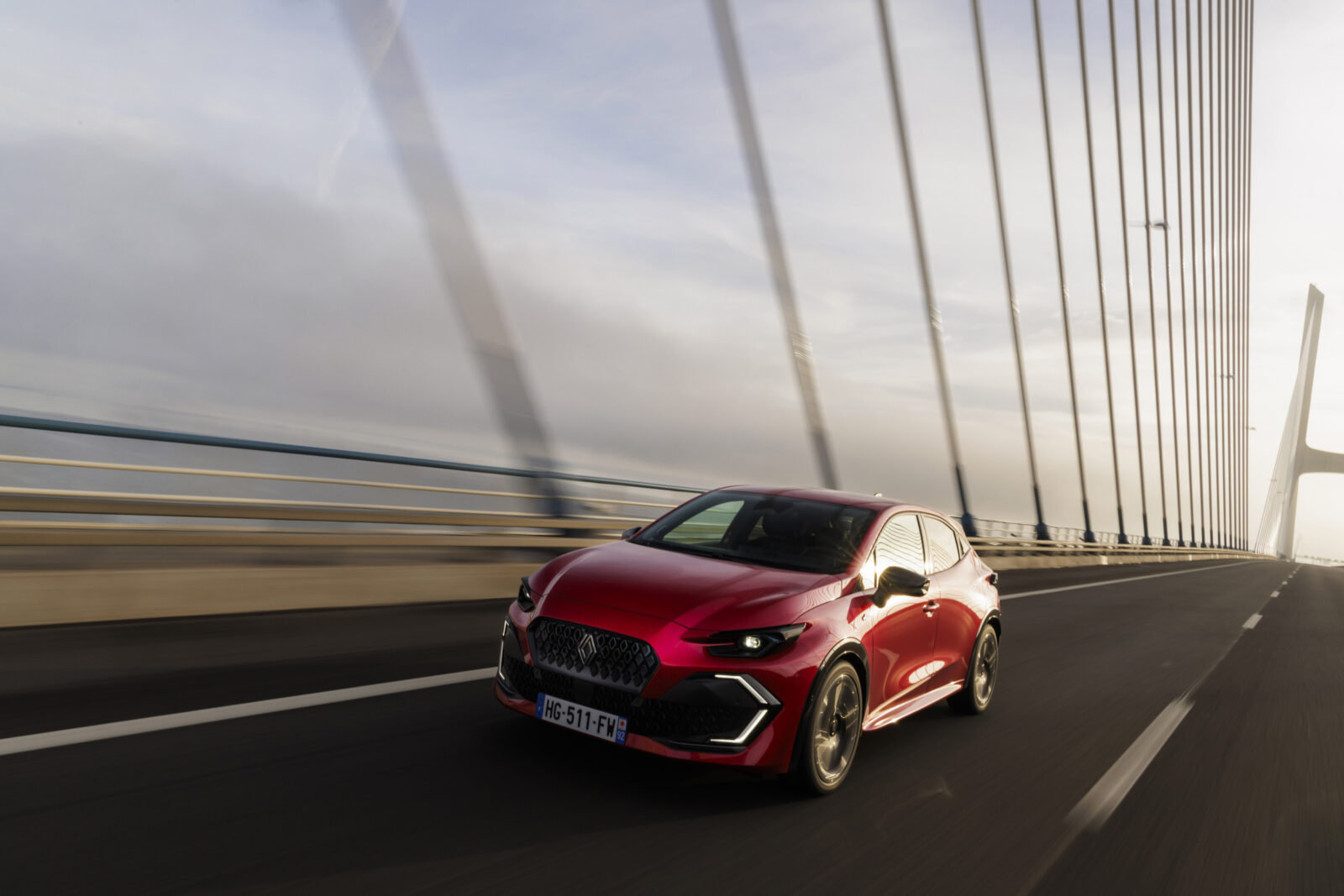
Gearbox problems with the Renault Clio are a regular occurrence and can manifest in various ways. Whining noises caused by bearing damage, slipping transmissions and faults in the automatic gearbox are issues many owners recognise, often already at relatively low mileage. These problems stem from factory issues such as incorrect bearings, software errors or wear of clutch components. Want to know which symptoms you should look out for and what you can do about them? Read on.
Typical problems by Clio generation
The nature of the gearbox complaints differs per generation. The Clio III mainly suffers from faults in the automatic gearbox, caused by incorrect programming of the control unit or a deformed torque converter. This can cause the gearbox to shift spontaneously or even to lock up completely. When buying a used car from this generation, it is wise to check the service book carefully for previous repairs.
With the Renault Clio IV and IV Estate, other problems occur. A broken pressure plate in combination with gearbox defects is a frequently reported complaint. Bearings can break out of the casing, leading to cracks and metal shavings in the oil. This problem particularly affects the JB1510 type and can result in costly repairs.
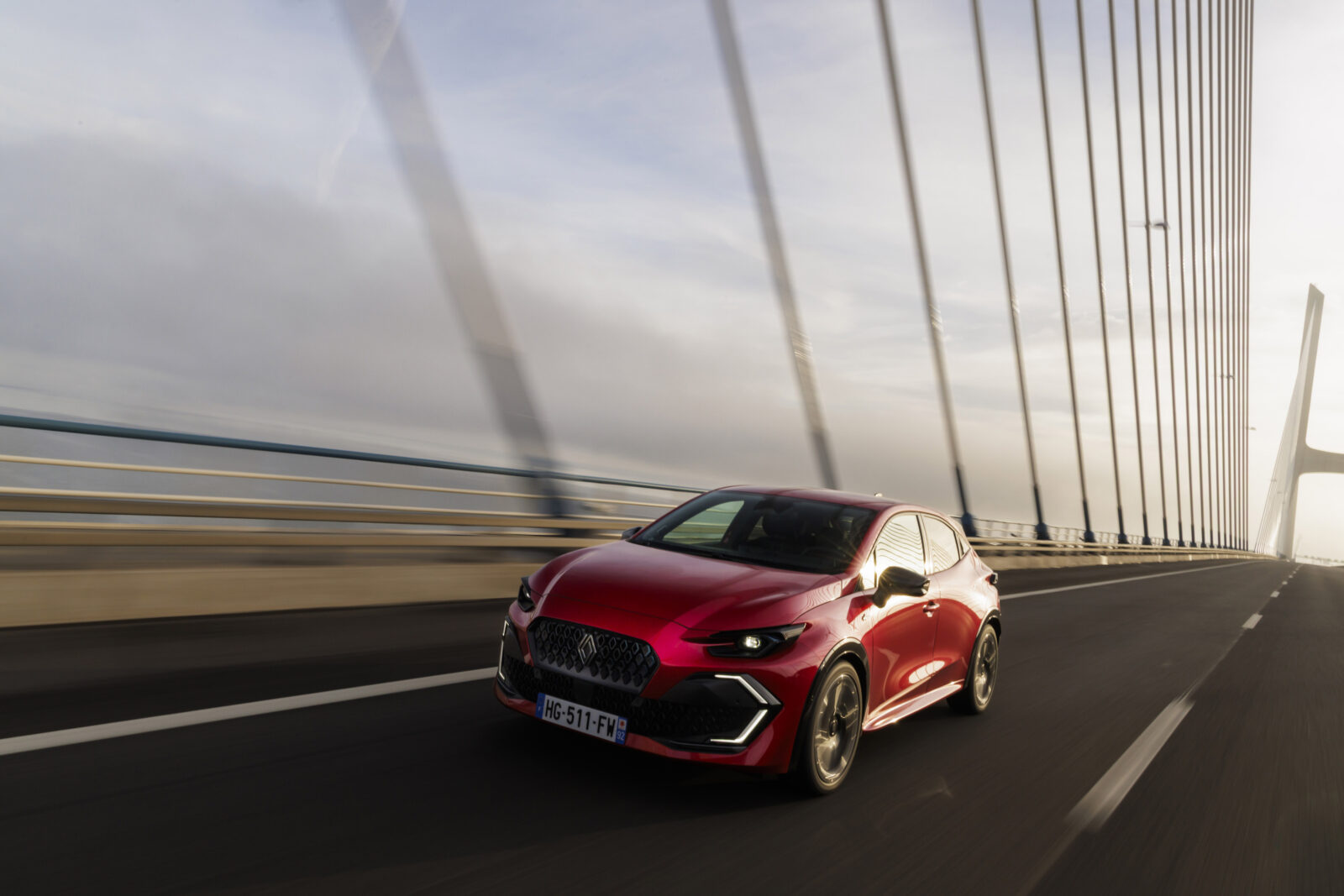
The latest generation, the Clio V from 2019 onwards, struggles with slipping gearboxes, strange noises and faults after standing still. These issues are often resolved with a software update from the dealer. Even so, there are known cases where a car with just 20,000 kilometres on the clock had to be towed away due to complete failure of the transmission.
‘ This gives a clear indication of internal damage. ’
Whining noise from the gearbox
A whining noise is often the first sign of bearing damage. This sound occurs because bearings no longer rotate properly due to wear or incorrect manufacture. In the Clio this occurs across different models due to factory issues. The noise is usually audible while driving and may become louder under acceleration or at certain speeds.
In addition to bearings, worn gears or synchromesh rings can also cause grinding or scraping noises. This is mainly noticeable while shifting gears. If you hear these noises during a test drive, it is advisable to listen to the gearbox with a stethoscope for a better diagnosis.
Recognising symptoms of bearing damage
Bearing damage manifests itself through several symptoms. The whining noise is the most obvious, but vibrations in the gear lever or increased resistance when shifting can also point to this problem. In severe cases, metal shavings may be visible in the oil during an oil check.
Owners report that the noise often starts as a light humming and gradually becomes louder. If you are unsure about the cause, it is sensible to check the oil for metal particles. This gives a clear indication of internal damage.
Slipping transmission and shifting problems
A slipping transmission can be recognised by the engine revs flaring up without the vehicle speed increasing in proportion. In automatics this may indicate a problem with the torque converter or low oil pressure. Software errors can also cause the gearbox not to shift correctly or to remain stuck in a limp mode.
The automatic gearbox in the Clio III is particularly sensitive to this. Due to incorrect programming, the gearbox can suddenly downshift or get stuck in a particular gear. This problem is often solved by updating the software, but in some cases the control unit has to be replaced.
In manual models, slipping often arises from wear of the clutch or synchromesh rings. This shows itself as difficult gear changes, especially when engaging first gear or reverse. If reverse does not engage properly, this may indicate a combination of clutch defect and internal transmission damage.
Automatic gearbox does not shift correctly
Faults where the automatic gearbox does not shift are frustrating and can be dangerous in traffic. The Clio V is known for this, with complaints about gearboxes that refuse to shift after the car has been stationary. In many cases a software update solves the problem, but not always.
The causes can vary from sensor faults to problems with the pressure plate or the control unit. A warning message on the dashboard with the text ‘check transmissie’ (check transmission) is a clear sign that the electronics have detected a problem. Modern diagnostic equipment can read the fault code and often pinpoint the exact cause.
In the Clio III and IV, it sometimes happens that the gearbox goes into limp mode. This is an emergency mode in which only a limited number of gears are available. The car remains drivable, but performance is minimal. This mechanism prevents further damage to the transmission.
‘ It often turns out that several components have to be replaced at the same time. ’
Problems with reverse gear
If reverse does not engage, the cause is often the clutch or the synchromesh ring for that specific gear. In the Clio IV this is a known problem, often combined with a broken pressure plate. The gear seems not to engage or makes a loud grinding noise when you try to select it.
This problem can also be related to a low oil level in the gearbox or contaminated lubricant. Metal shavings caused by wear increase friction and prevent smooth shifting. Timely checking and changing of the gearbox oil can prevent this.
When is repair necessary
With symptoms such as reverse not engaging, a thorough inspection is essential. It often turns out that several components have to be replaced at the same time. A specialist can use a stethoscope and an oil check to determine how serious the damage is. In some cases replacing the synchromesh rings is sufficient, but in the case of extensive bearing damage, overhauling or replacing the entire gearbox is necessary.
Preventive maintenance and tips
Preventive maintenance can prevent many problems. Flushing the gearbox oil every 60,000 to 90,000 kilometres is recommended, especially with intensive use or when towing trailers. This removes metal shavings and keeps lubrication optimal.
When buying a used car, it is important during the test drive to listen carefully for unusual noises. Check the mileage and the service book for completed software updates. Problems can already appear at 20,000 kilometres, so low mileage is no guarantee.
- Flush the gearbox oil regularly to remove metal shavings
- Replace O-rings during routine servicing to prevent leaks
- Listen for whining or grinding noises during test drives
- Check whether there are recalls for your model and year of manufacture
- Ask the dealer for goodwill if the mileage is low
Diagnosis and repair options
If you experience issues, it is sensible first to have the oil pressure and sensors checked. This is often cheaper than directly replacing the gearbox. Specialists can in many cases carry out a rebuild within 24 hours, replacing damaged bearings and gears.
Owners report that flushing the gearbox can already improve jerky shifting. With electronic problems, a software update from the dealer sometimes solves the issue without any physical repair. For RS models with the TCE engine, the oil should be flushed earlier in the case of intensive use.
In the case of serious damage, such as broken bearings or cracked casings, replacement is often the only option. This is expensive, but sometimes the dealer will grant a goodwill request, especially if the problems arise at low mileage and are known as a factory issue.
‘ Discover more articles and expand your knowledge of automotive technology and maintenance. ’
More information about Renault Clio problems
Gearbox problems are just one of the challenges Clio owners may face. On the Carnews website you will find extensive information about all kinds of technical issues, maintenance advice and practical tips for various car models. Discover more articles and expand your knowledge of automotive technology and maintenance.
Frequently asked questions
Typical symptoms are grinding or scraping noises from the gearbox, especially when changing gear, and a gear lever that feels stiff or is difficult to move into gear. Jerky shifting, slipping gears or the gearbox jumping out of gear by itself also indicate problems. In automatics, illogical or harsh shifts, limp mode (only limited gears available) and warning messages such as “check transmissie” (check transmission) on the dashboard are common. In addition, metal shavings in the gearbox oil and leaks around the gearbox are strong clues of internal damage.
The most common causes of gearbox wear in the Renault Clio are defective or poorly lubricated bearings, contaminated or old gearbox oil (with metal shavings), software errors in automatics and wear or defects in the clutch/pressure plate. These problems develop more quickly when maintenance is postponed, oil leaks are ignored and the car is used intensively without timely oil changes. You mainly prevent them by having the gearbox oil changed or flushed preventively every 60,000–90,000 km, fixing leaks immediately and ensuring that all software updates for automatics are carried out on time. When buying a Clio, pay attention to the maintenance history, unusual noises and jerky shifting so you avoid a gearbox that is already worn.
Common repair options are: software update or reset of the transmission control unit (a few hundred euros), replacing or flushing the gearbox oil and filters (approx. €200–€500) and replacing or overhauling wear parts such as bearings, synchromesh rings or clutch/pressure plate (usually €700–€1,500). In the case of serious damage, a full overhaul or an exchange gearbox is often chosen, which generally costs between around €1,200 and €2,500, depending on the type (manual/automatic) and Clio generation.
Yes, you can carry out a few simple checks yourself, such as having the gearbox oil level (if accessible) checked, looking for oil patches or leaks under the car and listening for unusual noises while shifting. During a test drive, pay attention to scraping or grinding noises, difficult or stiff gear changes and a slipping gearbox. Also check the maintenance history: has the gearbox oil ever been flushed/changed and have software updates been carried out on automatics? Write down all your findings and describe the symptoms to the garage as precisely as possible (when they occur, in which gear, with the engine cold/warm).
Yes, certain generations and engine variants of the Renault Clio are more prone to gearbox problems than others. In particular, the Clio III with automatic transmission, the Clio IV (including those with the JB1510 manual gearbox) and various Clio V versions stand out due to bearing and software issues, slipping gearboxes and clutch/pressure plate defects. The Clio 4 RS and some hybrid variants are also known for jerky shifting and leaks from O-rings. Later models benefit more from software updates, but the generations mentioned remain relatively higher risk.