
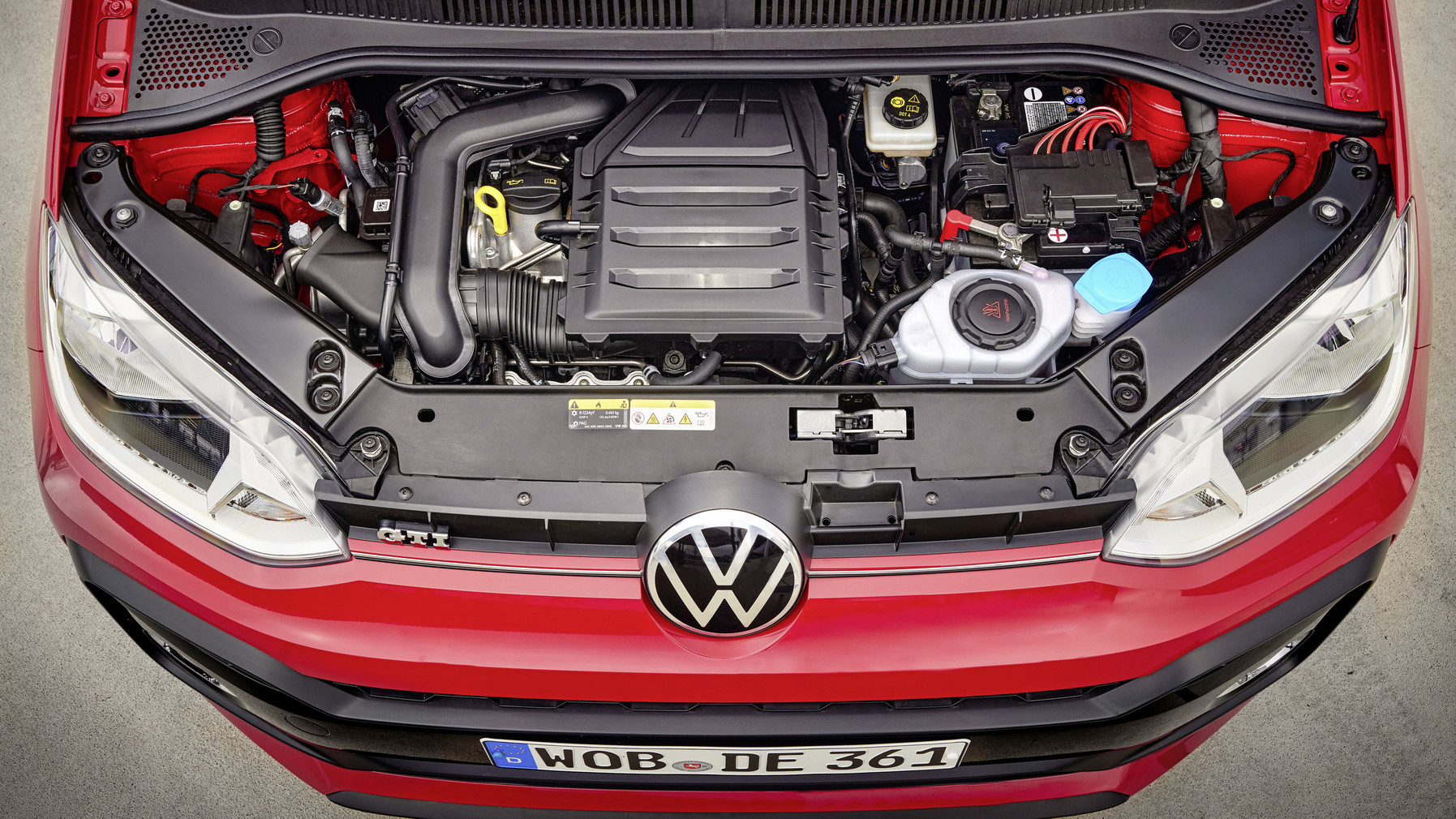
The manual Volkswagen Up regularly suffers from persistent shifting problems, especially in first gear and reverse. Difficult gear changes are the result of missing synchronisation on these gears. In addition, premature clutch wear causes extra problems. Discover what causes these issues and how to deal with them.
Why is it so difficult to engage reverse
On the Volkswagen Up there is no synchronisation on first gear and reverse. This choice was made to cut production costs. Synchronisation ensures that the gears mesh smoothly. Without this system, the gears must match exactly, otherwise shifting will be jerky. This explains why many owners, especially with a cold engine, struggle to engage reverse.
The problem is made worse by wear on the clutch or clutch cylinder. If the clutch does not fully disengage, the gears keep spinning while you are changing gear. This causes a grinding noise and stubborn hesitation. These complaints are particularly common on models up to 2015.
In the morning the car hesitates when engaging reverse. After driving a short distance the problem often becomes less noticeable, but returns again when you stop. This points to clutch wear, which is accelerated by city driving with lots of stop-start movements.
What to do if you have shifting problems
First check that you bring the car to a complete standstill before engaging first gear or reverse. This is the first step. It may sound obvious, but with a car without synchronisation any movement makes it harder to change gear. Depress the clutch fully and wait a few seconds before shifting.
If this does not help, adjusting the gear cables may improve things. The side-to-side cable is attached to the gearbox and can be recalibrated:
- Push the cable towards the bulkhead
- Release tension on the cables by loosening the mounting points
- Secure the cable in the new position
- Test whether shifting is smoother
If the problem persists, changing the gearbox oil is the next option. Old or contaminated oil increases friction between the gears. This makes shifting heavier and accelerates wear. Replacing the oil can bring temporary relief, but does not solve underlying clutch problems.

Recognising and resolving clutch problems
A slipping clutch is a common cause of shifting problems. You will notice this as an increase in engine revs without a corresponding increase in speed. The clutch no longer engages fully, causing power loss. In urban traffic the clutch wears faster due to frequent gear changes and pulling away.
On a 2012 model, the main clutch cylinder turned out to be defective. This component controls the pressure with which the clutch is released. A faulty cylinder means the clutch does not open enough, making gear changes stiff. Replacing the cylinder together with the clutch, pressure plate and bearing solved the problem.
Leaks at the gasket between engine and gearbox tend to occur at around 55,000 kilometres. To diagnose this, the gearbox has to be removed. Labour costs are considerable, because the entire gearbox has to be taken out. Preventive maintenance, such as regular inspection of rubber seals, can help detect leaks at an early stage.
Is it necessary to overhaul the gearbox
Some owners report that after 55,000 to 65,000 kilometres a new gearbox is needed. This seems early for a modern car. The cause lies partly in the manufacturing choices, such as leaving out synchronisation. This saves on production, but puts more strain on the other components.
Overhaul is often a better option than complete replacement. During an overhaul, worn gears, bearings and seals are replaced. This is cheaper than a new gearbox and significantly extends its lifespan. Mechanics advise against dismantling it yourself, because diagnosis requires specialist knowledge.
Pay close attention to any noises while changing gear or driving. A grinding noise points to wear on the gears or bearings. Acting early prevents the problem from worsening to a complete failure. Ask a specialist about the possibilities for an overhaul instead of immediately opting for replacement.
‘ This is an expensive repair that, outside the warranty period, often has to be paid out of your own pocket. ’
DSG-specific faults in automatics
The Up is also available with an automatic DSG gearbox. These models suffer from different problems than the manual versions. Fault codes such as P17BF and P189C indicate issues in the clutch or the mechatronics (the electronic control unit that manages the gear changes).
These faults usually require diagnostics at a specialist garage with the right equipment. A software update sometimes resolves the problem. In case of hardware faults, the mechatronics unit has to be replaced. This is an expensive repair that, outside the warranty period, often has to be paid out of your own pocket.
Practical tips for everyday use
There are a few simple things you can do to extend the life of your gearbox. Always bring the car to a complete standstill before engaging first gear or reverse. This prevents unnecessary stress on the gears. In cold starts, take a moment to let the engine warm up before driving off.
Regularly check the level and quality of the gearbox oil. Dirty oil or too little oil increases friction and accelerates wear. Replace the oil according to the manufacturer’s service schedule. The handbook may sometimes state that this is not necessary, but changing the oil can prevent problems.
If problems persist, a test drive with a mechanic is valuable. Let them listen for noises while changing gear and driving. Pay particular attention to how smoothly it shifts between first gear, reverse and second gear. This provides insight into the condition of the clutch and gearbox.
Things to watch out for when buying a used Up
If you are buying a used Volkswagen Up, focus on the service history. Ask which parts have been replaced, such as the clutch or gearbox oil. During the test drive, thoroughly test the lower gears and reverse. Hesitation or grinding noises are warning signs.
Be extra careful with models up to 2015, as these more often show shifting problems. Ask the seller about any experience with stiff gear changes. An honest answer gives you an idea of possible future costs. When buying, factor in potential additional expenses. Costs for a clutch or gearbox overhaul may be needed in the foreseeable future.
On the Carnews website you will find extensive information on many more common car problems. You can also discover maintenance tips for different makes and models, including more about the Volkswagen Up and other cars that interest you.
Frequently asked questions
The most common gearbox problems with the Volkswagen Up! are stiff or notchy shifting (especially in 1st gear and reverse), shifting faults while driving, and noises or leaks around the gearbox. You can recognise this early on by gears that are reluctant to engage (especially with a cold engine), grinding or scraping noises when changing gear, or a clutch that bites high or slips. Also watch for fault messages or issues on DSG automatics (for example problems with the clutch or mechatronics). At the first signs, have it checked immediately so that wear or leaks do not lead to early gearbox overhaul or replacement.
Avoid forcing the gear lever: only engage first gear or reverse when the car is completely stationary and let the clutch come up smoothly. Have the gearbox oil changed in good time and check regularly for leaks or unusual noises. Drive as smoothly as possible and avoid unnecessary clutch slip, especially in city traffic. If you notice the first signs of shifting problems, immediately have the adjustment of the gear cables and clutch checked by a specialist to limit further wear.
On average, the costs for diagnosing a gearbox problem on a Volkswagen Up! are around €80–€150 (diagnostic scan, test drive, basic dismantling). For repairs you should roughly allow €500–€1,200 for smaller jobs (clutch, cylinders, adjustment, oil) and €1,200–€2,500+ for overhaul or replacement of the entire gearbox, depending on the type (manual/DSG) and the damage. Options include: adjustment/oil change only, replacing the clutch and actuation components (cylinders, pump), having the gearbox overhauled or fitting an exchange/replacement gearbox. Often an overhauled or exchange gearbox from a specialist is cheaper than a complete replacement at the main dealer.
Yes, your driving style definitely affects the reliability of the gearbox in an Up!. Frequent and hard acceleration, lots of clutch slip and constant gear changes in city traffic speed up wear on the clutch and gearbox, which can worsen existing weak points (such as the unsynchronised first gear and reverse). Driving with a tow bar and a (heavy) trailer puts extra strain on the clutch and gearbox, especially when pulling away on inclines or in stop-start traffic. Shifting gently, avoiding unnecessarily high revs and not overloading or towing too heavy where possible helps extend the gearbox’s lifespan.
Yes, in particular the earlier model years of the Volkswagen Up! (roughly up to and including 2015) are relatively often known for shifting problems, especially with manual gearboxes. Owners mainly report a stiff-shifting first gear and reverse, sometimes already at relatively low mileages. This is partly because first gear and reverse are not synchronised and wear or incorrect adjustment of the clutch/gear cables more quickly leads to problems. Later model years seem on average less prone to this, although good maintenance and a careful test drive remain important.