

The automatic transmission of the Volvo V70 II and III regularly suffers from wear and contamination of the valves, which leads to hesitation and jolts while changing gear. This problem mainly occurs at higher mileages and with overdue maintenance. Regular transmission flushes and oil changes every 60,000 kilometres largely prevent these complaints. Do you recognise the first symptoms? Then taking quick action pays off.
Which automatic gearbox problems are typical for the Volvo V70?
The Volvo V70 with automatic transmission is known for a number of recurring issues. Especially models from the second and third generation show similar symptoms at higher mileages. The most reported problems are jerky shifting, delay when engaging D or R and thumping during gearchanges.
Slipping during acceleration is also common. The revs then rise without the car clearly delivering pulling power. Unnecessary downshifting or hunting between gears is another frequently heard sign. Some owners report vibrations. These occur while pulling away. Vibrations also occur at a constant speed. In more serious cases, warning messages appear on the dashboard or the car goes into limp mode.
These complaints often develop gradually. With heavy use, lots of city traffic or long periods without maintenance, they suddenly become more noticeable. The underlying causes are often found in the oil, the valve body or the electronics.
How do I recognise transmission wear in my V70?
You usually notice wear in the automatic transmission from changes in gearshift behaviour. A healthy automatic shifts smoothly and unobtrusively. As soon as you feel harsh transitions, delays or thumps, there may be internal wear. Pay particular attention to what happens on a cold start and after long journeys.
With a cold gearbox, many complaints are more obvious. The oil is still thick then, and hydraulic pressure builds up more slowly. Jolts at the first gearchange or delay when engaging D or R are typical signals. Vibrations at low speed or during acceleration often also point to problems.
Other symptoms are:
- Slipping when pulling away, as if the clutch is not engaging properly
- High revs without noticeable acceleration
- Illogical shift patterns, especially under light throttle
- Metallic noises or droning from the transmission
- Recurring complaints, even after an oil change
If in doubt, always have the fault codes read. A diagnostic tool that reads transmission-specific data often provides clarity about the cause. It shows whether the problem is electronic, hydraulic or mechanical in nature.
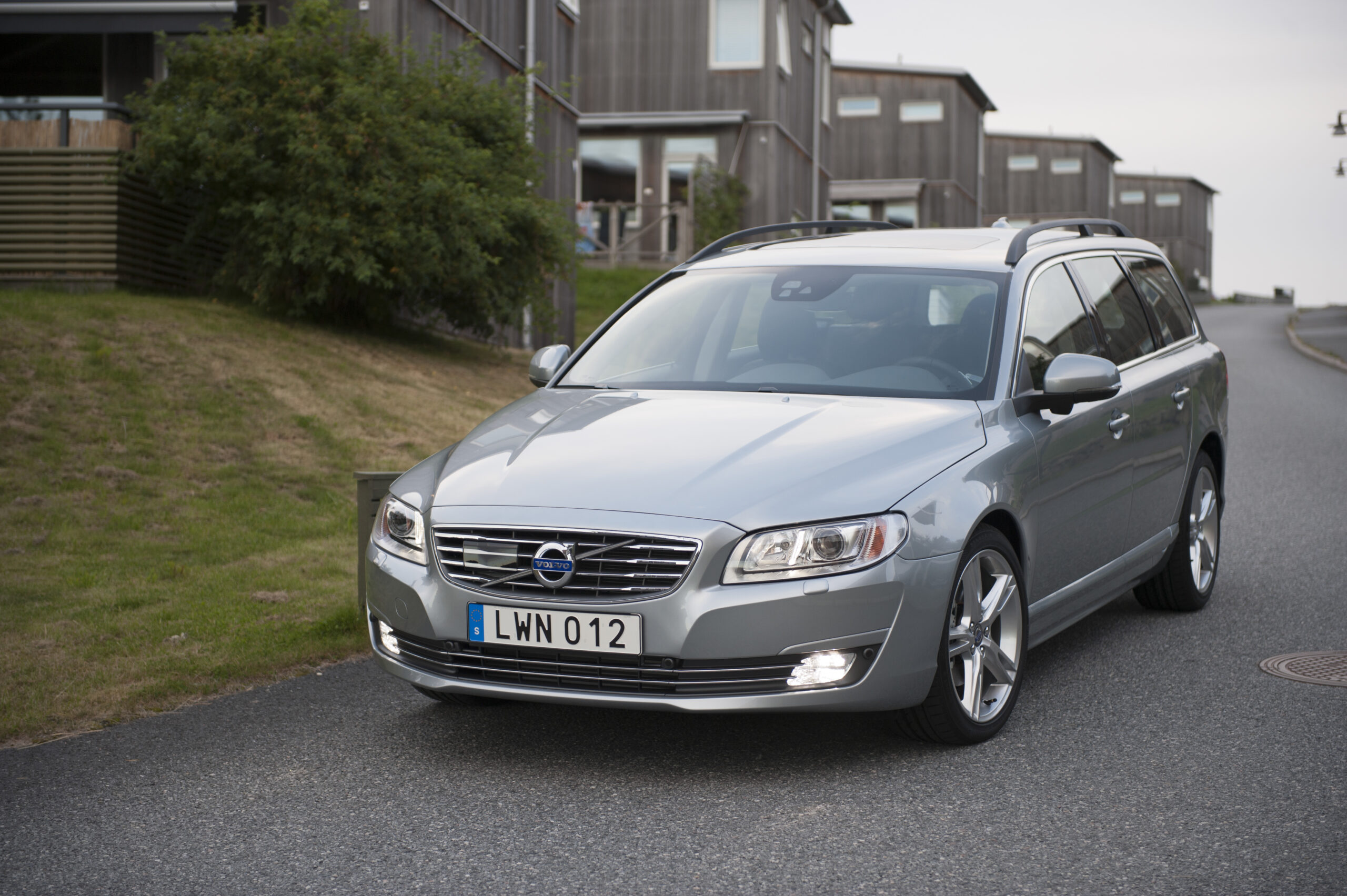
Possible causes of automatic transmission problems
Old or contaminated transmission oil
Worn ATF oil is a very common cause of shifting problems. This oil lubricates, cools and ensures the correct hydraulic operation of the gearbox. If the oil is too old, the automatic may respond more slowly, shift harder or even slip. Extra heat can also be generated, which accelerates further wear.
In automatic gearboxes that have not been flushed for a long time, fresh oil can make a noticeable difference straight away. However, this only works if the mechanical wear is still limited. With severe contamination, complaints often keep coming back.
Wear in the valve body
The valve body controls the oil pressure and therefore the timing and firmness of the gearshifts. Contamination or wear in this component often leads to jolts, illogical shift patterns and delayed response to throttle input. Harsh or, on the contrary, very soft engagement can also result from this.
This problem mainly occurs at higher mileages or when the oil has not been changed for too long. The valve body can then seize up or fail to build enough pressure.
Defective sensors or electronics
Modern automatic transmissions use sensors that pass data to the transmission control unit (the electronic control of the automatic gearbox). Sensors that measure incorrect values can cause the gearbox to hesitate about the right time to shift. This leads to complaints such as late shifting, unsettled driving behaviour or downshifting without a clear reason.
Software problems or a fault in the transmission control unit can also be responsible. A reset or update helps in some cases.
Wear of clutches or internal parts
At higher mileages, internal components such as clutches, bearings, gears and seals can become worn. You notice this from slip, thumps or metal particles in the oil. Recurring complaints, even after maintenance, also point in this direction.
Once the wear has progressed too far, changing or flushing the oil no longer offers a lasting solution. At that point, an overhaul or replacement is required.
Leaks
Oil loss causes the hydraulic pressure to drop. That leads to problems such as slower shifting, harsh transitions and unreliable operation on a cold start. With continuous loss, the gearbox may eventually start to slip or fail completely.
Always check for oil around the gearbox, hoses, seals and connections. A small leak can have major consequences in the long run.
How often should I change the automatic transmission oil?
The general recommendation for the Volvo V70 automatic: replace the transmission oil every 60,000 kilometres. This prevents contamination, wear and many common complaints. Manufacturers sometimes refer to maintenance-free oil, but in practice regular oil changes definitely make a difference.
With heavy use it is wise to change the oil more frequently. Think of city traffic, towing a trailer or regularly carrying heavy loads. Have you bought the car second-hand? Is the service history unclear? In those cases too, changing the oil is worthwhile.
An oil flush (a flush, in which the automatic transmission oil is actively flushed through) replaces more oil than a simple drain and refill. During a flush, the old oil is flushed out with new oil, which also removes contamination from the system. This works best as prevention or with mild complaints.
‘ Preventive maintenance is therefore always cheaper than repairing afterwards. ’
How much does it cost to repair a defective automatic transmission?
The cost of repairing an automatic transmission varies widely. An oil flush or change often costs between 200 and 400 euros. This is the most affordable option and helps with mild to moderate complaints.
When there is internal wear, the costs are higher. An overhaul of the automatic transmission can range from 1,500 to 3,000 euros, depending on the severity of the damage and the workshop. In case of serious damage or a completely defective gearbox, replacement may be necessary. A new or reconditioned automatic transmission quickly costs between 2,500 and 4,500 euros including installation.
Bear in mind that small problems that are ignored for too long often grow into bigger and more expensive issues. Preventive maintenance is therefore always cheaper than repairing afterwards.
Can I diagnose automatic transmission problems myself?
Yes, there are several checks you can do yourself. Start with a test drive in which you pay attention to shift points, vibrations and irregularities. Do this with both a cold and a warm gearbox, because some complaints only show up with cold oil.
Check underneath the car for oil leaks. Fresh transmission oil is usually clear red. Dark or brown oil indicates contamination. A burning smell can also indicate overheating or internal problems.
For a thorough diagnosis you need a diagnostic tool that reads transmission-specific fault codes. Many generic OBD scanners only show engine faults. A transmission specialist (a mechanic who specialises in automatic gearboxes) or a Volvo workshop has the right equipment.
Pay attention to these points during your check:
- Jolts or thumps during gearchanges
- Delay when engaging D or R
- Slipping during acceleration
- Irregular shift patterns
- Warning messages on the dashboard
- Noises or vibrations from the transmission
If you are unsure how serious the complaints are, always ask a specialist to take a look. An early diagnosis (identifying the cause at an early stage) prevents greater damage and higher costs.
Practical tips for owners
Make sure you do not leave the ATF oil in indefinitely. Preventive maintenance helps to avoid many complaints. Allow the automatic transmission to warm up gently before subjecting it to heavy loads, such as pulling away with a lot of weight or a trailer.
Avoid towing heavy trailers for long periods if the gearbox is already showing complaints. This accelerates wear. Do not just have fault codes cleared; have them analysed as well. Often the fault returns if the underlying cause has not been resolved.
Test the car both cold and warm. Does the gearbox shift strangely after a service? Then check whether the correct type of oil was used. The wrong oil can cause or worsen complaints.
For second-hand buyers, the service history is at least as important as the mileage. A well-maintained example can last a long time and remain comfortable to drive. A neglected gearbox, on the other hand, can quickly lead to expensive problems.
‘ In that case an internal overhaul or replacement is often the only long-term solution. ’
When is it time to seek professional help?
The likelihood of a major repair is higher when the automatic transmission continues to slip after an oil change. If the gearbox also shifts with harsh jolts when warm, it is time to seek professional help. Metal particles in the oil indicate internal wear.
Does the car regularly go into limp mode or do the complaints get worse quickly? Then an internal overhaul or replacement is often the only long-term solution. If there is still a clear delay in D or R, even after maintenance, further investigation is also necessary.
On the Carnews website you will find much more information about problems with various car brands and models. From typical teething troubles to maintenance advice and practical tips. Discover more and stay up to date with everything you need to know as a car enthusiast.
Frequently asked questions
Symptoms of gearbox problems with a Volvo V70 automatic include jerky or irregular shifting and delay when engaging D or R. Thumps or loud bangs during gearchanges and slipping during acceleration (high revs, little pulling power) also point to problems. In addition, unnecessary downshifting, hunting between gears and vibrations while pulling away or at constant speed can occur. Dashboard messages about the transmission and the car going into limp mode are strong indications of serious gearbox problems.
The most common causes of automatic gearbox problems with the Volvo V70 are aged or contaminated automatic transmission fluid, wear or contamination in the valve body, electronic/sensor issues and internal wear of clutches and other components. Prevention mainly comes down to having the ATF changed/flushed in good time with the correct type of oil, checking regularly for leaks and having fault codes read when irregularities occur. Always warm the automatic transmission gently and avoid heavy loads (such as high towing weights with a trailer) if the gearbox is already showing complaints. When buying, check the service history and test the gearbox both cold and warm for jolts, slip and delay when engaging D and R.
For a defective Volvo V70 automatic there are roughly three repair options: an ATF oil change or flush, partial repair (for example of the valve body, sensors or leaks) or complete overhaul/replacement of the gearbox. An oil change or flush usually costs around €250–€500, depending on the method and the amount of oil. Partial repairs to the valve body or electronics are roughly between €400 and €1,200, depending on the damage. A full overhaul or an exchange gearbox generally costs between about €1,800 and €3,500 including removal and refitting.
Take immediate action if the gearbox bangs hard, clearly slips (engine revs rise but the car does not pick up), has delay when engaging D or R, or if warning messages/limp mode appear on the dashboard. Rapidly worsening complaints or combinations of jolts, vibrations and slipping also require immediate diagnosis. If it is limited to light, slightly jerky shifting without warning messages, limp mode or slip, you can usually drive briefly and schedule an oil service/check in the near future. However, waiting should never mean ignoring complaints for weeks, because further wear can then become much more expensive.
Whether it is financially sensible to have an older Volvo V70 with gearbox problems repaired mainly depends on the severity of the damage and the residual value of the car. With mild complaints, an oil flush or valve body repair can be relatively affordable and significantly extend the service life. However, if there is internal damage or extensive wear (a lot of slipping, harsh bangs, metal particles in the oil), an overhaul quickly runs into thousands of euros and replacing the car is often the more economical choice. Always first compare a realistic repair quote with the current market value and the expected remaining lifetime of the V70.