

Many drivers recognise it: the reverse gear will not engage or makes an unpleasant grinding noise. This poor engagement of reverse happens regularly and is often not an immediate cause for panic. With the right knowledge and practical tips, you can solve or prevent a lot yourself. Read on and discover why this happens and what you can do about it.
Why reverse is difficult to engage
Engaging reverse gear is technically different from shifting into other gears. In most manual cars, reverse is not synchronised, a system that matches the rotational speeds of the gears. As a result, friction occurs if you try to engage reverse directly from a standstill. This explains the harsh or blocking sensation you sometimes experience.
A second important cause lies with the clutch. If the clutch does not fully disengage, there is still movement in the gearbox while the engine is running. This makes engaging reverse difficult or even impossible. Owners particularly report this problem on cold mornings, because the fluids in the transmission are then thicker and flow less smoothly.
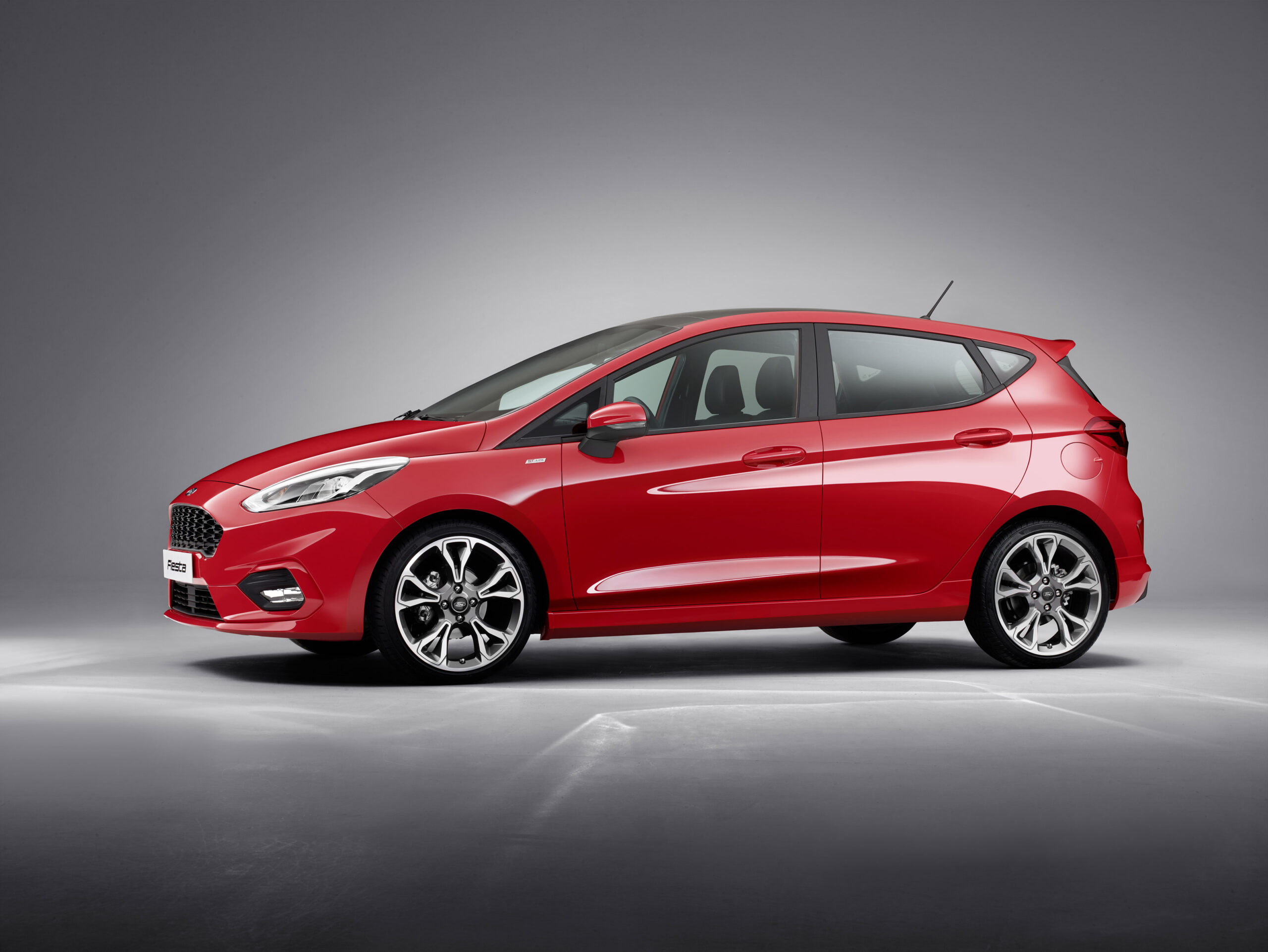
With the Ford Fiesta this is a known phenomenon. Drivers of models from 2008 onwards in particular report this regularly. The problem may manifest itself as rattling, a blocking sensation or even the complete inability to engage reverse.
Common causes of gearshift problems
Besides the technical design of the reverse gear, there are several practical causes that lead to gearshift problems. Recognising these causes helps you to act in a targeted way.
- Too little or contaminated transmission fluid: The fluid lubricates the gears and ensures smooth movement. If there is a shortage or contamination, friction occurs which makes shifting more difficult. Rattling when accelerating in reverse is often a sign of this problem.
- Worn clutch: A clutch that does not fully disengage allows the gearbox to keep turning, causing reverse to crunch or block when you try to select it. This problem gets worse as the clutch wears further.
- Faulty shift mechanism: Cables, linkages or the gear lever itself can stretch or come loose. As a result, the gear does not slot into position correctly. In some models, a loose copper cup in the gear lever can cause this.
- Cold temperatures: In cold weather, transmission fluid becomes thicker and more viscous, which makes shifting heavier. After the car warms up, this problem often disappears by itself.
Recognisable symptoms of gearshift problems
The way gearshift problems present themselves differs from situation to situation. Recognising specific symptoms helps you to find the cause more quickly.
A frequently reported symptom is that reverse seems to engage, but produces a rattling noise when you press the accelerator. Pushing harder on the gear lever sometimes helps temporarily, but does not solve the problem structurally. Other drivers mainly report difficulty in the morning with a cold engine, while reverse engages without any problems later in the day. This usually points to a problem with the clutch or the transmission fluid.
A blocking gear lever that will no longer go into reverse at all may indicate a mechanical defect in the shift cables or the mechanism itself. In some models, connecting pieces come loose, preventing the gear from engaging fully. Notchy shifting in first and second gear, which gets worse when selecting reverse, is also common and is related to wear or maintenance issues.
Practical tips for smooth shifting
With simple checks and tricks, you can often prevent or reduce gearshift problems. These tips help you get the best out of your car.
Regularly check the level of the transmission fluid. Park your car on a flat surface, switch off the engine and check the level according to the manual. Top up with the correct specification of fluid and change it every 60,000 kilometres to prevent wear. Contaminated or old fluid loses its lubricating properties and causes friction in the gearbox.
A shifting trick that often helps is double declutching. First put the gear in first or neutral, release the clutch briefly and then only shift into reverse. This gives the gears time to come to a standstill and prevents grinding noises. This method is especially useful in cars without a synchronised reverse gear.
Test whether your clutch is working properly by pulling up the handbrake, switching off the engine and engaging reverse. Does the gear lever slide in smoothly? Then start the engine. If the car now moves or the lever feels different, the clutch is not fully disengaging. This requires inspection and possibly maintenance.
‘ Early checks prevent these high costs. ’
When to go to the garage and what it costs
Some gearshift problems can be solved yourself with simple checks and maintenance. Other situations require professional help. Persistent rattling, gears jumping out while driving or a gear lever that is completely blocked are signs that you need to visit a garage.
Internal damage to the gearbox can occur if you drive too long with problems. Gears wear faster when there is a lack of lubrication or when they keep snagging. A complete overhaul or replacement of the gearbox is expensive and quickly runs into the thousands of euros. Early checks prevent these high costs.
For minor problems such as loose shift cables or an adjustment of the mechanism, the costs are limited. This type of work often falls within a normal maintenance budget. Ask a mechanic about any technical service bulletins for your model, as manufacturers sometimes issue specific solutions for known gearshift problems.

Prevention and long-term maintenance
Regular maintenance is the best way to prevent gearshift problems. Especially with intensive city use, where you shift often and put a heavy load on the clutch, parts wear out more quickly.
Use high-quality transmission fluid that meets the manufacturer’s specifications. Cheap alternatives may lubricate less effectively and become contaminated more quickly. Change the fluid at the recommended intervals, even if the manufacturer sometimes claims it lasts for the lifetime of the car. In practice, changing it significantly extends the life of your gearbox.
Also pay attention to your driving style. Avoid harsh shifting and forcing the gear lever if a gear does not want to engage immediately. This worsens wear on gears and the shift mechanism. It is better to wait a moment, fully release the clutch and then try again. Patience when shifting puts less strain on the mechanical components.
Find out more about car problems and maintenance
Gearshift problems and a stubborn reverse gear are annoying, but with the right approach they are often easy to resolve. Through regular maintenance, conscious checks and handy shifting techniques, you can prevent many unnecessary repairs. On the Carnews website you will find much more information about common car problems, maintenance tips and practical advice for car enthusiasts. Explore all the articles and stay up to date on what your car needs.
Frequently asked questions
The most common causes are too little or contaminated transmission oil and a clutch that does not fully disengage. A worn or incorrectly adjusted shift cable/shift mechanism is also often responsible for notchy shifting and difficulty engaging reverse. In addition, the fact that the reverse gear is often not synchronised plays a role, which more easily leads to grinding or blocking.
You can investigate gearshift problems yourself if it is a matter of occasional notchy shifting, especially in cold weather, and you do not experience loud rattling or gears dropping out. In that case, check the transmission oil level yourself, adjust your shifting technique (for example, first into 1st gear and then into reverse) and see whether cables or the gear lever are clearly loose. Go straight to a garage if the gearbox rattles loudly, gears jump out spontaneously, you can hardly get it into gear any more, or if the problems get worse quickly. Also go to a mechanic immediately if a clutch test shows that the clutch is no longer disengaging properly.
Possible repair costs for gearshift problems roughly range from a few tens to hundreds of euros, depending on the cause (for example, simply changing the oil versus clutch or gearbox overhaul). Frequently responsible components are worn or incorrectly adjusted shift cables/linkages, a clutch that does not fully disengage, and too little or heavily contaminated transmission oil. Wear or play in the shift mechanism (such as the “copper cup” in the gear lever) and internal gearbox wear can also cause gearshift problems. Timely maintenance (changing oil, adjusting cables) generally keeps the costs relatively low.
Prevent a poor reverse gear and gearshift problems by checking the transmission oil in good time and changing it according to the schedule (approximately every 60,000 km) using the specified oil. Have the clutch checked if the gearbox is particularly difficult to shift when cold or if rattling occurs, because a clutch that does not fully disengage can cause a lot of damage. Check the shift cables and shift mechanism and have them adjusted if necessary to prevent notchy shifting and a blocking gear lever. In daily use, adopt a calm shifting style (possibly first into 1st gear and then into reverse) and have the gearbox checked by a specialist in good time if complaints persist.
It is usually not safe to continue driving for a long time with gearshift problems, even if they seem minor. Persistent hesitation, rattling or blocking gears may indicate a shortage or contamination of transmission oil, clutch wear or internal gearbox damage. Driving in this condition accelerates wear to gears, bearings and synchronisers and can ultimately lead to expensive overhaul or replacement of the gearbox. Therefore, have the transmission checked as soon as possible and the problem resolved.