
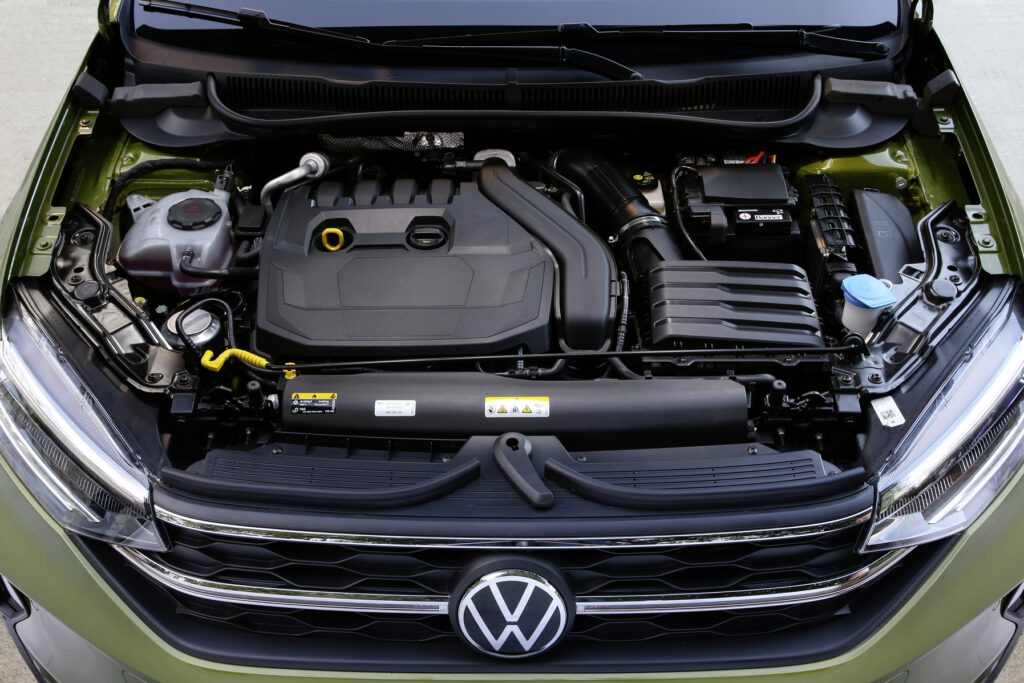
A well-prepared car in winter saves you hassle and high costs. The Volkswagen Taigo is reliable, but in low temperatures it needs extra attention for the battery, tyres, fluids and electronics. With the right winter check you can avoid breaking down in the cold. Read on and discover how to get your Volkswagen Taigo ready for the Dutch winter.
Why winter preparation is important for the Taigo
The Volkswagen Taigo shares a lot of technology with the T-Cross and Polo. That means a compact turbocharged petrol engine and modern electronics. These systems are efficient, but sensitive to cold, moisture and short trips. Weak batteries, misted windows, frozen rubber seals and sensitive sensors can cause winter problems. Checking your car in time significantly reduces the chance of faults.
Cold starts put a heavy strain on the battery. Misted windows reduce visibility. Road salt and dirt interfere with assistance systems. Good preparation ensures you can simply keep driving in winter.
Check the battery before winter starts
The battery is a weak link in winter. Modern cars like the Taigo have a lot of electronics on board. In cold temperatures a weak battery delivers less power. This can lead to slow starting, start-stop systems cutting out and warning messages on the dashboard.
Watch out for these signs:
- The engine cranks slowly or stutters when starting
- The start-stop system regularly cuts out
- Faults appear in the infotainment system
- Warnings return after a cold night
Have the battery tested before winter really starts. If it is weak, replace it in good time. Especially if you make lots of short trips or the car is already a few years old, a new battery can prevent problems.
Fit winter tyres in good time
Winter tyres provide better grip and a shorter braking distance at temperatures below seven degrees Celsius. The Taigo often runs on 17- or 18-inch wheels. For winter use, grip and comfort are more important than looks.
When choosing winter tyres, pay attention to:
- Sufficient tread depth
- Age of the tyres
- Correct tyre pressure for cold air
Cold air lowers tyre pressure. Check it regularly and adjust according to the manufacturer’s specifications. Taigo owners report that the car feels calmer and more secure on winter tyres than on hard summer tyres.
Use frost-resistant screenwash
Clear visibility is crucial in winter. Road salt, snow and mud quickly make the windscreen dirty. On compact SUVs like the Taigo, washer jets clog up more quickly due to dirt.
Before winter, check the following:
- Antifreeze level of the screenwash
- Operation of the washer jets
- Any frozen pipes or washer jets
Always use screenwash that is resistant to frost. Top it up in good time and test that it works. Frozen washer jets can cause faults and damage.
Test the heating functions and climate control
The Taigo is equipped with heated mirrors, heated rear window and climate control. These systems are important in winter for comfort and clear visibility. Faults are much more noticeable in cold weather.
Pay attention to the following:
- It takes too long to demist the windscreen
- Mirrors remain misted up or frozen
- Rear window heating does not work properly
- Heating responds slowly
Test these functions before the cold sets in. Use the air conditioning in winter as well. It helps to dehumidify the cabin and clears the windows faster. Less condensation also means a more comfortable interior.
Protect rubber seals, locks and door seals
Moisture and frost can cause rubber seals to freeze solid. That is annoying and can cause damage in the long run. Forcing open frozen doors can damage the rubber.
Prevent this by:
- Cleaning the rubber seals
- Using rubber care products or silicone spray
- Removing dirt from door and tailgate seals
- Being careful with frozen doors
Regular maintenance of the rubber seals extends their lifespan and prevents unpleasant situations on cold mornings.
Check coolant and engine oil
The modern 1.0 TSI or other petrol engine in the Taigo benefits from the correct fluids. In winter the correct specifications and levels are even more important.
Check:
- Coolant level
- Antifreeze protection
- Oil level
- Warning messages on the dashboard
If you make lots of short trips, the engine oil can become contaminated more quickly due to condensation and cold starts. Timely servicing prevents this from leading to problems.
Keep sensors and cameras clean
The Taigo may be equipped with parking sensors, cameras and driver assistance systems. Snow, ice, mud and road salt interfere with these systems. Even a thin layer of ice or film of dirt can cause warnings and malfunctions.
Before setting off, check:
- Parking sensors
- Cameras
- Radar or assistance systems
- Windscreen area around the sensors
Clean these parts regularly. This keeps the systems working properly and prevents unnecessary warning messages.

Wash the car regularly in winter
Road salt and moisture are greater enemies than cold alone. Wash the car regularly and pay extra attention to the wheel arches and sills. This helps to limit corrosion, sticking brakes, dirt build-up around sensors and freezing locks.
Dirt build-up can eventually cause damage to components and paint protection. A clean car in winter also helps all the technical systems to function properly.
Warm the engine up gently while driving
Modern turbo engines warm up more quickly when driving gently than when idling. Letting the engine idle for a long time is usually unnecessary and increases fuel consumption.
A better approach:
- Drive off gently after starting
- Avoid high revs in the first few minutes
- Do not place a heavy load on the drivetrain straight away
This approach prevents unnecessary wear and ensures the engine reaches operating temperature without extra strain.
Problems Taigo drivers notice more often in winter
Taigo owners regularly report a number of complaints in winter. These are not fundamental design faults, but typical winter issues with modern compact cars.
Common complaints:
- Electronic warnings at cold start
- Heating or climate system that responds slowly
- Misted windows on short trips
- Sensitive comfort features such as mirror heating
- Annoying squeaking or creaking rubber seals
- Low battery voltage affecting various functions
These experiences show that good preparation and regular maintenance make all the difference.
Maintenance tips for the Taigo before winter
Ideally have the following checked before the cold sets in:
- Battery and charging system
- Tyre pressure and tread depth
- Screenwash with antifreeze
- Brakes and brake fluid
- Lighting
- Windscreen wipers
- Door seals and locks
- Software updates and fault codes
If you mainly make short trips, extra attention is needed. In that case, consider taking a longer drive more often to remove condensation from the oil and exhaust system. A battery maintenance charger can help if the car is not used much. Replace the cabin filter in good time for better demisting.
Extra attention for the turbocharged petrol engine
The Taigo is often supplied with compact TSI petrol engines. They are economical, but do need some attention in winter. Small engines are more sensitive to low battery voltage and condensation during cold starts.
Bear in mind:
- Use of good-quality fuel
- Avoiding long periods of idling when cold
- Servicing carried out on time
- Warming up gently while driving
- Watching out for irregular starting or warning lights
Good maintenance prevents a lot of irritation and extends the life of the engine.
‘ A proper winter check with attention for battery, tyres, fluids, heating and sensors reduces the risk of problems. ’
Find out more about the Volkswagen Taigo
The Taigo copes well with winter conditions, provided you prepare the car in good time. A proper winter check focusing on battery, tyres, fluids, heating and sensors reduces the risk of problems. Regular washing to remove road salt and protecting the rubber seals keep the car comfortable and reliable.
On the Carnews website you will find much more information about the Volkswagen Taigo and other car-related issues. From maintenance advice to owners’ experiences. Find out more about your car and stay up to date with important tips for every season.
Frequently asked questions
Check and top up the coolant (with correct antifreeze protection), engine oil (correct level and the right specification for the 1.0 TSI) and winter-grade screenwash with antifreeze. Have the battery (cranking capacity and charging voltage) tested as a preventative measure and keep the terminals clean and free of corrosion, especially if you make lots of short trips. Make sure the engine bay is clean (no leaves or dirt at the air intake) and, if in doubt, have the charging system checked to keep the battery in good condition. In winter, warm the engine up gently while driving and avoid high revs straight after starting to limit wear.
Cold weather lowers the tyre pressure of your VW Taigo, making the tyres feel softer, the handling less direct and the braking distance potentially longer, so check and correct the pressure more often in winter according to the factory specifications. As the temperature drops, summer tyres become harder and lose grip, which can lead to earlier intervention of ABS and ESC and less predictable handling. For optimum grip and safety, high-quality winter tyres (below roughly 7 °C) are recommended or, if you often drive in changeable conditions, good all-season tyres with the snowflake symbol. Make sure they have sufficient tread depth and check pressure and wear regularly.
Yes, the sensors of driver assistance systems in particular (parking sensors, cameras, any radar) deserve extra attention: keep them free of snow, ice, mud and road salt to prevent error messages. The electronics around the battery and start-stop system are also sensitive to cold; a weak battery can cause faults in the infotainment and assistance systems. In addition, heated mirrors, rear window heating and climate control are important to check for proper operation before winter. Regular washing (including around bumpers and windows) helps to reduce contamination of sensors and connectors.
Recommended items include winter wiper blades or at least new, soft rubbers so that the windows stay properly clean in road salt and snow, plus winter-grade screenwash with sufficient antifreeze. Also check and top up the coolant (antifreeze protection) and make sure the engine oil is changed on time, especially if you make a lot of short trips. Use and check the heated mirrors, rear window heating and, if fitted, seat and steering wheel heating for extra driving comfort and quickly clear windows. Finally, good winter tyres with the correct tyre pressure improve the comfort, grip and stability of the Taigo in cold conditions.
Important, often forgotten points when getting a VW Taigo ready for winter include thoroughly cleaning and lubricating door seals and tailgate seals so that doors and the tailgate do not freeze shut. Also check the operation and spray pattern of the windscreen washers (front and rear) and only use winter-proof washer fluid to prevent the pipes from freezing. Clean parking sensors, cameras and the windscreen area for driver assistance systems regularly, as even a thin layer of road salt or ice can cause faults. Finally, it is worthwhile replacing the cabin filter before winter and using the air conditioning in winter as well, so that the windows demist more quickly and moisture problems in the cabin are kept to a minimum.