
A faulty heater resistor has a direct impact on your car’s heating capacity. This is a serious comfort issue. It also becomes a safety issue, especially during the winter months. The problem is often caused by a stiff or heavily running heater fan that overloads the resistor. If you recognise the symptoms early, you can avoid a cold car and misted-up windows that limit your visibility.
When does only the highest fan speed still work?
The most common symptom of a broken heater resistor is that the fan only works on the highest setting. Speeds 1, 2 and sometimes also 3 drop out, while speed 4 continues to work normally. This is because the heater resistor controls the lower speeds by routing current through resistors, whereas the highest speed goes straight to the motor without any resistors in between.
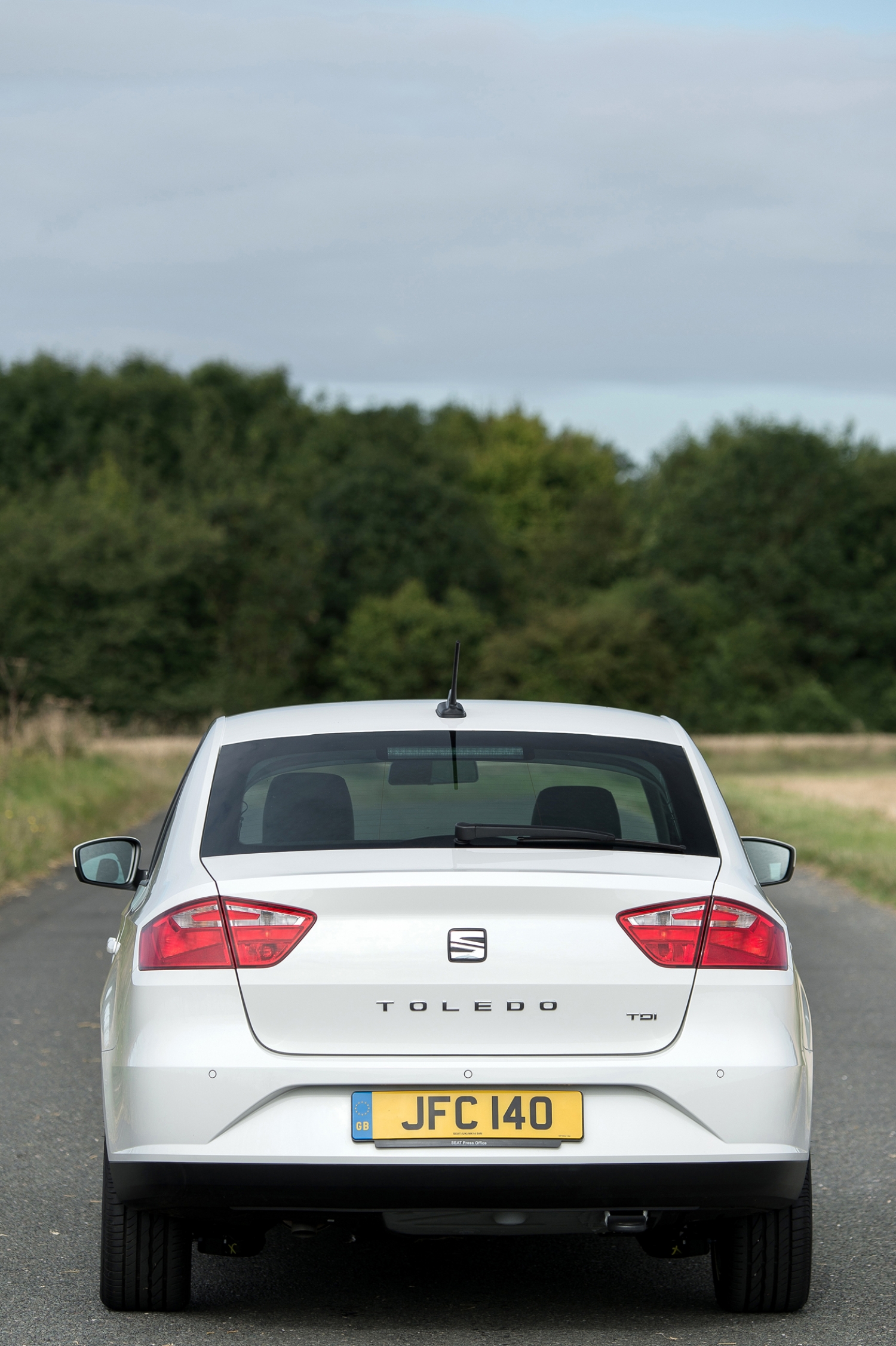
Other signs of a fault include squeaking noises from the dashboard, excessive fan noise or a motor that is running heavily. In severe cases the resistor may start to smoke or the thermal fuse blows due to overheating. For certain models such as the Seat Toledo this is a known issue that owners report regularly.
‘ Up to 75 percent of the current is lost as heat. ’
How exactly does a heater resistor work?
The heater resistor, also called the blower motor resistor, determines how much current goes to the fan motor. At speed 1 the current passes through several resistors in series. As a result, the system converts a lot of energy into heat and the motor runs slowly. Up to 75 percent of the current is lost as heat.
At higher speeds the system uses fewer resistors, allowing more current to reach the motor and making the fan run faster. At speed 4 the current flows straight to the motor without any resistors in between. The resistor is located in the ventilation duct and cools itself via the fan’s airflow. This cooling is essential because the component generates a lot of heat during use.
Why does the heater resistor fail?
The main cause of a faulty heater resistor is not the resistor itself, but a fan motor that is running heavily. Dirty or dry bearings create extra friction, causing the motor to draw more current. This overload eventually burns out the blower motor resistor.
The pattern is recognisable. First speeds 1 and 2 fail, later speed 3 follows. Some owners only replace the resistor. In many cases the problem then returns within a few months. Some owners replace the resistor three times before realising that the motor is the real problem.
Other causes include:
- Worn resistors that weaken after long-term use
- Overheating due to reduced airflow in the ventilation duct
- Corrosion on connectors and wiring
- Dirt and dust in the system that hinder cooling
Is this a safety issue?
A broken heater resistor is not an immediate danger to your car’s safety, but it can indirectly create risks. Without working heating your windows stay misted up for longer, which limits your visibility. In winter this can create dangerous situations, especially in rain or frost.
Your comfort is also severely affected. Driving in an ice-cold car is not only unpleasant, it can also reduce your concentration. For older passengers or children, prolonged cold during a journey can additionally cause health problems. It is therefore sensible to tackle this problem quickly.
‘ It may seem a lot, but it prevents you having to get the resistor replaced several times. ’
How much does it cost to replace a heater resistor?
The cost of replacing a heater resistor varies, but the part itself is relatively cheap. Allow roughly 30 to 80 euros for a new blower motor resistor, depending on the make and model of the car. Labour costs at a garage are on top of that and range between 50 and 150 euros.
The total cost at a garage averages 100 to 200 euros. If you also have the fan motor replaced, you will end up at 250 to 400 euros in total. This is strongly recommended. It may seem a lot, but it prevents you having to get the resistor replaced several times.
Doing it yourself is a cheaper alternative. In many models the heater resistor is fairly accessible and, with some patience, you can replace it yourself. Do check in advance that you have sufficient technical knowledge and the right tools available. Online you can often find detailed guides for specific models.

Prevent repeat failures by replacing both parts
The most common mistake is to replace only the heater resistor without tackling the fan motor. This almost always leads to the problem returning. Ideally, replace both parts at the same time. Otherwise, at the very least, clean and thoroughly lubricate the fan motor’s bearings.
When replacing, also check the wiring and connectors for damage or corrosion. Poor contact can cause extra resistance and heat build-up that puts additional strain on the new resistor. Clean connectors with contact spray and check that all cables are firmly attached.
Preventive maintenance also helps. Clean the ventilation ducts regularly to prevent dirt build-up. A blocked duct reduces airflow, so the resistor is cooled less effectively. Check each year that the fan motor runs smoothly and does not make any strange noises.
How do you test whether the heater resistor is faulty?
You can check yourself whether the heater resistor is broken by using a multimeter. Measure the resistance values between the different terminals. A failed resistor will show no resistance or infinitely high resistance at one or more settings. Compare the readings with the specifications for your car model.
Also test the fan motor separately. Connect it directly to the battery to see whether it is running heavily or making strange noises. A healthy motor runs smoothly and relatively quietly. If the motor squeaks or rattles, this indicates worn bearings that are causing the problem.
Also check:
- Whether all fuses are intact
- Whether the switch on the dashboard works properly at all settings
- Whether there is voltage at the resistor’s terminals
- Whether the wiring is damaged or corroded
‘ Nothing is more frustrating than having to take everything apart again because one speed doesn’t work. ’
Practical tips for replacement
When replacing the heater resistor, its location is often the biggest obstacle. In some models the part is behind the glove box, in others under the dashboard on the passenger side. Sometimes you even have to remove parts of the centre console to gain access.
Always work with the engine switched off and the battery disconnected to prevent short circuits. Take photos of the wiring beforehand. That way you know which cable connects where. Many resistors have several terminals and mixing them up will lead to incorrect operation.
When fitting, make sure it is correctly positioned in the airflow. The resistor must sit freely in the ventilation duct without obstructions. After installation, thoroughly check all fan speeds before closing up the dashboard again. Nothing is more frustrating than having to take everything apart again because one speed doesn’t work.
On the Carnews website you will find much more information about common car problems, maintenance and repair tips. Discover more articles that help you keep your car in top condition and avoid expensive garage visits.
Frequently asked questions
You can usually recognise a faulty heater resistor by the fact that the interior fan only works on setting 4 and settings 1 to 3 do nothing. If you also hear a squeaking or heavily running fan, the motor itself is often worn and is overloading the resistor. Check whether the fan runs smoothly and without extraneous noises when you power it directly from 12V, and inspect the plug/wiring for signs of melting or corrosion. Finally, you can use a multimeter to measure the resistance; an open circuit or extremely high value indicates a faulty heater resistor.
The heater resistor in the ventilation system controls the different fan speeds by allowing part of the current to dissipate as heat in resistors. This allows the fan to run more slowly at the lower settings. Because these resistors produce a lot of heat and rely on airflow for cooling, they become overloaded quickly when the fan motor is running heavily or is poorly cooled. As a result, the resistor wears out or burns through more quickly.
Yes, you can often replace both a faulty heater resistor and the fan motor yourself if you are handy and follow the instructions. You usually need basic tools: a set of (Torx and/or crosshead) screwdrivers, a ratchet with sockets, possibly a small flat-blade screwdriver for clips, and a multimeter for checks. Make sure you disconnect the battery before you start and work carefully around the dashboard and wiring looms. Ideally replace both the resistor and the fan motor at the same time to prevent recurring faults.
Poorly functioning ventilation results in insufficient air circulation, which makes windows mist up more quickly and reduces visibility, putting safety at risk. In addition, it becomes difficult to regulate the interior temperature, which greatly reduces driving comfort. Components such as the heater resistor can also overheat, with the risk of smoke or blown fuses.
The average cost of repair is usually around the price of a new heater resistor plus, ideally, a new or overhauled fan motor (together often in the range of a few tens of euros for parts if you do it yourself, excluding labour). To prevent future ventilation problems it is important not to let the fan motor run heavily: clean the ventilation ducts, remove dirt and dust and make sure the bearings are lubricated. If there is a fault, do not only replace the heater resistor but also (or thoroughly check) the motor, because a worn motor can quickly burn out the new resistor again. Regularly check wiring, connectors and airflow so the resistor stays adequately cooled.