
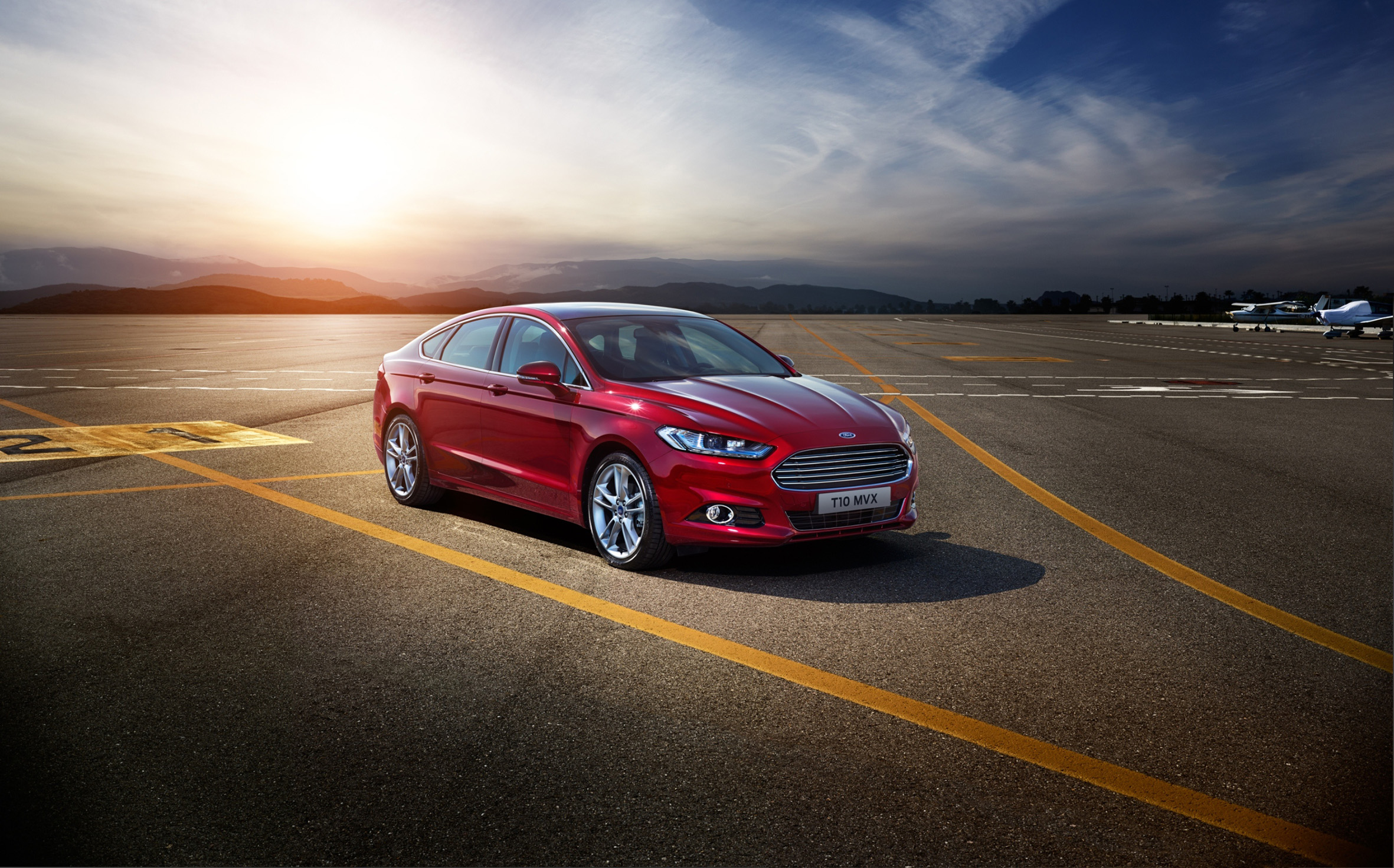
High coolant consumption is a common problem with the Ford Mondeo with EcoBoost engines, indicating leaks or internal defects in the cooling system. This can lead to engine overheating and serious engine damage if it is not dealt with quickly. Owners of the Ford Mondeo with 1.0 and 1.5 litre EcoBoost engines regularly report that they have to top up every two weeks or even lose several litres per 500 kilometres. Find out what the causes are and how to recognise and tackle this problem.
Why does the EcoBoost engine use so much coolant?
The EcoBoost engines in the Ford Mondeo suffer from several specific issues that cause high coolant consumption. The most common problem is a faulty EGR cooler (Exhaust Gas Recirculation), a component that cools exhaust gases before they re-enter the combustion process. When the EGR cooler becomes damaged, coolant leaks internally without you seeing puddles under the car.
In addition, a defective water pump or intercooler increases consumption. With internal leaks you often see a mayonnaise-like substance on the oil cap. This indicates mixing of coolant and engine oil. It is a serious problem that requires swift action.
External leaks caused by cracks in hoses, a damaged radiator or loose gaskets are easier to recognise. You will then see drips under the car. You will also see visible marks around the cooling system. White plumes from the exhaust indicate a failed head gasket, which is one of the more serious causes.
Recognisable symptoms of excessive coolant consumption
The coolant level drops faster than normal when there is a problem. In a healthy system, you should only have to top up a small amount during routine maintenance. Mondeo owners with this issue, however, report usage of 0.5 to 1 litre every two weeks or more.
Other symptoms you can recognise are:
- Difficult starting of the engine, especially in the morning
- Overheating of the engine while driving
- White smoke from the exhaust
- Higher consumption after many kilometres without visible puddles
- Mayonnaise-like substance under the oil cap
Many Mondeo drivers do not experience immediate overheating, but do notice that they have to top up regularly. This can go on for months before the problem gets worse. Nevertheless, it is important not to ignore it, because internal damage can develop silently.
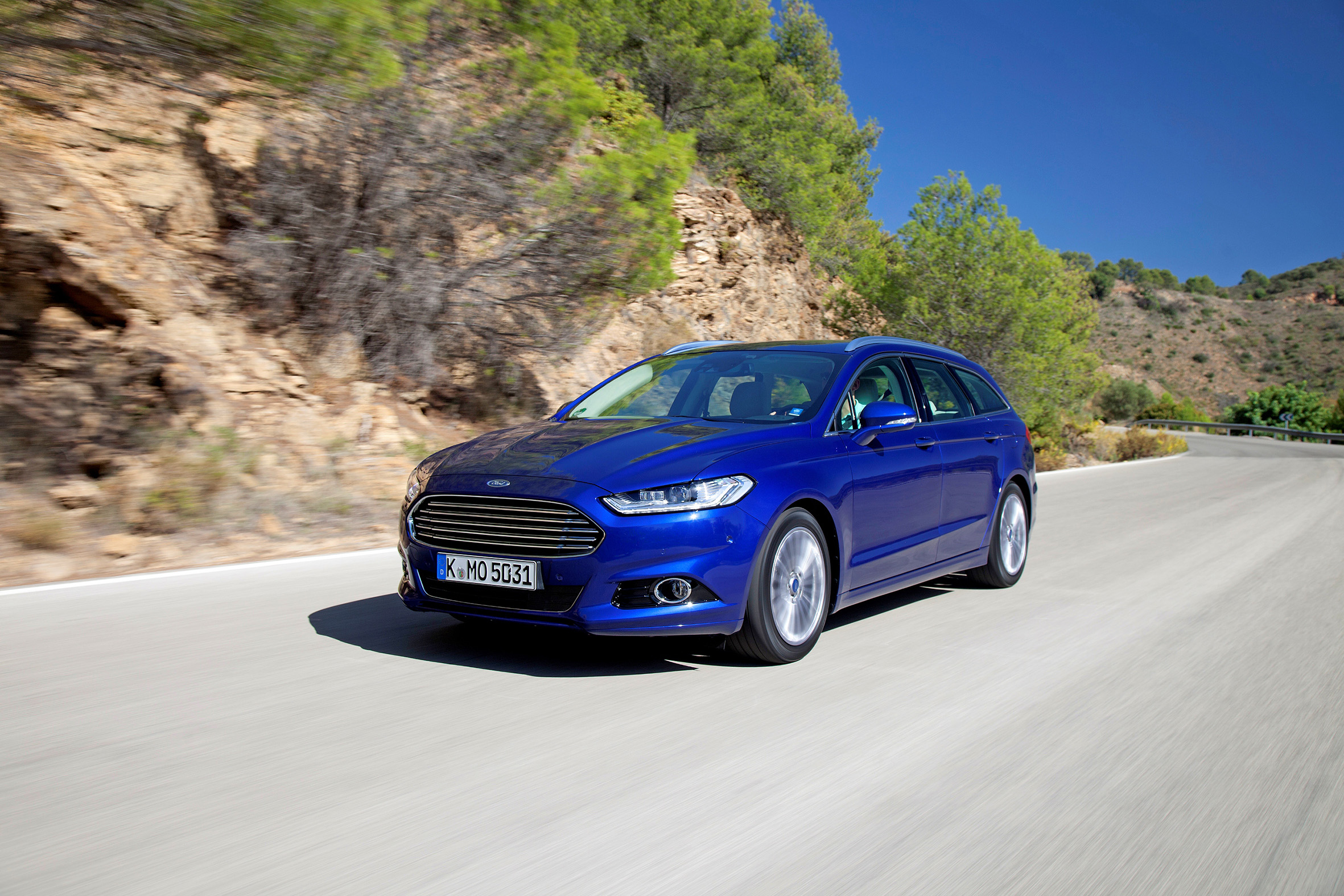
What causes engine overheating?
Engine overheating occurs when the cooling system does not contain enough coolant to keep the engine at the correct temperature. The EcoBoost engines run at higher pressure and temperature than traditional engines, which makes them more sensitive to cooling issues.
A clogged cooling system can also cause overheating. Corrosion and deposits in the system obstruct the flow of coolant, causing the engine to become too hot in certain areas. This happens mainly in older Mondeos that have not been serviced regularly or where the wrong coolant has been used.
Environmental factors also play a role. Higher outside temperatures and heavy use of the air conditioning increase the load on the cooling system. If there is already a small leak, the problem will worsen more quickly in warm weather or during prolonged driving in traffic jams.
How do you check the coolant level?
Always check the coolant level with a cold engine. Open the bonnet and locate the coolant reservoir, usually a transparent tank with a minimum and maximum marking. The level should be between these two marks.
Never top up above the maximum level. Overfilling causes excess pressure in the system, which leads to leaks in the water pump, radiator or hoses. This reduces the efficiency of the cooling system and can cause damage to gaskets.
Always use the correct type of coolant as stated in your Mondeo’s owner’s manual. Never mix different types of coolant, as this can cause chemical reactions that promote corrosion. Are you unsure which type you need? Then consult a specialist.
‘ This damage is expensive to repair and can render the engine beyond saving. ’
Can a clogged cooling system damage your engine?
A clogged cooling system can certainly cause engine damage. When deposits and corrosion block the coolant channels, certain parts of the engine overheat. Other parts remain relatively cool. This uneven temperature distribution causes stress in metal components.
In the long term this leads to warping of the cylinder head, damage to the head gasket or even cracks in the engine block. This damage is expensive to repair and can render the engine beyond saving. Preventive maintenance is therefore worthwhile.
Regularly flushing the cooling system prevents the build-up of deposits. This is especially important for the Mondeo with an EcoBoost engine. This engine is sensitive to problems in the cooling system. During servicing, a specialist can check whether the system is clean and operating correctly.
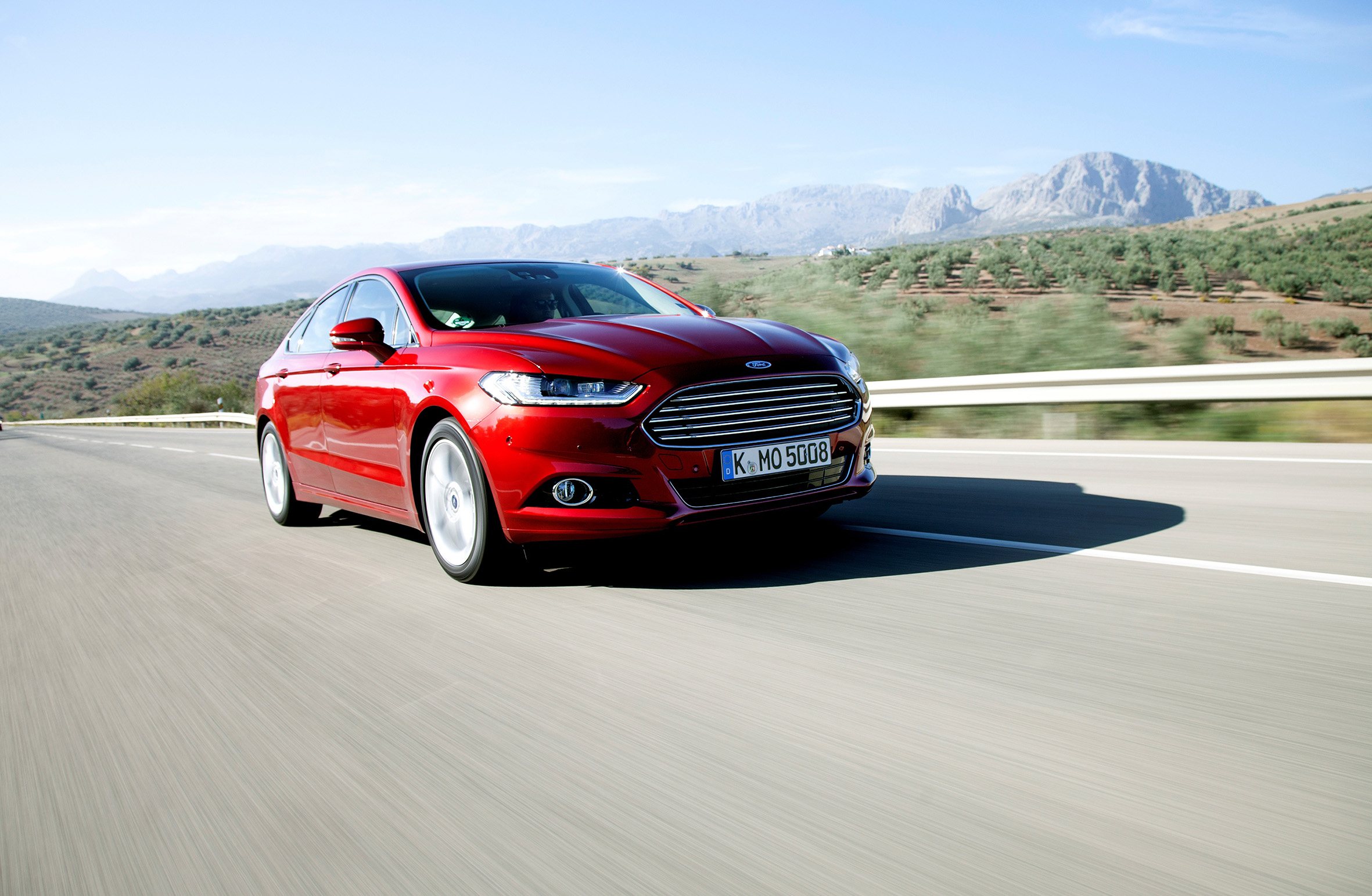
What should you do if coolant consumption is high?
Start with a visual inspection. Look under the car for puddles and check hoses, the radiator and connections for cracks or damp spots. Inspect the oil cap for mayonnaise-like substances and watch for white smoke from the exhaust.
Is there no obvious external leak, but does the level drop quickly? Then there is probably an internal problem. A pressure test at a garage can detect internal leaks that you cannot see yourself. This is a relatively simple test in which the cooling system is pressurised to identify weak spots.
Mondeo owners report good experiences with replacing the EGR cooler instead of immediately replacing the head gasket. This is often a more effective and cheaper solution. Have diagnostics carried out before agreeing to major repairs.
When should you go straight to the garage?
Go straight to a specialist if consumption exceeds 1 litre per 1,000 kilometres. This indicates a serious problem that will not disappear on its own. If you experience starting problems, see smoke from the exhaust or the temperature gauge goes into the red, you must stop driving and seek help.
Do not ignore these signals. Continuing to drive with an empty or half-empty cooling system causes irreversible engine damage in a short time. The cost of a new engine is many times higher than a timely repair of the cooling system.
For the Ford Mondeo it is worthwhile choosing a specialist with knowledge of EcoBoost engines and suitable diagnostic equipment for cooling system pressure tests. They can quickly determine whether the EGR cooler, head gasket or another component is the cause.
‘ Always look for the root cause of the problem. ’
Practical tips for Mondeo owners
Make it a habit to check the coolant level every week, especially if you drive a lot of kilometres. Topping up to the minimum level can help temporarily, but does not solve the underlying cause. Always look for the root cause of the problem.
Avoid intensive use of the air conditioning in hot weather if you suspect there is a leak. This increases the load on the cooling system and can accelerate overheating. Schedule regular maintenance and have the cooling system flushed to prevent corrosion.
On the Carnews website you will find much more information about common problems with various car makes and models. Discover useful tips on maintenance, recognising symptoms and practical solutions that save you time and money. Explore the website and stay up to date with everything you need to know as a car enthusiast.
Frequently asked questions
First, check the coolant level (cold) daily and look under the car and around hoses, radiator and water pump for signs of leakage. Inspect the oil cap and coolant for a mayonnaise-like substance and watch for white smoke from the exhaust, which may indicate an internal leak (e.g. head gasket or EGR cooler). Never fill above the ‘max’ mark and only use the specified coolant to prevent overpressure and additional leakage. If you do not find any visible leak but the level is dropping quickly, a pressure test of the cooling system at a garage is necessary to pinpoint the exact cause.
The most common causes of high coolant consumption are external leaks (hoses, radiator, water pump, gaskets) and internal problems such as a faulty EGR cooler or head gasket, where the coolant disappears into the engine or exhaust. Overfilling can also cause overpressure and leaks, and existing small leaks often get worse at high outside temperatures or under heavy load. The biggest risks for your engine are overheating, severe engine wear and ultimately costly engine damage if you keep driving. If the level drops quickly, or you notice white smoke or starting problems, have a pressure test of the cooling system carried out immediately.
Check the coolant level regularly with a cold engine and never fill above the ‘max’ mark to prevent overpressure and leaks. Inspect hoses, radiator, water pump and connections for cracks, damp spots or puddles under the car and have a pressure test carried out if in doubt. Always use the prescribed type of coolant and do not mix different types to avoid corrosion and deposits. Have the cooling system checked/flushed periodically during maintenance so that early leaks or defective components (such as EGR cooler or head gasket) are detected in good time.
Average repair costs for coolant leaks range roughly from €50–€150 for a simple leaking hose or clamp to €250–€600 for a radiator or water pump, and can rise to well over €1,000 for serious internal problems such as head gasket damage or a faulty EGR cooler. Small, easily accessible external leaks (hose, clamp, sometimes a simple drain plug) you can often fix yourself if you are technically skilled. Work on the water pump, EGR cooler, head gasket or internal leaks requires specialist tools and knowledge and should generally be left to a garage. If in doubt, always first check only the coolant level and do not continue driving if it is dropping quickly or the engine is overheating.
Yes, high coolant consumption can affect performance, because it often indicates leaks or internal engine damage that can lead to overheating and power loss. In sports cars and during track days the risk is greater because the engine is under heavy load for longer and reaches higher temperatures. Signs include a rapidly dropping coolant level, increasing coolant temperature, loss of power and possibly white smoke from the exhaust. With intensive use, check the level before and after each session and, if you notice significant consumption, have the cooling system pressure-tested.