
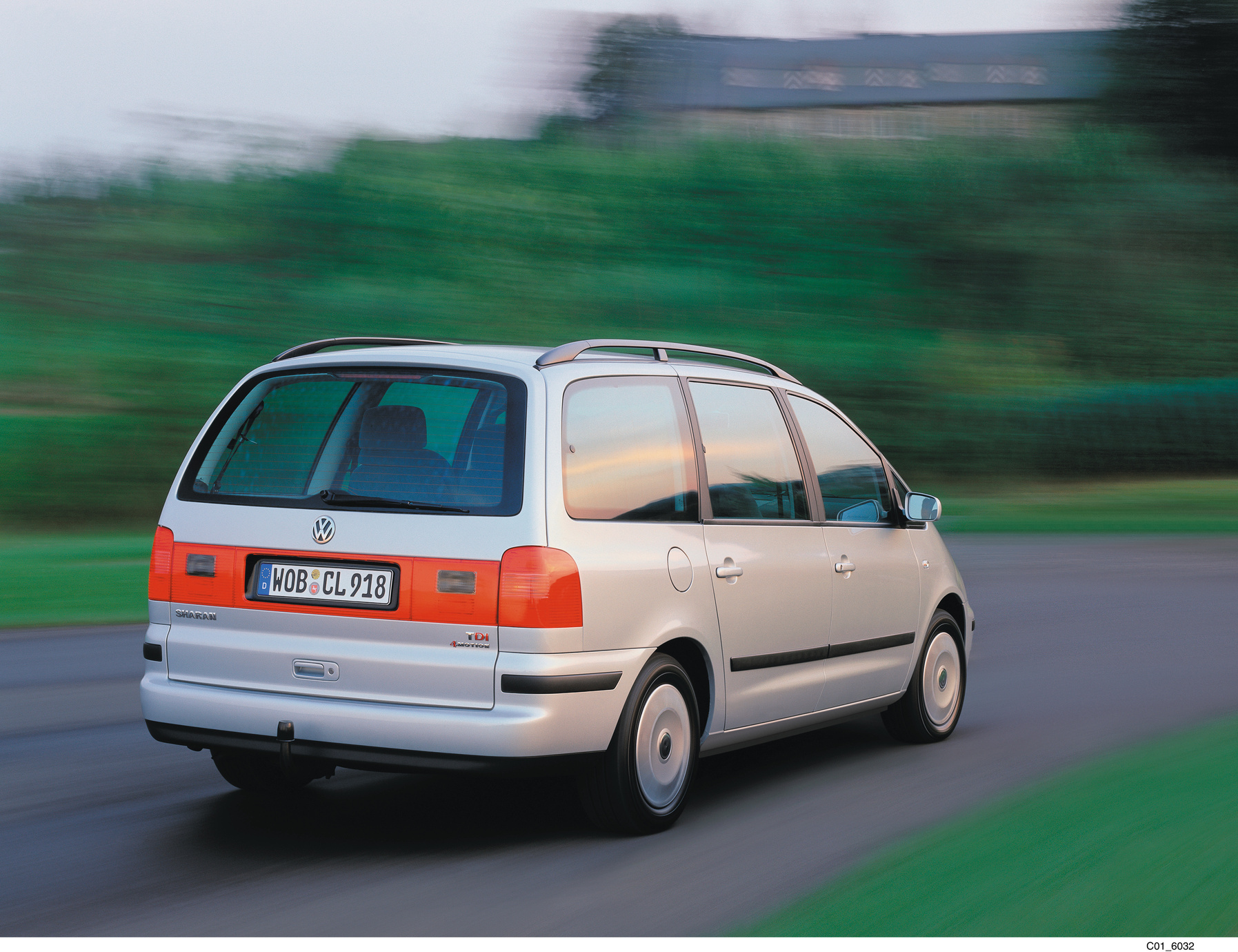
The Volkswagen Sharan uses too much oil and is at risk of engine overheating, especially with older model years and TSI engines. Due to wear and clogged components, the engine burns oil instead of leaking it, which can lead to serious damage to the head gasket. Do you recognise these issues in your own Sharan?
Why your Sharan uses so much oil
Volkswagen considers oil consumption of up to 1 litre per 1,000 km (kilometres) to be normal. Many owners find this unacceptably high and expensive. In practice, the 1.4 TSI (turbo petrol engine with direct injection) engine is particularly prone to increased oil consumption. This problem often appears from 100,000 km onwards, but can sometimes start earlier.
The main cause lies with the oil control ring. Over time this component becomes clogged with sludge deposits. As a result, the ring can no longer properly scrape oil off the cylinder wall. The consequence is that oil ends up in the combustion chamber and is burned. You will not see any leaks under the car, but the oil level will drop quickly.
Older TDI (turbo diesel engine with direct injection) diesel engines also suffer from this problem. With these engines, normal wear and tear plays a major role. Vehicles with more than 200,000 km often show deteriorated cylinder walls and piston rings.
‘ These figures are far above what is practical and affordable. ’
Recognisable symptoms of increased oil consumption
Watch out for these signs that indicate excessive oil consumption:
- Oil level drops faster than 1 litre per 2,000 km
- No visible oil leak under the car
- Blue smoke from the exhaust, especially when accelerating
- Increased fuel consumption
- Oil warning light comes on unexpectedly
Owners report varying consumption figures. A Sharan 1.9 TDI with 300,000 km sometimes uses 1 litre per 1,500 km. A 2.0 model from 2005 consumes even 1 litre per 1,000 km. These figures are far above what is practical and affordable.
The link between oil consumption and engine overheating
High oil consumption and engine overheating often go hand in hand. When your engine contains too little oil, lubrication of moving parts deteriorates. This leads to more friction and higher operating temperatures. The engine literally runs hotter than normal.
Prolonged overheating causes more serious problems. The head gasket can be damaged by the extreme temperatures. This component seals the connection between the cylinder head and the engine block. A defective head gasket causes coolant and engine oil to mix. You can recognise this by white smoke from the exhaust and a milky substance on the oil filler cap.
Therefore, regularly check not only your oil level but also the coolant level. Both systems must function properly to prevent overheating.
Specific problems with TSI engines
The 1.4 TSI engine in the Sharan is known for increased oil consumption. This problem mainly occurs in engines built before 2011. The cause often lies in the design characteristics of this engine type.
TSI engines have turbocharging and direct fuel injection. This technology delivers a lot of power from a small engine, but demands a great deal from the lubrication system. When the oil control ring becomes clogged, consumption quickly rises.
In some cases, cracks also develop in the pistons themselves. This design defect occurs occasionally and significantly worsens oil consumption. A garage can identify this through an endoscopic inspection.
‘ Continuing to drive causes permanent engine damage that is much more expensive to repair. ’
How to recognise a defective head gasket
A damaged head gasket due to overheating gives clear signals:
- White or grey smoke from the exhaust
- Loss of coolant without visible leakage
- Milky fluid in the oil system
- Engine runs unevenly or has trouble starting
- Temperature gauge quickly rises into the red zone
- Foaming in the expansion tank
Have these symptoms investigated immediately. A broken head gasket requires swift action. Continuing to drive causes permanent engine damage that is much more expensive to repair.
Practical solutions for the oil consumption
Some specialist garages use dedicated engine oil with polishing properties. This treatment helps improve the seal between piston and cylinder wall. Some owners report that their consumption dropped from 1 per 1,000 to 1 per 5,000 km. Results vary per situation and are not guaranteed.
For older engines with high mileage this treatment may be less effective. In that case, regularly topping up remains the only option. Make sure you always have enough oil with you, especially on long journeys. Use oil that meets Volkswagen specifications, such as ACEA C3 (European oil specification for emission systems) or API SN (American oil specification for petrol engines).
Check your oil level at least every 500 to 1,000 km. Keep a logbook of consumption. This data is valuable if you want to submit the problem to your garage or as a warranty claim.
When you can rely on warranty
Extreme oil consumption can fall under the factory warranty, especially when the engine smokes excessively. Formally report the problem to your dealer. Ask for an oil consumption test in which the garage accurately documents consumption over at least 1,000 km.
Stand firm with your claim. This is often a design issue and not the result of misuse. Gather evidence such as fuel receipts, maintenance history and photos of your oil level. This documentation strengthens your position.
Note that Volkswagen officially regards consumption of up to 1 litre per 1,000 km as acceptable. Legal action is mainly promising when consumption exceeds this standard or when there is a known design defect.
‘ In the case of severe wear you can consider overhauling the engine before costly damage occurs. ’
Tips to prevent engine damage
Prevent worse by maintaining your engine properly. Check the oil level monthly and top up when necessary. Do not wait until the warning light comes on. At that point, the level is already dangerously low.
Have your garage check for wear on cylinder walls and piston rings. These diagnostic tests provide insight into the internal condition of your engine. In the case of severe wear, you can consider overhauling the engine before costly damage occurs.
Also pay attention to your driving style. Aggressive acceleration and high revs increase the load on the engine. This accelerates wear and increases oil consumption. Drive calmly and let the engine reach operating temperature before stressing it heavily.
Regularly check your cooling system. Inspect hoses for leaks and make sure the coolant remains at the correct level. A properly functioning cooling system prevents overheating and protects the head gasket.
What you can expect in the longer term
Increased oil consumption usually worsens gradually. Once your engine uses 1 litre per 1,000 km, this figure will in most cases continue to rise. The underlying wear does not stop by itself.
Therefore, budget extra costs for engine oil. With intensive use this can add up to several hundred euros per year. Consider whether the total costs are in proportion to the value of your Sharan. Sometimes selling the car before major problems arise is financially more sensible.
Stay alert to new symptoms. When blue smoke or engine overheating is added, quick action is needed. These signals indicate accelerated deterioration that makes an engine overhaul or replacement necessary.
On the Carnews website you will find more information about maintenance, known problems and practical tips for your Volkswagen. Discover what other owners experience and how they deal with technical challenges. Dive further into the archive and become more knowledgeable about your car.
Frequently asked questions
The most common causes of high oil consumption in a Volkswagen Sharan are worn or clogged oil control rings and piston rings, piston damage and normal engine wear at high mileage, causing oil to be burned along the cylinder walls. In 1.4 TSI engines, a heavily clogged oil control ring plays a particularly large role. Engine overheating is often related to insufficient lubrication due to a low oil level and increased friction in the engine. In addition, poor maintenance of the cooling system and not topping up oil in time can increase the risk of overheating.
You can roughly assess the cause yourself by first checking whether there is visible oil leakage (stains under the car, oil on the engine block) and whether there is blue smoke from the exhaust, which indicates oil being burned in the engine. Note exactly how much oil you top up per number of kilometres to determine whether consumption is within or outside the VW tolerance. Also regularly check the coolant level and see whether the cooling fan switches on when the engine is warm to rule out a problem in the cooling system. If in doubt, have a garage carry out targeted measurements of compression, piston rings and cylinder wear, as you cannot reliably check these yourself.
The most common repairs are cleaning or replacing the oil control rings and, in the case of severe wear, overhauling or (partially) replacing pistons and cylinder wall components. For minor cases, a special polishing engine oil treatment combined with servicing is sometimes sufficient, which can cost a few hundred euros. For more extensive engine overhauls (piston/ring work), costs usually rise to several thousand euros, depending on the damage and labour time. In addition, owners should take into account recurring costs for extra oil and any additional cooling and diagnostic work.
Check oil level and coolant monthly and record consumption so you can spot trends early. Always use high-quality oil that exactly meets VW specifications and have the car serviced according to the schedule (or more often if you drive high mileage). If you notice clearly rising oil consumption or higher engine temperatures, immediately have a diagnosis carried out on piston rings/oil control rings and the cooling system (thermostat, water pump, fan, radiator). Avoid prolonged heavy loads (for example high speeds with full load) if the oil level is low or the engine is already showing signs of overheating risk.
Continuing to drive a Sharan that uses a lot of oil can lead to insufficient lubrication, causing serious wear to pistons, bearings and turbo and potentially leading to engine seizure. In the case of overheating, the head gasket can burn, the cylinder head can crack and the engine can suffer irreparable damage. The turbo can also fail due to lack of oil or heat, resulting in expensive repairs. In the worst case this results in complete engine damage, requiring an overhaul or engine replacement.