
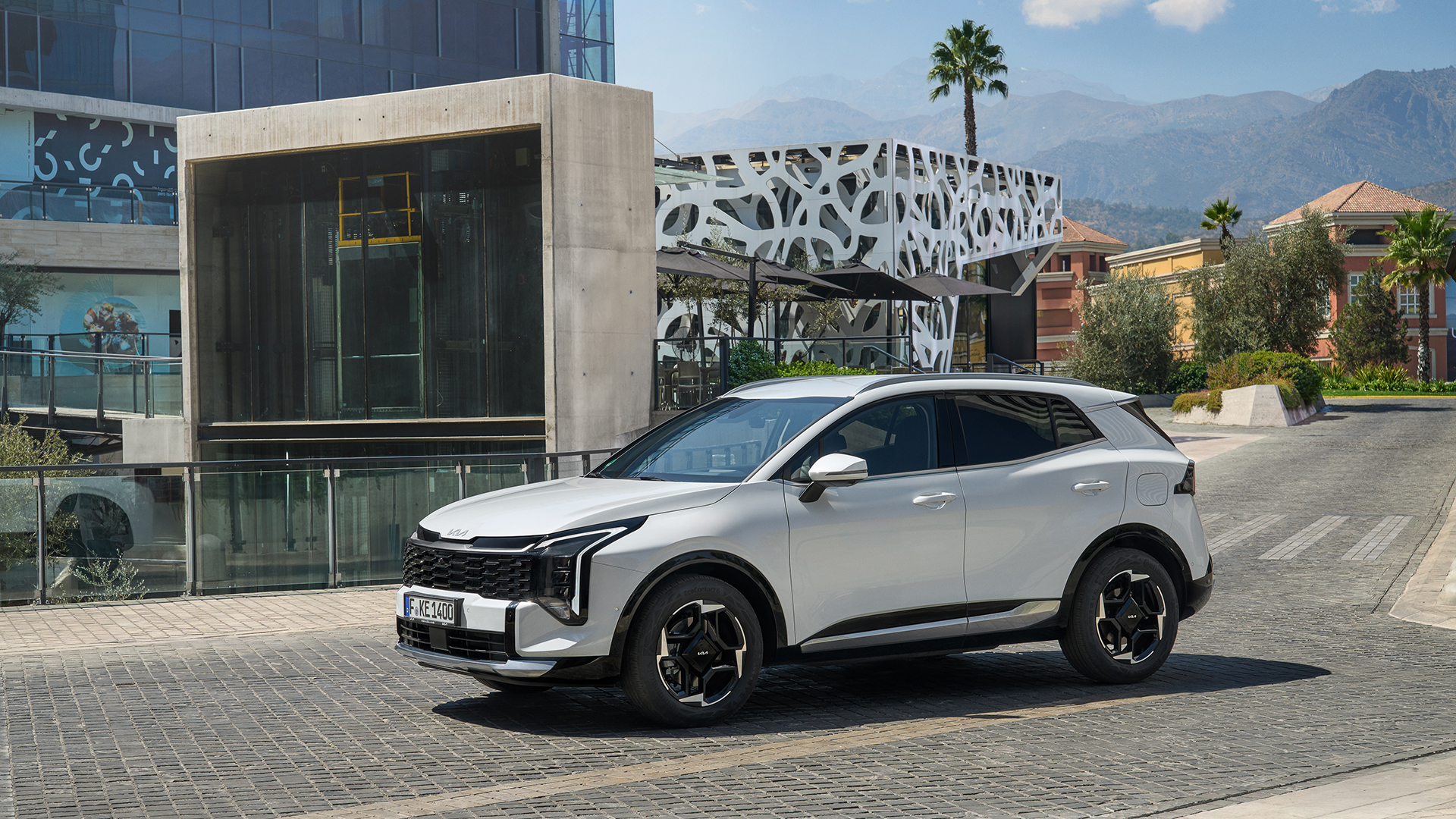
High oil consumption in the Kia Sportage is no exception, but a common problem that mainly affects the 1.6 GDI petrol engines. This is caused by wear or internal burning of oil in the cylinders which, if not addressed in time, reduces engine performance and causes serious damage. The question is not whether you will have to deal with this. More important is when it will happen and how you can spot it before it is too late.
Why is my Kia Sportage using too much oil?
The car problems of the Kia Sportage can often be traced back to the direct injection technology in the 1.6 GDI engines. You mainly find these engines in generations III and IV from the period 2012–2018. They are known for their oil consumption. Owners regularly report usage figures of 1 litre per 800 to 2,000 kilometres, while the factory standard considers up to 2 litres per 10,000 kilometres acceptable.
The problem does not lie in external leaks. Most owners do not see drops under their car. Instead, the oil is burnt internally in the cylinders. You have to top up regularly without knowing where the oil is going. This happens more often as the car gets older and racks up more mileage. Problems often appear after 90,000 to 170,000 kilometres.
Direct injection as the main cause
The GDI technology injects fuel directly into the combustion chamber. That sounds efficient, but it has a downside. These engines are at greater risk of oil consumption because of their technical design and the higher combustion temperature. The problem also occurs with the Hyundai Tucson, which uses the same engine. As an owner you cannot prevent this by driving differently. You can, however, limit it by adjusting your driving style.
‘ That does not help you, however, if you have to top up every 1,000 kilometres. ’
Oil leaks in the Kia Sportage: causes and solutions
Most cases of high oil consumption show no visible leaks. External leaks can, however, occur. Regularly check underneath your car. Look for drops or wet patches. Pay particular attention around the sump, the valve cover or the oil filter. Do you see nothing but still have to top up regularly? Then it is almost certainly a case of internal consumption.
Internal burning of oil occurs because of wear on piston rings. Wear on the valves also plays a part. This cannot easily be solved without major engine work. Dealers often state that consumption of up to 2 litres per 10,000 kilometres is within the norm. That does not help you, however, if you have to top up every 1,000 kilometres.
What you can do yourself
- Check the oil level with the dipstick every week, especially after longer journeys
- Keep a logbook of mileage and the amount of oil you top up
- Use the correct oil specification, usually 5W-30 or as stated in the manual
- Book your service with an authorised dealer and ask for oil level measurements
- Consider making a claim if consumption exceeds 1 litre per 1,000 kilometres
How do I check oil consumption on the Kia Sportage 1.6 GDI?
A proper check starts with the dipstick. Pull the stick out completely. Wipe it clean with a cloth and insert it again. Pull it out once more and check where the oil level is between the min and max marks. Do this preferably on level ground. The engine should be cold or have been switched off for at least five minutes.
Each time, note down the mileage and the amount of oil you top up. After a few weeks a pattern will emerge that allows you to compare consumption. Consumption of 1 litre per 5,000 kilometres is acceptable, but anything higher than that needs attention. Some owners of 2016 models report progressive consumption. This started at 1 litre per 2,000 kilometres. Within a few months it worsened to topping up every month.
Driving conditions make the difference
Your driving behaviour largely determines how quickly you use oil. The conditions in which you drive also play a role. Short trips in town and cold starts in winter significantly increase consumption. Spending a lot of time in traffic jams does the same. Owners report that they use less oil in summer and on motorways than in urban conditions.
Avoid short city trips. That is not always possible, but it helps. Allow the engine to warm up fully for optimal performance. This limits oil consumption. It also extends the life of the engine. Drive calmly and avoid unnecessarily high revs, as aggressive acceleration increases both fuel and oil consumption.
Practical tips to prevent engine damage
Engine damage caused by too little oil is not just a theory. It is a real risk. If the oil level gets too low, moving parts receive insufficient lubrication. This leads to increased friction and overheating. Eventually, permanent damage occurs to pistons, valves or bearings. Repairs quickly cost several thousand euros and often exceed the value of an older Sportage.
Make sure you always have spare oil in the car. Do you see the oil pressure warning light come on while driving? A litre of the correct specification can save you then. Stop immediately when this light appears and check the level. Never continue driving with the oil pressure light on. Within just a few kilometres you can cause irreversible damage.
When should you go to the garage?
Is your consumption consistently above 1 litre per 1,000 kilometres? Then take action. Have an official test carried out by the dealer. The oil consumption is measured over a longer period. Is the consumption outside the norm? Is your car still within the warranty period? Then a contribution or repair is sometimes possible.
Are you buying a used Sportage from the 2012–2018 period? Then pay special attention to the 1.6 GDI engine. Ask the seller about oil consumption. Also check whether there is a service history. Avoid models that are known to need regular oil top-ups. Unless the price reflects this risk.
‘ Others experience it as a growing problem that undermines their confidence in the brand. ’
Experiences of owners
Owners of the Kia Sportage 1.6 GDI often share similar stories online. The owner of a 2012 model topped up several times within 1,000 kilometres. A 2016 version escalated to topping up monthly despite regular servicing. The frustration lies mainly in the unpredictability. The lack of structural solutions from dealers also causes dissatisfaction.
Some owners accept it as part of owning this model, as long as it remains below 2 litres per 10,000 kilometres. Others experience it as a growing problem that undermines their confidence in the brand. Urban use and winter conditions accelerate the problem. Owners who make many short trips are therefore hit harder.
More information about your Kia Sportage
High oil consumption is just one of the challenges that Sportage owners may face. On the Carnews website you will find extensive information about other common problems, maintenance advice and tips to extend the life of your car. Discover more about how to keep your Kia Sportage in optimal condition and which warning signs you should never ignore.
Frequently asked questions
The most common causes of high oil consumption in a Kia Sportage are internal burning of oil in the cylinders in the 1.6 GDI engines (so without visible leakage) and wear that occurs at higher mileage, often from around 90,000–170,000 km. In addition, driving conditions play a major role: lots of short trips, city traffic, cold starts and winter use noticeably increase oil consumption.
Yes, in particular the Kia Sportage with the 1.6 GDI petrol engine from roughly the 2012–2018 model years (generation III and IV) is known for suffering more often from high oil consumption. Owners report consumption of roughly 1 litre per 800–2,000 km, sometimes increasing at higher mileage and with a lot of city or short-trip driving.
Check the oil level weekly with the dipstick, top up if necessary with the specified oil, and keep a log of mileage and the amount added. Adjust your driving style by accelerating more gently and avoiding high revs, so that both fuel and oil consumption decrease. Try to limit short, cold city trips and make longer journeys more often so the engine can reach proper operating temperature. Have the dealer record the oil consumption; at more than about 1 litre per 1,000 km you may possibly be able to invoke non-conformity or warranty under consumer law.
Possible repairs include cleaning or replacing injectors and valves, fitting new oil scraper rings/piston rings and, in severe cases, a (partial) engine overhaul or replacement engine. Simple procedures such as cleaning treatments and injector or valve work roughly cost a few hundred euros. Replacing piston rings and related internal engine work usually ranges from about €1,000 to €3,000, depending on labour hours and parts. A full engine overhaul or replacement engine can cost between approximately €3,000 and €6,000 or more, depending on model year, engine variant and workshop.
Yes, you can partly prevent high oil consumption by checking the oil level weekly and always using the specified oil (e.g. 5W-30 or as stated in the manual). Above all, avoid lots of short city journeys with a cold engine and try to make longer trips more often so the engine can reach proper operating temperature. Drive calmly, with gradual acceleration and not at high revs for long periods, because this limits both oil and fuel consumption. Have servicing carried out on time and ask the garage explicitly to monitor oil consumption, so that the start of excessive consumption is detected quickly.