
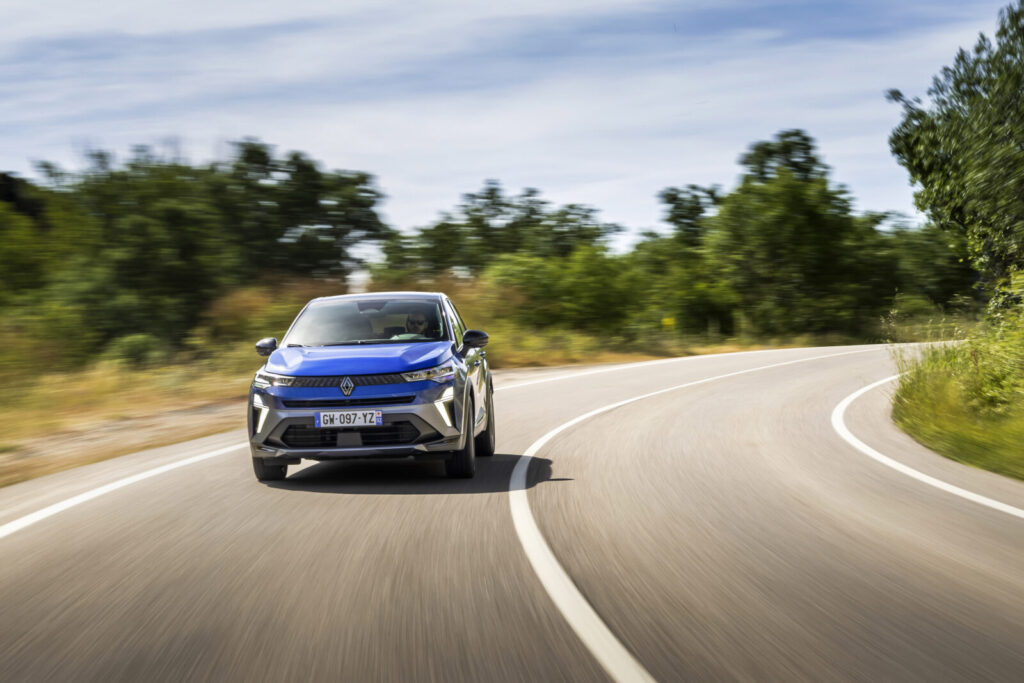
The Renault Captur with the 1.2 TCe engine regularly suffers from increased oil consumption, especially in models from the 2012–2016 period. The problem is often caused by incorrect control of the oil pump, worn piston rings or contaminated cylinders. Although many owners received a free engine replacement from Renault, the issue remains a cause for concern. What should you do if your car uses too much oil?
The oil consumption of the Renault Captur is a frequently discussed topic among owners. In particular, the early versions with the 1.2 TCe engine (a type of turbocharged petrol engine) show this problem strikingly often. Renault acknowledges that consumption of less than 0.5 litres per 1,000 kilometres is normal after the running-in period. Anything above that calls for an inspection at a dealer.
In practice, however, many users report values of up to 1 litre per 1,000 kilometres or even higher. This is not only costly, but can also lead to engine damage if the level becomes too low. It is therefore important to check the oil level weekly and take action immediately if anything seems out of the ordinary.
Common causes of high oil consumption
The problem has several possible causes that occur either together or separately. The most common ones are technical in nature and are related to the design of the 1.2 TCe engine.
The following factors play a role:
- Worn or clogged oil control rings that allow oil to pass into the cylinders, where it burns
- Wear on the piston rings, causing the oil pressure to rise and oil to leak into the combustion chamber
- Carbon build-up and contaminated intake valves due to poor combustion
- Software problem in the eco system that causes excessive consumption
These issues are not limited to the Captur. Models such as the Clio, Mégane and Dacia Duster with the same engine also show similar complaints. This points to a wider problem in the design or production of this engine version.
‘ Higher consumption is considered abnormal and calls for action.’
Normal versus abnormal consumption
Renault applies a clear standard of less than 0.5 litres per 1,000 kilometres after the running-in period. This is regarded as acceptable consumption for the TCe engines. Higher consumption is considered abnormal and calls for action.
In practice, many Captur owners appear to measure values that far exceed this standard. Symptoms include a rapid drop in the oil level, irregular engine behaviour and, in severe cases, even smoke from the exhaust. Even consumption of 1 litre per 11,000 kilometres in TCe120 engines technically falls within the standard, but higher values indicate a fault.
It is essential to monitor the oil level consistently. A level that is too low can lead to serious engine damage, with valves seizing or cylinders becoming damaged. This results in expensive repairs that go far beyond a simple oil check.
The role of software updates
An important part of the solution lies in software. In many Capturs, high oil consumption was caused by incorrect control of the oil pump. Renault has released software updates for this that are intended to normalise consumption.
The update adjusts the parameters with which the engine controls the oil pump. As a result, less oil ends up in the combustion chamber. In practice, however, this solution does not always prove sufficient. Many owners report that reprogramming only reduces consumption slightly, but does not fully resolve the problem.
Once wear on piston rings or contamination of cylinders has already occurred, a software update will not remedy the mechanical defect. In those cases, replacement of engine components or even the complete engine is necessary. Renault has replaced the engine under warranty for many owners, including new software.
Experiences of owners
Within the Captur community there are numerous stories from owners who have faced this problem. Many report that their dealer took the issue seriously and, after diagnosis following Renault’s step-by-step plan, installed a new engine free of charge. In some cases the waiting time was several weeks.
In France, the issue even led to a court case in which 1,789 affected drivers accuse Renault of misleading behaviour. The company offers technical and financial assistance, but owners are demanding broader compensation for damage suffered and the loss in value of their car.
Forums show that reprogramming is rarely sufficient in serious cases. A new engine often solves the problem for good, provided it is combined with the correct software. Even so, owners remain vigilant and continue to check the oil level regularly, even after repair.
‘ Do not ignore these signals, as delaying action can lead to more serious damage.’
What can you do yourself?
As the owner of a Renault Captur with a 1.2 TCe engine, you can take several steps to manage the problem or detect it at an early stage.
Check the oil level weekly, especially if you drive a model from the 2012–2016 period. Top up with the prescribed oil according to the quality and viscosity stated in the service booklet. Do not use random oil, as this may make the problem worse.
Report consumption above 0.5 litres per 1,000 kilometres to a Renault dealer straight away. The dealer can carry out diagnostics according to the manufacturer’s step-by-step plan. For cars under warranty, repairs or engine replacement are often carried out free of charge.
Watch out for symptoms such as irregular engine behaviour, smoke from the exhaust or a burning smell. This may indicate severe wear or contamination. Do not ignore these signals, as delaying action can lead to greater damage.
For older first-generation Capturs, consider preventive maintenance to pistons and valves at a specialist workshop. This can help prevent future problems, especially if consumption is on the high side but still just within the stated limit.
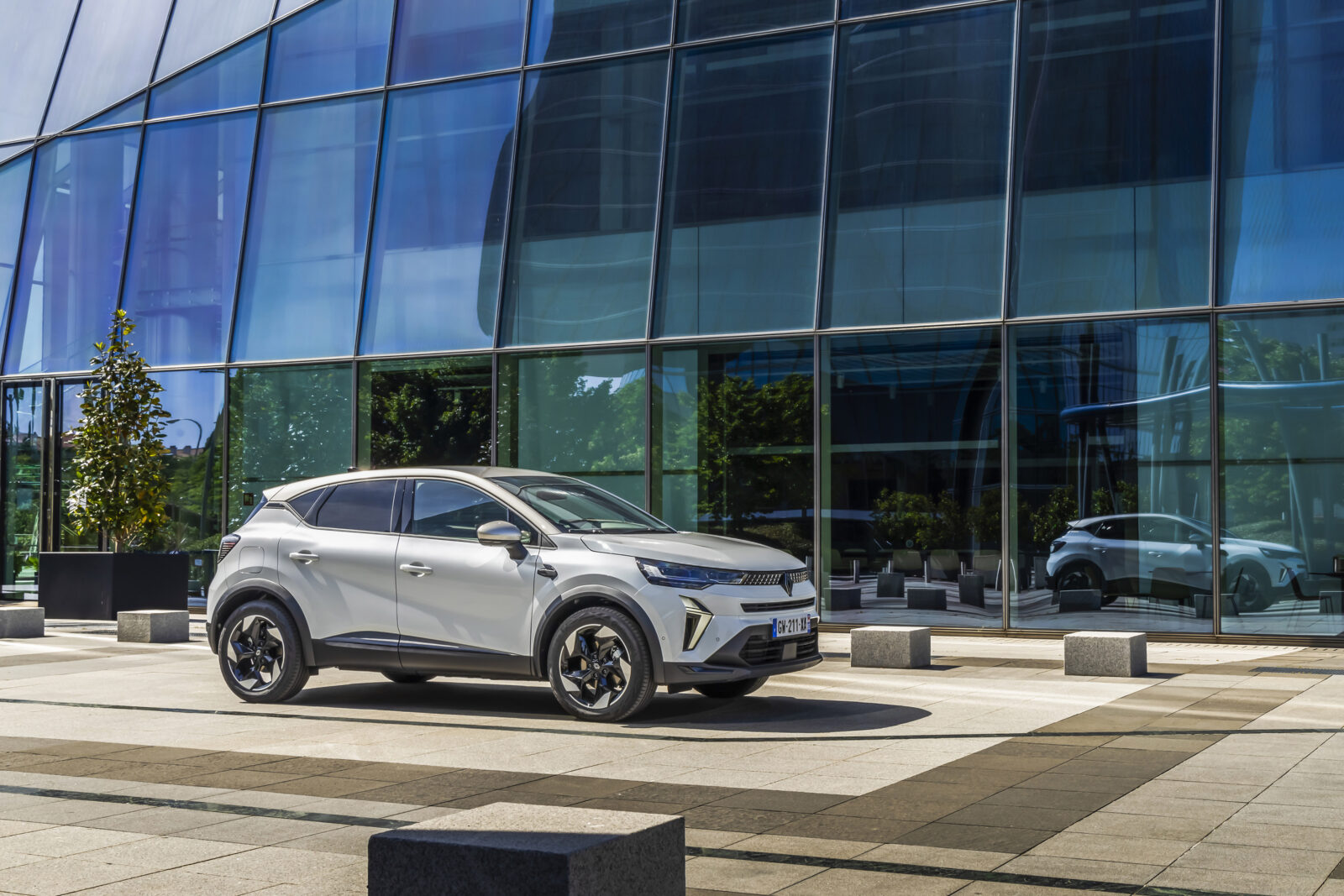
Prevention and maintenance
In addition to regularly checking the oil level, there are a few preventive measures that can reduce the risk of high oil consumption.
Always use genuine fluids such as oil, brake fluid and coolant. These are tailored to the engine’s specifications and contribute to optimal performance. Cheaper alternatives can lead to contamination or increased wear.
Allow the engine to warm up before using full throttle. Cold engines wear faster and are more prone to incomplete combustion, which leads to contamination of valves and cylinders. Avoid short trips in which the engine does not reach operating temperature.
Have the car serviced regularly in line with the manufacturer’s schedule. Timely replacement of filters and fluids keeps the engine clean and reduces the chance of problems. A well-maintained engine consumes less oil than one that has been neglected.
When should you go to the dealer?
Certain situations call for immediate contact with a Renault dealer or specialist. Do not wait too long if you recognise any of the following warning signs.
Consumption above 0.5 litres per 1,000 kilometres is the most important indicator. This exceeds Renault’s standard and justifies investigation. Through diagnostics, the dealer can determine whether there is mechanical wear or a software problem.
Irregular engine behaviour such as misfiring, vibrations or loss of power may indicate problems with piston rings or valves. This requires swift action to prevent more severe damage.
Smoke from the exhaust, especially blue smoke, indicates oil burning in the cylinders. This is a clear sign of leakage and requires immediate repair.
Warning lights on the dashboard, such as the oil pressure or engine warning light, must never be ignored. Stop as soon as you can safely do so and switch off the engine. Continuing to drive can lead to total engine failure.
‘ In France, the issue led to legal action by a large group of owners.’
Warranty and legal action
Many owners who were confronted with high oil consumption turned to the manufacturer’s warranty. Renault acknowledges the problem and often resolves it free of charge for cars that are still under warranty.
If the warranty has expired, owners can try to claim goodwill. This is especially realistic if the problem arises shortly after the end of the warranty period and is clearly related to a known design fault.
In France, the issue led to legal action by a large group of owners. In other countries too, affected drivers are considering similar actions. It is advisable to keep all communication with the dealer and all repair invoices carefully. These documents may be important for any claims.
If in doubt, contact a consumer organisation or legal adviser. They can help you understand your rights and take steps if Renault does not cooperate in finding a solution.
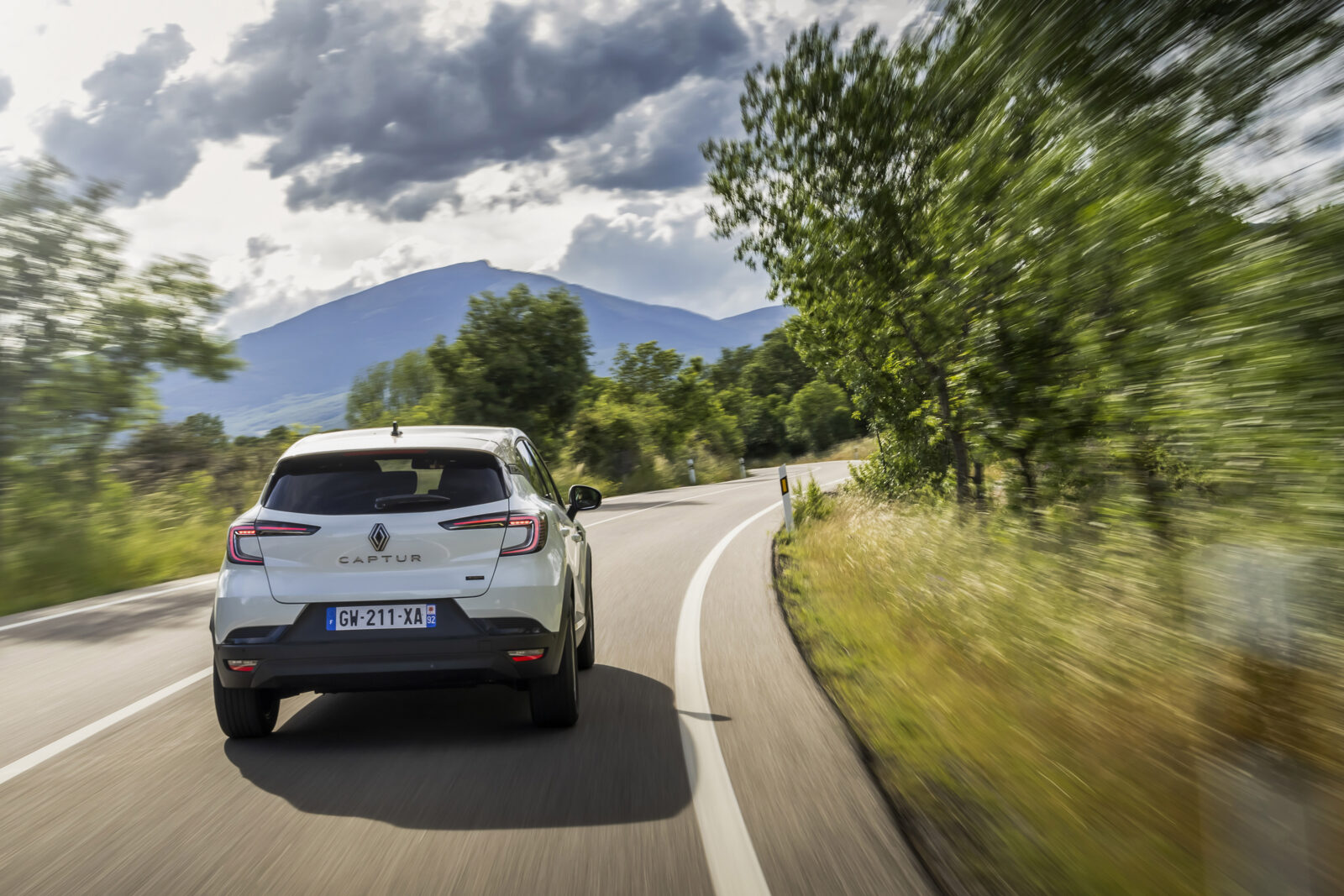
Related models
The problem of high oil consumption is not limited to the Captur. Other Renault models with the 1.2 TCe engine also show similar complaints. This confirms that the cause lies in the engine design itself.
The Renault Clio, Mégane and Scénic with the same engine suffer from identical problems. The Dacia Duster, which uses Renault technology, sometimes also shows increased oil consumption. Owners of these models can take the same steps as Captur drivers.
The widespread nature of the problem shows that Renault takes it seriously. The availability of software updates and the willingness to replace engines under warranty demonstrate that the manufacturer recognises its responsibility. Even so, vigilance remains necessary, especially with older vehicles that are no longer under warranty.
On the Carnews website you will find extensive information on common problems with Renault and other car brands, including causes, symptoms and concrete solutions.
Frequently asked questions
The most common causes of high oil consumption in a Renault Captur are worn or clogged oil control rings and wear on the piston rings, causing oil to burn in the cylinders. In addition, carbon build-up and contaminated intake valves play a role, which worsens combustion and increases oil intake. In some engines, a software problem in the eco system can also contribute to excessive oil consumption.
Measure oil consumption by checking the oil level each time with a cold engine on a completely level surface, for example every 500 or 1,000 km, in exactly the same way, and carefully note how much you have to top up. Then calculate consumption in litres per 1,000 km (total added oil divided by the number of kilometres driven × 1,000). Compare this value with Renault’s guideline of a maximum of around 0.5 litres per 1,000 km; if you are above that, consumption is abnormally high. Repeat this measurement over several intervals in a row to obtain a reliable average.
It is usually recommended to have the engine checked according to Renault’s step-by-step plan and, in cases of persistently high oil consumption, to have the complete engine replaced under warranty. In addition, replacement or overhaul of piston rings and oil control rings and cleaning or overhauling of cylinders and valves are often mentioned. Sometimes a software update of the engine management system helps, but this is rarely a definitive solution. Furthermore, using the prescribed oil and carrying out regular oil changes is advised to limit new or additional consumption.
Regularly (for example weekly) checking the oil level and always using the oil specification and viscosity prescribed by Renault help to detect problems at an early stage and limit additional wear. Stick strictly to the service intervals and have software updates and known TCe-related campaigns carried out by the dealer. Avoid extremely short trips and frequently driving at high revs with a cold engine, as this can increase oil consumption and carbon build-up. If consumption exceeds around 0.5 litres per 1,000 km, contact a Renault dealer immediately for diagnostics according to the official step-by-step plan.
Persistent high oil consumption can lead to accelerated wear of piston rings, cylinder walls and valves, causing engine compression to drop and power to decrease. Burning oil leads to carbon deposits on pistons, valves and intake ports, which can result in rough running and faults. In the long term this can cause serious engine damage, such as seized valves or even complete engine failure. Ultimately, an expensive overhaul or full engine replacement may become necessary.