
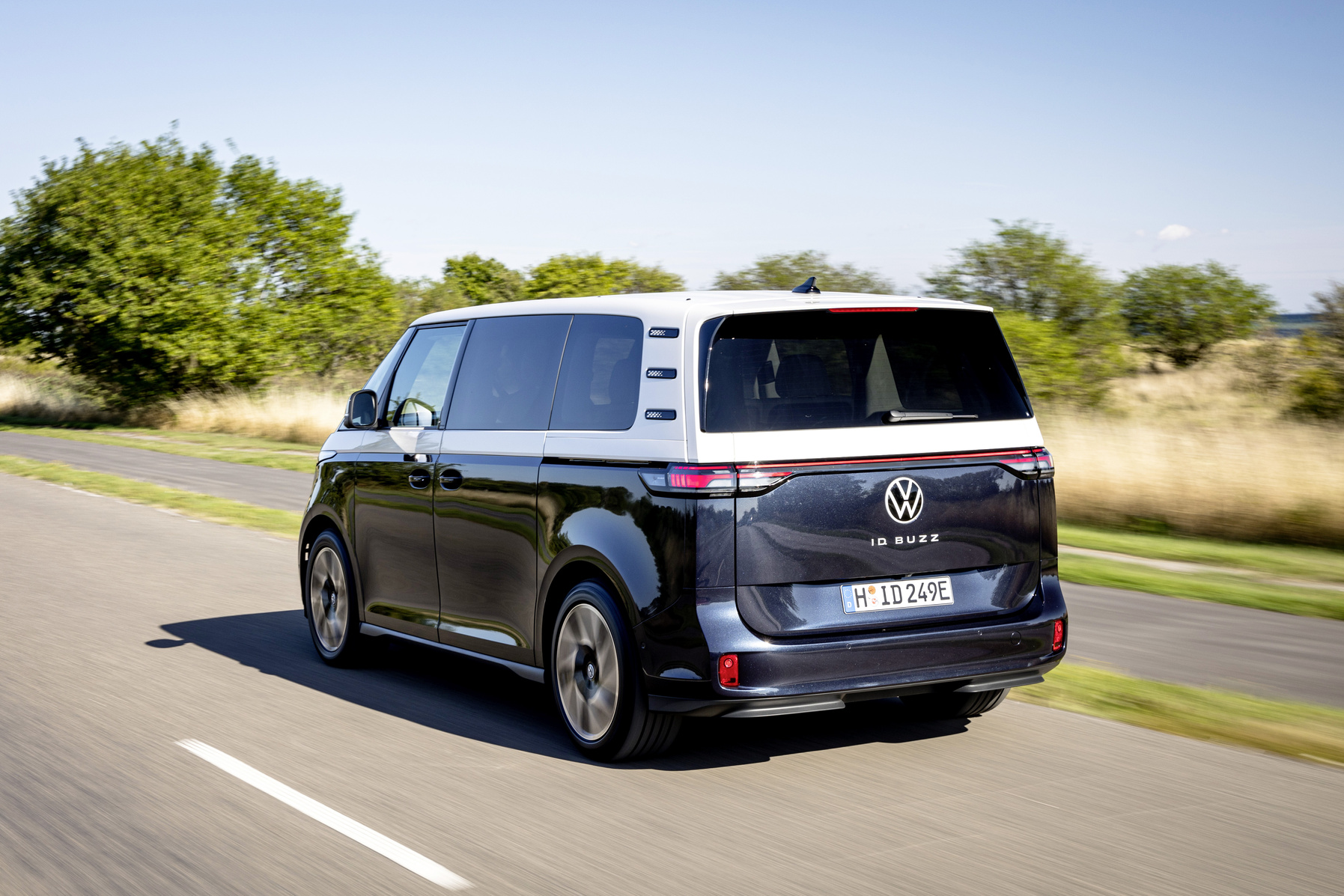
The Volkswagen ID. Buzz is struggling with a serious image problem: the price simply doesn’t justify the performance. With a starting price around 60,000 euros and mediocre technical specifications, buyers are shunning the electric bus en masse, forcing dealerships to offer discounts of up to 30% to clear stock. That raises a fundamental question: what do you actually get for your money?
Too expensive for what you get
The ID. Buzz officially starts at 49,990 euros for the Pure version, but that’s misleading. For that amount you get a 125 kW motor and a modest 59 kWh battery pack. The range of 331 kilometres according to the WLTP standard doesn’t sound impressive to begin with. In practice it’s worse. In winter the range drops to around 295 kilometres. For a family car in this price bracket, that is downright disappointing.
The Pro version costs 53,990 euros. You then get 210 kW of power. The battery is 79 kWh. That sounds better, but again the range of 459 kilometres lags behind rivals. In winter you should reckon on around 385 kilometres. The car is aimed at families who want to cover long distances. For that target group, this range is problematic.
‘ Electric SUVs and MPVs from other brands offer similar or better specifications at significantly lower prices. ’
Competitors offer more for less
The market is mercilessly leaving the ID. Buzz behind. Electric SUVs and MPVs from other brands offer similar or better specifications at significantly lower prices. The problem mainly lies in the relationship between price and what you are choosing:
- Limited range that trails rivals
- A battery pack that is not competitive within the segment
- Performance that doesn’t justify the investment
- Longer wheelbase models creeping towards 70,000 euros
The GTX version even reaches prices around 71,190 euros. That’s Tesla Model X territory. Tesla, however, offers more performance, a better reputation and a more extensive charging infrastructure.
Dealerships are playing with the price
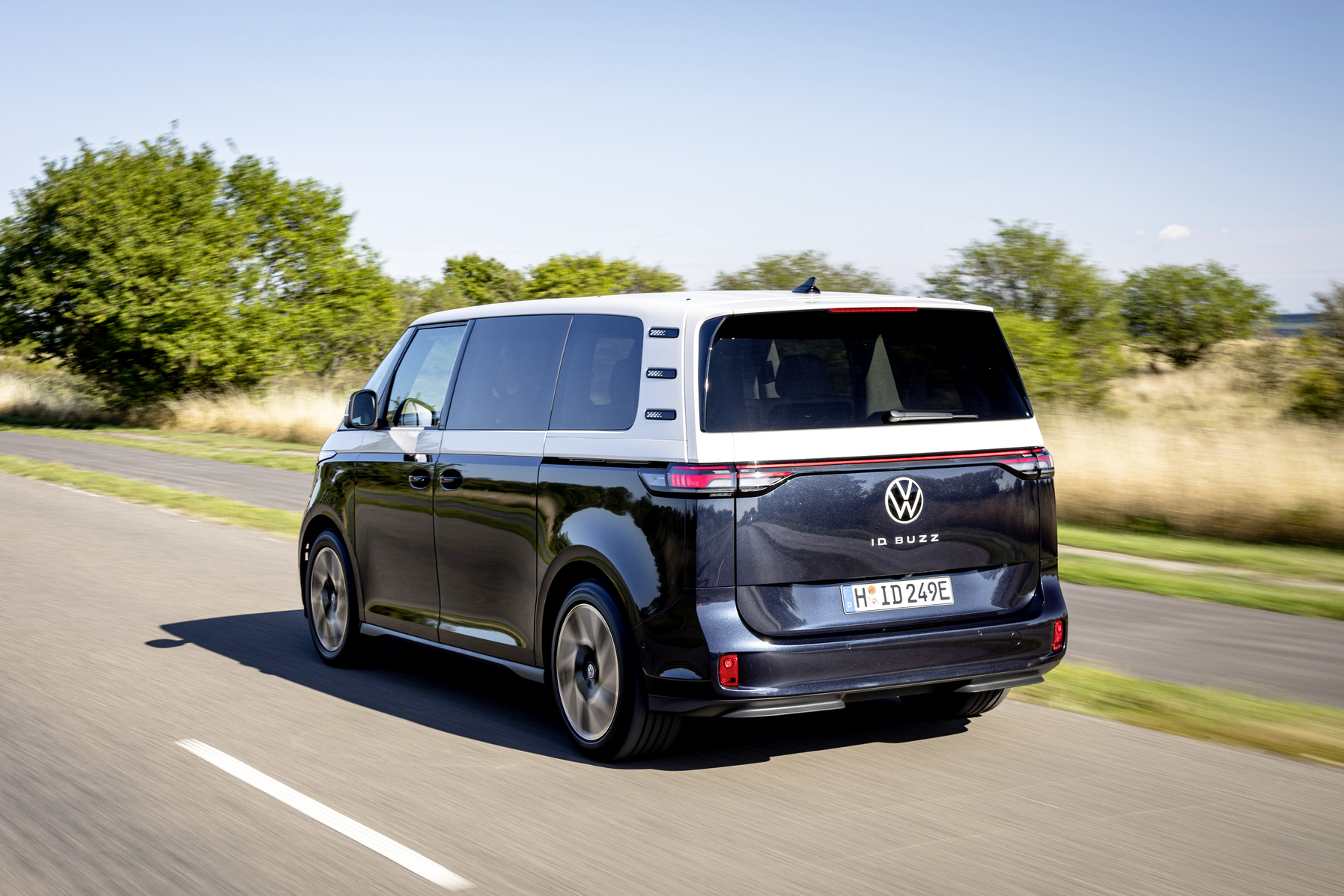
The most telling signal comes from the showroom floor itself. Dealerships are struggling to sell the ID. Buzz and are resorting to drastic discounts. In 2026, discounts of up to 30% off the list price are appearing. A model priced at 60,000 euros can then be bought for around 42,000 euros.
That sounds attractive, but it also tells a clear story: the car is not worth what Volkswagen is asking for it. The manufacturer has priced it too aggressively for what the technology delivers. The market is now correcting that with steep price cuts. Those price cuts damage confidence in the car’s long-term value.
What are you actually paying for?
The ID. Buzz certainly has its strengths. The space is impressive: 1,121 litres of boot space as standard and 2,205 litres with the rear seats folded down. The interior looks modern. You’ll find a 32.8 cm touchscreen, wireless charging and a decent set of safety systems. The 170 kW DC fast-charging capacity is useful. You can charge from 5% to 80% in half an hour.
But those are features you’ll also find in rivals that are thousands of euros cheaper. The Pure version sprints from 0 to 100 kilometres per hour in 7.9 seconds. Not bad, but not remarkable either. The GTX does it in 6.1 seconds, but that’s the version that heads towards 70,000 euros.
‘ That completely eats up any savings on fuel and maintenance within a few years. ’
The real long-term costs
Supporters often point to the lower running costs of electric driving. The ID. Buzz indeed has no fuel costs and lower maintenance requirements. Traditional combustion engines need more maintenance. Oil changes, timing belts and exhaust systems are a thing of the past. Road tax fluctuates between 347 and 379 euros per year.
Even so, this doesn’t outweigh the loss in value. Buyers are purchasing a car with a 30% discount. That car immediately loses a huge chunk of its purchase value the moment it is bought. That completely eats up any savings on fuel and maintenance within just a few years. The used car market will also take those high discounts into account, which will put further pressure on residual values.
Why Volkswagen isn’t adjusting the price
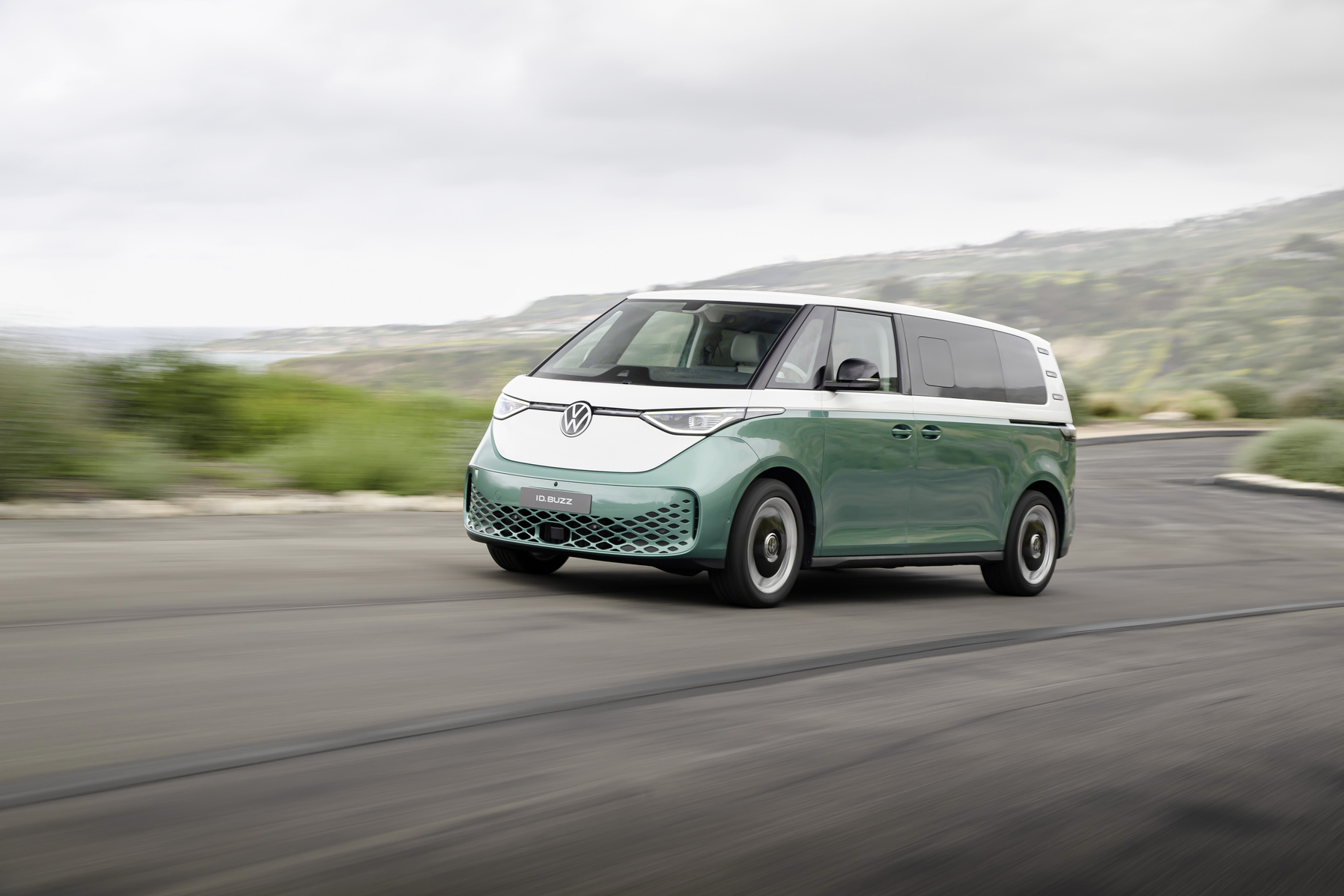
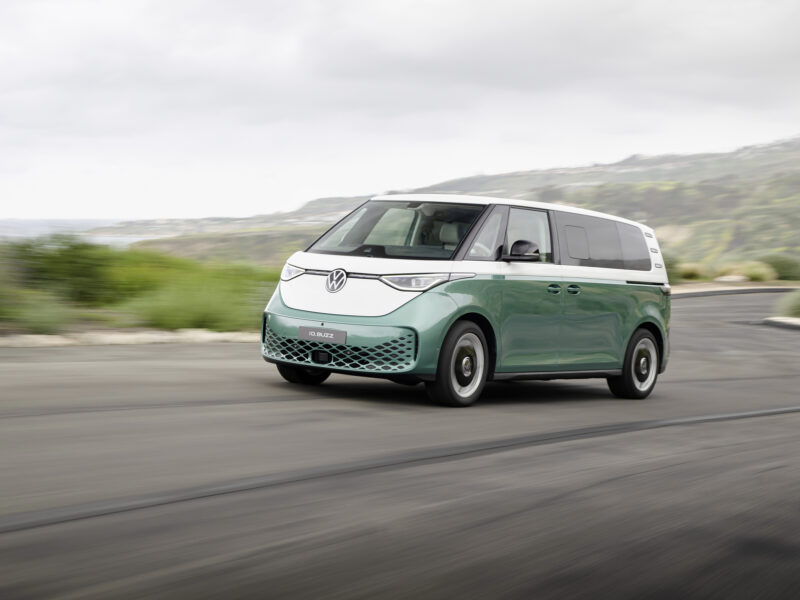
Volkswagen stuck to such a high price. But why? The ID. Buzz carries the legacy of the iconic T1 bus and the brand is trying to cash in on that nostalgia. The technology and performance have to support the emotion. Only then does that approach work. The car is not technically distinctive enough to justify that premium.
The dealer discounts indicate that Volkswagen would rather let the sales channels take the hit than lower the list price itself. On paper, that protects the brand image. Buyers who did pay the full price, however, lose confidence as a result.
So who is the ID. Buzz actually suitable for?
If you can buy the ID. Buzz with a hefty discount, the proposition suddenly becomes more interesting. Around 42,000 euros for a Pro model with 459 kilometres of range is acceptable, especially if you place a high value on space and design. Families mainly making short to medium journeys and able to charge at home may find the car works perfectly well.
But at the official list price, the ID. Buzz remains a bad deal. You pay too much for too little range, too little distinctive technology and a battery pack that lags behind the competition. The big discounts in 2026 confirm that the market feels the same way.
On the Carnews website you’ll find many more comparisons, specifications and experiences of electric cars and their rivals. Discover which models really do offer a fair price-to-performance ratio and which ones are best avoided.
Frequently asked questions
Yes, the high purchase price of the ID. Buzz can be justified by its unique combination of iconic design, fully electric powertrain and very spacious, practical interior. The car offers modern technology, strong safety and comfort equipment and relatively low running and maintenance costs. Above all, the Pro version delivers a strong price-to-performance ratio thanks to its extra range and power. For buyers who value sustainability, space and character, the premium can be defensible in that light.
With a WLTP range of 331–459 km, the ID. Buzz offers similar or slightly lower range than many electric SUVs in the same price bracket, but often beats rival electric vans, which mostly sit around 300–400 km. In real-world use its range is in line with large, less aerodynamic EVs: clearly below efficient crossovers such as a Tesla Model Y, but competitive with cars like the Mercedes EQV or Kia EV9. With up to 170 kW DC charging, its charging speed is above average for a van and comparable with or better than many electric SUVs at this price level. Thanks to 11 kW AC charging, it is also on a par with most direct rivals for home charging.
Yes, for the demanding car enthusiast the ID. Buzz can justify the investment, especially in the Pro and GTX versions. The combination of powerful electric drivetrain, brisk acceleration and quiet, smooth driving experience delivers a modern kind of driving pleasure. On top of that, the spacious, well-thought-out interior and generous equipment provide high everyday comfort. However, those who equate driving enjoyment mainly with raw sportiness or ultra-sharp cornering will be less convinced.
Because of the lower maintenance and energy costs, the total running costs of the ID. Buzz are significantly lower than those of a comparable combustion-engined van, despite the higher list price. Road tax remains relatively modest and cost items such as oil, belts and many wear parts disappear. The generous range and practical interior space increase usability, which strengthens the feeling of value over the years of ownership. Combined with its iconic status and the growing demand for spacious electric family cars, relatively strong value retention can be expected.