
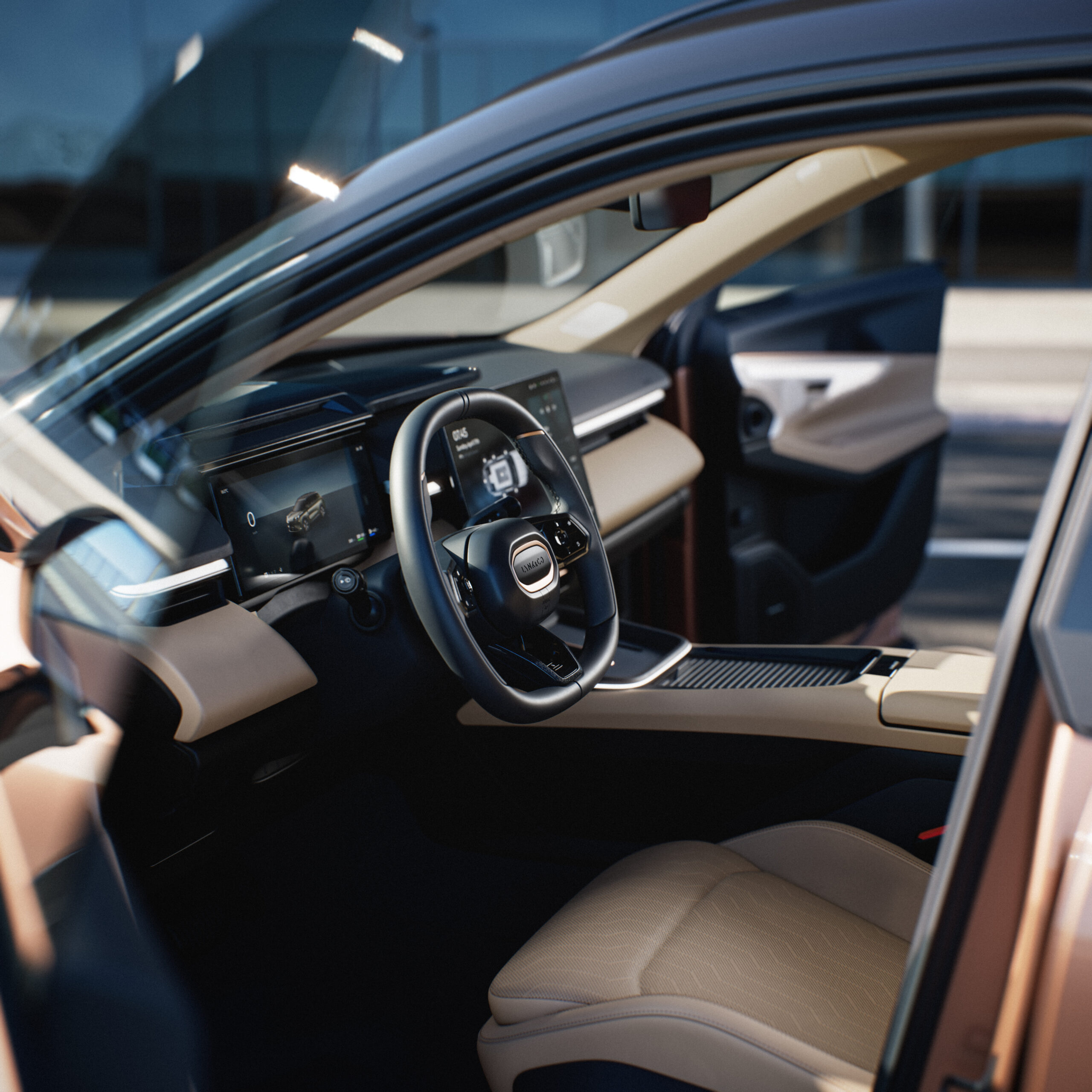
Regular preventive maintenance of the Lynk & Co 08 significantly reduces the risk of breakdowns and ensures that the hybrid powertrain continues to perform at its best. By carrying out fluid checks, filter replacement and inspection of wear parts on time, you can avoid many common problems. Keeping maintenance records also helps to identify patterns and potential technical issues.
The Lynk & Co 08, a plug-in hybrid SUV introduced around model year 2026, follows a maintenance schedule tailored to both the electric motor and the combustion engine. The vehicle automatically indicates via notifications when a service is due. This makes keeping track of maintenance easier.
In this article you can read which services are required, how often they should take place and what you can do yourself to extend your car’s lifespan. We also discuss the costs and provide practical tips for owners.
What is the recommended maintenance schedule?
The maintenance schedule for the Lynk & Co 08 is based on mileage, time or use of the combustion engine. This means it depends on how much you drive. The way you drive also plays a role. Those who drive mainly on electric power use the combustion engine less intensively. Certain maintenance intervals, however, remain time-based.
The standard basic service takes place every 30,000 kilometres of total distance, or after 20,000 kilometres purely on the combustion engine, or after 24 months. Whichever comes first is decisive. This service includes oil and filter replacement, lubrication point checks and software updates for the PHEV system. Dealers recommend always consulting the official manual for model-specific details.
In addition, specific intervals apply to various fluids and components:
- Brake fluid: replace every 30,000 kilometres or 2 years
- Cabin filter (pollen filter): every 30,000 kilometres or 2 years
- Coolant for engine and battery: every 60,000 kilometres or 4 years
- Transmission oil: every 60,000 kilometres or 4 years
- Timing belt and auxiliary belt including tensioners and rollers: every 150,000 kilometres or 10 years
‘ Contaminated coolant can cause the battery to overheat. ’
How often do I need to have maintenance carried out?
The basic service is the most frequent maintenance job. It takes place every 30,000 kilometres or 2 years. For owners who drive a lot, this may be more often than for owners who mainly drive the car electrically and cover short distances. In that case the combustion engine runs less intensively, but time also affects the condition of fluids and rubber parts.
Fluids such as coolant and transmission oil have longer intervals, but they are particularly important for the hybrid system. Contaminated coolant can cause the battery to overheat. This significantly shortens the battery’s lifespan. Users report that the Lynk & Co 08 remains reliable with strict preventive maintenance, with particular attention to the coolant.
Preferably schedule services at certified Lynk & Co dealers. This preserves the warranty and ensures that the correct diagnostic time is observed. Those who want to carry out maintenance themselves run the risk of fault codes if the diagnostics are not completed in full.
Which fluids should I check?
The Lynk & Co 08 has several different fluids. These need to be checked and topped up regularly. Engine oil is the most obvious, especially when using the combustion engine. Check the oil level at least once a month or before long journeys. Too little oil can lead to engine damage, while dirty oil affects performance.
Brake fluid is extra important in a PHEV because regenerative braking means the traditional brakes are used less. As a result, the brake fluid can remain in the system longer and absorb moisture more quickly. Moist brake fluid reduces braking power and can cause corrosion.
Coolant is specific to the hybrid powertrain. It cools both the engine and the battery. The battery generates heat while charging and discharging. The coolant ensures that the temperature remains within safe limits. Always replace this fluid on time to prevent overheating.
For the exterior, regular cleaning is important to prevent paint damage. Wash the car with a wet sponge, plenty of water and a mild car shampoo. Avoid alcohol-based products that can attack the paintwork.
What are the costs of regular maintenance?
The cost of maintaining the Lynk & Co 08 varies by dealer and region. In general, they are at a similar level to those of other plug-in hybrid SUVs. A standard basic service costs around 335 euros. This includes oil, filter, inspection and software updates.
The following indicative prices apply to specific components:
- Replacing brake fluid: approximately 99 euros
- Replacing the cabin filter: approximately 80 euros
- Replacing coolant: variable, often part of a larger service
- Timing belt including tensioners: several hundred euros, depending on labour costs
These prices are indicative and may vary per dealer. It is sensible to request and compare a quote in advance. Bear in mind that deferred maintenance may later lead to higher costs if components wear out prematurely or systems fail.
‘ Keeping a complete maintenance logbook is valuable for any potential warranty claims or if you want to sell the car. ’
Preventive maintenance tips for owners
In addition to the standard services, you can take a few measures yourself. This will extend the lifespan of your Lynk & Co 08. Make sure the vehicle is always disconnected before you start maintenance. Also ensure that the powertrain is switched off. The battery can carry voltage even when stationary, which involves risks.
Update the onboard software during every service. Software updates optimise the performance of the PHEV system and can resolve minor faults before they become more serious. Many owners notice that their car drives more smoothly after a software update.
The cabin filter deserves extra attention. Early replacement is recommended. This prevents allergens and dirt from building up in the air conditioning system. This not only improves air quality, but also the efficiency of the air conditioning, especially on long journeys. Forums emphasise that this is a small investment with noticeable results.
Use the Lynk & Co app to set reminders for services. The app provides an overview of the maintenance history. It can help identify patterns if problems do arise. Keeping a complete maintenance logbook is valuable for any potential warranty claims or if you want to sell the car.
What do maintenance records deliver?
A complete maintenance record offers more than just proof of work carried out. It helps you recognise patterns in your car’s behaviour. Certain components sometimes need to be replaced more often. Fluids may become contaminated more quickly. This can point to an underlying issue.
Dealers also use maintenance records to assess warranty claims. Suppose a defect occurs. It may turn out that maintenance has not been carried out according to schedule. This can have consequences for warranty coverage. A complete record therefore also protects you financially.
When selling the car, a documented maintenance history increases its value. Buyers trust that the car has been well maintained and run a lower risk of hidden defects. This can make the difference between a quick sale and a long search for a buyer.
How do you keep the warranty?
The warranty on the Lynk & Co 08 remains valid if maintenance is carried out correctly. Maintenance must be performed at the prescribed intervals by an authorised dealer. DIY maintenance or servicing at non-authorised garages can jeopardise the warranty, especially if no full diagnostics are carried out.
The maximum diagnostic time recommended is around half an hour. If this time is exceeded without the diagnostic process being completed, fault codes may be generated in the system. These codes remain in the vehicle’s history and may later raise questions with dealers or testing stations.
Carefully keep all invoices and maintenance documents. Digital copies are handy as a back-up, but original documents are often still required for warranty claims. Make sure all work carried out is clearly described, including date, mileage and parts used.
‘ “Whether you are looking for practical tips, other owners’ experiences or answers to technical questions, there is a wide range of articles available.” ’
Discover more about the Lynk & Co 08
On the Carnews website you will find much more information about the Lynk & Co 08 and other models from the brand. Whether you are looking for practical tips, other owners’ experiences or answers to technical questions, there is a wide range of articles available. Discover what other owners experience, read about common problems and their solutions, and stay up to date with the latest developments around this model.
Frequently asked questions
The Lynk & Co 08 has a basic service every 30,000 km of total driving distance (or 20,000 km on the combustion engine) or every 24 months, during which engine oil and filter, general checks and software updates are carried out. Brake fluid and cabin filter are usually replaced every 30,000 km or 2 years, while coolant (engine/battery) and transmission oil are due at around 60,000 km or after 4 years, and the timing belt with associated parts at around 150,000 km or 10 years. Recommended preventive maintenance includes timely fluid changes, regular checks of brakes, tyres and filters, and consistently installing software updates for the hybrid system. Preferably use certified Lynk & Co service centres and follow the warnings and notifications in the infotainment system and the app to ensure optimal performance and warranty retention.
DIY enthusiasts should pay extra attention to the high-voltage components of the PHEV powertrain: always make the system voltage-free and follow the safety procedures in the manual. Incorrect work on the hybrid system or the battery coolant can lead to fault codes or damage, which can put the warranty at risk. Software and ECU updates on this model are largely handled via the dealer and are less suitable for DIY, whereas simple jobs such as replacing the cabin filter and work on wheels/tyres are suitable for self-maintenance. Furthermore, timely replacement of coolant (also for the battery) and filters is crucial to prevent battery and air conditioning problems.
A punctual maintenance schedule extends the lifespan of the Lynk & Co 08 because wear parts (oil, filters, coolant, belts) are replaced on time and PHEV-specific components are better protected. Reliability increases because faults in the hybrid and braking systems are more often prevented in advance and software remains up to date. With demonstrable dealer servicing, the factory warranty is better safeguarded and future buyers are more likely to regard the vehicle as “carefully maintained”. This usually results in a higher residual value and an easier sale on the used car market.
Car enthusiasts can carry out their own visual inspections (tyre pressure and tread, topping up windscreen washer fluid, replacing the cabin filter earlier, cleaning and caring for paintwork and rubber seals) and basic checks of lights and windscreen wipers. You can check the oil level yourself, but the actual replacement of engine oil, brake fluid, coolant and transmission oil should preferably be done by a professional. Work on the high-voltage system, the PHEV powertrain and replacing the timing belt and auxiliary belt should strictly be done in a certified workshop. To preserve warranty and safety, all service-related work according to the official maintenance schedule is essential to have carried out professionally.
In the preventive maintenance of the Lynk & Co 08, software updates play a central role in keeping the PHEV system, safety systems and energy management up to date and efficient. During every service, the onboard software is updated to fix known bugs and optimise performance. Diagnostic equipment reads out fault codes and checks the status of, among other things, the battery, hybrid powertrain and sensors, so that emerging problems are detected at an early stage. This combination of structured diagnostics and regular software updates reduces the risk of failures and extends the lifespan of critical components.