
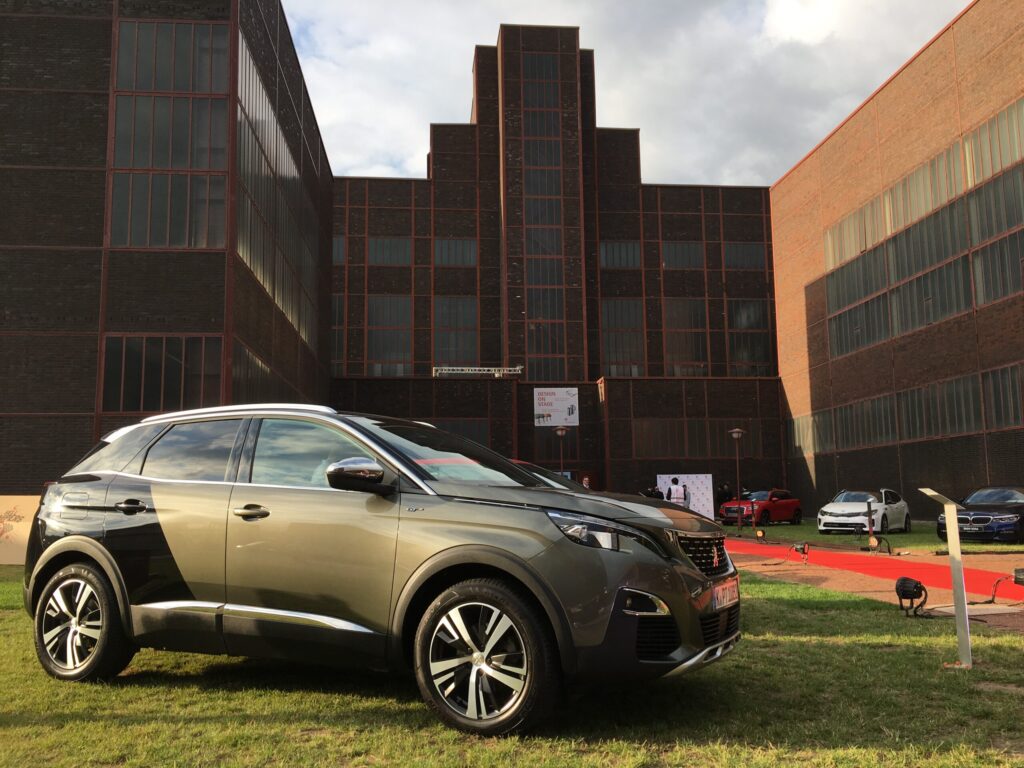
Many owners of the Peugeot 3008 plug-in hybrid see their electric range collapse to barely 1 kilometre instead of the expected 4 kilometres, while recuperation on the motorway often fails completely and the battery does not even charge fully. These practical problems occur more often than you might expect and require a targeted approach. In this article you will read what the causes are and how you can recognise and resolve these problems.
Why does the hybrid battery not charge fully?
The traction battery of the Peugeot 3008 hybrid in some cases does not charge fully or stops charging prematurely. This problem has several causes. Software limits the charging strategy to protect the battery, especially at extreme temperatures. A fault in the high-voltage system can also cause the charging process to stop prematurely.
Cold temperatures lead to a strong reduction in usable battery capacity. The battery then accepts less energy while charging and needs more time to charge fully. This is partly normal battery behaviour. A sudden change points to a technical problem. Check whether error messages appear on the infotainment screen during or after charging.
A defective inverter or a problem in the charging cable can also cause charging to stop earlier. Try charging the car at different charging points. This rules out the charging infrastructure as the cause. Pay attention to whether the charging time is unusually short or whether the charging process stops unexpectedly.
‘ In winter the electric range drops by 30 to 50 percent. ’
Electric range disappoints in real-world use
In real-world use, owners often do not achieve the quoted electric range of the Peugeot 3008 hybrid. Owners regularly report that the range drops to only 1 kilometre, while they expected at least 4 kilometres. This extreme difference calls for explanations.
Seasonal influences play a major role. In winter the electric range drops by 30 to 50 percent. The lower ambient temperature and the use of the heater cause this. The battery performs less well in cold conditions and part of the energy goes to heating the cabin instead of propulsion.
Your driving style also has a major impact on the range. Short trips with many stops offer more opportunity for electric driving. Longer journeys at higher speeds do not. On the motorway the petrol engine cuts in more quickly. There is then less scope for fully electric driving. A low state of charge, incorrect use of the driving modes or excessively low tyre pressure increase energy consumption. This further reduces the range.
Recuperation does not work on the motorway
Recuperation is the recovery of energy while braking or coasting. The electric motor then acts as a generator and slightly tops up the battery. Owners of the Peugeot 3008 hybrid report problems with this system on the motorway. Sometimes it works barely or not at all. The car then coasts without clear engine braking. Little or no energy flows back to the battery.
This problem can have several causes:
- The battery is already almost full and does not accept extra energy
- The battery temperature is too high or too low. Safe charging is then not possible.
- Software limits recuperation to protect components
- A fault in the brake control system or the inverter prevents energy recovery
- High-voltage components switch off temporarily. This is a safety measure.
Recuperation works best under gentle braking. Lower speeds also help. On the motorway there are fewer and less intensive braking moments, so there is less energy to recover. That is normal behaviour. If recuperation remains completely absent while you are braking firmly or driving downhill, a technical problem may be developing.
How do you recognise a fault in the recuperation system?
Watch for the following signals. You feel less deceleration when you release the accelerator. The car keeps rolling. The characteristic engine braking of a hybrid is missing. On the dashboard you see little or no energy flowing back. The battery does not receive this energy while braking.
The hybrid system switches back to a safer mode. You receive a message about reduced operation of the hybrid system. The system also reports that it has detected a fault. These warnings reappear after a reset or restart. Have a specialist carry out a diagnostic check in that case.
Common causes of battery and recuperation problems
Modern plug-in hybrids are heavily dependent on software. A fault in the battery management system affects the charging strategy. The energy distribution and recuperation are also affected. Outdated software leads to inefficient behaviour. Error messages then also appear. Check with your dealer. Ask about available updates for the hybrid system.
The high-voltage components, such as the inverter and the traction battery itself, can develop faults. In the event of a fault, the system often switches to a safer mode. Sometimes it shuts down the electric functions completely. Fault codes appear in the system. These codes point to the component that needs attention.
Ageing of the battery also plays a role. Over time the traction battery loses capacity, which is normal. Certain usage patterns accelerate this process. Rare charging or standing still for long periods with a low state of charge can cause this. Many Peugeot plug-in hybrids have a separate warranty on the battery with a minimum capacity guaranteed for a certain period.
‘ Tyre pressure that is too low increases rolling resistance and fuel consumption, which can look like a battery problem. ’
What can you check yourself?
Start with charging behaviour. Does the car charge fully? Does the process stop early? Does an error message appear on the screen? Try different charging points. This rules out infrastructure problems. Note the charging time and compare it with previous charges.
Also observe how the car recuperates. Does coasting feel different from before? Do you see any anomalies in the energy flow display while braking? Drive a familiar route. Compare consumption and range with previous journeys. Make sure the conditions are similar.
Check tyre pressures. Tyre pressure that is too low increases rolling resistance and fuel consumption, which can look like a battery problem. Also check with your dealer. Ask there about available software updates. Updates can improve the performance of the hybrid system.
When should you go to the garage?
The electric range suddenly drops sharply and you have no clear explanation such as extreme cold. In that case, go to a specialist or dealer. Hybrid or high-voltage error messages keep returning. Diagnosis is then also required. Recuperation clearly no longer works. Charging becomes unreliable. Have fault codes read out in that case.
Ask for a diagnosis of the hybrid system. Fault codes will be read out. The battery status is also checked. The condition of the charging and inverter components is assessed. Keep all charging and consumption data. Also keep the service history. Take screenshots of error messages. This information helps with diagnosis and can be relevant for warranty claims.
Practical tips for hybrid owners
Charge the car fully as often as possible, especially for daily commuting. This maximises the electric range and prevents the petrol engine from having to assist constantly. Use preheating or climate schedules if available. The car is then already at temperature while still connected to the charger. This saves battery capacity while driving.
Regularly drive a longer trip. The hybrid system then rebalances fully and also monitors itself better. Avoid leaving the car standing for long periods with an extremely low state of charge. This shortens the life of the battery. Keep software and servicing up to date. Have error messages read out immediately, even if they disappear by themselves.
Be alert to seasonal effects. A lower range in winter is normal, but a sudden extreme drop is not. Are you unsure about the cause? Then have a diagnostic check carried out. Otherwise, small problems can grow into major repairs.
‘ There is a wealth of practical knowledge ready to help you further. ’
Discover more about the Peugeot 3008
On the Carnews website you will find extensive information. You can read about common problems, maintenance tips and experiences of owners of the Peugeot 3008 and other models. Want to know more about engine problems? Transmission faults and electrical systems are also covered. There is a wealth of practical knowledge ready to help you further. Take a look and discover what other car enthusiasts share about their experiences.
Frequently asked questions
The most common recuperation problems with the Peugeot 3008 hybrid are reduced regenerative braking (less deceleration when releasing the accelerator) and the feeling that the car mainly “coasts” without visibly recharging. You can recognise this by clearly lower energy recovery shown on the energy meter/instruments, a battery that runs down more quickly than you are used to and more frequent intervention of the petrol engine in urban traffic or on downhill stretches. Sometimes these phenomena are accompanied by error messages from the hybrid or high-voltage system or a switch to a less efficient safety mode. In the case of a sudden change compared with normal behaviour, especially if warnings also appear in the display, there is usually a genuine technical problem.
The service life of the hybrid battery in a Peugeot 3008 is mainly influenced by temperature (especially cold), charging and usage patterns (often leaving it empty or rarely charging it fully), driving style (a lot of high-speed driving and hard acceleration) and the condition of the software/system. You can optimise it by charging fully on a regular basis, not leaving the car parked for long periods with an (almost) empty battery and adopting a smooth, steady driving style with correct tyre pressures. If possible, use preheating/climate schedules so that the battery is exposed to less stress, especially in winter. Finally, make sure software updates and servicing at the dealer are up to date so that battery management and recuperation work optimally.
The costs for repair or replacement of the hybrid battery or the recuperation system in a Peugeot 3008 can vary greatly depending on age, mileage, type of fault and warranty. Outside warranty, replacing a high-voltage or hybrid battery can quickly run into several thousand euros, while smaller repairs to the recuperation system (sensors, inverter, software) are usually significantly cheaper. Always have an official diagnosis with fault codes and a battery condition test carried out first to determine whether full replacement is necessary or whether a (much cheaper) partial repair or software update will suffice. Also ask the dealer about any remaining factory or extended battery warranty, as this can significantly reduce the costs.
There are no specific worldwide recall actions known that are aimed solely at resolving hybrid battery or recuperation problems with the Peugeot 3008. However, Peugeot dealers regularly release software updates for battery management, charging strategy and the recuperation system that can reduce or resolve some complaints. These updates are usually carried out during routine servicing or after diagnosis of faults. It is therefore advisable to ask an official Peugeot dealer whether there are any outstanding software updates or service actions for your chassis number.
You can use the central display and/or the MyPeugeot app to monitor the estimated electric range, average consumption and recovered energy (recuperation indicator) and thus see trends in battery condition and recuperation. While driving, pay attention to the energy flow diagram: when you release the accelerator and brake it should be clearly visible that current is flowing back to the battery. Compare your electric range and consumption under similar conditions (season, route, speed) over a longer period to detect deterioration. For a proper state-of-health (SoH) measurement of the hybrid battery and an accurate diagnosis of the recuperation system, reading out the system with dealer or specialist diagnostic tools is required.