
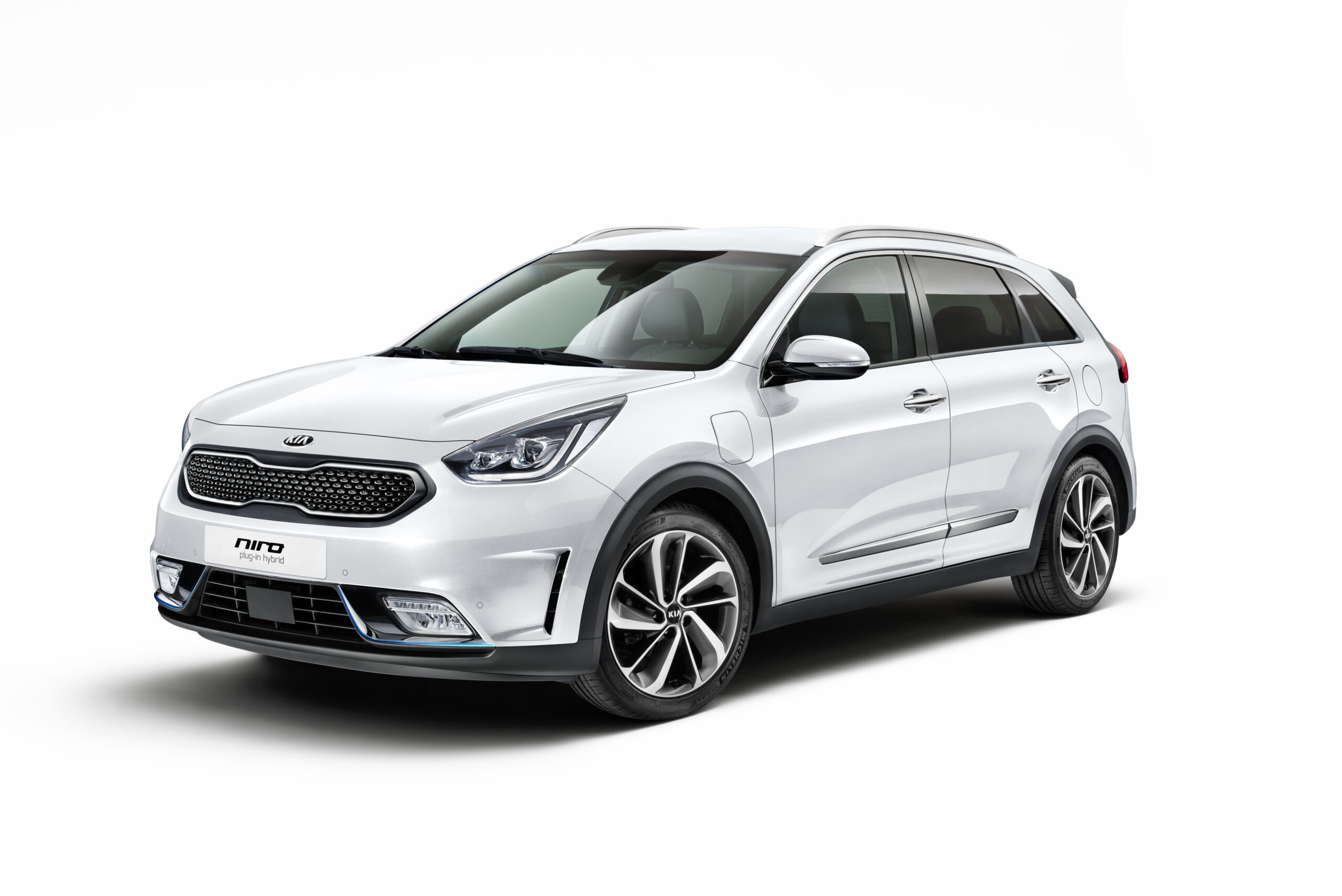
The Kia Niro hybrid suffers from two persistent issues that require dashboard removal: leakage in the hybrid clutch and defective air-conditioning evaporators. These repairs are complex and time-consuming. In many cases they are covered under warranty if reported in time. Find out which symptoms point to these problems and how you can take action as an owner.
Why the hybrid clutch causes problems
The hybrid clutch in the Kia Niro connects the combustion engine to the electric motor and is prone to wear. Models from 2016 and 2017 in particular suffer from defective hydraulic housings with internal leaks. These leaks often lead to jolts while driving and loss of power. In severe cases, there is a risk of short circuits.
Thousands of owners report a characteristic “clunk” sound when changing gear. This grating or knocking noise often indicates worn transmission components. It can also point to insufficient hydraulic oil in the clutch housing. The problem mainly occurs during acceleration. You may also encounter it when braking. In addition, it manifests itself during transitions from electric mode to hybrid mode. Electric mode (EV mode) is the setting in which the car runs solely on electricity, without the combustion engine. In heavy city traffic, the first symptoms often appear after 100,000 kilometres.
Heavy loads accelerate wear significantly. Towing trailers puts more strain on the system than normal use. Detachable towbars have extra play. As a result, this type of towbar puts even more pressure on the clutch. The repair requires removal of the dashboard to reach the hydraulic housing. This makes the repair labour-intensive, but in many cases it is covered by the warranty.
How to recognise a leaking evaporator
The air-conditioning evaporator in the Kia Niro hybrid is hidden behind the dashboard. When it fails, the air conditioning does not cool properly. Even after topping up the refrigerant, the cooling remains weak. This is due to leakage in the system, usually caused by corrosion or damage to the evaporator itself.
Typical symptoms are:
- Cold air suddenly cutting out while driving
- Build-up of moisture in the front passenger footwell
- Bad smells from the air vents, caused by mould growth
- Condensation water ending up inside the car
The hybrid drivetrain produces additional heat. Conventional cars do not produce this amount of heat to the same extent. This overheating puts extra strain on the air-conditioning evaporator. The effect is particularly noticeable in the summer months and during prolonged use. The heat accelerates corrosion. This often leads to premature failure of the system.
Fixing a leaking evaporator requires a lot of dismantling work. The entire dashboard has to come out to reach the evaporator. This repair typically takes between eight and twelve hours of labour. Many dealers recognise this as a factory defect in early models and cover the costs under warranty.
What you can check yourself
Regular checks help you spot problems at an early stage. Keep an eye on dashboard warnings every day. Warning lights may indicate overheating. They may also point to issues with EV mode. These warnings can signal stress in the hybrid clutch.
While driving, pay attention to abnormal behaviour. Vibrations or jolts during acceleration are often the first sign of clutch wear. A delayed response when pulling away also points to transmission problems. Harsh transitions between driving modes require professional diagnosis.
For the air conditioning you can carry out a few checks yourself. Check whether the cooling works consistently at different temperature settings. Test whether condensation water drips under the car after using the air conditioning. That is normal. If however the water leaks inside the car, this water leak points to a defective evaporator.
Replace the cabin filter once a year. Also use an air-conditioning disinfection spray to combat mould. According to owners, this approach prevents 80% of odour problems. Park the car in the shade in hot weather. After switching off, let the ventilation run for a short while. This reduces overheating of the evaporator.
Practical maintenance tips to prevent problems
Preventive maintenance extends the lifespan of the hybrid clutch. It also extends the lifespan of the evaporator. Have the transmission oil checked annually. Also have the coolant checked. Low fluid levels accelerate wear and failures in the hybrid clutch and the air conditioning.
With intensive use you can take extra measures:
- Avoid heavy trailers if you have a detachable towbar
- Switch between driving modes manually on a regular basis. This spreads the load on the clutch more evenly.
- After maintenance, drive for at least 15 minutes at over 30 km per hour. The sensors are then reset.
- Regularly check whether there are any outstanding recalls for your VIN (vehicle identification number)
Dealers regularly carry out leak tests on the air conditioning. Often a simple flush is sufficient. Do not wait too long. A small leak can develop into a complete failure. A complete failure requires much more expensive repairs. If corrosion is suspected, replacement is necessary. This is then the long-term solution.
‘ Always report problems within the warranty period. ’
When you should go to the dealer
If symptoms persist, go to the dealer straight away. Examples of persistent symptoms are grinding noises from the gearbox, recurring jolts while driving or ongoing cooling problems with the air conditioning. A grinding noise from the gearbox or jolts while driving require professional diagnosis. The dealer uses special equipment to check for internal leaks in the hydraulic clutch housing.
For air-conditioning problems, the same need for immediate diagnosis applies. Does the cold air cut out after a short period of use? Then immediate action is required. Immediate action is also required if there is moisture build-up. The dealer first performs a leak test. The test shows the exact location of the problem.
Always report problems within the warranty period. Contact the dealer as soon as you notice symptoms. Many dealers recognise these defects as manufacturing faults. This applies especially to models from 2016 and 2017. Recalls have resolved some clutch-related issues. Not all cases are automatically covered.
Warranty repairs often involve full replacement of the defective components. For the hybrid clutch, the entire hydraulic housing is often replaced. For evaporator defects, the dealer frequently replaces the complete evaporator. The pipework is then renewed as well.
Differences between model years
Early Kia Niro hybrid models from 2016 and 2017 have the highest number of reported clutch problems. Evaporator issues are also common in these years. Kia claims that overheating problems have been resolved in models from 2019 onwards. The manufacturer has improved the cooling. The materials in the hydraulic components have also been modified.
Cars produced later have improved sealing of the evaporator housing. The improved sealing reduces the risk of corrosion and leaks. Even so, regular inspections remain necessary. The hybrid drivetrain produces extra heat. This heat continues to put strain on the system.
Do you drive intensively or often transport heavy loads? Then you should preferably choose a more recent model year. The improved components last longer under heavy loads. This benefit is especially relevant for owners who tow trailers. It also applies to owners who cover long distances every day in urban traffic.
Find out more about the Kia Niro
Hybrid clutch and evaporator defects are manageable problems. Timely action is important, though. Regular checks and preventive maintenance often result in smaller repairs instead of expensive replacements. On the Carnews website you will find extensive information on other common problems with the Kia Niro. The site also offers comprehensive information for other models. Discover practical tips, maintenance advice and experiences from other owners. This information helps you get the most out of your car.
Frequently asked questions
How can I recognise the ‘early symptoms’ of a ‘defective hybrid clutch’ or ‘evaporator’ in my Kia Niro?
Early symptoms of a defective hybrid clutch in a Kia Niro include mild jolts or vibrations when accelerating or braking, a “clunk” sound when changing gear and sometimes delayed or irregular engagement of the drive. You may also see dashboard warnings about hybrid or overheating problems. With an evaporator issue, you will often first notice reduced cooling performance from the air conditioning, moisture or condensation problems and musty or mould-like smells from the vents. If these complaints gradually get worse, it is advisable to get a diagnosis from the dealer or a specialist company.
What are the ‘common causes’ of these ‘defects’ and how can I ‘prevent’ them in my Kia Niro?
Common causes of these defects include wear of the hybrid clutch due to heavy loads (such as frequent acceleration, stop-start traffic or towing a trailer) and issues in the hydraulic housing, as well as contamination, mould and corrosion in the evaporator/air-conditioning system. You can help prevent them by limiting heavy loads as much as possible, getting a prompt diagnosis if you notice vibrations, jolts or “clunk” noises, and having the transmission oil and coolant checked regularly. Clean the interior/cabin filters once a year, use air-conditioning disinfection spray and, if cooling performance declines, have a leak test and, if necessary, a flush of the air-conditioning system carried out. Finally, check that all recalls on your VIN have been completed, especially those relating to the clutch and relays.
What are the ‘estimated costs’ and ‘repair options’ for a ‘defective hybrid clutch’ or ‘evaporator’ on a Kia Niro?
For a defective hybrid clutch on a Kia Niro, the estimated costs are usually between about €1,500 and €3,000, depending on whether only the clutch or also the hydraulic housing and related components need to be replaced. Repair options range from software updates and flushing/replacing transmission oil to complete replacement of the clutch and housing, often carried out by the dealer. For a defective air-conditioning evaporator you should usually expect costs of around €600 to €1,200, depending on labour hours and any additional HVAC leaks or corrosion. Sometimes cleaning, flushing and topping up the system is enough, but if there is leakage or severe corrosion, full replacement of the evaporator is required.
What ‘long-term consequences’ can ‘delaying’ repairs to the ‘hybrid clutch’ or ‘evaporator’ have for my Kia Niro?
Delaying repairs to the hybrid clutch can lead to further wear, jolts and loss of power, eventually creating a risk of internal leakage, short circuits and, in extreme cases, even fire. Continuing to drive for a long time with a poorly functioning clutch can also damage other transmission components and significantly increase repair costs. A defective or leaking evaporator will, in the long term, cause permanently reduced cooling performance, possible corrosion damage in the air-conditioning system and mould or odour problems in the interior. All of this can affect the reliability, comfort and resale value of your Kia Niro.
Are there any ‘specific maintenance routines’ that can ‘extend the lifespan’ of the ‘hybrid clutch’ and ‘evaporator’ in a Kia Niro?
Yes, there are specific maintenance routines that can extend the lifespan of both the hybrid clutch and the evaporator in a Kia Niro. Have the transmission oil and coolant checked annually, and if you notice vibrations, jolts or “clunk” sounds, get an immediate diagnosis to limit further clutch wear. Avoid heavy loads such as (frequent) towing of a trailer and, where possible, drive gently when the drivetrain is cold. Clean the interior filter once a year and use an air-conditioning disinfection spray regularly to keep the evaporator clean and to prevent corrosion and blockages.