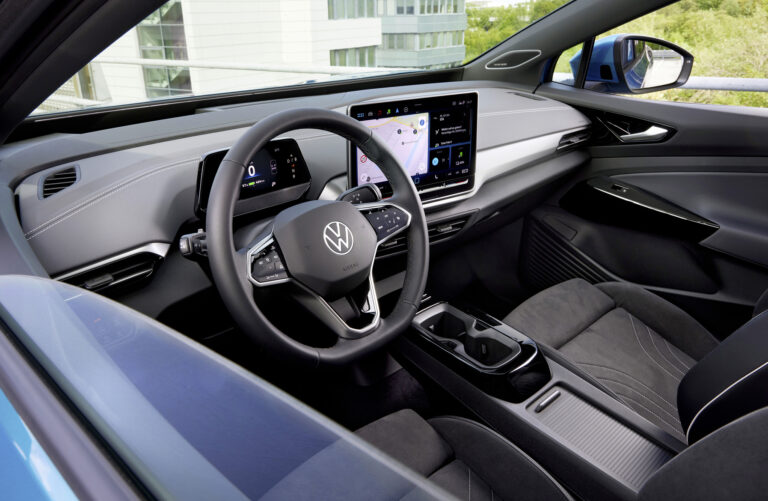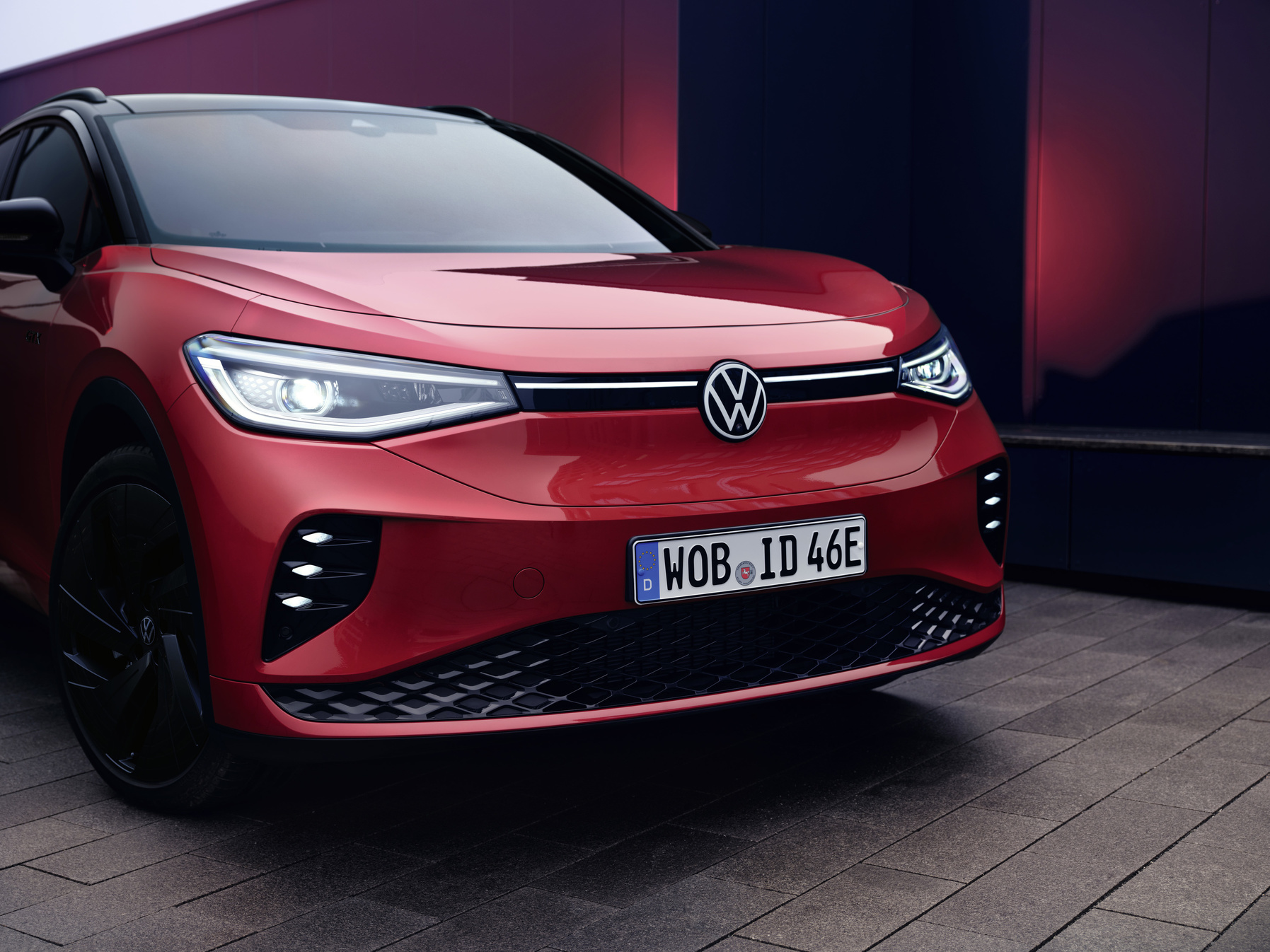
The Volkswagen ID.4 (a fully electric SUV) suffers from structural reliability issues that send owners to the workshop regularly during the first year. Faulty wing mirrors, non-functioning rain sensors and broken door locks are very common. Service procedures are developing slowly. Diagnostics take days, while very little actually gets repaired. Is this electric SUV really as safe a choice as you might think?
Which problems are most common?
Owners report a striking number of technical faults within the first 18 months. The problems are concentrated around electronics, sensors and basic components. Drivers rely on those parts. Wing mirrors that come loose due to heat, rain sensors that simply don’t do their job, and door locks that seize up or no longer respond are at the top of the list.
There are also complaints about the reversing camera. It gets dirty quickly and turns out to be barely usable at night. The hands-free tailgate works only intermittently. Interior lighting cuts out for no obvious reason. Automatic braking systems trigger too easily. The latter causes dangerous situations on inclines or when towing a trailer.
- Faulty wing mirrors due to heat
- Rain sensors that don’t respond
- Broken or non-working door locks
- Reversing camera with poor night vision and very sensitive to dirt
- Automatic brakes that activate too easily
- Intermittent interior lighting with no clear cause
‘ Some owners report: their car is at the workshop more often than on the driveway. ’
Why do repairs take so long?
The long waiting times at the dealer are a major source of frustration for ID.4 owners. A diagnosis can take several days, while the actual repair often only takes a few hours of work. Dealers still have limited experience with Volkswagen’s electric platforms. Software problems take time to isolate.
Some owners report that their car spends more time in the workshop than on the driveway. Recalls are handled slowly and parts can sometimes take weeks to arrive. Courtesy cars are not always available, which increases the impact on your day-to-day mobility. Plan ahead and explicitly ask about a replacement vehicle. Do this when you book your appointment.
How reliable is the ID.4 in comparison?
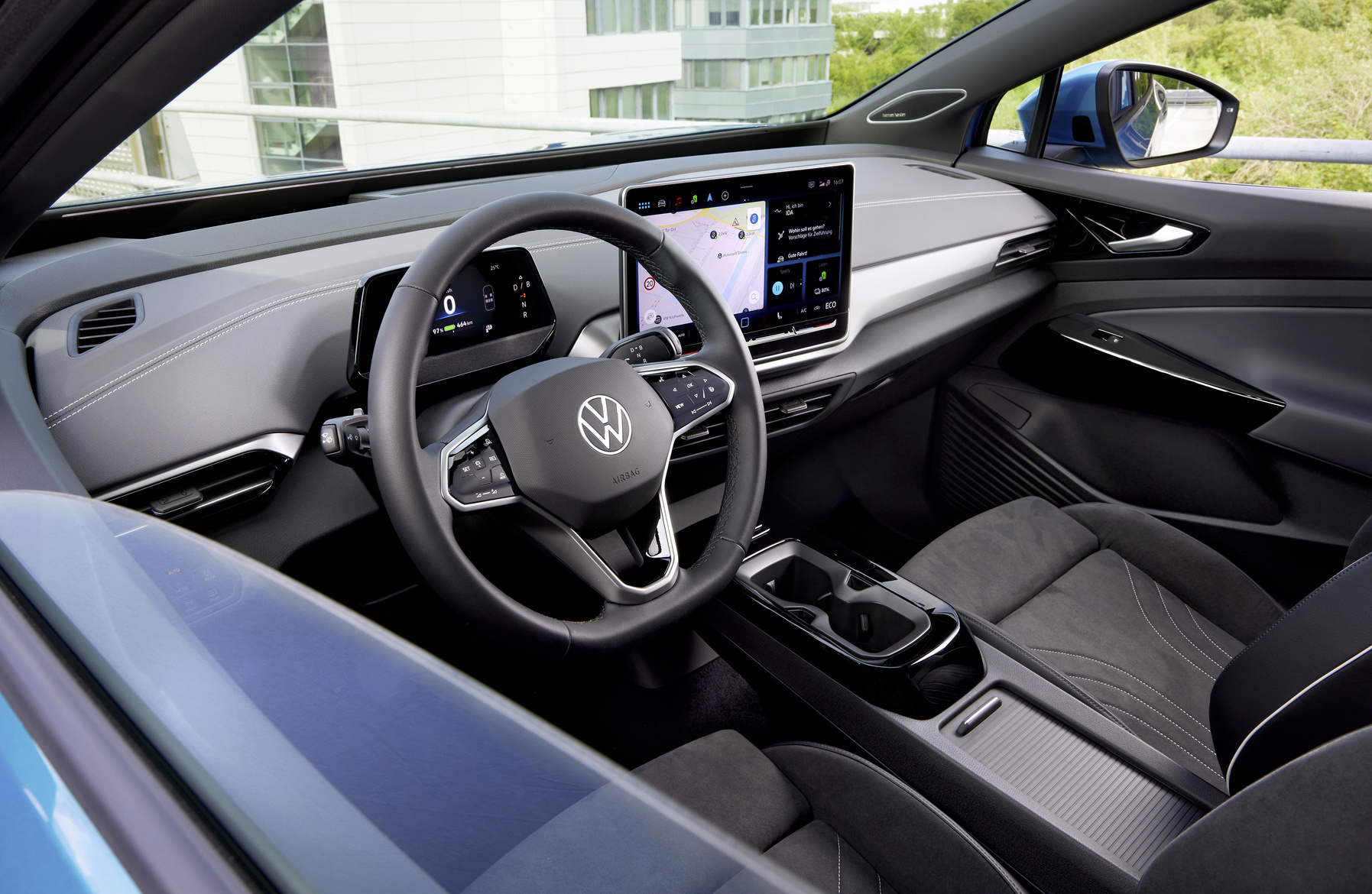
Reliability scores for the ID.4 sit below the average of comparable electric SUVs. With established brands you usually expect a stable base after the first year. With the ID.4, problems keep piling up. The infotainment system responds slowly, interior panels are loose and sensors fail without clear cause.
Model years 2023 through 2025 show structural weaknesses. Experts predict similar problems for the 2026 model. Volkswagen does, however, offer a strong warranty. It covers electric components for 8 years or 160,000 kilometres. In addition, the manufacturer offers 2 years of free servicing. That provides some reassurance, but it doesn’t solve the practical nuisance of frequent workshop visits.
Should you expect software issues?
Yes, software glitches occur regularly. Indicators and horn sometimes trigger by themselves unexpectedly while driving on the motorway. That is a frightening experience. The touchscreen stutters and simple functions require convoluted menus. Over-the-air updates can fix minor bugs. Not all problems are resolved that way.
Register for the Volkswagen app to receive updates without visiting a garage. This saves time, but don’t expect miracles. Dealers cannot fix hardware problems (issues with physical parts of the car), such as faulty mirrors and sensors, with software. During a test drive, thoroughly test the infotainment and the automatic braking systems, especially on inclines.
‘ But those advantages don’t outweigh the number of times you have to go to the dealer for repairs that really shouldn’t be necessary. ’
What do owners say about service appointments?
User experiences vary greatly from dealer to dealer. A pattern of slow handling emerges consistently. Owners report that simple diagnoses require several visits. Communication about the status of repairs remains limited. Some dealers show little sense of urgency while the customer’s car sits in the workshop for weeks.
Positive experiences focus mainly on ride comfort and the quiet cabin. The ID.4 feels familiar to those used to traditional Volkswagens. The spacious interior and smooth steering are appreciated. But those advantages do not outweigh the number of times you have to go to the dealer for repairs that really shouldn’t be necessary.
Is the driving range reliable?
The real-world range (the practical distance on a single battery charge) is often below the quoted figures. Volkswagen claims a range between 385 and 430 kilometres for various versions, but in practice many owners achieve around 385 kilometres. This is especially true for all-wheel-drive versions and when the car is loaded or in cold weather.
Consider the Pro battery (the larger battery-pack version of the ID.4) for a longer range and faster charging times. Avoid trailers if range is a priority for you. Plan your charging strategy carefully, especially on longer trips. The ID.4 charges relatively quickly on rapid chargers. The gap between theory and practice can be surprising if you’re not prepared for it.
Are there any active recalls?
Yes, there is one active recall (official recall by the manufacturer) for incorrectly fitted wheel bolts. This can lead to wheels working loose, a direct danger to road safety. When buying, always check whether any outstanding recalls have been carried out. Dealers must do this free of charge, but take the initiative yourself to verify the status.
There have also been previous recalls. These concerned software problems and electrical components. The number of recalls indicates that quality checks were not sufficient before the car was launched on the market. That increases the risk that, as a buyer, you will encounter problems early in the life cycle that will only be structurally resolved later on.
‘ The touchscreen control concept makes simple actions unnecessarily complicated. ’
Which elements disappoint in everyday use?
Apart from the technical faults, the cheap feel of the interior stands out. Plastics don’t feel as you would expect from Volkswagen. The touchscreen control concept makes simple actions unnecessarily complicated. There is no spare wheel as standard, which immediately causes problems if you break down by the roadside.
Consider run-flat tyres or a portable compressor if you drive long distances. You can switch off the automatic brakes for everyday use, especially if you have a steep driveway. If necessary, install a dashcam (a camera that records your journey) with its own power supply to avoid problems with the car’s wiring. When buying, check the panel fit and finish and test all touch controls straight away.
Who is the ID.4 suitable for despite the problems?
The ID.4 feels normal for people buying an electric car for the first time. There are no extreme quirks that make driving difficult. For daily commuting and family use, the car offers sufficient space and comfort. But don’t expect sporty driving pleasure and be prepared for more frequent maintenance than you might be used to.
If you are looking for a hassle-free, reliable electric SUV, there are better alternatives. The ID.4 is a risky purchase for anyone who values reliability and fast service. The strong warranty provides financial security. It does not solve the practical inconvenience. Consider carefully whether you are prepared to accept those frustrations.
On the Carnews website you’ll find extensive comparisons with other electric SUVs, detailed information on reliability scores and up-to-date service ratings for dealers. Discover which models perform better and which warranty conditions really make the difference.
Frequently asked questions
Common problems reported by ID.4 owners include slow or glitchy infotainment, an unreliable hands-free tailgate, intermittent interior lighting and sensors/automatic brakes that intervene too sensitively. There are also quality issues such as loose panels, defective mirrors and door locks, plus a reversing camera that gets dirty quickly and gives poor visibility at night. These software and electrical faults regularly mean the car has to go to the dealer, functions are temporarily not properly usable and driving in certain situations (on inclines, with a trailer) becomes uncomfortable or even nerve-racking.
In the long term, the ID.4 scores slightly below the segment average in terms of overall reliability, mainly due to software and quality issues rather than widespread battery or drivetrain failures. The electric components (including battery and drivetrain) are well covered by a relatively strong 8-year/160,000 km warranty, which actually puts it above average in terms of warranty coverage. In practice, owners more often report issues with infotainment, sensors and fit-and-finish than with the battery itself. Compared with other electric SUVs in this segment, the drivetrain is solid, but the overall user experience can be perceived as less reliable because of minor faults and slow dealer handling.
For the ID.4, Volkswagen generally uses service intervals of every 2 years or around 20,000 km, with the first 2 years often including (partly) free maintenance, and costs after that mainly relating to inspections, filters, brakes and tyres. The bigger cost items in the longer term are tyres (due to the high weight and torque) and brakes/suspension, while motor and transmission maintenance remain relatively limited. Important service points specific to an electric car are periodic checks of the high-voltage battery (condition and cooling system), software updates (infotainment, driver assistance systems, charging management) and inspection of charging ports and cables for wear or corrosion. In addition, regular checks of the braking system are essential, because brakes on EVs can seize or wear unevenly due to regenerative braking.
Service appointments at Volkswagen dealers for the ID.4 are experienced as reasonably transparent in terms of warranty conditions (including 8 years/160,000 km on EV components), but the execution is often inefficient due to long waiting times for diagnosis and parts. ID.4 owners report that software updates and recalls are usually handled via the dealer, but that these processes can take weeks and sometimes months. Experiences with warranty claims are mixed: many repairs of known issues (sensors, door locks, mirrors, software) are indeed carried out under warranty, but they take a lot of time and organisation. As a result, some owners say that the car is “in the workshop too often”, even though the costs themselves are usually covered.