
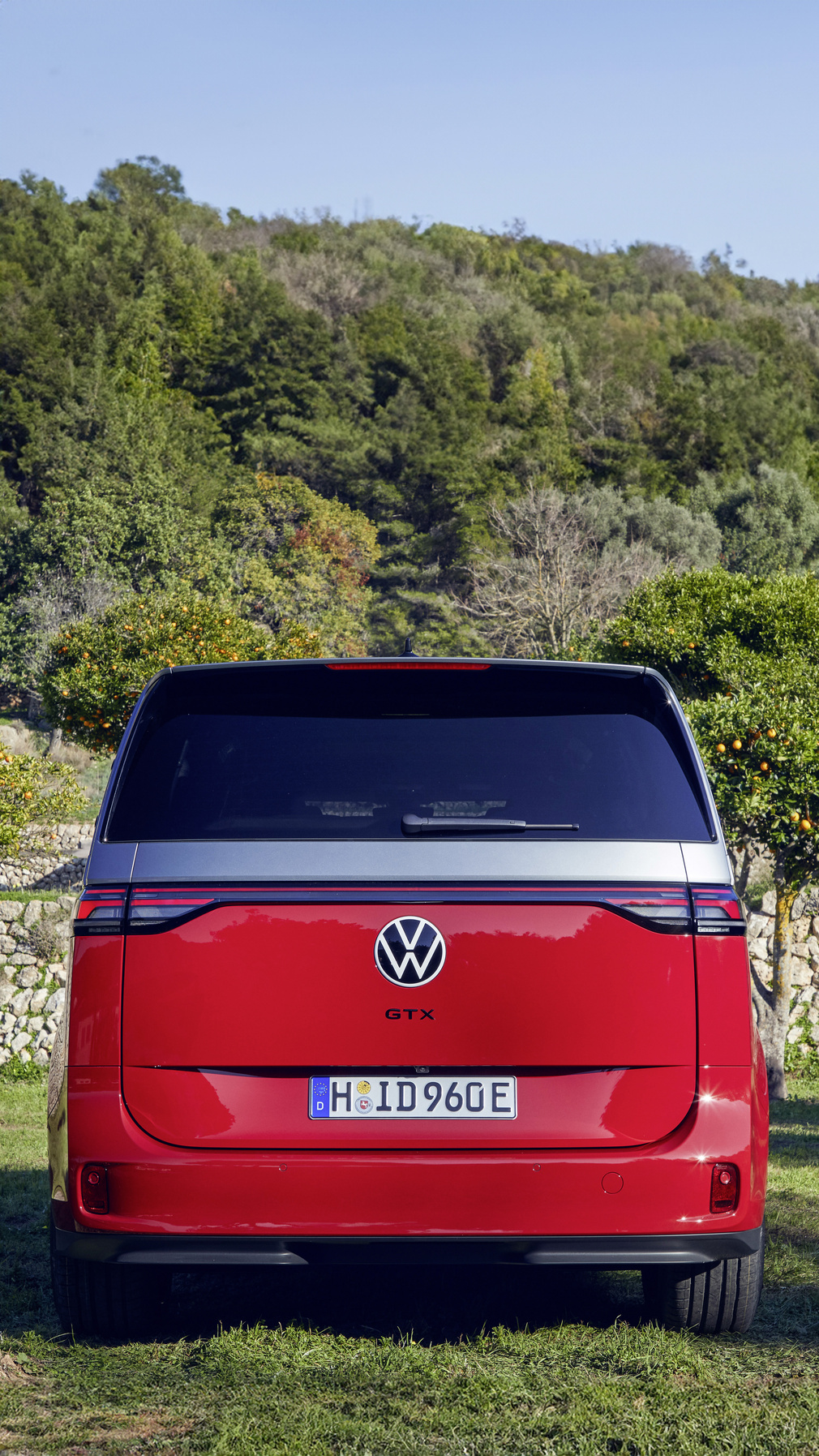
The Volkswagen ID. Buzz Cargo now accounts for 46% of total sales within the ID. Buzz range, with growing interest in the upcoming long-wheelbase version due in 2026. The electric van offers companies an attractive design and a practical solution for sustainable mobility, but the high purchase price and limited range mean it is mainly suited to specific business use cases. For companies considering the switch to electric vehicles, the following applies: weigh up the possibilities as well as the limitations carefully. The key question is: does this model fit your business activities?
The ID. Buzz Cargo is more than a nostalgically inspired van. The vehicle combines zero-emission technology with practical features for everyday commercial use. With an electric motor producing 150 kW (204 PS) and 310 Nm of torque, the van offers solid performance, while the 77 kWh battery provides a range of around 256 to 276 kilometres. This makes it particularly suitable for urban and suburban routes where it can be charged on a daily basis.
The Volkswagen ID. Buzz Cargo has 3.9 cubic metres of load space, enough for two Euro pallets. The practical dimensions are 2,208 mm load length, 1,279 mm load height and a maximum of 1,230 mm width between the wheel arches. Maximum payload is 650 kg with a gross vehicle weight between 3,000 and 3,150 kg. These specifications make the van suitable for plumbers, electricians, delivery companies and other service providers who transport tools or stock.
Reliability for business owners
For business owners, reliability is a key concern when choosing a commercial vehicle. The ID. Buzz Cargo is built on Volkswagen’s MEB platform. This is the same basis used for other electric models in the group. This platform has now built up a track record in real-world use. Electric vehicles, however, still depend on software updates and battery technology that is continually evolving.
Service intervals for electric vehicles are generally less frequent than for combustion-engine cars. This is because there are fewer moving parts and no oil changes are required. Battery packs, electric motors and specific cooling systems do require specialised maintenance. Have this carried out by authorised dealers. For companies, it is important to research in advance which dealers in the region can provide service. Also check what warranty conditions apply.
The range of 256 to 276 kilometres may be a limitation for some businesses. Companies with long daily routes can run up against practical limits. The same applies to companies with little access to charging infrastructure. The vehicle supports fast charging up to 170–185 kW, allowing the battery to be charged to around 80% in about 30 minutes. This makes topping up en route feasible, on the condition that charge points are available at fixed locations or along routes.
Benefits of the long wheelbase for company fleets
Volkswagen will introduce a long-wheelbase version of the ID. Buzz Cargo in 2026. This LWB version will offer additional possibilities for companies with greater transport needs. The extended wheelbase significantly increases the load space, making it more attractive for fleet managers to deploy multiple vehicles for different tasks.
The advantages of a long wheelbase for company fleets include:
- Larger load space for bulk goods, longer materials and more stock per trip
- Possibility to install bespoke racking and storage systems
- Potentially higher battery capacity for extended range
- More flexibility in fleet composition with different load sizes
Many companies work with standardised vehicle fit-outs and fixed routes. For these businesses, a longer version can increase efficiency. It means fewer trips for the same amount of goods. Manoeuvrability in tight city environments remains a point of attention. The standard ID. Buzz Cargo already has a turning circle of 11.1 metres, which the LWB version will likely increase.
Suitability for different sectors
The ID. Buzz Cargo is aimed at business customers in sectors where sustainability and urban mobility come together. Delivery services, installation companies and retail businesses are the main target audience. For these companies, this van offers a combination of practical capacity and zero-emission status. Cities are introducing low-emission zones. In addition, government contracts increasingly require sustainable vehicles. In that context, the model offers a solution.
The design attracts attention. It can contribute to brand image for companies that position themselves around sustainability. The side sliding door with a 756 mm opening enables quick access to the load. Robust materials in the load space are designed to withstand daily wear and tear. The double front bench seat provides space for transporting a team, with the middle seat folding away for extra flexibility.
Calculating leasing costs
Total costs for business use consist of several elements. The purchase price or lease payment is only one part of the overall picture. When calculating costs for an ID. Buzz Cargo lease, multiple factors play a role and together determine whether the van is financially attractive for your company.
Important cost factors include:
- Monthly lease payment
- Energy costs for charging, both at home and at public charge points
- Maintenance costs
- Insurance premium
- Tax breaks and subsidies for electric commercial vehicles
- Depreciation and residual value in case of outright purchase
The monthly lease payment often depends on the term and agreed annual mileage. Maintenance costs are usually lower than for diesel vans, because there are fewer moving parts. The insurance premium can vary due to the electric drivetrain, making it less predictable than for conventional vans.
Electric commercial vehicles may be eligible for tax incentives such as lower benefit-in-kind rates. MIA and Vamil schemes also apply. The Environmental Investment Allowance (MIA) offers tax advantages when investing in environmentally friendly business assets. The Vamil scheme allows accelerated depreciation. This can reduce total cost of ownership. The benefit is particularly significant with operational leases that include maintenance and insurance packages.
Compare different leasing companies and pay attention to the conditions relating to annual mileage. Exceeding the limit can turn out to be expensive.
Energy costs depend heavily on charging behaviour. Charging on your own premises with business electricity tariffs is generally cheaper. Using public rapid chargers is more expensive. Calculate how many kilometres you drive on average. Map out which charging options are available. This will help you estimate realistic monthly costs. Companies with high daily mileages may run up against the limits of the range, which can lead to extra investment in charging infrastructure.
Practical considerations for daily use
The ID. Buzz Cargo offers modern controls and digital features that simplify day-to-day work. The multifunction steering wheel provides access to key functions while keeping your hands on the wheel. This contributes to safe driving during busy working days with many stops.
The battery placement in the floor creates a low centre of gravity. This low centre of gravity results in stable and dynamic handling. Even when fully loaded, the van remains easy to handle in urban environments. The towing capacity of 1,000 to 1,200 kg provides additional transport capability. This is relevant for companies that regularly tow materials or equipment on a trailer.
One important consideration is the availability of charging points at fixed locations. Companies without their own charging infrastructure depend on public networks. This requires planning and flexibility. Make sure your operating area offers sufficient charging options. You can also invest in your own charge points. Both options help ensure operational reliability.
‘ This points to a shift in the market. ’
Developments in electric commercial transport
The growth of Cargo sales within the ID. Buzz range is striking. It shows that companies are open to electric alternatives. The arrival of the long-wheelbase version in 2026 responds to demand for greater capacity. This version may also offer more range. This points to a shift in the market. Price and infrastructure remain key issues for broader adoption.
Many companies want to start using electric vehicles now. For these businesses, the ID. Buzz Cargo offers a combination of practical functionality and image. The choice depends on your specific transport needs and budget. Available charging options also play a role. Check whether the range matches your daily routes. Determine whether the load capacity is sufficient for your work.
On the Carnews website you will find much more information about electric commercial vehicles. You will find comparisons between brands and practical tips for making the switch to sustainable mobility. Discover which electric vans are the best fit for your company and stay up to date with developments in business transport.
Frequently asked questions
Driving the ID. Buzz Cargo on a daily basis feels calmer and more comfortable because the electric drive is almost silent and delivers its power instantly. The low placement of the battery pack ensures stable and confident road holding, even when fully loaded. The short turning circle makes it remarkably manoeuvrable in busy city centres, unlike many traditional commercial vehicles. Combined with the ergonomic, work-focused cabin, this creates a driving experience that feels more like a modern passenger car than a classic panel van.
The iconic design of the ID. Buzz Cargo acts as a mobile business card, helping a company stand out and project a modern, innovative and sustainable brand image. Its striking retro-futuristic shape and colour schemes attract a lot of attention on the street, which increases brand recognition. Customers generally respond positively to the van’s likeable, friendly appearance, which encourages conversations and creates new contact moments. Employees are often proud to drive a vehicle with such a distinctive look, which can enhance engagement and job satisfaction.
The ID. Buzz Cargo offers modern technological innovations such as a fully digital cockpit with touchscreen, smart driver-assistance systems (such as lane-keeping and parking systems) and an energy-efficient electric drivetrain that makes driving smoother and quieter. In addition, it features advanced connectivity options such as integrated navigation, real-time vehicle and battery information and integration with business and trip planning via apps. This connectivity makes it easier to optimise routes, plan charging stops and monitor vehicle data, which increases efficiency. Together, these technologies deliver a comfortable, user-friendly and productive driving experience for the modern entrepreneur.
The payload of 650 kg and 3.9 m³ meets the practical requirements of many urban and regional business applications, such as installers and couriers, but is less suited to very heavy or extremely bulky loads. The range of around 256–276 km matches daily journeys in towns and surrounding regions, but can be limiting for long-distance transport without careful charging plans. The high DC charging speed (up to roughly 170–185 kW, 80% in about 30 minutes) supports intensive use with short charging stops, which fits dynamic logistics operations. For companies focused mainly on local distribution or service visits, these characteristics largely meet performance expectations and practical usability; for national transport, additional solutions or different vehicle types are needed.
The ID. Buzz Cargo offers long-term financial benefits through lower energy costs per kilometre, reduced maintenance on the electric drivetrain and potential tax incentives or subsidies for zero-emission commercial vehicles. Its sustainability aspects, such as zero local emissions and a lower CO₂ footprint, align with stricter environmental requirements and can strengthen the image of a green, future-oriented company. Although the initial investment can be higher than for a comparable diesel van, these extra costs are often partially offset by lower operating expenses and the expected residual value. For an entrepreneur who highly values innovation and image, the modern technology, distinctive design and sustainable character often weigh positively against the higher purchase price.