
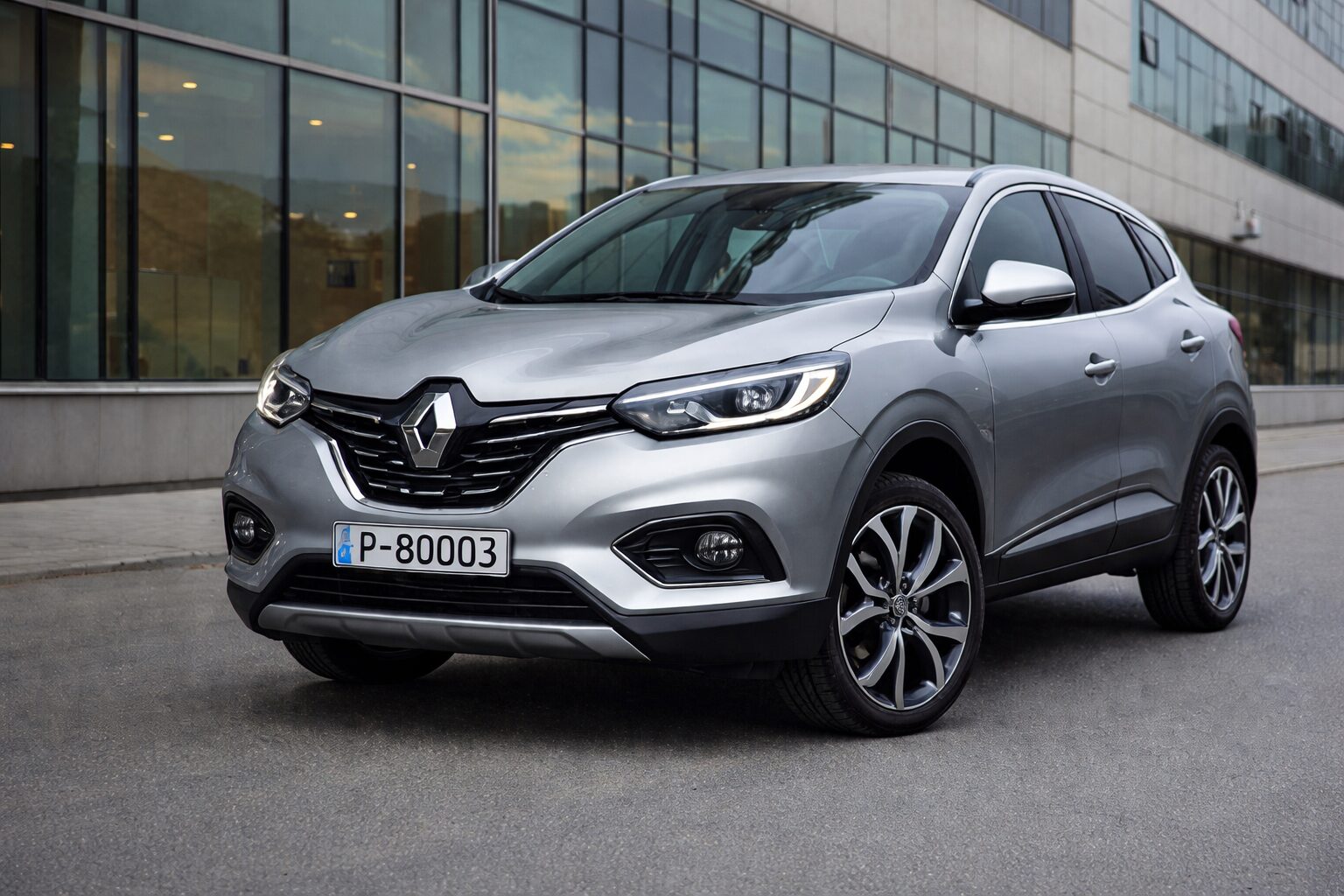
The Renault Kadjar with TCe engine has a known issue: increased oil consumption. This is caused by worn piston rings or contaminated cylinders, allowing oil to enter the combustion chamber and burn. If you leave this for too long, you risk serious engine damage and high repair costs. If you recognise the symptoms in time, you can prevent worse with the right steps.
Why does the Kadjar TCe use too much oil?
The increased oil consumption in the Renault Kadjar occurs mainly with the 1.2 TCe and 1.3 TCe turbo petrol engines. Renault Kadjar car problems models have been particularly known for this complaint since 2015. The main cause lies with clogged oil scraper rings or wear on the piston rings. These components normally ensure that oil stays in the sump and does not enter the cylinder.
When the oil scraper rings become contaminated or the piston rings are worn, oil slides past the pistons upwards. There it burns together with the fuel. This process leads to carbon deposits in the cylinders and on the inlet valves. Compression decreases and the engine starts to perform less well. In the 1.3 TCe variants with 130 hp and 150 hp, this problem is particularly severe in urban traffic, where the engine does not get warm enough and lubrication is insufficient.
The turbocharger can also be affected by the increased oil consumption. The turbo needs good lubrication to stay at the right temperature and function properly. Too little oil causes overheating and wear. You will then notice loss of power or blue smoke from the exhaust. Timing chain issues and cooling problems also occur and can indirectly increase oil consumption.
‘ The sooner you intervene, the smaller the risk of serious engine damage. ’
Do you recognise the symptoms?
The first sign of increased oil consumption is often a falling oil level. If you have to top up every week or every two weeks, there is probably something wrong. In a healthy engine this should only be necessary once between two services. Owners of Kadjar models report this particularly after 50,000 to 100,000 kilometres.
Watch out for these warning signs:
- Bluish smoke from the exhaust, especially when pulling away or accelerating
- Ticking or rattling noises from the engine
- Loss of power, especially during acceleration
- Increased fuel consumption
- Oil warning light that comes on more often
These symptoms point to advanced wear. If you see blue smoke, the engine is actively burning oil. This means that carbon deposits are building up and further damaging the cylinders. Do not ignore these signals. The sooner you intervene, the smaller the risk of serious engine damage.


How do you measure oil consumption?
Check the oil level regularly to determine whether your Kadjar really is using too much oil. Do this on a level surface and wait a few minutes after switching off the engine. Pull out the dipstick, wipe it clean and put it back in. Pull it out again and read the level.
Note the mileage at each measurement and keep track of how much oil you top up. Normally a petrol engine uses a maximum of half a litre per 10,000 kilometres. Anything above that is increased. With the Kadjar TCe, owners sometimes report consumption of 1 to 2 litres per 5,000 kilometres. That is far too much and calls for action.
Check the oil level weekly, especially if you make a lot of short trips or mainly drive in town. In that case the engine does not reach proper operating temperature and the piston rings are less effective. Record your measurements in a logbook or app. This will help you spot patterns and demonstrate to the garage that there is a problem.
What are the solutions?
The way you tackle increased oil consumption depends on the cause. The severity of the problem also plays a role. With light contamination, a professional engine flushing treatment can help. In this procedure the engine is cleaned with special agents that dissolve carbon deposits and contamination. This works well as a preventive measure or for early-stage issues.
If the piston rings are worn or the cylinders damaged, repair is necessary. A mechanic removes the pistons and replaces the rings. Sometimes the cylinders also need to be honed or skimmed (this means the top of the cylinders is machined to restore a perfectly flat surface). This intervention is costly but prevents further damage. In the case of severe wear, a complete engine replacement may even be required. That runs into the thousands of euros.
Owners who intervened in time report positive experiences after repair. The engine runs smoothly again, oil consumption returns to normal and loss of power disappears. So do not put it off. Ask your garage to perform a compression test. This shows whether the piston rings are still doing their job properly and whether the cylinders are building sufficient pressure.
‘ Careful oil maintenance makes all the difference. ’
Practical tips to prevent damage
You can take measures yourself to limit oil consumption and keep the engine healthy. These tips will help:
- Use high-quality synthetic engine oil with the correct specification for your Kadjar
- Change the oil more frequently than the manufacturer prescribes, for example every 10,000 to 15,000 kilometres
- Regularly drive at higher revs to burn off carbon deposits
- Avoid short trips where the engine does not get properly warm
- Have the oil level checked weekly and top up in good time
- Consider professional engine cleaning as a preventive measure
Careful oil maintenance makes all the difference. Use synthetic oil and change it regularly so the engine stays clean and wear is limited. Synthetic oil offers better protection against wear and keeps the engine cleaner. If you change it more often than standard, you remove contamination and combustion residues before they cause damage. Do you often drive in town? Then occasionally plan a longer motorway journey. The engine will then reach proper operating temperature and burn off deposits.


Specifications of the TCe engines
The Renault Kadjar with 1.2 TCe has an engine capacity of 1,198 cc and delivers 130 hp at 5,500 revolutions per minute. Torque is 205 Nm from 2,000 revolutions. Average consumption is between 5.8 and 6.8 litres per 100 kilometres. CO2 emissions vary from 126 to 130 grams per kilometre. Acceleration from 0 to 100 kilometres per hour takes 10.1 seconds and the top speed is 192 kilometres per hour.
These engines offer good performance and are economical to run. Many owners appreciate the driving comfort and power. However, increased oil consumption remains a point of attention. At higher mileage, the risk of problems with oil scraper rings and piston rings increases. Stay alert and maintain the engine properly.
Experiences from owners
Kadjar drivers report different experiences with oil consumption. Some are barely affected and only top up occasionally. Others suffer from consistently high consumption and have to add a litre every month. The 1.2 TCe 130 Intens from 2015 is often mentioned on forums, with complaints about oil scraper ring problems at mileages above 80,000.
Positive feedback comes from owners who had work carried out in good time. After repair of the piston rings or a thorough cleaning, the engine runs like new again. Average fuel consumption remains favourable, often around 6.8 litres per 100 kilometres in eco mode. This still makes the Kadjar an attractive choice, provided you keep up with maintenance.
On the Carnews website you will find much more information about Renault models and common technical problems. Discover which points of attention apply to your car and which maintenance tips really help to prevent engine damage.
Frequently asked questions
The most common technical causes are clogged or sticking oil scraper rings and wear of the piston rings, allowing more oil to be drawn into the combustion chamber. This causes additional carbon deposits in the cylinders and on inlet valves, which can further worsen the issue. Particularly in the 1.3 TCe, insufficient lubrication, for example due to a lot of short city driving, can also damage the turbocharger and thus increase oil consumption. Timing chain and cooling problems also occur and can indirectly increase oil consumption.
Effective solutions include using high-quality, fully synthetic engine oil of the correct specification and shortening the oil change interval to roughly every 10,000–15,000 km. In the case of consistently high consumption, have a compression test and inspection of the piston rings and oil scraper rings carried out so that wear can be tackled in good time. Regularly drive longer distances at operating temperature with slightly higher revs to reduce carbon build-up and above all avoid many short trips. Finally, consider professional internal engine cleaning (for example cleaning the oil scraper rings and intake system) as a preventive or corrective measure.
Whether you are eligible for (additional) warranty or goodwill from Renault depends on the year of manufacture, mileage, service history and whether the problem has been reported before; this is assessed on a case-by-case basis by the dealer/importer. For recognised issues with increased oil consumption, (partial) goodwill is sometimes possible, especially where dealer servicing can be demonstrated. If Renault does not cover any costs, repairs for internal engine damage (piston/oil scraper rings, cylinder head) can roughly range from several thousand euros, depending on the exact damage and labour involved. Always have a diagnosis and goodwill request carried out first via an official Renault dealer to obtain a detailed cost estimate.
In the long term, increased oil consumption often leads to accelerated wear of piston rings, cylinder walls and valves, resulting in loss of compression and engine power. Burning oil causes carbon deposits in the combustion chamber and on inlet valves, which worsens combustion and increases fuel consumption. Components such as the turbocharger can also wear out faster due to insufficient or contaminated lubrication. If left untreated, this can ultimately result in serious engine damage and a greatly reduced engine life.
Yes, you can take preventive measures, such as checking the oil level weekly and always using the prescribed, high-quality synthetic oil. Have the oil and oil filter changed more frequently (for example every 10,000–15,000 km) to limit contamination and carbon deposits. Regularly drive longer distances at operating temperature and avoid mainly short trips to keep the inside of the engine cleaner. In the case of early symptoms, consider a compression test and possibly professional cleaning of the oil scraper rings to prevent severe wear.