
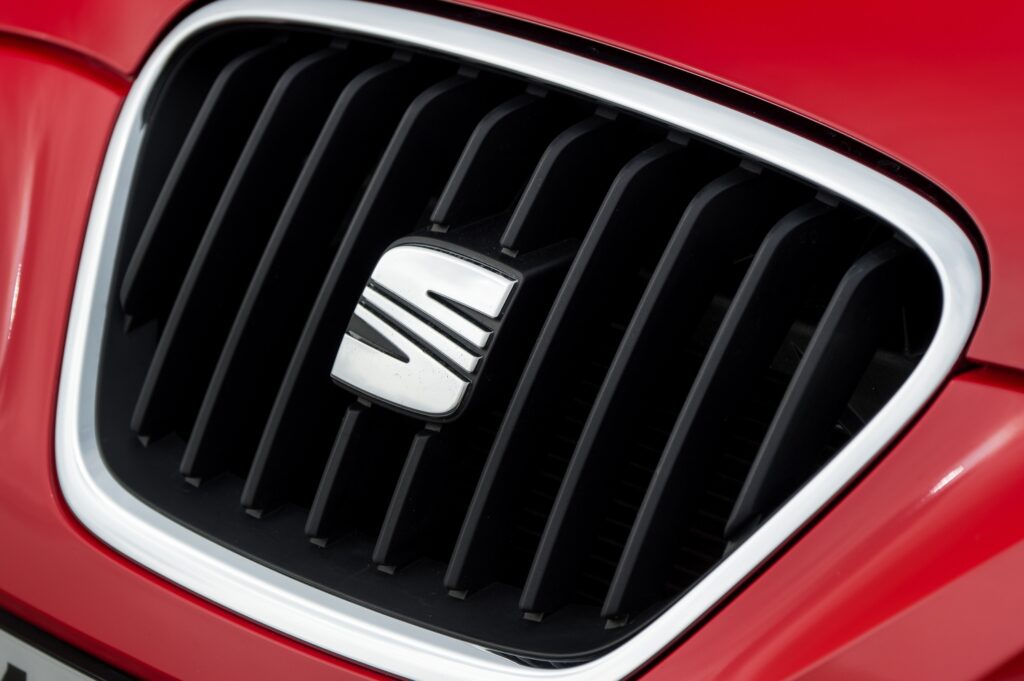
The 2.0 TDI engine, especially in the first generations used by VAG brands, regularly suffers from problems with injectors, the flywheel and the oil pump. These three points of concern can lead to loss of power, irregular idling and, in the worst case, serious engine damage. Anyone considering a car with this engine, such as the Seat Altea, or who already owns one, would be wise to be aware of these vulnerabilities. Discover below what the warning signs are, how expensive repairs can be and how to reduce the risks.
What are the symptoms of injector faults?
Injector problems are quite common on the 2.0 TDI and can show up in various ways. Owners often report hard starting, especially in cold weather, and an unstable idle speed. The engine may vibrate or hesitate while driving. Smoke from the exhaust is another common sign, ranging from white to black smoke depending on the nature of the fault.
Error codes in the onboard computer often point to abnormal injector correction values per cylinder. These are digital adjustments the engine management system makes to compensate for differences in injection between the cylinders. If these correction values deviate too far, it is a sign that one or more injectors are not doing their job properly. Misfiring and loss of power are then common consequences.
If in doubt, have the injector correction values read by a specialist. This will give you a faster and more reliable answer than relying only on sounds or driving behaviour. A timely diagnosis can prevent a failing injector from overloading or contaminating other engine components.
‘ This can save hundreds of euros, but the quality and service life vary. ’
How expensive is injector replacement?
The costs for injector replacement vary greatly. For a single injector you should expect prices between 200 and 500 euros for the part itself, depending on brand and quality. On top of that come labour costs, usually between 150 and 300 euros per injector. With older engines it can happen that several injectors have to be replaced at the same time, causing the total bill to quickly rise to 1,500 to 2,500 euros.
Besides replacement, it is also possible to have injectors reconditioned. This can work out cheaper, with prices starting at around 150 euros per injector including labour. However, refurbishment is not always an option, for example if the internal components are too badly worn. Adjustment and coding are also required after replacement or refurbishment, which adds extra time and cost.
Some owners opt for aftermarket injectors instead of original parts. This can save hundreds of euros, but the quality and service life vary. Always ask about the warranty and the garage’s experience with the chosen brand.
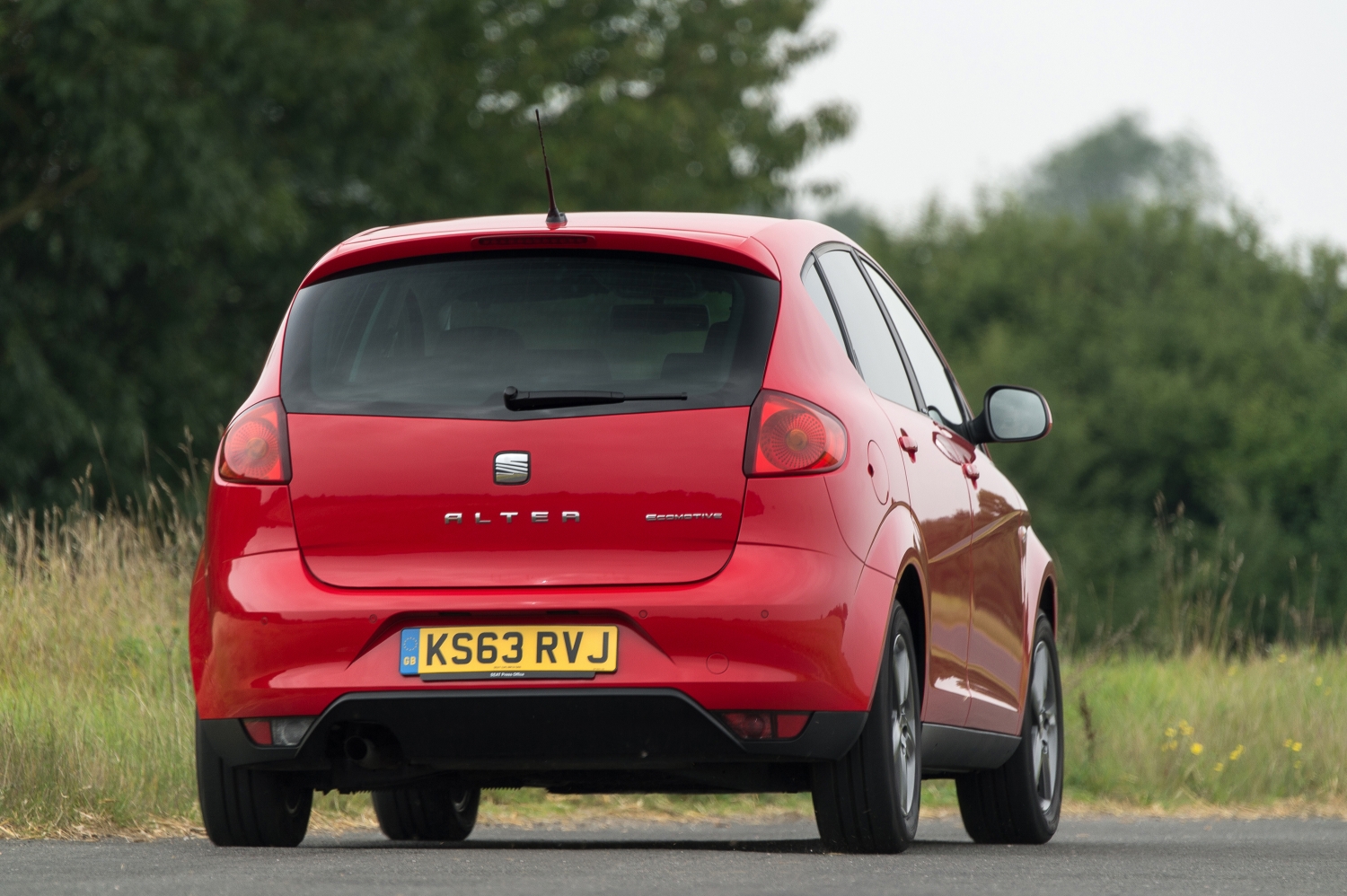
Can a bad flywheel cause engine damage?
A worn dual-mass flywheel does not in itself cause direct engine damage, but it can put extra strain on other components. The flywheel ensures a smooth connection between engine and gearbox by absorbing vibrations and shocks. If this flywheel is worn, these forces are transmitted directly to the clutch, gearbox housing and crankshaft.
Owners of the 2.0 TDI regularly report a metallic rattling noise, especially when starting from cold or idling in a low gear. Vibrations in the clutch pedal and jerky transitions when changing gear are other common signs. In the case of severe wear, the flywheel can even break apart, leading to loss of drive and possible damage to surrounding components such as the gearbox or crankshaft.
Replacement of the flywheel is almost always done together with the clutch, because the gearbox has to be removed anyway. The total costs are usually between 800 and 1,500 euros, depending on the choice between original or aftermarket parts and the garage’s hourly rate. Acting in time prevents other expensive components from being damaged.
How do I look after the oil pump?
The oil pump in the first generations of the 2.0 TDI is part of the balance shaft module, a design that is prone to wear. This set-up is often mentioned as a weak point, especially in engines built before 2010. There are no direct maintenance measures for the oil pump itself, but you can reduce the risk by consistently changing the correct engine oil on time.
Always use oil with the specification prescribed by the manufacturer and change it according to the schedule in the service book, or earlier if the car is used intensively. Dirty or too thin oil increases the load on the pump and can lead to oil pressure problems. Also pay attention to unexplained tapping noises, an illuminated oil warning light or warnings about low oil pressure. These are indications that the pump may be failing.
If in doubt it is wise to have the oil pressure measured immediately. Some garages also offer a conversion to a more robust, traditional oil pump design. This is an invasive modification, but it can significantly improve reliability. Ask about the experiences of other owners and the warranty the garage offers on this conversion.
Practical warning signs and what to do
The three main weak spots of the 2.0 TDI call for alertness and preventive action. Below are concrete warning signs and next steps for each component.
Injectors: watch out for these symptoms
- Hard starting, especially with a cold engine
- Irregular idling
- Smoke from the exhaust
- Vibrations or hesitation while driving
- Error codes in the onboard computer
If you notice these signs, have the injector correction values read. Abnormal values point to a failing injector. Acting in time prevents further contamination and loss of power.
Flywheel: hear and feel the difference
- Metallic rattling noise when starting from cold
- Drumming or rattling when idling
- Vibrations in the clutch pedal
- Jerky clutch engagement when pulling away
During a test drive, drive in low gears and pay attention to vibrations when accelerating and using engine braking. Replacement is done together with the clutch, which increases the cost but is logical given the amount of dismantling work.
Oil pump: vigilance pays off
- Unexplained engine warning lights
- Tapping noises from the engine bay
- Oil pressure warnings on the dashboard
If these signs appear, have the oil pressure measured immediately. Check whether your engine has the well-known balance shaft module with oil pump drive and consider a conversion if there are recurring problems.

Buying and maintenance tips for the 2.0 TDI
If you are considering a car with a 2.0 TDI, you can avoid many nasty surprises with a few targeted questions and checks. When buying, always ask whether the oil pump or balance shaft module has already been overhauled or replaced. At higher mileages it is sensible to check whether the flywheel has recently been renewed, often together with the clutch.
Have the engine checked for injector deviations using diagnostics and keep a close eye on its idling behaviour. Preferably choose a car with a full service history and recent repair invoices, so you know which components have already been dealt with. Take a long test drive, because problems often only become clear once the engine is warm or under load.
The same advice applies to existing owners: follow the maintenance schedule closely, use the correct oil and stay alert to abnormal behaviour. Small signs such as a changed sound or slight vibrations are often the forerunner of bigger problems. Those who act in time keep costs and inconvenience under control.
Want to know more about car problems and maintenance?
On the Carnews website you will find extensive information about common car problems, maintenance tips and practical experiences with different makes and models. Whether you are looking for information about diesel engines, transmission issues or electrical faults, there is useful knowledge available for every type of car and every problem. Explore more articles and increase your knowledge about cars and maintenance.
Frequently asked questions
Early warning signs of injector problems on a 2.0 TDI include hard or rough starting, irregular idling, smoke, misfiring/loss of power and error codes in the onboard computer. A worn dual-mass flywheel can be recognised by droning, rattling or a metallic rattle, especially when starting from cold, idling and pulling away, plus vibrations or jerky transitions in the drivetrain and clutch pedal. Problems with the oil pump/balance shaft module reveal themselves through oil pressure warnings, unexplained engine warning lights and sometimes new tapping or rattling noises from the bottom end of the engine. In all these cases, rapid diagnosis (fault-code reading, oil pressure measurement, inspection of flywheel and clutch) is crucial to prevent serious engine damage.
On 2.0 TDI engines, injector failures are often caused by wear, contamination (poor diesel/lots of short trips) and electrical problems, leading to rough running, misfiring and loss of power. Flywheel issues are usually due to wear of the dual-mass flywheel, noticeable as rattling, vibrations and jerky clutch engagement, especially when starting and pulling away. Oil pump failures are often linked to the vulnerable balance shaft module/drive, which can cause loss of oil pressure and serious engine damage. You can minimise these risks by strict servicing with the correct oil and filters, using good quality diesel, reading out the ECU in time for injector deviations, staying alert to vibrations/noises, and checking whether the oil pump/balance shaft module and flywheel have already been renewed preventively or recently.
On a 2.0 TDI, replacing injectors typically costs between €250 and €450 each (parts + labour), a dual-mass flywheel including clutch around €900 to €1,600, and work on the oil pump/balance shaft module roughly €1,000 to well over €1,500, depending on engine variant and workshop. Refurbishing or cleaning injectors can sometimes be cheaper than replacing them outright, provided they are still within tolerance. For the oil pump there are conversion kits to a more robust, more traditional pump design, which are seen as a durable alternative solution. In addition, timely diagnosis (fault-code reading, oil pressure measurement) can sometimes prevent full replacement from being necessary.
Regular and timely oil changes with high-quality oil and filters are crucial, especially on the 2.0 TDI with its balance shaft module/oil pump design. Have the oil pressure checked as a preventive measure and find out whether the vulnerable oil pump drive has already been modified or replaced. At higher mileages it is worthwhile to have the dual-mass flywheel and clutch assessed preventively for play and noises. In addition, periodic ECU diagnostics (injector correction values and fault codes) help to detect early injector problems and prevent them from getting worse.
Good fuel quality reduces deposits in the injectors, keeping them cleaner so they meter more accurately and are less likely to wear out or seize. Poor or contaminated fuel can instead damage injectors, cause leaks and lead to faults. High-quality engine oil with the correct specification for the 2.0 TDI ensures stable oil pressure and lubrication, which limits wear on the oil pump and related components. Too little, old or incorrect oil increases the risk of reduced oil pressure, accelerated wear of the oil pump and ultimately serious engine damage.