
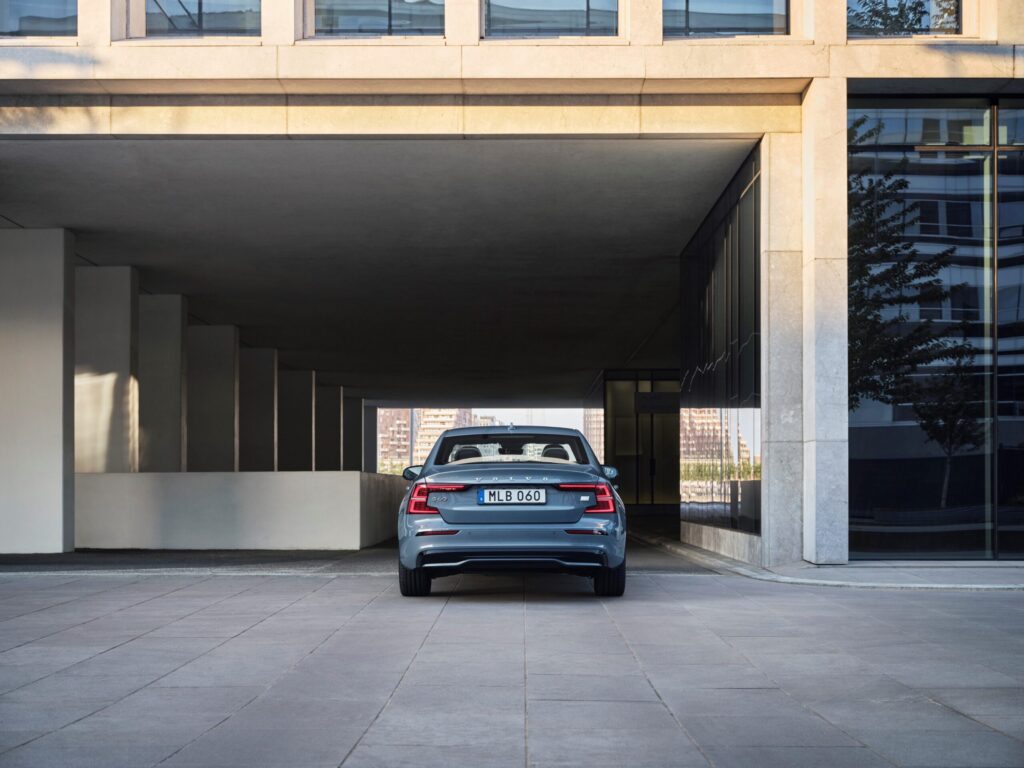
Checking a used Volvo S90 starts with a thorough inspection of the brakes, tyres, transmission and suspension. After purchase, shorten the service interval to 10,000–15,000 kilometres to maintain reliability. Want a comfortable and safe saloon without unpleasant surprises later on? Read on and discover what you should look out for.
Start with service history and documentation
Always first check whether the car has a complete service history. With a Volvo S90, documented servicing is essential. A premium saloon with full paperwork gives more insight into what to expect in future. A car that looks perfect but has no records may be hiding unknown risks.
Pay attention to completed service booklets or digital service records, invoices for services and repairs, and proof of timely oil and filter changes. Also check whether any recalls have been carried out. In addition, verify whether the car has been maintained by a main dealer or an independent garage.
‘ That does not replace a manual check. ’
Check engine, fluids and any leaks
When inspecting an S90, engine oil, coolant and any warning messages on the dashboard are important. Modern Volvos often display alerts when fluid levels are low. That does not replace a manual check.
Check the oil level and oil quality, the coolant level and its colour. Look for any oil leaks around the engine, the sump (the oil pan beneath the engine) and the turbo (the component that boosts the engine by forcing in extra air). Watch for traces of moisture or residue around hoses and connections. Make sure the engine idles smoothly and check for smoke from the exhaust.
A test drive should be smooth, with no jerks, misfires or warning lights. Pay extra attention to cold-start behaviour. That can tell you a lot about the condition of the engine.
Inspect brakes, tyres and chassis thoroughly
On a test drive, brakes, tyres and suspension are key points of attention. The same applies to a visual inspection. The S90 is comfortable. Wear in suspension components will show up in steering feel and stability.
Check the following points:
- Uneven tyre wear and sufficient tread depth
- Pulling to one side or vibration when braking
- Thudding or creaking noises over speed bumps
- Play in the steering or suspension
- Worn shock absorbers or control arm bushes
A heavy business car that has covered a lot of motorway miles can be mechanically sound. Always inspect tyres and chassis thoroughly. After purchase, shorten the service interval to 10,000–15,000 kilometres for optimal reliability.
Fully test electronics and comfort systems
The Volvo S90 is often equipped with many comfort options. Wear and faults therefore occur not only mechanically, but also in the equipment. Minor electronic faults can be relatively expensive on a premium car. Modules or sensors then need to be replaced.
Check seat adjustment and seat heating, the infotainment system and touchscreen response, and the climate control and air conditioning. Test parking sensors and cameras, electric mirrors and windows, and steering wheel controls with the digital instruments.
‘ All safety systems must also function properly. ’
Check lighting and all safety systems
Volvo is known for safety. All safety systems must also function properly. For that reason, check all lighting and driver assistance systems thoroughly.
Test the headlights, tail lights, brake lights and indicators. Check the high-beam assistant and automatic lights. Try out the parking aid and reversing camera. Test lane assist, adaptive cruise control and the emergency braking function, if fitted. Watch out for warning messages in the instrument cluster.
Ideally, have someone stand outside the car while you operate all lights and indicators. That way you will not miss a faulty bulb or sensor.

Watch out for bodywork, paint and signs of repair
Every used car should be checked for damage and repair work. A tidy exterior is no guarantee of a damage-free car.
Look for colour differences between panels, uneven gaps between doors and bonnet, overspray or traces of repairs. Check for rust in less visible areas and for damage to wheels, bumpers and sills. Inspect the condition of door and boot seals.
What does a good test drive reveal?
The test drive is often decisive. Choose a route that includes town driving, motorway and bad road surfaces. While driving, look out for vibrations in the steering or bodywork, knocking or humming noises, and sluggishness when accelerating.
Check the shift behaviour of the automatic or hybrid drivetrain, any hesitation when accelerating from low speed, brake feel and straight-line stability. With large Volvo saloons, ride comfort is often a key focus. Noises from suspension, tyres or drivetrain quickly stand out. A well-maintained car will not exhibit these.
‘ Take a test drive in which the car drives both electrically and on the combustion engine, so you can properly assess the transition moments. ’
Extra attention for plug-in hybrid versions
The S90 is sometimes a plug-in hybrid. In that case, check the electric part extra carefully. Inspect the charging cable and charging function, any error messages in the hybrid system and the range indication.
Test the EV driving mode and the transition between electric and petrol. Ask about maintenance of battery-related software and cooling circuits. Take a test drive in which the car runs both electrically and on the combustion engine, so that you can properly assess the transition moments.

Check wipers, glass and visibility
Good visibility is important, especially with a car that has often been used as a comfortable long-distance cruiser. Wipers and washers are often forgotten during a used-car inspection.
Check for worn or juddering wiper blades, the operation of front and rear washers, stone chips in the windscreen, condensation on the inside and effective demisting. Poor demisting may indicate a problem with the air conditioning, cabin filter or gaps in the bodywork.
What does a good pre-purchase inspection include?
Ideally, have a pre-purchase inspection carried out. Choose a company that knows Volvos or premium saloons. A good inspection includes reading out fault codes and checking for oil and other leaks. Brakes, tyres and suspension are also inspected.
In addition, the underside and exhaust are checked, as well as the battery and charging system. The operation of all electric comfort options is also tested. A test drive in different conditions is part of the process. This gives you a complete picture of the technical condition.
‘ Always take an extensive test drive and pay extra attention to the electric system on hybrid versions. ’
Key points to watch on an S90
The most important inspection points for a used Volvo S90 are a complete service history and an engine and fluids that are free from leaks. All electronics and comfort systems must also work properly. In addition, check that brakes, tyres and chassis are in good condition.
Lighting, safety and visibility are also important. The bodywork, preferably without traces of repair, also deserves attention. Always take a thorough test drive and pay extra attention to the electric system on hybrid versions.

Shorten service intervals for a longer lifespan
The Volvo S90 is at its most appealing as a luxury used car when it has demonstrably been well maintained. It should not have a history of recurring faults. On the test drive it should feel tight and trouble-free.
Choose a car with complete documentation and light cosmetic signs of use. Avoid a car that looks perfect but has an unclear history.
After purchase, shorten the service interval to 10,000–15,000 kilometres instead of the standard factory intervals. Minor issues will then be detected quickly. Wear will not increase unnoticed. Regular checks of tyres, brakes and transmission contribute to a longer lifespan.
On the Carnews website you will find many more tips on Volvo models, common issues and maintenance advice for other premium saloons. Discover more and stay well informed about your next car.
Frequently asked questions
Common points of attention on the Volvo S90 are a complete service history and possible oil leaks or other engine/fluid issues. Also thoroughly check all electronics and comfort features (infotainment, seat adjustment, cameras, sensors), because even minor faults there can be costly. During the test drive, look out for vibrations, noises from suspension or drivetrain and braking behaviour. On plug-in hybrids, the condition of the hybrid system, charging function and the smooth transition between electric and petrol are extra inspection points.
For the engine, specifically look for oil leaks around the engine, sump and (any) turbo, the condition and colour of engine oil and coolant, uneven idling and smoke from the exhaust. During a cold start, check that the engine fires up smoothly without rattling, ticking or misfires and that no warning lights remain on. For the transmission (usually an automatic), you should look for jerk-free pull-away, smooth and timely upshifts, no slipping or flare (revving) and no harsh jolts when downshifting or when engaging D/R. During the test drive there should be no vibration or humming noise at constant speed, which can indicate drivetrain problems or worn bearings.
There are no widely reported, structurally notorious electronic or software problems on the Volvo S90 like on some other models/brands, but minor electrical faults can still be relatively expensive. Therefore test all comfort and electronic systems extensively: infotainment/touchscreen, climate control, seat adjustment, cameras and sensors, windows, mirrors and lighting. As part of a pre-purchase inspection, have fault codes read out and check that all software updates and any recalls have been carried out. On plug-in hybrids you should pay extra attention to the hybrid system, charging function and EV mode, and test them for error messages or glitches.
Check the chassis on a lift or over an inspection pit, watching for leaks, rust, misaligned or bent parts, and listen for thudding or creaking noises over speed bumps during the test drive. Inspect the tyres for sufficient tread depth, even wear across the tread and the correct size for the specific S90 version. Test the braking system by braking both hard and gently: the car should track straight, without vibrations in the pedal or steering wheel and without noises (squealing, grinding). Visually inspect the brake discs and pads for grooves, rust ridges and pads that are (too) thin.
Look for colour differences between body panels (bonnet, doors, wings) and check whether panel gaps and shut lines are even everywhere, as deviations can indicate poorly repaired damage. From the side of the car, in raking light, look along the panels for ripples or orange peel in the paint, and search for overspray on rubbers, edges and window pillars. Check sills, wheel arches, door bottoms, boot lip and bumper mounting points for early rust, blisters in the paint or dull spots. Open the bonnet and boot and look at the original weld points and stickers; missing or “fresh” sealant seams and out-of-place bolt heads can point to hidden accident damage.