
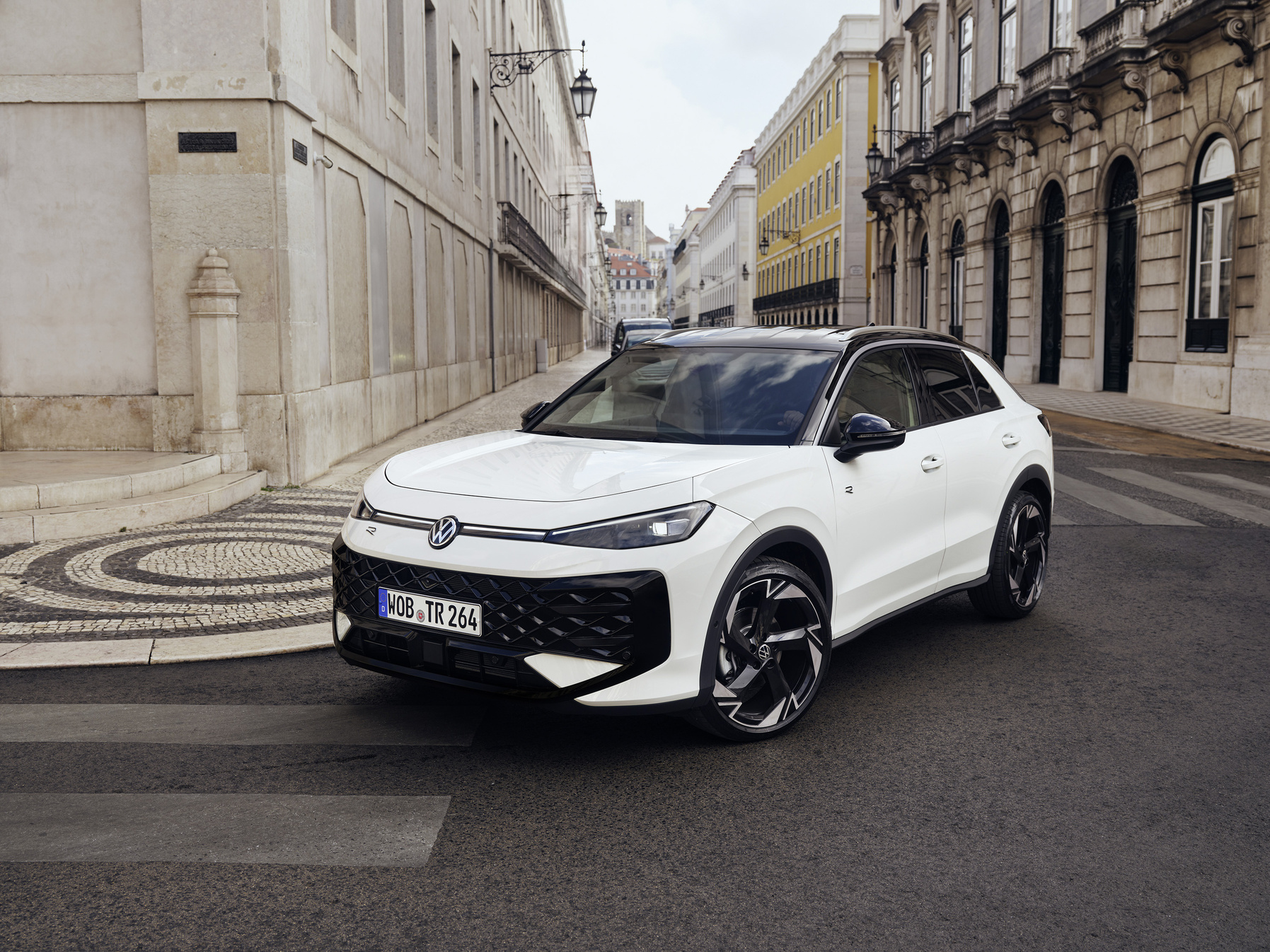
The Volkswagen T-Roc suffers from persistent interior issues and seat belt faults, particularly in early models. Sticking belts, rattles in the dashboard and poor-quality plastics are frequently reported complaints from owners. These issues often arise between 8,000 and 40,000 kilometres. Read on to find out which problems you can expect and how to resolve them.
The Volkswagen T-Roc has become a popular compact SUV, but that doesn’t change the fact that various owners encounter technical issues. The combination of electronics and mechanical components in the interior means you need to pay extra attention during maintenance and when buying one.
Seat belts that don’t click into place
One of the most commonly reported problems concerns seat belts that do not function correctly. Owners regularly report that the retractor locks up, especially on the front passenger side. The belt then no longer winds back in or won’t click into the buckle, which poses a direct safety risk.
This problem is caused by several factors. In some cases, the mechanical lock in the winding mechanism gets stuck due to dust or wear. In other cars it’s an electronic issue where the belt tensioner generates fault codes. The warning “Proactive passenger protection not available” then appears on the dashboard.
The following causes are often at the root of belt problems:
- Sticking retractors due to dirt or mechanical wear
- Problems with belt tensioners in the SRS system
- Low battery voltage causing electronic faults
- Damaged wiring or loose connectors in the safety system
- Rear belts that release spontaneously on early models
‘ Seat belt repair or replacement of components often costs several hundred euros, but is essential for your safety. ’
What to do if a seat belt is stuck
If the belt jams, first pull it out fully and then let it roll back in slowly. This often helps to clear a temporary blockage. Then check whether the belt moves smoothly and locks properly into the buckle.
If you get electronic fault messages, it is wise to check the battery voltage. A weak 12V battery can sometimes cause glitches in the system. Charge the battery or replace it if necessary. Then use an OBD scanner to clear the fault codes.
If the warning keeps returning, a thorough inspection is required. Check the SRS connector for water damage or corrosion. With persistent problems, a professional should read out the electronics and test the system. Seat belt repair or replacement of components often costs several hundred euros, but is essential for your safety.
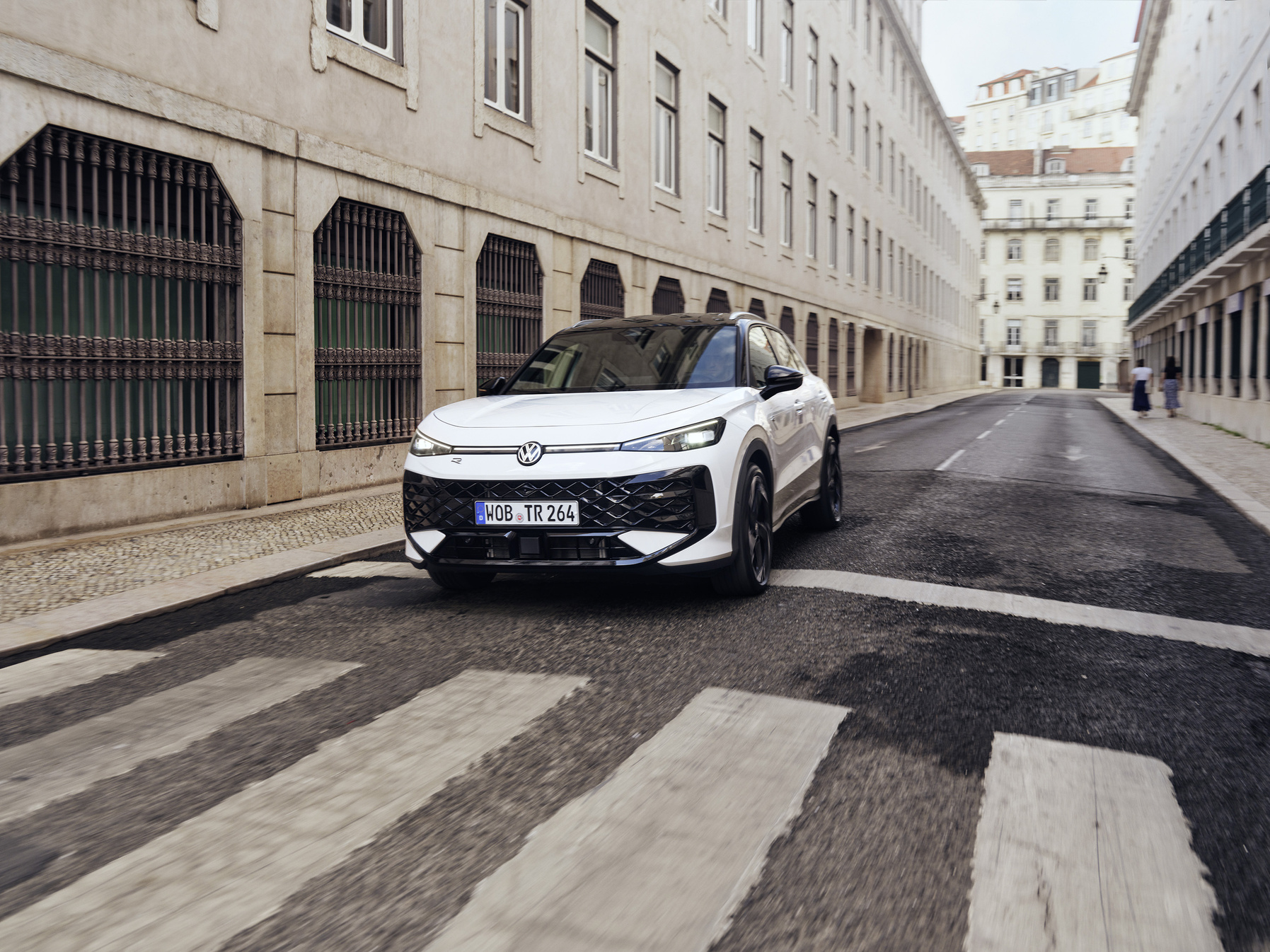
Rattles and fit-and-finish issues in the interior
In addition to belt problems, T-Roc owners complain about various interior defects. Rattles in the dashboard are common, as are creaking noises from the centre console. These sounds are caused by loose clips, poor finishing of plastics or moving parts rubbing against each other.
Weak spots are concentrated in several areas. The dashboard sometimes shows loose sections that move while driving. Chrome trim discolours prematurely, particularly after washing the car. This problem has even been reported on newer models from 2025.
Plastics in the door panels and around the centre console can feel cheap and show wear relatively quickly. Owners report that certain buttons and switches don’t hold their position properly or feel wobbly.
Electronic faults and water ingress
The panoramic sliding roof regularly causes leakage problems. After 25,000 to 40,000 kilometres, the first leaks often appear, particularly when the sliding function is used. Water then accumulates in the boot, which can lead to rust and mould.
Even without a panoramic roof, owners of early models report water ingress in the boot. You can test this by moving the boot light and listening for sloshing water. When water accumulates, it doesn’t just damage the trim, but also the electronics in the boot area.
Other electronic problems that occur include:
- The eCall emergency call system fails with the message “System not available”
- Wireless charging suddenly stops working with iPhones and Samsung devices
- Keyless entry no longer recognises keys after 8,000 to 12,000 kilometres
- The Start-Stop system does not operate consistently due to software issues
‘ Garages often fix this under warranty, but without preventive maintenance the wear will return. ’
Repairing interior problems
Rattles and creaking noises often require a systematic approach. First locate the exact source of the sound by gently holding different parts of the dashboard and door panels while driving. This helps to determine which component is loose.
You can often refit loose clips yourself, but permanent solutions sometimes require new fastening materials. For creaking noises between plastics, fitting felt strips or foam at contact points can help. Garages often fix this under warranty, but without preventive maintenance the wear will return.
Water leaks at the panoramic roof are tackled by cleaning the drainage channels and checking the rubber seals. In some cases, the entire seal has to be replaced. This is specialist work that should be carried out by a Volkswagen dealer.
Safety notices and recalls
Volkswagen has issued several recalls that are directly related to the interior and safety. The electro-mechanical parking brake can release at inappropriate moments, creating a dangerous situation. In addition, rear-seat headrests on certain production batches are not welded correctly.
Another recall concerned missing instructions in the manual on the correct use of airbags, belts and child seats. Always check whether these recalls have been carried out on the car you are considering. The dealer can verify this using the VIN (chassis number).
Buying advice for the T-Roc
When you are considering a used T-Roc, test the following points thoroughly during the test drive. Click all the belts into place and check that they work smoothly. Listen carefully for rattles and creaks, especially on bumpy roads. Check the boot for signs of water ingress by lifting the trim.
Ask for the service history and check whether recalls have been carried out. Test the keyless entry system several times and try all electronic functions, including wireless charging and the infotainment system. Scan the car with an OBD tool to detect hidden fault codes.
For models with a panoramic roof, pay extra attention to the condition of the seals and ask whether there have ever been leakage problems. Early detection of these issues will save you expensive repairs later on.
‘ These simple measures significantly extend the lifespan of your T-Roc. ’
Maintenance tips for current owners
Preventive maintenance helps to avoid many problems or to spot them at an early stage. Check the seat belts and the battery every 15,000 kilometres. Have the software for the Start-Stop system and driver assistance systems updated by the dealer whenever updates are available.
Treat battery terminals regularly to prevent contact problems. Avoid sporty braking where possible to limit wear on the braking system. Scan the car regularly with an OBD tool to detect fault codes early.
For the DSG gearbox, changing the fluid at around 60,000 kilometres helps to prevent related issues. Clean the drainage channels of the panoramic roof as a preventive measure to avoid leaks. These simple measures significantly extend the lifespan of your T-Roc.
Repair costs
The financial impact of interior problems varies widely. Seat belt repair or replacement of a retractor usually costs between €200 and €400. Repairing the braking system can run up to about €300, depending on which parts need to be replaced.
Fixing water leaks at the panoramic roof is more expensive. Replacing seals and cleaning drainage channels quickly costs between €500 and €800. If you have electronic faults in the eCall system or keyless entry, costs can be even higher due to the specialist diagnostics required.
Early detection and preventive maintenance are therefore the best strategy. Tackling small problems in good time prevents more serious damage to electronics or interior components. Make use of the warranty for as long as it applies, and document all issues carefully.
On the Carnews website you’ll find much more information about the Volkswagen T-Roc and other car models. Discover useful tips on maintenance, common problems and practical solutions you can apply straight away. Stay up to date with all developments and technical insights that help you get more out of your car.
Frequently asked questions
Common problems with the seat belts of the VW T-Roc include sticking or stiff belt retractors, especially on the front passenger side, and rear seat belts that release spontaneously. In addition, fault messages such as “Proactive passenger protection not available” occur, indicating faults in belt tensioners, the SRS module or wiring. Warning lights and audible alerts for the belts can also stay on or trigger incorrectly due to electronic glitches or low battery voltage. Some owners then switch off the belt warning system, which is not advisable because of the impact this can have on the operation of airbags and belt tensioners.
Many T-Roc owners find that certain interior parts and belt components are vulnerable, with complaints about sticking or spontaneously releasing belts and warning messages. After several tens of thousands of kilometres, some report rattles and additional noises from the interior, especially around the roof and boot area, often related to leaks or loose parts. That said, many problems are resolved under warranty, although some rattles or signs of wear return later. Overall, durability is seen as mixed: not disastrous, but clearly not trouble-free.
Yes, there are ergonomic points to note regarding seating position and belt routing in the VW T-Roc that may bother more sportily minded drivers. The relatively high seating position and the standard adjustment range of the seat and steering wheel offer less opportunity for a low, more horizontal “sporty” driving position. In addition, the belt routing, in combination with the seat shape, can mean the belt does not always run tightly and closely along the upper body during dynamic driving. All of this can reduce the feeling of control and direct connection with the car for sporty drivers.
Car enthusiasts can often temporarily remedy belt problems by fully extending and retracting the belt to clear blockages and then clearing fault codes with an OBD scanner. Regularly check and maintain the 12V battery and clean the battery terminals to prevent voltage dips (and with them electronic belt and interior faults). To combat interior issues such as leaks, periodically clean and keep clear the drainage channels of the panoramic roof and visually check the boot for moisture or condensation. Also use an OBD tool regularly to detect faults at an early stage and schedule targeted maintenance before major interior or belt damage occurs.
There have been multiple reports of sticking belt retractors, spontaneously releasing rear belts and faults in the belt tensioners/SRS module in the VW T-Roc, which can pose a direct safety risk. In addition, there have been official recalls related to the interior and safety equipment, such as a recall for a potentially releasing electro-mechanical parking brake (R/2018/301) and an incorrectly welded rear-seat headrest (R/2018/352). There has also been a recall due to missing safety instructions for airbags, belts and child seats in the handbook (R/2018/066). These issues mainly affect earlier model years and are usually resolved under warranty or via the dealer.