
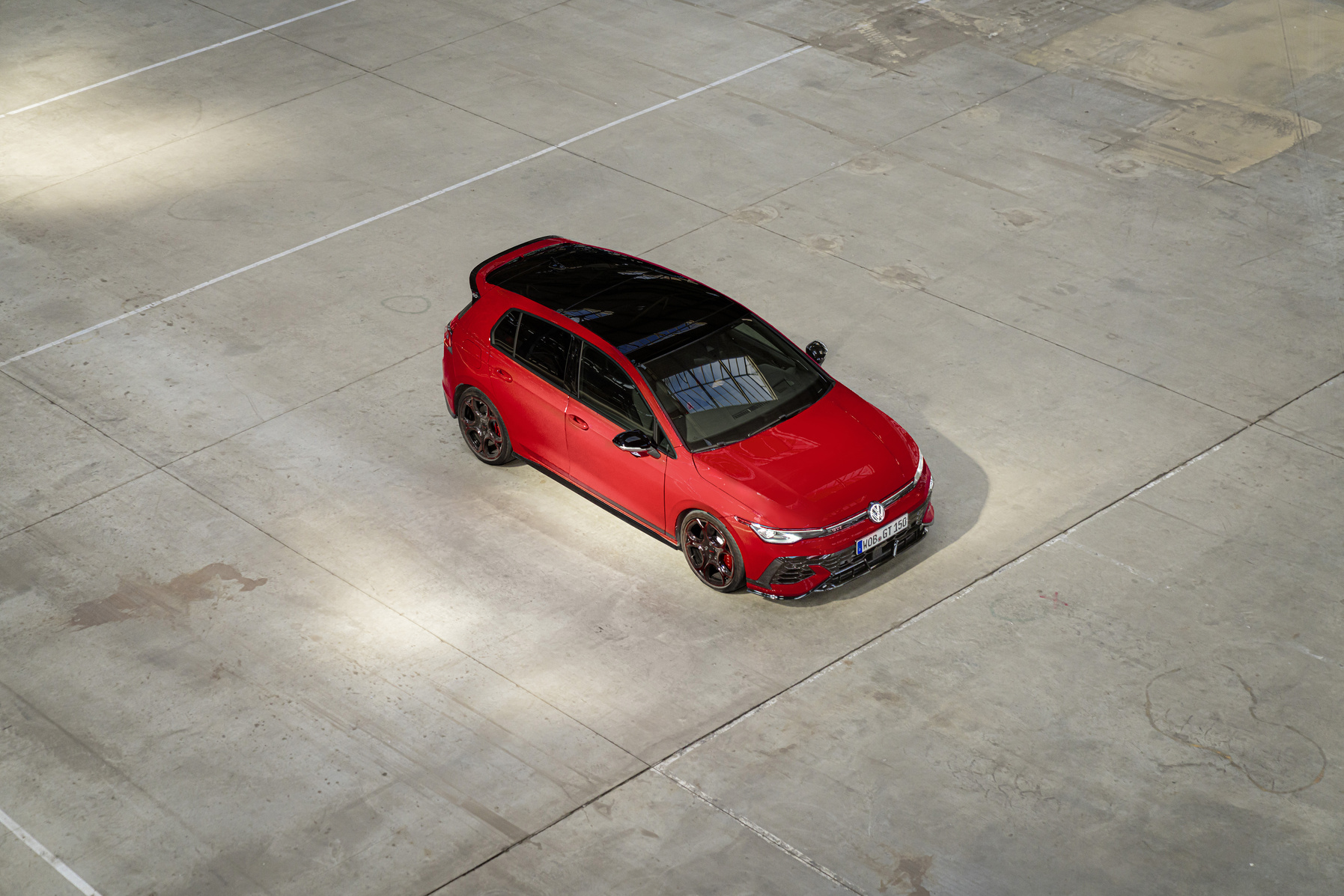
The Volkswagen Golf is known for its solid quality, but older models regularly suffer from interior issues such as a sagging headliner, defective boot locks and wear to ignition switches and sills. These problems can be fixed with the right approach. Read on to find out how to tackle these issues.
Sagging headliners are very common
A sagging headliner is a common problem with older Golf models. The fabric comes loose from the roof panel and literally hangs down. This mainly happens in cars that are regularly parked in the sun, because the layer of glue weakens due to heat and ageing. The problem often occurs in models from the Golf IV onwards.
The sagging usually starts at the edges, for example above the doors or around the rear window. Over time the entire roof surface drops. This not only looks untidy, but can also obstruct your view while driving.
‘ This method works temporarily, but is not always long‑lasting. ’
How to repair a sagging headliner
You have two options to solve this problem. The first option is a quick repair using spray adhesive. Carefully pull the loose fabric away from the roof panel and apply spray adhesive to both the panel and the back of the fabric. Press the headlining down firmly and let it dry. This method works temporarily, but is not always long‑lasting.
A better solution is to completely replace the headliner. This can be done professionally for around €200, depending on the model. Some owners choose to do this themselves by buying new fabric and attaching it to the roof panel with textile wallpaper adhesive. This does require some patience and precision.
Prevent new problems by not leaving your car parked in direct sunlight for long periods. Use a sunshade or seek shade where possible.
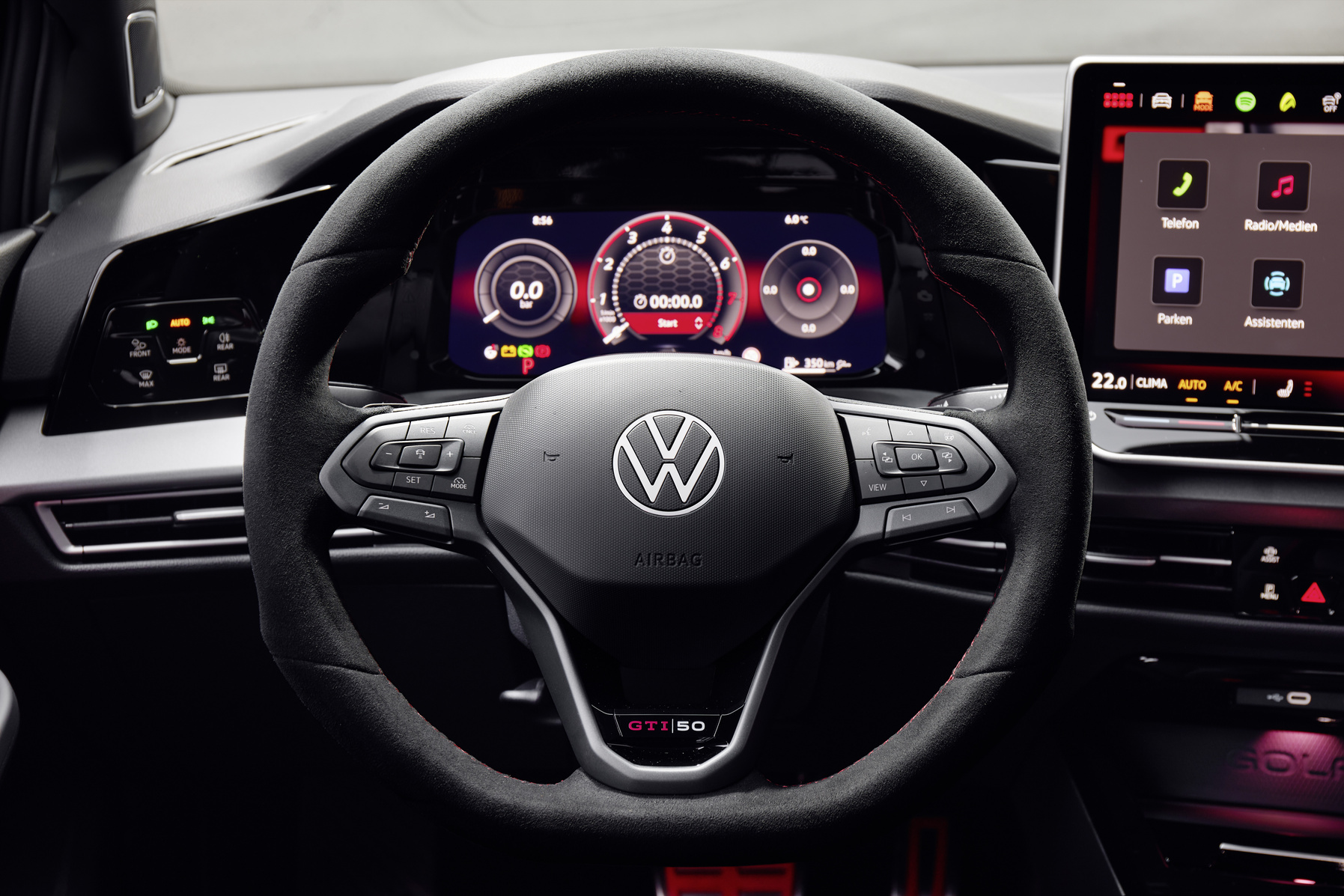
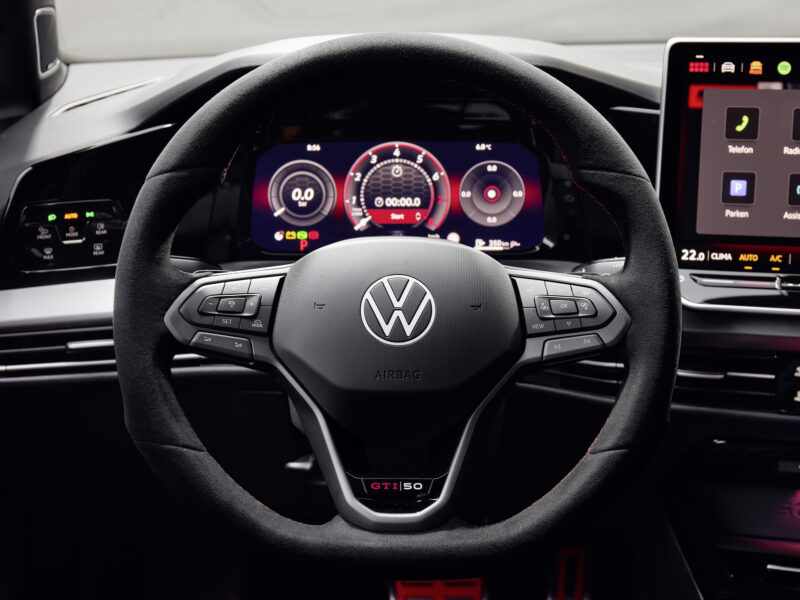
Boot lock problems are a common issue
The boot lock on the Volkswagen Golf can fail after years of use. The mechanism no longer closes properly or does not respond to the remote control. This is often due to wear on internal components or dirt in the lock mechanism. Owners of Golf models from generation IV to VII in particular report this fault regularly.
Sometimes the tailgate remains stuck, or it suddenly pops open while driving. The latter can be dangerous and you should deal with it immediately.
Repairing a defective boot lock
Start by checking the central locking. Test whether the other doors lock properly. If only the boot lock does not work, the problem is probably with the mechanism itself.
First clean the lock mechanism with a dust remover spray or contact spray. Dirt and dust can prevent the lock from engaging properly. If this does not help, you will need to replace the lock mechanism. This part costs between €50 and €100, depending on the model.
Fit it as follows:
- Remove the interior trim panel on the inside of the tailgate
- Unplug the electrical connector from the lock mechanism
- Unscrew the old lock and replace it with a new one
- Reconnect the connector and test the lock before refitting the panel
If you cannot manage this yourself, a garage can usually carry out this repair within an hour.
‘ Some owners report that electrical functions such as the radio or instrument panel suddenly fail while driving. ’
Ignition switch shows wear from use
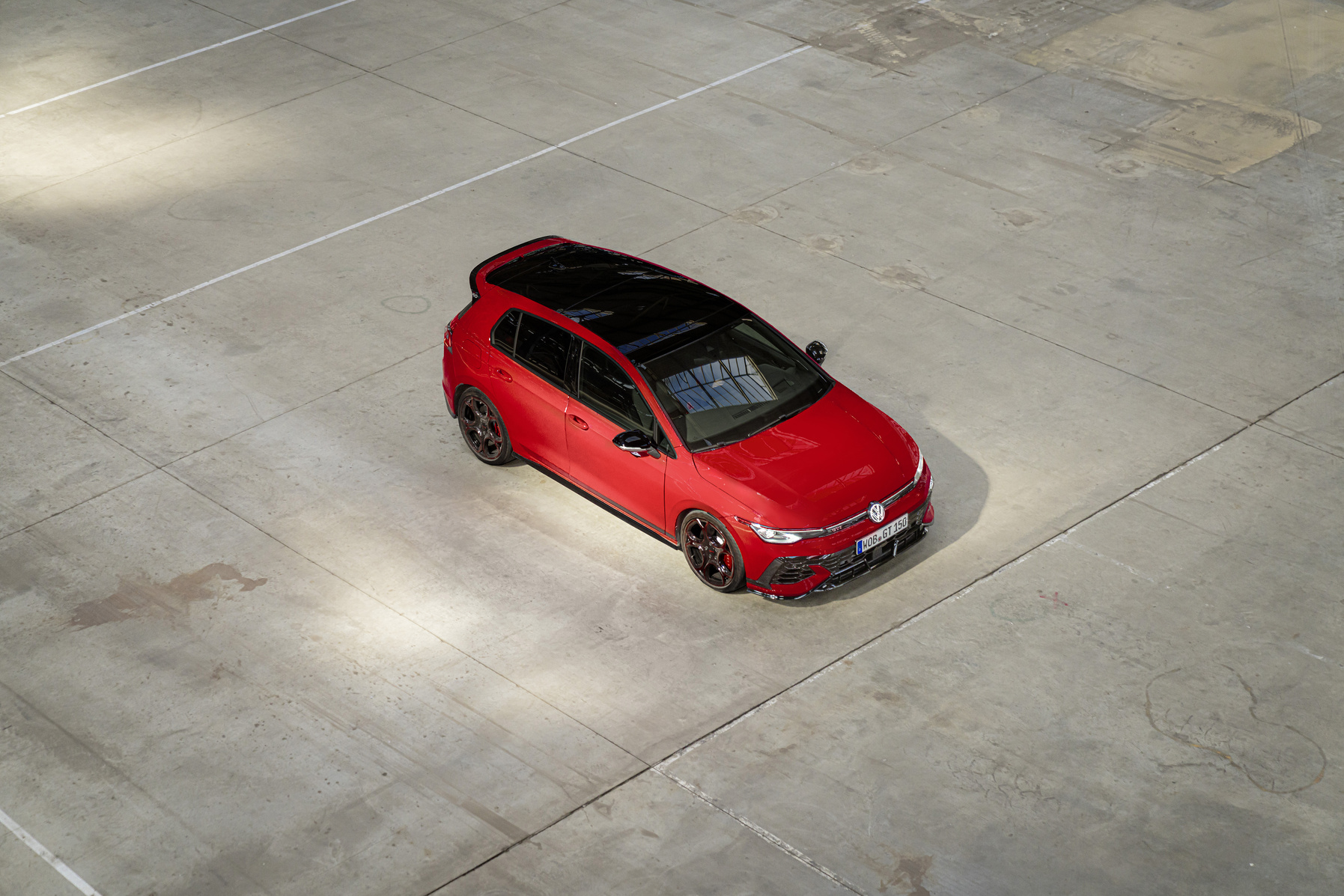
The Golf’s ignition switch can show signs of wear after many years of use. You will notice this because the engine sometimes does not start or the key turns stiffly in the ignition. Some owners report that electrical functions such as the radio or instrument panel suddenly fail while driving.
This wear occurs because the metal contact points in the switch wear out or become dirty. In models with keyless start, the problem can also be with the start button or the sensors that detect whether the key is present in the car.
Recognising the symptoms of a worn ignition switch
Watch out for the following signs:
- The engine does not start immediately after turning the key
- You have to try the key several times before the engine starts
- The dashboard lighting flickers while starting
- Electrical functions cut out at random
Do not ignore these symptoms, because a defective ignition switch can suddenly leave you unable to start your car. Have the part checked by a specialist or garage.
Replacing an ignition switch typically costs between €100 and €200 including labour. For models with keyless start, the costs are higher due to the more complex electronics.
Chips and scratches on sills from daily use
The sills of the Volkswagen Golf are prone to chips and scratches. This is caused by getting in and out, with shoes and bags rubbing against the plastic or metal. After several years of use you will often see light to heavy damage to the paintwork or the material itself.
These marks are particularly noticeable in light-coloured interiors. The sills can end up looking worn and neglected, which negatively affects the overall impression of the interior.
‘ You can prevent a lot of damage by fitting protective sill strips. ’
Preventing and repairing sill damage
You can prevent a lot of damage by fitting protective sill strips. These self-adhesive strips are available in transparent or coloured versions and protect the original surface. They cost between €20 and €50 per set and are easy to fit yourself.
If the damage is already there, you can polish out superficial scratches using a mild abrasive paste. Deeper chips or scratches need to be touched up with paint or by replacing the sill trim. Plastic sills can sometimes be retextured using a special restoration product.
For painted metal sills you can touch up small areas of damage yourself with a touch-up pen in your car’s original colour. Larger damage requires professional repair or complete replacement of the sill section.
Preventive maintenance saves money
Many interior problems in the Volkswagen Golf can be prevented with regular maintenance and checks. Inspect the headliner in warm weather for loose edges and deal with them straight away. Lubricate lock mechanisms once a year with a suitable spray to slow down wear.
Test electrical functions such as the boot lock and ignition switch regularly to pick up problems at an early stage. Protect sills from the start with strips or mats so you avoid expensive replacements.
Keep the interior clean and dry to slow down material ageing. Moisture and extreme temperatures speed up wear to upholstery, plastics and electronics. Park in the shade where possible and use sun protection.
More information about your Volkswagen Golf
On the Carnews website you will find extensive information on many more maintenance topics and technical issues relating to the Volkswagen Golf and other models. Whether you are looking for tips on engine maintenance, transmission problems or electrical faults, there is a wide range of practical articles ready for you. Discover more and keep your car in top condition.
Frequently asked questions
Common rattles and creaking noises in the interior of the Volkswagen Golf often come from the dashboard, particularly when steering or when driving over speed bumps and uneven surfaces. You can diagnose these by driving slowly over bumps with the windows open and listening carefully to where the sound is coming from. Temporarily tape over loose panels or gaps and see whether the noise disappears; this helps you pinpoint the exact source. Owners often report success using foam tape or by re‑lubricating/retightening plastic parts and hinges around the dashboard and steering column area.
Yes, there are known durability issues with interior materials on certain Volkswagen Golf models. In particular, older generations (from Golf IV onwards) frequently suffer from sagging headliners, as well as wear to interior plastics and creaking dashboard parts. Owners also regularly report moisture problems in the interior caused by leaking seals, leading to mould and musty smells. In some models, the seat heating and seat adjustment mechanisms are also vulnerable in the longer term.
Common electrical interior problems in the Volkswagen Golf include faulty seat heating, malfunctions in the central locking and intermittent Bluetooth or infotainment connections. Seat heating issues are usually solved by replacing the heating element or the control buttons. Central locking and keyless start problems often require diagnosis with an OBD tool and, if necessary, replacement or reprogramming of the lock module or key. Bluetooth and infotainment issues are usually remedied with a software update, system reset or replacement of the relevant module.
The average costs of fixing common interior problems on a Volkswagen Golf yourself range roughly from a few tens of euros (for items such as spray adhesive, foam tape or sealing material) up to around €150–€200 for having a sagging headliner retrimmed. Simple jobs such as curing dashboard creaks, drying damp patches or resealing rubber seals are generally quite manageable for DIYers with basic tools. Tracking down electrical faults (central locking, Bluetooth, seat heating) usually requires an OBD diagnostic tool and some technical knowledge, so the level of difficulty can range from medium to high. In general, material costs are often low, but the time and knowledge required will determine whether it is realistically doable for a layperson.