
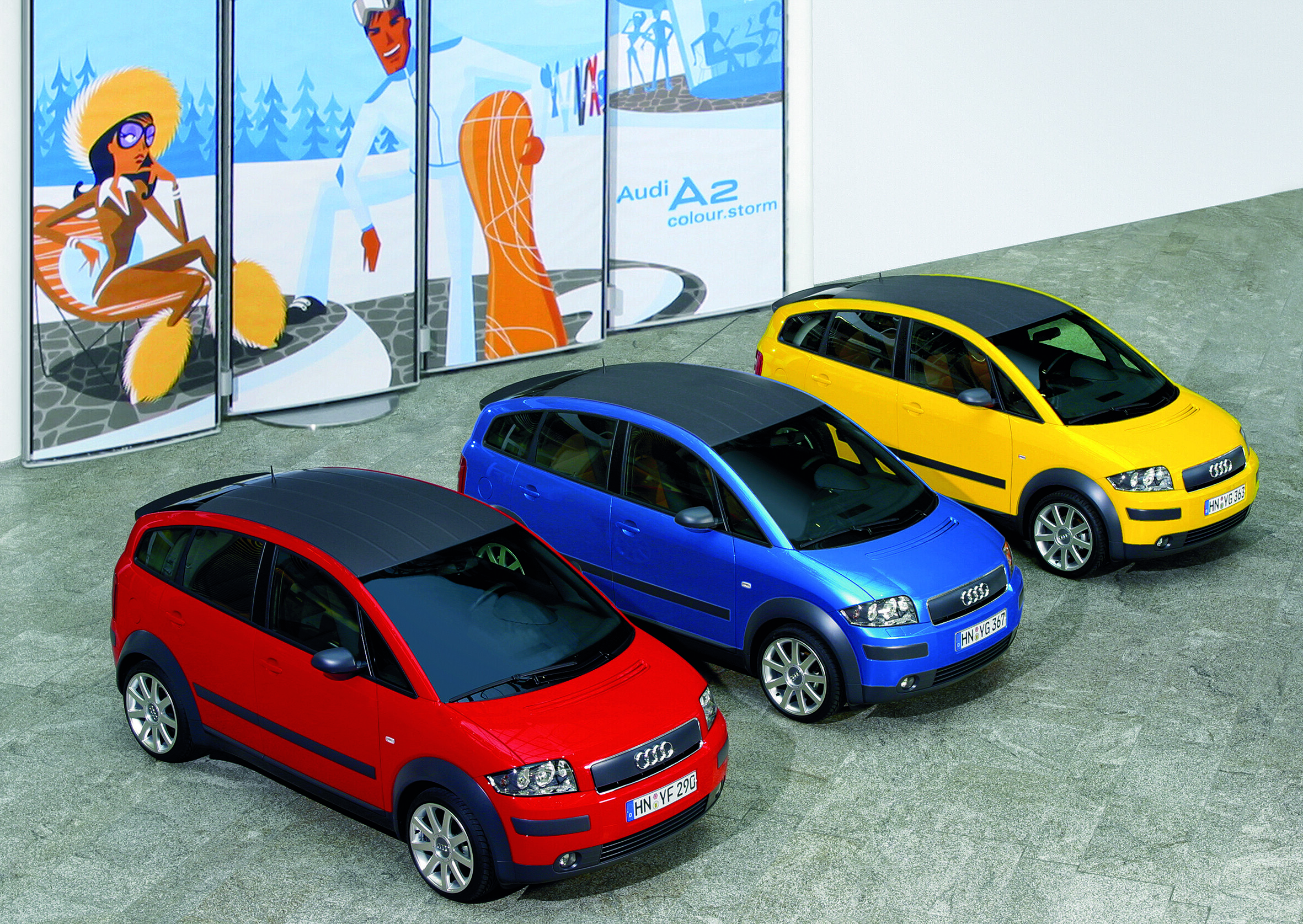
The interior of older Audi A2 models often shows typical wear such as worn seat upholstery, faded buttons and cracks in the dashboard. These problems are mainly cosmetic in nature, but they do affect the user experience and the value of your car. Fortunately, there are practical solutions available. What can you do yourself and when is it better to call in a specialist?
What types of interior wear occur with the A2
The Audi A2 was built between 1999 and 2005 with a functional interior made of hard plastics, fabric and optional leather. After years of intensive use and exposure to sunlight, these materials often start to show traces of ageing. At higher mileages, usually from 100,000 km upwards, problems become more visible.
The seat upholstery shows wear from daily getting in and out. Fabric and leather wear in places where friction occurs. Sunlight fades the upholstery and can cause cracks. Sometimes there are burn marks or minor damage with intensive use. Professional repair of leather seats costs between 200 and 1,200 euros, depending on the extent and the labour required.
Buttons on the climate control panel, window switches and light switch lose their rubber coating over time. This reveals white plastic and makes the button feel sticky. This problem often starts around 100,000 km. Replacing buttons costs roughly 50 to 150 euros per component.
The dashboard fades or cracks due to heat and UV radiation. After more than 20 years, the hard plastics feel dated. Replacing or refurbishing the dashboard costs between 300 and 800 euros. Loose panels and small rattles arise due to worn mounting points. These are often relatively easy to fix, with costs between 100 and 400 euros.
‘ Genuine Audi parts are often more expensive but do come with a guarantee on fit and quality. ’
Why do buttons become sticky and unsightly
The soft paint or rubber coating on the buttons breaks down after years. This is caused by daily hand contact, skin oils, temperature fluctuations and sunlight. The coating then becomes sticky or flakes off. The white plastic underneath becomes visible and looks worn.
Some owners try to remove the coating themselves with isopropyl alcohol (at least 70%) or a special plastic cleaner. This can work, but requires care to avoid damaging the plastic. Replacement buttons are available from aftermarket suppliers or specialists in A2 parts. Genuine Audi parts are often more expensive but do come with a guarantee on fit and quality.
Repairing interior wear yourself
You can carry out some repairs yourself, others require professional help. Replacing loose buttons is a DIY job if you have the right parts and tools. It is not feasible if buttons are clipped in behind electronic modules that must first be dismantled. Video tutorials can help you remove panels without damage.
Use UV-resistant covers for seats and dashboard to limit further wear. Park your A2 out of direct sunlight where possible. Clean the interior regularly with mild cleaning agents suitable for plastic and leather. Avoid aggressive products that further damage the materials.
Leave professional repair of seat upholstery to a specialist. Removing it yourself is difficult and repairs without experience often produce disappointing results. A professional can repair tears and recolour leather. They can also replace complete panels. Compare prices at different garages or automotive upholstery specialists. Simple repairs start from 66 euros.
Preventive measures against further wear
Prevention works better than repair afterwards. Regular maintenance keeps the interior looking fresh for longer. An A2 with 137,000 km can still look neat if the car has been well cared for.
Protect the dashboard with a sunshade or protective cover when parked. This prevents further fading and cracking due to UV radiation. Pay attention to temperature differences in the car by ventilating it now and then. Heat accelerates the ageing of plastics.
Check fixing points of panels and trim for looseness. Small rattles are often easy to solve by replacing clips or refitting panels. Use rubber care products for seals and mats to keep them supple.
‘ Genuine Audi parts have a service life of 15 to 20 years. ’
When should you call in a specialist
With extensive wear, professional help is recommended. A specialist can fully assess the interior and advise on repair or replacement. Genuine Audi parts have a service life of 15 to 20 years. They are, however, expensive. Aftermarket alternatives are often cheaper and available through specialist suppliers.
Some owners opt for complete interior sets from specialists who focus on the A2. They know the typical wear patterns and have experience with repairs. Ask about guarantees on the work carried out and the materials used.
Before buying a used A2, have the interior thoroughly checked. Test buttons for operation and condition. Inspect seats for tears and the dashboard for cracks. Check the mileage via NAP (the Dutch National Mileage Register). Take a test drive above 100 km per hour to track down rattles.
Realistic expectations with an older A2
The interior problems of the Audi A2 do not make it a bad car. It is a lightweight, economical classic that can last for many years with proper care. Wear and tear are part and parcel of a car that is sometimes more than 20 years old.
Users report that, despite the wear, the interior remains solidly put together. The ergonomics are good and comfort is maintained. With maintenance and targeted repairs, the A2 remains a reliable car for enthusiasts.
On the Carnews website you will find more information about common problems with other car models, maintenance tips and buying advice. Discover which models score well for durability and which points to watch out for when it comes to classics. Take a look for more insight into the car models that suit your needs.
Frequently asked questions
The most vulnerable interior parts of the Audi A2 are the seats and upholstery, especially with intensive getting in and out and a lot of sunlight. In addition, the rubber-coated buttons for, among other things, climate control, electric windows, light switch and radio wear quickly, revealing the white plastic underneath. The dashboard is also prone to fading and cracking due to UV radiation and heat. Finally, door and interior panels may become looser over time and cause rattles.
Typical causes of interior problems in the Audi A2 are material wear due to age and high mileage, UV radiation and heat, and intensive daily use (getting in and out, abrasion, sharp objects). This results in worn seats and upholstery, fading or cracking buttons and dashboard wear. Loose panels and small rattles can also arise due to worn fixings. These problems mainly affect the aesthetics and perceived quality, but rarely the basic functionality, meaning the car usually remains perfectly usable.
Yes, there are various known solutions and preventive measures. Worn seats and upholstery can be professionally repaired or partially reupholstered; using covers and parking out of the sun prevents additional wear. Fading or cracking buttons are often resolved by fitting replacement (aftermarket) buttons or panels. Rattles and loose panels are usually fixable by replacing retaining clips and having the interior checked regularly.
Interior wear and material defects, such as worn upholstery, fading buttons and cracking dashboard plastics, reduce the residual value because they are immediately visible and indicate intensive use or neglected maintenance. Potential buyers factor the expected repair costs (for example, hundreds of euros for upholstery or dashboard parts) into their offer. An A2 with a fresh, well-maintained interior demonstrably fetches more than a technically comparable car with significant cosmetic wear. Extreme or poorly repaired interior defects can reduce the target audience and thus further weaken the negotiating position and residual value.
Owners of an Audi A2 can expect, as an indication, to pay €200–€1,200 to repair worn seats and upholstery, depending on the material and the extent of the damage. Replacing or repairing worn buttons (climate control, windows, light switch) usually costs around €50–€150 in parts. For dashboard repairs, such as cracks or severe discolouration, costs are usually around €300–€800. Fixing rattles and loose panels often costs between €100 and €400.