
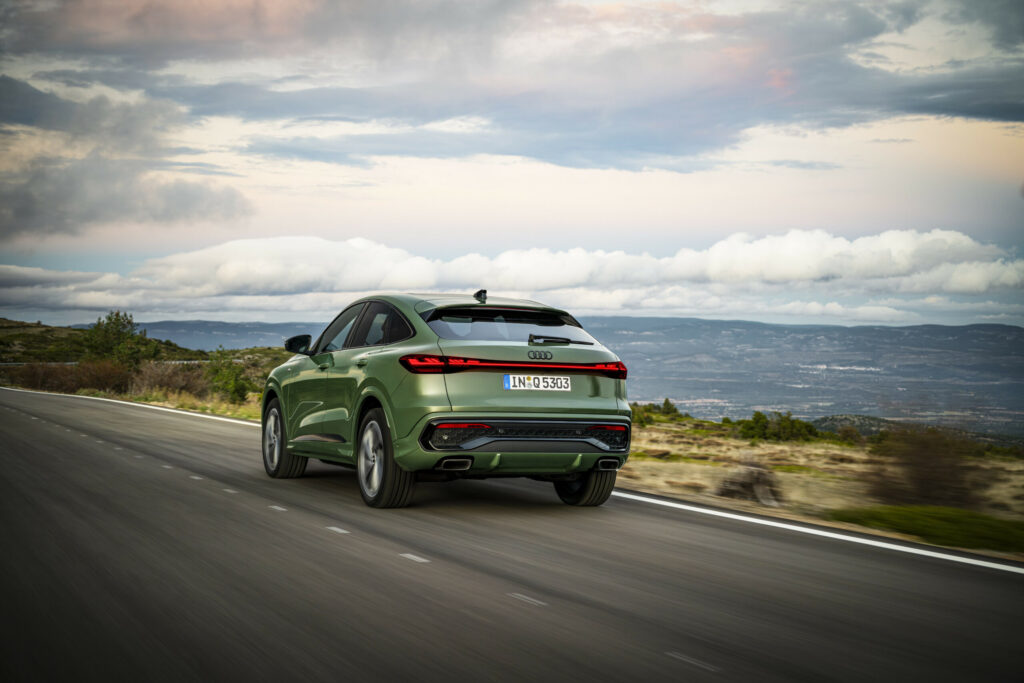
The Audi Q5 is known for its premium look, but for many owners interior wear appears after just a few years. Worn leather seats, fading buttons, a cracking dashboard and creaks in the panoramic roof significantly reduce the sense of luxury – even though that’s exactly why you chose this car. Fortunately, there is more you can do about it than you might think.
Leather seats that wear too quickly
Q5 models with leather upholstery often already show wear between 80,000 and 120,000 kilometres. Getting in and out causes cracks or shiny patches on the side bolsters of the driver’s seat and the backrest. This is especially noticeable for owners who commute daily. Many Audi Q5 owners also complain about bald spots and torn side panels. These problems occur even when the car is used carefully.
The seat piping and seams are also vulnerable. In lighter interiors such as grey or beige, the colour fades more quickly. The seams also start to fray. Sunlight and dirt build-up speed up the wear. The door panels and armrests are also prone to splitting, especially the armrest, as your elbow regularly rests on it.
The cause lies partly in the use of Nappa or Fine Nappa leather in the first generation, which ran from 2008 to 2017. This material feels luxurious, but it does not always hold up at high mileages. In addition, daily use plays a major role. Every time you get in and out, pressure is exerted on exactly the same spots.
How do you repair leather seat wear in the Audi Q5?
For small cracks and bald spots you can use a leather repair kit. These kits contain filler and dye, which you apply to the damaged areas. This costs between 30 and 80 euros and is relatively easy to do yourself. For more extensive damage, professional repair is required. Such repairs cost between 200 and 500 euros per seat.
Prevention, however, works better than repair. Apply leather conditioner regularly. Examples include Lexol or a product approved by Audi. This keeps the leather supple and prevents it from drying out. Use seat covers if the car is used intensively. Clean the seats weekly with a soft cloth. Avoid aggressive cleaning agents, as these attack the leather.
‘ Prevention is the best approach here. ’
Preventing and repairing cracks in the dashboard
The soft-touch dashboard material in older Q5 models regularly develops cracks, especially at the top near the windscreen. This mainly concerns older models from 2010 to 2015. UV radiation from the sun, temperature fluctuations and dry air cause this. Around 20 to 30 percent of owners experience these cracks at around 100,000 kilometres. The cracks detract from the appearance and can also cause rattling noises while driving.
The buttons and switches for the climate control and MMI controls also wear quickly. The lettering fades and the buttons become sticky from sweat and grease on your fingers. This mainly occurs if these functions are used intensively.
Preventing and repairing dashboard cracks in the Audi Q5
Professional treatment costs between 300 and 800 euros for a complete dashboard. A cheaper solution is to apply a vinyl wrap or adhesive film, which covers the cracked surface. This costs less but does not always deliver the same result.
Prevention is the best approach here. Do you park the car in the sun? Then use a sunshade. This protects the dashboard against direct UV radiation. A dashboard cover offers additional protection, although not everyone likes the look. Keep the air vents clear. Avoid extreme temperature fluctuations and ventilate the car regularly.
For fading buttons, replacement button sets are available on the aftermarket (the non-genuine parts market). These cost between 50 and 150 euros and are relatively easy to fit. Clean the buttons regularly with a slightly damp microfibre cloth to prevent the build-up of grease and dirt.
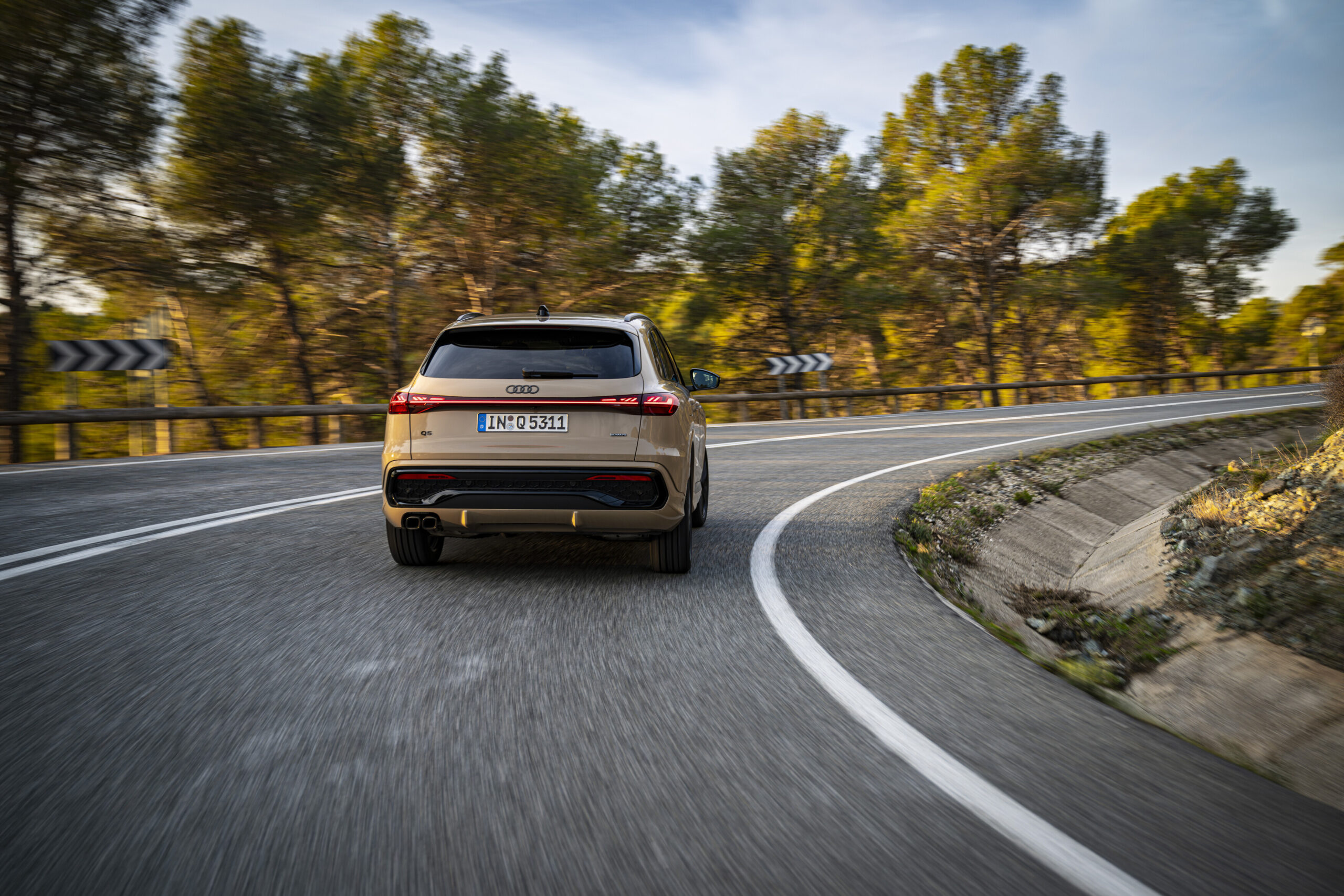
Leaking or creaking panoramic roof
In Q5 models with a panoramic roof, the headlining sometimes sags. This is caused by moisture or heat, especially if the roof does not close perfectly or if moisture gets between the lining. Owners also frequently report creaking noises coming from the panoramic roof, which are particularly noticeable on bumpy roads. Temperature changes can also cause these noises.
The cause of leaks often lies in worn rubbers. Blocked drainage channels are another common cause. The panoramic roof has drain channels that carry away rainwater. These channels can become blocked by leaves and dirt. Creaking noises arise from expansion and contraction of materials due to temperature changes. Loose clips in the roof structure can also cause creaks.
Panoramic roof leaking or creaking on an Audi Q5 – what now?
Regularly check the drainage channels of the panoramic roof – these are the channels that carry off the water. Pour water over the closed roof and see whether it drains properly. Is there a blockage? Then flush the drains through with a thin hose, or have the dealer clean them. This costs between 50 and 100 euros and prevents more serious problems.
To tackle creaking noises, check whether all clips and mounting points are properly secured. Clean the rails of the panoramic roof and lubricate them lightly with silicone spray. This reduces friction and dampens noises. In the case of severe creaking, the roof should be inspected by a specialist, as loud creaks can point to structural problems with the roof construction.
Replace worn rubbers in good time. These cost between 100 and 200 euros and prevent moisture problems. Moisture issues can lead to sagging headlining. If the headlining has already sagged, repair will cost between 200 and 400 euros.
Other interior weak spots on the Q5
Besides the major issues, there are smaller wear points that reduce the sense of luxury. The plastic clips of the door panels and trim weaken over time, causing rattling noises on uneven roads. Replacing these clips costs between 20 and 50 euros and, with a bit of patience, is something you can do yourself.
The rubber pedal covers also wear quickly, particularly with sporty drivers, as spirited driving accelerates wear. Replacing them costs around 30 to 60 euros and keeps the car looking tidy. Floor mats tend to fray at the edges due to daily use. Invest in high-quality, made-to-measure mats – these are better able to withstand intensive use.
Practical tips for long-term care
Regular maintenance extends the life of your interior. Hoover the interior weekly, paying extra attention to seams and creases, where dirt tends to collect. Use only microfibre cloths for cleaning – cheap polishing cloths can cause scratches.
Protect your investment with the following measures:
- Apply leather conditioner to all leather surfaces once a month
- Use seat covers for intensive use, and also if you regularly transport children
- Fit high-quality, made-to-measure floor mats to protect against moisture and dirt
- Park in the shade and use a sunshade when parking for longer periods
- Have the interior checked annually during the service
- Clean buttons and switches regularly to prevent grease build-up
Some owners invest in a subscription for professional valeting (a detailing subscription). The interior is then professionally cleaned every month. This costs between 30 and 60 euros per month and keeps your Q5 in top condition, which is especially useful at higher mileages. If you plan to keep the car for a longer period, it is definitely worth it.
When buying a used Q5, pay close attention to the condition of the interior. Check the seats for cracks and bald spots. Inspect the dashboard for splits and test the panoramic roof for creaks. These issues strengthen your negotiating position and also help you choose a better maintained example.
On the Carnews website you will find much more information about common problems with various Audi models, as well as practical maintenance advice and tips on preserving your car’s value. Discover more about how to keep your car in optimum condition and which problems you can expect with your particular model.
Frequently asked questions
Use high-quality care products designed specifically for leather and plastics, and clean the interior regularly with microfibre cloths so that dirt and body oils cannot work their way into the materials. Protect vulnerable areas such as seats, armrests, floor mats and pedals with covers, rubber mats and (for leather seats) periodic leather conditioner to prevent drying out and cracking. Limit UV and heat damage by always using a sunshade, preferably parking in the shade and, if desired, fitting a dashboard cover. Have rattles, loose panels and early cracks repaired professionally at an early stage to avoid further damage and accelerated wear.
With early interior wear, pay particular attention to shiny or dull spots, creasing and small cracks in the leather seats, especially on the side bolsters of the driver’s seat. Check the dashboard and door panels for hairline cracks, discolouration, sticky or faded buttons and any rattling while driving. Also look for sagging or damaged armrests, loose panels, worn pedals and worn floor mats, which can reveal heavy use. When buying a used Q5, an even, matt leather texture, clearly legible buttons and a rattle-free interior are good indications that the car has been treated and maintained with care.
The most effective methods are professional leather and plastic repairs (filling, touching up and recolouring seats, door panels and armrests) and, where necessary, (partially) reupholstering heavily worn sections. Cracks in the dashboard and soft panels are usually repaired using special vinyl/plastic repair techniques or by replacing panels, while faded buttons are replaced with new button sets. On average, leather restoration costs €200–€500 per seat, door panel repairs around €100–€300 per door and dashboard repair or wrapping roughly €300–€800. Replacement control buttons or small trim parts typically fall in the €50–€150 range.
In the interior of the Audi Q5, the leather seats (especially the side bolsters), soft-touch dashboard sections, climate/MMI buttons and door trim/armrests tend to wear relatively quickly. Popular upgrades include seat covers or (semi-)aftermarket reupholstery in more hard-wearing leather or Alcantara, replacement button and switch sets, and having the dashboard and door panels wrapped or reupholstered. In addition, high-quality, made-to-measure floor mats and extra pedal covers are used to limit wear to the floor and pedals. Professional detailing, leather repair kits and UV-protective coatings are popular options for repairing existing wear and slowing down future wear.
The condition of the interior has a clear impact on the residual value of an Audi Q5, because buyers often see a worn interior as a sign of less careful use and therefore offer less. Visible wear to seats, dashboard, buttons and door panels can reduce the selling price by hundreds of euros, and in some cases by more than a thousand, depending on the extent of the damage. Investments in regular interior maintenance (professional cleaning, leather conditioner, protective covers, repair of cracks or worn buttons) often pay for themselves partly, because the car is easier to sell and attracts higher offers. In particular, keeping on top of leather care and preventing or repairing cracks and discolouration in good time offers the best balance between cost and value retention when you come to sell.