

Faults in the electric windows of the Honda Jazz occur regularly, especially on models built between 2002 and 2014. Defective switches, worn regulators and wiring damage under the seats or in the dashboard are the main causes. In many cases you can solve the problem yourself with a multimeter and basic tools. Read on to discover how to quickly get to the bottom of the fault and which steps you can take.
Why windows jam on the Honda Jazz
The electric windows of the Honda Jazz suffer faults due to mechanical wear and electrical problems. On older models, particularly the GD1 generation from 2002–2008, the window regulator tends to seize up after 100,000 kilometres. The switch on the driver’s side is often the first to fail. This is caused by worn contact points in the switch unit or by defective motors in the door.
Wiring damage also plays a major role. The cables often run under the seats or behind the dashboard. With frequent getting in and out, the cables become damaged through friction. This leads to short circuits or loss of contact. Water ingress through damaged door seals also affects the electronics. Check the lower corners of the door for rust, as this points to moisture.
Do you recognise these Honda Jazz car problems? Then it’s sensible to look at the most common causes first before you start replacing expensive parts.
‘ This can save up to 50 percent of the cost compared with a new part. ’
Recognising defective switches and regulators
The switch unit on the driver’s side often controls all four windows. If none of the windows responds, the fault most likely lies there. Test this by trying the switch on the passenger door. If that one still works, the master switch is defective. In many cases you can solve this by replacing the complete unit with a used one from a breaker’s yard. This can save up to 50 percent of the cost compared with a new part.
The window regulator is located behind the door trim. This mechanism moves the glass up and down via an electric motor and a rail. When it’s worn you hear squeaking noises or the window moves in jerks. Remove the door trim and inspect the regulator for cracks or seized sections. Lubricate the rails with silicone spray as a temporary solution. If that doesn’t help, you will need to replace the regulator.

Diagnosing with a multimeter
A multimeter helps you track down electrical faults. Set the device to DC voltage and measure at the switch to see if there is voltage present. Normally you will measure 12 volts. If there is no voltage, the problem lies with the fuse, wiring or relay. Check the fuse box under the dashboard. A blown fuse is easy to replace.
Also take measurements at the motor in the door. Remove the door trim and locate the connector for the window motor. Press the switch and measure the voltage at the connector. If there is voltage but the motor doesn’t turn, the motor is defective. If the motor does respond, then the fault lies in the mechanism or regulator. This method rules out possible causes step by step.
Tracing and repairing wiring damage
Start by looking under the driver’s seat. Slide the seat all the way back and feel along the wiring loom. Damaged insulation or kinked wires indicate friction. Repair this by cutting out the damaged section and reconnecting it with heat-shrink tubing. Make sure the cables have enough slack and are not under tension.
Behind the dashboard, cables run towards the door hinges. Carefully remove the dashboard panel and follow the wiring loom. Look out for splits or loose connections at the connectors. Repair these with electrical tape or replace the connector. If in doubt, have a professional check the wiring, as incorrect repairs can lead to short circuits.
Common locations for damage
- Under the driver’s and passenger seat
- At the hinge points of the door
- Behind the central dashboard, near the fuse box
- In the lower door corners where water can enter
‘ Professionals often spot issues that remain invisible to laypeople, such as hidden rust or defective motors deep inside the door. ’
Repairing an electric window yourself
Start by testing the switch. Replace this first, as it is the cheapest and quickest solution. Use a flat screwdriver to unclip the switch unit from the panel. Disconnect the plug and connect a used unit. If the window now works, you have found the problem.
You will need more tools to replace the regulator. Remove the door trim by levering off the clips. Unscrew the regulator from the window glass and the door panel. Fit the new regulator in reverse order. Test the window before refitting the trim. This prevents doing the job twice if the installation is not correct.
If you are unable to solve the fault yourself, have the door stripped by a garage. Professionals often spot issues that remain invisible to laypeople, such as hidden rust or defective motors deep inside the door.

Prevention and maintenance
Check the door seals annually for cracks. Replace damaged rubbers immediately to prevent water ingress. Test the windows regularly, including in winter. A weak battery makes faults worse in cold conditions. Charge the battery or replace it if the car is struggling to start.
Lubricate the window rails once a year with silicone spray. This reduces friction and extends the life of the regulator. Do not use grease or WD-40, as these attract dirt. Clean the switch with contact spray if it responds slowly. This removes dust and oxidation from the contact points.
Maintenance tips for a longer service life
- Test the windows at every MOT for smooth operation
- Check the battery twice a year, especially before winter
- Clean the door rubbers with silicone to prevent cracking
- Avoid excessive opening and closing of windows during frost
Costs of repair and parts
A used switch unit costs between 20 and 40 euros from a breaker’s yard. A new unit is around 80 euros. You can buy a complete window regulator used for 40 to 60 euros; new you will pay 120 to 150 euros each. Allow 1 to 2 hours of work if you do it yourself. A garage will charge between 100 and 200 euros in labour, depending on complexity.
Wiring repairs are often cheaper if you do them yourself. Heat-shrink tubing and electrical tape together cost less than 10 euros. If you have a professional do it, you will pay at least 50 euros for locating and repairing the damage. For extensive wiring problems this can rise to 150 euros or more.
‘ Even so, water ingress still occurs on cars that are often driven in wet conditions. ’
Model-specific points of attention
The GD1 generation (2002–2008) has the most complaints about electric windows. The switch and regulator on the driver’s side often cause problems after 100,000 kilometres. The Jazz II (2008–2014) shows fewer faults, but you should still keep an eye on recall campaigns for electrical components. Check with Honda whether your car is covered by a recall for relays or fuses.
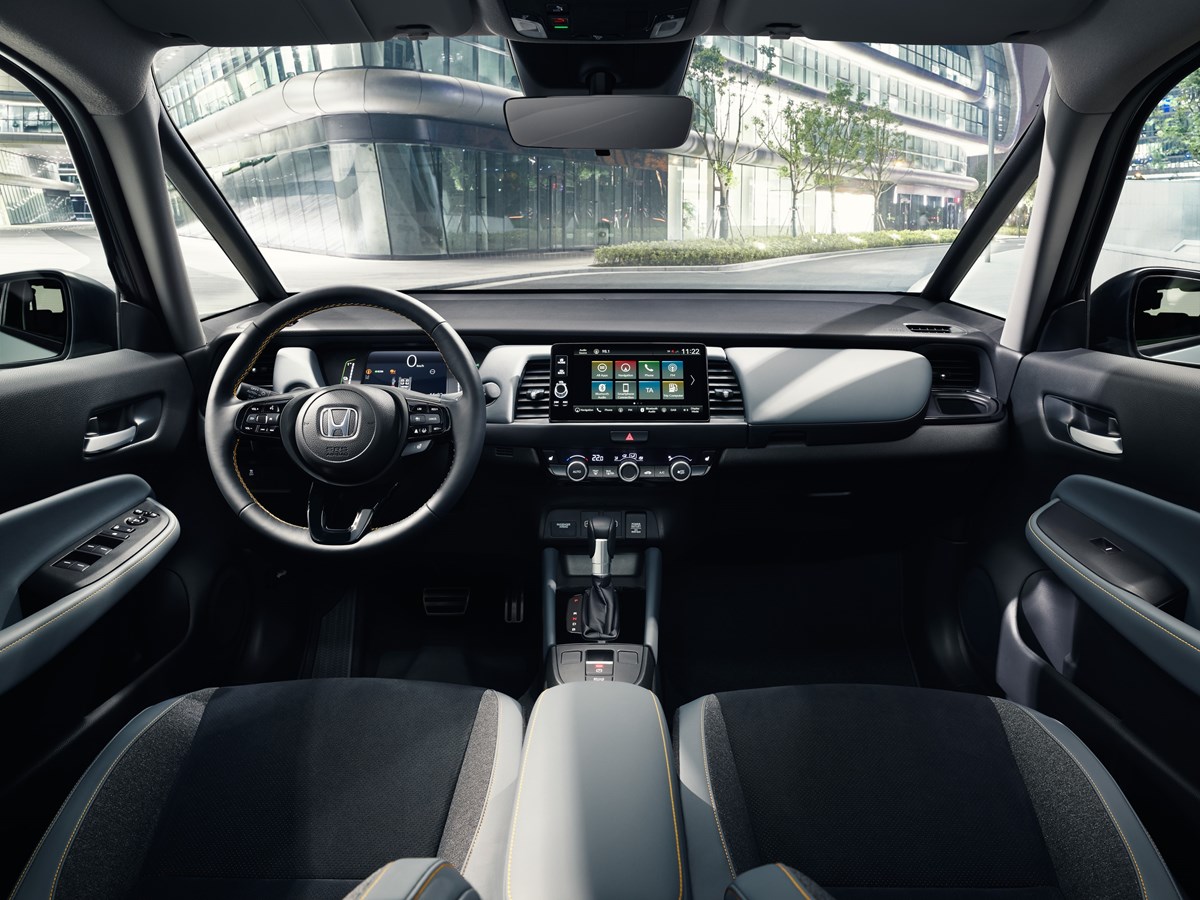
On the Jazz III (from 2015 onwards) the windows are more reliable thanks to improved parts. Even so, water ingress still occurs on cars that are often driven in wet conditions. Check the rubbers extra carefully and look for rust spots in the lower door corners.
When to see a specialist
If the window remains stuck after replacing the switch and regulator, the cause lies deeper. This often points to problems with the central locking, the control relay or the body control module. This diagnosis requires an OBD scanner and specialist knowledge. A Honda specialist will read out fault codes and quickly determine where the problem lies.
With persistent electrical faults, the entire electrical system of the door may need to be examined. This includes checking all cables, connectors and earth connections. Leave this to a professional if you do not have the right equipment or knowledge. Incorrect work can lead to more expensive damage.
On the Carnews website you will find much more information about common faults, maintenance tips and technical details for different car brands. Explore more articles and increase your knowledge of cars and automotive technology.
Frequently asked questions
The most common causes are defective window switches or a worn window regulator (motor/mechanism) in the door. In addition, mechanical wear or sticking in the rails and guides of the window occurs frequently. Electrical issues such as blown fuses or a weak battery can also cause the windows to fail. Finally, rust and water ingress in the door sometimes lead to faults in the window electronics.
Start by checking the fuses and the window lock switch on the driver’s panel, and test whether the other windows still work. When operating the faulty window, listen to see if you can hear the motor humming; if you hear nothing, the switch unit or fuse is often suspect. If you do hear the motor but the window does not move, this points to a worn regulator or a jam in the rails. If necessary, remove the door trim to inspect the window rails and regulator; check for loose cables, rust and dirt and lightly lubricate the rails with silicone spray. If the problem remains after swapping the switch unit (for example with a properly working window), there is a good chance that the window motor or regulator itself is defective.
First check the fuses and test whether the windows respond with the engine running, to rule out a weak battery. If only one window (often on the driver’s side) is not working, replace the complete switch unit, preferably with a used part. If that doesn’t help, remove the door panels and check the window regulator and guides for wear or sticking; lubricate the rails with silicone spray. If the fault persists or you see rust or water damage in the door, have the system checked by a Honda specialist.
It is sensible to call in professional help if the window still does not work or keeps jamming after basic checks (fuses, switch, battery). You should also get help when you need to remove the door panels or work on the window regulator and motor, because of the risk of additional damage. In the event of signs of water damage, rust in the door or recurring faults, a specialist is essential. If you are unsure about the cause or safety, always have it assessed by a professional.
Yes, especially the older Honda Jazz models from the first generations (around 2002–2014, including GD1 and Jazz II) are better known for problems with the electric windows. On these model years, defective switches, worn window regulators and mechanical wear in the door are more common. Later generations seem on average less sensitive to this, provided they are properly maintained. Checks for rust, door seals and the electrical system are particularly important on the older model years.