
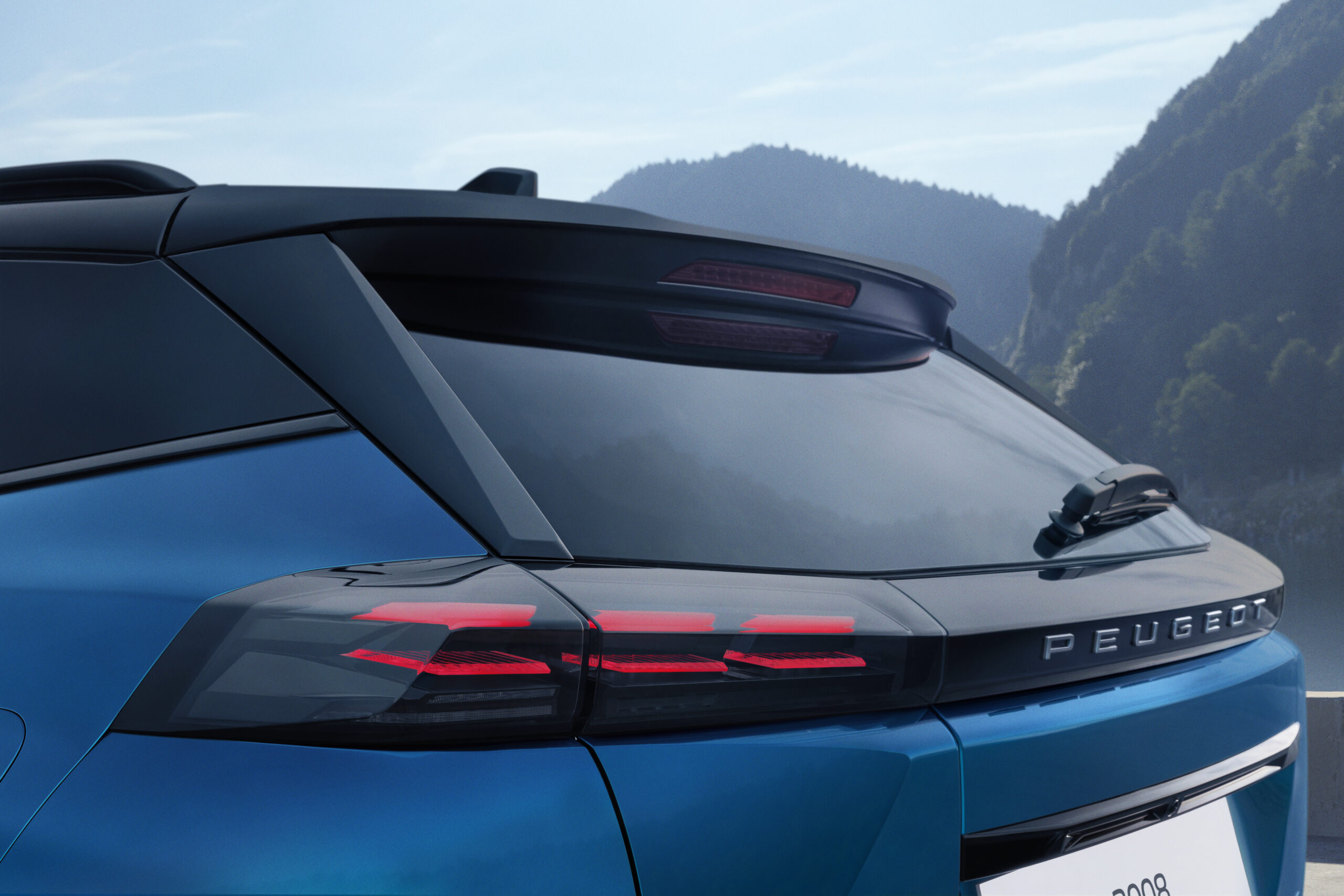
Contaminated oil and internal wear are the main causes. These lead to jerky gear changes in the Peugeot 2008 automatic. This results in unsettled shifting, fluctuating revs and loss of power. Owners report these issues particularly at higher mileages or with intensive city use. The good news: with timely maintenance and the right approach, many problems can be prevented or resolved.
Recognisable symptoms of jerky gear changes
The Peugeot 2008 with automatic transmission shows various signs when the gearbox starts having problems. These symptoms often develop gradually. They get worse in warm weather or after driving for a long time.
Common complaints include:
- Jerky pull-away in position D or P, especially in first gear
- Slipping or juddering when accelerating, sometimes with clicking noises
- Delayed response when shifting into D or R
- Grinding noise when accelerating or changing gear
- Fluctuating revs while driving
These problems occur regularly with models fitted with the ETG5 transmission. The symptoms are not always constant. They often appear under specific driving conditions such as city traffic or after a cold start.
‘ Preventively flushing the transmission solves a lot of jerkiness. ’
Contaminated transmission oil as the main cause
Contaminated or old transmission oil is responsible for many automatic gearbox problems in the Peugeot 2008. This accounts for around 70 per cent of cases. Automatic transmission fluid (ATF) loses its lubricating properties after 60,000 to 120,000 kilometres. The same applies after eight years. This leads to increased friction between moving parts.
The oil should be red or pink in colour. When it turns brown or black, the oil is contaminated and needs to be replaced. Dirty oil contains metal particles and combustion residues. These damage the internal components. They cause jerky shifts between gears.
With intensive city driving, contamination speeds up. The automatic then has to change gear more often, causing the oil to deteriorate more quickly. Preventively flushing the transmission eliminates a lot of jerkiness. It helps avoid expensive repairs.
Internal wear of clutch and release bearing
Besides contaminated oil, wear also plays an important role. This concerns mechanical components. The clutch and the release bearing are vulnerable, especially with frequent city driving. These parts may need replacing as early as after 50,000 kilometres.
The release bearing contains small blades that wear quickly under frequent load. These parts become worn. This creates more play in the system. This manifests itself as juddering or slipping when pulling away, mainly in first gear.
Other internal wear may involve:
- Gears and shafts in the transmission
- Synchroniser rings that ensure smooth shifts
- Servo motors within the ETG5 transmission
- Dried-out seals
Lack of maintenance makes this wear worse. Regular inspection of the transmission helps to detect problems at an early stage. This way you can prevent complete failure.
Automatic gearbox maintenance for the Peugeot 2008 after 60,000 km
Preventive maintenance prevents jerky shifting. It is the best way to avoid problems. After 60,000 kilometres, it is sensible to have the transmission checked. With intensive use or a lot of city traffic, an earlier check is advisable.
A Powerflush cleaning completely replaces the old ATF oil. In addition, it flushes the transmission clean. This treatment is recommended every two to three years. It is also necessary at 60,000 to 120,000 kilometres. The new oil restores the lubricating action and removes contamination from the system.
If problems persist, a diagnosis is required. Have this carried out by a specialist garage. A diagnostic tool reads fault codes. These point to sensor or hydraulic defects. This prevents unnecessary dismantling and saves costs.
‘ Dark or cloudy oil is a clear sign that replacement is needed. ’
How do I flush the automatic gearbox of my Peugeot 2008?
Flushing the automatic gearbox is a specialist job. Ideally it should be carried out by a professional garage. The Powerflush method uses special equipment to completely replace the old oil. The engine runs during this treatment. This ensures a thorough cleaning of all internal channels.
First check the oil level and colour yourself. The sight glass shows whether there is enough oil in the transmission. The dipstick can indicate this as well. Dark or cloudy oil is a clear sign that replacement is needed.
Also test the difference between cold and warm shifts. Pay attention to exactly when the problems occur. Some issues only appear when the transmission is warm. The oil then loses its viscosity at higher temperatures. Also look out for warning lights on the dashboard. These may point to transmission faults.
What to do if your Peugeot 2008 automatic shifts jerkily
Jerky shifting is a warning sign. Act quickly at the first indications. Start with a visual inspection of the transmission oil. Check the level and colour via the inspection point under the bonnet.
Adjust your driving style. This limits further damage. Avoid harsh acceleration and heavy loads on the transmission. Use the manual mode if possible. This eases the strain on the automatic in intensive city traffic.
Concrete action steps are:
- Regularly check transmission oil level and colour
- Schedule a diagnosis within two weeks if complaints persist
- Have the transmission flushed if the oil is contaminated
- Replace worn clutch or release bearing if there is mechanical wear
- Drive more gently and avoid heavy loads until the problem has been resolved
Do not ignore the symptoms. Light juddering is only the start. It can lead to complete failure of the transmission. Early action prevents breakdowns. It also prevents high repair costs.
Defective sensors and hydraulic problems
Besides oil and mechanical wear, there are other causes. Electrical and hydraulic components can also cause problems. The ETG5 transmission contains various sensors that control the gear changes. These sensors can fail. This then leads to delays or jolts when changing gear.
Hydraulic problems concern pressure build-up in the transmission. Leaking seals cause uneven pressure. Defective valves have the same effect. This results in unpredictable shifting behaviour and loss of power.
A specialist garage can identify these defects using diagnostic equipment. The fault codes provide information about the defects. They point to a sensor that is not working correctly. Valves may also not be operating properly. Replacing these parts usually solves the problem quickly without major repairs.
‘ Those who wait too long are taking risks. ’
Owners’ experiences with jerky gear changes
Owners report that juddering or slipping often only occurs when pulling away in first gear. The complaints get worse as the car covers more kilometres. In many cases, replacing the clutch provided the solution. The release bearing also proved to solve this problem.
Some drivers notice an improvement after an oil flush. The improvement is significant. The transmission shifts smoothly again. The fluctuating revs disappear. On models with the BlueHDi engine, some owners report problems with shock absorbers. These amplify the vibrations.
Owners’ experiences show that taking quick action pays off. Some owners intervene at the first symptoms. They often get away with a limited repair. Those who wait too long are taking risks. Servo motors are small electric motors that control gear changes. These can fail. Other expensive components within the ETG5 transmission can also become defective.

Prevention and long-lasting driving pleasure
Regular maintenance keeps the Peugeot 2008 automatic running smoothly. Schedule a transmission check every two to three years. Do this even if there are no complaints. This prevents small issues from developing into major repairs.
Keep an eye on the transmission oil. Replace it after 60,000 to 120,000 kilometres or after eight years. Gentle driving reduces the load on the clutch and release bearing. Gradual acceleration also helps. With intensive city use, shorter service intervals are sensible.
Watch out for warning signs such as unusual noises, vibrations or warning lights on the dashboard. Early diagnosis prevents breakdowns. Repair keeps the costs manageable. A well-maintained automatic gearbox will continue to operate properly for many years. This provides trouble-free driving pleasure.
On the Carnews website you will find much more information about common car problems, maintenance tips and practical advice for Peugeot models. Discover more articles and stay up to date with the latest developments in the automotive world.
Frequently asked questions
The most common causes of jerky gear changes in a Peugeot 2008 automatic are contaminated or aged transmission oil and wear of the clutch or the release bearing. Defective sensors, servo motors or dried-out seals in the ETG5 gearbox often also play a role. In addition, mechanical wear of gears and shafts or synchronisation issues can cause jolts. Injection or engine management problems can further worsen the jerks during acceleration.
First have the transmission oil (ATF) checked and, if necessary, completely flushed and replaced, because contaminated oil is often the cause of jerky gear changes. Then have the gearbox read for fault codes to identify possible problems with sensors, servo motors or the hydraulics. If the complaints occur mainly when pulling away, wear of the clutch or release bearing may be involved and inspection/replacement of these is required. Finally, adjust your driving style by avoiding harsh acceleration and, where available, using the manual mode to ease the load on the gearbox.
Crucial is regular maintenance of the automatic transmission fluid: changing it in good time and preferably having it flushed (Powerflush) to prevent contamination and loss of lubricating properties. This keeps the internal components properly lubricated and greatly reduces or prevents jerky gear changes.
The repair costs for jerky gear changes in a Peugeot 2008 automatic can vary greatly, depending on the cause. A transmission oil change or flush (Powerflush) usually costs a few hundred euros. If the clutch or release bearing is worn, costs can rise to around or above a thousand euros. With internal transmission damage or defective servo motors/sensors, costs can be considerably higher still.
No specific model years of the Peugeot 2008 are mentioned that demonstrably suffer more often from jerky gear changes. The complaints are mainly linked to certain transmission types (such as the ETG5 automatic) and usage conditions (high mileage, lots of city traffic) rather than to model years.
As a car enthusiast you can carry out an initial diagnosis yourself by checking your transmission oil (level and colour), testing whether the jerky gear changes mainly occur with a warm engine and when pulling away, and looking out for any warning messages on the dashboard. This often allows you to estimate whether it is a case of contaminated oil or early-stage wear. A full diagnosis of the clutch, sensors or servo motors, however, requires diagnostic reading and inspection by a specialist. If the problem persists, have the automatic gearbox professionally checked and, if necessary, an oil flush or repair carried out.