
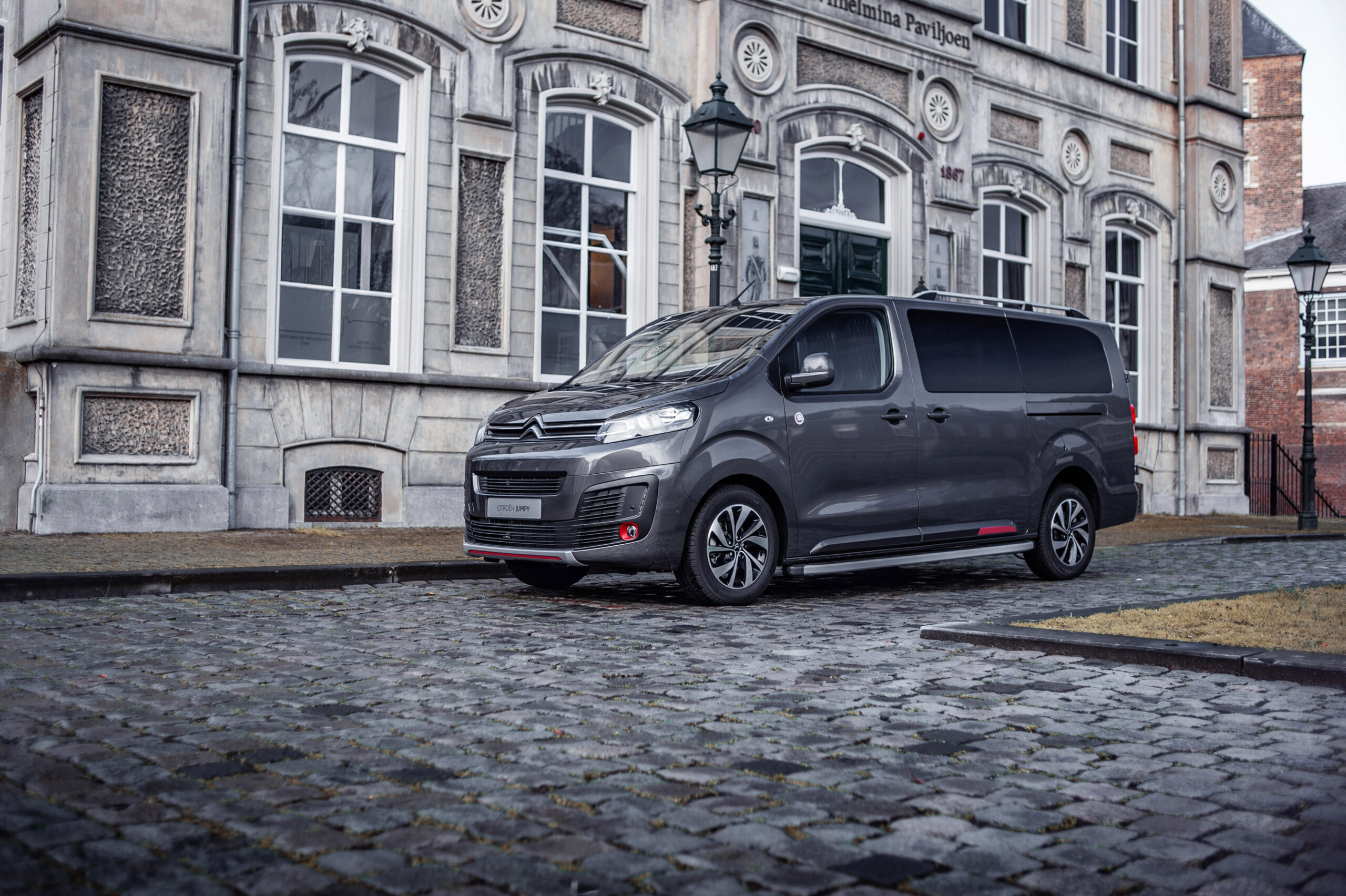
The Citroën Jumper scores excellently on paper, but in daily use under tough conditions problems arise that end up costing business owners dearly. Especially with frequent use at full load, the transmission and electronics wear out quickly. Read on and discover whether this van is suitable for your situation.
Popular, but not without risks
The Jumper has been a familiar name in commercial fleets since 1994. It offers generous load volume of up to 17 m³ and a payload of 1,800 kg. There is a wide range of configurations: you can choose from four lengths and three heights. In addition, there are variants such as the double cab, refrigerated van and even an electric version.
Nevertheless, questions about reliability under intensive use crop up regularly. Owners report faults when the vehicle is heavily loaded and used intensively on a daily basis. These problems lead to downtime and high repair costs.
‘ The engine also shows weak spots under tough conditions. ’
Heavy loads place big demands on transmission and engine
With full loads and lots of stop-start driving, the transmission comes under pressure. Some owners report that the clutch wears out sooner than expected. The van is then regularly used right up to its maximum payload capacity. This applies especially to diesel variants that cover long distances every day carrying heavy loads.
The engine also shows weak spots under tough conditions. Models from before 2012 regularly suffer from software issues. These can lead to irregular engine behaviour or emergency shutdowns. In some cases the EGR valve (exhaust gas recirculation valve) becomes clogged, resulting in loss of power and higher emissions.
Known transmission problems
- Premature clutch wear under full load
- Gearshift delay or notchy shifting over time
- Vibrations during acceleration under high load
- Sensitive gearbox in models with manual transmission
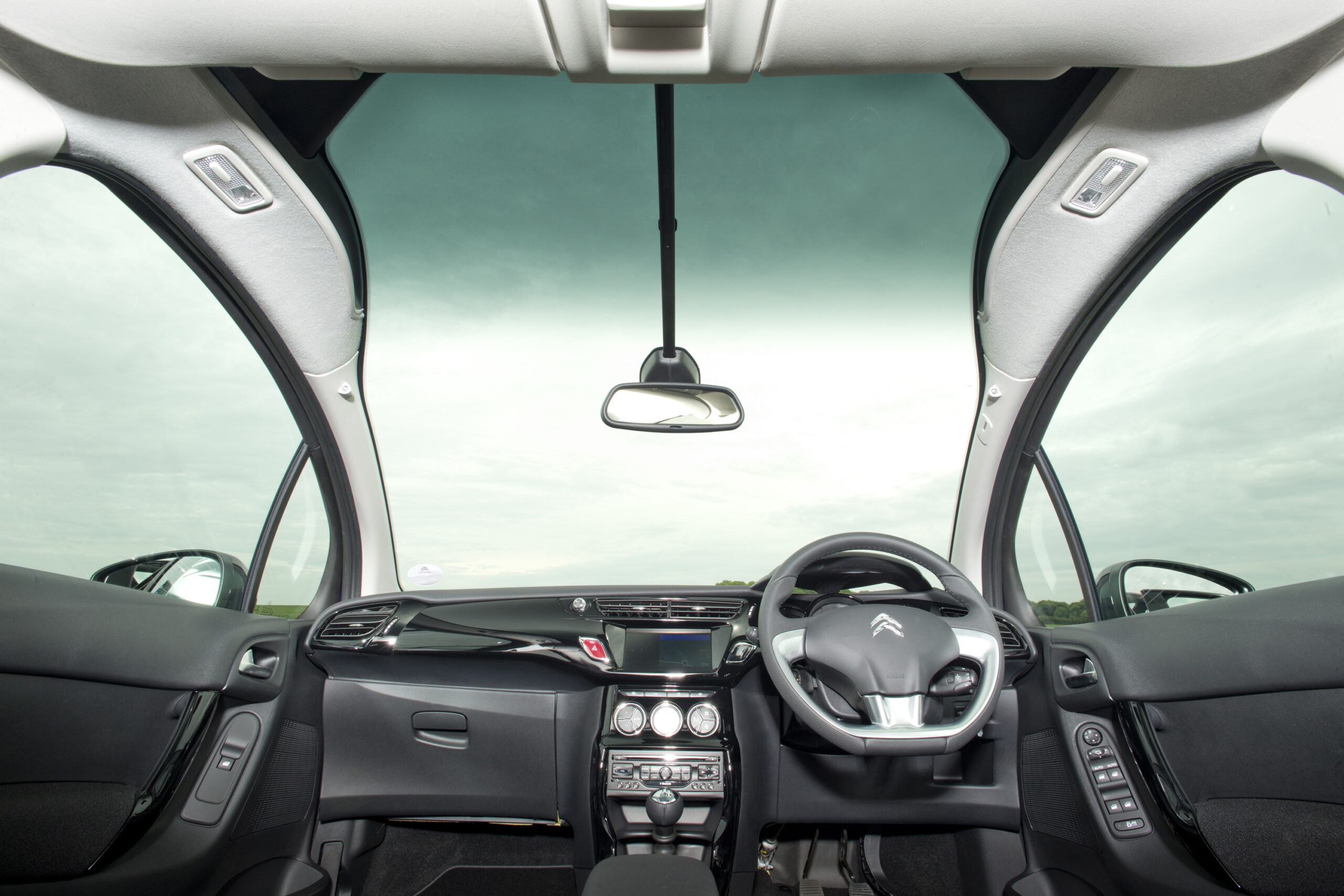
Electronics and charging behaviour present challenges
The electric version, the ë-Jumper, seems attractive for deliveries and transport in the city. It has a range of up to 420 kilometres and charges to 80 per cent in 55 minutes. These specifications sound promising, but in practice the range turns out to be highly dependent on load and driving style.
With a full load, the range (the maximum number of kilometres per full charge) drops to below 300 kilometres, depending on weather conditions and driving style. This calls for careful planning. What’s more, the ë-Jumper is not allowed to tow a trailer, which limits how it can be used.
The diesel version also suffers from electronic faults. Sensors and electronic control units (which control the engine and exhaust system) can fail. This leads to warning messages on the dashboard and, in some cases, power loss. These problems occur particularly often in models from before 2015.
Electronic issues that occur
- Fault messages caused by defective sensors in the exhaust system
- Power issues due to ageing batteries
- Malfunctions in the AdBlue system in diesel variants
- Failure of safety systems such as Lane Keeping Assist
Maintenance and downtime: what does it cost?
The Jumper goes in for servicing roughly every 48,000 kilometres or every two years. That sounds favourable, but under intensive use you will need to visit the workshop more often. Companies that drive long distances every day or frequently carry full loads will particularly notice that wear occurs more quickly.
Repair costs for transmission problems mount quickly. A new clutch easily costs between 1,500 and 2,500 euros including labour. When it comes to electronic faults, diagnostic costs can also add up, especially if several sensors have to be replaced.
Downtime is a major issue for business owners. When the van breaks down during a busy working day, delays and missed jobs are the result. This has a direct impact on operations and revenue.
‘ Some leasing companies report higher maintenance costs for the Jumper compared with rivals such as the Mercedes Sprinter or Ford Transit. ’
Failure rates: how often do things go wrong?
There are no official figures on the failure rate of the Jumper as a commercial vehicle. However, owners do report faults on forums and to dealerships. These complaints concern mainly the transmission, electronics and turbochargers in older models.
Under intensive business use, problems seem to occur more frequently than with private use. This is because commercial vehicles are worked harder and regularly pushed up to their maximum payload. Some leasing companies report higher maintenance costs for the Jumper compared with competitors such as the Mercedes Sprinter or Ford Transit.
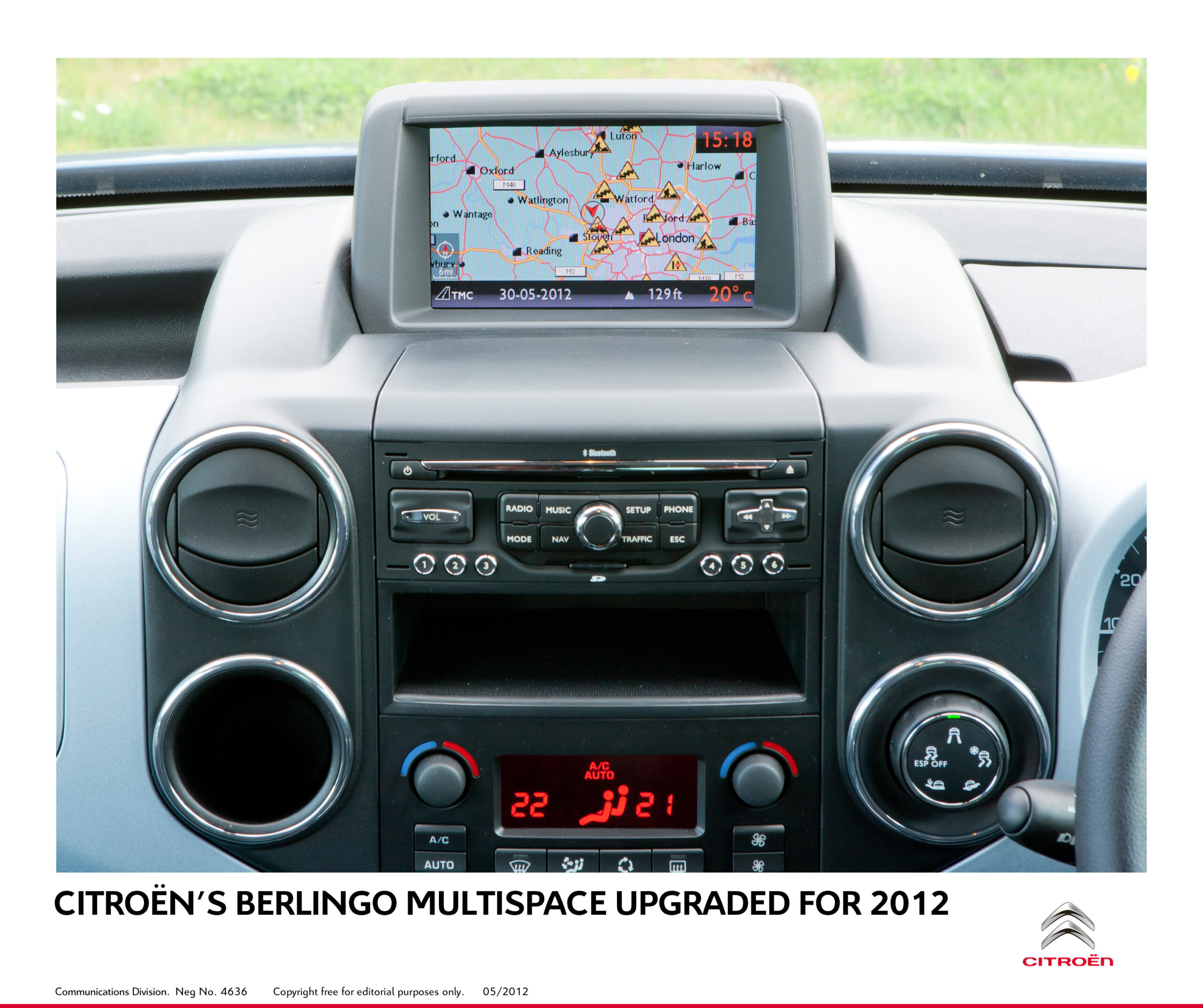
Alternatives for reliable business use
If you have doubts about the reliability of the Jumper, there are alternatives that may be better suited to heavy loads and intensive daily use.
Mercedes-Benz Sprinter
The Sprinter is known for its solid transmission and robust engine. It offers comparable load volume and payload, but owners report fewer faults at full load. The purchase price is higher, though.
Ford Transit
The Transit scores well for maintenance costs and parts availability. It has a wide dealer network and owners indicate that downtime remains limited. The range of configurations is extensive, comparable to the Jumper.
Volkswagen Crafter
The Crafter combines comfort with solidity. The newer models in particular feature advanced safety systems and reliable drivetrains. Load volume and towing capacity are suitable for demanding business applications.
Renault Master
The Master shares much of its technology with the Jumper, but owners report slightly fewer electronic problems. It offers similar load capacity and is available in several lengths and heights.
Suitability: when does the Jumper work well?
The Jumper remains suitable for businesses with light to medium loading. If you regularly carry half loads and do not push the van to its limits every day, it can perform well. It is also an option for companies that attach great value to configuration options and bespoke solutions.
For business owners who opt for sustainability and urban deliveries, the electric ë-Jumper offers advantages. The 17 per cent additional taxable benefit in kind and subsidies such as SEBA (the Incentive Scheme for Zero-Emission Commercial Vehicles) and MIA (Environmental Investment Allowance, a tax scheme for environmentally friendly investments) make it attractive. Do pay attention to the limited range when fully loaded and the ban on towing a trailer.
If you choose the diesel version, pay attention to the year of manufacture. Models from 2015 onwards feature improved electronics and more reliable control units. Make sure you follow the service schedule to the letter and have potential problem areas such as the EGR valve (this valve recirculates exhaust gases to reduce emissions) and turbochargers checked preventively.
‘ Avoid overloading and stick to the maximum payload of 1,800 kg ’
Practical tips for longer reliable use
- Plan service intervals and allow for increased wear under intensive use
- Regularly check the condition of the clutch and transmission when driving fully loaded
- Have sensors and control units checked when warning lights appear to prevent more serious damage
- Consider an extended warranty or maintenance contract when purchasing
- Avoid overloading and stick to the maximum payload of 1,800 kg
Discover more about commercial vehicles on Carnews
The Jumper can perform well under the right conditions, but under heavy daily workloads there are alternatives that are more reliable. On the Carnews website you will find comparisons, user experiences and practical tips about commercial vehicles and their suitability for different applications. Want to know more about electric commercial vehicles, maintenance costs or the best choice for your company? Discover it on Carnews and make an informed decision.
Frequently asked questions
The Citroën Jumper offers driving characteristics which, thanks in part to electric power steering and extensive driver assistance systems, come close to those of a passenger car and thus stand out positively from many traditional vans. Stability in crosswinds and when towing a trailer (Trailer Stability Control) ensures predictable and comfortable driving, even at higher speeds and with heavier loads. For everyday use, the modern diesel engines offer the best balance between power and efficiency, especially in combination with the option of running on HVO100. For those who mainly drive in urban low-emission zones and need less towing capacity, the electric ë-Jumper is a very efficient and quiet alternative.
The Jumper is available in four lengths and three heights, with a load volume from 10 to 17 m³ and a payload of more than 1,800 kg, which makes it suitable for a wide range of professional uses. Thanks to the extra-wide sliding door and rear doors that open up to 270°, loading and unloading large objects or pallets is very easy. In addition, there are numerous specific configurations such as Double Cab, Refrigerated Van, Pick-up, 4×4, Wheelchair Transport, Glass Rack and Box Body, allowing the vehicle to be tailored to different professions. This versatility also makes the Jumper attractive for transporting hobby equipment such as bicycles, camping gear or sports kit.
The Jumper distinguishes itself with advanced driver assistance systems such as Lane Keeping Assist, Advanced Emergency Braking System, Trailer Stability Control and Cross Wind Assist, supplemented by features including Driver Attention Alert and rear parking sensors. These systems enhance safety by helping to prevent accidents, improve stability in crosswinds and when towing, and warn the driver in case of fatigue. Comfort features such as electric power steering, an electronic parking brake and passenger-car-like connectivity options reduce physical strain and increase ease of use. Together, these technologies make long working days less tiring and significantly safer.
The Jumper is known as a solid commercial vehicle with relatively low maintenance costs. Thanks to long service intervals of up to 48,000 km or 2 years, downtime remains limited, which is beneficial in intensive use. The improved engine range and efficient drivetrains also help keep running and servicing costs down. This makes the Jumper a reliable choice for companies that work their vehicles hard and use them frequently.