
An empty or loose battery in your key means your Kia Picanto no longer picks up the signal, so you can’t start the car. Fortunately, this common problem is easy to solve by replacing the battery or having the key reprogrammed by a specialist. Find out how to get back on the road quickly.
Why doesn’t the Kia Picanto recognise your key?
The Kia Picanto is equipped with a smart key system or a flip key with a transponder. This system recognises the key via a chip and a radio signal. When the battery in the key runs down, this signal disappears. The car then no longer receives confirmation that the correct key is present.
The most common cause of recognition problems is a dead key battery. In addition, an almost flat car battery can block recognition. With the Kia Picanto this occurs regularly, especially with older models from 2007 onwards. Other causes include a defective transponder chip or a fault in the keyless entry system.
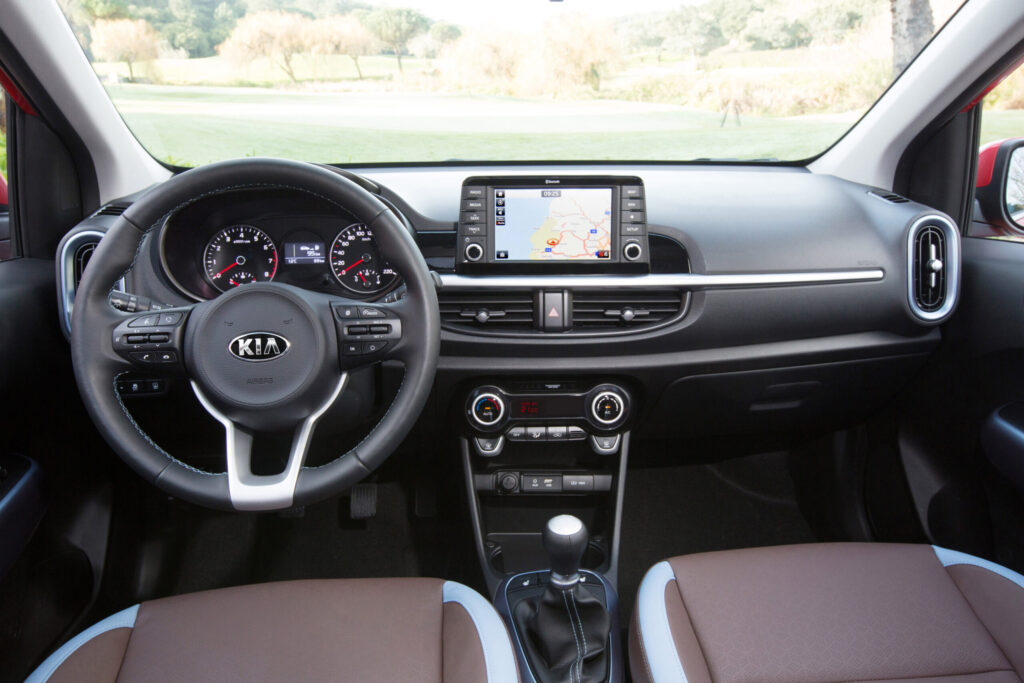
The dashboard often shows the message “key not present” when the system does not detect the key. In that case, first try holding the key closer to the start button or press the key directly against the button. This can temporarily help if the signal is weak.
‘ Most Picanto owners report that this solves the problem immediately and that it rarely comes back. ’
Replacing the key battery
Replacing the key battery solves the problem in most cases within a few minutes. You will need a CR2032 battery, available from chemists or petrol stations.
Carefully open the key housing by sliding or unclipping the cover on the back. Remove the old battery with a small screwdriver or your fingernail. Pay close attention to the polarity: the plus side must face upwards. Insert the new battery with the same side facing up.
Immediately after fitting, test whether the remote works by pressing the unlock button. Click the housing firmly shut again. Most Picanto owners report that this solves the problem immediately and that it rarely comes back.
Problems after a flat car battery
When the car battery has gone flat, the Picanto may have trouble recognising the key. Low voltage blocks the immobiliser system. This problem often disappears as soon as the battery is sufficiently recharged.
Start the car with jump leads or charge the battery with a charger. Some owners find that the car only starts again after the system has been reset. This may sometimes require help from a dealer for reprogramming.
Older Picanto models are more sensitive to voltage fluctuations. Having the battery checked as a preventative measure helps avoid this type of recognition problem. A weak battery often gives earlier warning signs such as slow starting or flickering dashboard lights.
Starting without a working key battery
With a dead key battery, you can still start the Picanto using the emergency key. This metal spare key is hidden in the smart key holder. Press the tab on the back to remove the key.
Use the emergency key to unlock the door. Then hold the key directly against the start button and press the button while pressing the brake pedal. The transponder chip in the key works independently of the battery and will still be recognised by the car in this way.
This emergency solution only works on models with a functioning transponder. If the chip is defective, you will need to use the spare key or call in a dealer for reprogramming.
‘ On 2017 models there are frequent issues with the central locking or door locking. ’
Known key problems with the Kia Picanto
In addition to battery issues, some Picanto owners experience faults in the keyless entry system. The signal then becomes weak or cuts out completely, especially when metal objects such as keyrings or coins are near the key.
On 2017 models there are frequent issues with the central locking or door locking. This is often caused by a blown fuse or a defective PCB unit in the door panel. First check the fuses in the door module before taking further steps.
Overall, the smart key system performs well, but the signal only works to around one to two metres from the car. Keep this in mind when parking or when you want to unlock the car remotely. Clean the key contacts regularly if dirt builds up and avoid extreme heat or cold, as this can shorten the battery life.
Preventive maintenance for reliable key recognition
Replace the key battery once a year or as soon as you notice that the range of the remote is decreasing. This helps prevent unexpected problems and ensures reliable recognition.
Always keep a spare key to hand, preferably in a different place from the main key. Note down the key number in case you need a duplicate if the key is lost. This number is listed in the manual or on a tag attached to the key.
Check the car battery regularly, especially on cars older than five years. A weakened battery increases the risk of recognition problems. Have the battery tested at the garage during a routine service.
Avoid unnecessary battery drain by always locking the car properly and not leaving the key near the car for long periods. The system then remains active and will drain the battery more quickly.
When to see a specialist
If recognition problems persist after replacing the battery, there is probably a defective transponder chip or a fault in the immobiliser system. This requires diagnostics with professional equipment.
A Kia dealer or specialist garage can reprogram the key or pair it with the car again. This usually costs between 50 and 150 euros, depending on the model and type of key. With older models it may take longer because spare parts are less readily available.
Damaged key housings or broken buttons do not fix themselves. A specialist can repair the key or create a replacement key. Make sure you have the key number to hand for faster processing.
‘ Discover more articles and expand your knowledge about your car. ’
Find out more about the Kia Picanto
Key problems are just one aspect of maintaining and using the Kia Picanto. On the Carnews website you will find much more information about common problems, maintenance tips and practical experiences with this popular model. Discover more articles and expand your knowledge about your car.
Frequently asked questions
The most common causes are a dead or almost dead battery in the car key and voltage that is too low in the electrical system due to an (almost) flat car battery. The transponder chip in the key can also fail, meaning the immobiliser no longer recognises the key. With keyless systems, nearby metal objects or electronics can sometimes cause signal problems as well.
You can check the battery by seeing whether the car still responds to the remote (lock/unlock); if the range is reduced or there is no response, the battery is probably flat. Flip the key open, carefully prise open the key housing with a small screwdriver and remove the old button cell (usually type CR2032). Insert a new battery with the positive side in the same direction as the old one and click the housing firmly shut again. Then immediately test whether the central locking works properly again.
Relearning or replacing a Kia Picanto key generally costs about €100 to €300, depending on the type of key (transponder or smart key), the programming work and whether an original key code is available. A simple battery replacement in the key can usually be done yourself for a few euros. Call in a professional or dealer if the transponder or smart key needs to be reprogrammed, if there is no working key left, or if the car consistently fails to recognise the key. In the event of a starting lock-out, fault codes or loss/theft of all keys, an approved key service or Kia dealer is almost always necessary.
Replace the key battery in good time and preferably use a quality brand so the signal stays strong. Make sure the car’s battery is in good condition, as low voltage can disrupt key recognition. Keep the key away from moisture, extreme temperatures and metal or electronic devices that can interfere with the signal. Check the manual for the emergency start or key holder position and occasionally test the spare key so that you immediately have an alternative if there are problems.
The immobiliser is the security chip in the key that determines whether the engine may start; the remote control is only for locking and unlocking the car remotely. You notice immobiliser problems because the car will not start or shows “key not recognised”, even though you can still open the doors (mechanically if necessary); this is usually solved by using another key or having the chip/immobiliser checked and reprogrammed by the dealer. You notice remote control problems because the central locking no longer responds, while the car will still start with the key in the ignition; in that case the button cell battery (e.g. CR2032) is often simply flat and replacing the battery usually helps. If the remote control still refuses to work after changing the battery, check the fuses and have the key/receiver in the car tested at a garage or by a dealer.