
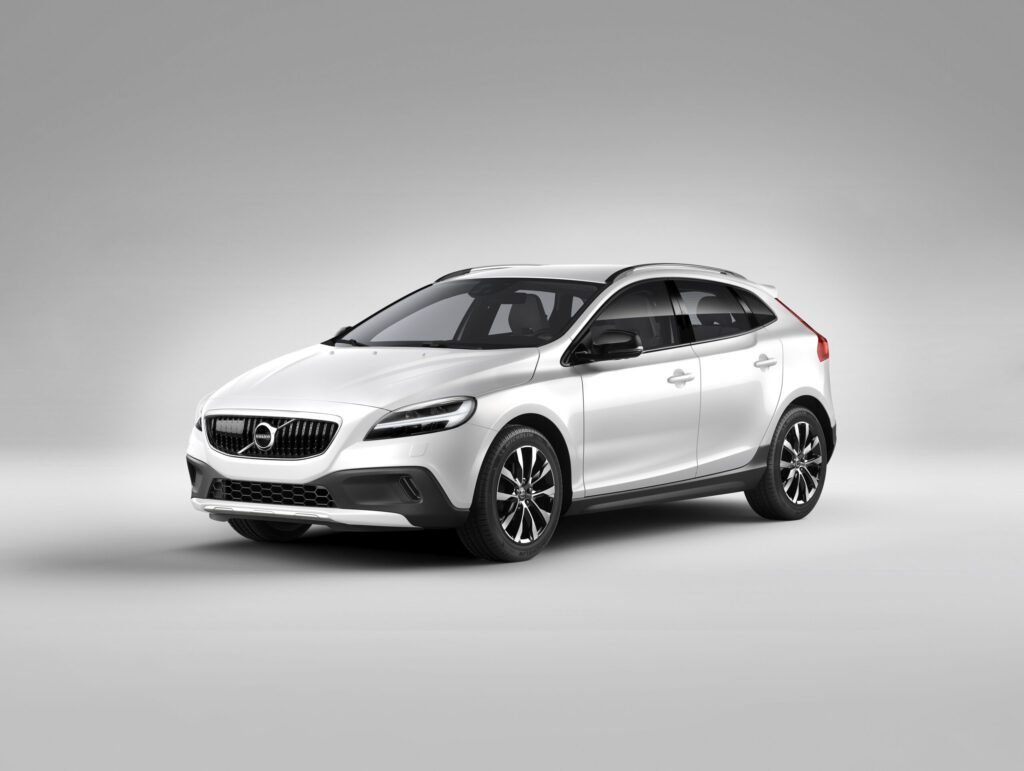
The Volvo V40’s keyless entry can fail without warning due to loose plug connections in the key and faulty sensors around the door switches. This problem regularly occurs with intensive use and can coincide with malfunctions in the stop-start function. Read on for practical solutions and inspection measures.
The Volvo V40 is equipped with a Keyless Drive system that allows locking and starting without physically using the key. The system automatically detects the key when it is within range, for example, in a pocket or bag. This offers added convenience, especially when your hands are full.
However, owners report that this system is prone to malfunctions. The remote control responds weakly, requires multiple attempts, or stops working altogether. At the same time, driver assistance systems like the stop-start functionality can fail. These problems are often linked to internal defects in the key and loose wiring around sensors.
Why does keyless entry suddenly fail?
The keyless system stops working without clear warning. This is because internal connectors in the key become loose due to daily use and vibrations. The key contains a chip section that activates the car, and that component is held in place by plastic connections that can weaken.
Additionally, the wiring around door switches can come loose. These switches detect whether the door is open or closed, and a poor connection disrupts communication with the keyless system. This explains why some owners can resolve the problem by checking and re-securing cables.
Another common cause is a dead or weak battery in the key. While this sounds simple, it’s often overlooked. A battery replacement takes little time and resolves malfunctions in many cases.
How to fix keyless problems yourself?
You can check and repair the key with a few simple steps. First, remove the keyblade by pressing the small clip. Then, detach the back of the key and remove the battery. Now you’ll have access to the internal connectors.
Inspect the plastic lugs that hold the ring-shaped component in place. Gently push from the back to dislodge any stuck parts, but do not touch the chip section that activates the start. This can be sensitive to static electricity. If necessary, remove the buttons for full access and re-establish loose connections by pressing them firmly back into place.
Also, check the wiring around the door switches. Open the door panel and see if all cables are securely fastened. A loose connection can often be remedied by hand, without tools. This measure resolves many keyless malfunctions.
What to do if the remote control responds weakly?
If the remote control requires multiple attempts to unlock the car, this may indicate a weak signal. Try the following steps:
- Replace the battery in the key, even if it doesn’t appear completely dead yet
- Reset the system by manually unlocking the car with the keyblade and then re-locking it
- Check if the key is not damaged by dropping or moisture
- Test the key at different distances from the car to assess signal strength
Some owners report that a full reset of the electrical system helps. To do this, briefly disconnect the battery. Keep in mind that this may also erase other settings.
Recognising sensor faults in driver assistance systems
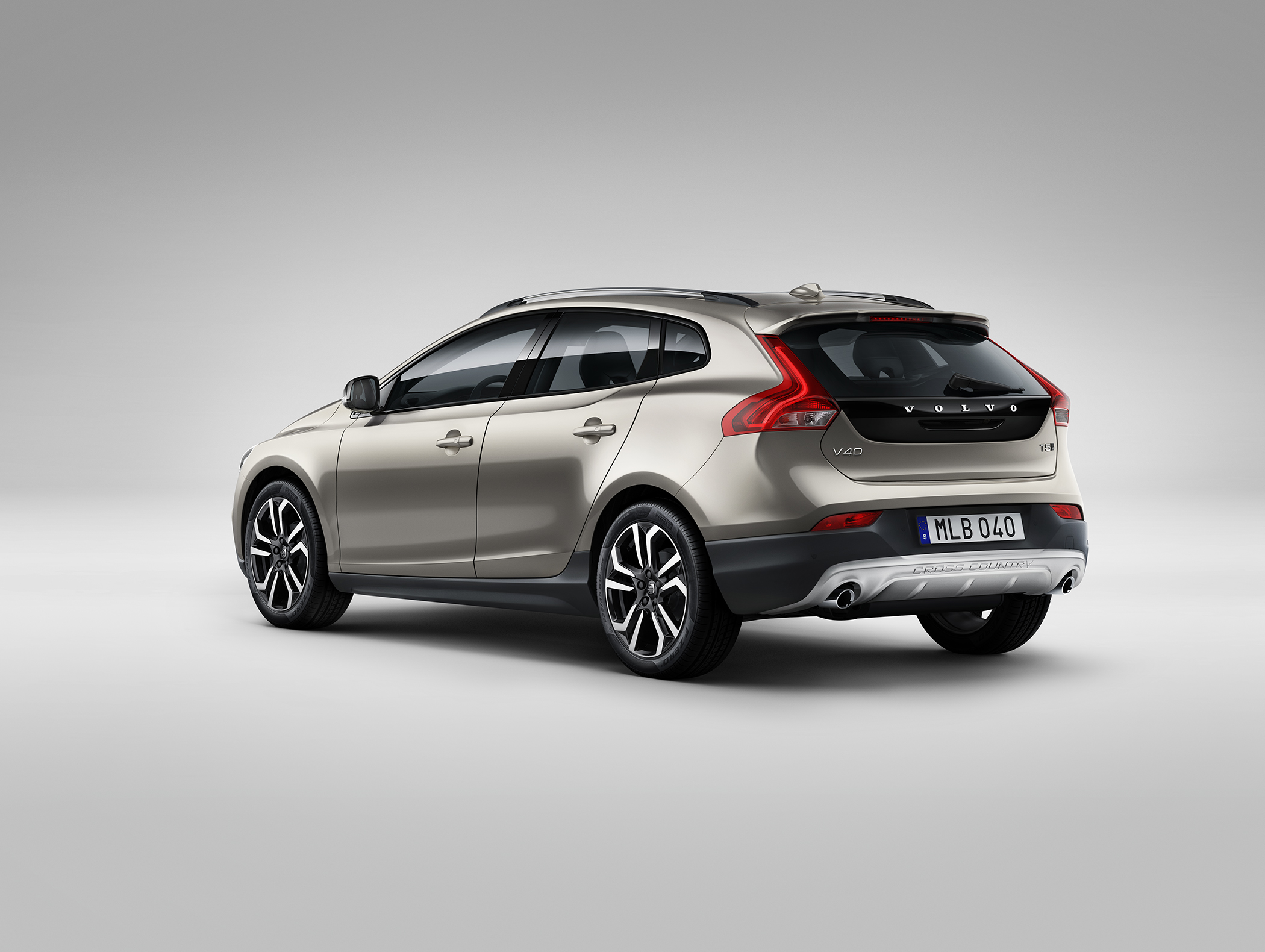
Keyless problems often coincide with malfunctions in other sensor-dependent systems. The stop-start function can fail when the same sensors that support keyless operation become faulty. This occurs because both systems communicate via the same electrical network.
Sensors around the doors, dashboard, and engine bay control various functions. If one sensor fails, multiple systems can fail simultaneously. Therefore, check all sensors when experiencing keyless problems. This prevents you from only repairing the keyless system while other defects persist.
Pay extra attention to these points when buying a used V40. Ask the seller about previous sensor problems and thoroughly test the keyless system during a test drive. Open and close all doors multiple times and start the car without removing the key from your pocket. This will reveal weaknesses in the system before you buy.
Does the car need to be in P for locking?
For automatic cars with keyless entry, the gear selector must be in the P (Park) position before the system locks or alarms the car. This is a safety measure to prevent the car from driving off while it is being locked. Many owners don’t immediately notice this, leading to confusion about why the system isn’t responding.
Therefore, always ensure the gearstick is in the park position before you leave the car. This prevents frustration and unnecessary troubleshooting steps. This problem does not occur with manual models, as there is no automatic gear detection.
‘ “This emergency solution always works, even in the event of a complete failure of the keyless system.” ’
Bypassing keyless entry with the remote control
If keyless entry isn’t working, you can always operate the car using the traditional remote control integrated into the same key. Press the unlock or lock button on the key. This activates the central locking system without requiring keyless functionality.
To start the car, you can hold the key directly against the start button. This activates an emergency mode where the car directly reads the chip in the key, even if the battery is dead or keyless entry is not functioning. Then, press the start button with the brake pedal depressed to start the engine.
This emergency solution always works, even in the event of a complete failure of the keyless system. It’s useful to know this method before problems arise, so you don’t get stranded.
When to go to the dealer for diagnosis?
If simple measures don’t help, professional diagnosis is required. The dealer has software to read the keyless system and identify any fault codes. Sometimes, software updates are available that resolve known issues.
Persistent problems may indicate more complex defects in the electronic control modules. These require specialised knowledge and tools. A dealer can also check if there are any recalls or technical bulletins for your specific model year.
Be aware of diagnosis and repair costs. Keyless systems are complex, and components can be expensive. Request a quote in advance and consider whether a repair is worthwhile in proportion to the car’s value.
Preventative measures for keyless entry and sensors
Regular inspection prevents many problems. Check the key monthly for visible damage and test if all buttons work smoothly. Replace the battery annually, even if it’s still functioning, to prevent unexpected failure.
Protect the key from moisture and extreme temperatures. Do not store it in direct sunlight or in a damp environment. This significantly extends the lifespan of the internal components.
During maintenance, have the wiring around the door switches checked. This takes little extra time but prevents costly malfunctions later. Specifically ask for keyless sensor inspection if your car is older than five years or is used intensively.
‘ “This saves unnecessary repairs to the wrong component.” ’
Spare keys and alternatives
Both V40 keys supplied have keyless functionality. If one key shows problems, test the second key to determine whether the problem lies with the key or the car. This saves unnecessary repairs to the wrong component.
Additional keys can be ordered through a Volvo dealer. These must be programmed for your specific car. Keep in mind that this is more expensive than standard keys, as keyless technology needs to be integrated.
Some owners choose to keep one key as a spare without daily use. This limits wear and tear and ensures a working backup in case of problems with the main key.
Discover more about car technology
Keyless entry and sensor problems are only a small part of the technical issues that can arise in modern cars. On the Carnews website, you’ll find extensive information on common malfunctions, maintenance tips, and practical solutions for various makes and models. Discover more about car technology and stay informed about the latest developments in the automotive industry.
Frequently Asked Questions
The keyless entry system in a Volvo V40 works with a radio signal between the car key (transponder) and receivers in the car: as soon as the key is within a certain radius of the car, the antennas recognise the signal, making locking/unlocking and starting possible without physically inserting the key into the ignition. Essential components include the proximity and radio sensors/antennas in the doors (door handles) and around the car, the receiver in the car, and the sensor in the start button/ignition switch that verifies the key’s “presence”. Additionally, the door switch (which detects whether a door is physically open/closed) plays a crucial role in the system’s correct functioning. Problems often arise due to malfunctions in these door switches, antennas, or internal key electronics, causing the car to no longer reliably “see” the key.
The most common sensor problems causing a malfunction in a Volvo V40’s keyless entry system are loose or faulty door sensors/door switches, which prevent the car from properly detecting the key’s presence or a door opening. Internal sensors and connectors within the key itself can also become loose or make poor contact, leading to weak or failing keyless functionality. Furthermore, wiring problems around the sensors and switches are common, such as cable breaks or poor connections. In some cases, there is a combined issue with the start-stop and keyless sensor logic, causing both systems to function unreliably.
A car enthusiast can first replace the key battery and check if the remote control reliably responds again at a normal distance. Then, they can open the key fob casing to visually inspect the internal connectors and buttons for looseness or wear and carefully repair them. They can also check all doors and door switches for loose wiring or damaged sensors. Finally, they can attempt a reset by locking and unlocking the car a few times consecutively and testing with a potential second key.
Recommended solutions include periodically checking and, if necessary, having the wiring and door switches repaired, as loose cables and sensors are a common cause of malfunctions. Have the key (fob) preventively inspected: check the battery, internal connectors, and buttons for wear or loose contacts and replace components in good time. Ensure that when using and locking, the automatic transmission is always in P, and in case of malfunctions, perform a simple reset by unlocking and re-locking the car. For recurring problems, dealer diagnosis and potential software updates are advisable to prevent future keyless and sensor malfunctions.
Yes, for the Volvo V40, there are dealer-specific software and firmware updates that can resolve or improve malfunctions in the keyless entry system (and associated functions such as stop-start). These updates primarily focus on the control and fault detection of the keyless sensors and modules. They are not offered automatically online but via the Volvo dealer during diagnosis or maintenance. Therefore, for persistent keyless problems, it is advisable to have the car checked for software updates at the dealer.