
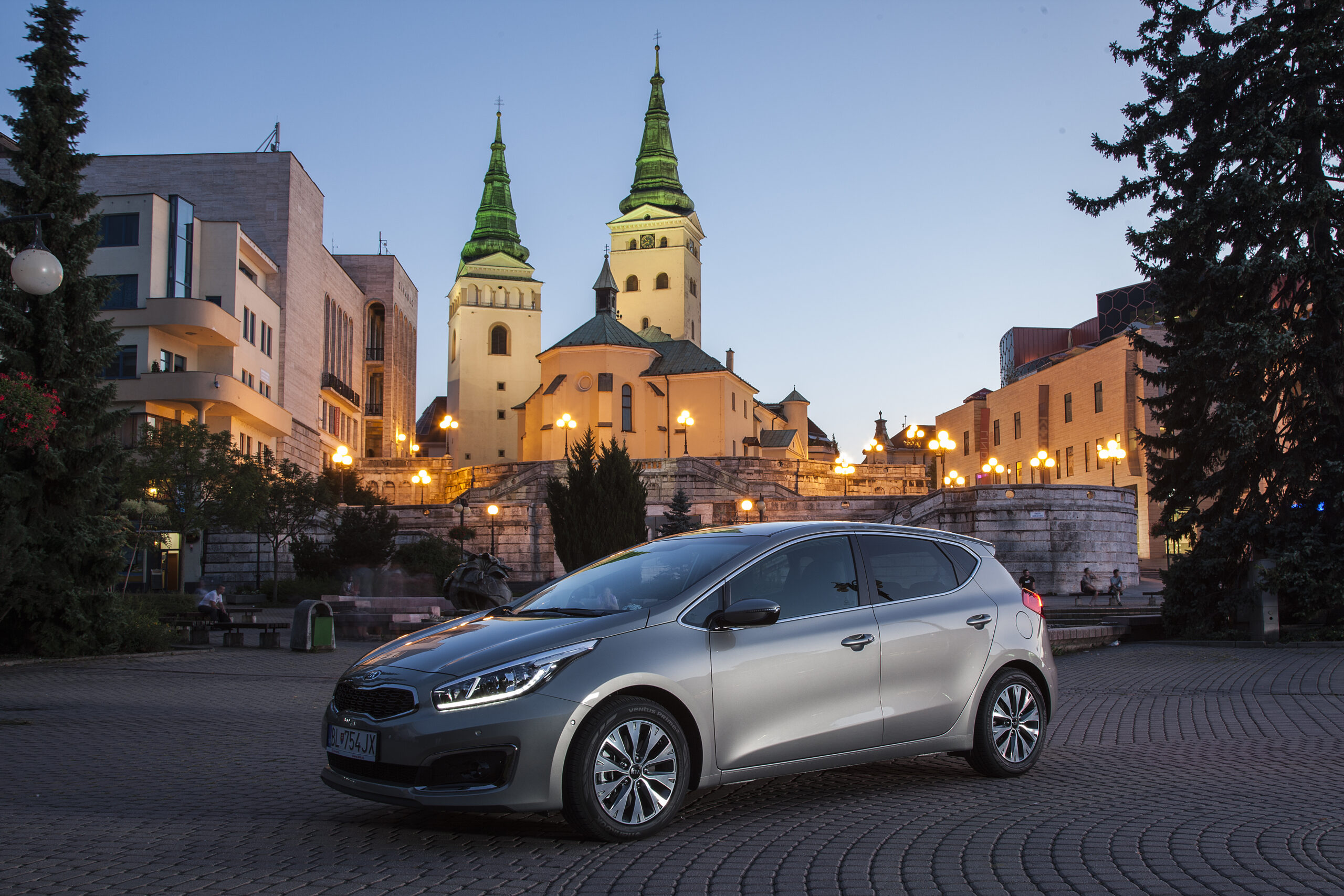
The Kia Ceed is affected by several recalls that have a direct impact on safety. Kia has announced a large-scale recall for more than 600,000 vehicles, including the Ceed and XCeed, because of defects in the hydraulic clutch actuator, ESP brakes, lighting and safety systems. These issues can lead to short circuits, fire risk and reduced braking performance. Check whether your car is involved in any of these actions.
The recalls are free of charge and protect you against potential risks. It is wise to act quickly, as some faults can have serious consequences for road safety. If you take your Kia Ceed car problems seriously, you can avoid unpleasant situations on the road.
Rusting fuel tank threatens safety
The fuel tank of certain Kia Ceed models is susceptible to rust. This mainly occurs in vehicles that are regularly exposed to salt, moisture and road grit. The rust develops on the underside of the tank. Protective coating is missing there due to wear or production faults.
Rust damages the tank. Fuel leaks away. A leaking fuel tank poses an immediate safety risk because of the danger of fire and environmental damage. Severe rust affects the structural integrity of the tank and leads to unsafe situations while driving.
Owners of affected vehicles receive a letter from Kia with instructions to contact a dealer. The dealer will inspect the fuel tank for rust. Repairs or replacement of the tank will follow where necessary. This work is free of charge and covered by the recall scheme.
‘ This increases the risk of accidents, especially in emergencies where you need to brake hard. ’
ESP braking system requires software update
Another issue concerns the ESP braking system of the Kia Ceed. The Electronic Stability Program provides stability while driving by adjusting the braking force per wheel. In certain models the software of this system is faulty. Braking performance is then not optimal.
The fault often manifests itself as a warning light illuminating on the dashboard. In some cases braking force is reduced. The brakes respond unpredictably. This increases the risk of accidents, especially in emergencies where you need to brake hard.
Kia resolves this problem with a software update. You can visit an authorised Kia dealer for this, who will install the update free of charge. The procedure usually does not take long. Full functionality of the ESP braking system is restored. Schedule an appointment as soon as you receive a recall letter or see a warning light.
Symptoms that point to ESP issues
- ESP warning light is on or flashing on the dashboard
- Braking force feels weaker than normal
- Car responds unpredictably when braking
- Strange noises when braking
Lighting problems reduce visibility
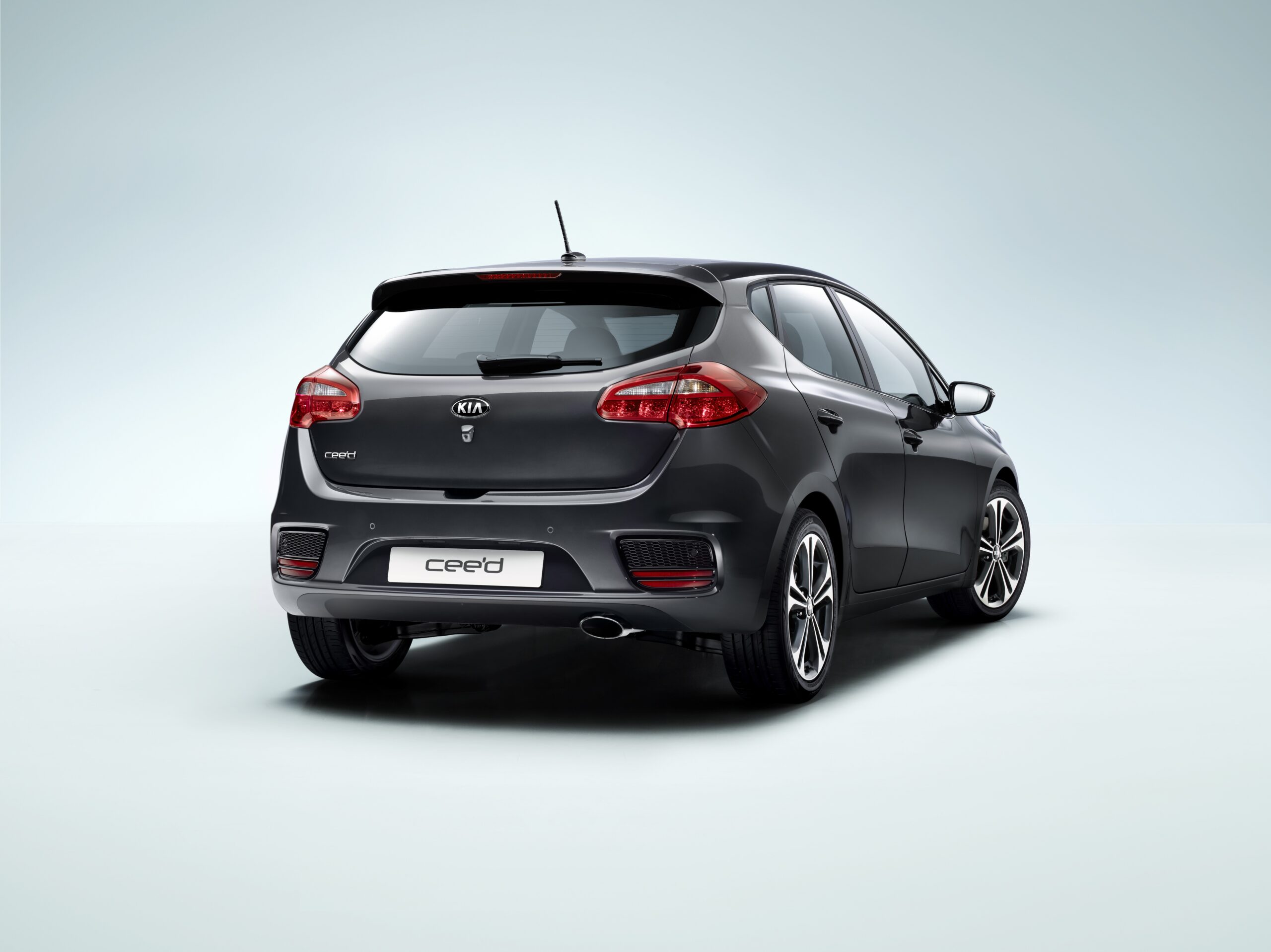
The lighting of the Kia Ceed shows defects in some models. As a result, visibility in traffic is reduced. This concerns defective headlights, rear lights or indicators. These do not work, or not well enough. The cause is often an electrical fault or a defect in the wiring.
Poorly functioning lighting is dangerous. You are less visible to other road users, especially in bad weather or in the dark. It also becomes more difficult for you to see the road properly. The risk of collisions increases.
Kia resolves these problems by replacing the affected components or repairing the wiring. Regularly check that all your lights are still working and report faults to your dealer immediately. During a recall, the dealer will include all lighting problems in the inspection.
Software for safety systems requires correction
The software of the safety systems in the Kia Ceed shows shortcomings. The operation of key driver assistance systems is therefore affected. This concerns, among others, the Forward Collision Avoidance System and Lane Keeping Assist. These systems help to prevent accidents by warning in time or intervening.
In some vehicles these systems do not work correctly. A software error is the cause. They respond too late or not at all to dangerous situations. In other cases they give false warnings. This is annoying. Confidence in the systems decreases.
A software update restores the safety systems to the correct level of operation. The dealer will carry out this update during a service or a specially scheduled appointment. It is important not to postpone this, because these systems contribute to your safety and that of other road users.
‘ In the worst case, a fire can break out. ’
Hydraulic clutch actuator poses fire risk
The most serious recall concerns the hydraulic clutch actuator. This component controls the clutch in hybrid and electric versions of the Ceed. In more than 600,000 vehicles moisture enters the area around the connector. This leads to an electrical short circuit.
The short circuit causes a thermal incident in the engine compartment. In the worst case, a fire can break out. Kia discovered this problem during ongoing tests and quality controls and is therefore acting proactively. No major incidents have been reported yet, but the risk is present.
The warning light for the hybrid system on the dashboard is the first sign of the problem. If you see this light come on, contact your dealer immediately. The repair consists of inspecting the actuator, replacing the component if necessary and fitting a different fuse. This work is completely free of charge.
What to do when you receive a recall letter
- Keep the letter with information about the work to be carried out
- Book an appointment with your Kia dealer straight away
- Repairs are free and fully covered
- You may continue to drive until the appointment. Drive carefully.
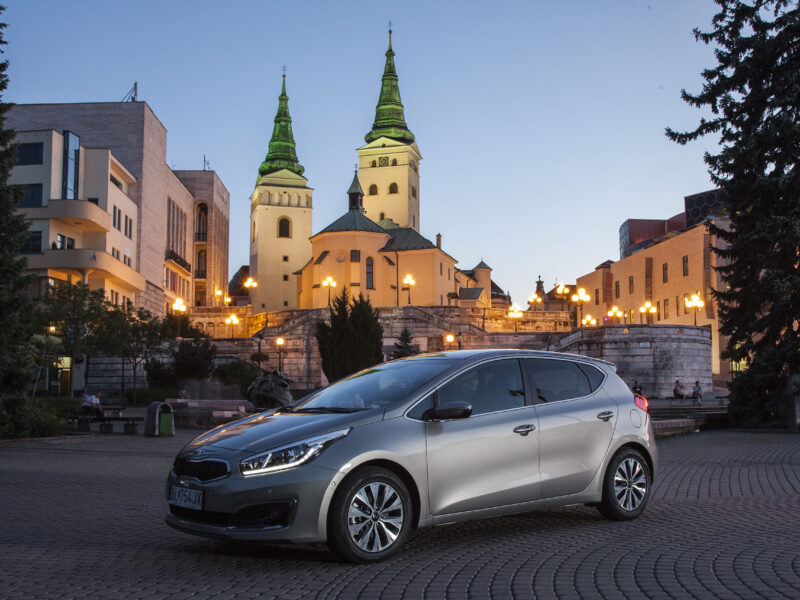
Check whether your Ceed is affected
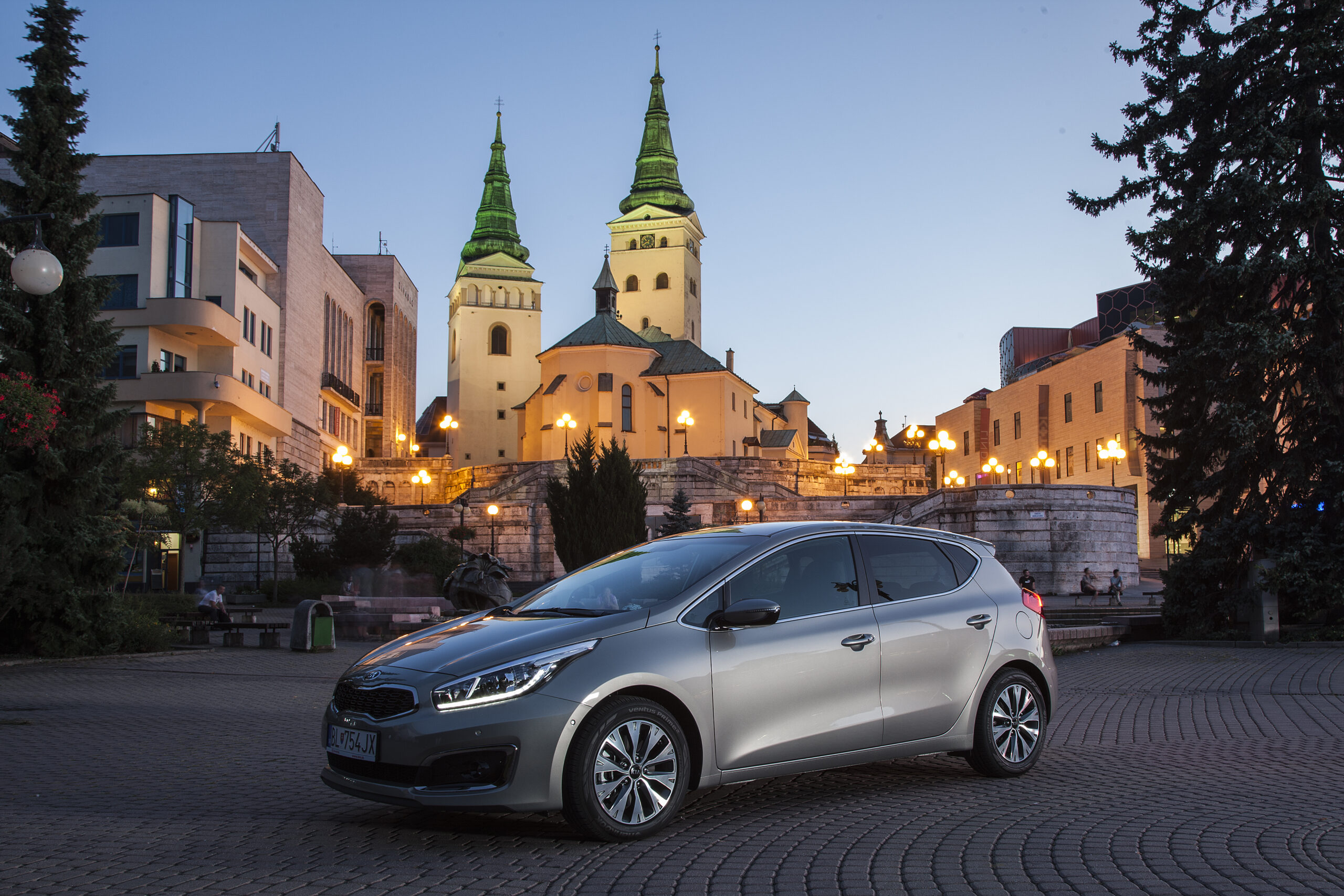
It is easy to check whether your Kia Ceed is subject to a recall. You have several options for this. All of them give you a quick answer.
Via MyKia you log in to your personal page and find information about recalls that specifically apply to your vehicle. The RDW registration check is a second option. Enter your registration number on the RDW website and view the ‘Overview’ tab for current recalls. You can also contact Kia Netherlands customer service directly.
Always respond to a recall letter. This also applies if you have no complaints. The problems are present in the background. You will not notice this immediately. By having the inspection and repair carried out, you prevent problems later on and keep your car safe.
Technical details of the recalls
The recalls relate to vehicles with specific manufacturer codes. For the Ceed and XCeed this is code 240S01, for the Niro it is code 231113. The vehicles were built between 2015 and 2023. The circuit board in the hydraulic clutch actuator becomes contaminated with fluid. This causes the electrical short circuit.
Kia takes this situation seriously and informs everyone involved carefully. The company aims to resolve all issues quickly and safeguard the safety of owners. The proactive approach helps prevent anything actually going wrong with your vehicle.
Would you like to know more about specific problems and maintenance tips for your Kia Ceed? On the Carnews website you will find extensive information about common complaints, solutions and practical advice. Learn more about your car and stay up to date with important developments.
Frequently asked questions
The recent recall concerns specific Kia Ceed and XCeed models built between 2015 and 2023 with manufacturer code 240S01. The problem lies in the hydraulic clutch actuator (HCA), where moisture can reach the connector. This can cause an electrical short circuit, with the safety risk of overheating in the engine compartment and possible fire. An illuminated HEV warning light can be an early indication of this problem.
You can easily check whether your Kia Ceed is subject to a recall via your MyKia account, the RDW registration check (the ‘Overview’ tab), or by calling Kia Netherlands on 0888 542 542. If it turns out that your car is affected, keep the letter you received and book an appointment with your Kia dealer as soon as possible. Have the hydraulic clutch actuator (and any fuse) checked free of charge and replaced if necessary. If you notice faults or warning lights (such as the HEV light), drive with extra care and do not postpone the appointment.
In the long term this recall does not necessarily have to damage the reliability of the Kia Ceed, provided the problem is properly resolved and no repeated defects occur. The reputation may take a temporary knock, but can recover because Kia is tackling the issue proactively and free of charge. As for residual value, recalls in themselves usually have only limited negative impact, as long as the car has demonstrably been repaired in line with factory requirements. However, some buyers may be a little cautious if this is seen as part of a wider pattern of quality issues.
The reported problems with the hydraulic clutch actuator in the Kia Ceed do not stand alone, but are part of a broader recall that also includes the Kia XCeed and Niro. It is therefore not a unique problem of the Ceed alone, but a component fault that affects several Kia models. Such component-related recalls are also more common in the car industry in general.
Many Kia Ceed owners indicate that recalls are generally handled properly and free of charge by the dealer, including clear explanations of the work carried out. Some experience the communication as timely and transparent, for example via letters or MyKia. There are also reports that scheduling an appointment can sometimes take a little while due to dealer workloads. Overall, most owners feel taken seriously and believe that safety is being addressed proactively.