
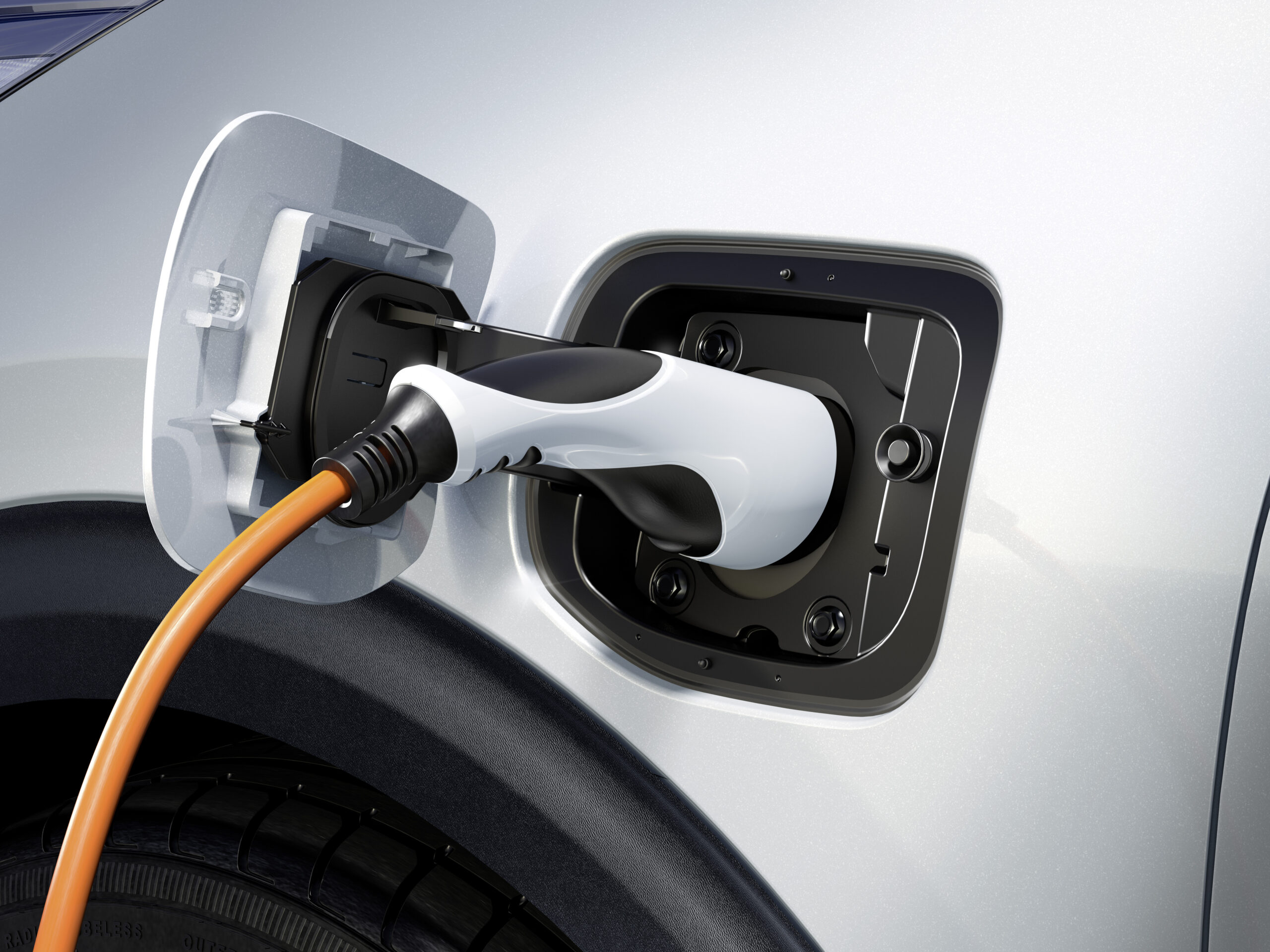
The Kia EV6 promises ultra-fast charging of up to 240 kW, but many owners struggle with faults and inconsistent charging performance. Problems with the 12V battery and low battery temperatures regularly lead to interruptions and disappointing charging speeds. With the right knowledge and approach, you can avoid many of these frustrations.
The EV6 uses the advanced 800-volt E-GMP platform. In theory, this allows you to charge from 10% to 80% in just 18 minutes. This is a major advantage compared with 400-volt electric cars that reach a maximum of 120 to 150 kW. In practice, however, things turn out to be more difficult for Kia EV6 owners than the specifications would have you believe.
The most frequently reported faults stem from technical defects and climatic conditions. Below is an overview of common problems. After that you will find concrete tips for optimal rapid charging.
Why rapid charging sometimes stops abruptly
The most frustrating problem is unexpected interruption while rapid charging. The main culprit is the 12V battery, which does not charge properly. This small battery powers the car’s electronics and when it fails, the whole system shuts down.
Owners regularly report that warning messages appear during a rapid charging session, performance drops and the car sometimes completely refuses to continue charging. In many cases, roadside assistance from Kia is required. The mechanic replaces the 12V battery on the spot. This problem occurs more often than Kia officially acknowledges.
A second cause is the rare so-called zombie mode phenomenon. This occurs when shifting quickly between gears during or shortly after a charging session. The car ends up in a kind of locked state and refuses to function. Although this happens less frequently, it is good to be aware of it.
‘ This can easily double the duration of a rapid charging session. ’
Coldgate drastically reduces charging performance
The well-known coldgate problem affects many EV6 owners in winter. Coldgate means that the car charges extremely slowly in the cold. At outside temperatures below 20 to 25 degrees, the battery charges considerably more slowly. The battery must first warm up to the ideal temperature of around 25 degrees.
The EV6 makes the problem worse by prioritising heat management in such a way that the cabin comes first. Thermal management determines how the car distributes battery heat across charging, driving and heating. The software prioritises heating the cabin to 21 degrees instead of warming up the battery. As a result, it takes longer before you reach the maximum charging speed of 240 kW.
Users report that rapid charging below 20 degrees is dramatically disappointing without first warming up the battery. Whereas in summer you can easily charge at 200 kW or more, in winter you sometimes get stuck at 50 to 70 kW. This can easily double the duration of a rapid charging session.
Kia has announced that it will solve this with a software update. This update proactively warms up the battery as soon as you enter a charging station into the navigation system. The over-the-air update should significantly improve the situation.
Best practices for optimal rapid charging
Battery temperature is the most important factor for fast charging performance. Drive for at least 30 minutes before charging, especially in the colder months. This driving heat brings the battery into the optimal zone for peak power.
Choose the right charger for maximum speed. The EV6 uses the CCS connector (Combined Charging System, a standard plug for fast DC charging in Europe) for DC rapid charging. DC rapid charging means charging with direct current straight into the battery, allowing you to charge much faster than with AC charging using alternating current via the on-board charger. The CCS connector uses both the upper and lower inlets. Charging networks such as Ionity with 350 kW stations and Fastned with 300 kW stations are ideal for maximum charging speed.
Important tips for effective rapid charging:
- Drive for at least half an hour before you start rapid charging so that the battery is warm
- Enter the charging station into the navigation system for automatic preparation as soon as the software update is available
- Check the status of your 12V battery regularly via the dashboard
- Preferably charge between 10% and 80% for the fastest sessions
- Avoid quick shifts between gears directly after charging
Realistic charging times per type of charger
The type of charger and the starting situation strongly determine charging time. For the 77.4 kWh battery in the EV6, you can assume the following times from 0% to 80% with DC rapid charging.
With a 240 kW DC charger (direct current charger with 240 kW power) it takes about 18 minutes, provided the battery is at the right temperature. This is the ideal situation, which is often not achievable in winter. A 100 kW DC charger takes you to 80% in about 30 minutes, while a 50 kW charger needs around 45 minutes.
For AC charging (charging with alternating current via the on-board charger, slower than DC rapid charging) the times are considerably longer. The EV6 supports a maximum of 7.4 kW AC charging via the on-board charger. Do not exceed this power. Charging a completely empty battery to completely full takes about 4 hours at 22 kW AC, around 11 hours at 7.4 kW AC and as much as 25 hours when slowly charging at 3 kW.
‘ Bear in mind that this is a temporary solution and not a structural repair. ’
Emergency workaround for 12V battery problems
When the 12V battery is flat while you are on the road, there is a temporary workaround before roadside assistance arrives. Use a power bank with a boost function to temporarily start the battery.
Place the positive and negative cables on the corresponding terminals of the 12V battery. Press the boost button and wait until the system starts up. This will allow you to drive to a garage for replacement. Bear in mind that this is a temporary solution and not a structural repair.
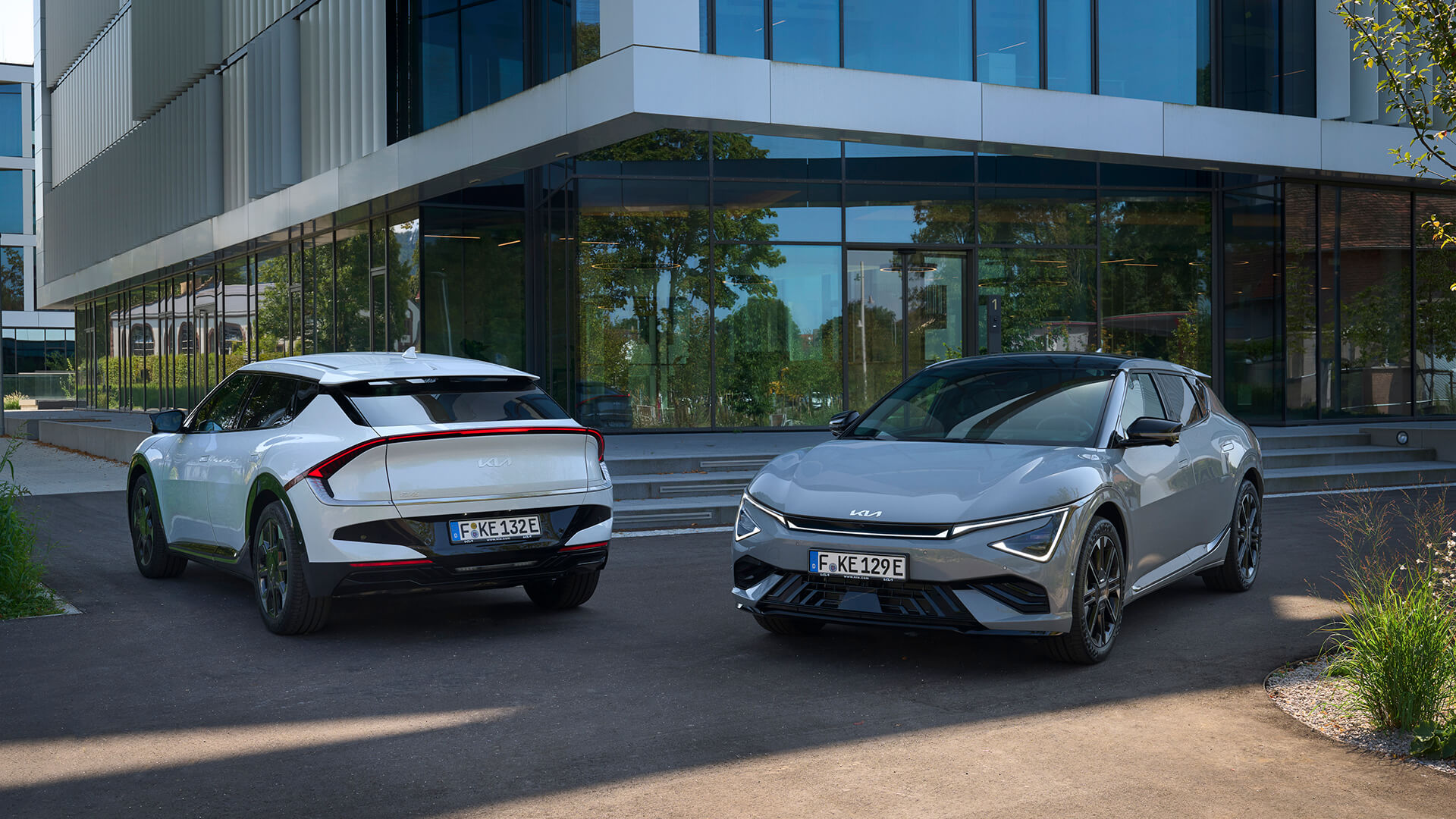
Types of chargers and connections for the EV6
The EV6 has its charging port located on the rear right and supports various charging types. For DC rapid charging you use the CCS connector, which gives access to both the upper and lower inlets of the charging port.
For AC charging at home or at work, the car supports both slow 3-pin Type 2 connections and faster Type 2 cables. When charging at home with a Level 1 charger (a simple home charger with a standard household socket and low power), you can optimise the speed. With a Level 1 charger at home, set the charger to 12 amps instead of the default 6 amps. Hold the button down to change this setting. This considerably shortens charging time.
Seasonal effects on charging performance
In practice, the season makes a big difference to charging. In summer, you can easily reach maximum charging speeds without any extra preparation. The ambient temperature ensures that the battery quickly reaches the ideal temperature.
Winter, on the other hand, requires careful planning. Without preheating, allow for at least 30% longer charging times. Do you regularly make longer journeys in cold conditions? Then plan extra time for charging stops. Where possible, make use of the announced navigation integration for battery preheating.
‘ The EV6 is an impressive electric car with excellent rapid charging potential. ’
Check your systems regularly
Regular maintenance prevents many problems. Check the status of your 12V battery at least once a month. You do this via the infotainment system. This way you can detect early signs of voltage drops in good time, so you do not end up stranded with a flat battery.
Also regularly check whether software updates from Kia are available. The announced update for battery preheating can make a big difference to winter performance. Some owners have already received this via over-the-air updates, while others may need to visit the dealer for installation.
The EV6 is an impressive electric car with excellent rapid charging potential. However, the car does require an understanding of its limitations. In addition, you should optimise the conditions. With the right approach, you will get the most out of it.
The Carnews website offers a lot of extra information about electric cars, charging infrastructure and specific model-related problems. Discover more tips and real-world experiences to get the most out of your electric driving experience.
Frequently asked questions
The most common “fault” when rapid charging the Kia EV6 is heavily delayed charging with a cold battery (“coldgate”), especially below around 20 °C, because the battery first has to warm up. In addition, owners report problems with the 12V battery, which sometimes does not charge properly and can cause error messages or even shutdown during or after charging. Less often, software/communication issues are mentioned, such as failing to reach the expected charging power at certain rapid chargers.
You can often solve common rapid charging problems with the Kia EV6 (such as slow charging due to a battery that is too cold) by driving for 20–30 minutes before rapid charging so that the battery reaches around 25 °C, especially in cold weather. Ideally, choose a powerful CCS rapid charger (e.g. Ionity/Fastned) and check that the charging cable is properly connected and the charging station is not showing a fault message. If you have 12V battery problems, in emergencies you can use a booster/power bank on the positive and negative terminals to “wake” the car up again so you can drive to the garage. Preventively, it helps to keep software up to date, have the 12V status checked regularly, not always charge to 100%, and, for longer trips, to add a rapid charger to the route planner in good time so that the car can condition the battery better.
Make sure the battery pack is around 20–25 °C by driving a distance shortly before rapid charging, especially in cold weather, so the battery can charge faster and at a higher power. Ideally, choose a powerful DC charger (e.g. Ionity 350 kW or Fastned 300 kW) and start charging between roughly 10–60/70%, because the charging speed drops sharply above about 80%. Keep climate control moderate while rapid charging (not maximum heating/cooling) so that as much power as possible goes to the battery. Regularly check the 12V battery and have any required software updates installed, so that charging efficiency and reliability remain optimal.
Yes, the choice of rapid charger can affect the likelihood of faults or charging problems with the Kia EV6. Higher power chargers (e.g. Ionity 350 kW, Fastned 300 kW) are well matched to the EV6’s 800 V system and usually provide the most stable and fastest charging experience. Older or lower power chargers may more easily lead to slower charging, session interruptions or error messages, especially under unfavourable conditions (cold battery). In addition, incorrect use or poor condition of the charging station can further increase the likelihood of faults.
Yes, Kia has (or is working on) software updates that can preheat the battery when you select a rapid charger as your destination in the navigation system, which improves the reliability and speed of rapid charging, especially in cold weather. Check with the dealer or via Kia Connect whether the latest software version for battery and charging management has been installed. In addition, you can set climate control and route planning so that the car has been driving for some time before arrival and the battery is at temperature. Finally, preferably use modern HPC chargers (e.g. Ionity/Fastned) and keep an eye on the trip computer so you can detect abnormal charging behaviour in good time.