
The Kia EV6 scores better on reliability than many petrol cars, thanks to a 7‑year factory warranty, minimal faults and a battery condition that still stands at 100% after years of use. Whereas petrol cars often do not get beyond 200,000 kilometres without major issues, in practice the EV6 remains highly reliable with lower maintenance costs. However, the story is not complete without a few caveats.
Electric cars are known for having less mechanical complexity, but does that also mean that the Kia EV6 is more reliable than traditional petrol models? In this article we compare the reliability of this electric SUV with petrol cars and look at where the differences lie.
Reliability of the Kia EV6 in everyday use
The Kia EV6 won the 2022 Car of the Year title, partly thanks to its advanced 800‑volt technology and solid performance. Owners rarely report defects and are positive about the low maintenance costs. The battery retains its condition excellently: even after 29,000 kilometres and 2.5 years of use, capacity remains at 100%.
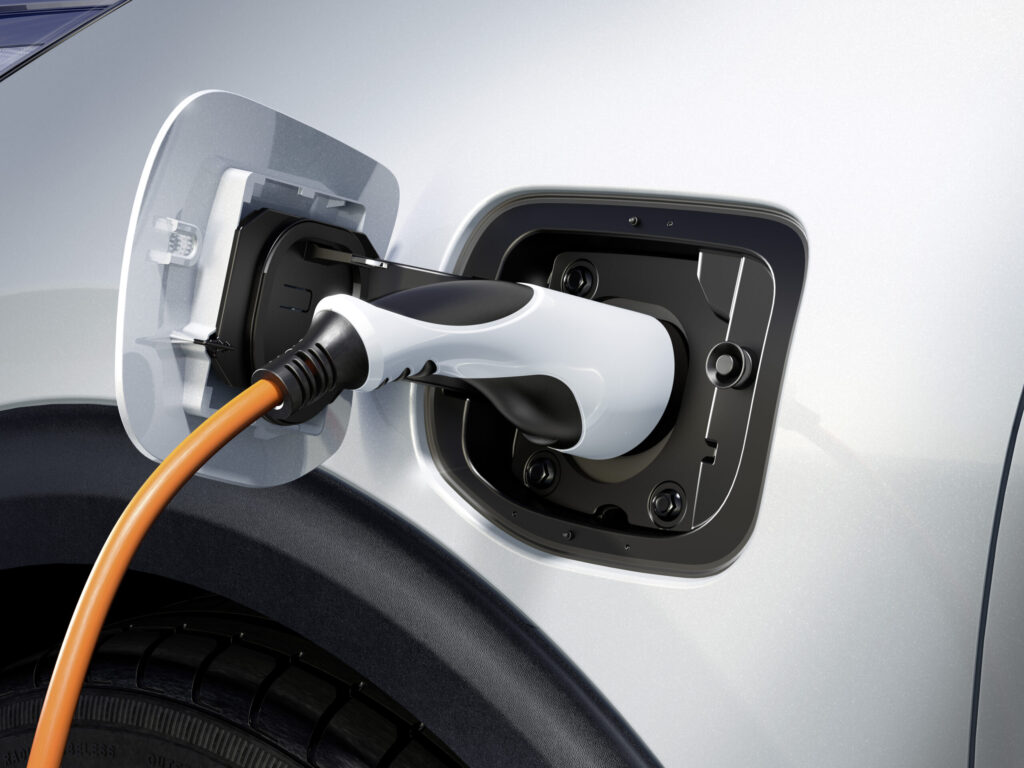
This stands in stark contrast to petrol cars, where after 100,000 kilometres the first major repairs to the engine, transmission or exhaust system are often needed. The roadside assistance service describes the EV6 as highly reliable, with the only reported downside being a charging cable that sometimes gets stuck. You can easily solve this problem with the emergency release.
The seven‑year factory warranty provides extra peace of mind. For many petrol models, the warranty ends after three years or at 100,000 kilometres. That also makes the EV6 attractive as a used car.
Costs and maintenance compared
The maintenance costs of electric cars are structurally lower than those of petrol cars. The EV6 has no oil, filters or spark plugs that need to be replaced regularly. Brakes wear less thanks to regenerative braking. The main maintenance items are tyre changes, brake fluid and air conditioning.
Per kilometre driven, you pay between 5 and 8 cents with the EV6 when charging at home at a rate of 25 cents per kWh. Real‑world consumption is 18 kWh per 100 kilometres. Petrol cars cost on average 12 to 16 cents per kilometre with a consumption of 6 to 8 litres per 100 kilometres and a fuel price of 2 euros per litre.
- Charging costs EV6 at home: 5–8 cents per kilometre
- Fuel costs petrol car: 12–16 cents per kilometre
- Maintenance costs EV6: lower thanks to fewer moving parts
- Maintenance costs petrol: higher due to oil, filters and engine wear
With solar panels, charging costs drop further to 1 to 4 cents per kilometre. That saves you hundreds of euros a year compared with a petrol car.

Differences in technology and wear
Petrol cars have complex mechanical systems with hundreds of moving parts. Engine, gearbox, clutch and exhaust are all susceptible to wear. Over time, pistons, valves and bearings wear out. Timing belts have to be replaced every 100,000 kilometres.
The EV6 has an electric motor with far fewer moving parts. As a result, mechanical wear is limited. In theory the battery lasts longer than a petrol engine. It is expected that the battery will cover at least 200,000 kilometres with limited loss of capacity.
A petrol engine often begins to lose power after 150,000 to 200,000 kilometres or requires costly repairs. The expected life span of the EV6 battery is well above that. This makes the electric car attractive for those who want to drive for a long time without major investments in repairs.
Charging speed and range as reliability factors
The EV6’s 800‑volt architecture enables a charging speed of up to 240 kW. This lets you charge the battery from 10% to 80% in 18 minutes. The WLTP range is up to 528 kilometres. In practice, owners achieve between 400 and 585 kilometres, depending on driving style and conditions.
Petrol cars refuel faster, in about five minutes, but petrol is more expensive and total costs per kilometre are higher. For longer journeys, a petrol car may be more convenient due to the larger network of filling stations. For daily use and journeys within the Netherlands, the EV6 offers sufficient range and fast charging options.
Owners recommend choosing the rear‑wheel‑drive version with the 77.4 kWh battery for maximum range. In real‑world use it achieves 545 to 585 kilometres. Avoid 20‑inch wheels, as they reduce the range to 484 kilometres.
Practical tips from owners
EV6 owners share useful experiences for optimum use and reliability. Use rapid chargers with at least 240 kW for the shortest charging time. Charging at home saves costs and is convenient. Regularly check the charging cable and use the emergency button if it gets stuck.
Calm driving maximises range. Aggressive acceleration and high speeds significantly increase consumption. The rear‑wheel‑drive version is more economical than the four‑wheel‑drive. For families, the V2L function is convenient: it lets you charge external devices from the car.
- Choose rapid chargers with 240 kW or more for the shortest charging time
- Charge at home for the lowest cost per kilometre
- Choose rear‑wheel drive for the best range and efficiency
- Avoid 20‑inch wheels to maximise range
- Use the V2L function for external devices
The EV6 can tow up to 1,600 kilograms, comparable with many petrol SUVs. That is sufficient for caravans or trailers. The chassis remains stable, even at speeds up to 160 kilometres per hour.
Warranty and insurance cover
The seven‑year factory warranty up to 2031 is a major strength of the EV6. The battery warranty covers defects and loss of capacity. Petrol cars often have shorter warranties of three to five years. After the warranty expires, you have to pay for all repairs yourself.
Insurance policies usually include cover as standard for damage to the battery caused by accidents. Do check whether faults due to wear or software problems are covered. Some insurers offer special electric‑car packages with extra cover for charging cables and home chargers.
Repairs to electric cars can be more expensive due to the specialist knowledge and parts required. The warranty largely absorbs this. For petrol cars, parts are often cheaper and more widely available, but higher wear ultimately leads to more repairs.
Is the Kia EV6 more reliable than petrol Kia models?
Compared with Kia’s petrol models, the EV6 scores well on reliability. Kia is known for solid cars with good warranties, but even the petrol models experience wear to the engine and transmission. Thanks to the electric powertrain, the EV6 does not suffer from this.
Petrol models such as the Sportage or Ceed are reliable but need more maintenance. Oil changes, filter changes and exhaust inspections cost time and money. The EV6 needs less frequent workshop visits. That reduces the total costs over its life cycle.
The EV6 combines reliability with modern technology and strong performance. Versions range from 170 to 325 bhp, with the GT version up to 586 bhp. That offers more choice than many petrol models. The smooth acceleration thanks to instant torque makes driving more comfortable.
‘ The expectation is that the EV6 will still be a solid car with sufficient range in ten years’ time. ’
Long‑term outlook and value retention
Electric cars such as the EV6 hold their value well thanks to the long warranty, low running costs and growing demand for used EVs. Petrol cars depreciate faster due to declining demand and higher maintenance costs.
The battery remains the main point to watch. It is expected that the EV6 battery will cover at least 200,000 kilometres without major loss of capacity. That is longer than most petrol cars can go without a major engine overhaul. The expectation is that the EV6 will still be a solid car with sufficient range in ten years’ time.
Petrol cars can also last a long time, but costs rise as the car gets older. Repairs to engine, transmission and exhaust become more expensive and more frequent. The EV6 suffers less from this thanks to the simpler powertrain.
On the Carnews website you can read extensive comparisons between electric cars, detailed analyses of maintenance costs and real‑world experiences from owners of different models. Compare which powertrain best matches your driving style and budget.
Frequently asked questions
The Kia EV6, partly thanks to its 7‑year factory warranty and simple electric powertrain, has a higher expected reliability than many comparable petrol cars, which around 200,000 km more often face major engine or transmission problems. In practice, faults with the EV6 are rare and measurements show that the battery capacity hardly decreases after several years of use. As a result, the expected life span of the powertrain and battery is at least on a par with, and often above, that of comparable petrol models. Petrol cars also have more wear‑sensitive components (such as exhaust, clutch and gearbox), which can negatively affect their long‑term reliability compared with the EV6.
The battery of the Kia EV6 proves to be very reliable in practice, with 100% capacity remaining after 2.5 years and 29,000 km, which is more favourable than the wear and risk of major engine damage found in petrol engines at higher mileages. The electric motor(s) have fewer moving parts than a combustion engine, which means there are fewer wear‑sensitive components than in traditional powertrains. The high‑voltage electronics and 800‑volt charging system also prove reliable, with few reported defects. There is an occasional issue with a charging cable that gets stuck, which can be solved with an emergency release and is not comparable with typical faults in the gearbox or fuel system of petrol cars.
The Kia EV6 has fewer wear‑sensitive parts (no oil, spark plugs, exhaust, clutch or conventional gearbox), so its maintenance needs and costs are structurally lower than those of an average petrol car with a combustion engine. Brakes and tyres wear relatively less quickly on the EV6 due to regenerative braking, whereas in petrol cars brake work and engine/drivetrain maintenance represent a larger cost item and source of faults. The 7‑year factory warranty (including the battery) limits unexpected costs with the EV6 and increases the perceived reliability, while petrol cars face expensive repairs more often as the mileage increases. The EV6 can, however, occasionally require EV‑specific maintenance (for example to the charging‑cable mechanism or software updates), but this is generally less frequent and less costly than the mechanical problems in petrol cars.
Relatively few real “teething troubles” are reported for the Kia EV6; roadside assistance services and owners rate it as very reliable. One specific recurring issue is a charging cable that can sometimes remain stuck, which can be solved using an emergency release. In addition, there are mainly minor software and infotainment‑related niggles (such as glitchy updates or connectivity), which are resolved via updates. Compared with established petrol models, there are fewer engine or drivetrain problems, partly because an EV has fewer wear‑sensitive components.
Intensive use and a sporty driving style mainly affect power consumption and range in the Kia EV6, but much less the mechanical wear than in a comparable petrol car (no gearbox, clutch or complex engine with many moving parts). The EV6 remains relatively reliable because the electric motor and drivetrain are robust and simple, and Kia provides a 7‑year warranty on the car and battery. In a petrol car with similar performance, high revs and sporty driving more quickly lead to wear of the engine, gearbox and brakes. With the EV6, however, constant hard acceleration and high speeds will cause the battery to age faster than with calm driving, but in practice degradation appears to be limited.