
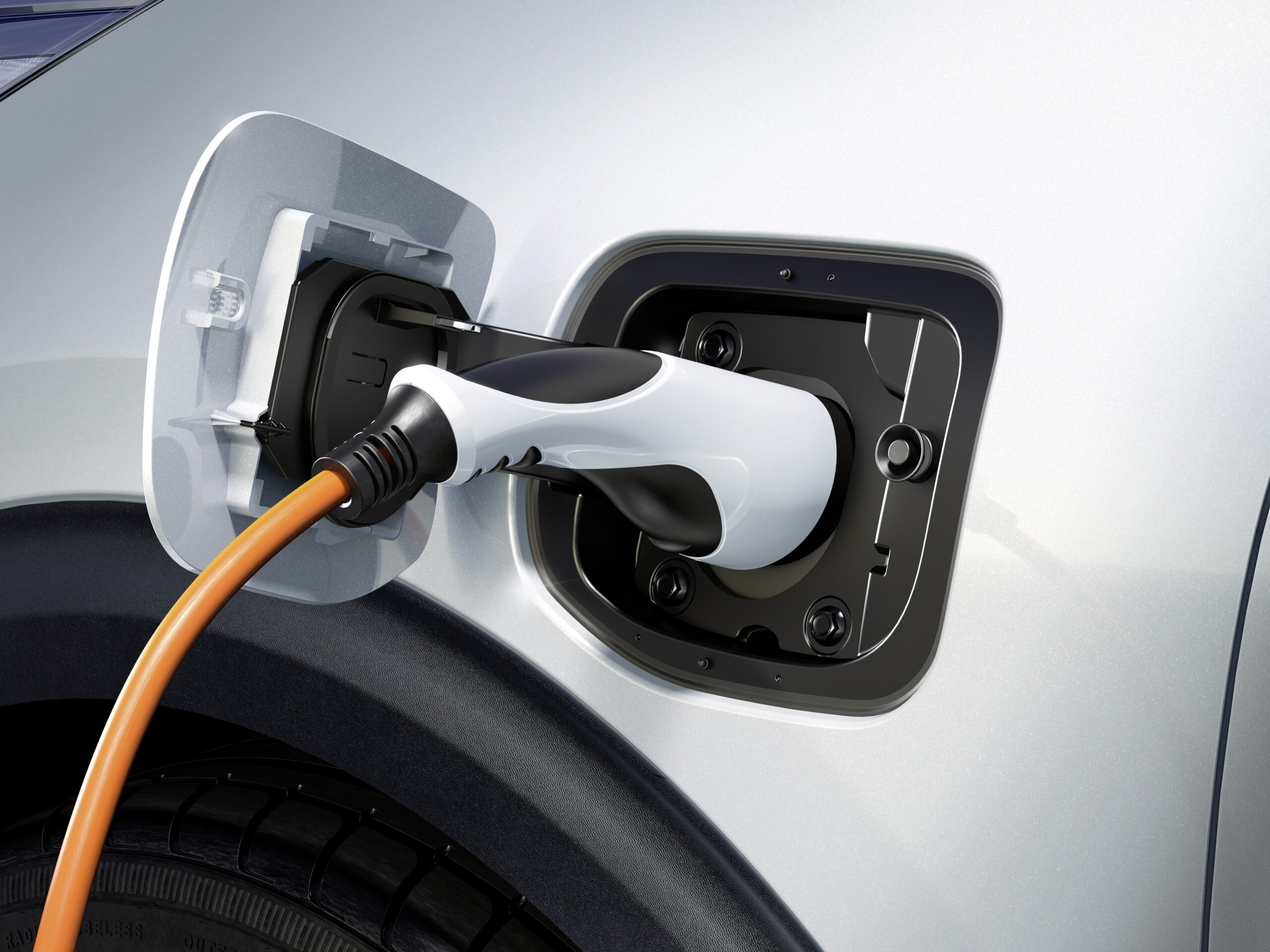
The Kia EV6 struggles with more reliability issues than comparable electric cars, mainly due to failures of the 12V battery and Integrated Charging Control Unit (ICCU). These hardware issues lead to longer repair times and more breakdowns on the road than with petrol models or rivals such as the Hyundai Ioniq 5. How exactly does the EV6 compare with other popular electric models, and what does this mean for your buying decision?
Main reliability issues with the Kia EV6
The 2024 model of the Kia EV6 scores significantly lower on reliability than other cars from the same model year. The NHTSA registered two recalls directly related to the drivetrain. The most serious problem concerns failure of the ICCU, the integrated charging control unit that manages power between the high-voltage battery and the 12V system.
When the ICCU fails, the car suddenly loses drive power while driving. The car then becomes unresponsive, which greatly increases the risk of a crash. Kia offers a software update via a recall, but this solution requires two dealer visits and does not guarantee a definitive fix. Owners report that the fear of sudden failure causes particular stress on long journeys.
In addition to the ICCU, owners report defects in the electric drivetrain, driveshaft, differential and traction control systems. These problems occur more often than in petrol versions of Kia models. Repair times are on average longer because dealers do not always have the correct parts or expertise for this relatively new technology.
‘ The Hyundai Ioniq 5 uses identical technology to the EV6 but, according to breakdown statistics, shows a better reliability score. ’
How reliable is the EV6?
Compared with its rivals, the EV6 presents a mixed picture. The car performs excellently on charging speed and range thanks to its 800V platform, but scores lower on reliability due to hardware failures. Most rivals mainly struggle with software-related complaints, whereas the EV6 suffers from more serious hardware failures.
The EV6 achieves an EPA range of 237 to 319 miles, depending on the configuration. Charging from 10 to 80 per cent takes less than 18 minutes on a 350 kW rapid charger. These figures are comparable to the Hyundai Ioniq 5, which uses the same platform. The 0 to 60 mph acceleration time of 4.5 to 6.7 seconds is among the strongest in the segment, especially in the AWD GT-Line version.
Tesla Model Y owners report fewer ICCU-related failures, but more frequent software glitches and problems with the infotainment system. The Hyundai Ioniq 5 uses identical technology to the EV6 but, according to breakdown statistics, shows a better reliability score. This difference is mainly due to fewer reported failures in the charging management system, even though both models share the same hardware components.
Comparison with the Hyundai Ioniq 5
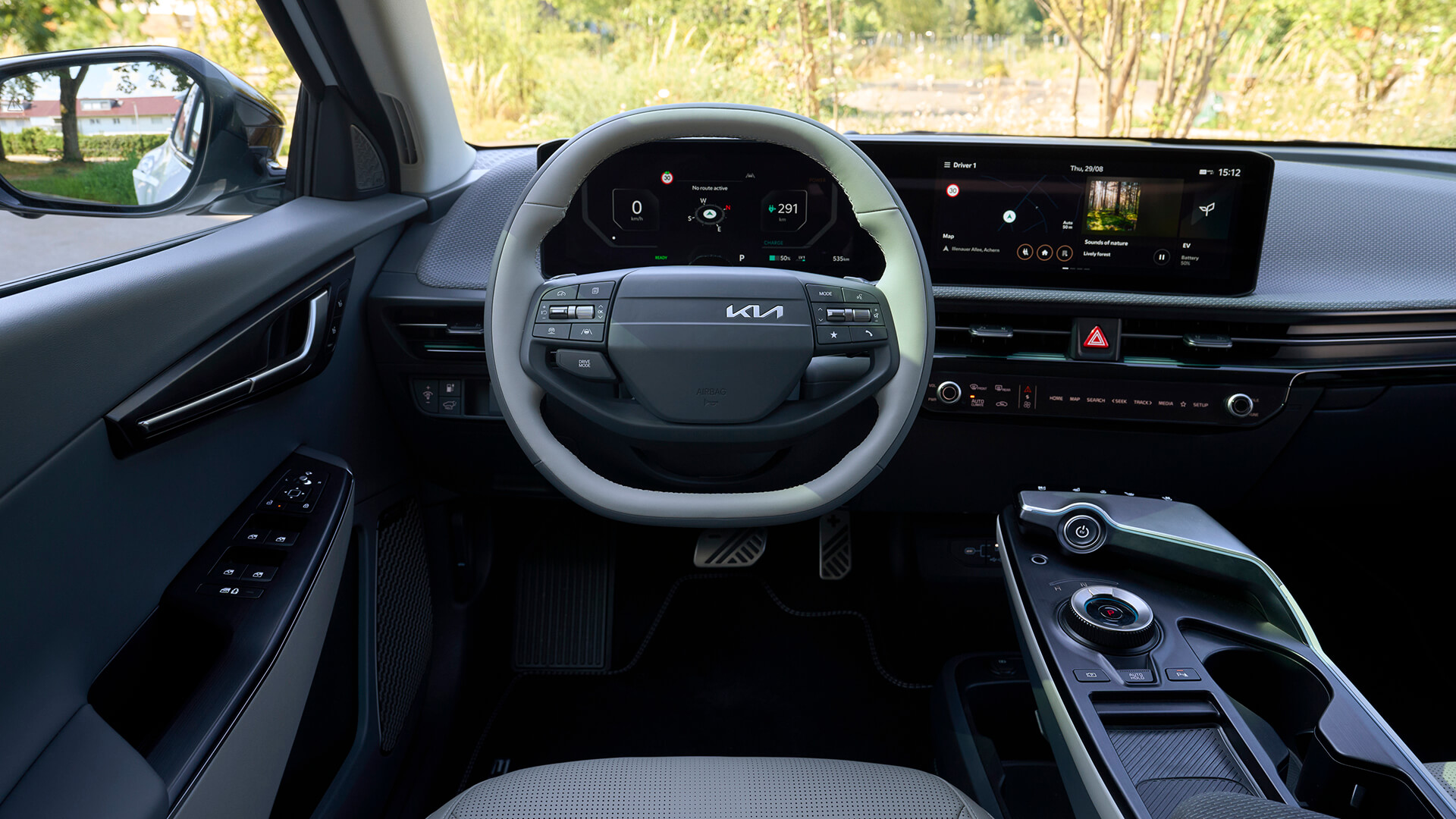
The EV6 and Ioniq 5 share the E-GMP platform but show striking differences in reliability. The Ioniq 5 scores higher in breakdown statistics, with fewer reports of ICCU failure. Both models have the same 12V battery architecture and charging technology, but the EV6 records more complaints about sudden power loss.
The EV6’s slightly more aggressive set-up may play a role. The sportier drive mode and higher power output can put more strain on the electrical system. Hyundai dealers also report that Ioniq 5 owners generally install updates sooner, which may prevent certain issues before they appear.
Both models offer identical warranties on the high-voltage battery and electric drivetrain. In practice, however, EV6 owners contact dealers more often about unexpected faults. Repair times are similar for both models because they have access to the same parts network.
Electric cars with the most problems
Reliability studies place several electric models in the higher-risk zone for breakdowns. The EV6 is not alone on this list, but it is among the models with an above-average number of hardware-related complaints. Electric cars with complex multi-motor set-ups or advanced charging systems show more frequent failures than more simply configured models.
Well-known problem models alongside the EV6 include:
- Tesla Model X, with falcon-wing doors that regularly jam
- Ford Mustang Mach-E, with 12V battery issues similar to the EV6
- Audi e-tron, with software issues in the charging system
- Volkswagen ID.4, with infotainment crashes
- Nissan Ariya, with heat pump failures
The EV6 stands out because of problems that directly affect driveability. While other models mainly struggle with comfort or software issues, the EV6 can suddenly lose all power. This makes its reliability problem more serious than that of most rivals.
‘ The EV6’s charging speed outperforms that of the Model Y thanks to its 800V architecture, but this advantage does not outweigh the lower reliability score. ’
Tesla Model Y versus EV6 reliability
The Tesla Model Y shows different reliability issues to the EV6. Tesla owners more often report problems with fit and finish, paint and software, but significantly fewer hardware failures that lead to complete breakdowns. The risk of being stranded at the roadside is statistically lower with the Model Y, although it does have to return to the dealer more often for minor adjustments.
Tesla’s over-the-air updates resolve many software issues without a dealer visit. The EV6 requires physical servicing for its main problems, which takes more time and planning. The EV6’s charging speed outperforms that of the Model Y thanks to its 800V architecture, but this advantage does not outweigh its lower reliability score.
Owners of both models report good experiences with day-to-day usability. The difference lies mainly in predictability. Model Y problems are often minor and signalled in advance via warnings, whereas EV6 failures sometimes occur without any prior indication. For those seeking peace of mind on longer journeys, the Model Y therefore scores higher.
Practical tips for EV6 buyers
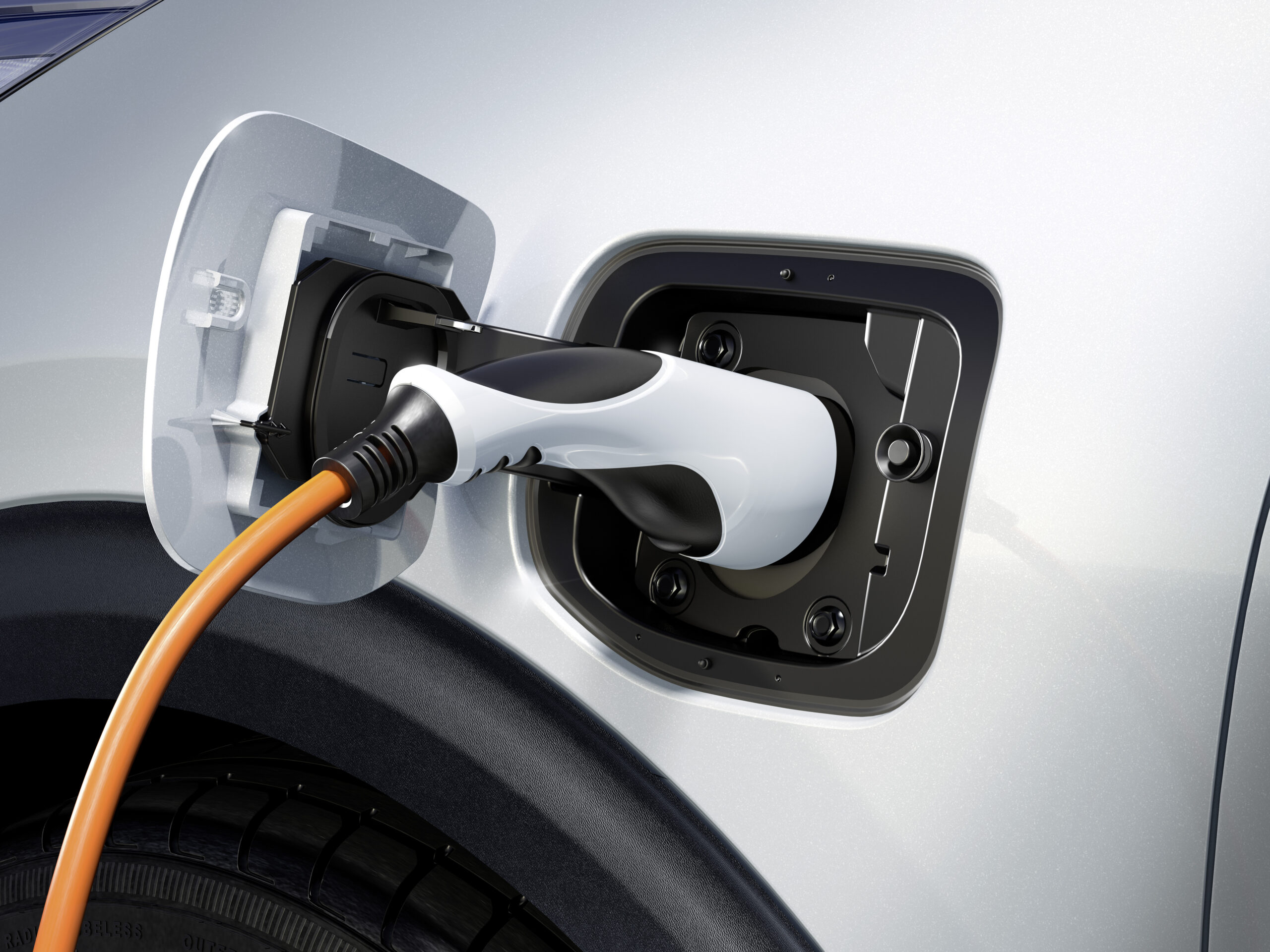
When buying, check whether all ICCU software updates have been installed. Ask the dealer to check the condition of the 12V battery before you take a test drive. For used models, it is important to inspect the service history for completed recalls and battery health. A capacity above 90 per cent after two years of use is normal.
At home, use an 11 kW AC charger if possible for a full charge overnight. On the road, use 350 kW DC rapid chargers for optimum charging times. The RWD version offers the maximum range of 319 miles, while the AWD version excels in performance, sprinting to 100 km/h in 4.5 seconds.
Avoid long journeys without a nearby Kia dealer until the ICCU issues have been fully resolved. Plan routes with charging stops at locations where service is available. Before long trips, test the behaviour of the charging system by charging from 10 to 80 per cent a few times and checking for error messages.
The EV6 as a daily car
Despite its reliability issues, the EV6 offers a premium electric experience. Rapid charging times of 18 to 20 minutes from 10 to 80 per cent and a real-world range of up to 310 miles make it suitable for everyday use. Owners without ICCU problems report being satisfied with the car as a daily driver.
The combination of the 800V platform with powerful electric motors delivers impressive performance. The interior offers plenty of space and modern technology. The warranty covers a wide range of components, providing protection against unexpected costs in the event of defects.
For those who combine the EV6 with solar panels at home, a net positive energy balance is possible. Charging at home using self-generated electricity makes the car particularly cost-effective in daily use. Its practical usability is high, provided you take the known weak spots into account.
On the Carnews website you will find extensive information on many more electric models, specific car problems by brand and practical tips for maintaining your electric car. Discover which electric car best suits your situation and what you should pay attention to when buying and using one.
Frequently asked questions
The most frequently reported reliability problems with the Kia EV6 concern failures of the Integrated Charging Control Unit (ICCU), which can lead to sudden loss of drive power while driving. In addition, defects in the electric drivetrain and components such as driveshaft, differential and stability systems are mentioned relatively often. Compared with many other EVs (such as Tesla and Hyundai Ioniq models), what stands out with the EV6 are particularly these hardware and safety-related failures, while rivals more often report “milder” software and infotainment issues. As a result, the recent EV6 model is rated as less reliable than comparable electric vehicles in some assessments.
The Kia EV6 uses a modern 800V architecture and efficient battery packs, resulting in fast charging times and relatively limited reported degradation, comparable to or better than many competitors. The drivetrain offers strong performance and efficiency, but suffers from specific reliability issues such as ICCU failures that can lead to loss of drive. Compared with rivals such as Tesla and Hyundai Ioniq models, the EV6 therefore scores weaker on structural drivetrain reliability, despite its technically advanced platform. Overall, the battery life and technology are competitive, but the practical durability of the drivetrain is overshadowed by these recurring failure issues.
In general, Kia’s long warranty (often 7 years) and extensive EV-specific coverage do provide an advantage in cost certainty and risk protection over the long term compared with many other popular EV brands. This means that known issues, such as ICCU and drivetrain problems on the EV6, are relatively well covered by warranty and servicing. However, this does not automatically translate into objectively higher technical reliability: recent EV6 models actually score below average on susceptibility to faults compared with some rivals. Kia’s advantage therefore lies mainly in financial and practical protection when defects occur, not in demonstrably fewer defects.
There is no strong evidence that the physical build quality and materials used in the Kia EV6 are significantly worse than those of premium EVs; fit and finish and the interior are often described as “near-premium” or solid. The main reliability issues (such as ICCU failure and drivetrain faults) are mainly related to electronic components and software, not to body construction or interior materials. Premium EV brands also have their own electronic and software issues, although the nature and frequency differ by brand and model. The reliability gap therefore lies more in specific electronics and system problems than in pure build or material quality.
Independent consumer organisations generally classify the reliability of the Kia EV6 as (significantly) below average, mainly due to frequent ICCU failures and several safety-related recalls. In comparative tests, the EV6 is therefore rated as less reliable than various other common EVs, even though it scores highly on charging speed, driving range and overall build quality. User reports are often more positive than the official reliability statistics, but they do confirm that the technical problems are concentrated around the drivetrain and charging electronics. In consumer comparisons the usual summary is: an excellent product in terms of performance and charging, but with a clear reliability deficit compared with rivals.